
Mushroom Powders: From Forest Floor to Kitchen Shelf
There’s a quiet shift happening in the way we think about everyday ingredients. Things that once lived at the edges of the kitchen—ferments, broths, herbs, long-simmered preparations—are finding their way back, often in new forms. Mushroom powders are one of those ingredients. They show up in coffee blends, tucked into smoothies, stirred into tonics, promising everything from focus to calm to resilience.
It’s easy to be skeptical. It’s just as easy to be intrigued.
Mushrooms themselves are not new. They’ve been part of traditional food cultures for centuries, used not only for their flavor but for the way they were believed to support the body over time. What is new is the format. Drying, grinding, extracting, packaging—these processes have made mushrooms more convenient, more portable, and in many cases, more concentrated.
So the question becomes less about whether mushroom powders “work,” and more about how to understand them well enough to decide if they belong in your kitchen at all.
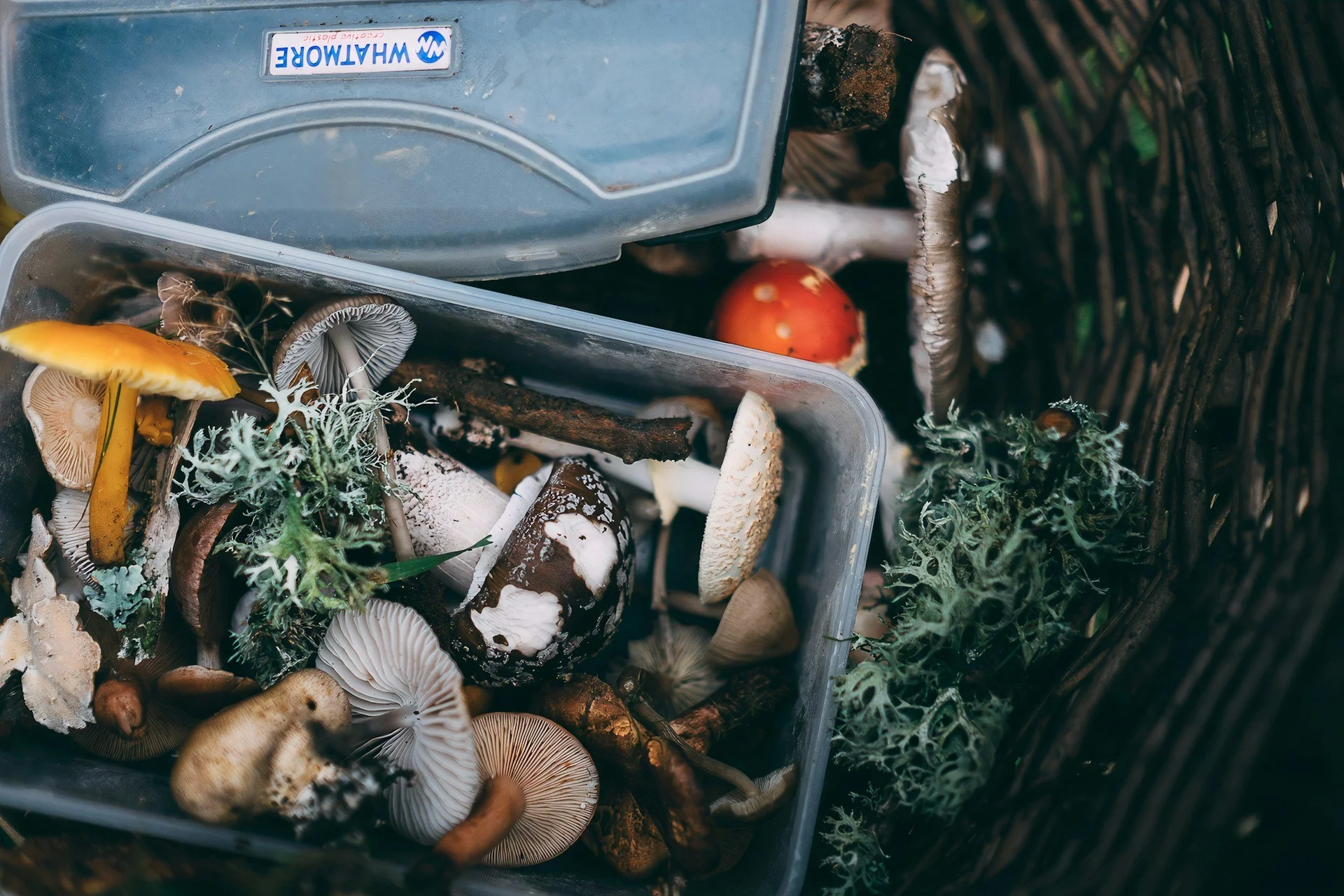
This is not a guide to convincing you to use them. It’s a guide to understanding what they are, how they’re made, how they taste, and how they’re best used—so that if you choose to bring them into your routine, you do so with clarity rather than curiosity alone.
Where This All Began
Long before mushroom powders were added to morning coffee, mushrooms were simmered slowly into broths, steeped into teas, and incorporated into daily meals in ways that were both practical and intentional. They were not taken for quick results. They were used consistently, often in small amounts, as part of a rhythm that emphasized balance over intensity. A pot of broth might simmer for hours, extracting not only flavor but the deeper compounds within the mushroom itself. A tea might be sipped slowly, not because it tasted particularly good, but because it was understood to have a place in the larger picture of health. That context matters. It reminds us that mushrooms were never meant to be a shortcut. They were part of a process.
Some of the earliest written records come from China during the Han Dynasty, around 202 BC to 220 AD, where healers in Traditional Chinese Medicine prized reishi as the “mushroom of immortality” for its ability to promote longevity, vitality, and balance against illness. This reverence spread across Asia to Japan and Korea, where turkey tail entered medical texts for immune support, and cordyceps was harvested from high-altitude regions like Tibet and Sikkim for stamina and endurance—local healers there called it a tonic for “all illnesses,” enhancing energy, appetite, and sleep. In India’s Ayurveda, mushrooms supported overall well-being and cognitive clarity, while Native American traditions used native varieties for both physical healing and spiritual rituals dating back thousands of years. Even Ötzi the Iceman, a 5,300-year-old mummy found in the Alps, carried medicinal fungi suggesting practical use as early as 3300 BC.
What we see now is, in many ways, a condensed version of those traditions blending ancient wisdom with modern convenience. The long simmer has become a scoop of powder. The daily broth has become a quick addition to coffee. Whether that translation holds value depends largely on how we use it.
What Mushroom Powders Are
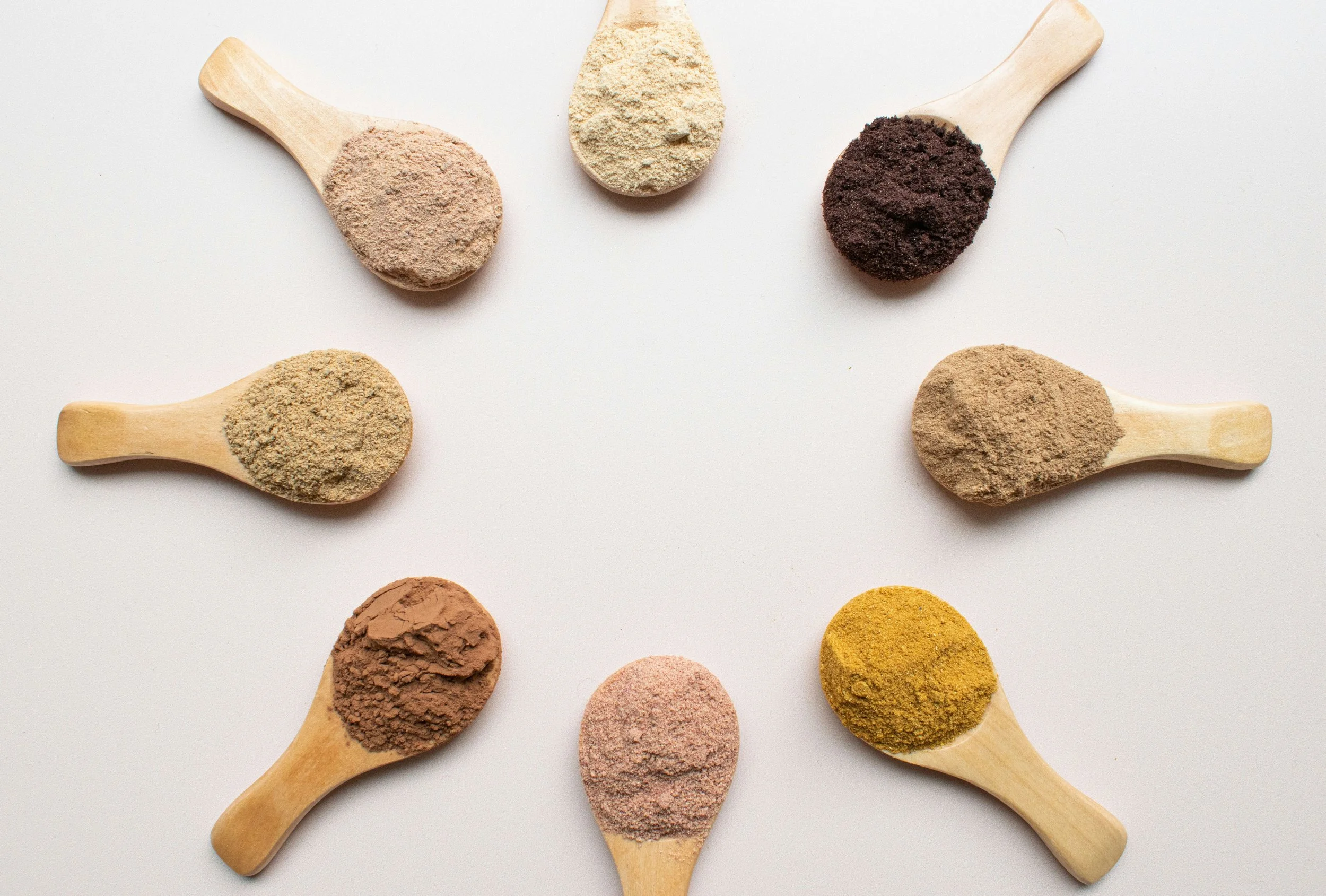
At its core, mushroom powder is simply mushrooms that have been dried and finely ground into a versatile form. You’ll find two main categories: culinary powders, like those from shiitake, porcini, or maitake, which add a rich umami flavor to your soups and stir-fries while delivering everyday nutrients, and functional supplement powders, designed to concentrate bioactive compounds such as beta-glucans and polysaccharides.
Beta-glucans, a type of soluble fiber, act like prebiotics to feed beneficial gut bacteria, helping balance the microbiome, reduce inflammation, stabilize blood sugar, lower cholesterol, and prime immune cells to fight infections more effectively—research even suggests 3 grams daily can support heart health per FDA guidelines. Polysaccharides complement this by enhancing immune modulation, promoting short-chain fatty acid production for better metabolism and gut hormone balance, and offering antioxidant protection against daily stressors. These compounds make powders a step up from whole mushrooms, where tough chitin walls limit absorption unless cooked, and heat can degrade some benefits—powders solve that with processing for higher bioavailability.
Neither is inherently better. They simply serve different purposes. The distinction becomes important when you begin to think about how you want to use them—whether you’re looking to deepen a broth, or support a more specific aspect of your health.
Fruiting Body and Mycelium: Understanding What You’re Buying
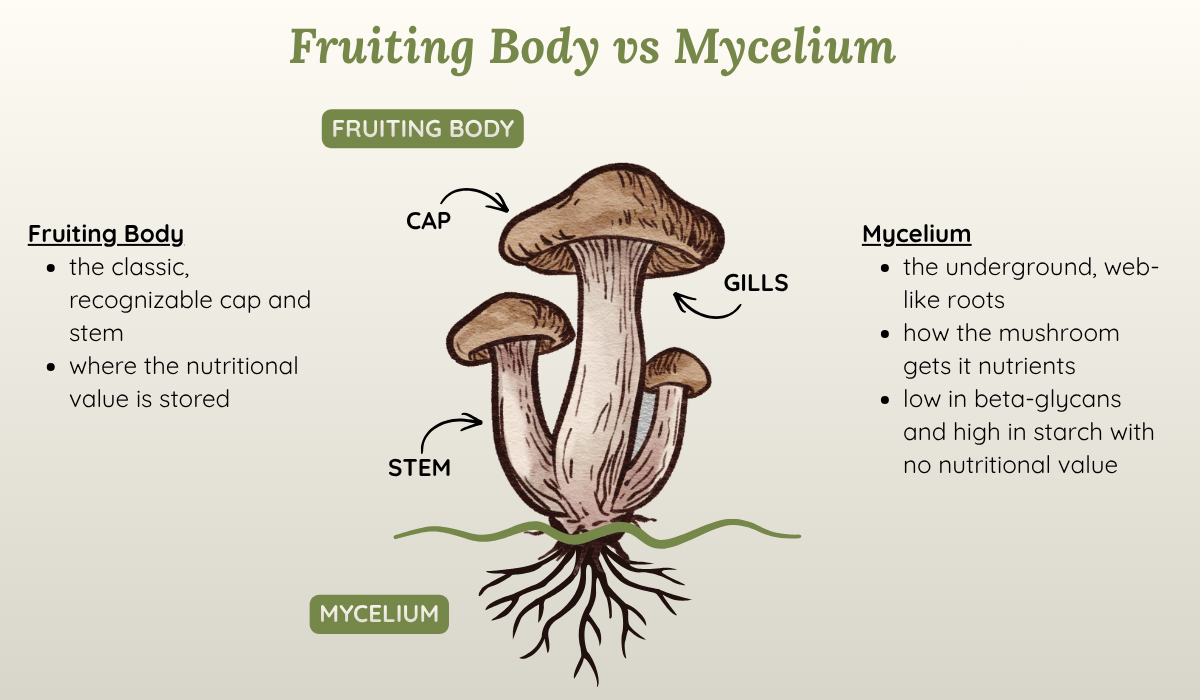
If you’ve spent any time looking at labels, you’ve likely come across the terms “fruiting body” and “mycelium.” They’re often presented as markers of quality, but without much explanation. It’s important to understand the difference between the fruiting body and mycelium, because it directly affects quality and potency in every scoop. The fruiting body is what you recognize as the mushroom itself—the cap and stem that sprout above ground, naturally richest in target compounds like beta-glucans and polysaccharides, often testing at 20-30% or higher in quality extracts. Mycelium is the thread-like underground root system that supports the growth of the mushroom itself.
In commercial production, mycelium is often grown faster in labs on substrates like grains, but this can dilute the mushroom content with starches—sometimes as low as 10-20% actual fungi—reducing efficacy and adding unnecessary carbs. Fruiting body products, especially hot-water extracted ones, consistently outperform in studies for bioavailability and strength, which is why experts recommend them for meaningful results; mycelium shines more in blends where cost matters, but always check labels to avoid filler-heavy disappointments.
This doesn’t make mycelium inherently inferior, but it does make transparency important. When a product clearly states what part of the mushroom is being used, and how it’s been processed, it allows you to make a more informed decision. Without that clarity, you’re left relying on marketing rather than substance.
Extraction Methods
Not all powders are created equal, and extraction unlocks what raw drying can’t—making compounds body-ready. Raw powders retain fiber but leave beta-glucans trapped in chitin, with poor absorption. Water extraction solubilizes polysaccharides for immune and gut perks, alcohol pulls triterpenes for stress relief, and dual-extraction merges both for a full profile, boosting bioavailability up to 10x over raw. Hot-water methods dominate research for reliability, often at 8:1 ratios concentrating grams into milligrams; alcohol adds depth for reishi-like varieties. This processing preserves heat-sensitive actives lost in cooking whole mushrooms, giving powders an edge for consistent daily use.
Taste: The Often Overlooked Factor
Before getting into benefits or uses, it’s worth pausing here, because taste is where many people quietly abandon mushroom powders altogether.
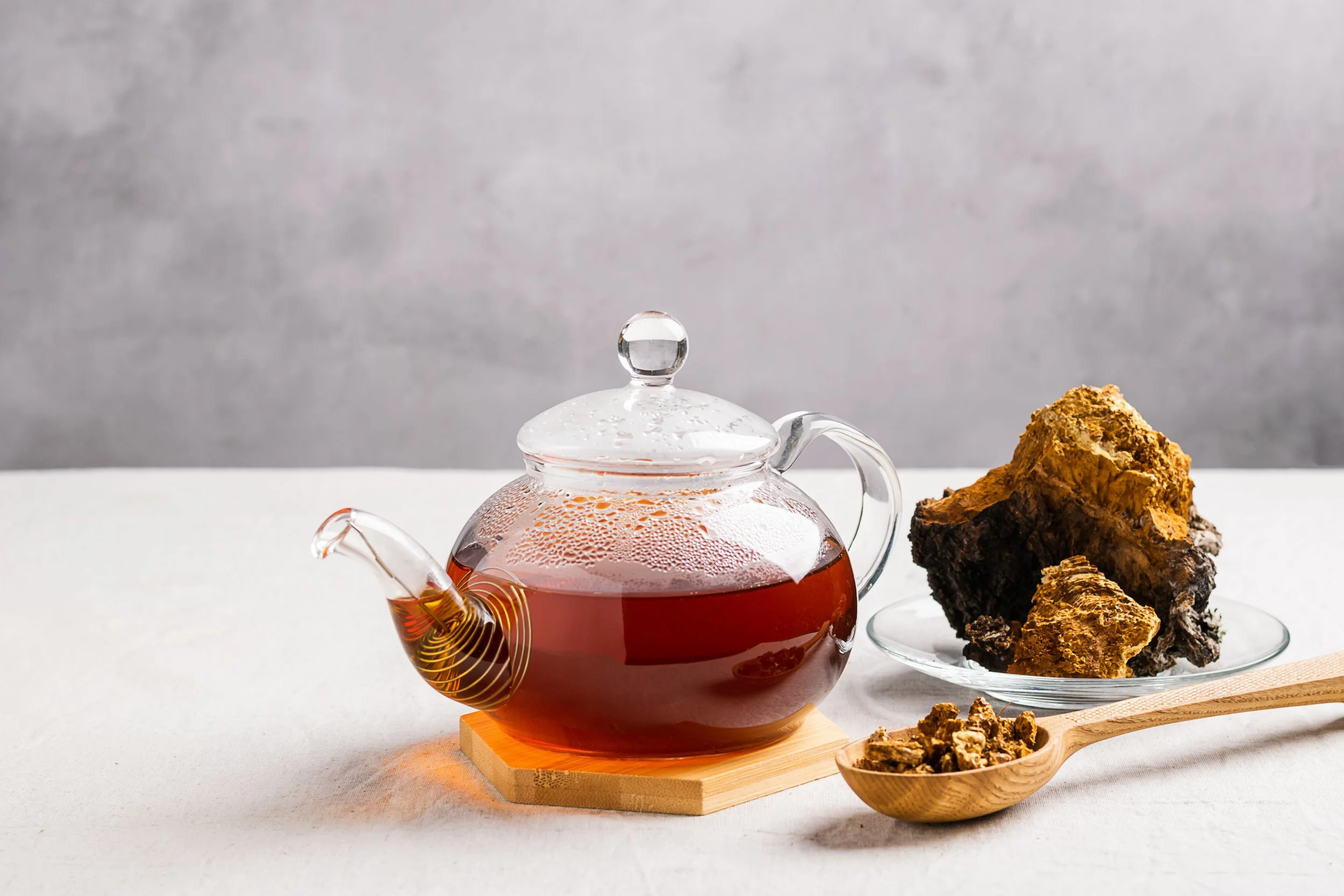
Some are mild, almost invisible once blended into a drink or dish. Others are deeply bitter, earthy, or tannic in a way that can overwhelm everything around them if used without care. Reishi, for example, carries a pronounced earthy bitterness that doesn’t disappear—it needs to be balanced. Chaga leans toward the depth of black tea, while shiitake and porcini offer a rich, savory quality that can enhance a dish rather than compete with it.fine textures dissolve; gritty blends froth/blend best. Balance bold with nut butters, dates, or citrus - cacao hides most flavors. You’ll quickly learn your favorite applications.
Understanding this changes how you use them. It shifts the approach from “add for benefit” to “use with intention.” A small amount, paired thoughtfully with fat, salt, or sweetness, can integrate seamlessly. Too much, added without consideration, can flatten a dish in a way that feels disappointing rather than nourishing.
Common Mushroom Powders: Uses, Benefits, and Character
Each mushroom carries its own personality—its own flavor, its own history of use, and its own area of focus. What follows is not a list of promises, but a closer look at how these mushrooms have traditionally been used and what current research is beginning to explore.
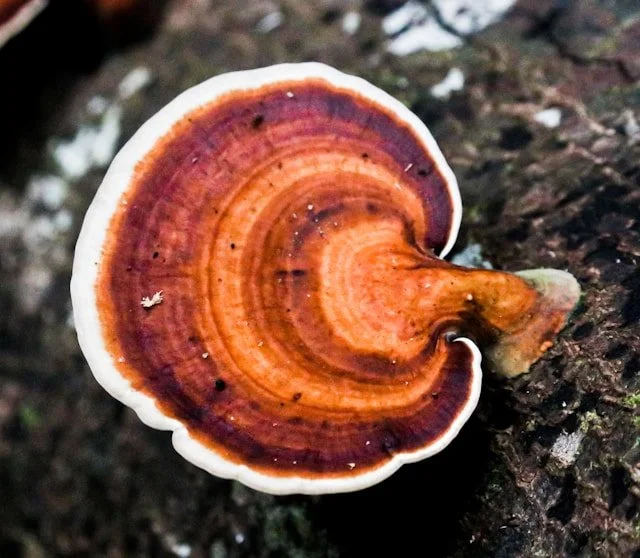
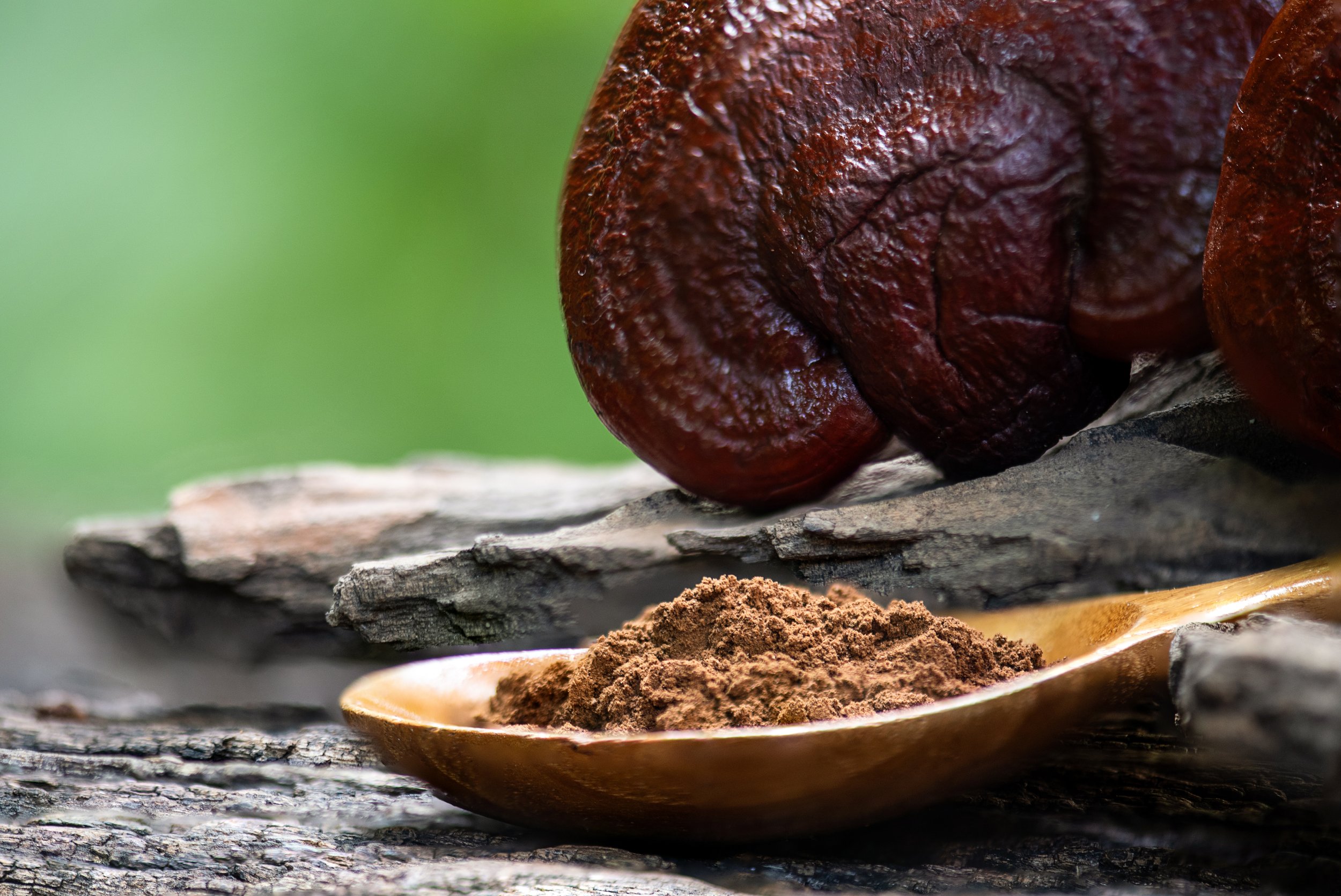
Reishi is perhaps the most distinctive, both in flavor and in function. Its bitterness is unmistakable, often described as woody or medicinal, and it rarely finds a place in everyday cooking.
Instead, reishi is more commonly prepared as a tea or blended into warm drinks where its intensity can be softened. Traditionally, it has been associated with supporting the body’s response to stress and promoting a sense of calm, which is why it often appears in evening routines to reduce anxiety and improve sleep quality. Known as a “mushroom of immortality” it contains compounds such as triterpenes and beta-glucans that have been studied for their role in immune modulation and inflammation, and there is ongoing interest in its potential to support liver function. It is not a casual addition, but a deliberate one.
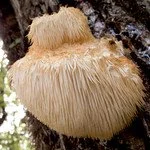
Lion’s mane sits at the opposite end of the spectrum in terms of flavor. Mild, slightly sweet, and sometimes described as having a subtle seafood-like quality, it blends easily into coffee, tea, and lighter broths.
Lion’s mane’s growing popularity is tied to research around cognitive function, as it is particularly rich in bioactive compounds like beta-glucans and hericenones, potentially promoting nerve growth factor (NGF) synthesis, which is involved in the maintenance and regeneration of neurons. It is often used to support focus and mental clarity, and there is emerging research suggesting it may play a role in mood balance and nervous system support. Lion’s mane supports gut health by acting as a prebiotic and protecting against ulcers. It is one of the more approachable mushrooms, both in taste and in application.

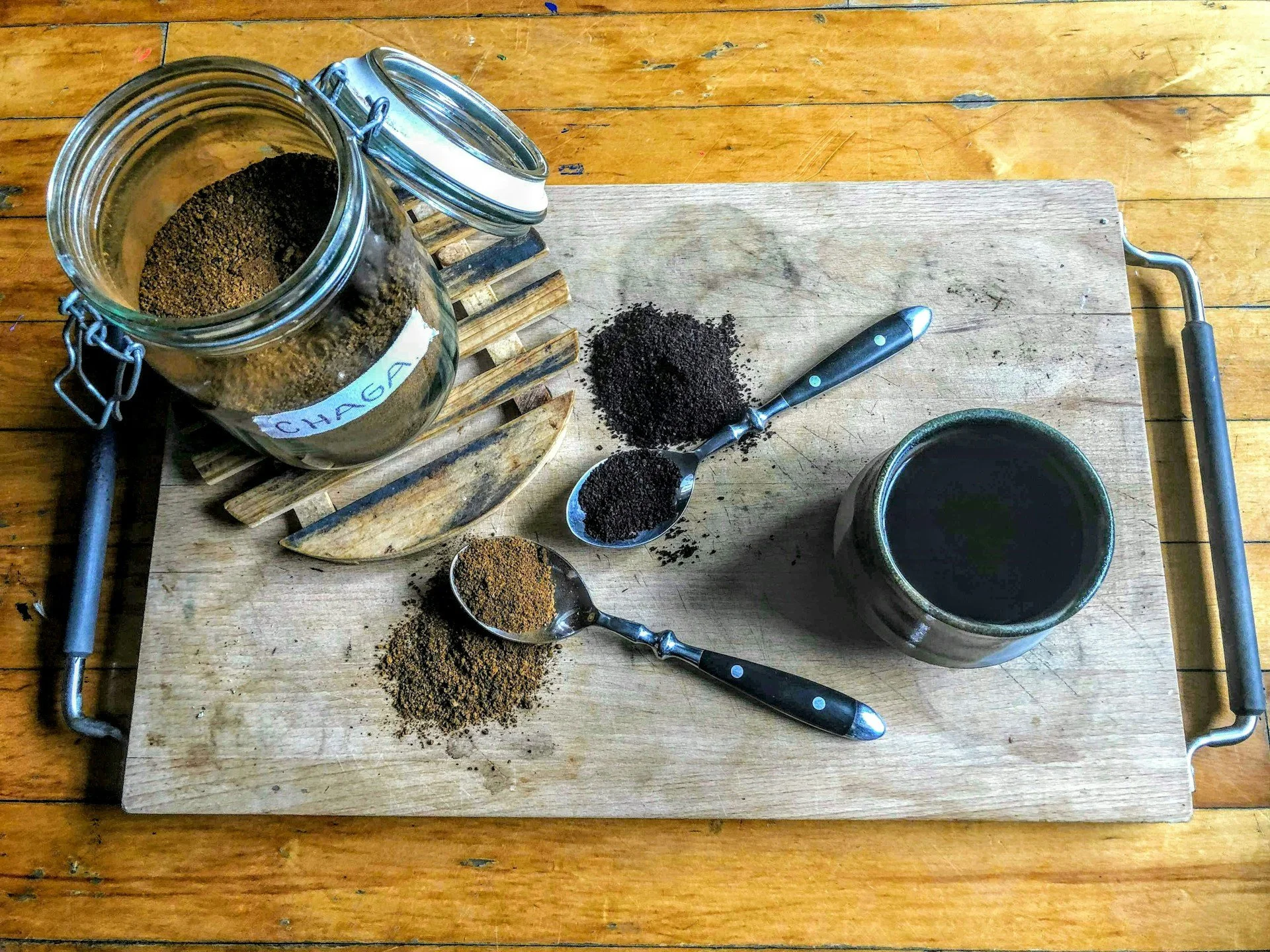
Chaga, often consumed as a tea, carries a deep, earthy flavor with a slightly tannic edge. Primarily found on birch trees, it has a long history of use in colder regions, where it was brewed into decoctions and consumed regularly.
Chaga’s reputation is largely built around its high antioxidant content, which has led to interest in its role in supporting immune health, reducing inflammation, and protecting cellular integrity. There is also early research exploring its potential effects on blood sugar regulation and skin health. Like reishi, it is best approached as a beverage rather than a cooking ingredient.

Cordyceps, with its mild and slightly nutty flavor, lends itself well to more modern applications such as smoothies and coffee blends.
Traditionally associated with vitality and endurance, cordyceps has been studied for its potential to support adenosine triphosphate (ATP) production, the process by which the body generates energy at the cellular level. This has made it particularly popular among those interested in exercise performance and recovery. It is also linked to respiratory support and overall stamina, making it a more energizing counterpart to the calming nature of reishi. Often dubbed a natural libido booster, it has been used in traditional medicine to treat sexual dysfunction and increase stamina.
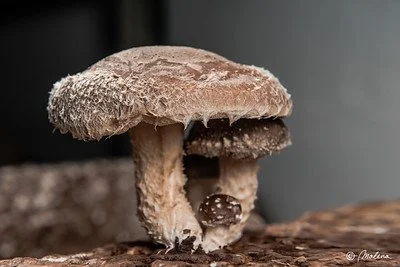
Shiitake offers a familiar entry point. Its rich, umami flavor makes it as valuable in the kitchen as it is in wellness conversations. When used as a powder, it can deepen soups, sauces, and grain dishes in a way that feels natural rather than forced.
Beyond its culinary appeal, shiitake contains compounds such as lentinan, a beta-glucan that has been studied for its role in immune support. It is also associated with heart health, particularly in relation to cholesterol levels, and carries anti-inflammatory properties that contribute to its overall profile.
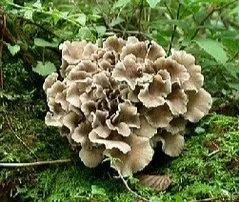
Maitake shares some of this culinary versatility, with an earthy, slightly peppery flavor that works well in savory dishes.
Referred to as “Hen of the Woods” maitake has been studied for its effects on immune function, particularly through a compound known as D-fraction, and has also drawn attention for its potential role in blood sugar regulation. Its broader impact on metabolic health and hormonal balance makes it an interesting option for those looking beyond basic nutrition.
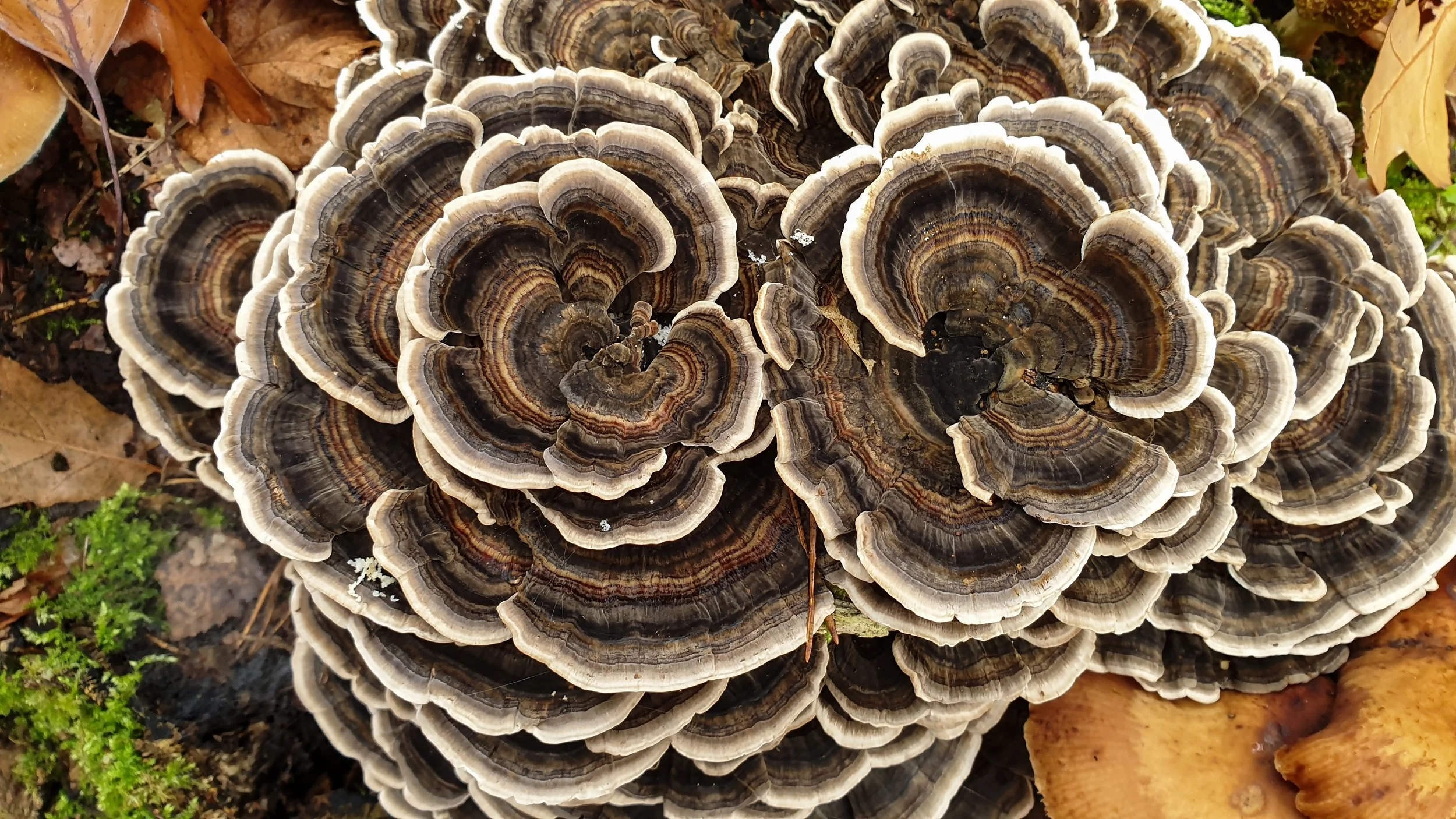
Turkey tail is less about flavor and more about function. Mild and somewhat neutral, it is typically prepared as a tea or long-simmered broth.
Turkey tail contains compounds such as polysaccharide-K (PSK) and polysaccharide peptide (PSP), which have been studied extensively, particularly in the context of immune support and as an adjunct to conventional cancer treatments in some countries. Its role in supporting gut health and the microbiome adds another layer, positioning it as a mushroom that works quietly in the background rather than at the forefront of a dish. Containing over 35 phenolic compounds, including flavonoids like quercetin, it helps reduce inflammation and combat free radicals.
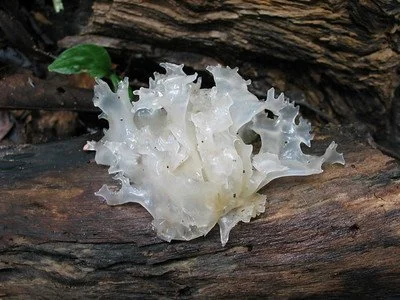
Tremella, or “snow fungus” is known as a beauty mushroom in Traditional Chinese Medicine (TCM), is almost entirely neutral in taste, which makes it easy to incorporate into both drinks and desserts.
Traditionally used in sweet preparations, tremella is known for its ability to retain moisture, which has led to its association with skin hydration and collagen support. Its antioxidant properties and emerging research into brain health add to its appeal, though its subtlety means it rarely draws attention to itself. High in fiber, it is also beneficial for digestion and gut health.
Agaricus blazei, though less familiar in everyday cooking, has a mild flavor with a slight almond-like note that is more commonly found in teas and extracts.
Agaricus blazei has been studied for its immune-supporting properties, anti-inflammatory effects, and potential role in blood sugar regulation. Also called “sun mushroom” it occupies a quieter space, often included in blends rather than used on its own.
Functional Blends
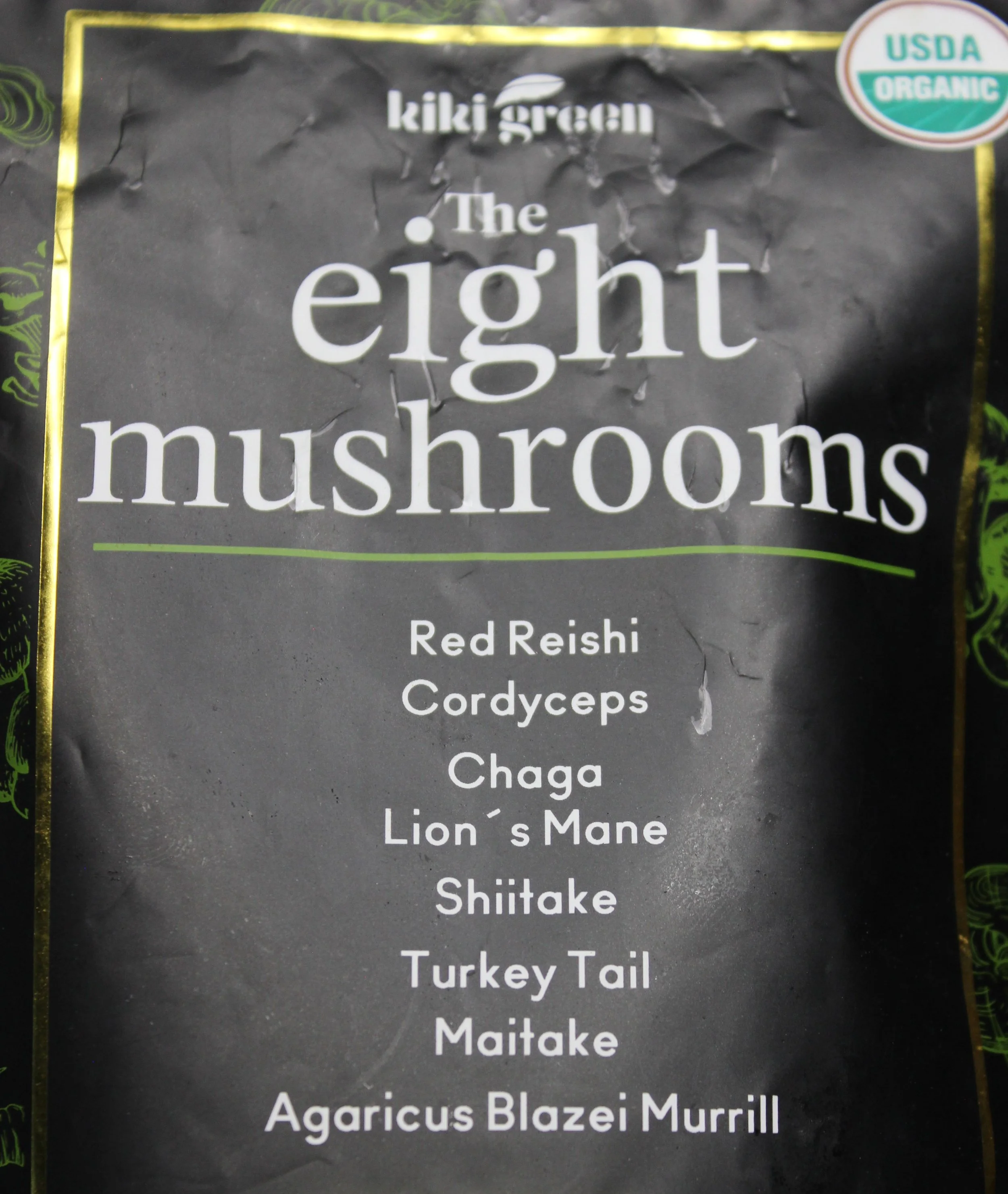
If singles feel overwhelming, functional blends mix several mushrooms—often five to seven—sometimes with extras like ashwagandha or cacao for a complete daily boost, mimicking traditional multi-herb formulas. They’re perfect for beginners, offering convenience in one scoop for your morning ritual, covering focus, energy, and immunity broadly.
The catch? Proprietary blends can obscure doses (e.g., 500mg total split eight ways), so prioritize transparent labels with per-mushroom milligrams and beta-glucan specs; tested brands ensure synergy without waste.
Using Mushroom Powders in the Kitchen
For all the conversation around benefits, this is where mushroom powders either earn their place or quietly fade into the back of the cabinet.
They are, first and foremost, an ingredient. And like any ingredient, how they are used matters far more than how they are marketed.
The most natural entry point is not in elaborate recipes, but in the foods you already make. A pot of soup, a simple grain, a sauce that needs a little more depth—these are the places where mushroom powders begin to make sense. They don’t need to stand on their own. In fact, they’re rarely at their best when they do.
What they offer, when used well, is a kind of background richness. A subtle layering of flavor that rounds out a dish rather than announcing itself.
In savory cooking, this often shows up as umami. A small amount of shiitake, maitake, or porcini powder stirred into a broth or sauce can create a depth that would otherwise require hours of simmering. It’s not a replacement for time, exactly, but it moves you in that direction. A pan sauce gains body. A pot of rice becomes more complex. Even something as simple as roasted vegetables can take on a more grounded, satisfying quality with the addition of a pinch of mushroom powder blended into the seasoning.
Grains are one of the easiest places to begin. Adding a small amount of powder to the cooking liquid allows it to disperse evenly, creating a quiet foundation of flavor. The same is true for soups and stews, where the powder dissolves into the broth and becomes part of the whole rather than something separate.
Sauces, particularly those built on stock or cream, respond well to this kind of addition. A mushroom powder can deepen a gravy without requiring additional reduction, or add complexity to a simple weeknight sauce that might otherwise feel flat.
Even outside of strictly savory applications, there is room to experiment. Milder mushrooms like lion’s mane or tremella can disappear into smoothies or warm drinks, while more assertive ones like reishi find a better home alongside cacao or coffee, where bitterness is already part of the profile.
There are a few practical considerations that make a noticeable difference. Starting with a small amount is essential. These powders are concentrated, both in flavor and composition, and it is far easier to add more than to correct an overly heavy hand. Allowing the powder to bloom in warm liquid before incorporating it into a dish helps it dissolve more evenly and prevents clumping. And perhaps most importantly, pairing it with the right elements—fat, salt, and, when appropriate, a touch of sweetness—ensures that the flavor integrates rather than competes.
Used this way, mushroom powders don’t feel like an addition for the sake of adding something. They become part of the structure of the dish, quietly doing their work in the background.
Making Your Own Mushroom Powders
There is also something to be said for stepping outside the packaged version altogether.
Making your own mushroom powder is not complicated, and it brings a level of familiarity to the ingredient that is often missing when it comes in a jar with a label. It also allows you to work with mushrooms you already enjoy, rather than relying solely on those marketed for specific benefits.
The process begins with dried mushrooms. Varieties like shiitake and porcini are widely available and particularly well suited for this purpose, offering both strong flavor and versatility in the kitchen. If you have access to fresh mushrooms and a dehydrator, you can dry them yourself, slicing them evenly and allowing them to fully dehydrate until brittle. Any remaining moisture will affect both the texture and shelf life of the final powder, so this step is worth doing thoroughly.
Once fully dried, the mushrooms can be ground into a powder using a high-speed blender, spice grinder, or even a mortar and pestle, depending on the quantity. The goal is a fine, even texture, though a slightly coarser grind can work well for certain applications, particularly in seasoning blends.
After grinding, it can be helpful to sift the powder, returning any larger pieces to the grinder for a second pass. This creates a more consistent result and helps the powder dissolve more smoothly when used.
Storage is simple but important. The finished powder should be kept in an airtight container, away from light and moisture. A small glass jar stored in a cool, dark cabinet is usually sufficient. Used within a few months, it will retain both its flavor and its usefulness, though it may last longer if kept well.
One of the advantages of making your own is the ability to create blends that reflect how you cook. A combination of shiitake and porcini creates a deeply savory base. Adding a small amount of dried herbs or garlic powder can turn it into a ready-to-use seasoning. These blends tend to be more grounded, more food-focused, and often more satisfying in everyday cooking than single-purpose powders.
It’s worth noting that this approach is primarily culinary. It does not replicate the concentrated extracts often associated with functional mushroom products, and it doesn’t need to. It serves a different purpose, one that brings the conversation back into the kitchen rather than the supplement shelf.
Choosing, Storing, and Using Them Well
Selecting a mushroom powder is less about finding the “best” one and more about finding one that aligns with how you intend to use it. A clearly labeled product is a good place to start. Labels reveal truth—or tricks—with practice. Demand specific species (Hericium erinaceus, not “mushroom blend”), fruiting body/dual-extract sourcing, beta-glucan 20-30%+, extract ratios (8:1+), and mg per serving. Third-party labs verify purity/no heavy metals; dodge fillers, starches, or “proprietary” vagueness signaling dilution. A clear label means real mushroom, not hype.
From there, the decision becomes more personal. Do you want something culinary, something concentrated, or something that sits comfortably in between?
Storage is simple but important. These powders should be kept in airtight containers, away from heat and moisture, where they can maintain both their flavor and their integrity over time. While they are shelf-stable, freshness still matters. A stale powder, like any stale ingredient, loses not only its potency but its appeal.
Using them well requires a light hand. A small amount is often enough, especially at the beginning. Most recommend 1-3 grams daily which is about ½ - 1 teaspoon. Allowing the powder to dissolve in warm liquid before incorporating it into a dish can help it integrate more smoothly, and pairing it with complementary flavors ensures that it enhances rather than overwhelms.
Safety, Cost, and a Final Perspective
As with any concentrated ingredient, a degree of awareness is helpful. Some individuals may experience sensitivity, particularly when first introducing these powders. Those taking medications, especially those related to blood thinning or immune function, may want to approach more cautiously. And as with any area that blends food and supplementation, there is value in checking with a professional when needed.
Cost varies widely, often reflecting the method of production and the concentration of the final product. Extracts tend to be more expensive, while simple dried powders are more accessible. The real measure of value, however, lies in use. An expensive product that sits untouched offers little, while a simple one that becomes part of a daily routine carries far more weight.
In the end, mushroom powders are not essential. They are an option. Whole mushrooms remain one of the most accessible and nourishing foods available, offering both flavor and substance without complication.
But for those who find a place for them, powders can serve as a quiet extension of that tradition. Not as a replacement, and not as a shortcut, but as a way of bringing something old into a modern rhythm.
Used simply, and with intention, they can become part of the background—steady, subtle, and supportive in a way that doesn’t demand attention, but earns it over time.
Let’s get cooking!
Now that you have a sense of what mushroom powders are and how they work, the next step is simply using them. Not in complicated ways, but in small, practical ones that fit into what you already cook.
These recipes are simple, approachable ways to begin using mushroom powders in everyday cooking—nothing complicated, just a few places to start.
Turkey Breakfast Sausage
Turkey Breakfast Sausage can be one of those foods that sounds good in theory but often falls a little flat in practice. Lean, quick to cook, and convenient—but sometimes missing the depth and richness that makes it truly satisfying.
This version takes a different approach.
Instead of relying on added fat or heavy seasoning, it builds flavor more intentionally. The mushroom powder brings a quiet, savory depth that gives the turkey a fuller, more rounded taste. It doesn’t read as “mushroom,” but rather as something more complete—something that lingers a little longer and feels more substantial while offering various nutritional benefits.
The addition of spinach softens the texture and adds a subtle earthiness that fits naturally into the mix. It blends in rather than standing out, creating a balance between lightness and structure that works especially well in a breakfast setting.
The seasoning stays familiar—sage, thyme, garlic—so the overall flavor still feels like breakfast sausage. But there’s a difference in how it comes together. It’s less about boldness and more about integration. Nothing dominates, and nothing feels like an afterthought.
What makes this recipe practical is how easily it fits into everyday cooking. It can be made ahead, reheated, crumbled into other dishes, or served simply alongside eggs or grains. It’s flexible without requiring much adjustment.
Over time, it becomes less about recreating sausage and more about having a reliable, well-balanced option that works across meals. Something that feels both familiar and just a little more considered.

Turkey Breakfast Sausage
Ingredients
- 1 pound ground turkey (preferably 85–93% lean)
- 1 cup frozen spinach, thawed and very well squeezed dry (about 4 ounces)
- 2 tsp mushroom powder (shiitake or a blend works especially well)
- 1 tsp kosher salt
- ½ tsp freshly ground black pepper
- ¾ tsp dried sage
- ¼ tsp fennel seed, lightly crushed (optional)
- ½ tsp dried thyme
- ¼ tsp garlic powder
- ¼ tsp onion powder
- ¼ tsp smoked paprika
- Pinch of red pepper flakes (optional)
- 1 tsp maple syrup
- 1 tbsp olive oil (for cooking)
Instructions
- Begin by thawing the spinach completely. Once thawed, squeeze out as much moisture as possible using your hands or a clean towel. This step matters more than it might seem—removing the excess water keeps the sausage from becoming too soft and helps it brown properly.
- In a medium bowl, combine the ground turkey with the remaining ingredients and gently mix until just combined. Avoid overmixing, as this can make the texture dense.
- Let the mixture rest for about 5–10 minutes. This gives the mushroom powder time to hydrate and the flavors to settle in.
- Form into 12 small patties, about 2–3 inches wide. If the mixture feels slightly soft, you can chill it briefly before shaping. It helps to have wet hands when handling the mixture.
- Heat a skillet over medium heat and add the olive oil. Once warm, add the patties and cook for about 4–5 minutes per side, or until golden brown and cooked through. Adjust the heat as needed so they cook evenly without over-browning.
Notes
These work well alongside eggs, tucked into a breakfast wrap, or even crumbled into a simple sauté with grains and vegetables. They hold their shape, reheat well, and feel just a little more substantial than a standard turkey sausage.
Wild Mushroom Latte
This Wild Mushroom Latte begins with familiar elements—coffee, chocolate, something warm in a mug—but it quickly settles into something a little more layered. The espresso brings clarity and lift, while the cacao adds depth and a gentle bitterness that lingers just enough. Coconut milk softens the edges, creating a smooth, rounded texture that feels both light and satisfying.
The mushroom powder works quietly in the background offering a subtle richness and various nutritional benefits. It doesn’t stand out as a distinct flavor, but it changes the overall experience in a subtle way, adding an earthy depth and hint of umami that makes the drink feel more complete. It’s less about noticing it directly and more about how everything comes together.
What makes this recipe worth returning to is its simplicity. It doesn’t ask much of you, and it doesn’t try to be more than it is. You can adjust it easily depending on what you need that day—a stronger espresso for more energy, a little extra cacao for richness, or a touch more sweetness to soften the edges.
Over time, it becomes less of a recipe and more of a small, steady ritual. Something you can make without much thought, but still appreciate once it’s in your hands.

Wild Mushroom Latte
Ingredients
- 1 shot espresso (or ¼ cup very strong brewed coffee)
- 1 cup unsweetened coconut milk (carton or light canned, well shaken)
- 1 tsp unsweetened cacao powder
- ½–1 tsp mushroom powder (if you're unsure, start with less and build gradually)
- 1 tsp maple syrup or honey (to taste)
- ¼ tsp vanilla extract
- Pinch of cinnamon
- Small pinch of sea salt
Instructions
- Brew your espresso or strong coffee and set it aside.
- In a small saucepan, gently warm the coconut milk over medium-low heat until steaming but not boiling.
- In a warm mug combine the cacao powder, mushroom powder, maple syrup, vanilla, cinnamon, and salt. Add a small splash of the warm coconut milk and whisk into a smooth paste. This step helps everything dissolve evenly and prevents clumping.
- Add the espresso and stir gently to bring everything together.
- Pour in the remaining coconut milk and stir to blend. Top with a sprinkle of cinnamon or nutmeg if desired.
- If you’d like a lighter, café-style texture, blend the warm coconut milk briefly or use a handheld frother to create a soft foam.
Notes
Choosing Your Mushroom Powder
- Reishi creates a deeper, more grounding drink with a noticeable bitter eddge that plays well with espresso
- Lion's Mane keeps the flavor softer and more neutral
- A blend offers balance without drawing attention to itself
Small Ways to Adjust
- If you prefer a stronger coffee presence, add a second half shot of espresso.
- For a richer mouthfeel, finish with a spoonful of full-fat coconut milk.
- A pinch of cardamom can add warmth, while a touch of cayenne gives a subtle, lingering heat.
There you have it!
Mushrooms have been part of the kitchen long before they were powders on a shelf. If you choose to use them, let it be in a way that feels simple and familiar—more like a continuation than something new.