
Supporting Your Brain in Everyday Life
Part 2 - Supporting Brain Health Through Everyday Habits
Most of us don’t wake up thinking, “What am I doing today to support my brain?” We think about getting through the day — meals, responsibilities, sleep, stress, relationships, and everything in between. And yet, it’s within those ordinary moments that brain health is quietly shaped.
The brain is not influenced by one single habit or decision. It responds to patterns — how we eat over time, how often we move, whether we sleep well enough to restore, how we handle ongoing stress, and how connected or isolated we feel in our daily lives. These patterns don’t just affect memory later on; they influence focus, mood, resilience, and mental clarity right now.
This is where brain health becomes practical. Not theoretical. Not overwhelming. Just woven into everyday life.
In this article, we’ll explore the daily habits that research consistently links to healthier brain aging — including food and eating patterns, the gut–brain connection, movement, and sleep. None of these requires perfection, and none works in isolation. Together, they create the environment your brain lives in.
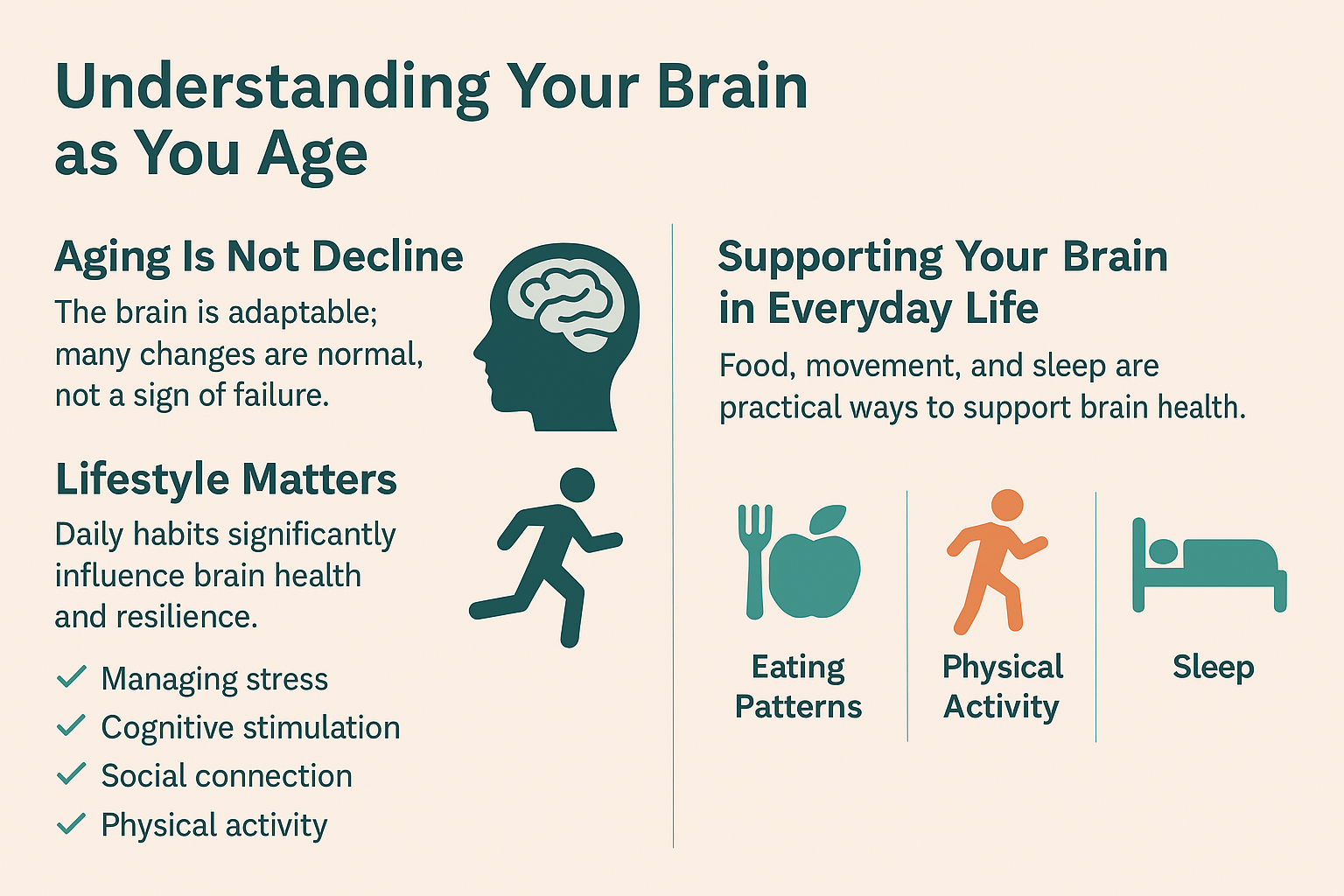
If you’re curious about why these habits matter — how the brain changes with age, what’s normal, what’s not, and why decline is not inevitable — you may want to start with part 1 of this series, Understanding Your Brain as You Age, where we explore the science and context behind brain aging in more depth.
For now, let’s focus on what you can do, starting right where you are.
Eating for Brain Health: Patterns That Matter Over Time
Let’s talk about food — not in a rigid, rule-filled way, but in a way that actually makes sense for real life.
Your brain is incredibly active tissue. Even though it only makes up about two percent of your body weight, it uses roughly twenty percent of your energy. That means your brain is constantly responding to the quality of the fuel you give it — not just day to day, but over years and decades.
This isn’t about eating perfectly. It’s about patterns. What you eat most often. What your brain is exposed to regularly. And whether your eating habits support clarity, steadiness, and resilience — or work quietly against them.
What the Research Keeps Pointing To
When researchers study populations with lower rates of cognitive decline and dementia, a consistent theme emerges: traditional, whole-food eating patterns show up again and again. Not trendy diets. Not extremes. Just ways of eating that emphasize real food, variety, and balance.
Eating Patterns the Brain Responds To
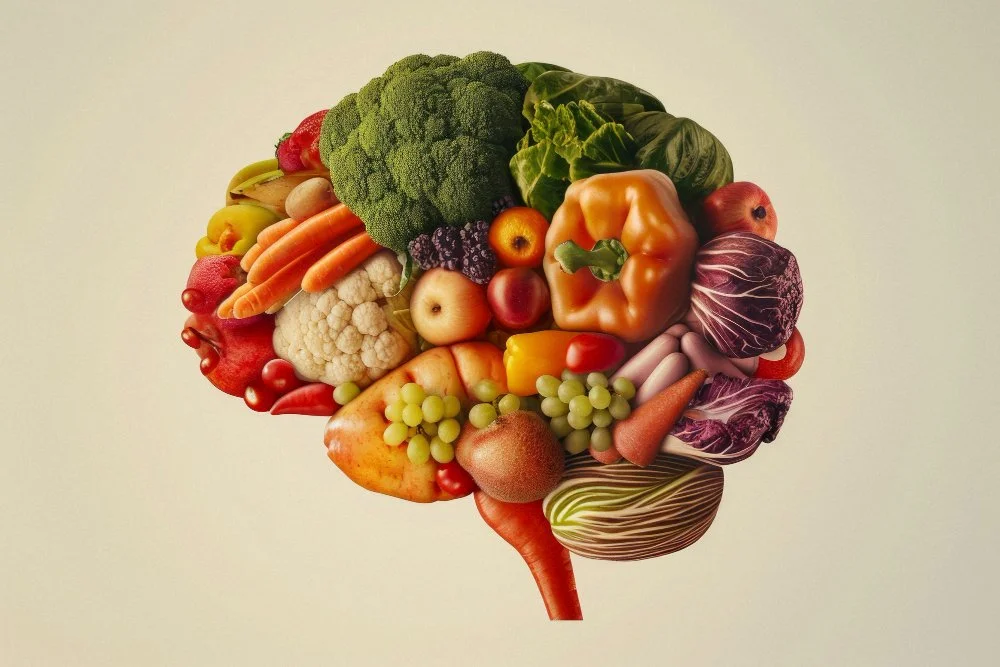
The brain depends on steady energy, nutrients, and metabolic balance. Eating patterns rich in whole foods help regulate inflammation and blood sugar - two factors that strongly influence memory, focus, and long-term brain resilience. Two of the most studied patterns for brain health are the Mediterranean diet and the MIND diet, both of which are associated with reduced cognitive decline.
The Mediterranean diet pattern is widely considered to be the leading dementia prevention diet. It’s recommended for the prevention of cognitive decline/dementia by the World Health Organization, due to a low risk of harm and potential for benefit. It’s based on how people have traditionally eaten in regions like Greece, southern Italy, and parts of Spain. It emphasizes vegetables, fruits, legumes, whole grains, olive oil, nuts, seeds, and regular consumption of fish, with smaller amounts of dairy, eggs, and meat. Extra virgin olive oil is the primary source of fat. Red meat and ultra-processed foods are limited, not forbidden — just not daily staples. The diet also promotes enjoying meals with family and friends, savoring food, and engaging in daily physical activity.
The MIND diet (which stands for Mediterranean–DASH Intervention for Neurodegenerative Delay) builds on this foundation but places extra emphasis on other foods that appear especially protective for the brain. It emphasizes 9 nutrient-dense brain-healthy food groups - specifically wholegrains, green leafy vegetables, other vegetables, nuts, beans, berries, poultry, fish, and olive oil - while limiting red meat, butter, cheese, fried foods, and pastries/sweets. Research has shown that people who follow the MIND diet most closely have a significantly lower risk of developing Alzheimer’s disease, even when they don’t follow it perfectly.
Both diets are very similar but they differ in that the MIND diet recommends high intakes of green leafy vegetables and berries, while the Mediterranean diets emphasizes fruits and vegetables. What’s important here is not memorizing rules. It’s understanding the why behind the pattern.

Why These Eating Patterns Support the Brain
Your brain is sensitive to inflammation, oxidative stress, and blood flow — and food influences all three.
Diets rich in vegetables, fruits, healthy fats, and whole foods tend to lower chronic inflammation. They provide antioxidants that help protect brain cells from damage. They support healthy blood vessels, which means better circulation and oxygen delivery to the brain. Over time, this creates an environment where brain cells are better able to communicate and adapt.
On the flip side, eating patterns high in ultra-processed foods, refined carbohydrates, and industrial fats are associated with increased inflammation and insulin resistance — both of which have been linked to cognitive decline.
This doesn’t mean you can never enjoy bread, dessert, or comfort food. It means that when those foods dominate the diet day after day, the brain pays the price quietly and gradually.
Protein, Fats, and the Brain’s Building Blocks
Protein matters for brain health, but not because of muscle alone. Amino acids from protein are the building blocks for neurotransmitters (like dopamine and serotonin) — the chemical messengers that influence mood, focus, motivation, and sleep. Including adequate protein throughout the day helps stabilize blood sugar and supports mental clarity. Good sources include fatty fish (salmon and tuna), poultry (chicken and turkey), eggs, nuts, and legumes (beans, lentils, and peas).
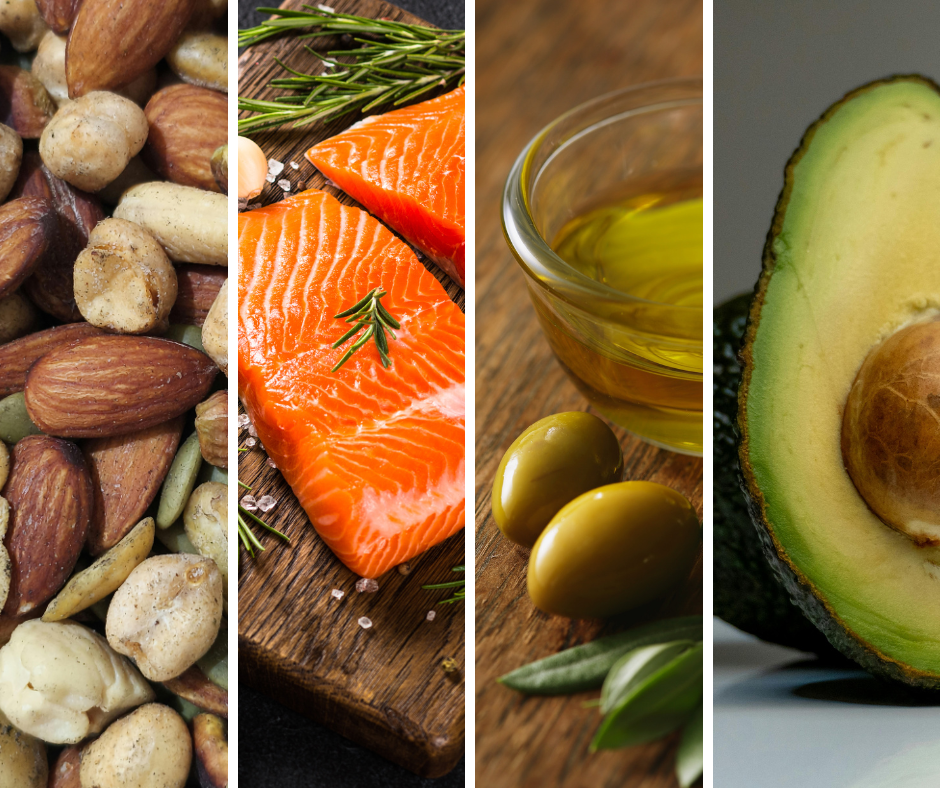
Healthy fats are equally important. The brain is rich in fat, and certain fats play structural and functional roles in brain cells. Diets that include sources of omega-3 fats — such as fatty fish (salmon, mackerel, sardines, herring, trout, and anchovies), walnuts, chia seeds, and flaxseeds — and monounsaturated fats - from olive oil, avocadoes, nuts (almonds, cashews, pecans), and pumpkin seeds - are consistently associated with better cognitive outcomes. These fats help support cell membranes and reduce inflammation in the brain.
What matters most is balance. Extreme low-fat or highly restrictive eating patterns can unintentionally deprive the brain of nutrients it needs to function well.
Blood Sugar, Energy, and Mental Clarity
One of the most overlooked aspects of brain health is blood sugar regulation.
Sharp spikes and crashes don’t just affect energy — they affect focus, mood, and memory. When meals are built around refined carbohydrates without enough protein, fat, or fiber, the brain experiences those swings right along with the body. Both low and high blood sugar levels cause damage, inflammation, and changes in cognition.
Eating patterns that include fiber-rich vegetables, whole grains, protein, and healthy fats tend to create steadier energy and clearer thinking. This becomes especially important as we age, when insulin sensitivity can change and the brain becomes more vulnerable to metabolic stress.
After we eat, the story doesn’t end in the kitchen or even on our plate. What happens next—how food is digested, absorbed, and processed in the gut—has a profound influence on how our brains function every single day.
Gut Health is Brain Health
You’ve likely heard the gut called the “second brain,” and that’s not just a catchy phrase. The digestive system is lined with millions of neurons and communicates constantly with the brain through what’s known as the gut–brain axis. This two-way communication system links the central nervous system with the enteric nervous system via the vagus nerve, hormones, immune system, and gut microbes, allowing the gut and brain to send signals back and forth all day long.
In fact, much of what we associate with brain health—mood, focus, clarity, motivation, even emotional resilience—has roots in what’s happening in the gut. Neurotransmitters such as serotonin, dopamine, and GABA, which help regulate mood and stress responses, are largely produced or influenced by gut activity. When the gut environment is balanced, these signals tend to flow more smoothly. When it’s inflamed or disrupted, the brain often feels it first.
The gut microbiome—the trillions of bacteria living in the digestive tract—plays a central role here. These microbes help break down food, produce beneficial compounds, support immune function, and protect the integrity of the gut lining. Just as importantly, they influence inflammation levels throughout the body, including the brain. Chronic, low-grade inflammation is increasingly recognized as a contributor to cognitive decline and changes in brain function as we age.
Eating patterns that support gut health naturally support brain health as well. Diets rich in fiber from vegetables, fruits, legumes, and whole grains provide nourishment for beneficial gut bacteria. Fermented foods like yogurt, kefir, sauerkraut, kimchi, and miso introduce helpful microbes and support microbial diversity. At the same time, overly processed foods, excess sugar, and frequent alcohol intake can disrupt the balance of gut bacteria and increase inflammation—often quietly, over time.
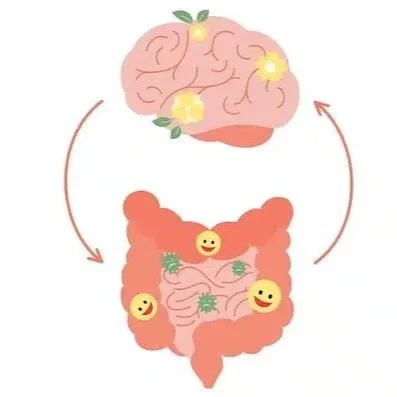
The gut–brain connection also helps explain why stress, digestion, and mental well-being are so tightly linked. Stress can alter gut motility and microbiome composition, while gut discomfort can heighten anxiety, irritability, or mental fog. Supporting digestion through mindful eating, regular meals, and foods that are well-tolerated by your body isn’t just about comfort—it’s about giving your brain a steadier foundation to work from.
When we think about brain health through this lens, food becomes more than fuel or nourishment for the body alone. It becomes information—signals sent from the gut to the brain that shape how we think, feel, and age. Caring for the gut is one of the most practical, everyday ways to care for the brain, creating a strong internal environment that supports clarity, balance, and resilience across the lifespan.
It’s Not About Perfection — It’s About Direction
Here’s the part I want to emphasize most: this is not about eating perfectly or following a strict plan.
The research consistently shows that direction matters more than precision. People who gradually shift toward whole foods, plant-forward meals, healthy fats, and balanced plates benefit — even if they still enjoy their favorite foods.
Small, consistent changes add up. Cooking more at home. Adding an extra vegetable. Choosing olive oil more often than butter. Eating fish a little more frequently. Paying attention to how meals make you feel afterward.
Food is not just fuel. It’s information. And over time, it sends powerful signals to the brain about how to function, repair, and adapt.
Movement Keeps the Brain Engaged
If there were one habit that consistently shows up in research on healthy brain aging, it would be movement. Not intense workouts. Not athletic performance. Just regular, intentional movement over time.
Your brain depends on movement in ways that often surprise people. When you move your body, you’re not just strengthening muscles or burning calories — you’re changing the environment inside your brain.
Physical activity increases blood flow, delivering oxygen and nutrients that brain cells need to function and repair themselves. It stimulates the release of growth factors, including brain-derived neurotrophic factor (BDNF), which helps support the survival of existing neurons and encourages the formation of new connections. In simple terms, movement helps the brain stay adaptable and resilient.
What’s especially encouraging is that these benefits aren’t limited to people who have exercised their whole lives. Studies show that even people who begin moving more later in life experience measurable improvements in brain structure and function.

Aerobic Movement and the Aging Brain
Aerobic activity — things like walking, cycling, swimming, or dancing — has been consistently linked to better cognitive performance and lower dementia risk. Regular aerobic movement supports the health of the hippocampus, a part of the brain involved in memory and learning that tends to shrink with age.
What matters most here is consistency, not intensity. Brisk walking a few times a week has been shown to improve memory and executive function in older adults. Even shorter bouts of movement spread throughout the day can have a meaningful impact.
For many women, walking becomes a powerful and accessible tool. It doesn’t require special equipment, it can be adapted to any fitness level, and it supports both physical and mental health. Walking outdoors adds an extra layer of benefit by reducing stress and engaging the senses.
Strength Training Isn’t Just for Muscles
Strength training often gets framed as something you do to protect bones or maintain muscle mass — and those benefits matter. But strength training also supports the brain.
Research suggests that resistance training improves executive function, attention, and working memory. It may also help regulate blood sugar and reduce inflammation, both of which influence brain health over time.
This doesn’t mean heavy lifting in a gym if that’s not appealing or appropriate. Bodyweight exercises, resistance bands, light dumbbells, and functional movements like standing up from a chair or carrying groceries all count. The goal is to challenge the muscles enough to send a signal to the brain that strength is needed.

Balance, Coordination, and the Brain
Balance and coordination exercises play a unique role in brain health because they challenge multiple systems at once. Activities like yoga, tai chi, dance, and even simple balance work require the brain to integrate sensory information, plan movement, and make constant adjustments.
These types of movement help maintain communication between different parts of the brain and have been found to improve cognitive functions such as memory and spatial cognition. They also reduce fall risk, which becomes increasingly important as we age. And they tend to be gentler and more enjoyable for people who don’t love traditional exercise.
Movement Across Ages and Abilities
One of the most important things to understand is that movement can always be adapted. Chair exercises, water-based movement, slow walking, or short movement breaks throughout the day are all valid. The brain responds to movement relative to where you’re starting, not to some external standard.
If you’re already active, the focus may be on variety and challenge. If you’ve been sedentary or dealing with limitations, the focus may be on frequency and gentleness. Both approaches support the brain.
Why Sitting All Day Matters More Than You Think
Long periods of sitting have been associated with poorer cognitive outcomes, even in people who exercise regularly. It’s not about avoiding sitting altogether — it’s about breaking it up.
Standing, stretching, walking around the house, or doing a few minutes of movement every hour helps maintain circulation and reduces metabolic stress. These small interruptions matter more than we once realized.
Movement as a Form of Brain Care
What I want to emphasize is this: movement doesn’t need to feel like a chore to be effective. It works best when it’s woven into daily life — when it supports energy, mood, and connection, rather than draining them.
Movement is one of the most reliable ways to support brain plasticity, reduce stress, and maintain independence over time. And like food, it works through accumulation. Small choices, repeated often, shape the brain far more than occasional bursts of intensity.
Restore to Remember
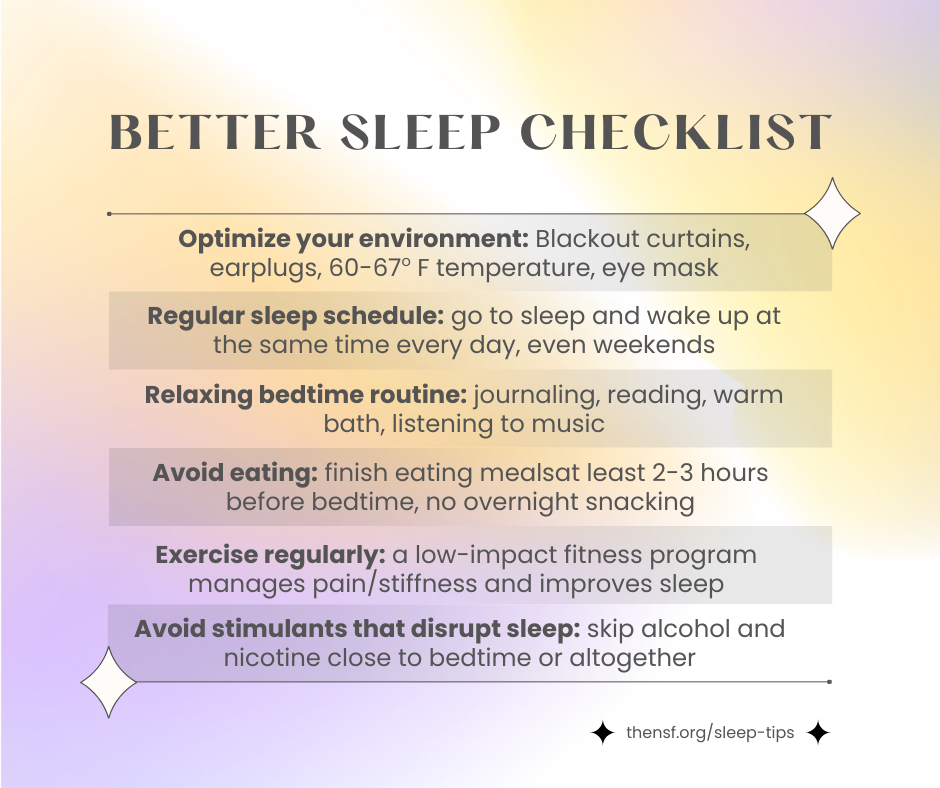
Sleep tends to get treated like a luxury — something we squeeze in after everything else is done. But for the brain, sleep isn’t optional. It’s as essential to life as food and water.
When you sleep, your brain isn’t shutting down. It’s doing some of its most important work.
Sleep is important to a number of brain functions. During deep sleep, the brain consolidates memories, strengthening the connections that help you retain what you’ve learned and letting go of what you don’t need. This is why a good night’s sleep can make the difference between something “sticking” and feeling fuzzy the next day. Sleep is also when the brain clears metabolic waste — a kind of internal housekeeping that helps keep brain tissue healthy over time.
This process becomes more important as we age, not less. Without enough restorative sleep, even the best nutrition and movement habits can’t fully support brain health.

Why 6–9 Hours Still Matters
Most adults need between six and nine hours of sleep for optimal brain function. That doesn’t mean every night will be perfect, and it doesn’t mean you’ve failed if you wake up during the night. What matters is the overall pattern.
Chronically short or disrupted sleep has been linked to changes in memory, mood, attention, and emotional regulation. Over time, poor sleep is associated negative changes in brain structure and an increased risk of cognitive decline and neurodegenerative disease. This isn’t about fear — it’s about understanding how deeply sleep supports brain health.
As we age, sleep patterns naturally change. Many people find they become lighter sleepers, wake earlier, or experience more nighttime awakenings. These shifts are common, but they’re not a reason to give up on sleep quality. In fact, they make gentle attention to sleep habits even more valuable.
Sleep, Mood, and Mental Clarity
One of the first places poor sleep shows up is mood. When you’re short on sleep, the brain becomes more reactive to stress. Small frustrations feel bigger. Emotional resilience drops. Focus becomes harder to sustain.
Good sleep supports emotional balance because it helps regulate the brain’s stress response systems. When sleep is consistent and restorative, people often notice they feel calmer, more patient, and better able to cope with daily challenges. That steadiness is a form of brain health.
The Cumulative Effect of Sleep Loss
Occasional bad nights happen to everyone. What matters is chronic sleep deprivation — the kind that builds quietly over months and years.
When sleep is consistently inadequate, the brain has less opportunity to repair itself. Memory consolidation suffers. Attention becomes scattered. The brain’s ability to clear waste products is reduced. Over time, this creates a brain environment that’s less resilient and more vulnerable to aging-related changes.
The encouraging part is that sleep is responsive. Improving sleep habits at any age can support better brain function and quality of life.
Restoration Is More Than Sleep
Sleep is the foundation, but restoration doesn’t stop there.
Your brain also needs periods of rest during the day. Constant stimulation, noise, screens, and mental multitasking keep the brain in a state of low-level stress. Over time, that state becomes exhausting.
Rest includes any activity that soothes and calms you down. Simple practices like stepping outside, taking a few slow breaths, stretching, or sitting quietly for a few minutes give the brain a chance to reset. These small pauses matter more than we often realize, especially as mental fatigue becomes more noticeable with age.
Creating a Sleep-Supportive Rhythm
Supporting sleep doesn’t require perfection or strict rules. It’s about rhythm and consistency. Going to bed and waking up at roughly the same time, getting natural light during the day, moving your body, and winding down in the evening all help reinforce the brain’s internal clock.
Sleep isn’t something you force. It’s something you allow. When you create the right conditions, the brain knows what to do.
And when sleep improves, people often notice changes far beyond the bedroom — clearer thinking, better mood, improved focus, and a greater sense of ease during the day. That’s not a coincidence. That’s brain health in action.
Bringing It All Together
We are living longer than any generation before us, and that reality invites a different kind of conversation about aging—one that goes beyond simply adding years and instead asks how we want to live those years. Brain health isn’t about chasing perfection, preventing every possible change, or holding onto youth. It’s about supporting adaptability, clarity, and connection as our lives unfold.
The brain is shaped continuously by how we eat, move, sleep, manage stress, connect with others, and care for our internal environment. None of these factors works in isolation. They overlap, reinforce one another, and build resilience over time. A nourishing meal supports the gut, which supports mood and focus. Movement improves circulation and encourages new neural connections. Sleep restores and consolidates memory. Stress management protects the brain from chronic overload. Social connection reminds the brain that it belongs.
Perhaps most importantly, brain health is not reserved for a certain age or stage of life. It’s not something you “start” when problems appear. It’s something that’s built gradually, through everyday choices that accumulate quietly but meaningfully over time. Small, consistent shifts—made with curiosity rather than pressure—can have a powerful impact on how the brain ages.
As our lifespans extend, caring for the brain becomes an act of self-respect and foresight. It allows us to stay engaged with what matters, adapt to change with greater ease, and continue learning, contributing, and connecting well into later life. The goal isn’t to outsmart aging, but to move through it with awareness, flexibility, and support.
You don’t need to do everything at once. You can start where you are, with what feels accessible now. One meal, one walk, one good night’s sleep, one meaningful conversation. These are not small things. Over time, they shape a brain—and a life—that remains resilient, responsive, and deeply alive.
Let’s get cooking!
Supporting brain health often starts in the kitchen. Simple, familiar meals made with intention can become one of the most reliable ways to care for the brain over time.
Beef and Barley Stuffed Peppers
Beef and Barley Stuffed Peppers are a comforting, well-balanced take on a classic baked dish. Bell peppers are halved and par-baked first, giving them a head start so they finish tender without losing their shape. While the peppers soften in the oven, a savory filling comes together with cooked barley, raw ground beef, and a deeply flavorful mixture of sautéed onions, mushrooms, and garlic.
The vegetables are cooked before being added to the filling, allowing their natural sweetness and earthiness to develop fully. Dried herbs and warm spices add depth without overpowering, while an egg binds everything together so the filling bakes up moist, cohesive, and satisfying. Using cooked barley keeps the texture hearty and pleasantly chewy, offering a nice contrast to the tender peppers.
The stuffed pepper halves are nestled into tomato sauce and baked until the beef is cooked through and the filling is set. The sauce gently infuses the peppers as they bake, creating a dish that feels comforting and familiar, yet thoughtfully prepared. With no cheese involved, the flavors of the vegetables, herbs, and barley take center stage.
This recipe is ideal for a simple family dinner, meal prep, or a nourishing make-ahead option that reheats beautifully. Each half pepper is filling without being heavy, making it a practical, everyday meal that still feels intentional and satisfying.

Beef and Barley Stuffed Peppers
Ingredients
- Peppers & Sauce
- 3 large bell peppers (any color)
- 1 (15 oz) can tomato sauce (plain or lightly seasoned)
- Salt and black pepper
- Filling
- 2/3 cup cooked barley, cooled slightly
- 1 lb ground beef (extra lean works well)
- 1 Tbsp olive oil
- ½ cup finely diced onion
- 8 oz fresh mushrooms, finely chopped
- 2 cloves garlic, minced
- 1 large egg
- 1 Tbsp tomato paste (optional, for depth)
- ½ tsp dried oregano
- ½ tsp dried thyme
- ½ tsp smoked paprika
- ¼ tsp black pepper
- ¾ tsp salt (or to taste)
- 1–2 Tbsp chopped fresh parsley
Instructions
- Preheat oven to 375°F (190°C).
- Slice peppers in half lengthwise and remove seeds and ribs.
- Season inside with salt and pepper.
- Place cut-side down in a 9"x13" baking dish and bake for 12–15 minutes, until just beginning to soften.
- Remove from oven, flip cut-side up, and set aside.
- While the peppers are cooking, heat olive oil in a skillet over medium heat.
- Add onion and cook 3–4 minutes, until softened.
- Add mushrooms and cook another 5–7 minutes, until they release moisture and begin to brown.
- Stir in garlic and cook 30 seconds, just until fragrant.
- Remove from heat and let cool slightly.
- In a large bowl, combine raw ground beef, cooked barley, cooked onion-mushroom mixture, egg, tomato paste (if using), oregano, thyme, smoked paprika, salt, and pepper, and parsley.
- Mix gently with your hands or a fork until just combined—do not overmix.
- Spread ½ cup tomato sauce across the bottom of the baking dish.
- Spoon filling generously into each pepper half, mounding slightly.
- Pour remaining tomato sauce over and around the peppers (not too much directly on top—let some filling stay exposed).
- Cover loosely with foil. Bake at 375°F for 30 minutes.
- Remove foil and bake an additional 10–15 minutes, until beef is fully cooked (165°F internal temperature), filling is firm and set, peppers are tender but not collapsed.
- Let the peppers rest 5 minutes before serving. Spoon some of the tomato sauce from the pan over each portion.
Notes
- Filling can be mixed up to 24 hours ahead and refrigerated.
- Fully baked peppers reheat well and hold their shape nicely.
Guacamole Hummus
Can’t decide between guacamole and hummus? Why not have both! This Guacamole Hummus recipe brings together the creamy richness of avocado with the smooth, satisfying texture of classic hummus. It’s the best of two beloved dips — and the result is a vibrant, zesty spread that’s endlessly versatile. The chickpeas and tahini provide body and depth, while avocado adds silkiness and a fresh green hue. Lime juice, garlic, cilantro, and a touch of jalapeño (if you like it spicy) brighten things up and bring that unmistakable guacamole vibe.
It doesn’t just taste good - it’s good for you with two nutritional superstars: avocado and lime. Avocados contribute more than just creaminess — they’re a source of heart-healthy monounsaturated fats that help keep you fueled and full. Lime juice doesn’t just liven up the flavor; it’s a refreshing citrus boost rich in antioxidants and vitamin C.
Perfect for dipping veggies, spreading on toast, or adding to sandwiches, wraps, and tacos, this dip earns its place in your everyday rotation. It’s quick to make, endlessly adaptable, and always a crowd-pleaser — whether you're prepping snacks for the week or serving guests at a backyard get-together. Once you try it, you’ll wonder how you ever chose between guac and hummus in the first place.

Guacamole Hummus
Ingredients
- 1 1/2 cups chick peas (1 can drained and rinsed)
- 1 large avocado (about 10 oz whole)
- 2 tbsp tahini
- juice of 1 lime
- 1 clove garlic, chopped
- 1 small jalapeño pepper, seeded and chopped
- 1 tbsp olive oil
- 1/2 tsp cumin
- 1/4 tsp chili powder
- 2 - 3 tbsp chopped fresh cilantro
- salt and pepper to taste
- water
- toasted sesame seeds (optional for garnish)
- nigella seeds (optional for garnish)
Instructions
- In a food processor, combine chickpeas, avocado, tahini, lime juice, garlic, jalapeño, olive oil, cumin, and chili powder. Blend until smooth.
- Adjust the texture adding cold water one tablespoon at a time until you reach your desired consistency — creamy but scoopable.
- Add salt and pepper to taste and pulse in the fresh cilantro. Taste and adjust lime, garlic, or salt if needed.
- Spoon into a bowl and drizzle with olive oil. Top with the optional sesame and nigella seeds and more chopped cilantro if desired.
Notes
- Top with diced red onion, tomato, or extra cilantro for a guacamole-inspired look.
- Serve with tortilla chips, pita, or fresh veggies.
- Spread it on toast or sandwiches.
- Use as a creamy topping for tacos or grain bowls.
There you have it!
Brain health is built quietly, through everyday choices that add up. When we nourish, move, and rest with intention, we’re supporting not just how long we live, but how well we stay engaged with life.