
The Quiet Magic of Fennel
Fennel is one of those vegetables many people recognize before they truly know. You’ve probably seen it — pale green, slightly bulbous, layered like an onion, with long stalks and feathery fronds that look more like herbs than vegetables. Maybe you’ve brushed past it at the grocery store, unsure what to do with it. Maybe you’ve wondered what it tastes like. Maybe you’ve worried it might be too strong. Or maybe you’ve cooked with it once, long ago, and never quite felt confident enough to bring it home again.
And that’s a shame — because fennel is quietly one of the most versatile, misunderstood, and rewarding ingredients in the kitchen.
Fennel isn’t a vegetable that demands attention. It earns it.
And once you understand how fennel behaves — how it transforms with heat, how it plays with other flavors, how every part of it can be used — it starts to feel less like an unfamiliar guest and more like a trusted ingredient you’ll reach for again and again.
Let’s take the time to really get to know it.
What Is Fennel, Really?
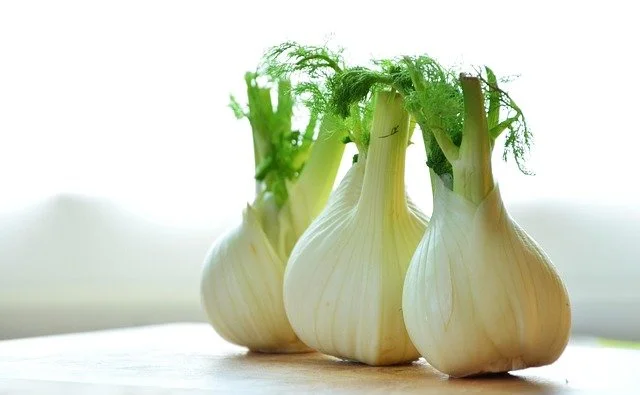
Fennel (Foeniculum vulgare) is a perennial herb that belongs to the Apiaceae family — the same botanical family as many vegetables and herbs you already use regularly, including carrots, celery, parsley, dill, cilantro, parsnips, and coriander (cilantro seeds) - which helps explain its characteristics. That crisp texture? Shared with celery. Those feathery fronds? A close cousin to dill. That gentle sweetness when cooked? Not so different from carrots. Knowing this often changes how people approach fennel. It’s not an outlier — it’s part of a familiar, trusted family.
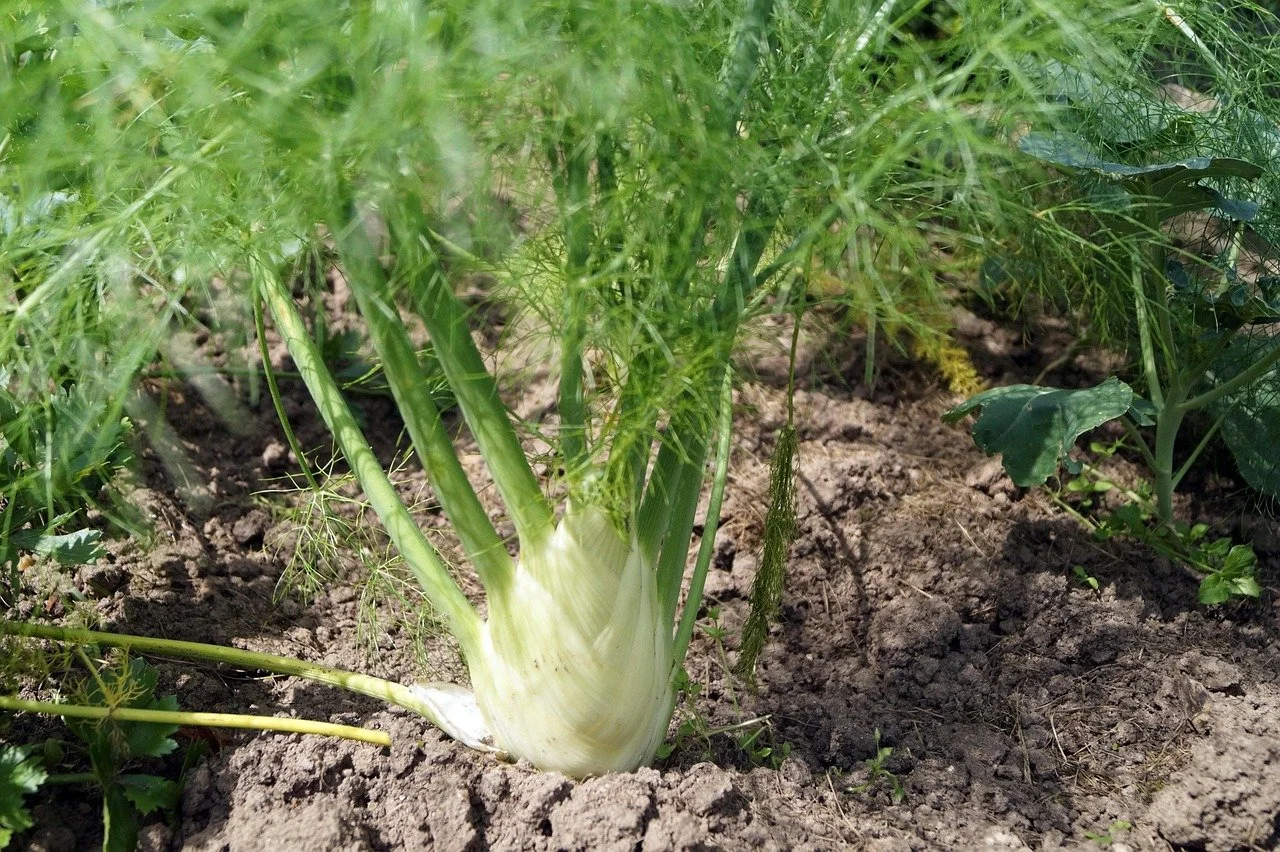
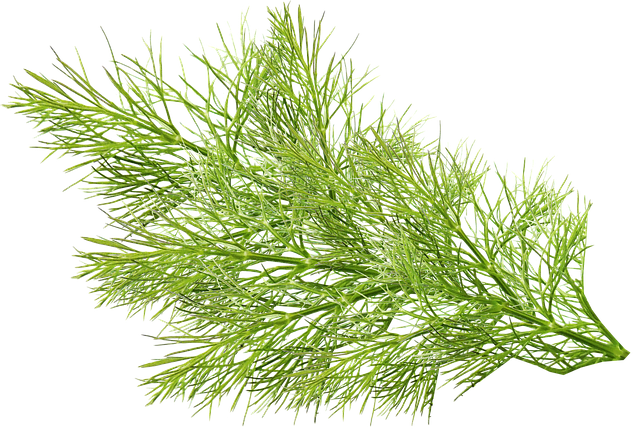
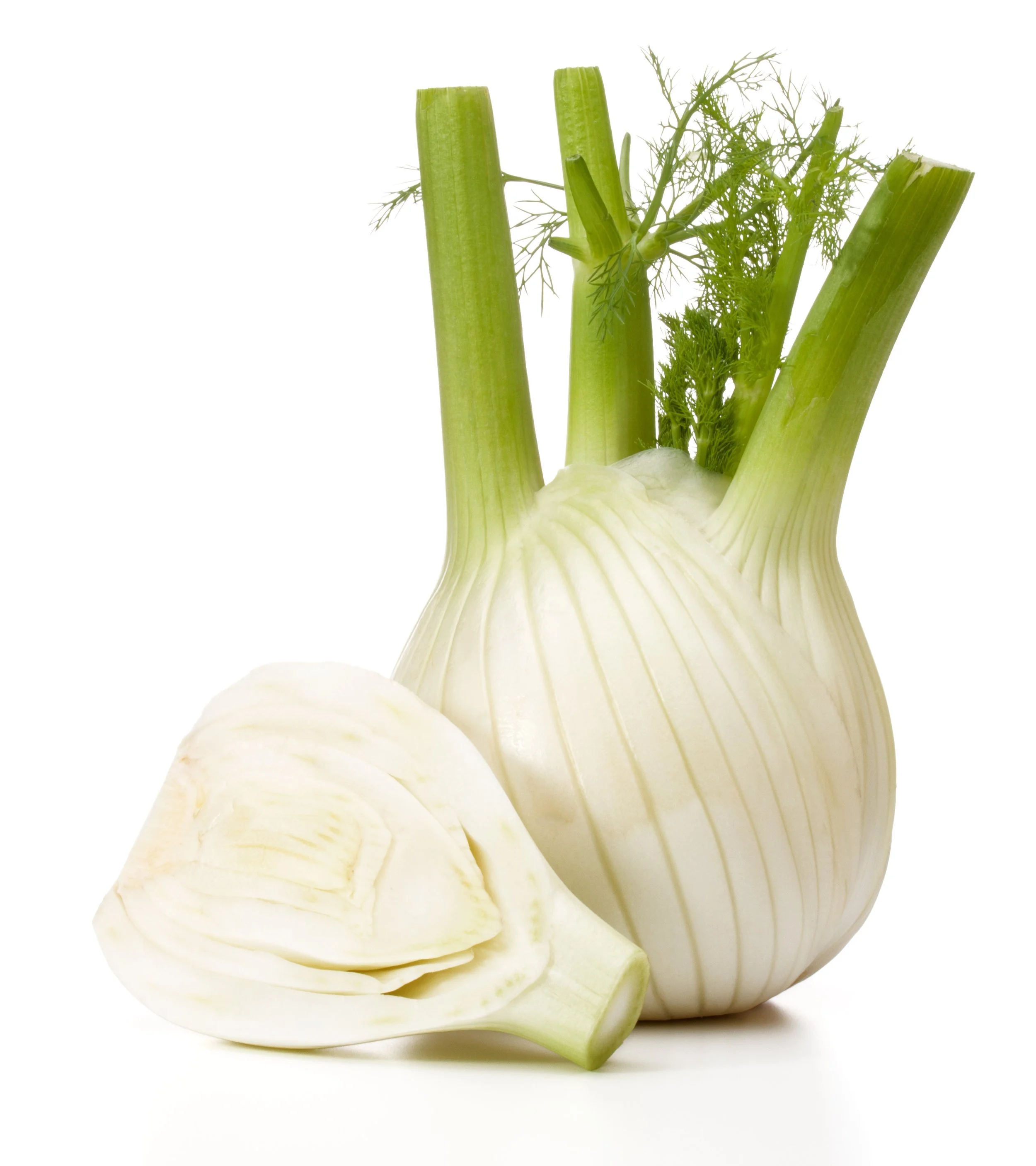
What we commonly call “fennel” in the kitchen is not a true bulb of the plant — it’s the swollen base formed by the tight overlapping of the plant’s leaf stalks, not by the root structure. Above the bulb, long green stalks rise upward, finishing with delicate fronds that look like dill.
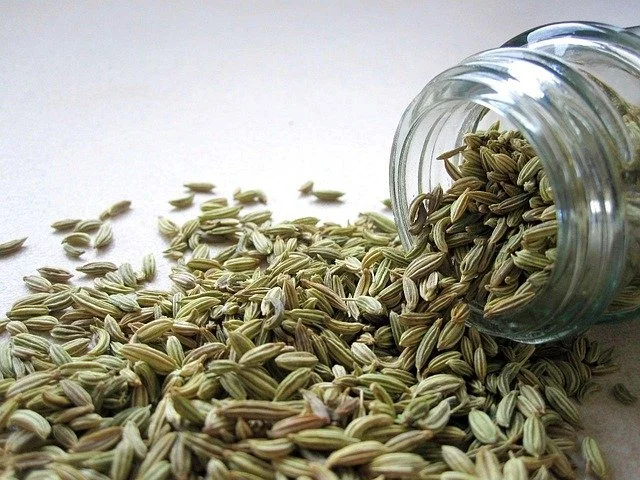
And if allowed to mature fully, the plant produces fennel seeds, one of the most widely used spices across global cuisines.
Unlike many vegetables that only offer one usable part, fennel is an entire-plant ingredient — bulb, stalks, fronds, and seeds — each with its own purpose in the kitchen.
The Flavor Question: “Does It Taste Like Licorice?”
Fennel’s reputation for tasting “like licorice” stops many people before they ever begin — but the truth is much more nuanced.
Fennel’s distinctive aroma comes from anethole, the same compound found in anise and licorice. But unlike licorice candy, fennel’s flavor is lighter, greener, and far more adaptable. Raw fennel has a light, fresh anise note, but it’s clean and herbal, not heavy or candy-like. And once you cook it, that anise note softens dramatically, giving way to something rounder, warmer, and almost buttery that adds complexity without heaviness.
Think of fennel as crisp and refreshing when raw, sweet and silky when roasted, and savory and grounding when braised.
It adapts to how you treat it — which is why it appears in cuisines all over the world.
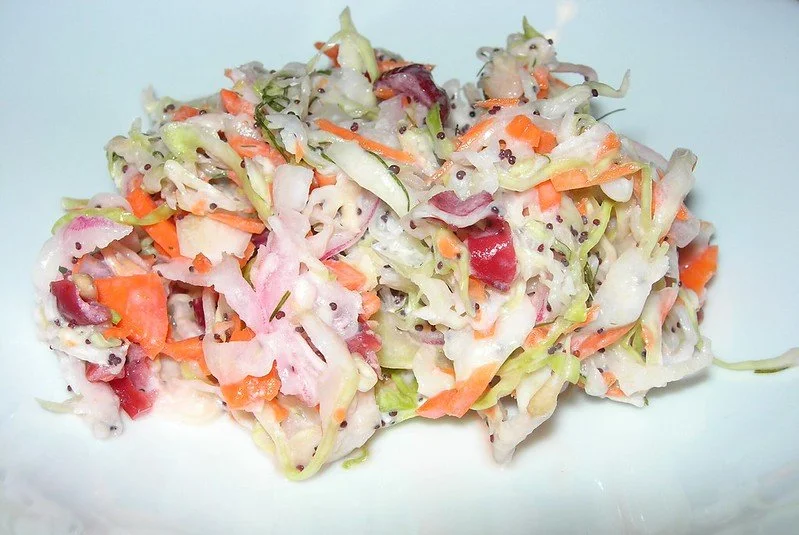
Sour Cream Slaw with Fennel & Dried Cranberries
Why Cooks Fall in Love With Fennel
Fennel has a quiet way of rewarding attention.
Raw, it brings crunch and brightness — especially when paired with citrus or sharp cheeses. Thin slicing is key here; fennel likes to be treated gently.
Cooked, it becomes something else entirely. Heat draws out its natural sugars, turning fennel tender, aromatic, and deeply comforting without feeling heavy.
It’s equally at home:
Roasted with root vegetables
Folded into grains and risottos
Paired with seafood
Braised slowly with olive oil, garlic, and herbs
Once you see how many roles fennel can play, it stops feeling intimidating and starts feeling essential.
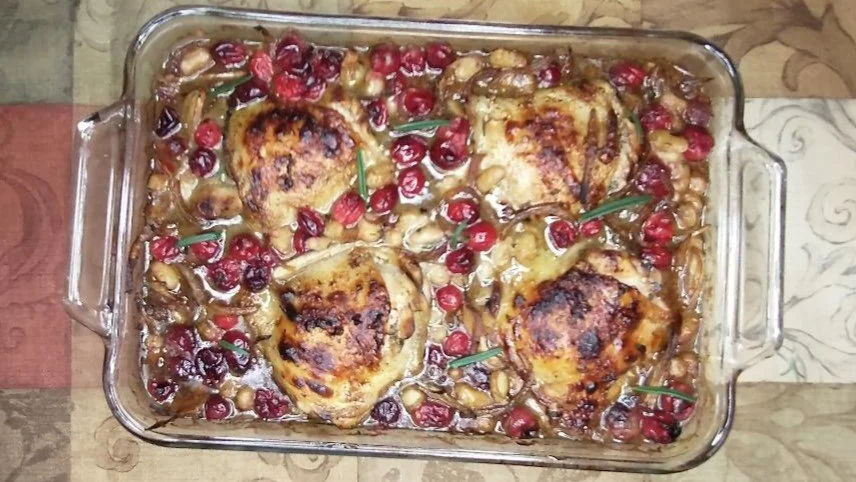
Interesting Facts About Fennel
Fennel has a long, layered history that goes far beyond its role as a vegetable in the produce aisle. For thousands of years, it has been valued not just for how it tastes, but for how it behaves — in the body, in cooking, and across cultures.
In ancient Greece, fennel was associated with clarity and endurance. The word marathon is believed to come from marathos, the Greek word for fennel, referencing a field of fennel near where the famous battle took place. To the Greeks, fennel symbolized strength, focus, and resilience — qualities they admired both on and off the battlefield.
The Romans carried fennel with them as they expanded their empire, using it widely in cooking. Gladiators were said to eat fennel to promote strength, and Roman cooks relied on it to add aroma and balance to rich dishes. From there, fennel spread throughout Europe, becoming a staple in Italian and French regional cuisines where it remains deeply woven into traditional cooking.
Throughout medieval Europe, fennel was believed to possess protective, magical powers that could ward off evil spirits, ghosts, and witches and was hung above doorways along with other sacred herbs like St. John’s wort during midsummer festivals. It was part of the Anglo-Saxon Nine Herb Charm - along with mugwort, plantain, chamomile, chervil, dandelion, nettle, watercress, and purslane - that was used in the 10th century to fight infections and bring about healing, protection, or love.
Another lesser-known fact is that fennel is one of the few vegetables traditionally served both at the beginning and the end of a meal. In Italy, raw fennel is sometimes served before a meal to refresh the palate, while fennel seeds are often offered afterward to gently support digestion. This dual role speaks to fennel’s ability to both awaken and settle.
Florence fennel is one of the 3 key ingredients used to flavor the alcoholic drink absinthe, the other two being grand wormwood and anise. Historically known as "la fée verte" (the green fairy), it was invented in Switzerland in the late 18th century as a medicinal tonic.
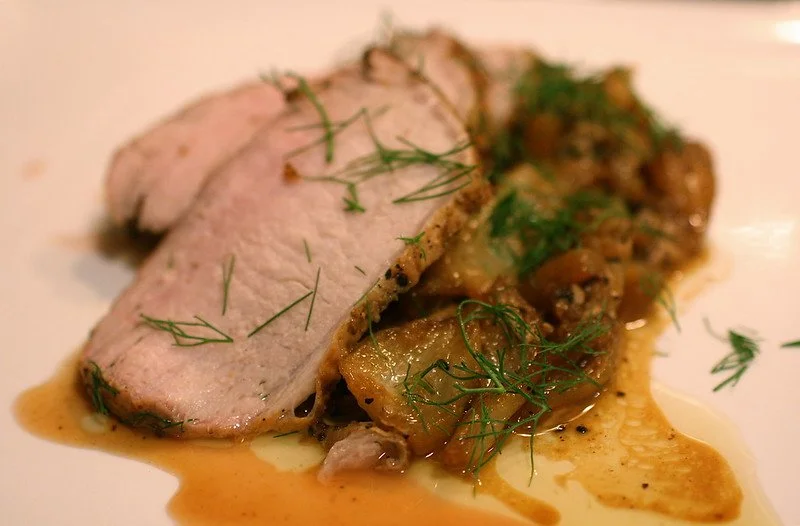
Fennel-Rubbed Pork Tenderloin with Roasted Fennel Wedges
When Fennel Is in Season (and Why It Matters)
Fennel is a cool-weather crop, which means it’s at its best during late fall through early spring. Peak season - when it’s freshest at local markets - is generally late October to winter although it can be found year-round in most supermarkets. Warmer southern regions have longer seasons and colder, northern regions usually harvest in late summer through early fall.
Fennel is native to the Mediterranean region and southern Europe but is now grown worldwide in temperate areas with full sun and well-drained soil. It has naturalized in northern Europe, much of Asia, Australia, and North America - particularly the Pacific Northwest. It’s considered an invasive species and weed in both Australia and the U.S.
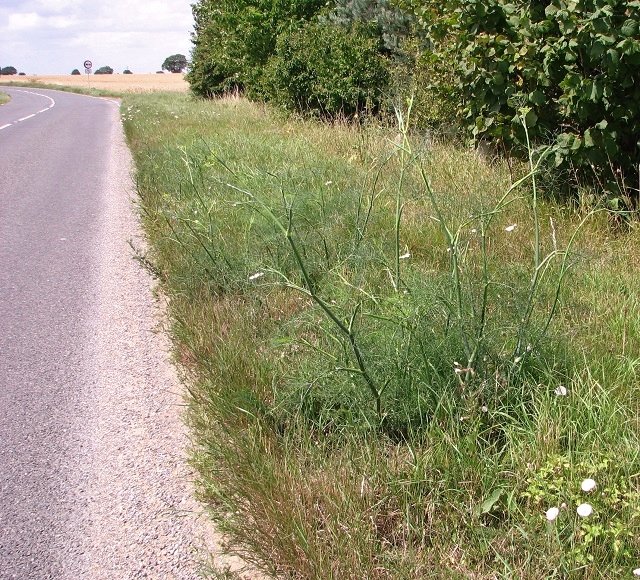
Different Varieties of Fennel
Understanding what you’re seeing at the market makes fennel much easier to work with.
Florence Fennel (Bulb Fennel) The most common culinary fennel, grown for its crisp, pale swollen bulb. Mild and slightly sweet, it’s ideal for salads, roasting, braising, soups, and grain dishes. Some types are know by other names, notably the Italian name finocchio. It is often mislabeled in supermarkets as anise.
Wild Fennel (Herb Fennel) Grown primarily for its fronds, seeds, and pollen. More intense in aroma and flavor, it’s often used in traditional Mediterranean cooking.
Bronze Fennel Known for its bronze-colored fronds and ornamental appearance. The fronds are edible and aromatic, though the bulb is less developed.
Sweet vs. Bitter Fennel Most fennel sold for cooking is sweet fennel. Bitter fennel is more commonly used in herbal preparations rather than everyday cooking.
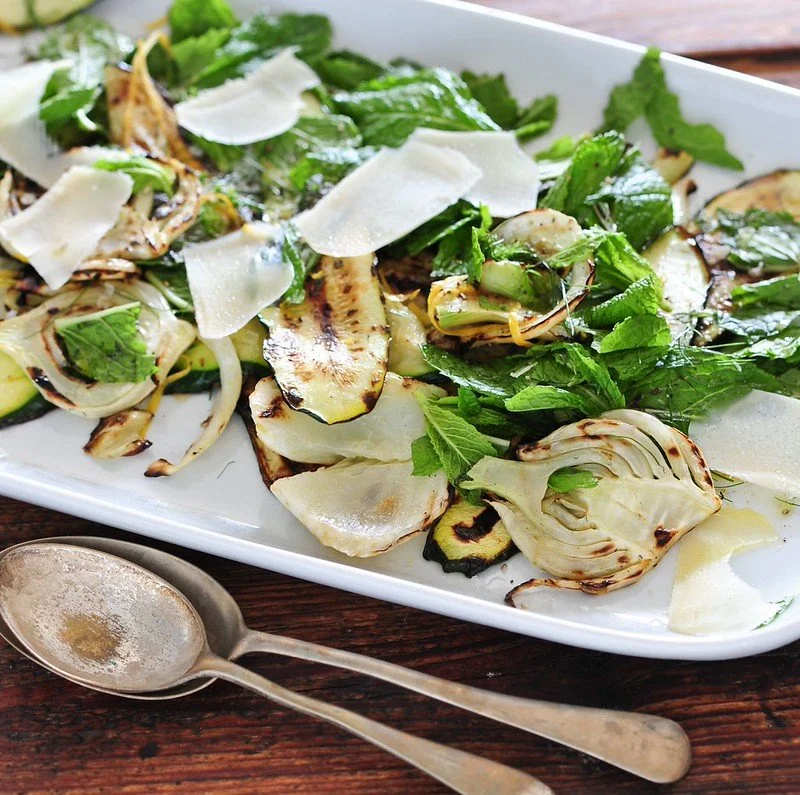
Burnt Fennel & Zucchini Salad
Choosing Fresh Fennel
Look for fennel bulbs that feel heavy for their size, with tight, clean layers and no splitting. The color should be pale green to white, without browning. Fresh fronds should be bright and feathery, not wilted or yellowing.
Smaller bulbs tend to be more tender and mildly flavored, making them a good choice for raw preparations.
How to Store Fennel
Store fennel loosely wrapped in the refrigerator crisper. If the fronds are attached, they can be wrapped separately to keep them fresh. Once cut, fennel is best used within a few days. As it becomes older, it becomes more fibrous and loses its flavor.
While fennel can be frozen after cooking, its texture changes significantly, making it better suited for soups or purées rather than salads.
How to Cut a Fennel Bulb (Without Overthinking It)
Once you know how to cut fennel, much of the hesitation disappears.
Here’s a simple, approachable method:
Remove the stalks
Cut where the stalks meet the bulb. Set them aside — they’re excellent for stocks and roasting beds.
Trim the base
Slice just enough off the root end to remove any tough exterior, keeping the bulb intact.
Cut the bulb in half
Stand it upright and slice from top to bottom.
Remove the core
Cut a small V-shape around the dense core at the base of each half.
Slice or chop as needed
Thin slices for salads, wedges for roasting, or small dice for risottos and sautés.
Once you’ve done this once or twice, fennel becomes no more complicated than an onion.
Cooking with Fennel: Recipes for Every Comfort Level
Here are 12 fennel-forward recipe ideas, each with a brief description to spark inspiration and show how easy it is to get more fennel onto your plate.
Roasted Fennel with Lemon and Parmesan Cut fennel bulbs into wedges, toss with olive oil, salt, pepper, and lemon zest, then roast until caramelized and tender; finish with a shower of grated Parmesan. Roasting softens the licorice notes into a mellow sweetness that’s perfect as a side for fish or roasted chicken.
Shaved Fennel, Orange, and Olive Salad Very thinly slice raw fennel and toss with orange segments, red onion, and briny olives in a simple citrus and olive oil dressing. The result is a bright, crunchy salad rich in vitamin C and fiber that works beautifully alongside grilled seafood or beans.
Caramelized Fennel and Onions Slowly cook sliced fennel and red onion in olive oil (and a little butter if you like) until deeply golden and sweet, then finish with lemon zest, parsley, and Parmesan. This jammy, savory‑sweet mix is fantastic over grilled meats, tossed with pasta, or piled on toast.
Fennel and White Bean Soup Sauté chopped fennel, onion, and garlic, then simmer with vegetable broth and white beans; finish with lemon and herbs, blending part of the soup for creaminess. You get a cozy, Mediterranean‑style bowl that delivers plant protein, fiber, and gentle fennel flavor in every spoonful.
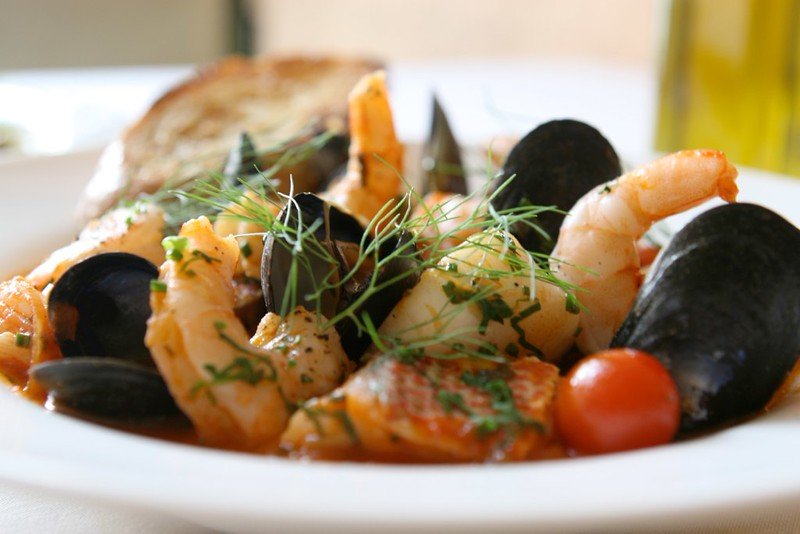
Charleston Muse Cacciucco 4970 - Tuscan Fish Stew of shrimp, mussels, fresh local fish, scallops, fennel, chives, cherry tomatoes and aromatics in a tomato broth with garlic, olive oil, sherry and saffron. Served with house-made crusty bread.
Fennel, Apple, and Walnut Slaw Combine thinly sliced fennel with matchstick apples, toasted walnuts, and a light vinaigrette made with lemon, olive oil, and Dijon. This crunchy slaw balances sweet, tart, and anise notes and makes an excellent topping for tacos, grain bowls, or veggie burgers.
Creamy Salmon and Fennel Pasta Sauté shallots and finely sliced fennel in olive oil until soft, then add a splash of cream, lemon or tomato for acidity, and fold in chunks of salmon; toss with hot pasta. The fennel adds aroma and lightness to an otherwise rich, satisfying main dish.
Fennel Gratin with Parmesan Lightly braise fennel slices in milk or broth until just tender, then simmer to thicken, season with nutmeg and Parmesan, and finish under the broiler if desired. You get a cozy, creamy side that works like a lighter twist on potato gratin, showcasing fennel’s sweetness.
Citrus‑Roasted Fennel and Chickpea Tray Bake Toss fennel wedges, red onion, and canned chickpeas with olive oil, citrus slices, garlic, and spices, then roast until golden and crisp at the edges. Serve warm over greens or grains for a simple, plant‑forward meal with plenty of fiber and texture.
Tomato, Fennel, and White Fish Bake Layer sliced fennel and onion in a baking dish, top with white fish fillets, cherry tomatoes, olive oil, and herbs, then bake until the fish flakes and the fennel is tender. The fennel perfumes the whole dish, creating a light, aromatic dinner that’s easy enough for weeknights.
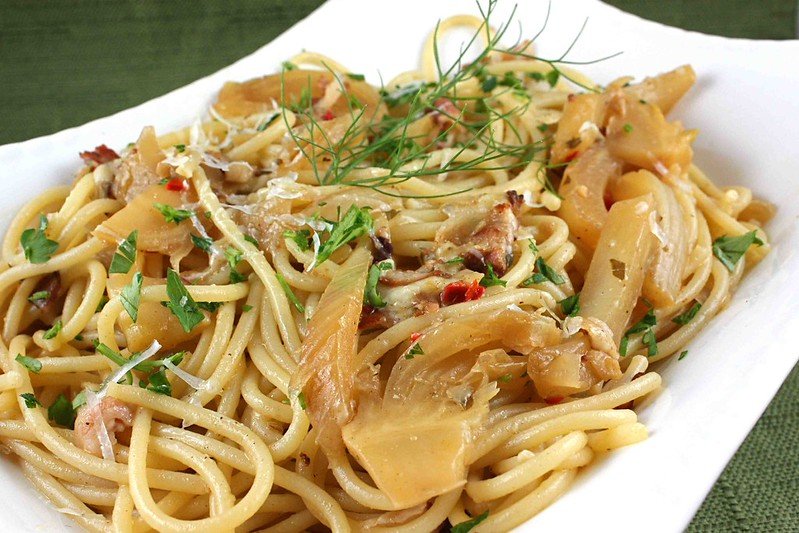
Spicy Spaghetti with Fennel, Pancetta & Parmesan Cheese
Fennel Seed and Lemon Roasted Carrots Coat carrots with olive oil, crushed fennel seeds, salt, pepper, and lemon zest, then roast until caramelized. The fennel seeds lend a warm, slightly sweet aroma that pairs beautifully with root vegetables and makes a simple side feel special.
Fennel and White Bean Bruschetta Top toasted whole‑grain bread with a mixture of sautéed fennel, garlic, white beans, and a squeeze of lemon, then drizzle with good olive oil. This makes a quick lunch or starter that’s both hearty and light, delivering protein, fiber, and that distinctive fennel flavor.
Fennel Seed Herbal Tea Lightly crush fennel seeds and steep them in just‑boiled water for 5–10 minutes, optionally adding mint, ginger, or a slice of lemon. This simple infusion has a long traditional use as an after‑meal sip to support digestion and ease bloating.
Fennel, Citrus, and Farro Grain Bowl Combine cooked farro with roasted fennel, orange segments, chopped herbs, and a lemon‑olive oil dressing; top with toasted nuts or seeds. It’s a satisfying, high‑fiber bowl that layers whole grains with bright, crunchy vegetables and fennel’s gentle sweetness.
You can plug any of these ideas into your existing cooking style—swap grains, change proteins, or keep things entirely plant‑based—while letting fennel be the thread that ties more flavor and nourishment into your meals.
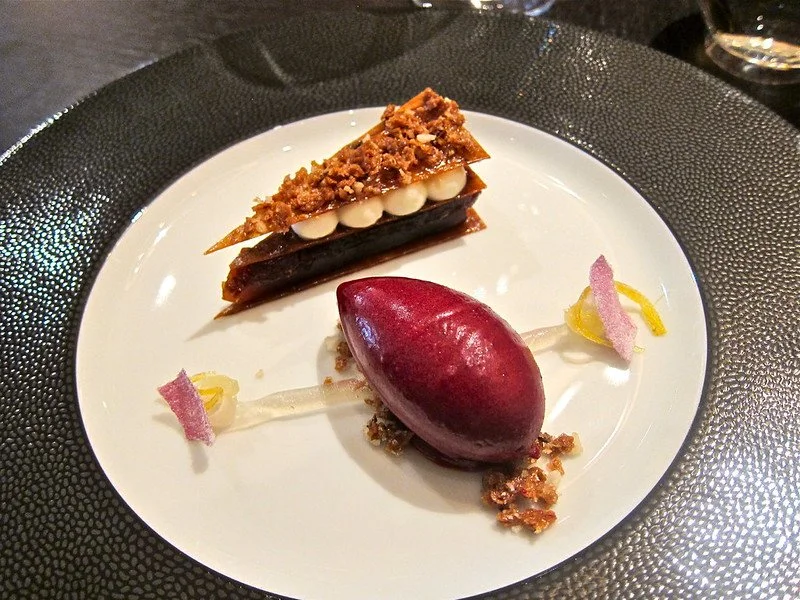
Taffety Tart (c.1660): Rose, Fennel, Lemon & Blackcurrant Sorbet by Heston Blumenthal
Dessert Recipes Using Fennel
Fennel’s natural sweetness and aromatic quality make it surprisingly well suited to desserts. Here are five dessert ideas that showcase the sweet, aromatic side of fennel, along with brief descriptions you can easily adapt to your style.
Flourless Fennel–Almond Cake A moist, naturally gluten‑free cake made with roasted fennel bulb puréed into a rich almond batter, lightly scented with anise or fennel seed. The fennel adds subtle sweetness, moisture, and a gentle licorice aroma, while a simple fennel‑infused syrup brushed over the top keeps the crumb tender and glossy.
Fennel Upside‑Down Olive Oil Cake Think pineapple upside‑down cake, but with thinly sliced fennel caramelized in sugar and lemon at the bottom of the pan, then topped with a fragrant olive‑oil cake batter. Once flipped, you get soft, candied fennel on top of a plush, citrusy sponge that pairs beautifully with a dollop of whipped cream or yogurt.
Lemon Posset with Fennel Shortbread A silky, three‑ingredient lemon posset (cream, sugar, lemon) served in small glasses alongside crisp fennel‑infused shortbread cookies. The shortbread is made by creaming butter and sugar, then adding flour and crushed fennel seeds, so each bite has a buttery snap and a whisper of warm, anise‑like spice that cuts through the richness of the posset.
Sicilian Almond–Fennel Biscotti Twice‑baked biscotti scented with wild fennel seeds, cardamom, citrus zest, and studded with whole almonds. These crunchy cookies are perfect for dipping into espresso or dessert wine; the fennel seeds add a classic Italian note that plays beautifully with the olive oil, nuts, and warm spices.
Fennel‑Scented Rice Pudding A creamy, stovetop rice pudding gently infused with crushed fennel seeds (or a fennel‑seed sachet) during cooking, then finished with citrus zest or a spoonful of jam. The result is comfort food with a twist—familiar, cozy texture lifted by a delicate, aromatic fennel note that keeps each spoonful interesting.
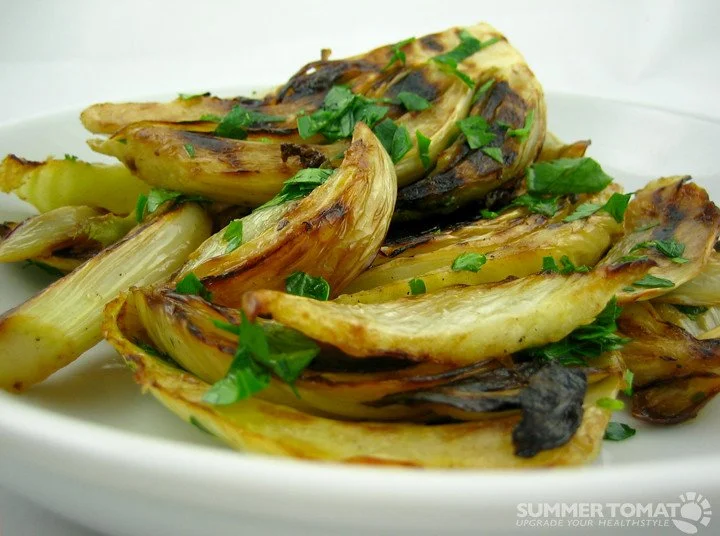
Grilled Fennel
How Fennel Supports Your Health
Fennel has been valued for centuries not because it promises quick fixes, but because of how quietly supportive it is. It’s considered a high nutrient-dense food and is low in both carbs and calories. Here’s what it brings to the table, health-wise, without getting too clinical about it.
Supports digestion (this is fennel’s claim to fame) Fennel has long been used to ease bloating, gas, and that heavy, uncomfortable feeling after meals. The natural compounds in fennel help relax the muscles of the digestive tract and encourage smoother digestion. It may also help heal the gut lining in those suffering from IBD.
Anti-inflammatory and antioxidant support Fennel contains flavonoids and phenolic compounds that help neutralize oxidative stress in the body. Over time, this kind of antioxidant support plays a role in calming low-grade inflammation, which is at the root of many chronic issues.
Heart-friendly nutrients It provides potassium, which helps support healthy blood pressure, along with fiber that can assist in maintaining healthy cholesterol levels when fennel is eaten regularly as part of a balanced diet.
Supports hormone balance Fennel contains natural phytoestrogens—plant compounds that gently mimic estrogen in the body. For some people, especially during perimenopause or menopause, fennel may help ease symptoms like bloating or mild cramping. (Gentle is the key word here—it’s food, not medicine.)
Bone support Fennel can help maintain bone health and strength. It offers small but meaningful amounts of calcium - one cup raw provides 43 mg (about 4% dv) - which is helpful to meet the daily goal. It also contains other bone strengthening nutrients - magnesium, vitamin K, and phosphorus, — especially helpful when included regularly rather than occasionally.
Immune system support The high amount of vitamin C in fennel - 10.4 mg per cup raw (12% DV) - helps support immune health and collagen production, while also aiding iron absorption from plant foods eaten alongside it. It also plays a role in strengthening bones and teeth as well as improving skin appearance.
Bottom line: fennel is more than a pretty frond and a hint of licorice—it’s a nutrient‑rich, versatile plant with emerging evidence for antioxidant, digestive, heart, and women’s health benefits. Most of the strongest science so far comes from laboratory and small human studies, so fennel is best seen as a valuable member of a plant‑rich diet, not a cure‑all.
Why Fennel Is Often Mistaken for Other Aromatic Herbs
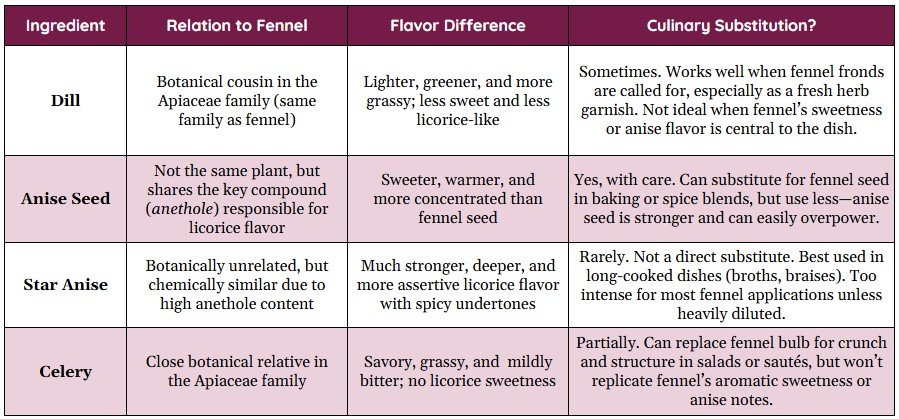
Fennel is frequently confused with other aromatic herbs because several plants share a similar licorice-like aroma, feathery leaves, or botanical family ties. Dill and celery are close relatives, which explains their similar appearance, while anise seed and star anise contain the same aromatic compound—anethole—that gives fennel its signature scent.
When substituting fennel, the key is to decide what role fennel is playing in the dish. If it’s there for freshness and herbaceousness, dill may work. If it’s providing sweet, licorice-like warmth, anise seed can step in—used sparingly. If fennel is contributing texture, especially raw or sautéed, celery can substitute structurally, though not flavor-wise. Star anise, while aromatic, is much more intense and is rarely a true substitute except in slow-cooked dishes where fennel’s flavor is meant to be subtle and infused rather than front and center.
Understanding whether you’re replacing flavor, aroma, or texture makes all the difference.
Using the Whole Fennel Plant
Fennel is one of the rare vegetables where nearly every part has a purpose in the kitchen.
Fennel Seeds Warm, sweet, and aromatic. Toast and crush them for spice blends, add to breads and braises, infuse into oils, or steep as tea. They are one of the traditional seasonings in Italian sausage.
Fennel Stems Too fibrous to eat, but full of flavor. Use them in stocks, soups, braises, or as an aromatic base for roasting. When mature, the stems become hollow as the white pith inside melts away. You can use it in your favorite drink and it will give it a delicious light overtone of licorice. Bonus points for using it as compost when you’re done!
Fennel Fronds Mild and fresh. Chop and use like a soft herb in salads, dressings, grains, pestos, or as a finishing garnish.
Fennel Flowers Attractive in arrangements, they are also edible and can be used as a garnish.
Using the whole plant reduces waste, builds confidence, and deepens your connection to the ingredients you cook with.
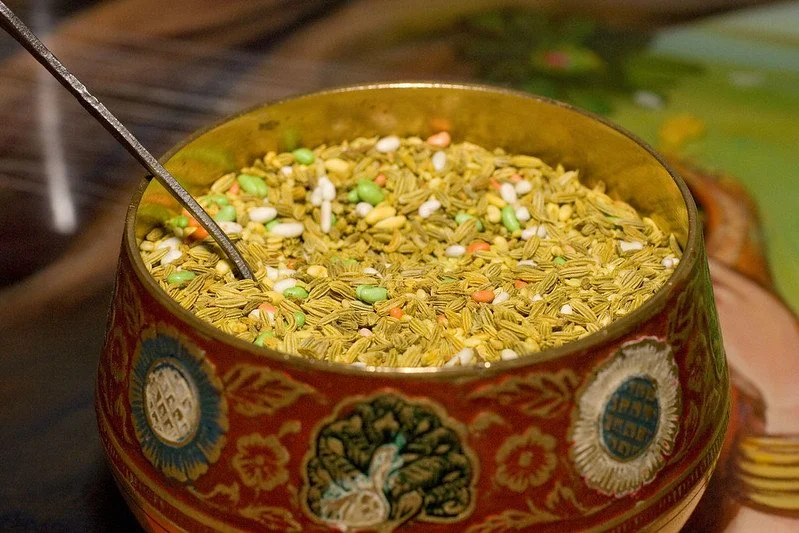
Mukhwas, a South Asian after-meal breath freshener, often fennel, anise, coconut, coriander, and sesame.
Traditional and Ayurvedic Uses of Fennel Seeds
Fennel seeds have an especially long history in traditional medicine systems.
In Ayurveda, fennel seeds are prized for their ability to support digestion, calm the stomach, and balance heat in the body. They are often chewed after meals, steeped into gentle teas, and used in spice blends to soften heavier foods.
Even today, many cultures serve fennel seeds at the end of meals — not as a trend, but as tradition.
Spice Blends That Feature Fennel Seed
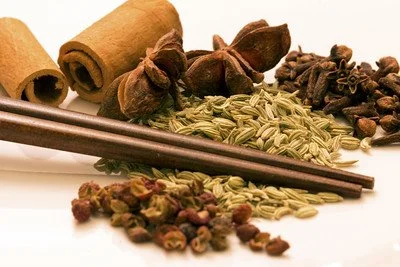
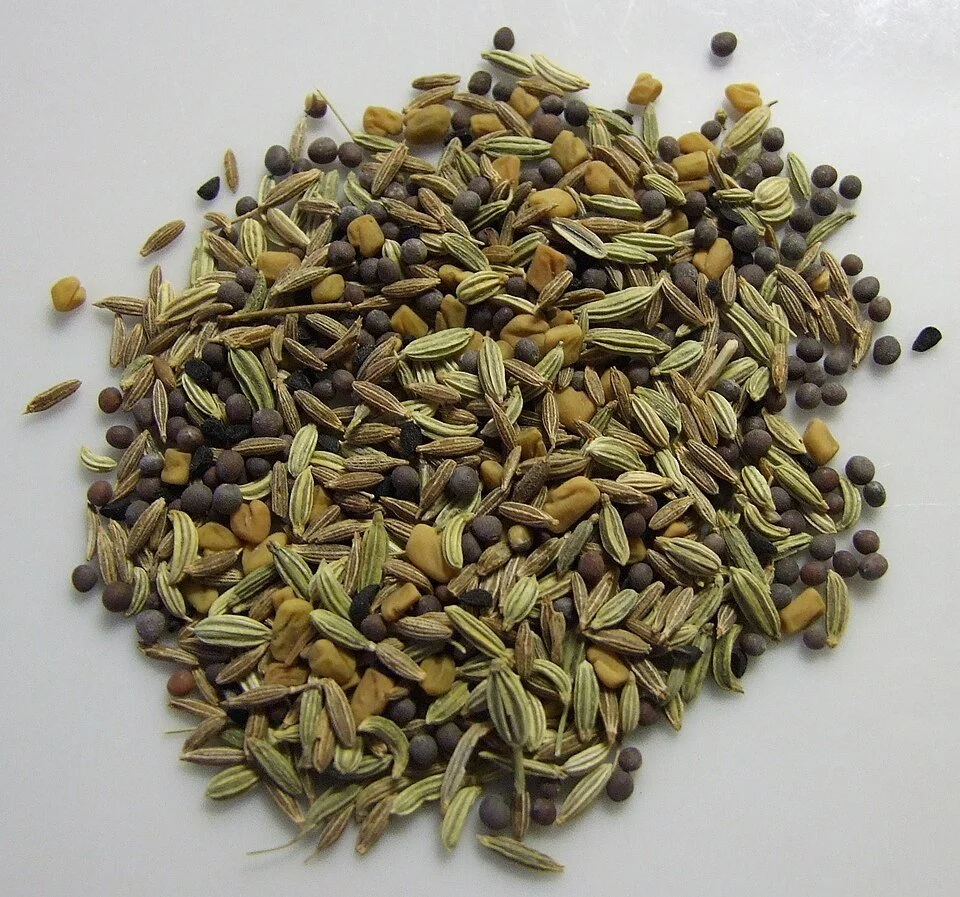
Fennel seed shows up in some of the world’s most beloved spice blends, often working quietly in the background to round out flavor. Shown below left to right: Chinese five-spice, Indian panch phoron (Bengali five-spice), and Italian sausage seasoning.
You’ll find it in:
Chinese five-spice contains fennel seeds, star anise, cloves, Chinese cinnamon, and Sichuan pepper.
Indian panch phoron (Bengali five-spice) is a mixture of whole seeds, including fenugreek, fennel, nigella, yellow mustard, and cumin.
Italian sausage seasoning frequently blends cracked fennel seed with red pepper flakes, garlic, and salt.
Smoky fennel seasoning is a mix of smoked sweet paprika, garlic, fennel seed, red pepper, rosemary, and basil.
Rosemary & Fennel salt which is often used as a meat rub is a blend of sea salt, garlic, rosemary, pepper, and fennel.
Its role is subtle but essential — adding warmth, sweetness, and balance rather than dominating the dish.

Fennel Pollen: The Quiet Luxury
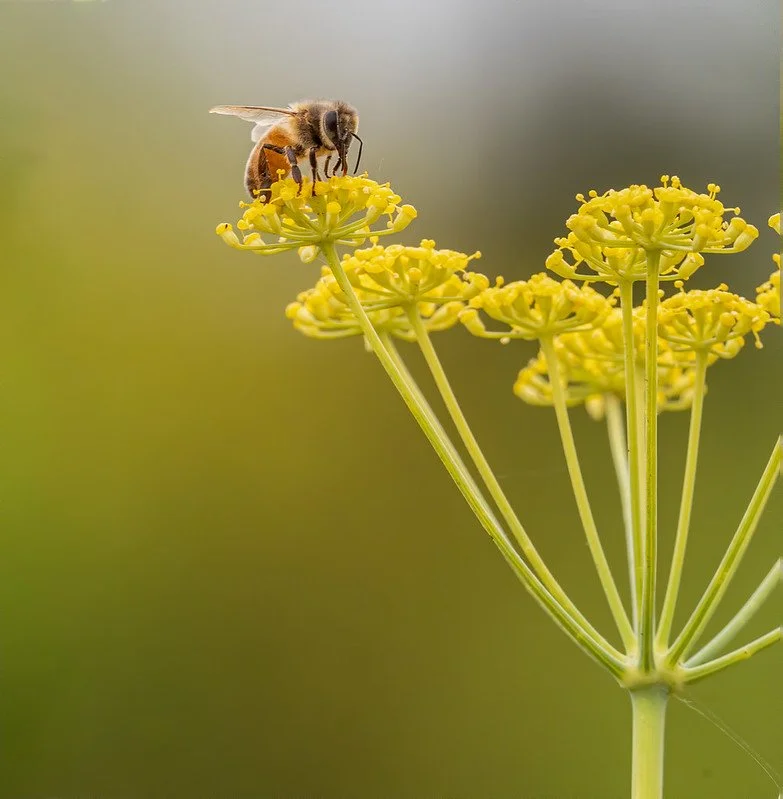
The fennel plant produces nectar-rich, yellow flower clusters that are highly attractive to bees, butterflies, and beneficial insects, making it popular in ecological gardens. It is such an effective source of nectar and pollen that some scientists refer to it as a “magnet plant.”
Culinarily, the tiny yellow blossoms of the wild fennel plant yield fennel pollen that’s one of the most aromatic spices you’ll ever encounter — and one of the least known. It has an intense, sweet, and floral flavor with notes of licorice, anise, and citrus. Because it’s labor-intensive hand harvested, similar to saffron, it’s expensive, around $30.00 an ounce (or more!).
Highly potent, a pinch is all that’s needed to experience its “sweet umami” flavor. When sprinkled as a finishing spice it transforms:
Roasted vegetables
Fish and seafood (especially salmon)
Simple pastas and salads
Eggs and grains
Desserts like vanilla ice cream and gelato
It’s often called “spice of angels” and “culinary fairy dust” not because it’s flashy, but because it adds depth without effort.
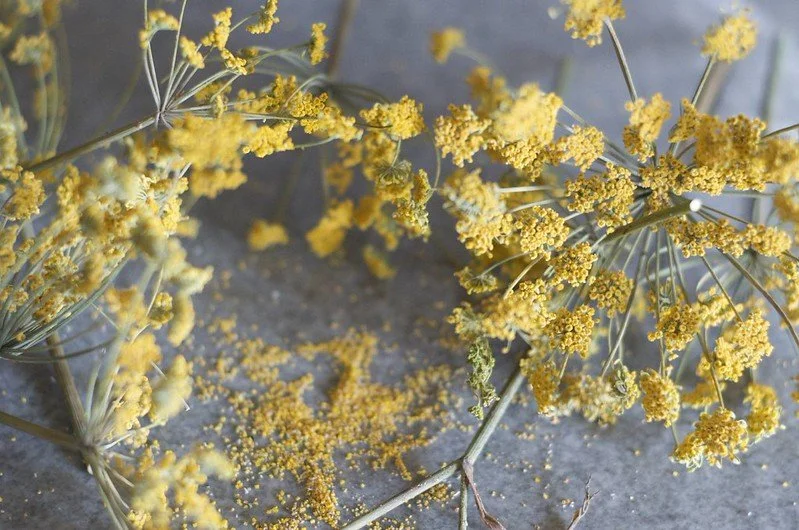
Fennel Pollen
If you’ve ever passed over fennel because you weren’t sure how to use it, consider this your invitation to pause and look again.
Fennel doesn’t rush you. It doesn’t demand perfection. It simply asks for a little curiosity.
And once you give it that, it rewards you with flavor, balance, history, and versatility — all wrapped into one quietly remarkable plant.
By the time you reach the recipes, you won’t just be following instructions. You’ll be cooking with understanding.
Let’s get cooking!
Now that you know what fennel can do, it’s time to bring it into the kitchen. Whether you slice it paper-thin for a crisp salad or let it soften and caramelize in the oven, fennel rewards simple preparation. Let’s start with a few easy ways to see just how beautifully it transforms.
Arugula, Fennel, and Orange Salad
Arugula, Fennel, and Orange Salad is bright, fresh, and beautifully balanced. Peppery arugula forms the base, layered with thinly sliced fennel, juicy oranges, crisp radishes, and a touch of red onion for gentle bite. Salty feta adds richness without heaviness, while a honey Dijon vinaigrette brings everything together.
Fresh mint and dill soften the sharp edges, adding lift and aroma that echo the fennel’s natural sweetness. The result is a salad that feels both refreshing and grounded—light enough to open a meal, yet substantial enough to stand alongside roasted vegetables, fish, or grains.
This is the kind of dish that reminds you how a few thoughtfully chosen ingredients, prepared simply, can feel deeply satisfying.

Arugula, Fennel, and Orange Salad
Ingredients
- Salad
- 4 packed cups baby arugula
- 1 medium fennel bulb, very thinly sliced (fronds reserved, optional)
- 2 large oranges, peeled and sliced into rounds or segments
- 6–8 radishes, thinly sliced
- ¼ small red onion, very thinly sliced
- ½ cup feta cheese, crumbled
- Honey Dijon Vinaigrette
- 3 tbsp extra-virgin olive oil
- 2 tbsp apple cider vinegar
- 1 tbsp Dijon mustard
- 2 tsp honey
- 1 tbsp fresh mint, finely chopped
- 1 tbsp fresh dill, finely chopped
- Salt and freshly ground black pepper, to taste
Instructions
- In a large serving bowl, add the arugula. Layer in the fennel, oranges, radishes, and red onion.
- In a small bowl or jar, whisk together the olive oil, orange juice, Dijon, and honey until smooth. Stir in the chopped mint and dill. Season lightly with salt and pepper.
- Drizzle the vinaigrette over the salad and gently toss to coat, being careful not to break up the oranges.
- Sprinkle the feta over the top. Garnish with a few chopped fennel fronds if using. Taste and adjust seasoning as needed.
Notes
- Best served immediately, while the arugula is fresh and lively.
- Lovely alongside roasted fish, chicken, or a simple grain dish.
- For a slightly softer onion flavor, soak the sliced red onion in cold water for 5 minutes, then drain before adding.
Roasted Fennel and Carrot Risotto
Roasted Fennel and Carrot Risotto is rich, comforting, and deeply aromatic. Roasting the fennel and carrots separately draws out their natural sweetness, transforming fennel’s fresh, herbal notes into something mellow and savory. Once folded into the finished risotto, the vegetables add depth, color, and a subtle caramelized richness.
The risotto itself is creamy and balanced, finished with freshly grated Parmesan that brings warmth and structure without overpowering the vegetables. Each spoonful feels cohesive and satisfying, with the rice acting as a soft backdrop for the roasted flavors.
What truly sets this dish apart is the fresh gremolata. Lemon zest, garlic, parsley, dill, chopped fennel fronds, and almonds add brightness, texture, and contrast, lifting the richness of the risotto and bringing fennel full circle—from roasted and tender to fresh and aromatic. Black pepper ties it all together with a gentle bite.
This dish reflects how fennel evolves through cooking, showing just how versatile the ingredient can be. It’s a comforting meal that still feels vibrant and intentional—perfect for slower evenings, shared meals, and anyone learning to appreciate fennel in new ways.
Roasted Fennel and Carrot Risotto
Ingredients
- Roasted Vegetables
- 1 large fennel bulb, cored and cut into small wedges or chunks
- 3 medium carrots, peeled and cut into bite-size pieces
- 1 tbsp olive oil
- ¾ tsp kosher salt
- ½ tsp freshly ground black pepper
- 1 tsp fresh thyme leaves (or ½ tsp dried)
- Risotto
- 1½ cups Arborio rice
- 4–5 cups warm vegetable broth
- 1 tbsp olive oil
- 1 tbsp butter
- 2 tbsp onion, finely minced
- ½ cup dry white wine
- ¾ cup freshly grated Parmesan cheese
- Salt and black pepper, to taste
- Fresh Gremolata
- Zest of 1 lemon
- 1 small garlic clove, very finely minced
- 3 tbsp fresh parsley, finely chopped
- 1 tbsp fresh dill, finely chopped
- 1 tbsp fresh fennel fronds, finely chopped
- 2 tbsp finely chopped almonds
- Freshly ground black pepper, to taste
Instructions
- Preheat the oven to 425°F. Line a baking sheet with parchment paper.
- Toss the fennel and carrot with olive oil, half the salt and pepper, and the thyme. Spread on the baking sheet.
- Roast for 20–25 minutes, stirring once, until tender and lightly caramelized. Set aside.
- Make the gremolata by combining the lemon zest, garlic, parsley, dill, fennel fronds, almonds, and black pepper in a small bowl.
- Mix well and set aside.
- In a large, heavy-bottomed pot or wide saucepan, heat the olive oil and butter over medium heat.
- Add the onion and cook gently for 2–3 minutes, until soft and translucent.
- Stir in the Arborio rice and cook for 1–2 minutes, allowing the grains to toast slightly.
- Pour in the wine and cook, stirring, until mostly absorbed.
- Begin adding warm broth, ½ cup at a time, stirring frequently and allowing each addition to absorb before adding more.
- Continue for 18–22 minutes, until the rice is creamy and just tender.
- Stir in the Parmesan, then gently fold in the roasted fennel and carrots. Season to taste with salt and black pepper.
- To serve spoon the risotto into warm bowls and finish with a generous sprinkle of gremolata over the top. Serve immediately while the risotto is loose and creamy.
Notes
- The risotto should flow softly on the plate—add a splash of warm broth at the end if needed.
- The gremolata is meant to be fresh and aromatic, not heavy—use a light hand with the garlic.
- This pairs beautifully with a simple green salad or roasted fish.
There you have it!
Fennel’s gift is its ability to change — from bright and fresh to mellow and sweet. Slice it thin, roast it slowly, and let it surprise you.