
The Sweet Simplicity of Peas
If you’ve been feeling more tired than usual, noticing your weight shifting in ways that don’t make sense, or just feeling too overwhelmed to cook real meals… you’re not alone. This phase of life can feel like your body changed the rules overnight.
That’s why I love simple foods that don’t ask much of you. Peas are one of those quiet helpers that have a way of quietly showing up in the background. No fancy skills, no complicated prep—just a small, sweet ingredient that slips easily into everyday meals. Folded into a pasta dish, tucked into fried rice, stirred into soup, or sitting politely beside a piece of fish or chicken, they’re often treated more like an afterthought than a star ingredient. But at this time of year, when spring markets begin filling with fresh produce and gardens start waking up again, peas deserve a closer look.
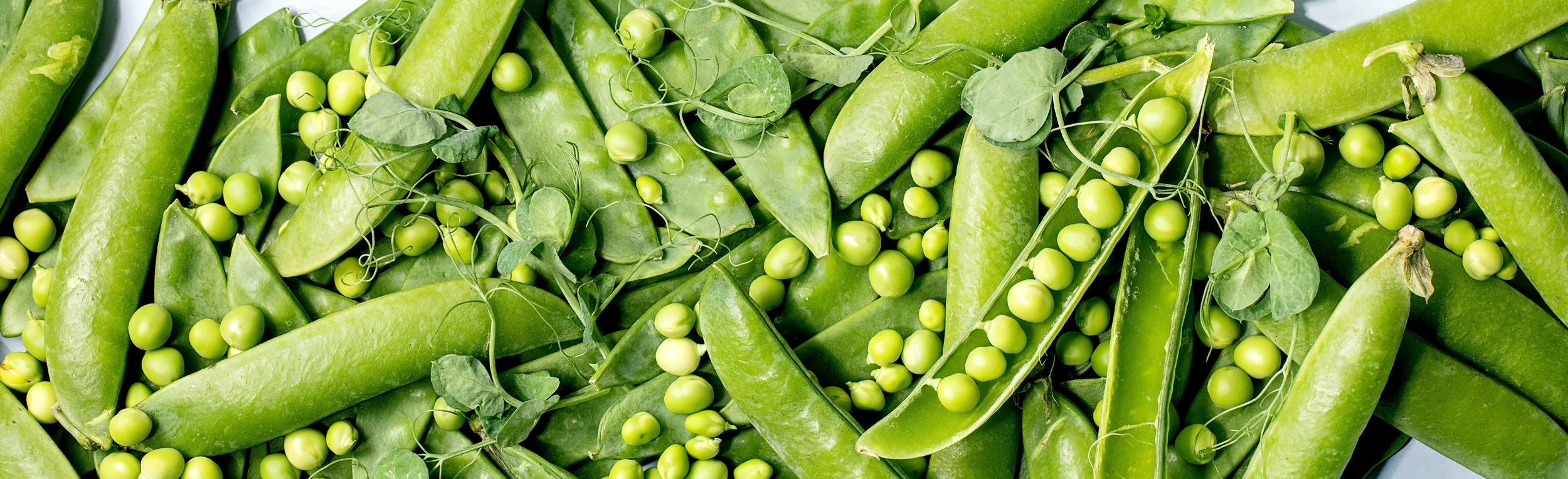
Fresh peas are one of the first true signs of spring. Their sweetness feels almost surprising after a long season of heavier foods, and there’s something satisfying about opening a pod and finding those bright green pearls tucked inside. They taste fresh in the truest sense of the word—clean, sweet, and alive with the season. Frozen peas are excellent year-round too, but fresh peas in season have a crisp sweetness that feels like a little celebration of warmer weather.
Perhaps that’s why peas have endured for centuries. They’re comforting without being heavy, simple without being boring, and deeply connected to the rhythms of spring.
Why Peas Matter for Women 40+
Peas are small, but they carry a surprising amount of support for what your body may be going through right now. One of the most helpful things about peas is how balanced they are. They contain fiber, plant protein, vitamins, and minerals all wrapped up in one simple food. That combination can be especially supportive during the hormonal and metabolic shifts many women experience after 40.
First, they help with steady energy by supporting steadier blood sugar levels through their mix of fiber and plant-based protein. The soluble fiber in peas slows down the rate at which your body absorbs carbohydrates, preventing sudden blood sugar crashes or spikes. The combination of fiber and protein in peas stabilizes energy levels and keeps you full, reducing the urge to snack on sugary foods. Peas have a very low GI score (around 22). Foods in this range cause a slower, more controlled rise in blood glucose, making them an excellent carbohydrate choice for metabolic health. Studies on legumes (like peas) show they can support better blood sugar balance and sustained energy.
Second, they support gut health. Peas contain both soluble and insoluble fiber, which support healthy digestion and feed the “good bacteria” in your digestive system. Certain peas (particularly wrinkled varieties) are rich in resistant starch. This type of starch resists digestion in the small intestine, instead fermenting in the gut to improve insulin sensitivity and support overall glucose regulation.
A healthier gut can mean less bloating, more regular digestion, and even better mood over time. You may notice you feel less sluggish and more comfortably full when fiber-rich foods become part of your routine. Research shows fiber-rich foods, like peas, can improve gut microbiota and digestive function.
Third, they’re quietly helpful for heart health. As estrogen shifts with age, heart health becomes more important. Chronic inflammation damages arteries over time. Peas contain polyphenols, flavonoids, and vitamin C, which act as powerful antioxidants to neutralize free radicals and lower inflammation. Peas contain nutrients like potassium and magnesium that help regulate blood pressure. Soluble fiber, present in peas, binds to LDL ("bad") cholesterol in the digestive tract, preventing it from being absorbed into your bloodstream helping to regulate cholesterol levels.
And then there’s energy.Peas contain iron and B vitamins, which help your body produce and use energy efficiently. While they’re not a magic fix for exhaustion, they can be part of a more nourishing foundation that helps you feel steadier and more fueled throughout the day.
Finally, they can support gentle weight balance. Because peas help you feel fuller longer, you may notice you’re naturally less drawn to constant snacking. Nothing restrictive—just a little more ease between meals.
A Little History Behind These Tiny Green Gems
Peas have been feeding humans for thousands of years - they’re one of the earliest crops humans ever grew. Archaeologists believe peas were first cultivated in the Middle East and Mediterranean regions more than 7,000 years ago. Long before frozen peas appeared in grocery store freezers, dried peas were considered practical everyday food because they stored well and provided reliable nourishment during colder months and long journeys. They were simple, inexpensive, nourishing, and dependable - much like how we use pantry staples today.
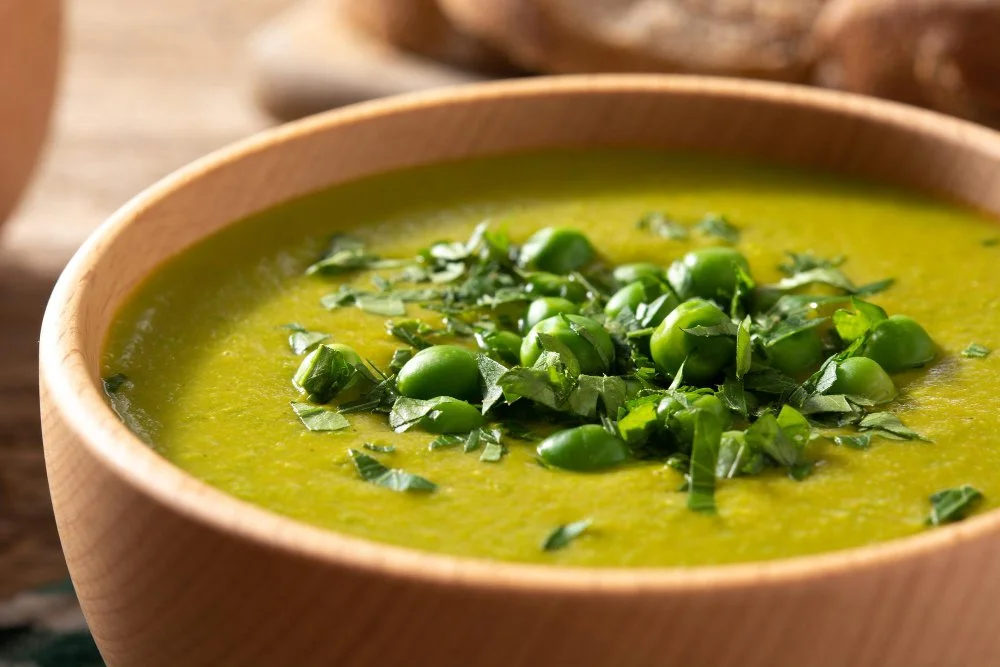
Over time, peas traveled across Europe and Asia through trade routes and agricultural exchange. In medieval Europe, thick pea soups and porridges became a common everyday meal for both wealthy households and working families because peas were inexpensive, filling, and dependable. Fresh green peas, however, were once considered something of a luxury.
In the 1600s and 1700s, fresh peas became especially fashionable in France and England after sweeter varieties were cultivated. They were prized for their tenderness and sweetness and often appeared at elaborate meals during spring. In fact, fresh peas became so desirable among European aristocracy that they were considered a seasonal delicacy worth celebrating.
Today, peas show up everywhere from Indian curries to Chinese stir-fries, British soups, Scandinavian dishes, and simple American casseroles. What started as a survival food became a beloved ingredient around the world because it’s adaptable, comforting, and easy to grow.
A Few Fun Facts About Peas
Peas are actually part of the legume family, which means they’re related to lentils, chickpeas, and beans—not green beans.
The famous scientist Gregor Mendel used pea plants in his groundbreaking genetics experiments in the 1800s because they were easy to grow and observe.
And frozen peas are often processed within just a few hours of harvest, which means they can sometimes be just as nutritious—or even more nutritious—than “fresh” peas that have spent days traveling to the store.
A half-cup of peas has about the same protein as a tablespoon of peanut butter - just in a lighter, greener form.
The Different Varieties of Peas
Not all peas are the same, and understanding the different varieties can completely change the way you use them in the kitchen.
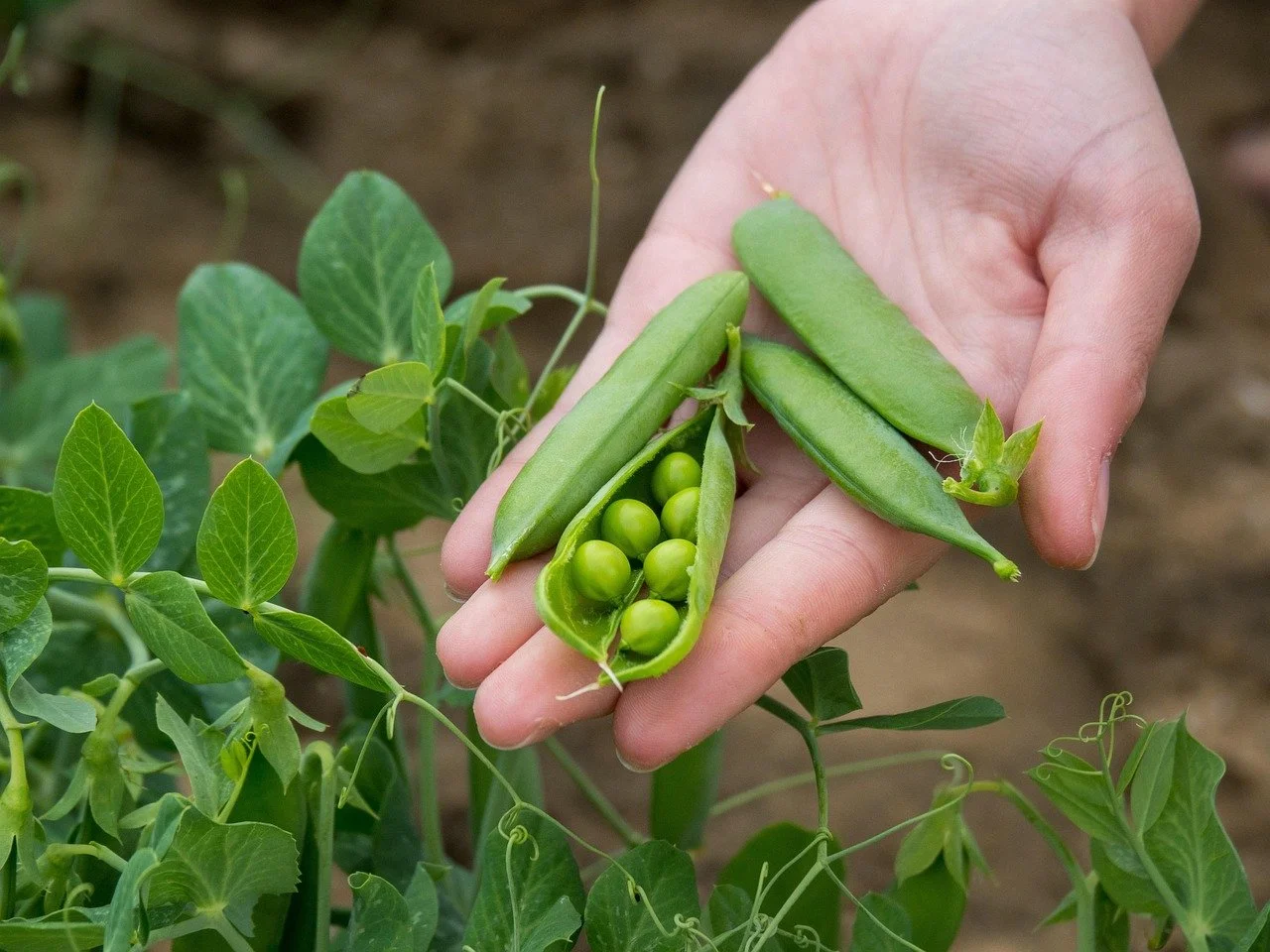
English Peas, sometimes called garden peas or shelling peas, are probably what most people picture first. These peas grow inside firm pods that are discarded before eating. The peas themselves are sweet, tender, and bright green when fresh.
Shelling peas require a little extra work, but there’s something calming and nostalgic about sitting down with a bowl and opening pod after pod. It’s the kind of simple kitchen ritual that slows you down in the best way.
Fresh English peas are wonderful lightly cooked with butter and herbs, stirred into pasta dishes, or added to soups near the end of cooking.
Snap Peas are entirely edible, pod and all. They’re crisp, juicy, and slightly sweeter than snow peas, making them ideal for snacking and salads.
One of the best things about snap peas is their texture. They hold onto their crunch beautifully, whether eaten raw or quickly sautéed. A platter of snap peas with a simple dip can feel just as satisfying as chips or crackers, especially during warmer months.
Snow Peas are flatter and more delicate, with tiny peas inside the pod. They’re commonly used in stir-fries because they cook quickly while still retaining a bit of crispness.
Their mild flavor pairs well with garlic, ginger, sesame oil, and citrus. They’re also excellent shaved thinly into salads for added texture.
Split Peas are dried peas that have been peeled and split in half. Unlike fresh peas, they become soft and creamy when cooked for longer periods of time.
Green split peas have a slightly earthier flavor, while yellow split peas tend to be milder. Both are commonly used in soups, stews, and dals around the world.
Though they belong to the same family as fresh spring peas, split peas create a completely different culinary experience—heartier, warmer, and more grounding.
If you’re new to cooking, frozen green peas are the easiest place to start. No chopping, no timing stress—just scoop and add.
If you’d like to grow peas at home, they’re actually one of the easier cool-weather crops for beginners. They grow well in raised beds, containers, or even a sunny corner with a small trellis. They prefer cooler temperatures and regular watering, and many gardeners love them because they mature relatively quickly.
Why Peas Thrive in Spring
Unlike heat-loving summer crops, peas prefer cool temperatures. They’re often planted very early in the growing season, sometimes as soon as the soil can be worked in spring.
Because peas dislike intense heat, their season is relatively short in many regions. Once summer temperatures climb, the plants begin to struggle and produce fewer pods. That short growing window is part of what makes fresh spring peas feel special.
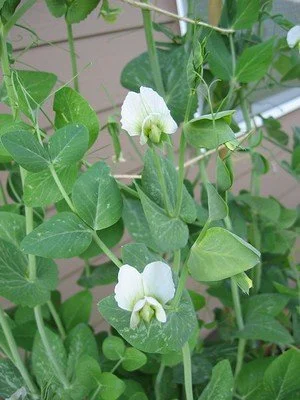
Pea plants themselves are surprisingly beautiful. Their delicate curling tendrils wrap around trellises and supports almost like tiny hands. Small white, pink, or purple flowers eventually give way to hanging green pods ready for harvest.
Even a small backyard garden can produce an impressive amount of peas. They grow well in raised beds, containers, and vertical garden spaces as long as they have support for climbing.
Gardeners also appreciate peas because they improve soil health. Like other legumes, peas help fix nitrogen in the soil, enriching it naturally for future crops. Farmers have relied on this quality for generations as part of crop rotation systems.
And there’s something uniquely satisfying about eating peas moments after they’ve been picked. Their sweetness fades over time, which is why truly fresh peas taste dramatically different from older store-bought ones.
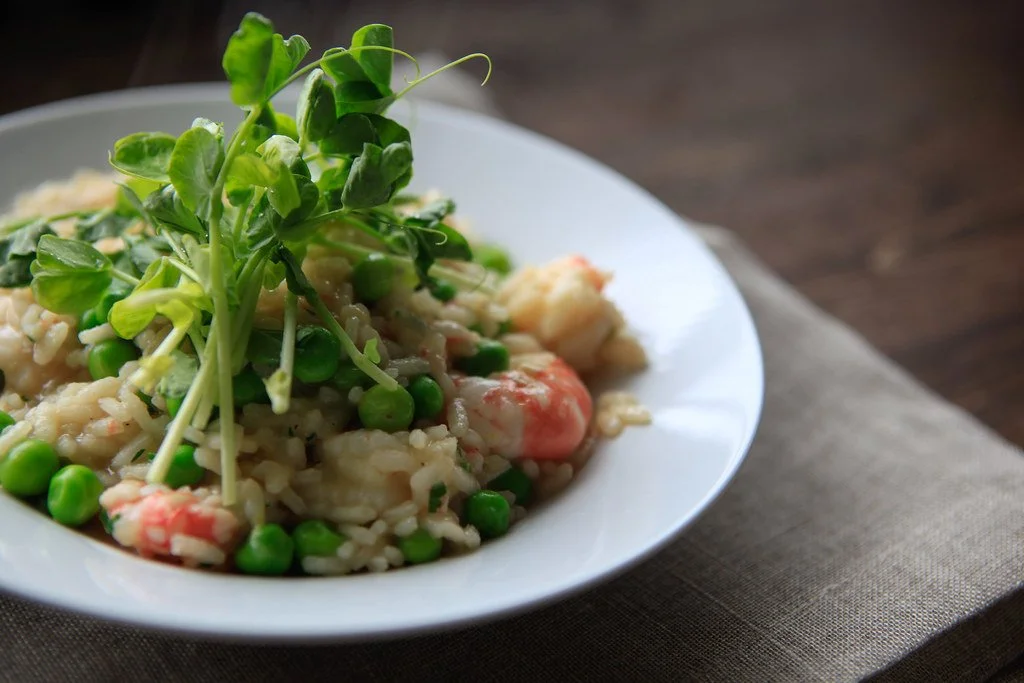
The Flavor of Fresh Peas
Fresh peas have a sweetness that surprises many people. Unlike the dull, mushy peas some remember from childhood, properly cooked peas are vibrant, tender, and slightly grassy with a delicate sweetness.
Part of their appeal lies in balance. Peas are mild enough to work with many ingredients, yet flavorful enough to stand on their own.
Mint is one of the classic pairings because its freshness complements the sweetness of peas naturally. Lemon adds brightness, while butter and cream bring richness. Fresh herbs like parsley, dill, tarragon, and basil also work beautifully.
Texture plays an important role too. English peas are soft and tender, snap peas are crisp and juicy, and snow peas provide a lighter crunch. Split peas, once cooked, become silky and creamy.
One reason peas are sometimes unfairly dismissed is because they’re often overcooked. Too much heat dulls both their flavor and color. Fresh peas usually need only a brief blanch or sauté to preserve their sweetness and vibrant green appearance.
Buying and Storing Peas
When shopping for fresh peas, look for pods that are firm, smooth, and brightly colored. Wilted or yellowing pods usually indicate age.
English peas should feel full but not overly swollen. Very large peas inside the pod can become starchy and less sweet. Snap peas should feel crisp and juicy, while snow peas should appear smooth and flat without signs of dryness.
Fresh peas are best eaten relatively quickly because their sugars begin converting to starch soon after harvest. Refrigerating them helps slow this process, but ideally they should be used within a few days. Dried split peas keep well in an airtight pantry container for a year or more.
If you happen to find an abundance of fresh peas during peak season, blanching and freezing them is a wonderful way to preserve their flavor.
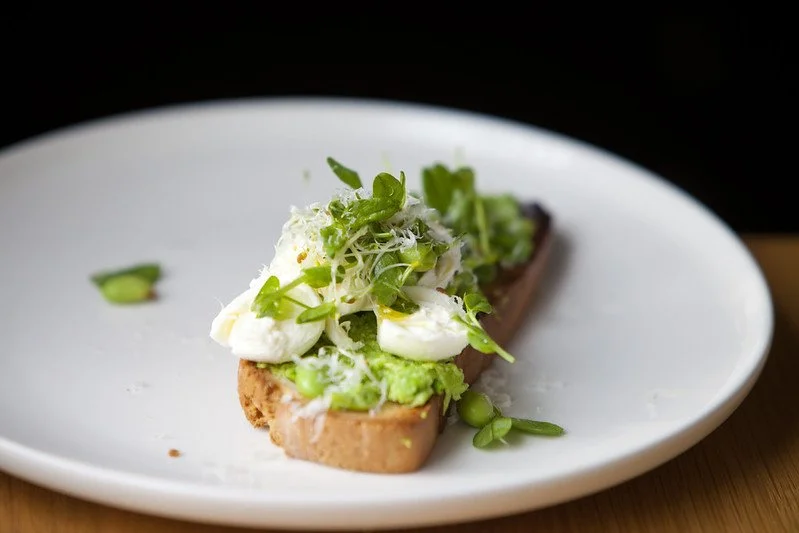
Cooking with Peas
Peas adapt easily to nearly every style of cooking. They can feel elegant in a spring risotto, comforting in soup, refreshing in salads, or simple enough for an everyday weeknight meal.
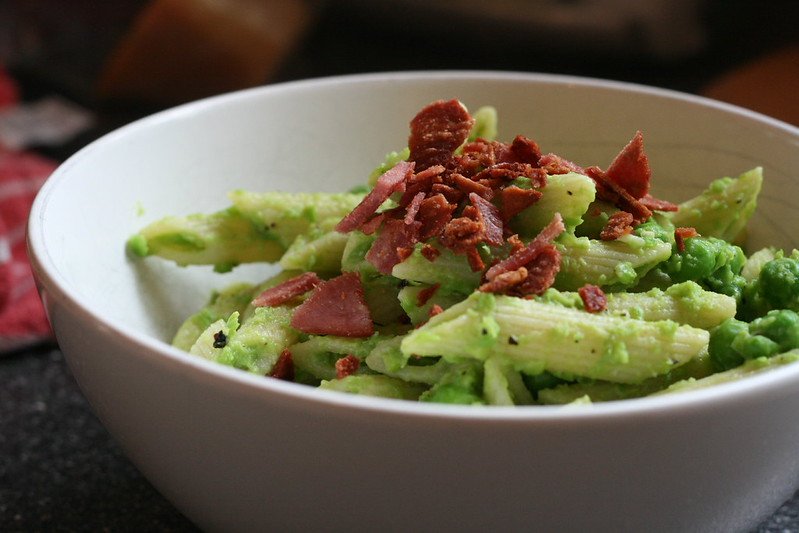
One of the easiest ways to enjoy fresh peas is with pasta. A bowl of pasta tossed with olive oil, garlic, lemon zest, parmesan, herbs, and peas feels light yet satisfying. The peas add little bursts of sweetness throughout the dish.
Risotto is another classic pairing. Stirring peas into risotto near the end of cooking preserves both their color and texture while adding freshness to the creamy rice.
Snap peas and snow peas are especially useful for quick meals because they cook in minutes. They work beautifully in stir-fries, grain bowls, noodle dishes, and salads.
Peas can also be blended into soups or purees. A spring pea soup with fresh herbs and a drizzle of olive oil feels elegant without requiring complicated preparation.
Even simple preparations can be memorable. Lightly steamed peas with butter, sea salt, and fresh mint may not sound elaborate, but when the ingredients are fresh, simplicity often works best.
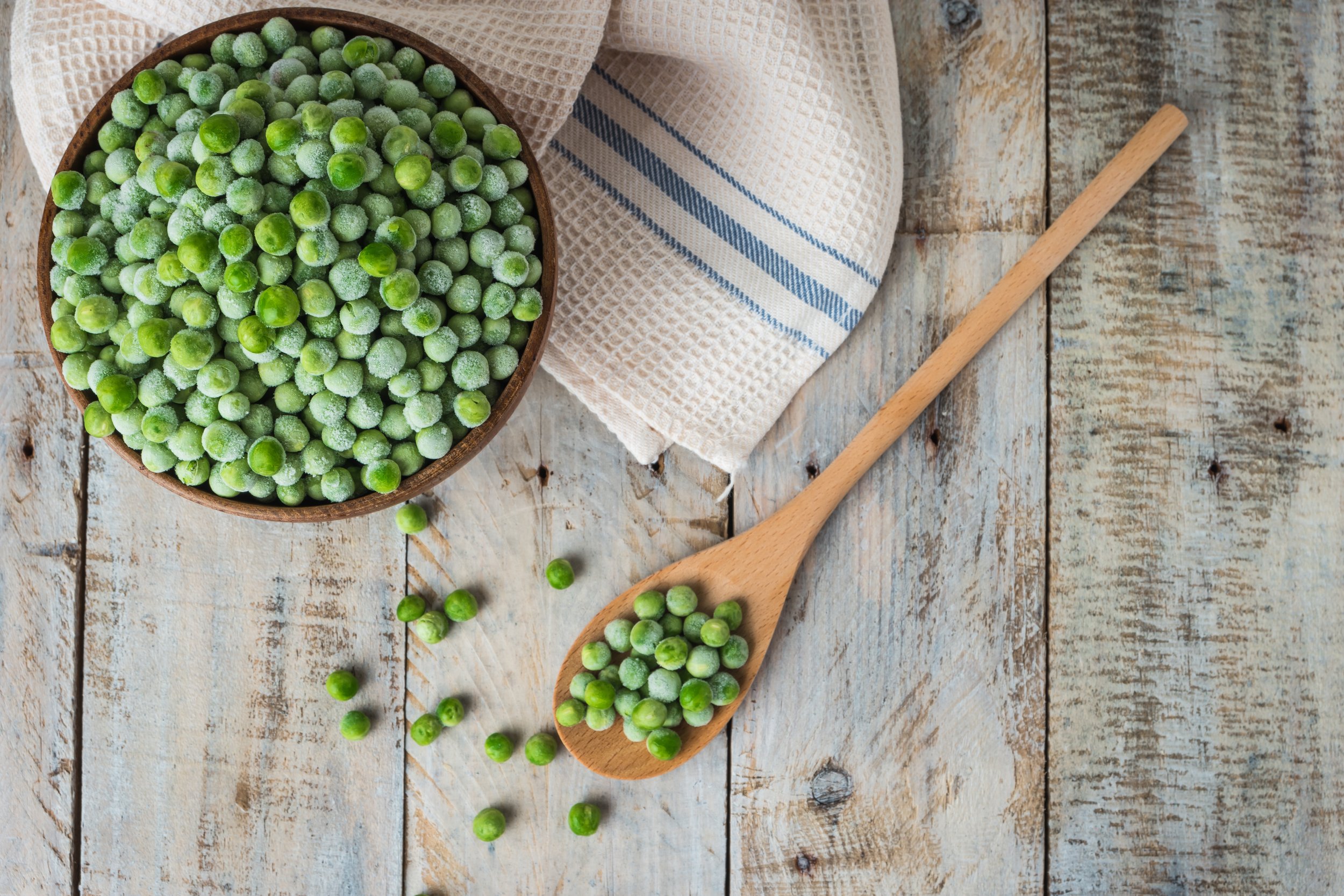
Frozen peas deserve recognition here as well. Because they’re typically frozen shortly after harvest, frozen peas often retain excellent flavor and texture. Keeping a bag in the freezer makes it easy to add vegetables to meals without much planning.
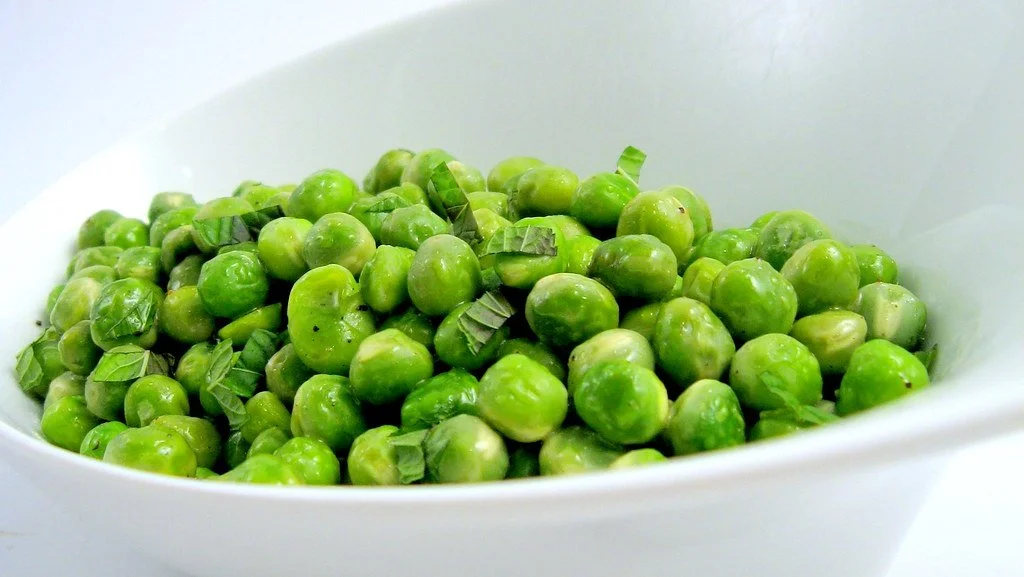
Make-It-Easier Hacks
Frozen peas are just as healthy and less expensive than fresh—and they’re already prepped.
Buy plain frozen peas instead of seasoned versions so you can use them in more ways.
Keep a bag in the freezer as your “backup vegetable” for tired days.
Use mashed peas as a gentle alternative to heavier creamy sauces.
Add peas to boxed soup, frozen rice, or packaged noodles to make simple meals feel more nourishing.
If you cook dried split peas, make a large batch of soup and freeze portions for busy days.
A Simple Food Worth Revisiting
Peas may never be the trendiest ingredient in the kitchen, but perhaps that’s part of their charm. They don’t rely on flashy presentation or complicated techniques. Instead, they quietly bring sweetness, freshness, and versatility to countless meals.
There’s also something grounding about foods that return year after year with the seasons. Fresh peas remind us to pay attention to timing, simplicity, and the small pleasures that often get overlooked.
A bowl of peas tossed with herbs and olive oil may seem simple, but sometimes simple food is exactly what reconnects us to cooking in the first place.
And in a world that often encourages more complexity, that feels worth appreciating.
One Tiny Habit to Try This Week
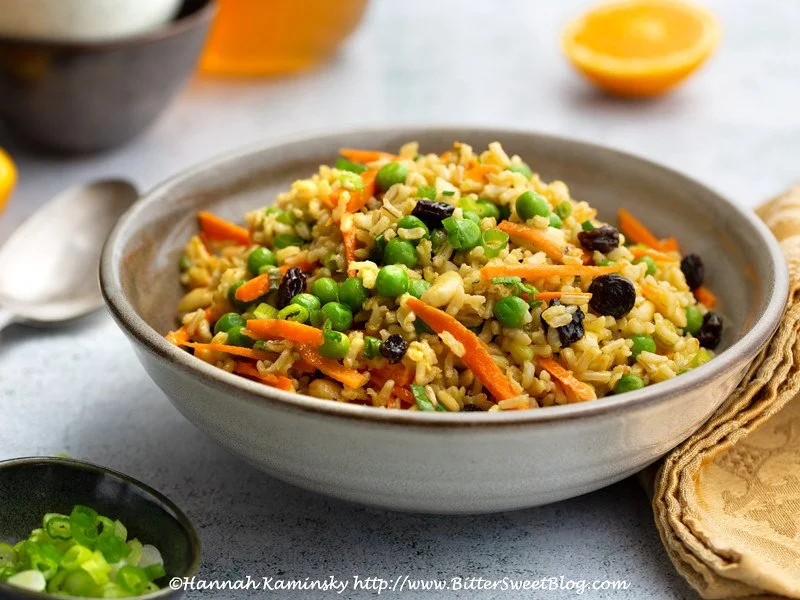
This week, try adding a spoonful of peas to one meal a day - maybe lunch or dinner - for three days. Stir them into eggs, soup, pasta, or rice - whatever feels easiest. And if three days feels like too much, try it once and simply notice how you feel afterward. Small, steady changes really do add up.
Let’s get cooking!
If peas haven’t been part of your kitchen routine lately, this is the perfect time to revisit them. Try one new recipe or preparation that moves peas beyond the side dish and see where it leads.
Herbed Green Pea and Butter Bean Dip
Herbed Green Pea and Butter Bean Dip is a creamy, vibrant twist on traditional hummus made with sweet green peas, silky butter beans, tahini, fresh dill, garlic, and bright lemon zest. The peas bring a naturally sweet flavor and beautiful green color, while the butter beans create an exceptionally smooth, velvety texture. Fresh garlic adds a savory bite that balances the bright herbs and citrus beautifully.
Serve it with crunchy vegetables, warm pita, crackers, or spread it onto sandwiches and wraps for an easy lunch. It also pairs beautifully with grain bowls, roasted vegetables, or charcuterie-style snack boards.

Herbed Green Pea and Butter Bean Dip
Ingredients
- 1 cup cooked butter beans (or canned, drained and rinsed)
- 1 ½ cup peas (fresh or frozen)
- ½ - 1 small clove garlic
- 2 tbsp tahini
- 4 tbsp fresh lemon juice
- 1 tsp lemon zest
- 2 tbsp olive oil, plus more for serving
- 1–2 tbsp cold water, as needed
- ½ tsp sea salt
- ¼ tsp black pepper
- 2 tbsp fresh dill
- 1 tbsp fresh parsley or mint (optional)
- Pinch of red pepper flakes (optional)
Instructions
- If using frozen peas, either thaw overnight in the refrigerator or thaw in cold water. Drain before using.
- If using fresh peas, blanch in boiling water for 1-3 minutes. They're done when they float to the surface and are tender. Drain and chill in cold water to retain the bright green color. Drain before using.
- Add the butter beans, peas, tahini, garlic, lemon juice, olive oil, salt, pepper, and herbs to a food processor.
- Blend until mostly smooth. Add cold water a tablespoon at a time until the dip becomes creamy and spreadable.
- Taste and adjust seasoning. More lemon brightens it, while extra olive oil makes it richer.
- Spoon into a bowl and finish with whole peas, olive oil, herbs, cracked pepper, or a sprinkle of smoked paprika.
Notes
- It also makes an excellent spread for wraps or sandwiches with greens, roasted vegetables, or eggs.
Sugar Snap Pea and Chicken Fried Rice
Sugar Snap Pea and Chicken Fried Rice is a fresh, vegetable-forward twist on classic fried rice made with crisp sugar snap peas, tender chicken, carrots, zucchini, red onion, and a hearty wild rice blend. The nutty rice adds texture and depth while the snap peas bring sweetness and crunch to every bite. Finished with fresh chives and a squeeze of lime, this easy skillet meal feels bright, balanced, and satisfying.
Perfect for busy weeknights, meal prep lunches, or quick dinners, this fried rice comes together easily and makes great use of fresh seasonal vegetables.

Sugar Snap Pea and Chicken Fried Rice
Ingredients
- For the Fried Rice
- 1 ½ cups cooked and chilled wild rice blend (about ½ cup uncooked)
- 6–8 ounces raw boneless skinless chicken breast, cut into small bite-size pieces
- 1 cup sugar snap peas, sliced on the diagonal
- ½ cup carrots, small dice or thin matchsticks
- ½ cup zucchini, small dice
- ¼ cup red onion, thinly sliced
- 2 cloves garlic, minced
- 2 eggs, lightly beaten
- 2 tbsp olive or avocado oil, divided
- Sauce
- 3 tbsp soy sauce or tamari
- 1 tbsp rice vinegar
- 1 tsp sesame oil
- 1 tsp honey or maple syrup (optional)
- ½ tsp fresh grated ginger (optional)
- Black pepper, to taste
- To Finish
- 1 green onion sliced or 2–3 tbsp fresh chives, finely snipped
- 1 tbsp sesame seeds (optional)
- Chili flakes or sriracha, optional
Instructions
- Make the sauce by whisking together soy sauce, rice vinegar, sesame oil, honey (if using), ginger, and black pepper in a small bowl. Set aside.
- Heat 1 tablespoon oil in a large skillet or wok over medium-high heat. Add chicken in a single layer and cook for 4–6 minutes, stirring occasionally, until golden and fully cooked. Remove and set aside.
- Add a little more oil if needed. Sauté red onion and carrots for 2–3 minutes. Add snap peas and zucchini and cook another 2–3 minutes until just tender but still crisp.
- Stir in garlic and cook for 30 seconds. Push vegetables to one side of the pan, add a touch more oil if needed, then scramble the eggs on the empty side until just set.
- Add the chilled wild rice blend, breaking it up as you stir. Return chicken to the pan. Pour in the sauce and toss everything together. Cook for 2–3 minutes until heated through and lightly coated.
- Remove from heat and stir in most of the chives. Taste and adjust seasoning.
- Spoon into bowls, top with remaining chives and sesame seeds if using.
Notes
- Serve with extra lime wedges on the side
- Add a fried egg on top for extra richness
- Pair with a simple cucumber salad for freshness
There you have it!
Wishing you a week filled with fresh meals, open windows, and moments that make cooking feel less like a task and more like something to look forward to.