
The Problem with “Just Eat Healthy”
“Try to eat healthier.” Most people hear some version of that advice at some point in their lives.
Maybe it comes after a yearly physical when cholesterol numbers start creeping up. Maybe it follows a conversation about blood sugar, blood pressure, bone health, inflammation, digestion, fatigue, or weight changes. Sometimes it simply comes from a quiet awareness that the body no longer feels quite the way it once did. The advice itself is usually well intentioned. We know food matters and that what we eat can influence everything from energy levels, blood sugar regulation, and cardiovascular health to digestion, sleep, muscle maintenance, inflammation, and overall quality of life.
But for many people, the conversation stops at “eat healthier.” And that’s where the confusion begins.
Because once you leave the doctor’s office and try to figure out what healthy eating actually means in everyday life, the information becomes overwhelming very quickly. Without much practical guidance, people are left to piece together nutrition advice from social media, magazines, podcasts, family opinions, and half-remembered doctor recommendations - often with little clarity about what truly matters most. One source says to avoid carbohydrates while another insists whole grains are essential. Some say protein should be the focus and others emphasize eating healthy fats. Still others warn about seed oils, lectins, sugar, dairy, gluten, or processed foods. Suddenly grocery shopping feels less like buying food and more like navigating a nutrition obstacle course.
And meanwhile, real life is still happening.
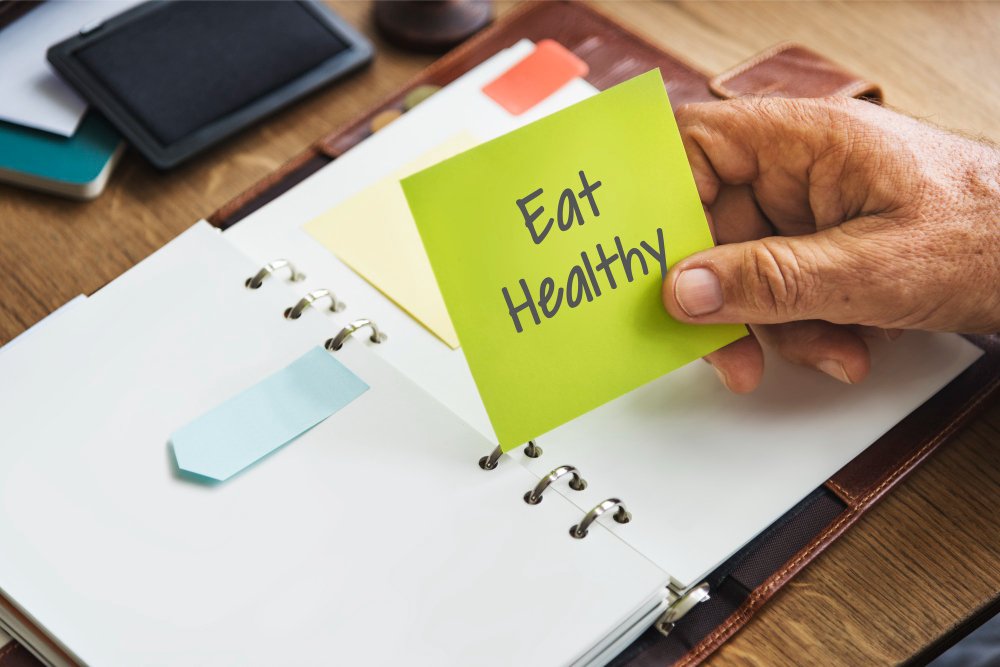
People are working long hours, caring for aging parents, helping with grandchildren, managing stress, coping with fatigue, and trying to cook for spouses or family members with different preferences — all while balancing rising grocery costs and attempting to make healthier choices. It’s no wonder so many people end up feeling overwhelmed. And for some, that overwhelm turns into food guilt or all-or-nothing thinking. So instead of building sustainable habits, they end up bouncing between strict plans or giving up altogether.
So when someone says, “just eat healthy,” many people are left wondering: What does that actually look like? Not in theory - but in real life?
As a culinary health and wellness coach, I think this is where the conversation often needs to become more practical, more realistic, and far less overwhelming. Because healthy eating is not about creating a perfect diet - it’s about building sustainable patterns that support health over time.
Healthy Eating Is Not Built on Perfection
The truth is, most people genuinely want to feel better, have more energy, and support their health as they age. They want to reduce their risk of chronic disease, feel stronger in their bodies, and create habits that help them live well for years to come. And they understand that healthy eating is a key to accomplishing that.
But one of the biggest misconceptions about healthy eating is the belief that it requires a complete lifestyle transformation overnight. People often decide they’re going to stop eating sugar, eliminate processed foods, cook every meal from scratch, drink more water, meal prep every Sunday, avoid snacking, and follow the plan perfectly from now on. For a short time, motivation carries them forward. But eventually exhaustion sets in. Not because they failed but because the plan itself was unrealistic.
Real health is rarely built through dramatic overhauls.
Healthy eating becomes much easier when you understand that healthy eating is not built on perfection - it’s built on patterns. What you do most of the time matters far more than what you do occasionally. The meals you eat most often matter far more than the occasional restaurant dinner, vacation dessert, or imperfect day.
Real health is usually shaped quietly over time through small, repeated choices that become part of daily life. And honestly, this can be incredibly freeing.
Because it means healthy eating does not require perfection to be effective - it just requires the consistency of small manageable shifts repeated regularly. This is what creates meaningful change over time. For example:
Adding vegetables to dinner several nights a week matters.
Eating breakfast instead of relying entirely on coffee until noon matters.
Learning a few simple meals that help stabilize energy and keep you satisfied matters.
Cooking at home a little more often matters.
Drinking more water matters.
Going for a walk after dinner matters.
These habits may not seem dramatic, but they create the foundation that supports long-term health. And perhaps even more importantly, they are realistic enough to continue through the ups and downs of everyday life.
Because no one eats perfectly all the time.
There will always be busy weeks, holidays, vacations, stressful seasons, and days when takeout is simply what works best. Healthy eating has to be flexible enough to exist within real life or it quickly becomes unsustainable.
This seems to be where many people get stuck. They believe they need to do everything “right” before their efforts count. But health is not built on one perfect meal plan or one perfect week of eating. It’s built through consistency over months and years.
A single salad does not transform your health any more than a slice of birthday cake ruins it. What matters most are the patterns that repeat again and again over time.
And often, the people who create the most lasting changes are not the ones making the most extreme changes. They are the ones making small adjustments they can realistically maintain.
What Healthy Eating Actually Looks Like
One reason so many people feel overwhelmed by nutrition advice is because healthy eating is often presented in extremes. Social media and wellness culture tend to focus on dramatic transformations, rigid food rules, expensive supplements, or highly structured meal plans. But in real life, healthy eating is usually much more ordinary than people expect.
And honestly, that’s good news.
Because healthy eating does not require perfection or gourmet cooking skills. More often, it begins with learning how to build balanced meals that are simple, satisfying, and realistic enough to repeat consistently.
Not perfect meals — balanced meals.
In very simple terms, most meals become more nourishing and satisfying when they include a combination of protein, fiber, healthy fats, and foods that bring color, vitamins, and minerals to the plate. For example:
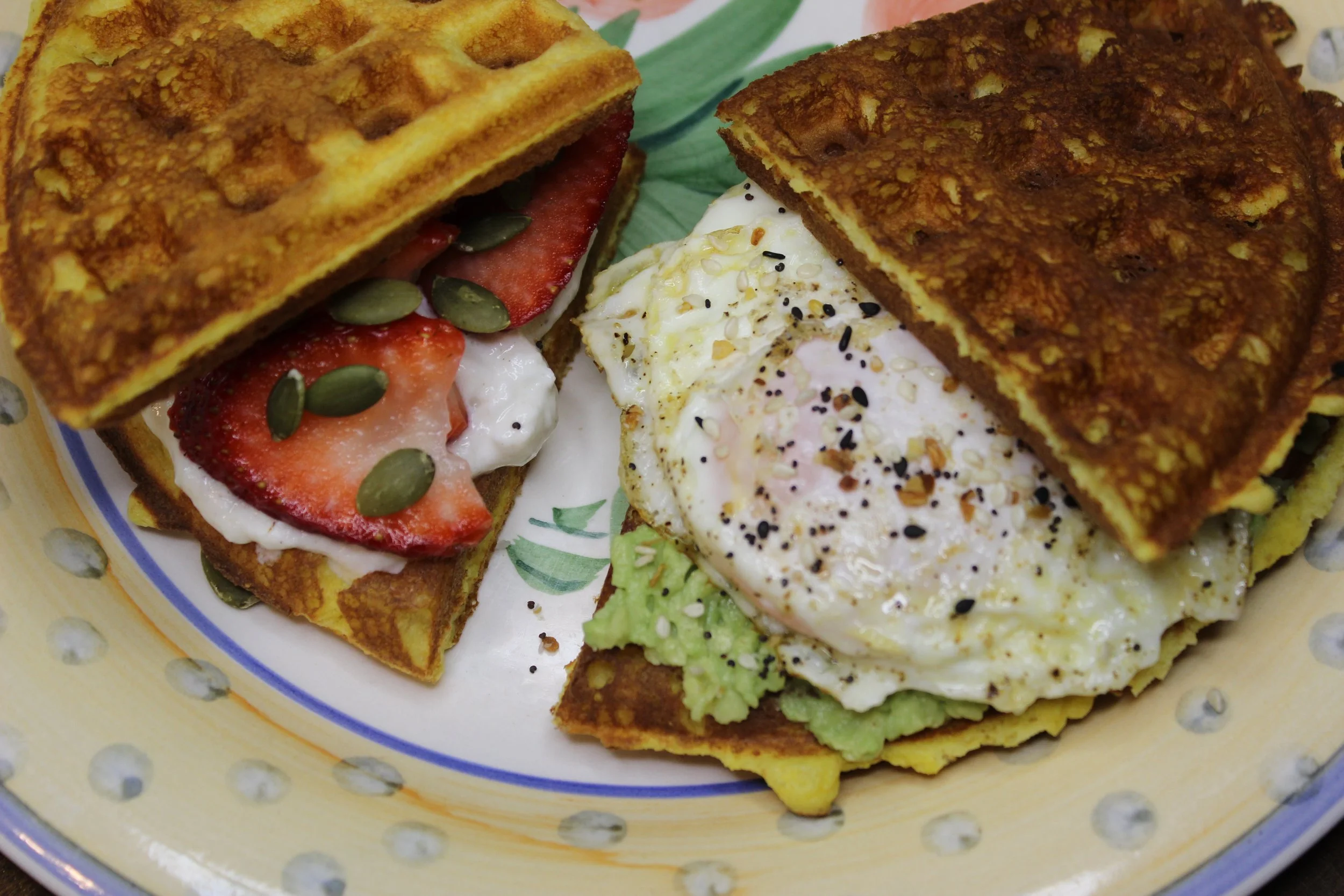
A minimal breakfast of plain toast may leave someone hungry an hour later because it digests quickly on its own. But adding eggs, yogurt, nut butter, or fruit creates a more balanced meal that helps provide steadier energy and fullness throughout the morning.
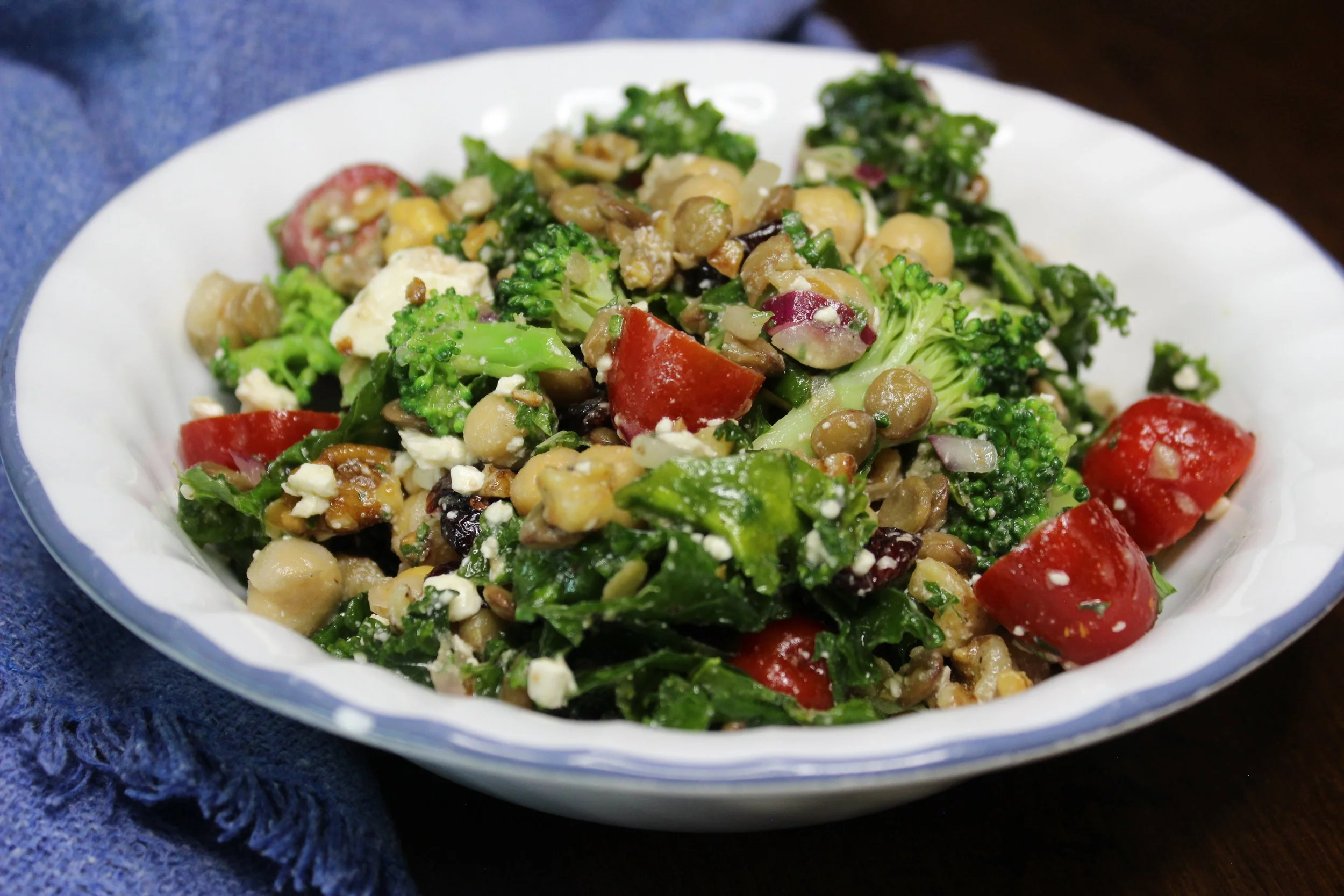
The same idea applies to lunch. A bowl of salad greens by itself may seem healthy, but it often lacks the protein, fiber, or healthy fats needed to keep someone satisfied for long. Adding ingredients like beans, chicken, salmon, quinoa, nuts, avocado, or hard-boiled eggs can turn it into a meal that feels much more substantial and supportive.
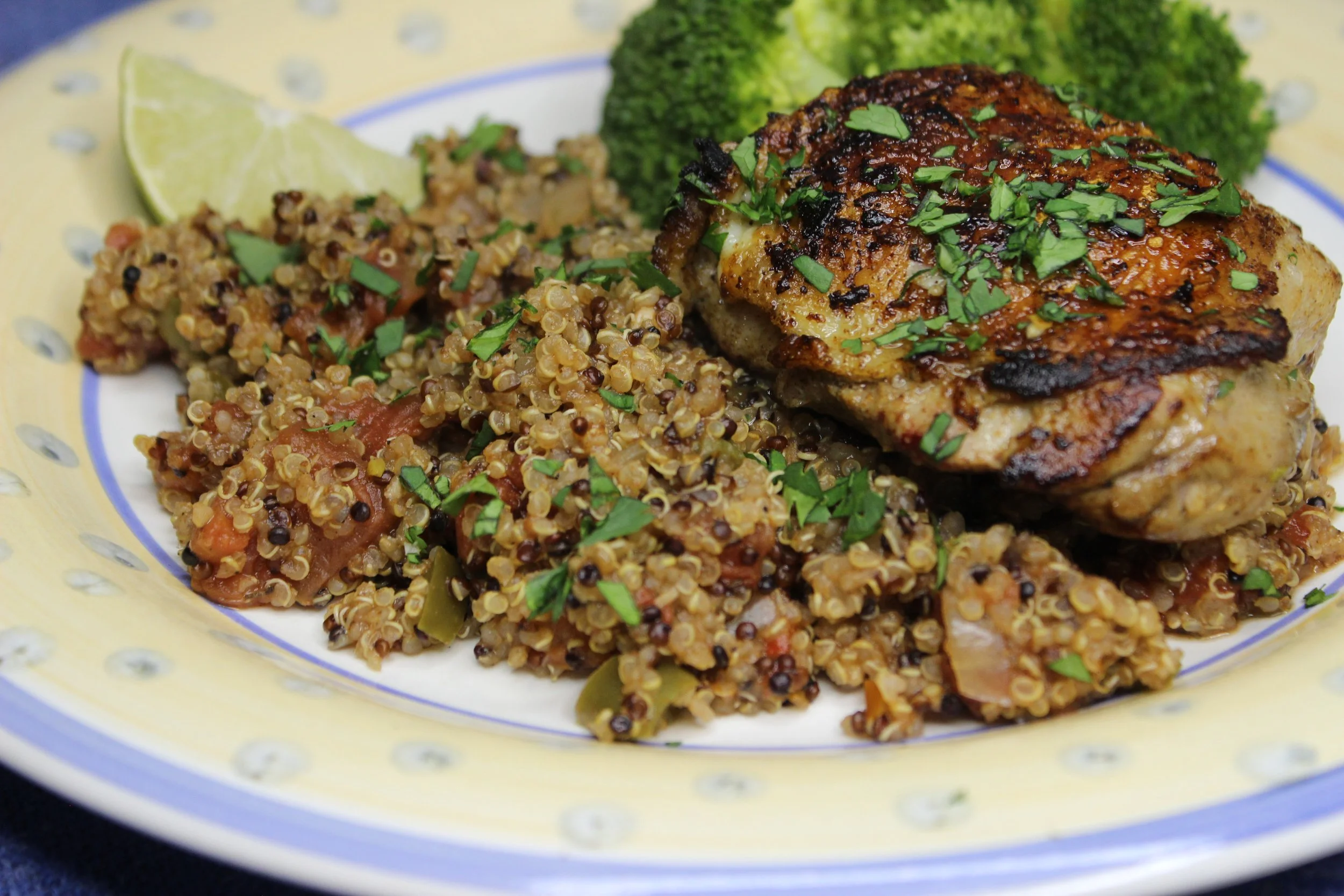
Dinner does not need to be complicated either. A simple plate of roasted vegetables, baked salmon, and rice can support health beautifully. So can lentil soup with whole grain bread. Or a vegetable omelet with fruit on the side. Or a grain bowl made with leftover vegetables, beans, greens, and a simple vinaigrette.
Healthy eating often looks less like following strict food rules and more like learning how to put simple meals together in ways that help you feel nourished, satisfied, and energized.
This is one of the things more people should understand: healthy eating does not require elaborate recipes or perfectly curated meals that look ready for social media.
It requires practical habits and a handful of basic skills that make nourishing yourself feel more manageable.
Healthy Eating is Not Just About the Food
Healthy eating is not only about what’s on the plate - it’s also about how food fits into daily life. Sometimes healthy eating means…
cooking at home a few more nights each week instead of relying entirely on takeout.
eating meals more regularly instead of skipping meals all day and becoming overly hungry at night.
drinking more water, preparing a simple breakfast before a busy morning, or cooking one large batch meal that provides leftovers for several days.
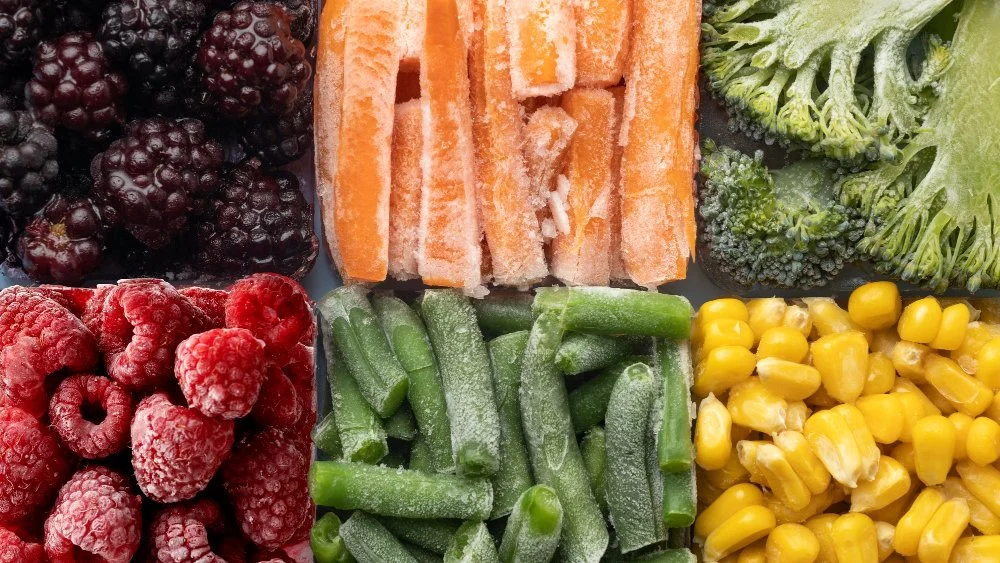
making healthy choices easier and more convenient. Keeping washed greens, frozen vegetables, canned beans, eggs, yogurt, rotisserie chicken, soup ingredients, cooked grains, or pre-cut produce on hand can make a huge difference during busy weeks. Not because these foods are trendy, but because they reduce the mental effort required to put meals together when energy and time are limited.
And that matters.
Because many people are trying to make food decisions while tired, stressed, distracted, or overwhelmed. Under those conditions, complicated plans usually fall apart. This is why simplicity is so important. The healthier choice is often the one that is realistic enough to continue consistently.
These habits may not seem exciting. They probably won’t go viral online. But they create the everyday foundation that supports long-term health far more effectively than short bursts of extreme dieting ever will.
And despite what wellness culture sometimes suggests, healthy eating does not require expensive powders, complicated recipes, or a kitchen filled with specialty ingredients.
It simply needs to work in real life.
Why So Many People Struggle to Eat Well
One of the biggest reasons healthy eating feels difficult has very little to do with willpower.
More often, it has to do with your food environment.
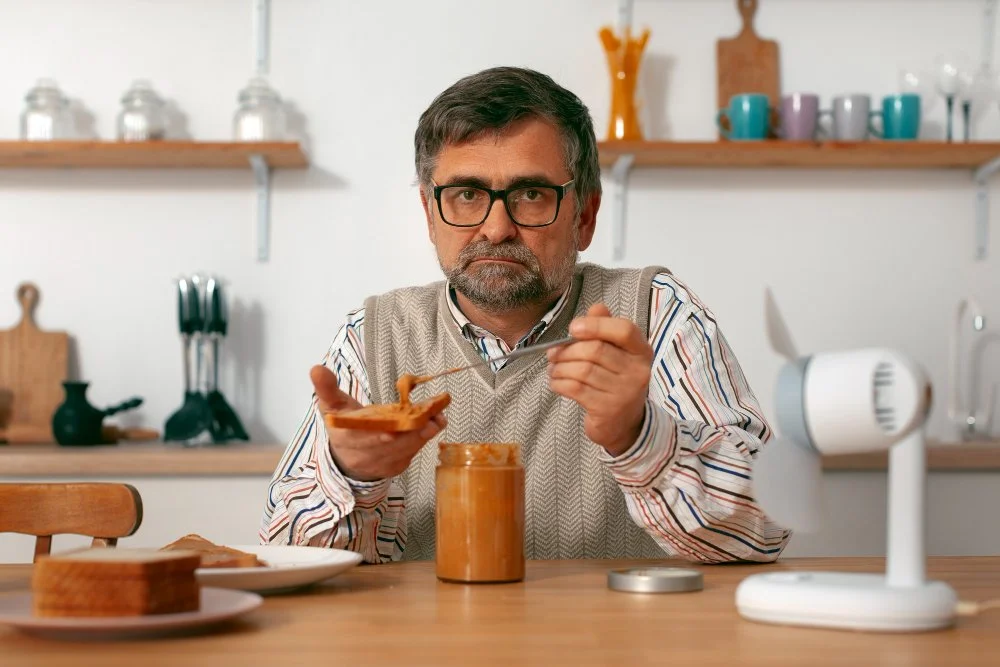
It’s difficult to make healthy choices in a kitchen that is simply not set up to support them. After a long day, when energy is low and decision fatigue is high, the easiest option almost always wins. And if putting together a healthy meal feels complicated, time-consuming, or overwhelming, takeout, convenience snacks, or whatever feels quickest will naturally become the default.
That’s not laziness. That’s being human.
By the end of the day, most people are mentally tired. They’ve spent hours making decisions, solving problems, answering questions, managing schedules, caring for others, and handling responsibilities. Under those conditions, even deciding what to cook can feel exhausting. This is why healthy eating becomes much easier when the kitchen is stocked in a way that reduces effort instead of increasing it.
It’s a commonly held assumption that eating healthy means cooking everything from scratch every single day. But in reality, one of the smartest things you can do is create a kitchen that makes simple meals easier to pull together when life gets busy.
And this is where convenience foods can actually become incredibly helpful.
Not all convenience foods are unhealthy. In fact, some of them are one of the best tools for making healthy eating more realistic and sustainable.
Frozen vegetables, for example, are picked and frozen at peak freshness and can save an enormous amount of prep time.
Canned beans make it easy to add fiber and protein to soups, salads, grain bowls, or quick meals.
Rotisserie chicken can become tacos, soup, wraps, or salads.
Pre-washed greens remove an extra step that often becomes the barrier between good intentions and actually eating the salad.
These are not “cheats.” They are strategies - ways to make nourishing yourself easier on the days when energy, time, or motivation are limited.
What a Well Stocked Kitchen Looks Like
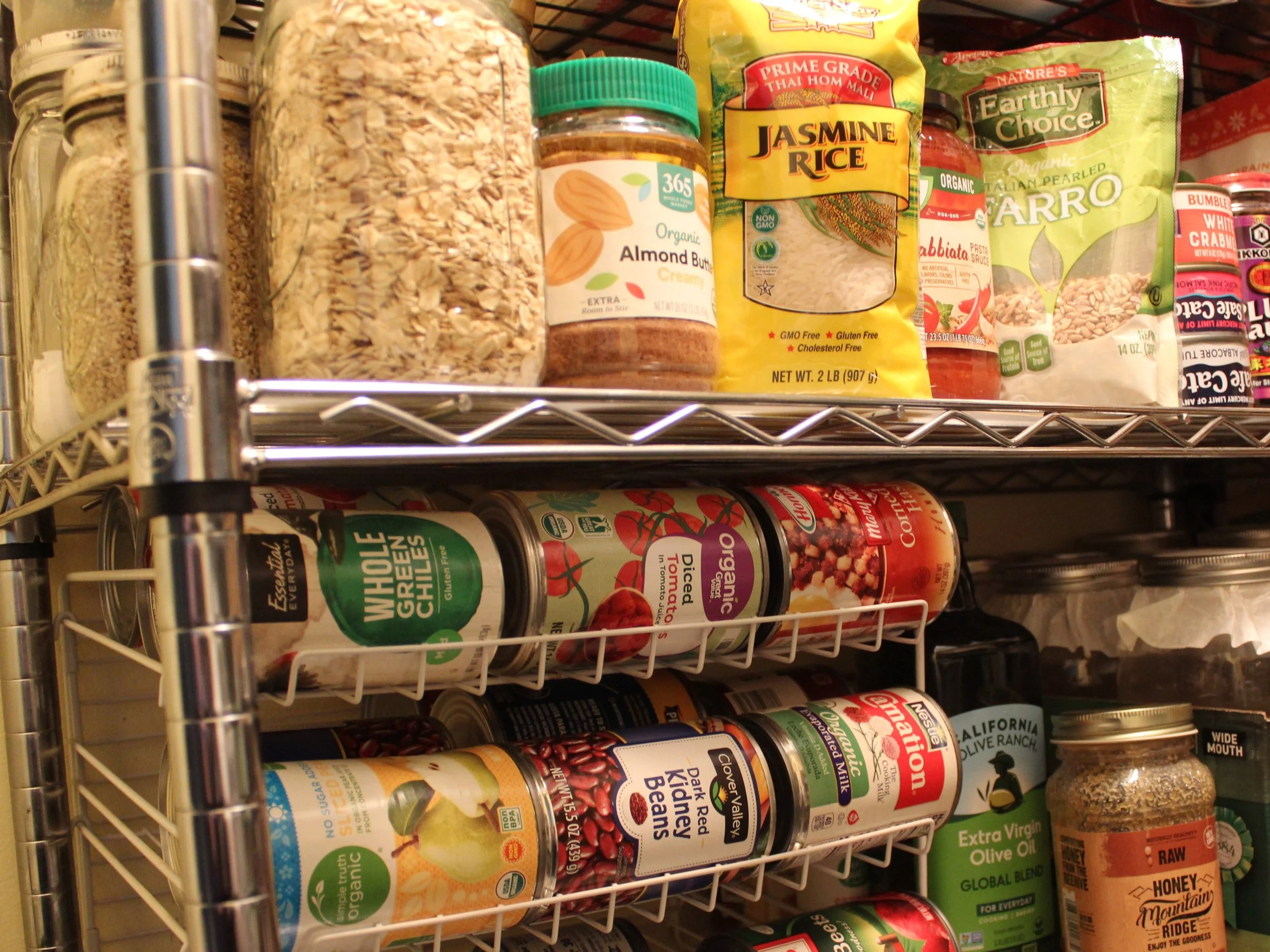
A healthy kitchen does not need to look Pinterest-perfect. It simply needs to contain foods that help you create balanced meals without requiring an hour of preparation every night.
A well-stocked pantry can make healthy eating dramatically easier. Keeping basics like canned beans, lentils, rice, tuna and salmon, whole grains, oats, nuts, seeds, olive oil, broth, canned tomatoes, herbs, and spices on hand allows simple meals to come together quickly.
The refrigerator can do a lot of the heavy lifting too. Eggs, yogurt, fresh fruit, pre-cut vegetables, hummus, cooked grains, washed greens, and leftover proteins can all become building blocks for easy meals and snacks.
The freezer is often one of the most underappreciated tools for healthy eating. Frozen vegetables, frozen fruit, cooked shrimp, veggie burgers, frozen soups, cooked grains, or even leftover homemade meals can make the difference between cooking something simple and ordering takeout because nothing feels manageable.
The goal is not to have a perfectly stocked kitchen at all times. The goal is to create enough support within your environment that making a nourishing choice feels easier and more accessible. Because healthy eating is rarely about having more discipline. More often, it’s about reducing friction.
It’s about setting yourself up in a way that makes healthy choices simpler on the days when life feels busy and your energy is low. And honestly, this shift in mindset can be incredibly liberating. Instead of feeling guilty for using shortcuts, you can begin seeing them for what they really are: practical tools that help support consistency. Because a meal made with frozen vegetables and canned beans is still a healthy meal. A sandwich made with rotisserie chicken and pre-washed greens still counts.
Convenience does not cancel out nourishment. If anything, learning how to use convenience wisely may be one of the most practical healthy eating skills a person can develop.
The Weight of Food Guilt
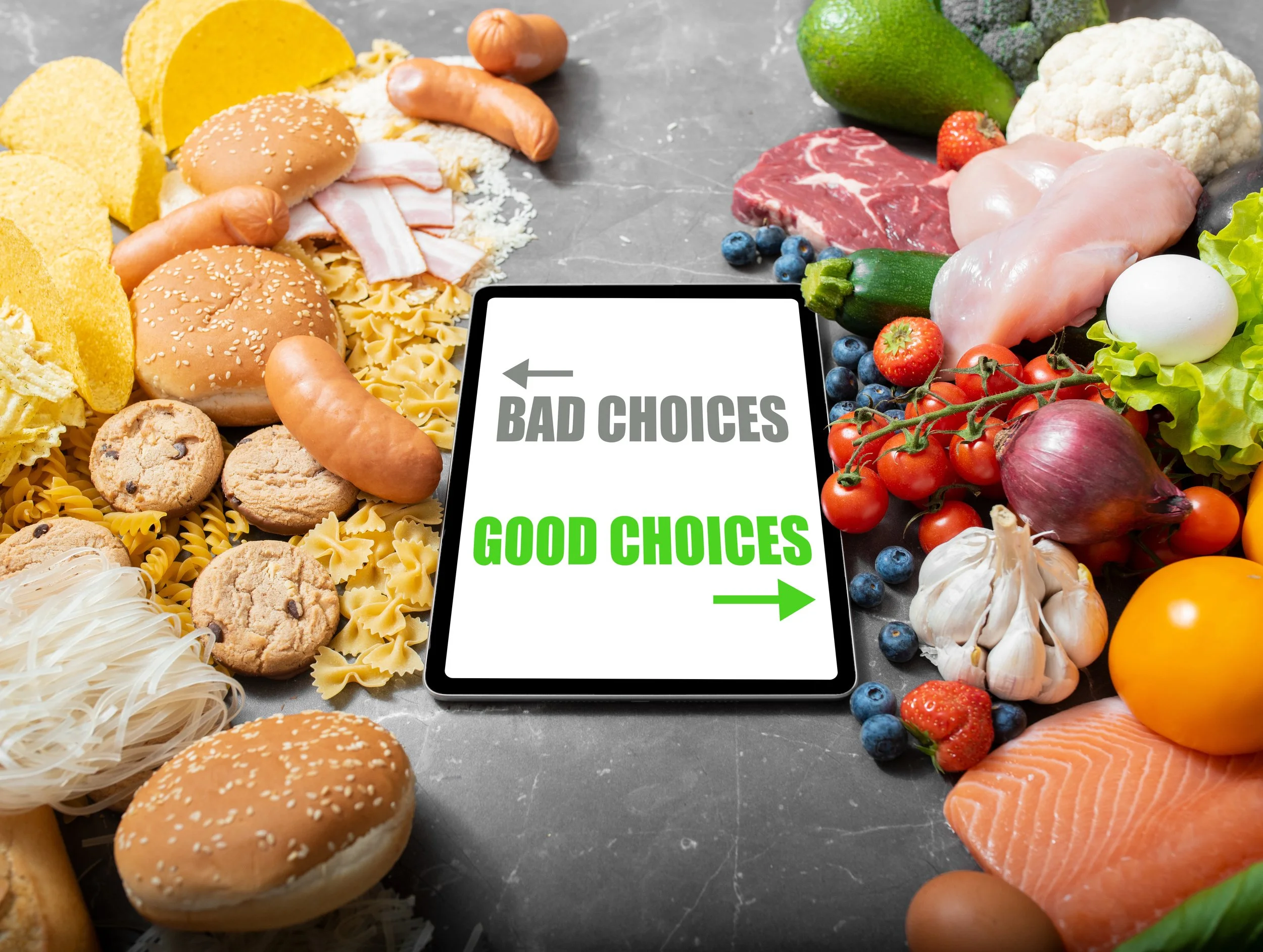
For many people, healthy eating has become tangled up with guilt. Over the years, food has been divided into categories of “good” and “bad,” “clean” and “unhealthy,” “allowed” and “off-limits.” After enough exposure to dieting culture and rigid food rules, it becomes easy to believe that eating well means constantly avoiding, restricting, or controlling food.
And while structure can certainly be helpful, approaching food entirely through restriction often creates a relationship with eating that feels stressful, discouraging, and difficult to sustain. Because food is not only fuel.
Yes, food nourishes the body physically. It provides energy and nutrients that support health. But food also nourishes people emotionally, socially, and culturally in ways that are deeply human.
Food is tradition.
It’s the soup your grandmother made when you were sick. It’s holiday meals shared around a crowded table. It’s birthday cake, Sunday pasta dinners, summer cookouts, family recipes written on stained index cards, and the smell of something familiar cooking in the kitchen.
Food is memory.
Food is comfort after a difficult day.
Food is connection.
And food is pleasure.
This is one of the reasons so many restrictive approaches to eating eventually become exhausting. When healthy eating is defined only by what must be eliminated, people often begin eating from a place of deprivation rather than nourishment. Meals become smaller, stricter, and emotionally unsatisfying.
Foods connected to comfort, culture, family traditions, or enjoyment are pushed aside in pursuit of “perfect” eating. Over time, this can narrow not only the diet itself, but also the experience of eating. And quite frankly, that can take much of the joy out of food.
When every meal is approached through fear, guilt, or constant self-monitoring, eating stops feeling natural. People may begin second-guessing every choice, feeling ashamed after eating certain foods, or believing they have “failed” because they ate dessert, enjoyed a holiday meal, or ordered takeout on a busy night.
But guilt is not a sustainable nutrition strategy. In fact, it often fuels the exact cycle many people are trying to escape. Restriction leads to frustration. Frustration leads to overeating or giving up altogether. Then comes guilt, followed by another attempt to “start over” with even stricter rules. It’s a cycle that can continue for years.

A healthier relationship with food usually includes flexibility and allows room for both nourishment and enjoyment to exist together. Because healthy eating does not require eliminating every food that carries emotional meaning or pleasure. In many cases, learning how to include those foods in a balanced and realistic way is part of creating a healthier lifestyle that actually lasts.
Sometimes healthy eating looks like a vegetable-packed soup and homemade vinaigrette. Sometimes it looks like sharing a birthday cake with people you love. Both can exist within a healthy pattern of eating.
And this matters more than people realize.
When meals are satisfying emotionally as well as physically, healthy eating becomes much easier to maintain long term. People stop feeling trapped between perfection and failure. There is more room for balance, flexibility, enjoyment, and real life. Because ultimately, healthy eating should support your well-being — not create constant stress around food.
And perhaps part of building a healthier relationship with food is remembering that nourishment was never meant to come only from nutrients alone.
A More Practical Way to Start Eating Healthier
One reason so many people become overwhelmed by healthy eating is because they assume they need to find the “perfect” way to eat before they can begin.
But healthy eating is deeply personal, and what works beautifully for one person may feel completely unrealistic for someone else depending on schedules, energy levels, family responsibilities, cooking skills, health concerns, budget, culture, food preferences, and even personality. A meal plan that feels organized and motivating for one person may feel rigid and exhausting for another.
This is why one of the most helpful questions to ask is not: “What’s the healthiest diet?”
But rather: “What’s a healthier way of eating that I can realistically sustain in my actual life?”
That shift matters because sustainable habits are usually built from self-awareness, not perfection.
Defining What Healthy Eating Means to You
Before changing how you eat, it helps to first gain clarity around what healthy eating actually means to you personally. Not what social media or the latest trend says. Not what works for someone else’s body or lifestyle. But what healthy eating looks like within the context of your own life and what you hope it will help you feel or support.
For one person, healthy eating may mean having more stable energy throughout the day, while for another it may mean supporting heart health, blood sugar, digestion, or bone health. Someone else may simply want to feel more comfortable in the kitchen, cook at home more often, or stop feeling controlled by food stress and constant dieting.
Sometimes healthy eating means eating more vegetables and cooking from scratch more often. Sometimes it means eating regular meals instead of skipping breakfast and snacking all evening. Sometimes it means learning how to nourish yourself consistently during stressful seasons instead of relying entirely on takeout and convenience foods.
There is no single “right” version of healthy eating because people’s needs, lives, and starting points are all different, and recognizing that can feel incredibly freeing. Once you stop trying to force yourself into someone else’s ideal version of wellness, you can begin building habits that actually fit your own life.
Understanding What’s Getting in the Way
Once there is more clarity around what healthy eating looks like personally, the next helpful question becomes:
“What’s getting in the way right now?”
This is where meaningful change often begins — not with judgment, but with curiosity. When you take a look at what’s affecting your ability to eat healthy, you may discover the obstacle is:
Time. You’re busy, overwhelmed, and exhausted by the end of the day, so cooking feels like one more task added onto an already full schedule.
Decision fatigue. After making hundreds of decisions throughout the day, figuring out what to eat can feel mentally draining.
Lack of skills. Some people simply never learned how to cook simple, balanced meals and feel intimidated in the kitchen.
Mindset. Others struggle with emotional eating, years of food guilt, constantly restarting diets, or feeling confused by conflicting nutrition advice.
Focus. Lack of support, structure, clarity, or realistic strategies affects success as well.
And once those obstacles become clearer, the solutions often become far more practical and approachable.

Creating Supportive Habits Instead of Perfect Rules
This is the part of healthy eating that often deserves more attention — not extreme plans or rigid food rules, but learning how to create small systems of support that make nourishing yourself feel more manageable.
If time is the issue, healthier eating may begin with simpler meals, batch cooking, or using more convenience ingredients that reduce prep work.
If energy is low at the end of the day, it may help to keep easy staples on hand so meals require less decision making.
If grocery shopping feels overwhelming, focusing on a small list of familiar meals and ingredients can feel far more manageable than trying to completely reinvent the kitchen overnight.
If meals never feel satisfying, the focus may need to shift toward adding more protein, fiber, and balanced portions so energy stays more stable throughout the day.
And if healthy eating has become emotionally stressful, the work may begin with letting go of perfection and rebuilding trust around food again.
Often, the most meaningful changes are surprisingly simple. Learning three or four balanced meals you genuinely enjoy, cooking enough dinner for leftovers the next day, keeping healthier foods visible and easy to reach, buying pre-cut vegetables because it increases the chances they’ll actually get eaten, or adding nourishing foods into meals instead of focusing only on restriction can all make healthy eating feel far more realistic.
These changes may seem small, but small changes practiced consistently have a way of quietly reshaping daily life over time.
Building Something That Lasts
Perhaps most importantly, healthy eating should feel supportive — not punishing. It should leave room for flexibility, enjoyment, convenience, culture, family traditions, changing schedules, and being human. Because the goal is not to create a perfect way of eating for a few weeks. The goal is to build a way of nourishing yourself that still feels realistic months and years from now.
That’s where lasting change usually happens — not through perfection or extremes, but through learning how to care for yourself in ways that are realistic enough to last.
Finding Reliable Nutrition Information
One of the most frustrating parts of trying to eat healthier is figuring out who — and what — to trust. Most people are exposed to an overwhelming amount of nutrition advice every day. Social media influencers, podcasts, documentaries, advertisements, books, and headlines often promote completely different approaches to eating. One source says a particular food is essential while another warns to avoid it entirely.
It’s no wonder so many people feel confused. Here are some reputable, evidence based places to start demystifying healthy eating.
General healthy eating
Nutrition.gov — A USDA-backed site with science-based information on healthy eating, meal planning, food safety, and nutrition topics across the lifespan.
MyPlate — USDA guidance for building balanced meals and improving diet quality in a simple, visual way.
Dietary Guidelines for Americans — The federal nutrition guidance used in the U.S. for general healthy eating patterns.
Harvard T.H. Chan School of Public Health, The Nutrition Source — Practical, science-based articles on healthy eating, diet quality, and nutrition topics.
Academy of Nutrition and Dietetics — Consumer-friendly nutrition information plus a way to find a registered dietitian.
NIH Office of Dietary Supplements — Helpful if you have questions about vitamins, minerals, and supplements.
As a culinary health and wellness coach, part of my role is helping people build practical, sustainable habits around food and cooking. But it’s also important to recognize where individualized medical nutrition guidance belongs.
Certain health conditions may require more specialized nutrition recommendations. People living with kidney disease, diabetes, severe food allergies, gastrointestinal disorders, cardiovascular disease, or other medical conditions can benefit from guidance tailored to their personal health needs.
That’s where working with qualified healthcare professionals becomes especially valuable. Registered dietitians, physicians, diabetes educators, and other licensed professionals can provide individualized nutrition recommendations based on lab work, medications, medical history, and specific health concerns.
Heart disease
American Heart Association — One of the best places for heart-healthy eating guidance, including sodium, saturated fat, and practical meal recommendations.
National Heart, Lung, and Blood Institute — Offers heart-healthy eating plans, DASH resources, cholesterol guidance, and practical food tips.
Nutrition.gov heart health topics — Includes heart-disease prevention, cholesterol, sodium, and blood pressure resources.
Diabetes
National Institute of Diabetes and Digestive and Kidney Diseases — Strong, evidence-based nutrition resources for diabetes, obesity, kidney disease, and related conditions.
Nutrition.gov diabetes resources — Covers carb counting, meal planning, eating out, and blood sugar management.
Mayo Clinic diabetes diet guide — Clear, practical explanation of healthy eating for diabetes.
Cancer
American Cancer Society — General cancer information plus nutrition resources for people with cancer.
National Cancer Institute — Reliable cancer information, including general support resources and condition-specific guidance.
American Institute for Cancer Research — Evidence-based information on diet, lifestyle, and cancer prevention.
Dana-Farber Recommended Nutrition Websites — A curated list that includes cancer nutrition resources and major evidence-based organizations.
I also encourage people to pay attention to how nutrition information makes them feel. Does it leave you feeling informed and empowered? Or anxious, fearful, and convinced you must completely overhaul your life overnight? Reliable nutrition guidance is usually much less dramatic than what performs well online. It tends to focus on long-term patterns, flexibility, balance, and sustainable habits rather than extreme rules or quick fixes.
A Simple Way Forward
Many people are making food decisions while stressed, distracted, tired, or rushed. Under those conditions, complicated plans usually fall apart. This is one reason simplicity matters so much. Healthy eating should support your life, not consume it.
And despite all the complicated messaging surrounding nutrition, most healthy eating patterns share a few basic themes: more whole foods, more plants, balanced meals, enough protein and fiber, less ultra-processed food overall, regular movement, and consistency over time.
Not perfection - consistency. That’s where real change often happens. Not through extreme detoxes or rigid food rules, but through small habits repeated often enough that they eventually become part of who you are.
Want More Support?
One of the things I’ve noticed is that many people already know they “should” eat healthier. What they often lack is practical guidance on how to make that happen consistently in everyday life.

That’s where my Cooking to Nourish, Energize, and Thrive coaching program comes in. As a culinary health and wellness coach and CIA-trained chef, my approach blends whole-food nutrition, cooking skills, mindful living, and realistic lifestyle strategies to help people create lasting change without overwhelm or extreme dieting.
Instead of handing someone a rigid meal plan and sending them on their way, I work with clients step by step to help them build the skills, habits, and confidence needed to support long-term wellness in a practical, sustainable way.
adapting favorite recipes into more nourishing versions
improving kitchen confidence
exploring mindful eating and habit change
developing routines that feel realistic for everyday life
That includes things like:
learning how to build balanced meals
creating a kitchen environment that supports healthier choices
understanding food quality and ingredient labels
simplifying meal prep
One of the biggest goals of my program is helping people move away from all-or-nothing thinking around food. Healthy eating should not feel like punishment or constant restriction. It should feel supportive, satisfying, and realistic enough to continue long after the initial motivation fades.
Through one-on-one coaching sessions, practical activities, cooking guidance, and personalized support, I help clients create habits that align with how they want to feel — more energized, more confident, and more connected to their health and daily routines. Because lasting wellness is rarely built through quick fixes. It’s built through small, meaningful changes practiced consistently over time.
If you’ve been feeling overwhelmed by conflicting nutrition advice or unsure how to make healthy eating work in your real life, you can learn more about my coaching program through Karen Farmelo Coaching or explore the details of the Cooking to Nourish, Energize, and Thrive program.
Let’s get cooking!

Eating healthier is not about getting everything right overnight. It’s about creating simple routines that feel realistic enough to continue even during busy or stressful seasons of life. Start where you are, use the tools and shortcuts that make life easier, and remember that consistency matters far more than perfection.
Kale Taco Salad
Kale Taco Salad brings together everything you love about taco night in a fresh, colorful bowl. Crisp, hearty kale forms the base, giving the salad a satisfying bite that holds up beautifully under all the toppings. Savory taco-seasoned ground beef or turkey adds warmth and richness, while black beans and corn bring extra substance and a touch of natural sweetness.
Juicy tomatoes, creamy avocado, sharp red onion, and melty cheese layer in bright flavor and irresistible texture contrasts, with crispy baked tortilla strips delivering that perfect crunch in every bite. Finished with a zesty cilantro vinaigrette that ties all the flavors together, this salad feels both comforting and light—ideal for quick weeknight dinners, easy meal prep, or casual gatherings with friends.

Kale Taco Salad
Ingredients
- Protein
- 1 lb ground beef or turkey (93% lean)
- 3 tbsp homemade taco seasoning mix*
- 1/2 cup water
- 1 tbsp tomato paste
- Salad Base
- 8 cups chopped kale
- 1 cup cooked black beans, drained and rinsed
- 1 cup corn kernels (fresh, frozen, or canned; thawed)
- 1 pint cherry tomatoes, halved
- 1 red onion, thinly sliced
- 2 avocados, diced
- 1 cup shredded cheese (cheddar, cotija, or dairy-free alternative)
- Crispy Tortilla Strips
- 6 small corn tortillas, cut into 1/2-inch strips
- 1 tbsp avocado oil
- 1/2 tsp salt
- 1/2 tsp chili powder
- Cilantro Vinaigrette
- 1 cup packed fresh cilantro leaves and stems
- 3 tbsp olive oil
- 2 tbsp lime juice
- 1 tbsp red wine vinegar
- 1 small garlic clove
- 1 tsp honey
- 1/2 tsp cumin
- Salt and pepper to taste
Instructions
- Preheat oven to 375°F.
- Make the crispy tortilla chips by tossing tortilla strips with oil, salt, and chili powder in a large bowl. Spread in a single layer on a baking sheet. Bake 10-12 minutes, flipping halfway, until golden and crisp. Cool completely.
- In a skillet over medium heat, cook beef or turkey until browned, breaking it up (5-7 minutes). Stir in taco seasoning, water, and tomato paste. Simmer until thickened (3-5 minutes). Set aside to cool slightly.
- Blend all vinaigrette ingredients until smooth (use a blender or immersion blender). Adjust salt and lime for brightness.
- Create the salad by placing kale and half of the dressing in a large bowl. Massage the dressing into the kale for 1-2 minutes to soften it.
- Add the black beans, corn, tomatoes, red onion, and cooled meat. Drizzle with the remaining vinaigrette and mix gently. Divide into bowls, top with avocado, cheese, and tortilla strips.
Notes
- Serve immediately for max crunch. Leftovers keep 2 days in the fridge (store strips separate).
- *Homemade taco seasoning: combine 4 tbsp chili powder, 2 tbsp ground cumin, 1 tbsp garlic powder, 1 tbsp onion powder, 1 tbsp paprika, 2 tsp dried oregano, 2 tsp salt, 1 tsp black pepper, 1/2 tsp cayenne pepper (optional)
Homemade Granola
Homemade Granola is a simple, thoughtful blend designed to bring comfort and balance to everyday meals and snacks. Whole oats are gently coated with honey, avocado oil, and vanilla, then layered with warming spices—cinnamon, ginger, nutmeg, clove, and just a pinch of salt—to create a deep, aromatic flavor that feels both familiar and quietly special.
Baked until golden and fragrant, this granola strikes that sweet spot between crisp and tender, making it as enjoyable sprinkled over yogurt as it is paired with fruit or enjoyed by the handful. It’s a pantry staple made with care, using ingredients chosen for their simplicity and harmony, offering a nourishing way to start the day or add a touch of warmth to any moment.

Homemade Granola
Ingredients
- 3 cups old fashioned oats
- 1 tsp ground cinnamon
- 3/4 tsp ground ginger
- 1/2 tsp salt
- pinch each nutmeg & clove
- 1/3 cup raw honey
- 1/3 cup avocado or melted coconut oil
- 1 tsp vanilla
Instructions
- Preheat the oven to 300°F.
- In a large bowl, combine the oats, cinnamon, ginger, salt, nutmeg, and cloves. Stir well to evenly distribute the spices.
- Heat the honey and oil in a small sauce pot over low heat until liquidy. Stir in the vanilla.
- Pour the honey mixture over the oat mixture and stir well to evenly coat the oats.
- Spread in a thin layer on a large baking sheet and bake for 20 minutes, stirring half way through.
- Store in an airtight container.
There you have it!
Healthy eating is not about doing everything perfectly — it’s about continuing to care for yourself in small, consistent ways, even when life feels busy or imperfect. Start where you are, keep things simple, and trust that those small choices truly do matter.