
Longevity on a Budget: Whole-Foods Cooking That Doesn’t Break the Bank
The onions hit the warm pan with that soft, satisfying hiss — the kind that immediately tells you something good is coming. The scent rises slowly, sweet at first, then deeper as the sugars begin to caramelize. A sprinkle of cumin blooms in the heat, releasing a warm, smoky perfume. Sweet potatoes roast on a nearby sheet pan, edges crisping, the orange flesh softening into something that feels almost luxurious. These are simple ingredients — the kind you can always count on, the kind your grandmother used, the kind that have nourished people for generations.
This — not powders, not supplements, not $14 green juices — is where longevity begins.
Not in the wellness aisle.
Not in influencer-approved “must-haves.”
But in the hum of your kitchen.
In the small, ordinary rituals of cooking real food.
Longevity, at its core, isn’t about doing more. It’s about returning to what nourished us long before wellness became an industry. And thankfully, the foods that have supported vibrant aging across cultures for centuries are also some of the most affordable, accessible, and practical ingredients we have.

With grocery prices rising and the noisy clamoring of wellness culture, longevity eating can feel like an elite goal. Yet the science says otherwise. Nutrient density and dietary diversity—not dollars spent—are what nourish our cells and slow the aging process. The biggest surprise for most people is that most nourishing foods are often the simplest and least expensive ones. Beans. Lentils. Frozen vegetables. Seasonal produce. Whole grains. Herbs and spices. Real-food ingredients that have stood the test of time.
This is the heart of longevity eating: real food, cooked well, enjoyed often — no luxury price tag required.
Let’s explore how to build a longevity lifestyle that’s delicious, grounded, budget-friendly, and rooted in the joy of cooking.
Why Longevity Doesn’t Need a Luxury Price Tag
Somewhere along the way, longevity picked up a price tag. The modern wellness world is full of messages telling us aging well requires:
designer supplements
exotic powders
precision-tracked biometrics
“anti-aging” elixirs
designer hydration
protein bars that cost more than lunch
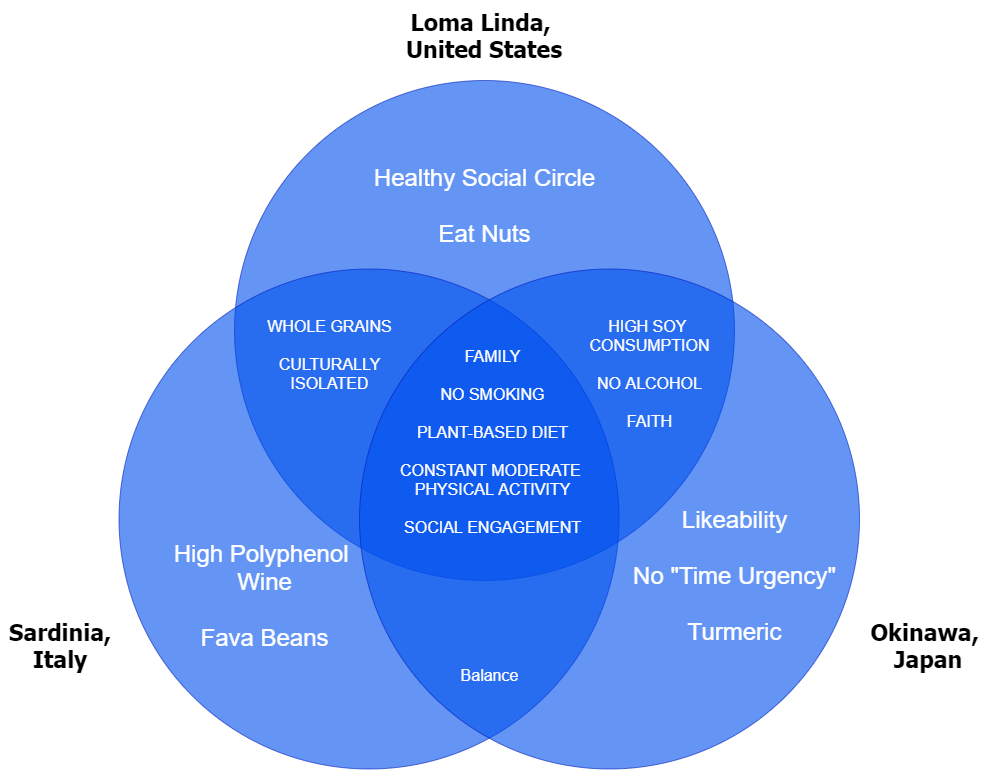
Yet the longest-living cultures in the world — places like Loma Linda, Okinawa, Sardinia, Icaria, Nicoya — didn’t rely on any of these.
Their “longevity toolkit” was simple:
whole grains
beans and lentils
vegetables
simple herbs and spices
home cooking
community
movement baked into daily life
No subscription boxes. No supplements arriving in the mail. No fancy equipment.
Just real food cooked with intention.
Good nutrition doesn’t come from the most expensive label; it comes from consistency, community, movement, whole foods, herbs, and a willingness to make humble foods taste extraordinary. A bag of lentils provides protein, fiber, and polyphenols—compounds linked to a longer life—for less than the cost of one scoop of collagen powder. Sweet potatoes and carrots deliver beta-carotene for skin and eye health at a fraction of the price of supplements.
And that’s what this blog helps you reclaim: delicious, budget-conscious ways to support long-term vitality in the most grounded, doable way. And your pantry can absolutely support longevity without straining your grocery budget. In fact, we’re going to make it feel easy, delicious, and completely doable.
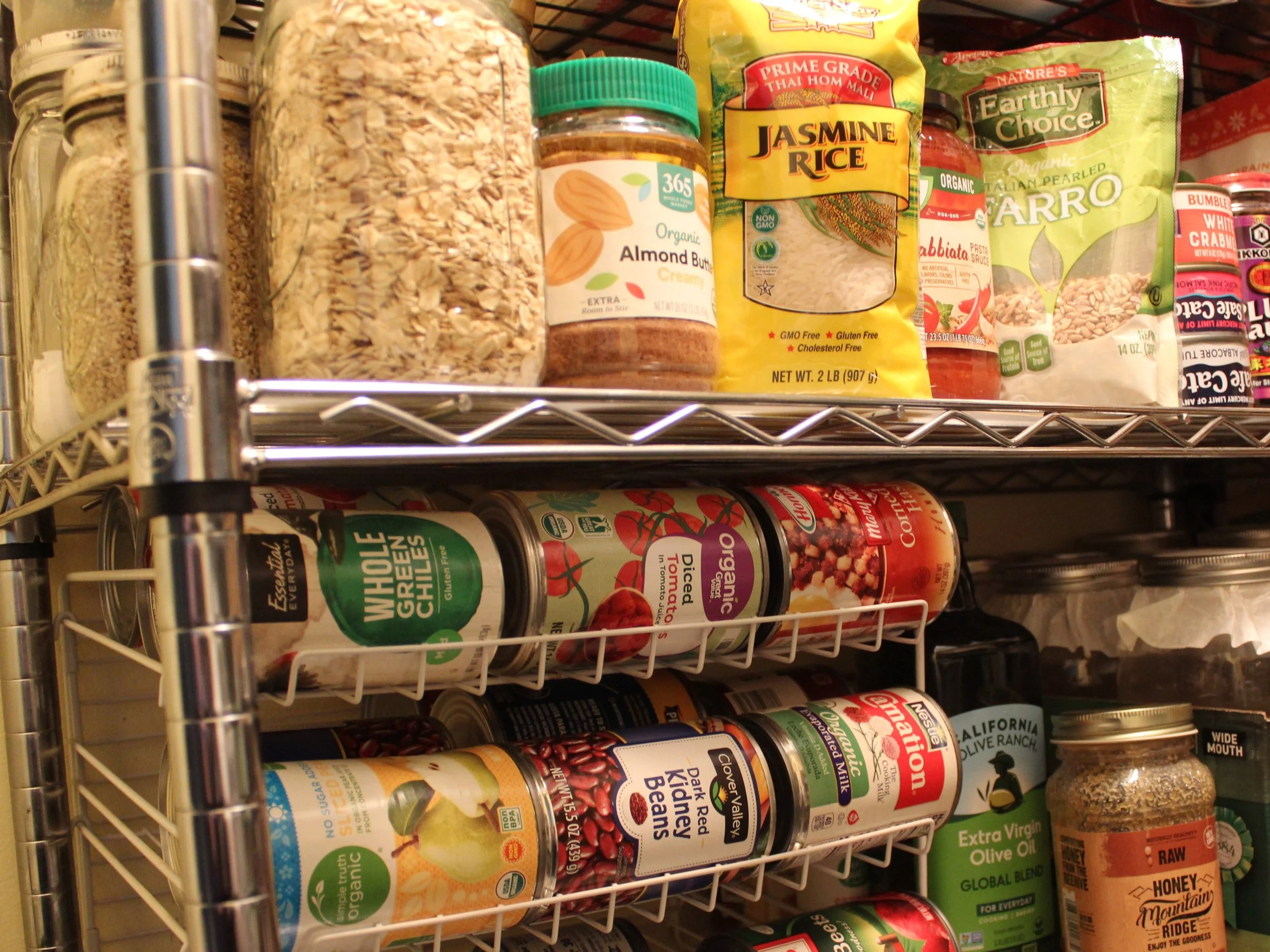
The Longevity Pantry: Affordable, Nutrient-Dense Staples
A longevity-focused pantry doesn’t have to be fancy. Stocking a few versatile staples sets the foundation for countless wholesome meals.
Let’s start with the foods you can rely on — the ones that give you steady energy, support your digestion, reduce overwhelm in the kitchen, and create the foundation for a nourishing lifestyle.
These ingredients are simple, accessible, and cost-effective. They’re the workhorses of a longevity-focused kitchen.
*Beans and lentils.
Lentils (red, green, brown, black), black beans, chickpeas, navy beans, cannellini, and split peas are powerhouses of plant protein, fiber, and minerals that promote gut and heart health. Canned or dry, they're inexpensive, filling, and wildly versatile. They pair beautifully with spices and aromatics, which makes them a dream for a flavor-driven cook.
Use them in: soups, grain bowls, tacos, salads, stews, curries, and dips.
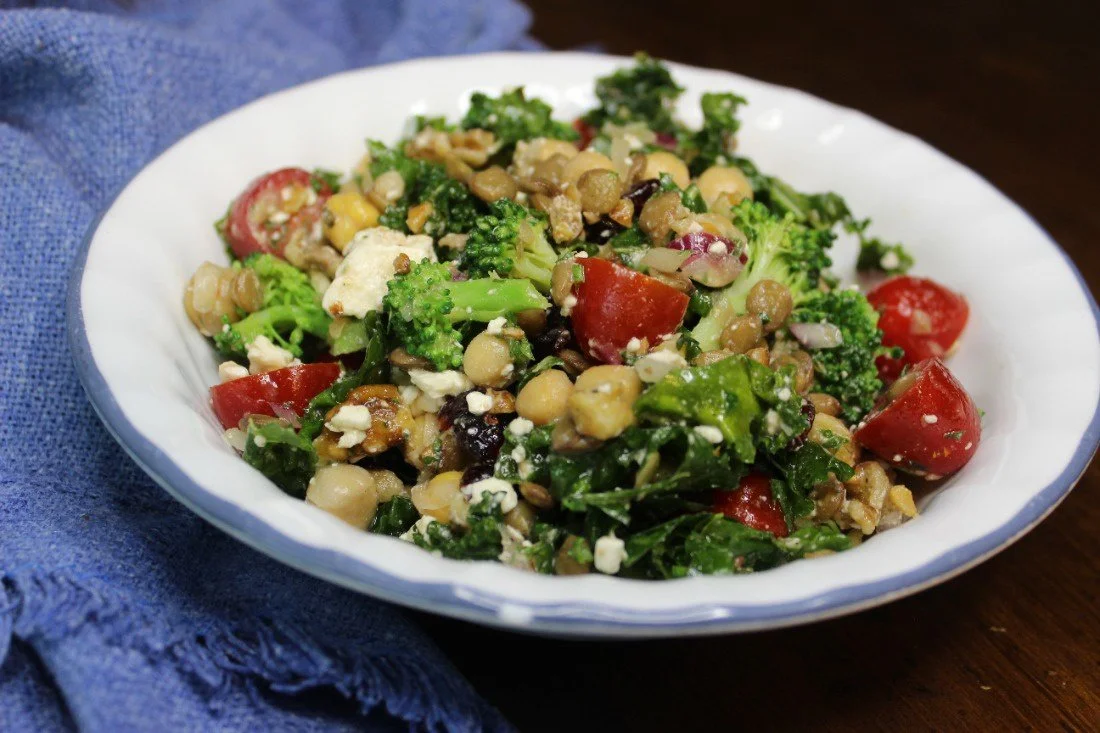
Our vibrant Chickpea, Lentil, & Broccoli Salad with Orange Tarragon Vinaigrette is a fresh and satisfying dish that brings together hearty plant-based protein, bright citrusy notes, and a delightful contrast of textures. It’s an easy weeknight win.
*Whole grains.
Oats, brown rice, millet, barley, farro, whole-wheat cous cous, and quinoa deliver lasting energy and support cardiovascular wellness. Often found inexpensively at Aldi or bulk bins, grains are comfort, stability, and satiety in a bowl. Easy to batch, easy to reheat, and endlessly adaptable. They’re the backbone of longevity cuisines worldwide.
Use them as: the base of meals, in soups, salads, breakfast bowls, or quick fried rice-style dishes.
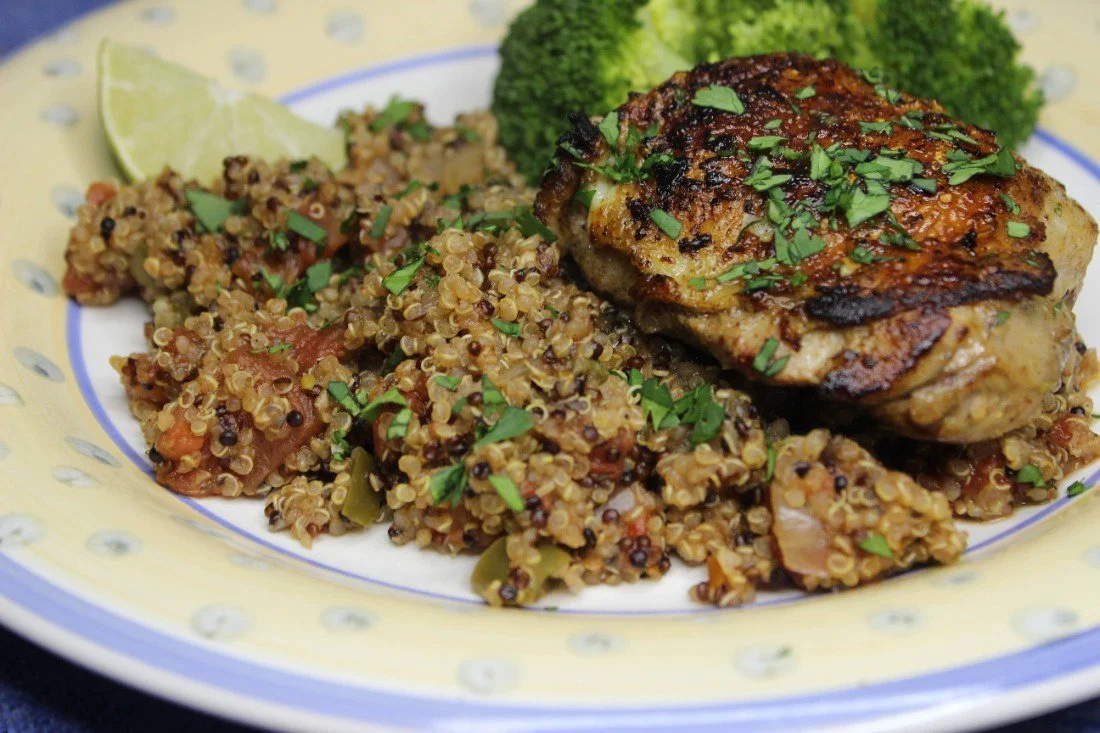
Savor the bold and vibrant flavors of our Mexican Spiced Quinoa and Chicken Thighs! This easy recipe combines seasoned quinoa with fresh vegetables and zesty spices, creating a deliciously satisfying meal that’s perfect for any occasion.
*Seasonal vegetables.
Fresh produce tastes best and costs less when it’s in season. Buy what’s abundant: in winter there’s: cabbage, winter squash, carrots, potatoes, and onions. In summer there’s zucchini, tomatoes, peppers, and dark leafy greens. Seasonal produce also gives you variety across the year — one of the simplest ways to nourish your microbiome.

Our Chorizo, Cabbage, and White Bean Stew is a rich and satisfying dish infused with the bold, smoky heat of harissa seasoning. Serve it with warm, crusty bread to soak up every last drop.
*Frozen vegetables.
Not a compromise - a gift. Picked and frozen at peak ripeness, they’re convenient, and just as nutritious as fresh. Staples like spinach, broccoli, peppers + onion, edamame, peas, and berries are affordable year-round and perfect for busy weeks. Use them in: sautés, stir-fries, soups, egg dishes, pastas, grain bowls, and smoothies.
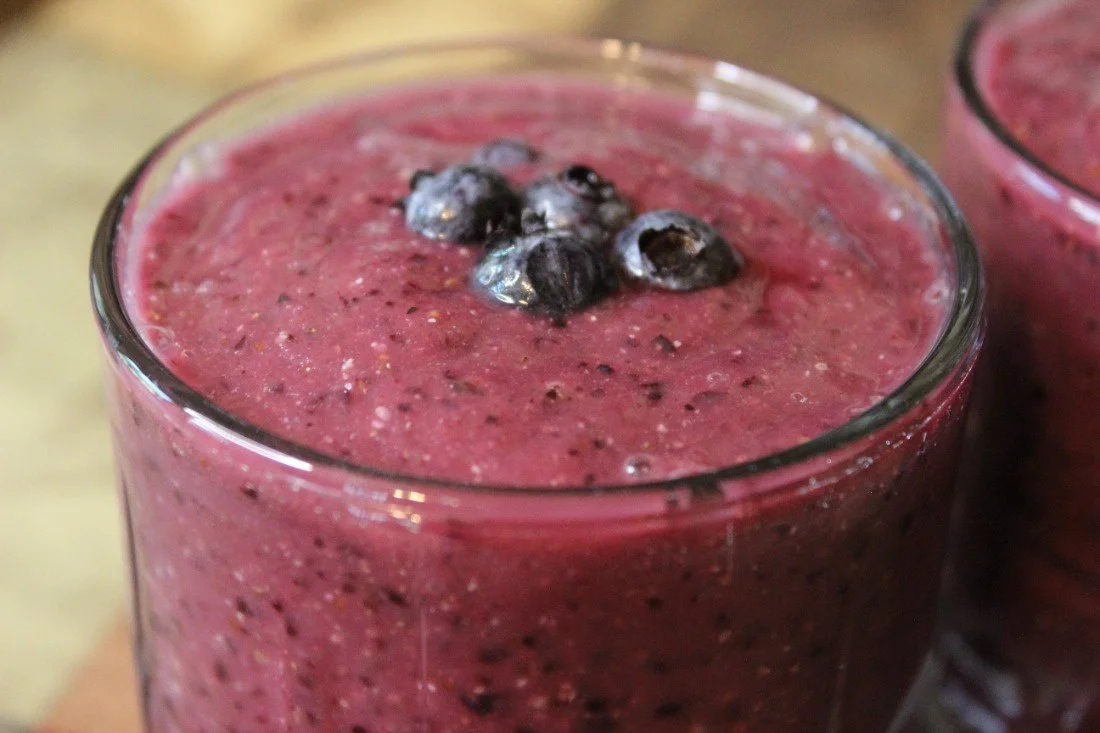
Our bright, earthy Beet & Blueberry Smoothie blends the natural sweetness of beets with frozen blueberries, crisp cucumber, and a splash of lime for a refreshing balance of sweet, tart, and herbal flavors.
*Alliums: the flavor builders.
Onions, garlic, leeks, scallions — the foundation of deep flavor. Affordable, long-lasting, and essential to making inexpensive meals taste incredible.

Rosemary Chicken Thighs with Cranberries and Fennel is a vibrant and flavorful dish that beautifully blends savory, sweet, and aromatic notes. It uses roasted garlic cloves to impart a smooth, mellow, sweet flavor.
*Canned tomatoes.
A can of tomatoes can become: a soup, a sauce, a stew, a base for beans, a braise. They’re a simple way to build richness, acidity, and depth. Keep a variety on hand: whole peeled, crushed, fire-roasted, diced, and paste.

Perfect for weeknight dinners, meal prep, or a warming fall lunch, our Pumpkin Chili is hearty, wholesome, and layered with flavor—truly a bowlful of seasonal comfort.
*Herbs and spices.
Your secret weapon. From $3 - $6 per bottle, from rosemary, basil, thyme, and oregano to turmeric, chili powder, cumin, and smoked paprika they transform humble ingredients into meals that feel intentional and exciting while offering anti-aging compounds. Global flavor = longevity on a budget.
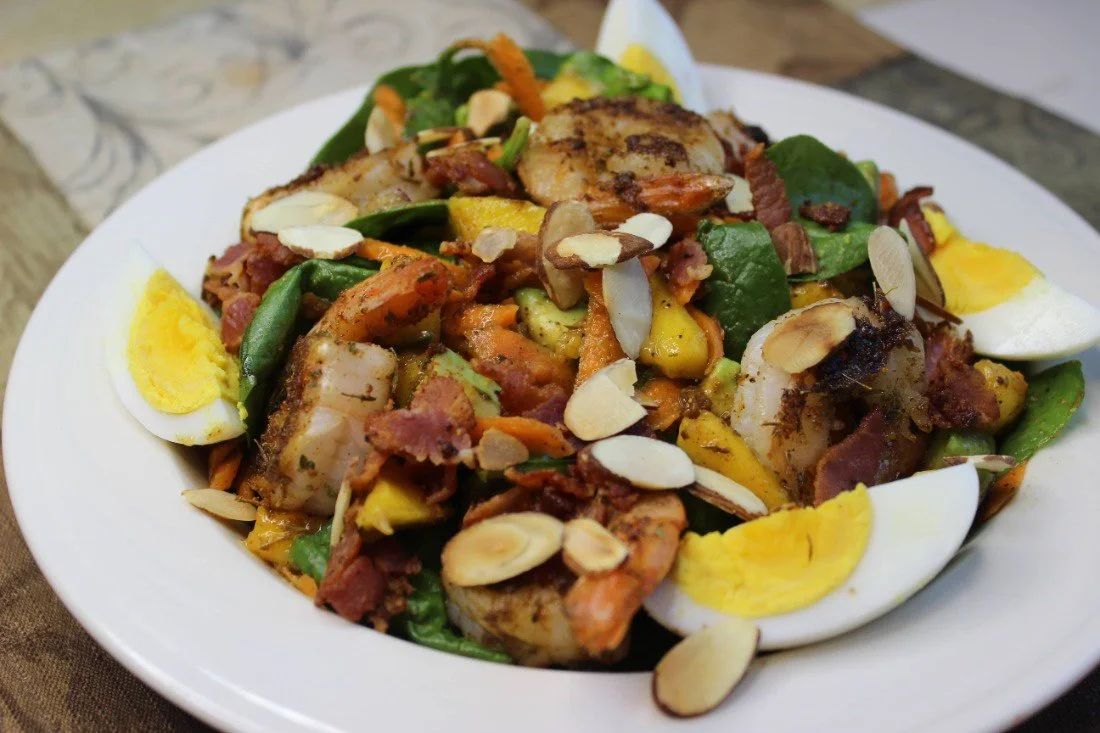
Our version of Caribbean jerk seasoning is a bold, flavorful blend that comes from Jamaica and is used all across the Caribbean. It’s known for being spicy, a little sweet, and full of warm, aromatic spices. Try it on our Caribbean Spinach Salad with Jerk Shrimp & Hot Bacon Dressing.
*Eggs.
Still one of the most affordable and nutritious proteins you can buy. Scramble them with vegetables, add to fried rice, fold into soups, or serve with roasted potatoes for a simple, satisfying meal.

Starting your day with a nourishing breakfast sets the tone for how you eat, feel, and focus all day long. Our Cottage Cheese Waffle Breakfast Sandwiches make it easy to build that momentum—offering a balance of protein, healthy fats, and flavor in every bite.
*Budget-friendly extras.
Canned fish, seeds - chia, sunflower, pumpkin - and nuts add omega-3s, protein, and healthy fats in compact, affordable form.
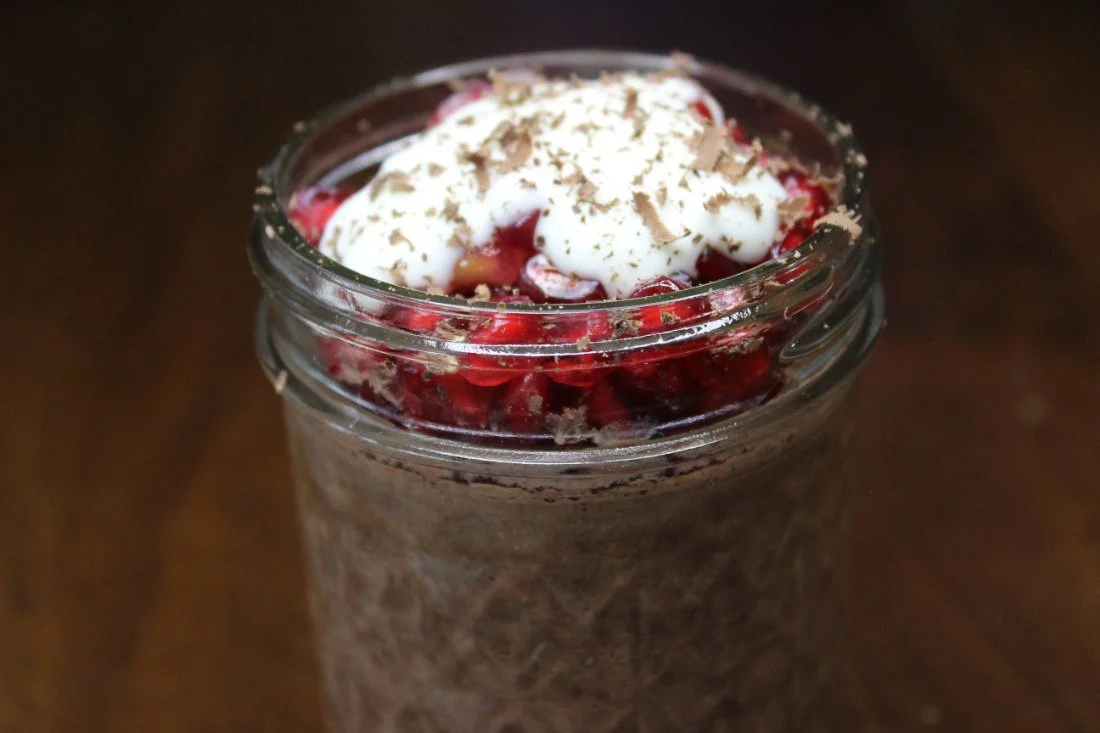
Healthy eating includes dessert! Our Chai Chia Chocolate Pomegranate Pudding is a luxurious and vibrant dessert that masterfully blends rich, creamy textures with bold, aromatic flavors. Homemade chai spice blend makes it easy.
*Flavor essentials.
Ginger, lemons & limes, soy sauce or tamari, and assorted vinegars - apple cider, red wine, rice, sherry, balsamic - build restaurant-level flavor with very affordable ingredients.

Bright, zesty, and packed with gut-friendly probiotics, these Lemon Poppy Seed Buckwheat Waffles are a delicious and nutritious way to start your day! The tangy lemon adds a refreshing citrusy kick, while the kefir keeps the waffles light and fluffy.
Every one of these ingredients promotes longevity through fiber, phytonutrients, and anti-inflammatory power—without straining the budget.
The Chef Strategy: Turning Simple Ingredients Into Craveable Meals
Healthy eating falls apart when meals taste flat or one-dimensional. Here’s where you’ll shine — where cooking becomes joyful, creative, and deeply nourishing. You don’t need expensive ingredients to make incredible food. You need technique. Let’s break down the strategies that make a budget-friendly longevity kitchen sing.
Here’s how.
*Sweat Your Vegetables (The Foundation of Flavor)
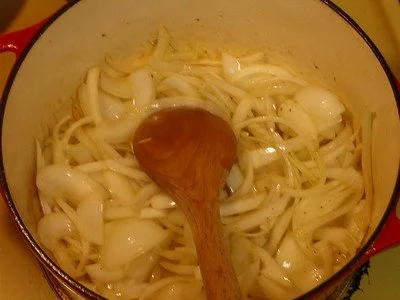
Sweating vegetables is one of the most important — and most misunderstood — culinary techniques. Sweating is the gentle cooking of aromatic vegetables (usually onions, celery, carrots, leeks, garlic) over low to medium-low heat, allowing them to soften and release moisture without browning.
How to do it
Start with a tablespoon or two of oil in a warm pan.
Add your diced onions first. Stir to coat.
Lower the heat. You want gentle sizzling, not frying.
Add celery and carrot (or whatever aromatics you’re using).
Cover the pot for the first 5–7 minutes — this traps steam and accelerates softening.
Stir occasionally until glossy, fragrant, and translucent.
Why it matters
Sweating coaxes out natural sweetness and depth. It builds a soft, savory “base note” for soups, stews, sauces, and grain dishes.
It’s the quiet beginning that makes everything that follows taste better.
*Bloom Your Spices (The Secret to Next-Level Flavor)
Blooming spices is the culinary equivalent of waking them up. Spices contain volatile oils that activate when exposed to heat. It releases aroma and depth you simply cannot achieve by adding spices to a dish “raw.”
How to do it (dry method)
Use this when you're building flavor before adding liquid:
After sweating your vegetables, push them aside.
Add 1–2 teaspoons oil to the cleared space.
Add your spices directly to the oil.
Stir continuously for 20–30 seconds.
Once fragrant (you’ll smell it!), immediately add liquid (broth, tomatoes, water) to prevent burning.

How to do it (whole seeds method)
Perfect for cumin seeds, mustard seeds, coriander seeds:
Heat 1 teaspoon oil in a small pan.
Add whole spices to the hot oil.
Cook until they crackle or become fragrant (usually 30–45 seconds).
Add to your dish or pour over at the end “tempering” style.
What not to do
Don’t bloom spices for longer than a minute. They burn quickly and become bitter.
*Roast Your Vegetables Like a Chef
Roasting is one of the easiest ways to create depth, sweetness, and texture — all while making inexpensive vegetables taste luxurious.
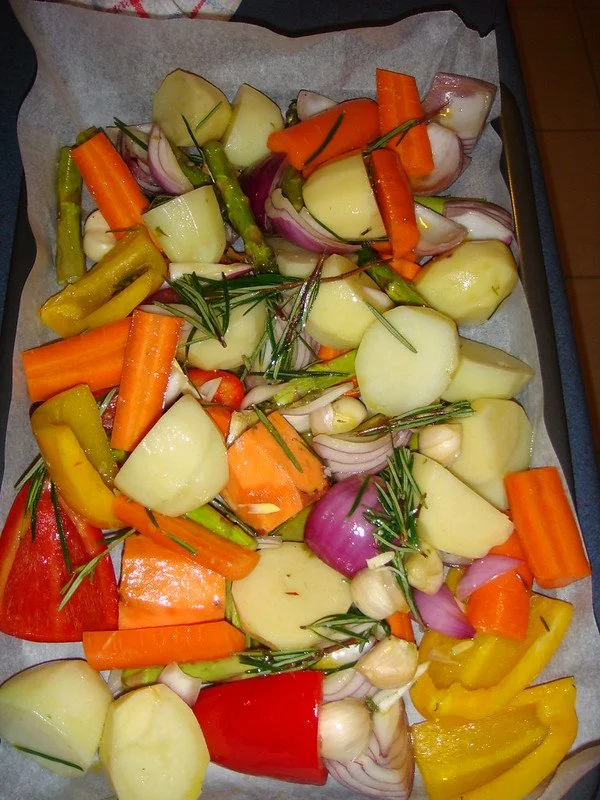
How to roast vegetables properly
Preheat oven to 425°F (hotter = better caramelization).
Cut vegetables into uniform pieces so they cook evenly.
Dry them well — moisture prevents browning.
Toss with olive oil, salt, pepper, and any spices.
Spread on a sheet pan in a single layer with space between pieces.
Roast:
Hard vegetables (sweet potato, squash, carrot): 25–35 mins
Soft vegetables (zucchini, peppers): 18–25 mins
Alliums (onions, shallots): 20–30 mins
Signs they're perfect
Brown, caramelized edges
Tender centers
Slight crisp on the outside
Roasting turns budget vegetables into something craveable.
*Use Acid + Salt Like Culinary Tools
The two most transformative ingredients in your kitchen cost almost nothing — but most people don’t use them correctly.
Acid — the brightness your food is probably missing
Acid wakes up flavor, especially in budget-friendly dishes. Use:
lemon juice
lime juice
vinegar (rice, apple cider, red wine, sherry)
a spoonful of tomato paste
Salt — when and how to use it
Salt early, not just at the end. Salt in small, consistent layers:
sweat vegetables → small pinch
after blooming spices → small pinch
after adding broth → taste and adjust
at the end → final adjustment

When to add acid
At the very end of cooking (1–2 teaspoons)
Right before serving
Anytime a dish tastes “flat,” “muddy,” or too heavy
Acid turns good food into memorable food.
*Layer Texture (This Makes Simple Meals Feel Complete)
Texture is often missing in “healthy” meals, but you can create layers without spending much.
Add creaminess
mashed white beans folded in
yogurt drizzle
a little avocado
tahini sauce
blended veg to thicken soups
soft cheese
Add freshness
chopped herbs
citrus zest
scallions
quick-pickled onions
Add crunch
toasted nuts or seeds
chopped cucumber or radish
thinly sliced raw cabbage
homemade croutons
crushed tortilla strips
Add chew
farro
barley
sautéed mushrooms
ripe pears
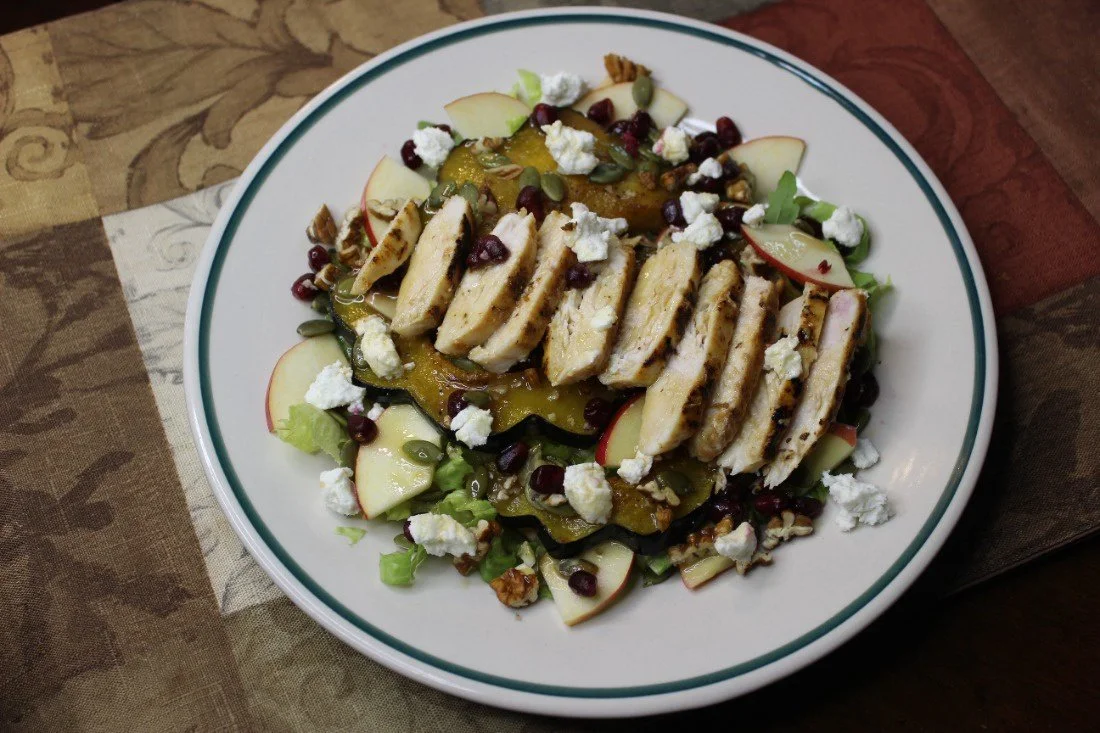
Our Roasted Acorn Squash Salad with Chicken and Maple Dijon Vinaigrette
When a meal has crunch + creaminess + chew + freshness, even inexpensive ingredients feel luxurious.
The Psychology of Eating Well on a Budget
Healthy eating often feels intimidating because of two beliefs:
“Healthy food is expensive.”
“Cooking takes too much time.”
Once these beliefs soften, everything gets easier. Cooking can be grounding. A rhythm. A small act of reclaiming your day. A way to shift from the noise of life back into your body.
When your kitchen becomes a place of nourishment rather than pressure, everything else falls into place.
Smart Meal Planning for Longevity
Meal planning doesn’t need to be rigid or complicated. You’re not prepping a week of identical containers — you’re creating a structure that supports flexibility and ease.
Here’s how to make it doable, budget-friendly, and aligned with real life.
*Choose 2–3 anchor ingredients per week
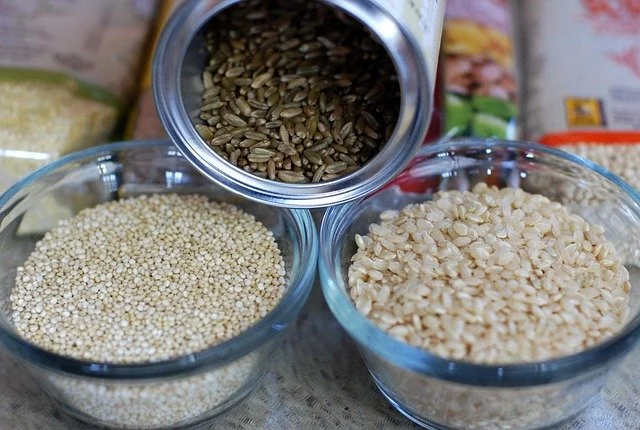
Examples:
a pot of beans
a batch of roasted vegetables
one cooked grain
These become the building blocks.
*Build 3 meals from each anchor
Beans
tacos or tostadas
soup or stew
a grain bowl
breakfast smoothies
Cooked grains
fried rice with frozen veggies
breakfast bowl with berries
grain salad with herbs & vinaigrette
Roasted vegetables
mixed into pasta
added to salad
wrapped in a whole-grain tortilla with hummus
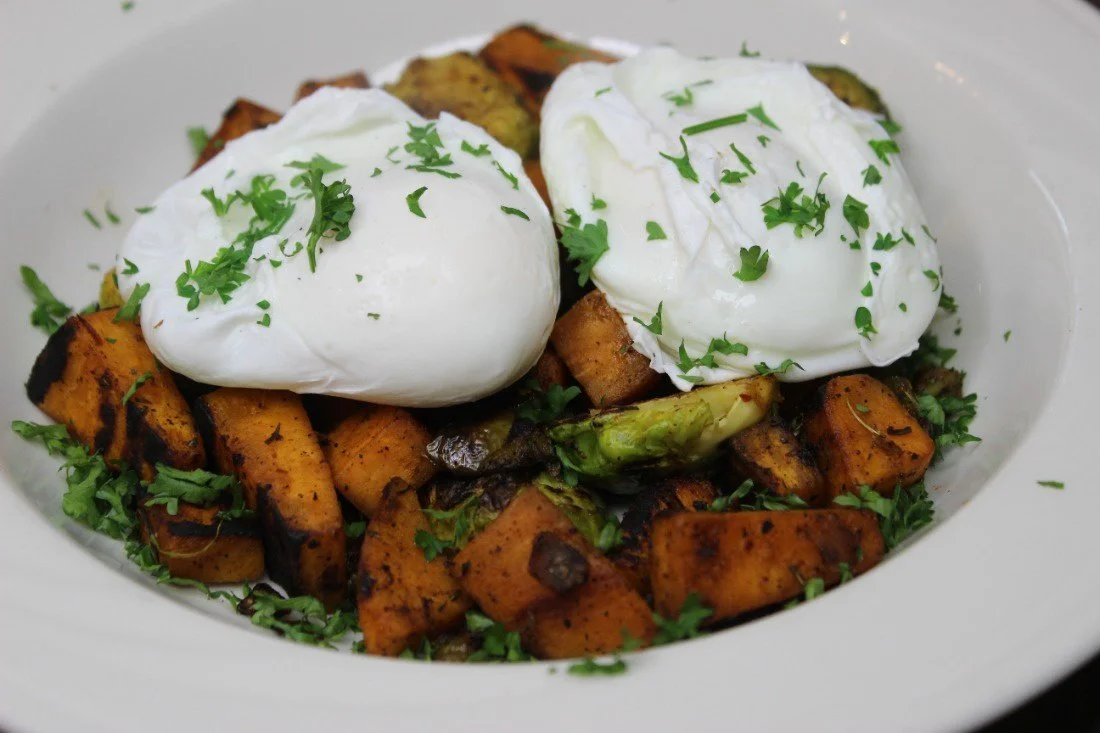
The natural sweetness of caramelized sweet potatoes pairs beautifully with the earthy flavor of roasted Brussels sprouts in our Sweet Potato & Brussels Sprout Hash with Poached Eggs.
*Shop your pantry first
You’ll waste less and rely less on last-minute takeout.
*Cook once, use twice (or three times)
If you’re roasting vegetables, roast two pans instead of one. If you’re making rice, make extra. If you’re cooking beans, double the pot. Future you will thank you.
*Keep a “flavor toolkit” handy
A few small add-ins can transform meals all week:
citrus
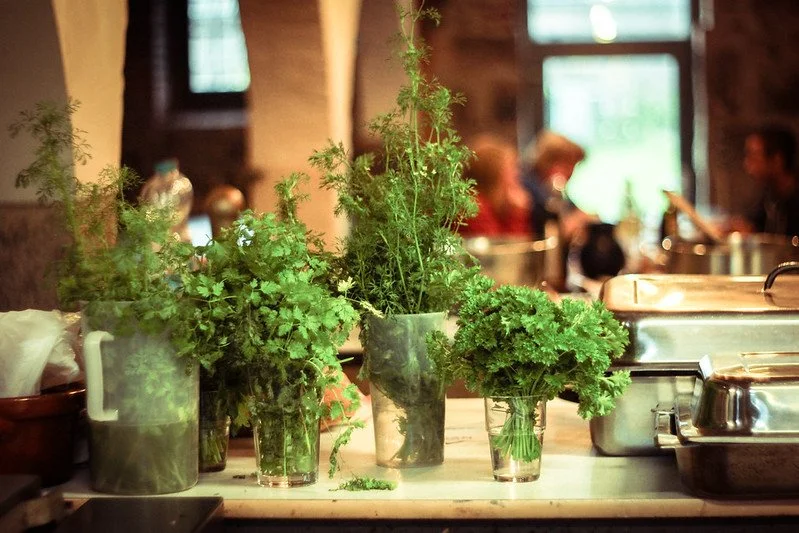
fresh herbs
yogurt
nuts & seeds
chili crisp
vinegar
These allow you to turn simple foods into exciting meals quickly.
*Create a weekly rhythm
Instead of creating new full meal plans every week (that’s exhausting!), use a structure:
Monday: Soup or stew
Tuesday: Something with beans
Wednesday: Pasta or grain bowl
Thursday: Stir-fry or roasted vegetable night
Friday: “Clean out the fridge” meal
Predictable structure = fewer decisions = easier follow-through.
Easy, Budget-Friendly Longevity Dishes
Smoky Sweet Potato & Black Bean Skillet Sauté onions, bloom smoked paprika + cumin, fold in roasted sweet potatoes and black beans, finish with lime.
Golden Lentil Stew Red lentils cooked with turmeric, ginger, garlic, tomato paste, and coconut milk. Cozy and inexpensive.
Pantry Tomato & Garlic Pasta Slow-cooked garlic, canned tomatoes, and crushed red pepper tossed with whole-wheat pasta.
Roasted Vegetable Grain Bowls Mix roasted veggies with farro or barley, herbs, and a lemon-tahini drizzle.
Chickpea “Picadillo” A plant-forward version using chickpeas, tomato, peppers, raisins, warm spices.
Five-Ingredient Curry Onions, garlic, curry powder (bloomed in oil), canned tomatoes, coconut milk.
Tuscan White Bean & Greens Soup Onions, garlic, broth, canned cannellini beans, kale, lemon.
Peanut-Lime Noodle Bowl Whole-wheat noodles, shredded veg, and a simple peanut-lime sauce.
Vegetable Fried Rice Leftover rice, frozen vegetables, soy sauce, scallions, eggs (optional).
Sheet Pan Chili-Lime Chicken & Veg Chicken thighs, peppers, onions, sweet potatoes roasted together.
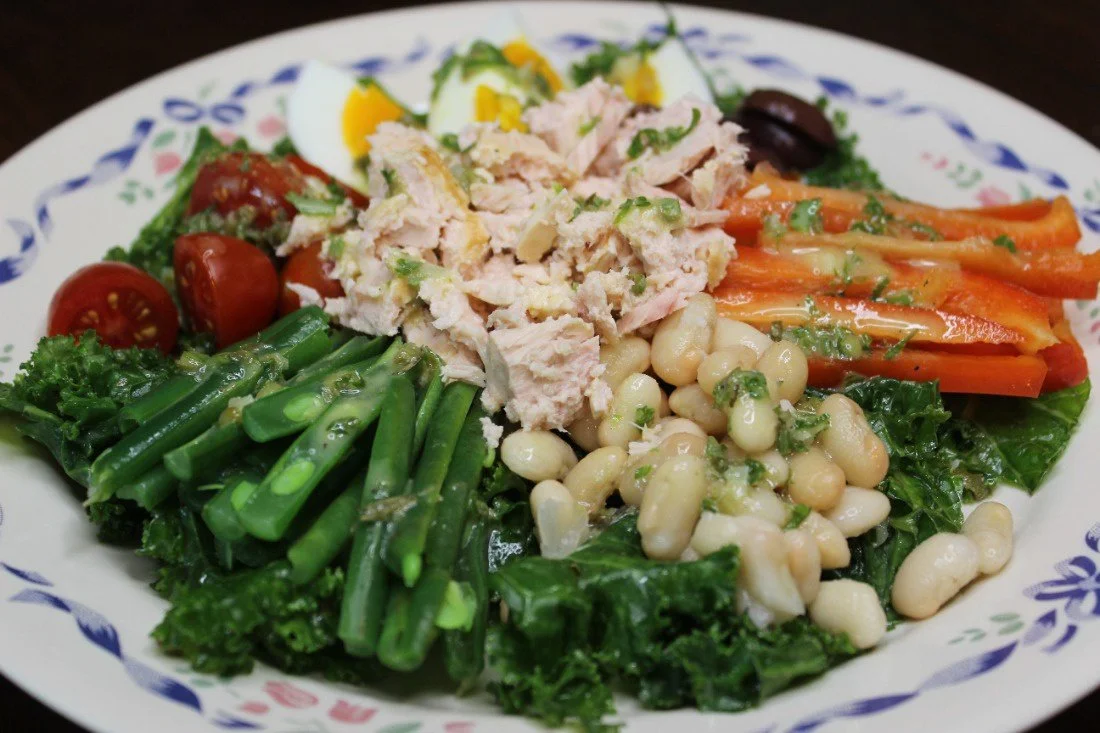
Kale & Tuna Niçoise-Style Salad
Longevity Doesn’t Require Perfection
Or expense. Or elaborate routines. It’s built quietly — one home-cooked meal at a time.
It’s in the pot of beans simmering on the stove. The roasted vegetables you’ll eat all week. The simple act of sweating an onion until it turns translucent and sweet. The joy of flavor built in layers. The satisfaction of knowing you fed yourself something nourishing.
This is real wellness. This is sustainable. And this is available to you every single day, no matter your budget.
If longevity is a long game, then let your kitchen be the place where you practice — gently, joyfully, one delicious meal at a time.
Start small: swap one processed meal this week for a dish made with beans or grains. Your body—and your bank account—will thank you.
Let’s get cooking!
When you step into the kitchen with a few simple ingredients and the intention to nourish yourself, something shifts. Cooking becomes less about perfection and more about creating small moments of care — chopping an onion, roasting a tray of vegetables, or simmering a pot of beans.
These humble steps are the heartbeat of longevity. They’re grounding, sensory, and deeply satisfying. So start where you are, use what you have, and let flavor guide you. Real wellness begins with the first sizzle in the pan.
Ground Beef Stroganoff with Farro
Ground Beef Stroganoff with Farro is a healthy one-pot meal that’s a lighter, budget-friendly twist on the classic. Ground beef cooks with onions, garlic, thyme, and rosemary for easy, comforting flavor, while farro adds hearty texture and whole-grain nutrition. Sweet peppers and peas bring color and freshness, creating a satisfying bowl without expensive ingredients or complicated steps.
Finished with a swirl of Greek yogurt, it’s creamy, nourishing, and perfect for simple weeknight cooking that supports both wellness and your wallet.

Ground Beef Stroganoff with Farro
Ingredients
- 1 tbsp olive oil
- 1 pound lean ground beef (90% or leaner)
- 1 cup diced onion
- 1 cup diced sweet pepper
- 8 ounces mushrooms, sliced (cremini or mixed)
- 2 cloves garlic, minced
- 1 tbsp tomato paste
- 1 tsp smoked paprika
- 1 tsp dried thyme
- ½ tsp dried rosemary, crushed
- 1 cup pearled farro
- 4 cups low-sodium beef broth
- 1 tbsp Worcestershire sauce
- 1 cup frozen peas (no need to thaw)
- Salt + pepper, to taste
- 1 cup plain Greek yogurt (2% or whole)
- 1–2 teaspoons Dijon mustard
- 2 tbsp fresh chopped parsley
- Parmesan cheese for serving (optional)
- sliced green onions for serving (optional)
Instructions
- Heat olive oil in a large pot or Dutch oven over medium-high heat.
- Add the ground beef, season lightly with salt + pepper, and cook 5–7 minutes.
- Transfer the cooked beef from the pan to a bowl, leaving any juices in the pan. Set aside.
- Add the onion and pepper to the pan and cook 2–3 minutes.
- Add mushrooms and cook until they release moisture and begin to brown, 5–6 minutes.
- Stir in garlic, tomato paste, smoked paprika, thyme, and rosemary; cook 1 minute.
- Add the farro and reserved beef.
- Stir so it’s coated in the aromatics.
- Add Worcestershire and beef broth.
- Bring to a boil, then reduce to a steady simmer.
- Cover and cook 20–25 minutes, stirring occasionally.
- Stir in the peas during the last 3 minutes of cooking.
- Turn off the heat.
- Mix Greek yogurt, Dijon, parsley, and 2 tablespoons hot broth in a bowl to temper it to prevent curdling.
- Stir the yogurt mixture into the pot.
- Taste and adjust seasoning.
- Serve topped with Parmesan cheese, green onion, and extra black pepper if desired.
Notes
- Substitute pearled barley for the pearled farro.
- Stir in 2 cups baby spinach during the last 2 minutes for a healthy add-in.
- Swap 1/2 the beef for extra mushrooms for a lighter version.
Mediterranean Chicken
This Mediterranean Chicken skillet is a flavorful, budget-friendly one-pan meal built from simple, affordable ingredients. Lightly browned chicken breasts simmer with onions, sweet peppers, garlic, and classic Italian herbs, creating a cozy, aromatic base. Chickpeas, seasoned tomatoes, artichoke hearts, caper berries, and olives add hearty texture and big Mediterranean flavor without requiring specialty items. The rice cooks right in the sauce, making the dish filling and efficient, while optional anchovies melt in for subtle depth. A handful of greens and a splash of red wine vinegar at the end brighten everything, bringing freshness to this comforting, nutrient-packed meal.
It’s an easy, economical dinner that delivers nourishing flavor with minimal fuss.
Mediterranean Chicken
Ingredients
- 1 lb boneless, skinless chicken breasts
- 1 tbsp olive oil
- 1 cup sliced onions
- 1 cup sliced sweet peppers
- 4 cloves garlic, minced
- 1 ½ tsp italian seasoning
- 1 bay leaf
- 1 tbsp fresh chopped parsley
- 2 - 3 tsp caper berries
- 2 anchovy filets (optional)
- 1 (14 oz) can chickpeas, drained and rinsed
- 1 (14 oz) can italian seasoned diced tomatoes
- 1 (14 oz) can quartered artichoke hearts in water, drained
- 8 pitted Kalamata olives, chopped
- ½ cup rice
- 2 cups chicken or vegetable stock
- Salt and pepper to taste
- 2 tsp red wine vinegar
- 1 bunch curly endive or escarole, torn into small pieces (or kale or collard greens)
Instructions
- Heat the olive oil in a large skillet over medium high heat. Add the chicken breasts and brown lightly on each side. Remove to a plate and set aside.
- Reduce the heat to medium and add the onions, sweet peppers, and garlic to the pan. Saute until they begin to soften, about 2 minutes.
- Add the remaining ingredients (except for the red wine vinegar and greens) and bring to a boil.
- Add the chicken breasts back into the pan. Reduce the heat to a simmer and cover. Cook for 15 - 20 minutes until the chicken is cooked through and the rice is tender.
- Stir in the greens and red wine vinegar. Reseason with salt and pepper as needed and finish simmering until the greens are tender.
There you have it!
Cooking within your means isn’t a limitation — it’s an invitation to creativity, resilience, and deeper connection with your food. May each simple, affordable dish you prepare remind you of your own resourcefulness and the vibrant life you’re building one meal at a time.