
Forget Everything You’ve Heard About Tofu. Start Here.
Have you ever stood in front of the tofu section at the grocery store, staring at the endless varieties, and thought, “How can the same simple ingredient come in this many forms?” Well, you’re not alone. Tofu might be one of the most misunderstood ingredients in the Western pantry, but it’s also one of the most versatile, storied, and quietly sophisticated foods you can cook with. Its simplicity—soybeans, water, and a coagulant—belies centuries of tradition and technique.
Tofu is one of those foods that reveals more and more depth the closer you look. It’s humble and quiet, almost deceptively so. But the moment you understand how to work with it—how to treat it with a little care, how to coax out its naturally subtle flavors—you begin to see it for what it truly is: a deeply versatile, culturally rich ingredient with limitless culinary potential.
Tofu has been around for more than two millennia, long before it gained traction in modern Western cooking. It’s as integral to East Asian culinary traditions as bread is to European ones. And today it’s finally getting its moment here too, embraced by home cooks who want flexibility, creativity, and texture-driven cooking. Tofu shows up in comforting soups, crispy stir-fries, silky desserts, and grilled skewers. It can be delicate or hearty, neutral or bold, depending entirely on how you treat it.
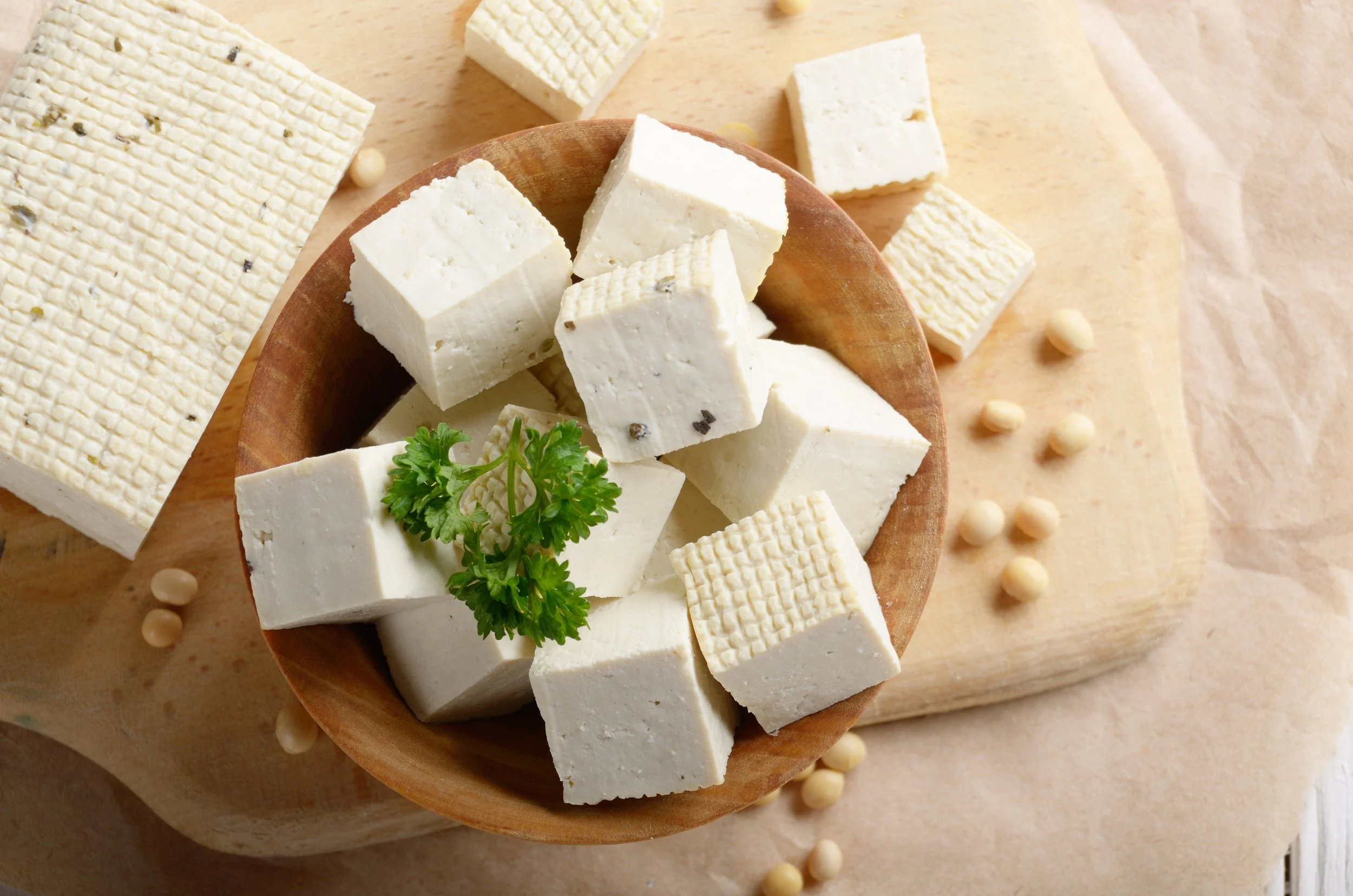
If you’ve ever bought a block of tofu and stared at it wondering how on earth to turn it into something delicious (something I’ve done repeatedly) this guide is for you. It walks you through tofu’s fascinating origins, its many varieties, how to choose and store it, and common myths surrounding it. And—most importantly—how to cook it so it becomes something you’re excited to reach for again and again.
Tofu: 2,000 Years of Craftsmanship
Tofu’s roots stretch back to ancient China, sometime during the Han Dynasty more than 2,000 years ago. While legends vary, the most widely told story centers on Prince Liu An of the Han dynasty, a philosopher and statesman who also explored food science. Whether or not he truly discovered it is up for debate, but the method attributed to him—curdling soybean “milk” using a natural coagulant—remains the basis of tofu production today.
The first documented references to tofu (“doufu” in Mandarin) appear in Chinese texts from around the 10th century, by which time tofu had already become a staple in daily meals and spiritual rituals. From China, tofu’s production methods and culinary use quickly spread to neighboring cultures.
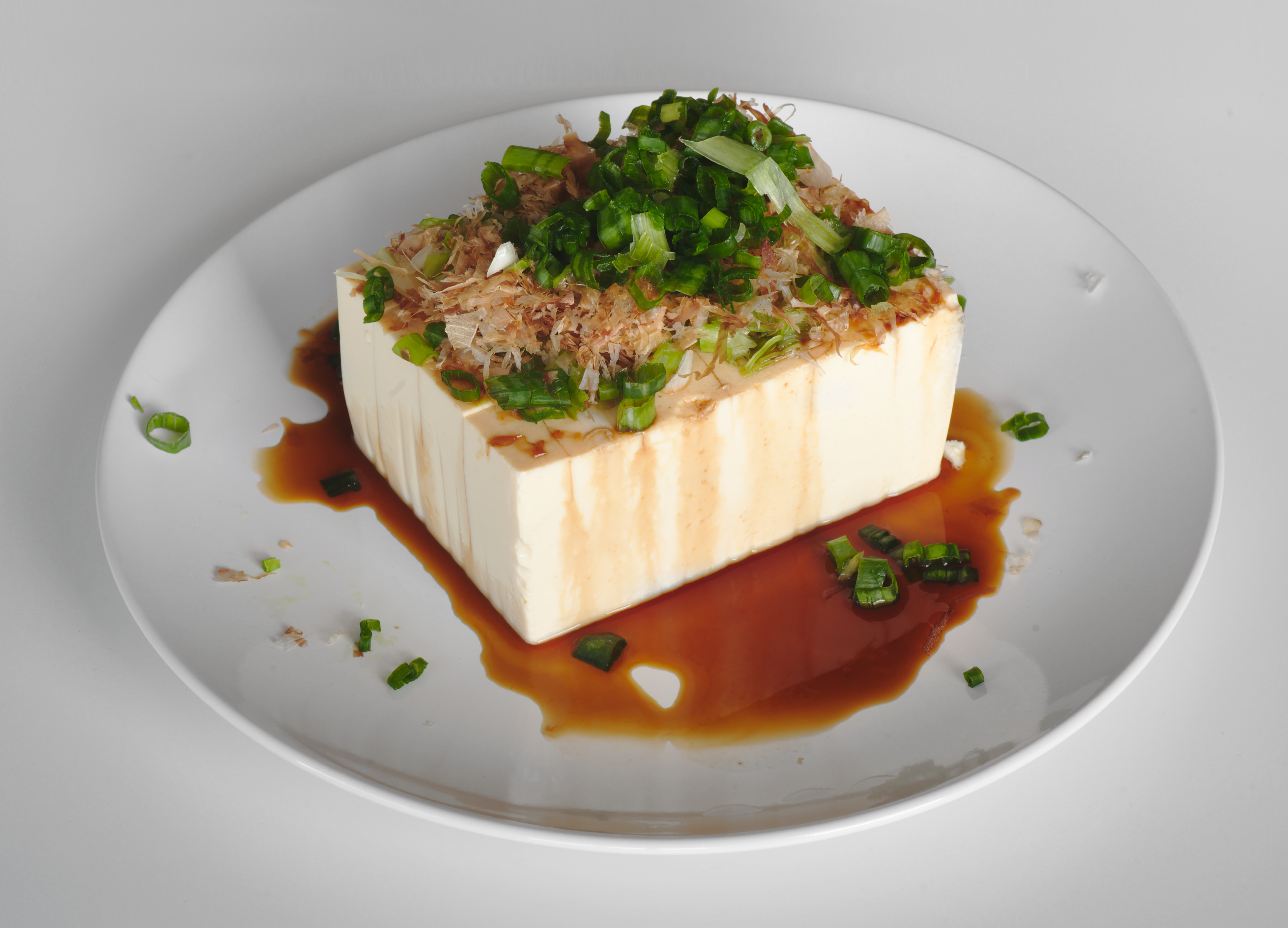
Japan (where it became part of Zen Buddhist temple cuisine) refined the craft, especially silken tofu and delicate chilled tofu known as hiyayakko (shown here topped with bonito flakes and Welsh onion).
Korea incorporated tofu into braises and stews with bold aromatics. Across Southeast Asia, tofu was adapted into deep-fried cubes for stir-fries, curries, and salads, as well as fermented varieties used for big hits of savory funk.
In Buddhist vegetarian cuisine, tofu took on a special place as a versatile, nourishing, affordable ingredient that could be simmered, marinated, fried, or pressed into countless forms. In many Asian cuisines, tofu isn’t an imitation of anything - it’s its own ingredient with its own flavor, tradition, and craft. By the time tofu reached the West in the 20th century, it already had centuries of culinary evolution behind it.
Today, tofu is no longer the mysterious white block in the back corner of the produce case. It’s gained worldwide popularity as a nutritious, sustainable meat alternative, especially following the rise of vegetarian and health-conscious movements that is embraced in restaurants, home kitchens, and even high-end culinary schools. And when you understand how to work with it, tofu becomes one of the most reliable, flexible building blocks in your entire pantry.
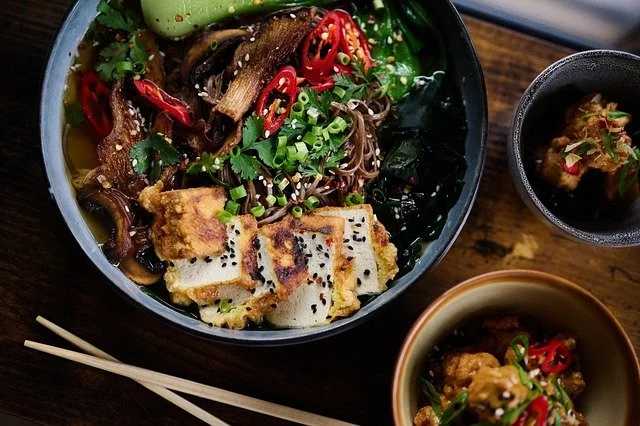
Tofu Soup
How Tofu Is Made (And Why That Matters in the Kitchen)
At its core, tofu comes from soybeans in a process that is remarkably similar to cheese-making. At its core, you’re extracting “milk” from a bean and coaxing it into curds.
The process starts with soybeans that have been soaked, ground, and transformed into a warm, milky liquid. After straining this “soy milk” is then combined with a coagulant. Traditionally, this was nigari (magnesium chloride), gypsum (calcium sulfate), or brine. When added to warm soy milk, the coagulant causes curds to form—the same principle used in cheesemaking.
Once curds form, they’re gently scooped into molds lined with cloth and pressed to remove excess liquid. The longer it's pressed, the firmer the tofu becomes. That’s why firmness levels vary so widely: it’s all about water content.
This simple equation (beans + water + coagulant) explains why tofu is so varied. Silken tofu skips the pressing step. Soft and medium-firm tofu gets minimal pressing for a delicate texture. Extra-firm and super-firm styles get tightly pressed to create dense, sturdy blocks that hold up to high heat. Understanding this helps you select the right tofu for the right dish, because texture is everything.
The Many Varieties of Tofu (And Exactly When to Use Them)
Most home cooks only see a handful of tofu types at mainstream grocery stores, but the world of tofu is far more diverse. Here’s a full culinary run-down so you know exactly what each variety brings to the table.
Silken Tofu Creamy, custardy, and spoonable it breaks at the slightest pressure and is best used at blending into sauces, smoothies, puddings, mousses, creamy dressings, miso soup, and gentle steaming.
Silken tofu is made directly in its container, never pressed, which gives it that deeply delicate consistency. It’s ideal anywhere you want creaminess without dairy and works beautifully in dishes where you want smooth texture rather than chew.
Soft / Regular Tofu Slightly more structured than silken with a gentle wobble and a tender bite it is ideal for soups, gentle braises, Korean stews, lightly sautéed dishes, and breakfast bowls.
This is the tofu that melts into broths and braised sauces, giving them body and richness. It’s what you’d use for sundubu-jjigae, the famous Korean soft tofu stew, or for gently simmering with ginger and garlic.
Medium, Firm & Extra-Firm Tofu Become increasingly dense as water content decreases making it a great choice for stir-fries, sheet-pan meals, sautéing, searing, grilling, air-frying, crumbling for scrambles or fillings.
Firm and extra-firm tofu are the workhorses of the tofu world. They stand up to heat, hold their shape, and take on browning beautifully—especially when pressed dry and cooked in a hot pan without crowding it.
Super-Firm/Pressed Tofu With its dense, chewy texture is perfect as crisp tofu bites, sheet-pan meals, grilling, or a quick weeknight dinner.
Often sold in vacuum-sealed packs it’s ready to slice straight into salads, stir-fries, sandwiches, or noodle bowls. In Chinese cooking, it’s sometimes cut into strips and tossed with chili oil and herbs—simple, stunning, full of texture.
Smoked Tofu Smoked tofu is already seasoned and quite flavorful. Slice it thinly for sandwiches, cube it into grain bowls, or pan-sear it for a quick smoky protein to pair with roasted vegetables.
Fermented Tofu (Doufu Ru, Fuyu) This tofu is aged in brine, wine, or spices until tangy, funky, and deeply savory. It’s often used like blue cheese—just a little enriches sauces or marinades. Stir a small cube into a warm broth or mash into a sauce to bring instant depth.
Tofu Skin / Yuba Formed when warm soy milk develops a thin skin, which is then lifted off and dried. These skins can be sold as sheets, knots, or sticks. When rehydrated, they offer an elastic, slightly chewy texture that loves broths, stir-fries, and braises.
Dried & Freeze-Dried Tofu These sponge-like varieties absorb sauces magnificently. Once rehydrated, they’re excellent in hot pot, braised dishes, and soups.

Now that you know the basics of tofu, let’s clear up something important: the myths. Next we tackle the questions most people quietly have - but rarely ask directly.
Tofu Myths—What’s True, What Isn’t, and How to Move Forward with Confidence
Tofu is one of the most widely consumed plant foods in Asia and has been for centuries. Yet here in the West, it’s still surrounded by more misinformation than almost any other ingredient. Some of these myths come from outdated research or from confusion about how soy interacts with the body, some simply from bad first impressions in the kitchen, and others because of confusing headlines or information taken out of context.
1. Myth: “Soy and tofu cause breast cancer.”
Why people worry: Phytoestrogens sound like estrogen, so people assume they act like it.
What research actually shows: Phytoestrogens (which are significantly different from environmental estrogens or xenoestrogens) behave differently from human estrogen and can have protective effects. Long-term studies support the concept showing lower breast cancer risk in populations that eat soy regularly.
What to do: Include tofu, tempeh, and edamame as part of a balanced weekly rotation.
2. Myth: “Men shouldn’t eat tofu because it lowers testosterone or causes ‘man boobs.’”
Why people worry: Phytoestrogens are mistakenly treated as identical to human estrogen.
What research actually shows: Phytoestrogens can mimic estrogen, but they are weaker and do not appear to have a significant impact on hormone levels. Clinical trials show no effect on testosterone levels with typical soy intake. Reports of hormonal changes involve extreme overconsumption — not everyday eating.
What to do: Use tofu like any other protein—grilled, simmered, fried, roasted, or scrambled.
3. Myth: “Tofu is full of GMOs and pesticides.”
Why people worry: Roughly 95% of the soy grown in North America is GMO and used in industrial agriculture.
What research actually shows: Organic tofu is always non-GMO and held to strict pesticide limits. Many mainstream brands use non-GMO verified soybeans.
What to do: If this matters to you, look for “Organic” or “Non-GMO Project Verified” on the label. The USDA Organic label means the product was produced using organic farming methods, including prohibiting GMOs and synthetic pesticides. The Non-GMO Project Verified label confirms a product is free from genetically modified ingredients, but doesn't necessarily mean it is organic.

Vegan Tofu Cheesecake
4. Myth: “Tofu isn’t sustainable.”
Why people worry: Soy is often linked to deforestation.
What research actually shows: Most deforestation-linked soy is grown for animal feed, not human food. Tofu production typically uses far fewer resources—land, water, and energy—than animal-based proteins. When sourced responsibly, tofu is considered an environmentally efficient option.
What to do: Choose tofu from brands that share where their soybeans come from, or shop at Asian markets that carry regional or local tofu.
5. Myth: “Tofu isn’t nutritious—it’s just filler.”
Why people worry: Tofu is mild, soft, and inexpensive, so it gets underestimated.
What research actually shows: Tofu is made from whole soybeans and contains natural minerals, plant compounds, and protein. It is a nutritious meat alternative and contains no cholesterol, is low in saturated fats, and is a complete protein containing all eight essential amino acids. It also provides minerals like iron and calcium (when calcium-set).
What to do: Choose calcium-set firm or extra-firm tofu for the highest mineral content.
6. Myth: “Tofu is highly processed.”
Why people worry: Because tofu doesn’t come off a tree or grow in the ground in block form, some assume it’s over-processed.
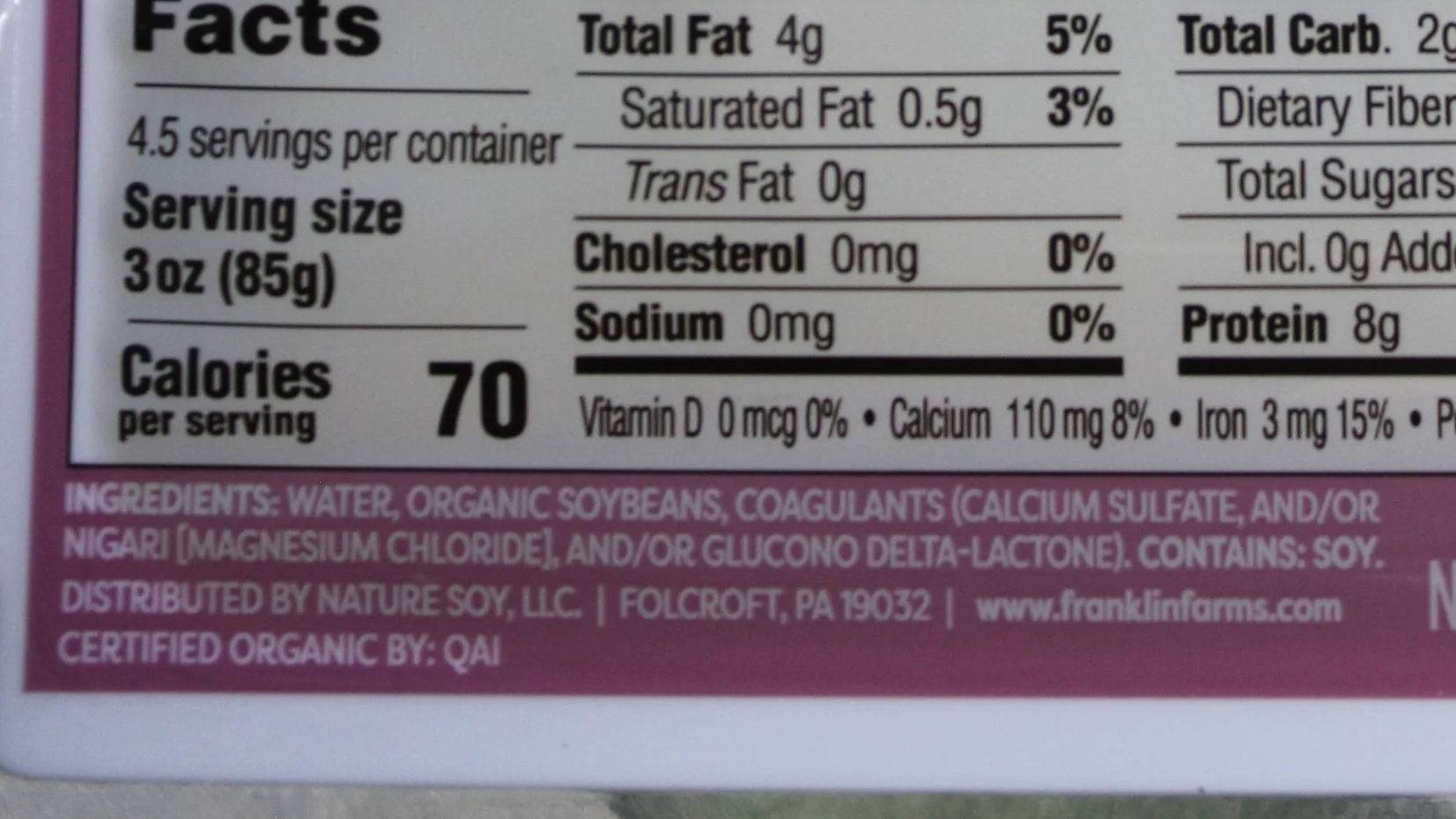
What research actually shows: Traditional tofu has as few as three ingredients—soybeans, water, and a coagulant. The process is remarkably similar to cheese-making.
What to do: If you enjoy minimally processed foods, choose water-packed tofu with just two ingredients—soybeans and a coagulant. That’s as classic and simple as it gets.
7. Myth: “Tofu causes digestive discomfort or soy allergies.”
Why people worry: Soy, because it’s made from a legume, is often grouped with foods that can be harder to digest.
What research actually shows: Tofu is one of the easiest soy foods to digest. Some people can experience gas or bloating when increasing legumes; so start with small portions and increase gradually, and pair with other foods to support tolerance.
Soy allergies exist but are far less common in adults; people with confirmed allergy should avoid tofu entirely and consult their healthcare provider for safe alternatives.
What to do: Start with small portions if you’re new to tofu and pay attention to how you feel.
8. Myth: “Tofu is full of anti-nutrients like phytates.”
Why people worry: Anti-nutrients can affect mineral absorption.
What research actually shows: The tofu-making process significantly reduces phytate levels compared with raw soybeans. Further cooking at home decreases them even more. For most people, anti-nutrients aren’t a concern within a varied diet.
What to do: Pair tofu with vitamin-C-rich foods—like peppers, citrus, and broccoli—to naturally boost iron absorption. If you’re especially sensitive to anti-nutrients you can buy sprouted tofu where the sprouting process reduces levels even more.
9. Myth: “Soy is bad for thyroid health.”
Why people worry: Some people worry that tofu interferes with thyroid function.
What research actually shows: Studies show soy foods—like tofu—are safe for people with normal thyroid function when eaten in typical amounts.
For those taking thyroid medication, the main consideration isn’t tofu itself, but timing. Soy foods can slightly affect absorption if eaten at the same moment as the medication.
What to do: For those taking thyroid medication, spacing soy foods a few hours away from the dose is a cautious, commonly recommended strategy, similar to how high-fiber or calcium-rich foods can affect absorption. The vast majority of people can eat tofu without needing to change anything.
10. Myth: “Tofu is bland.”
Why people worry: Mild foods sometimes get dismissed as flavorless.
What research actually shows: Tofu is intentionally neutral—it’s a flavor sponge. With the right sauces and spices, it becomes deeply savory and satisfying.
What to do: Crisp tofu in a hot skillet and toss with your favorite sauce. That alone converts skeptics.
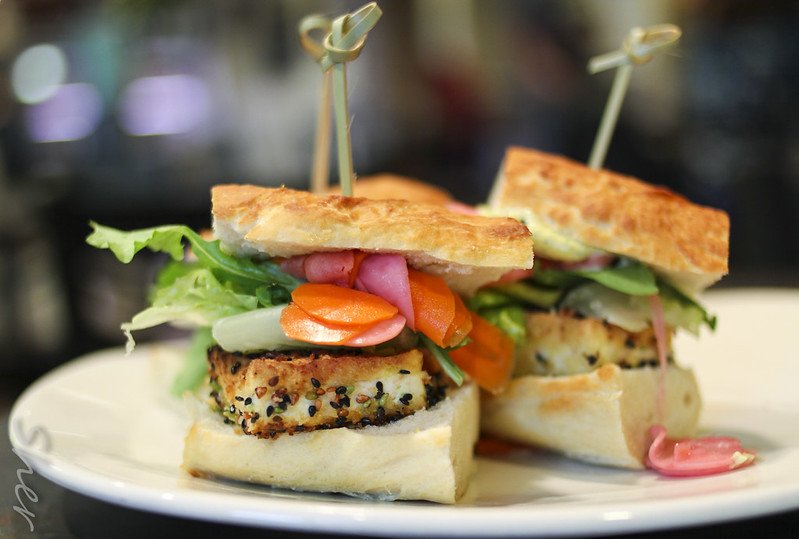
Sesame Tofu Sliders with Pickled Ginger, Radish, Carrot, and Ginger-Wasabi Aioli Drizzle
How to Buy Tofu
Look for Freshness: Check the expiration date and choose packages with minimal liquid cloudiness. Fresh, clear water in the package usually indicates good quality.
Choose organic or non-GMO if preferred: Many brands voluntarily use organic soybeans. If you’re worry about GMOs, simply choose organic—it eliminates that concern effortlessly.
Pick the right texture: Pick the firmness level that fits the recipe. Super-firm saves prep time. (see next section)
How to Store Tofu
Unopened Tofu
Water-packed tofu: refrigerate, lasts for several weeks.
Vacuum-sealed firm tofu: typically lasts longer.
Silken tofu (shelf-stable): can be kept in the pantry until opened.
After Opening
Store tofu submerged in fresh water and change the water daily.
Use within 3–5 days for best flavor and texture.
Freezing Tofu
Freezing tofu gives it a completely different texture—chewy, spongy, and fantastic in dishes where you want something sturdier. Freeze whole blocks or portions, thaw, press dry, and then tear or cube.
How to Select Good Tofu
When choosing tofu, a few simple guidelines can help:
For grilling or searing: choose extra-firm or firm
For soups or braises: choose soft or medium
For smoothies, puddings, or creamy sauces: choose silken
For convenience: shelf-stable silken tofu is excellent for pantry storage
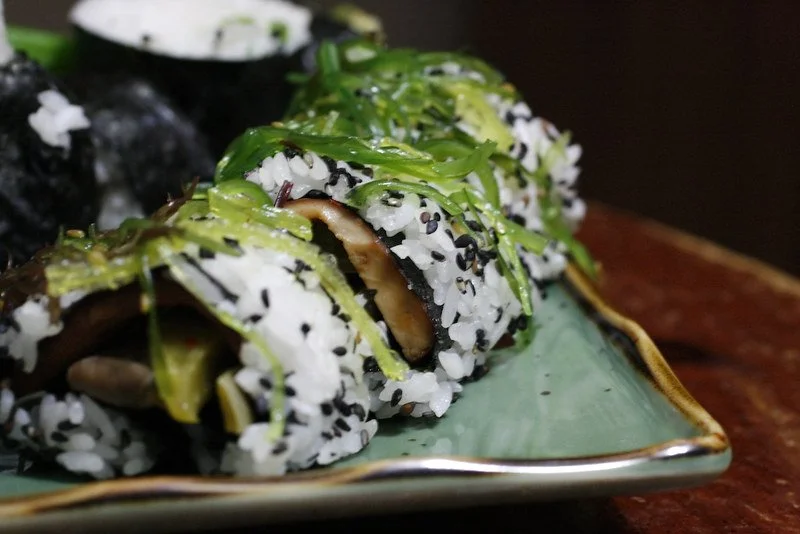
For bold flavors: smoked tofu or fermented tofu adds instant complexity to dishes like these Smoked Tofu Nori Rolls
Asian markets often carry the widest variety, including fresh tofu made daily, pressed tofu, tofu knots, and yuba sheets that can elevate your cooking.
Foundational Cooking Techniques for Excellent Tofu
Your cooking skills will make the difference here, because technique is everything. These are the primary methods that transform tofu from plain to exceptional.
1. Pan-Searing
Pat tofu very dry. Then heat oil until shimmering. Add tofu and leave it undisturbed until a golden crust forms. Flip carefully.
A simple soy–ginger glaze added at the end will cling beautifully to the browned edges.
2. Shallow Frying
A very thin layer of oil creates deep color and crisp edges without needing a full deep-fry. It’s especially good for firm tofu cubes tossed with spices.
3. Deep-Frying
Traditional in many Asian cuisines. Deep-fried tofu becomes airy and golden, perfect for soaking up curry, broth, or sauces.
4. Roasting
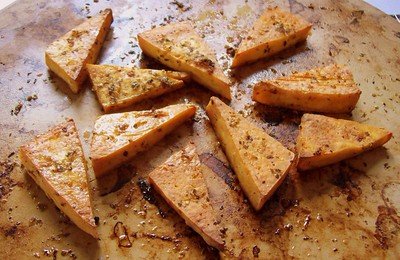
Roast cubes or slices at 400–425°F after tossing with oil and seasoning like Sharona’s Tofu a la Grecque shown. This method creates crisp edges and sturdy texture—great for grain bowls, sheet-pan dinners, and meal prep.
5. Grilling
Extra-firm tofu brushed with marinades or spice rubs does beautifully on the grill. Scoring the surface lightly helps it absorb more seasoning.
6. Braising
Soft or medium tofu shines in a braise with ginger, garlic, scallions, soy sauce, or chili paste. The tofu stays tender but flavorful.
7. Crumbling
For scrambles, taco fillings, and stews, crumbled tofu picks up seasoning quickly and behaves almost like a minced protein.
8. Blending
Silken tofu creates velvety sauces, dressings, puddings, dips, and even a surprisingly rich chocolate mousse.
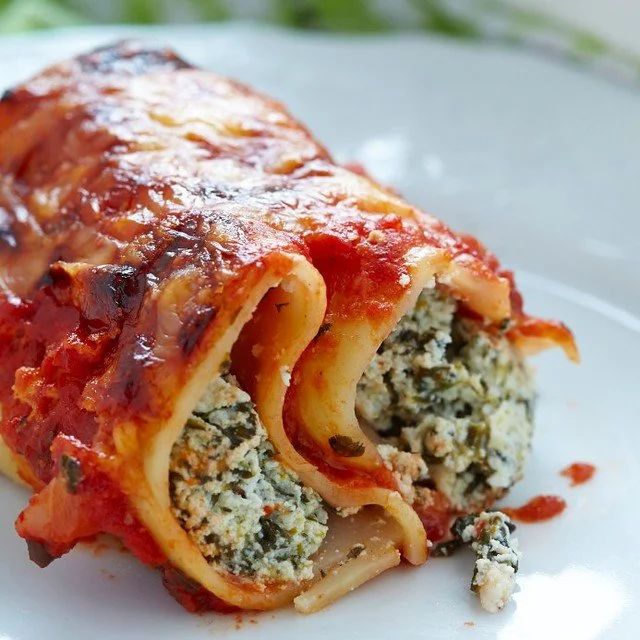
Tofu Manicotti with Spinach and Cheese
How to Cook Tofu So It Actually Tastes Good
Tofu’s neutral taste is one of its strengths—it’s a flavor chameleon. Because tofu doesn’t compete with strong flavors, it becomes a vehicle for aromatics, seasonings, and sauces. Here are four techniques every cook should master:
Press (When Needed) Water prevents browning. By pressing tofu—even for just 10–15 minutes—you remove surface moisture so the tofu can crisp in the pan instead of steaming. )Unless you’re using super-firm which doesn’t need it).
Marinate or Season Well Tofu doesn’t absorb flavors deeply the way meat does because it doesn’t have fibers or pores structured for that. It won’t absorb oil-based marinades deeply, but it does absorb flavor on the surface beautifully—especially salty, acidic, or umami-rich ingredients like tamari, miso, citrus, vinegar, garlic, gochujang, and curry paste.
Use High Heat Tofu transforms when it hits a hot skillet, sizzling griddle, or roaring oven. Golden edges, caramelized sugars in the sauce, a slight crust—all of this gives tofu personality.
Use Cornstarch for Crunch A light dusting of cornstarch turns tofu into crackly bites when sautéed or baked.
Once you learn these basics, tofu becomes just as intuitive as chicken or eggs—something you reach for automatically because it works with almost anything.
Simple Ways to Season Tofu
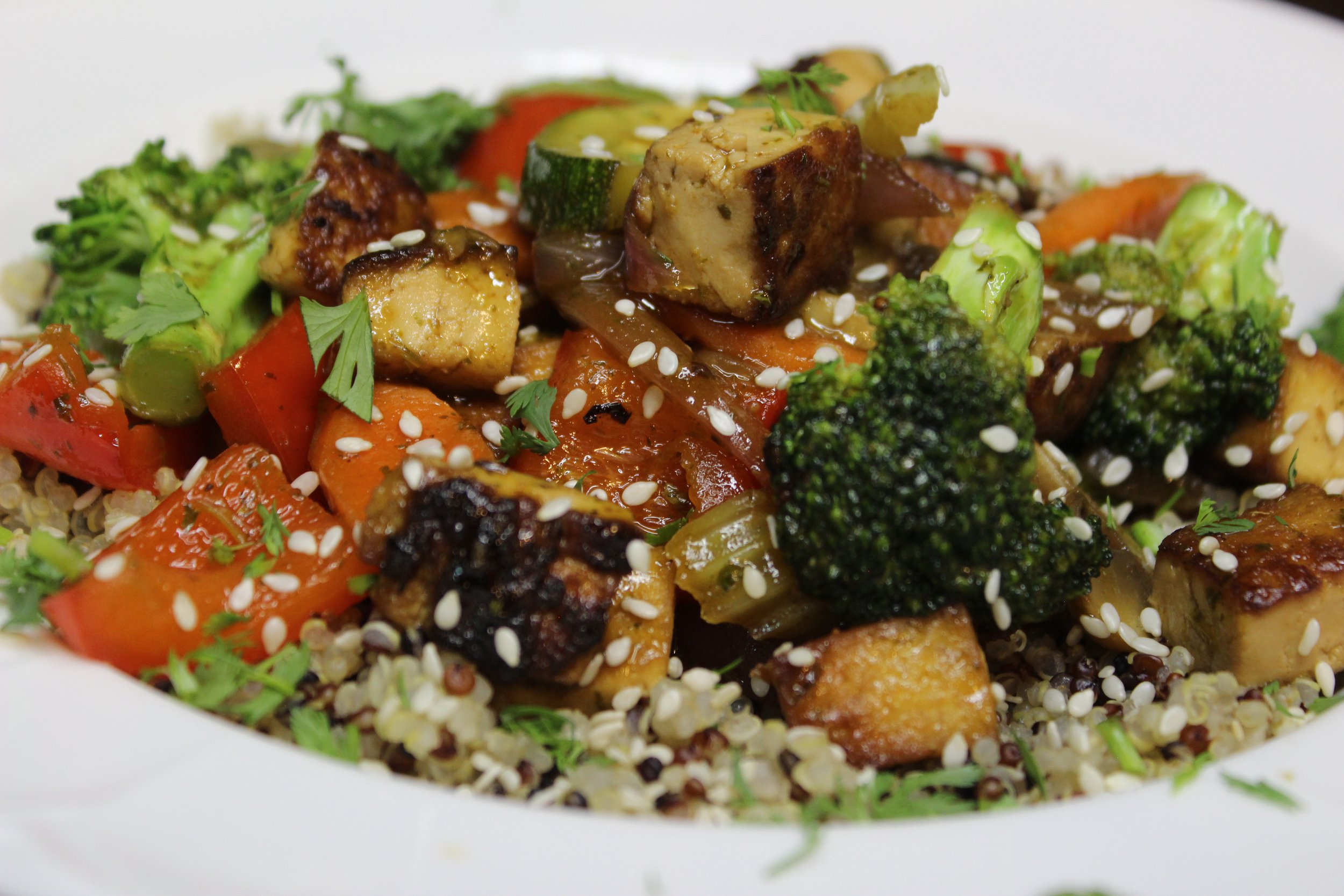
With tofu, you can build either bold or subtle flavors depending on your culinary direction. Try our Tofu & Vegetable Stir-fry with Cilantro Garlic Sauce.
Soy, ginger, and garlic
Citrus and fresh herbs
Caribbean jerk seasoning
Chili crisp with sesame oil
Mediterranean herbs and lemon zest
Smoked paprika, cumin, and oregano
Teriyaki-style glaze
Tofu Trivia
There are tofu festivals in cities like Los Angeles and Yokohama. Tofu festivals in China and Japan include competitions for the largest tofu blocks, sometimes weighing hundreds of pounds.
In some traditional tofu shops, production starts before dawn because the freshest tofu was historically sold early in the morning.
The word “tofu” comes from the Japanese tōfu, which itself comes from the Chinese doufu, meaning “curdled beans.”
Tofu skin, or yuba, forms naturally when hot soy milk sits undisturbed—a small miracle of food chemistry.
In Taiwan, stinky tofu vendors are as popular as pizza slices in New York.
Tofu can be smoked, fermented, whipped, crisped, or cultured.
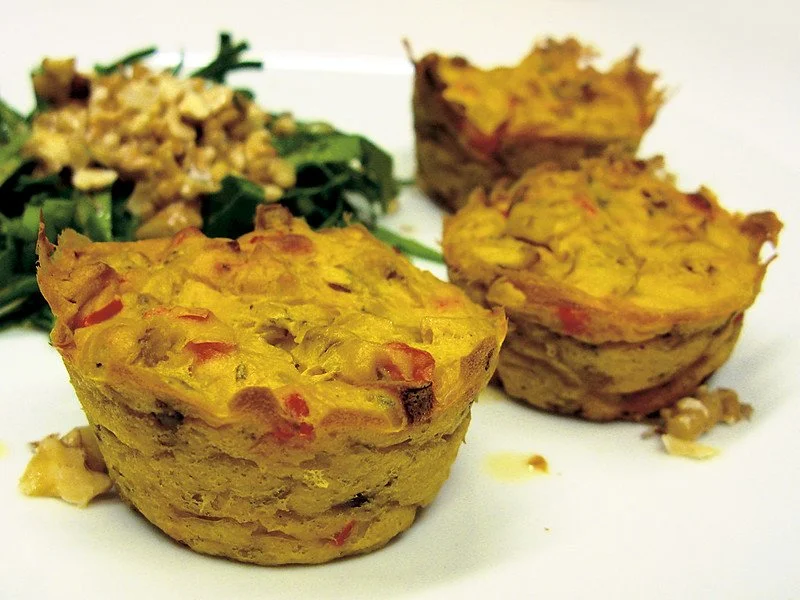
Mini Crustless Tofu Quiches
An Abundance of Health Benefits
While tofu is prized for its versatility in the kitchen, it also comes with several well-documented health benefits—thanks to its traditional preparation and the naturally nutrient-rich soybean it’s made from.
Supports Heart Health Research consistently links soy foods (including tofu) with modest reductions in LDL cholesterol. This isn’t due to any magic property—it’s simply because soy protein can naturally help shift cholesterol markers in a favorable direction when eaten regularly.
May Support Bone Strength Calcium-set tofu offers a valuable plant-based source of calcium, and research suggests that regular soy foods may play a supportive role in maintaining bone mineral density over time.
Gentle on Blood Sugar Tofu is naturally low in carbohydrates, rich in protein, and has a low glycemic impact, making it a stable, steady-energy ingredient that pairs well with many eating styles. Several cohort studies link tofu and soy intake with lower risk of type 2 diabetes, especially in women.
Practical Health Benefits Tofu contains calcium, iron, and magnesium (especially varieties prepared with calcium sulfate). These minerals support bone health, energy production, and nervous system function. In the context of a balanced diet, tofu is compatible with - and may actively support - chronic disease risk reduction.
Easy Tofu Recipes Anyone Can Make
If you’re ready to try tofu but don’t want complicated techniques or long ingredient lists, start here. These quick recipes highlight tofu’s versatility and make it simple to add to your weekly routine.
Crispy Sheet-Pan Tofu with Herb Gremolata Toss firm tofu cubes with olive oil, salt, pepper, garlic powder, and paprika. Roast until crisp. Finish with lemon zest, parsley, and a drizzle of good olive oil.
Silken Tofu with Soy-Scallion Drizzle Top cold silken tofu with soy sauce, sesame oil, scallions, and a pinch of chili. Spoon over toasted sesame seeds.
Maple-Tamari Glazed Tofu Cutlets Pan-sear tofu slices until golden, then add a glaze of tamari, maple syrup, ginger, and garlic. Reduce until sticky and glossy.
Tofu & Veggie Green Curry Simmer tofu cubes with green curry paste, coconut milk, vegetables, and herbs for a deeply aromatic weeknight dinner.
Tofu “Ricotta” Blend firm tofu with lemon juice, nutritional yeast (optional), olive oil, garlic, and herbs for a tender, spreadable filling for lasagna or stuffed shells.
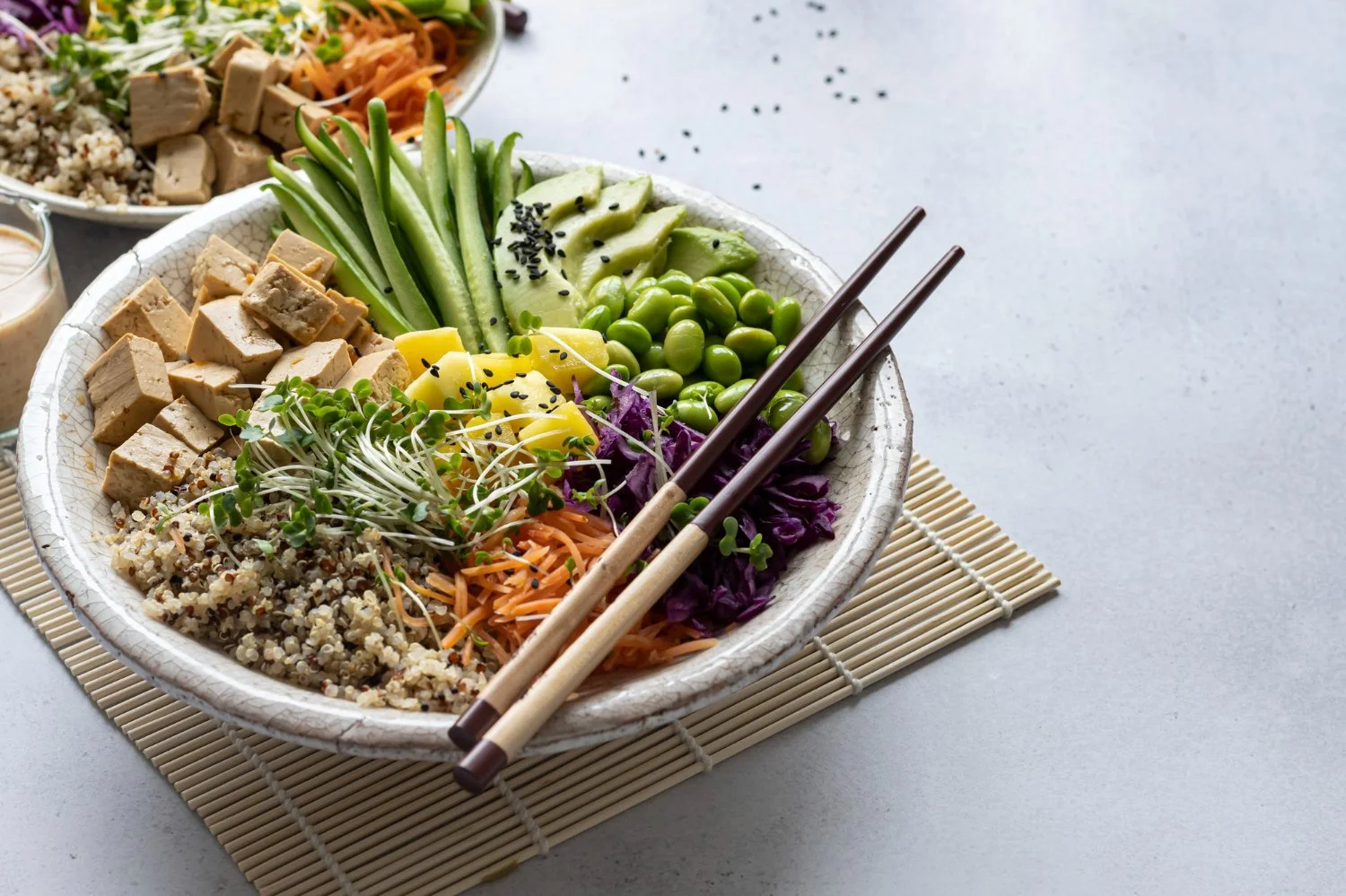
Vegan Poke Bowl with Marinated Tofu
Is Tofu Right for You?
Tofu isn’t a moral decision or a dietary declaration—it’s an ingredient. A delicious, flexible, nutrient-dense one that has been around for centuries and continues to inspire cooks around the world.
Tofu isn’t trying to be anything it’s not. It’s simply… tofu. It’s one of those ingredients that rewards curiosity. When you understand the different varieties, when to use each one, and the simple techniques that bring out its best qualities, it opens up an entire world of flavors and textures. It becomes less of a mystery and more of a staple—one you reach for not because you “should,” but because it offers something beautiful, adaptable, and delicious.
If you’ve been curious, skeptical, or unsure, think of tofu as an opportunity to expand your cooking repertoire and add an affordable, adaptable ingredient to your kitchen. Start simple. Build confidence. Explore the recipes that feel approachable first.
Let’s get cooking!
Now that you and tofu have been properly introduced, let’s head into the kitchen and start cooking. The recipes below are quick, flexible, and designed to show you just how delicious and approachable tofu can be—even if you’re brand-new to it.
Air Fryer Buffalo Style Tofu with Ranch Dip
Air Fryer Buffalo Style Tofu with Ranch Dip is everything you want in a quick, satisfying, flavor-forward recipe. Cubes of extra-firm tofu are pressed, seasoned, and tossed in a light coating that turns irresistibly crisp in the air fryer—golden on the edges and tender inside. Once hot, the tofu gets drenched in a buttery, tangy Buffalo sauce that clings to every surface, creating that classic “just-one-more-bite” heat without overwhelming the palate.
The cooling Yogurt Ranch Dip brings balance, freshness, and creaminess. Made with Greek (or vegan) yogurt, herbs, and a few pantry staples, it adds a bright contrast to the spicy tofu and makes this dish feel complete. Serve it as a protein-packed appetizer, a fun game-day snack, or tuck the Buffalo tofu into bowls, wraps, or salads for an easy weeknight meal.
It’s bold, addictive, and surprisingly simple—exactly the kind of recipe that turns tofu skeptics into fans.

Air Fryer Buffalo Style Tofu with Ranch Dip
Ingredients
- For the Tofu
- 1 (14-oz) block extra-firm tofu, pressed and cut into 1-inch cubes
- 1 tbsp olive oil
- 1 tbsp cornstarch (or arrowroot)
- ½ tsp garlic powder
- ½ tsp onion powder
- ½ tsp smoked paprika
- ½ tsp fine sea salt
- Fresh black pepper, to taste
- Buffalo Sauce
- 3 tbsp hot sauce (like Frank’s)
- 1 tbsp melted butter OR olive oil
- 1 tsp maple syrup (optional, for balance)
- Ranch Dip
- ½ cup plain Greek yogurt or nondairy yogurt
- 1 tbsp lemon juice
- 1 tsp chopped fresh dill (or ½ tsp dried)
- 1 tsp chopped fresh parsley (or ½ tsp dried)
- ¼ tsp garlic powder
- ¼ tsp onion powder
- Salt and pepper, to taste
- Splash of water to thin if needed
Instructions
- Pat tofu cubes dry. Add them to a bowl with the olive oil and toss gently.
- Combine in cornstarch, garlic powder, onion powder, smoked paprika, salt, and pepper in a small bowl. Sprinkle over tofu cubes and toss again until every cube is evenly coated.
- Arrange tofu in a single layer in the air fryer basket. Cook at 400°F for 12–15 minutes, shaking halfway through, until golden and crisp.
- Make the ranch dip by whisking together Greek yogurt, lemon juice, dill, parsley, garlic powder, onion powder, salt, and pepper. Add a splash of water for a thinner dipping consistency if needed. Set aside.
- Make the buffalo sauce in a small bowl by whisking together hot sauce, melted butter (or oil), and maple syrup.
- Transfer hot tofu to a bowl and immediately pour the warm Buffalo sauce over it. Toss gently to coat.
- Pile the buffalo tofu cubes on a plate and pour extra sauce over the top. Serve with the ranch on the side for dipping, or drizzle it over the top.
Crispy Tofu Tacos with Avocado Chipotle Lime Sauce
Crispy Tofu Tacos with Avocado Chipotle Lime Sauce take weeknight cooking to a new level—simple, bold, and packed with layers of texture. Extra-firm tofu gets pressed, seasoned, and crisped until the edges are golden and the inside stays tender. From there, everything comes together quickly: warm tortillas, crunchy cabbage or lettuce, bright tomatoes, and a generous sprinkle of shredded cheese that melts slightly against the warm tofu. The bright avocado chipotle lime sauce brings smoky heat, citrusy pop, and just enough sweetness to round it out. Fresh cilantro and a squeeze of lime finish the taco with freshness and lift. These tacos are adaptable, satisfying, and surprisingly crave-worthy—perfect for an easy dinner, meal prep protein, or a fun “taco night” twist that converts tofu-curious eaters into believers.

Crispy Tofu Tacos with Avocado Chipotle Lime Sauce
Ingredients
- For the Tofu
- 1 (14-oz) block extra-firm tofu, pressed and cut into small cubes or crumbles
- 1 tbsp olive oil
- 1 tbsp cornstarch (or arrowroot)
- 1 tsp chili powder
- 1 tsp smoked paprika
- ½ tsp cumin
- ½ tsp garlic powder
- ½ tsp onion powder
- ½ tsp salt
- Black pepper, to taste
- Avocado Chipotle Lime Sauce
- ½ avocado
- ⅓ cup plain Greek yogurt or vegan yogurt
- juice of 1 lime
- 1/2 tsp chipotle powder (or 1 tbsp adobo sauce from canned chipotles)
- 1 tsp maple syrup or honey (optional, for balance)
- For Serving
- 8 small corn or flour tortillas
- Shredded cabbage or lettuce
- Diced tomato
- Chopped cilantro
- Cotija, Queso Fresco, or vegan cheese
- Lime wedges
Instructions
- Pat tofu dry. Add it to a bowl with olive oil and toss.
- Combine cornstarch, chili powder, smoked paprika, cumin, garlic powder, onion powder, salt, and pepper in a small bowl. Sprinkle over tofu cubes/crumbles and toss again to coat.
- Air fry or bake at 400°F for 12–15 minutes until crisp (shaking halfway).
- Or sauté in a skillet over medium-high heat for 8–10 minutes, until browned on all sides.
- Make the avocado chipotle lime sauce by first mashing the avocado in a small bowl with a fork. Add the yogurt, lime juice, chipotle powder or adobo sauce, and maple syrup (if using).
- Heat the tortillas in the air fryer, or in a dry skillet, or wrap in a damp towel and warm briefly in the microwave.
- Fill each tortilla with tofu, cabbage/lettuce, tomato, avocado chipotle lime sauce, cilantro, cheese, and any extras you like. Finish with a squeeze of lime.
There you have it!
That’s your tofu crash course—now go make something delicious. Your skillet (or air fryer) is waiting.