
Sustainable and Eco-conscious Eating: What It Is, Why It’s Being Talked About, and How It Connects to Wellness
Conversations about food have changed noticeably over the past decade. What once focused primarily on calories, weight, or individual nutrients has expanded into broader questions:
Where does our food come from?
How is it produced?
What happens along the way — to land, water, people, and ecosystems?
Sustainable and eco-conscious eating has emerged from these questions. For some, it’s a core lifestyle philosophy. For others, it’s something they’ve heard about but may not fully understand — or may associate with extremes that don’t feel realistic.
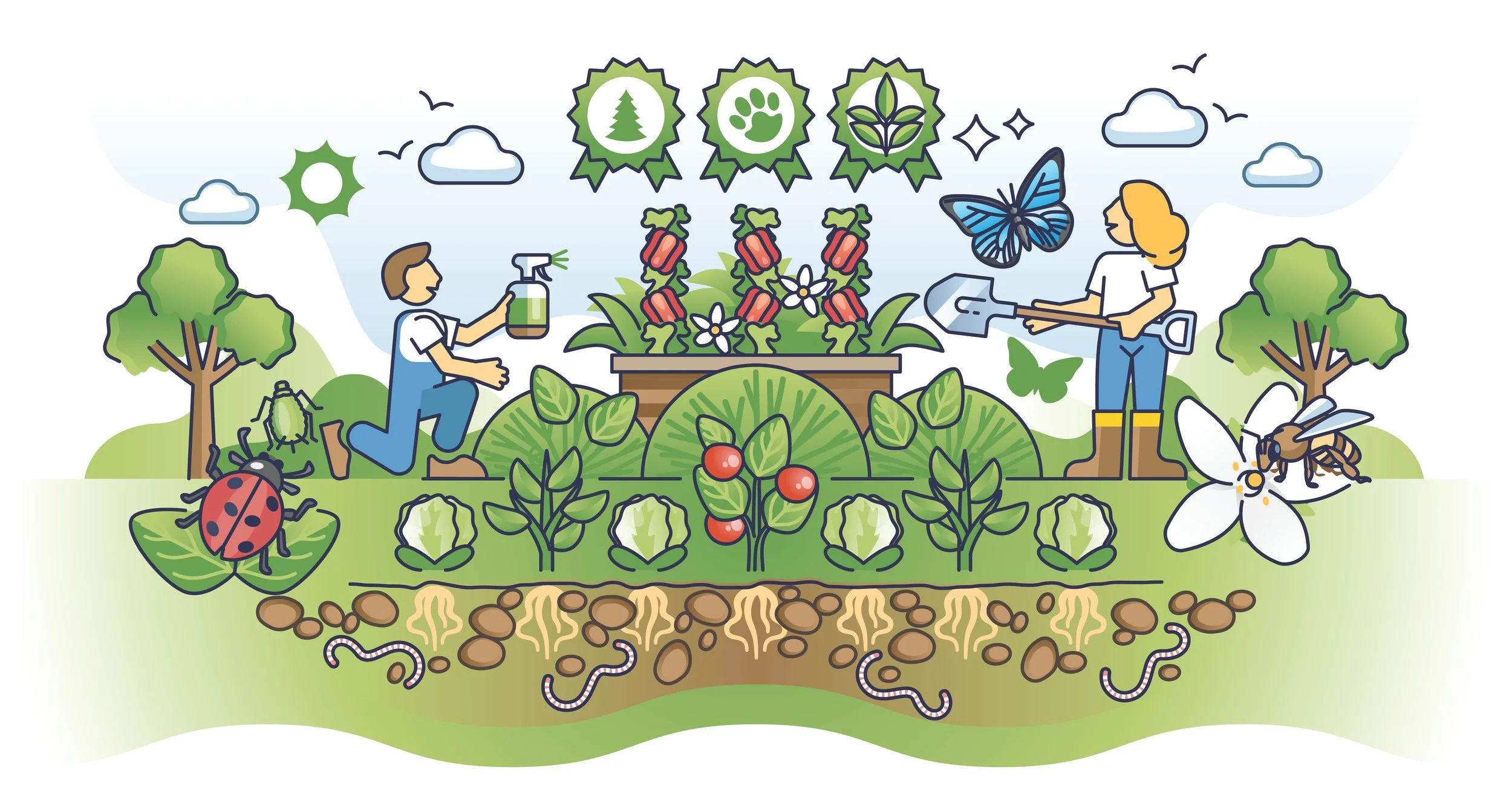
This article isn’t about convincing anyone to eat a certain way. Instead, it offers context, clarity, and practical awareness: what sustainable eating means, why it’s increasingly linked to wellness, and how everyday food choices — even small ones — fit into the bigger picture whether or not someone identifies as “eco-conscious”.
What Do We Mean by Sustainable or Eco-Conscious Eating?
At its core, sustainable eating is about choosing foods that nourish your body while minimizing harm to the planet and the people who grow, raise, and make that food. It looks beyond calories and macros to ask: How was this produced? Who was involved? What impact did it have on land, water, animals, and communities? Sustainable doesn’t mean expensive, elite, or “all-or-nothing”; it’s a flexible approach where every small shift counts.
Common elements often include:
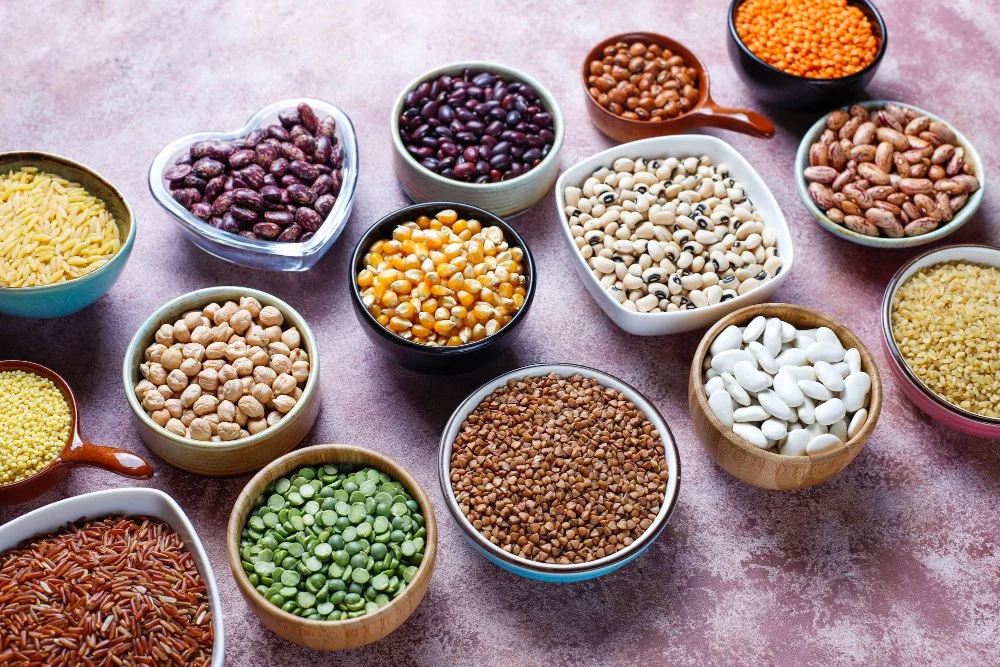
Emphasis on plant-forward meals (vegetables, fruits, grains, legumes, nuts, seeds)
Preference for whole or minimally processed foods
Awareness of seasonality and locality
Efforts to reduce food waste
Consideration of ethical and environmental factors in food production
Sustainable, eco-conscious eating doesn’t have to be complicated or perfect. Think of it as aligning what’s on your plate with the kind of world you want to live in - one small, delicious meal at a time.
Why Food Choices Are Being Linked to Environmental Impact
Every bite of food has a story that starts long before it reaches your kitchen. Research estimates that agricultural food systems contribute roughly 21–37% of global greenhouse gas emissions, depending on how production, processing, and transport are measured. It also uses huge amounts of land and water and can drive deforestation and biodiversity loss when it’s done in an extractive way.
Different foods require very different levels of resources:
Animal-based foods, particularly beef and lamb, generally require more land and produce higher emissions per calorie than most plant foods.
Plant foods like legumes, grains, and vegetables tend to have a lower environmental footprint when grown using standard agricultural methods.
Large population-based studies have shown that diets higher in plant foods and lower in meat tend to place less strain on land use, water use, and biodiversity. For example, a study following over 55,000 people found that individuals consuming mostly plant-based diets had significantly lower environmental impact compared with high-meat eaters. Choosing more resource-efficient foods and wasting less of what we buy can lower the overall footprint of our diets without sacrificing enjoyment.
Embracing a Plant-Forward Plate
You don’t have to be fully vegan to eat in an eco-conscious way. A plant-forward pattern—built around beans, lentils, whole grains, nuts, seeds, fruits, and vegetables—tends to demand fewer resources than a diet centered on red meat and ultra-processed foods. Think simple swaps: lentil tacos instead of beef, chickpea “tuna” salad, or tofu stir-fries loaded with veggies, even if just a few times per week.
This doesn’t mean that everyone needs to stop eating animal products. Rather, it helps explain why plant-forward eating has become part of sustainability discussions - not as a mandate, but as a meaningful lever for change.
This idea was brought into mainstream awareness years ago by Michael Pollan in The Omnivore’s Dilemma, where he explores how modern food systems evolved and why the choices available to us are shaped by industrial agriculture, economics, and policy. One of the book’s central themes — “Eat food. Not too much. Mostly plants.” — reflects the middle-ground approach that many people find approachable today.
“Less But Better” Animal Products
If you enjoy animal foods, sustainable eating can be about quality and quantity instead of blanket restriction. Consider smaller portions of meat and dairy, choose poultry, eggs, or bivalves (like mussels) more often than beef, and treat animal protein as a side rather than the star of the plate. When possible, look for producers that prioritize animal welfare, better grazing practices, and transparency, and try using the whole ingredient—like making broth from bones—to honor what you buy.
Where Wellness Fits into the Conversation
Physical health considerations
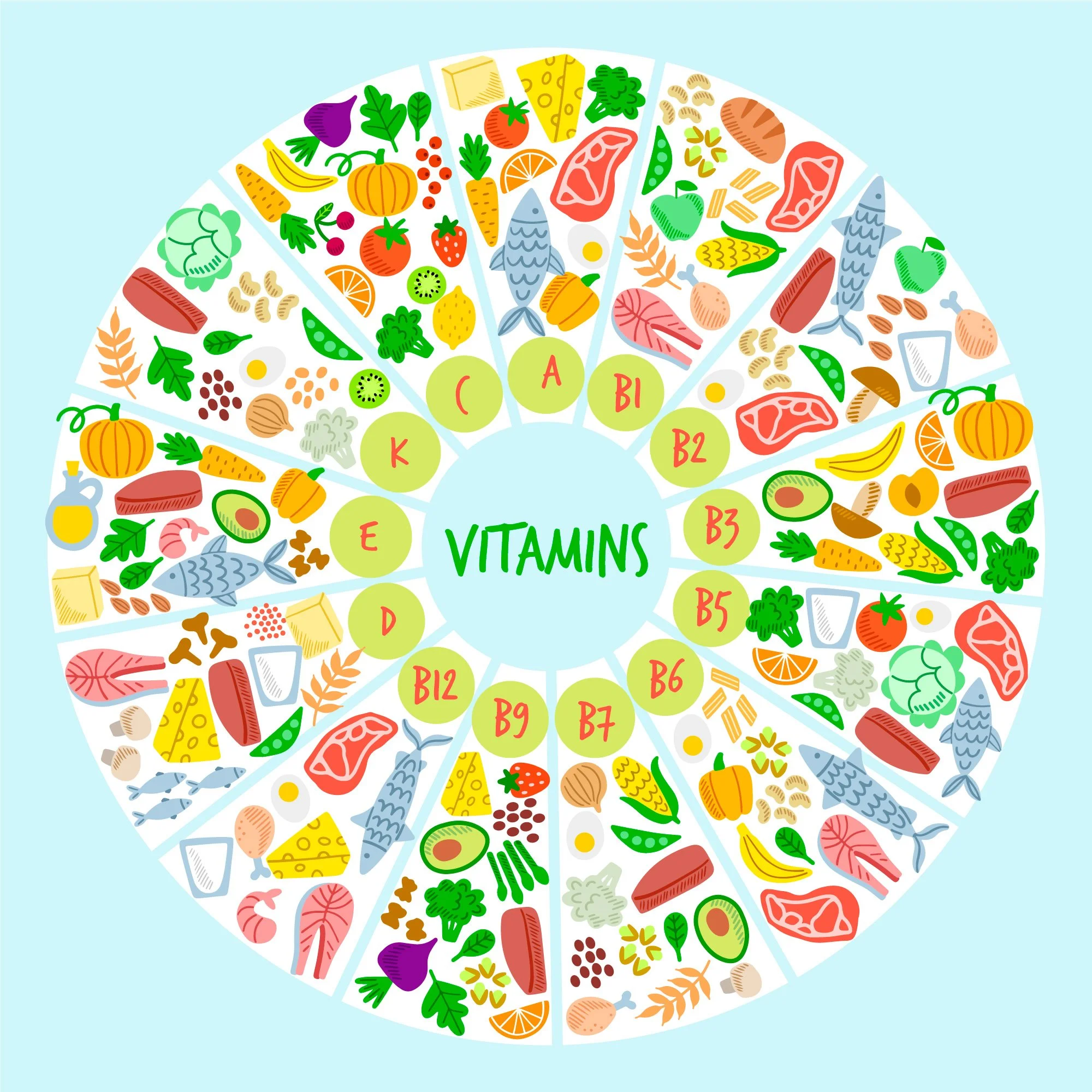
From a nutritional standpoint, plant-forward diets often include higher intakes of fiber, vitamins, minerals, and phytonutrients. Research consistently links dietary patterns rich in vegetables, fruits, whole grains, and legumes with lower risk of several chronic diseases, including cardiovascular disease and type 2 diabetes.
That said, sustainability and nutrition don’t automatically align. A diet can be plant-based and still highly processed. Studies suggest that whole, minimally processed plant foods offer greater health benefits — and often lower environmental impact — than ultra-processed alternatives.
In other words, quality and food choices matter more than labels.
Mental and emotional dimensions
For some people, learning about food systems brings up questions about values, responsibility, or alignment. Making food choices that feel consistent with personal values can reduce internal tension and foster a sense of coherence — especially for those already interested in wellness or mindful living.

Others simply appreciate the practical side: seasonal foods often taste better, food waste reduction saves money, and cooking with whole ingredients can feel more satisfying.
Eco-conscious eating doesn’t need to be emotionally charged. For many, it becomes relevant simply because it intersects with everyday concerns like budget, energy, and enjoyment of food.
Plant-Forward Does Not Mean “Just Eating Salads”
One of the biggest misconceptions about plant-forward eating is that it means endless salads or deprivation. In reality, the phrase plant-forward is intentionally flexible. It doesn’t require eliminating animal foods or adopting a strict identity. Instead, it refers to building meals around plants more often.
Beginner-Friendly Plant-Forward Meal Ideas
These meals feel familiar, satisfying, and flexible:
Bean-based chili with vegetables and spices. Try Pumpkin Chili.
Grain bowls with quinoa or oats, seasonal fruit or savory toppings. Indulge in a Kefir Breakfast Bowl.
Lentil, barley, or split pea soup with carrots, onions, and herbs. Enjoy Turkey Mushroom Barley Soup.
Vegetable stir-fry with tofu or edamame over rice. Whip up Tofu & Vegetable Stir-fry with Cilantro Garlic Sauce.
Hearty Quinoa Salad with vegetables, olive oil, lemon, and chickpeas. Enjoy Mango Quinoa Tabbouleh.
Black bean burritos with eggs and sweet potatoes. Wake up with Sweet Potato & Black Bean Breakfast Burritos.
Quiche with eggs, veggies, and cheese. Bake a tasty Caramelized Tomato, Kale, & Goat Cheese Quiche.
In many cases, plant-forward simply means changing proportions — more vegetables and legumes, less meat — rather than eliminating anything entirely.
Research shows that even modest shifts — such as reducing meat consumption a few days per week — can lower environmental impact and align with nutritional recommendations.
Seasonal, Local, and Thoughtful Sourcing
Eating seasonally means choosing foods that are naturally harvested during a given time of year. These foods are often:
Fresher
More flavorful
Less reliant on long-distance transport or energy-intensive storage
Seasonal eating isn’t about restriction — it’s about working with what’s available, rather than expecting everything all the time.
Seasonal Foods Across Major U.S. Regions
Here’s a simplified overview of common seasonal produce by region compiled by the Farmers’ Almanac. (Exact timing varies by year and location.)
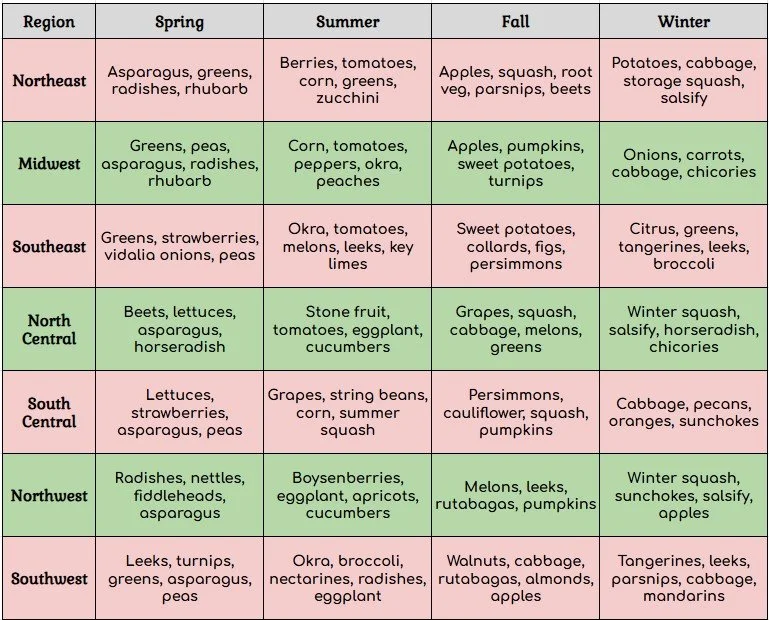
Seasonal eating isn’t about limitation — it’s about working with what’s abundant.
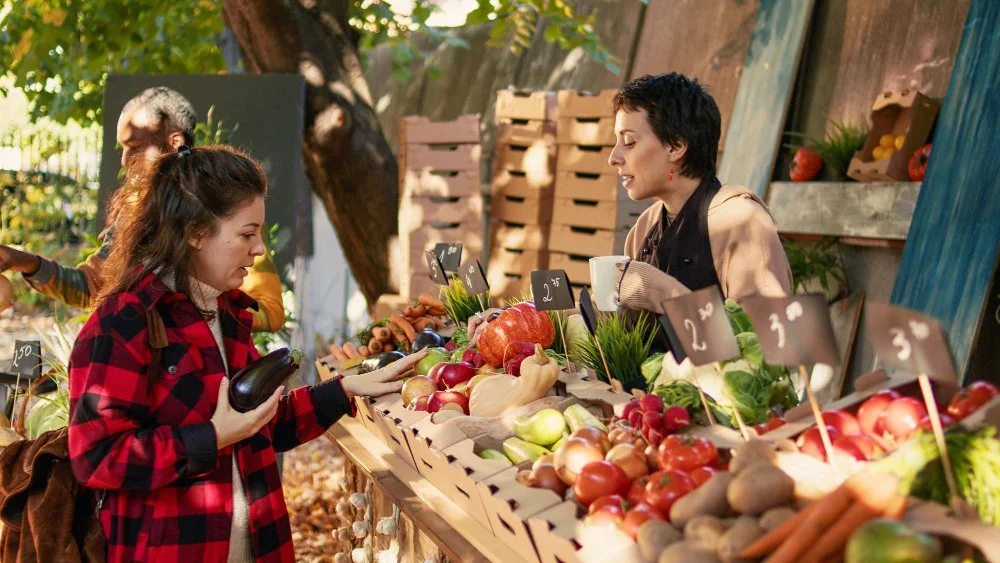
“Eat local” is common advice, and there’s truth in it—but with nuance. Buying seasonal produce from local farms can support your community, reduce some transport-related emissions, and often means fresher, more flavorful food.
Farmers Markets and CSAs
Farmers markets are one way people connect more directly with local food. Another option that’s less familiar to some is a CSA — Community Supported Agriculture.
A CSA typically works like this:
You purchase a “share” from a local farm at the start of the season.
Each week, you receive a box of whatever produce is being harvested.
The contents vary based on season and weather.
CSAs can be a practical way to eat seasonally, try new vegetables, and support regional farms. They also encourage flexibility — cooking based on what’s available rather than what’s expected.
While not everyone has access to farmers’ markets or local farms year-round, seasonal awareness can still influence choices at the grocery store.
How to Think About Sustainability Labels (Big Picture)
No single label guarantees a food is “good for the planet.” Sustainability involves farming practices, labor, animal welfare, packaging, transportation, and scale. Labels usually address one piece of that puzzle, not the whole picture.
Think of labels as clues, not verdicts—useful when combined with context, budget, and access.
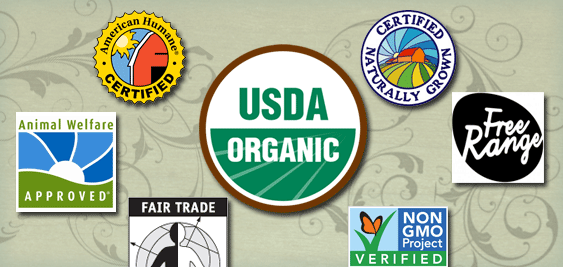
Labels like organic are often the first people notice. Organic foods are grown without synthetic pesticides or fertilizers and without genetically modified seeds, which can be better for soil health and surrounding ecosystems. That said, organic doesn’t automatically mean local, low-carbon, or waste-free—it’s one piece of a much larger picture.
You may also see claims related to animal welfare, such as pasture-raised, grass-fed, or humanely raised. These labels generally point to farming practices that allow animals more natural living conditions, which can support healthier soil and ecosystems. They can be useful signals, but it’s worth knowing that the standards behind them vary, and some are more tightly regulated than others.
Sustainability labels sometimes focus on environmental impact at a systems level. Certifications like Fair Trade or Rainforest Alliance look not only at environmental practices but also at labor conditions and community well-being. These labels can be especially relevant for foods like coffee, chocolate, tea, and bananas—items that are often grown far from where they’re consumed.
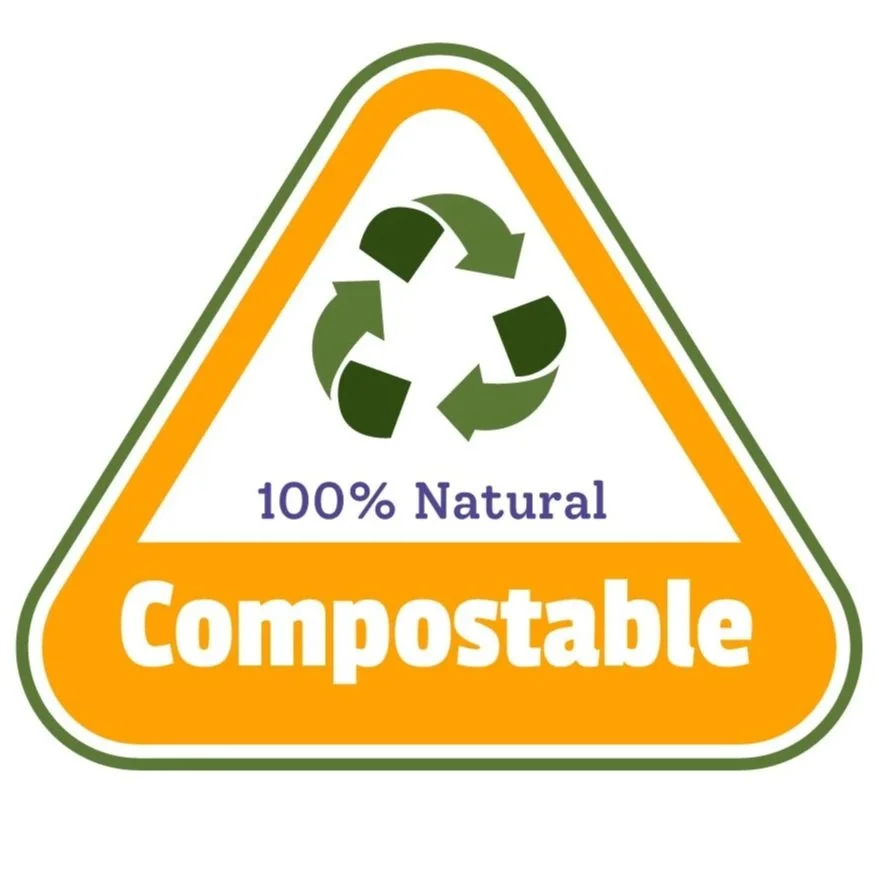
Packaging can offer clues as well. Words like recyclable, compostable, or made from recycled materials speak more to waste reduction than to how the food itself was produced. Even here, context matters—what’s recyclable in one community may not be in another—so these labels work best as gentle nudges rather than strict rules.
Then there are labels that sound reassuring but don’t actually mean much when it comes to sustainability. Phrases like natural, eco-friendly, or green are often marketing terms with no standardized definition. They can signal intention, but they don’t guarantee meaningful environmental practices.
One helpful way to think about labels is as tools, not tests. They’re there to support better choices when you have options—not to create pressure or guilt. Buying local produce without a certification, choosing frozen vegetables when fresh aren’t accessible, or supporting a nearby farmer whose practices you trust can be just as sustainable as choosing a certified product.
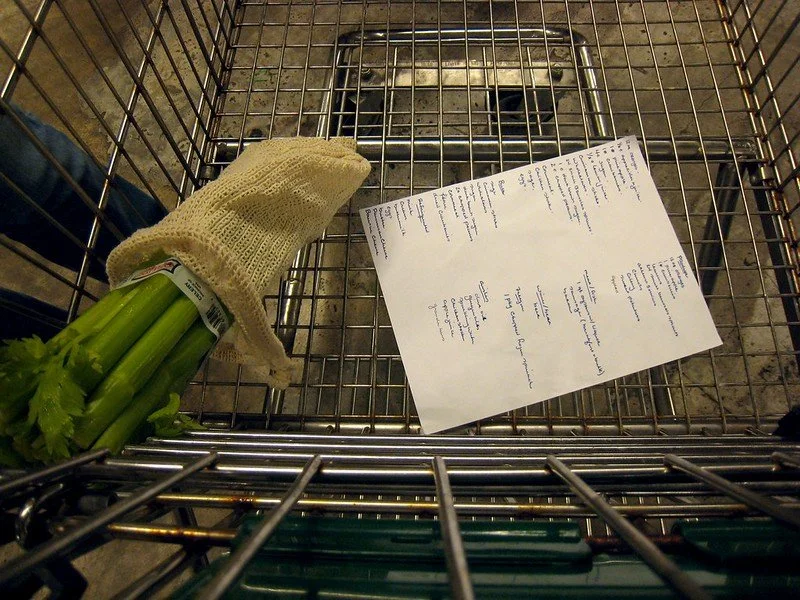
Rethinking packaging and plastics
Food packaging is another piece of the eco-conscious puzzle. While packaging can prevent spoilage and contamination, single-use plastics and heavily packaged items add up quickly in landfills and oceans. You don’t need a zero-waste lifestyle to make a difference: bring reusable bags, bottles, and coffee cups when you can, choose minimally packaged whole foods, buy in bulk when it makes sense for your household, and repurpose jars for storage instead of buying new containers.
Food Waste: An Overlooked Piece of the Puzzle
One of the most powerful sustainable eating moves happens not at the store, but in your kitchen. When food ends up in the trash, all the resources used to grow, transport, and store it are wasted too. Globally, an estimated 17% of food available to consumers is wasted, according to the United Nations. This represents not only wasted food, but wasted water, energy, labor, and land.
Much of this happens at home, often unintentionally, due to:
Overbuying
Poor storage
Forgotten leftovers
Confusion around “best by” dates
Simple habits—like planning a loose weekly menu, shopping with a list, storing foods properly, creating an “eat me first” section in your fridge, and embracing “scrappy cooking” (broths, frittatas, stir-fries, smoothies) for tired produce—can dramatically cut waste and save money at the same time.
Reducing food waste is one of the most accessible ways people can engage with sustainability — often without changing what they eat at all.
Understanding “Best By” Dates
A common source of waste is confusion around food date labels.
Best By / Best If Used By: Is about peak quality. It tells you when the manufacturer thinks the flavor, texture, and overall eating experience will be at its best. Food can often be eaten after this date if it looks, smells, and tastes normal, though it may be a bit stale, softer, drier, or less flavorful (common for items like cereal, crackers, canned goods, or pasta).
Sell By: For store inventory management, not consumers. It tells the retailer how long they should display the product for sale so you still have time to use it at home. After the sell-by date, the food is usually still safe for a period if it’s been stored correctly (for example, milk often keeps several days past the sell-by in a cold fridge); you just want to use your senses and basic food safety practices.
Use By: Is the date the manufacturer recommends for using the product while it’s still at its best. For many foods, especially refrigerated items, quality drops faster after this date, but that doesn’t automatically mean they become unsafe the next day. The big exception commonly mentioned in guidance: infant formula, which should not be used past its labeled date; in that case, the date functions more like a true expiration.
Many foods — especially dry goods, canned items, dairy, and eggs — last well beyond printed dates if stored properly. Using sight, smell, and common sense often prevents unnecessary waste.

Most dates on packages are not strict safety deadlines but quality guidelines; there’s no fully standardized system, and wording can vary by country and product. True safety still comes down to correct storage plus your senses: if something smells off, looks strange, has mold (beyond hard cheeses where trimming is advised in some guidelines), or has bulging/damaged packaging, it should be discarded regardless of the date.
Pairing date labels with “look, smell, taste a tiny bit” and good fridge/freezer habits is a powerful way to cut food waste while staying safe.
Repurposing Leftovers: Less Waste, More Ease
Repurposing leftovers is one of the most practical—and overlooked—ways to eat more sustainably without adding extra work. Instead of thinking in terms of single, finished meals, it can help to think in building blocks: cooked grains, roasted vegetables, sauces, and proteins that can take on different roles throughout the week. This approach not only reduces food waste, but also saves time, energy, and decision fatigue.
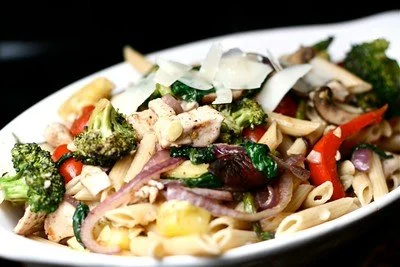
Roasted vegetables can be tucked into wraps, folded into omelets or quiche, blended into soups, or tossed with pasta and a splash of olive oil.
A pot of cooked grains might become a warm breakfast bowl with fruit and nuts, a lunchtime salad base, and a simple side for dinner. Even something like lentil Bolognese can stretch beyond pasta night—spoon it over polenta, use it as a baked potato topping, or layer it into a vegetable lasagna.
Leftovers don’t have to feel repetitive if you change the format or flavor direction. A drizzle of sauce, a new herb, or a different spice blend can completely transform yesterday’s meal. Keeping a few flexible staples on hand—like broth, eggs, greens, or canned tomatoes—makes it easier to rework what’s already cooked rather than starting from scratch.
This mindset also encourages better portioning and storage.

Cooling foods promptly, storing them in clear containers, and labeling them if needed makes it easier to actually remember what’s available. When leftovers are visible and appealing, they’re far more likely to be eaten instead of forgotten.
At its core, repurposing leftovers isn’t about being frugal or rigid—it’s about working with your food rather than against it. It creates a rhythm in the kitchen that’s more forgiving, more creative, and more sustainable, both for the planet and for real life.
Practical awareness shifts:
Planning meals loosely before shopping
Freezing excess food
Composting when possible
These practices tend to save money and simplify meals, making them appealing even without environmental motivation.
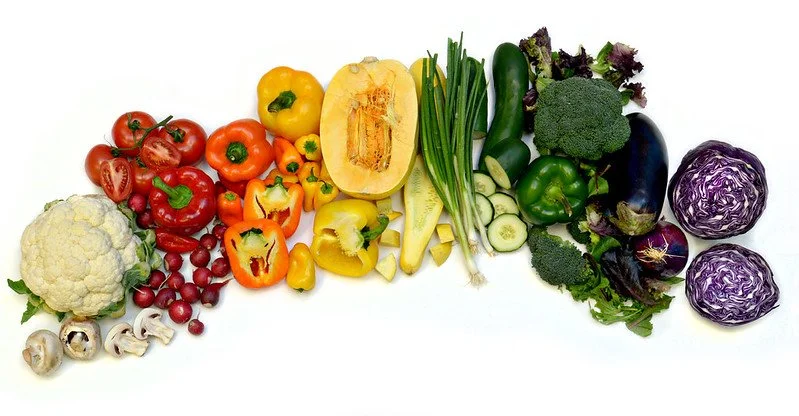
Eat the Rainbow.
Good for the Planet, Good for You
One of the best parts of eco-conscious eating is how often what’s good for the planet is also good for your body. Foods with a lighter environmental footprint—like beans, lentils, whole grains, fruits, vegetables, nuts, and seeds—are also packed with fiber, vitamins, minerals, and phytonutrients. That fiber feeds your gut microbiome, supporting digestion, immune function, and even mood, so a plate that’s kind to the planet is often kind to your body, too.
A simple way to get started is to “eat the rainbow”, including a variety of colorful plants each week. Different fruits, vegetables, and grains bring unique fibers and polyphenols, which feed your gut microbes and support a resilient digestive system. Choosing seasonal produce, herbs, and spices can also encourage thoughtful farming practices and soil health.
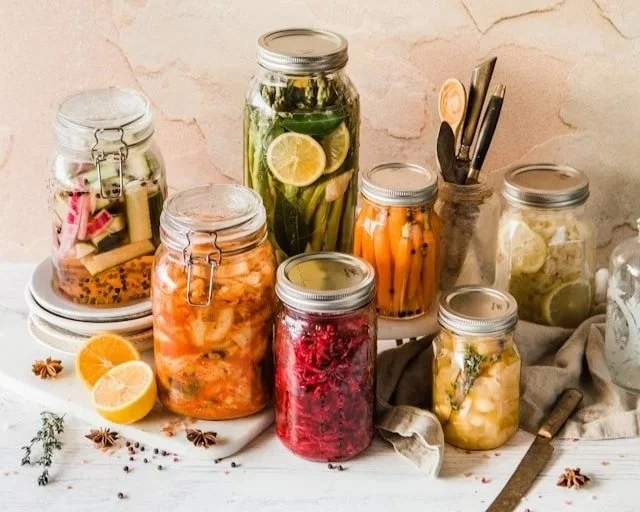
Fermented foods are another way your eating can benefit both you and the planet. Foods like yogurt, kefir, kimchi, sauerkraut, miso, and tempeh were originally created to preserve harvests and reduce waste—but they also provide beneficial microbes and bioactive compounds.
Quick ferments, like homemade pickles or using leftover vegetables for small-batch ferments, can turn potential food waste into something nourishing and delicious.
Shifting away from heavily processed, resource-intensive foods—like fast food, sugary drinks, and ultra-packaged snacks—creates a win-win. These foods often require a lot of energy, packaging, and long supply chains while offering little nutrition or satiety. Replacing them with whole, minimally processed foods can help stabilize energy, improve digestion, and make it easier to keep cooking and planning ahead. Caring for the planet and caring for your body can reinforce each other, creating a positive cycle that supports both your health and the world around you.

Mindful Eating and Cooking: Where Awareness Begins
Sustainability conversations often overlap with mindfulness. Paying attention to how food is prepared, eaten, and enjoyed naturally leads to greater awareness of quality, quantity, and waste.
Mindful eating can include:
Eating without distractions
Noticing flavors and textures
Cooking more often from basic ingredients
Slowing the pace of meals
This isn’t about meditation or strict rules — it’s about observation. Many people find that greater awareness leads to different choices over time, without pressure or force.
One simple practice is the first-three-bites pause:
Before eating, take one breath and notice the food.
For the first three bites:
Chew slowly
Notice flavor, texture, and temperature
Put utensils down between bites
After three bites, continue eating normally.
This brief pause often increases satisfaction and awareness — without changing what or how much is eaten.
Where Coaching and Education Fit In
For people exploring nutrition, wellness, or lifestyle changes, coaching and education can offer context without judgment. Rather than prescribing a “right” way of eating, as a culinary health and wellness coach I can help you:

Understand how food choices connect to energy, health, and values
Learn practical cooking and planning skills
Explore sustainable options that fit their lifestyle, budget, and preferences
Make gradual, realistic changes
Sustainable eating works best when it’s personal, flexible, and informed.
Starting Small, Thinking Big
You don’t need a perfect plan—what matters is finding a starting point that feels doable. One simple visual is to build your plate with roughly half vegetables and fruits, a quarter whole grains, and a quarter protein, leaning more often toward plant proteins.
Another approachable way to begin is with a “3-by-3” challenge for a month: three plant-based meals per week, three food-waste habits (like planning, proper storage, and creative leftovers), and three packaging swaps (reusable bags, a water bottle, and one bulk-buy staple). From there, you can adjust, experiment, and discover a version of sustainable, eco-conscious eating that fits your life—and maybe even inspires the people around you.
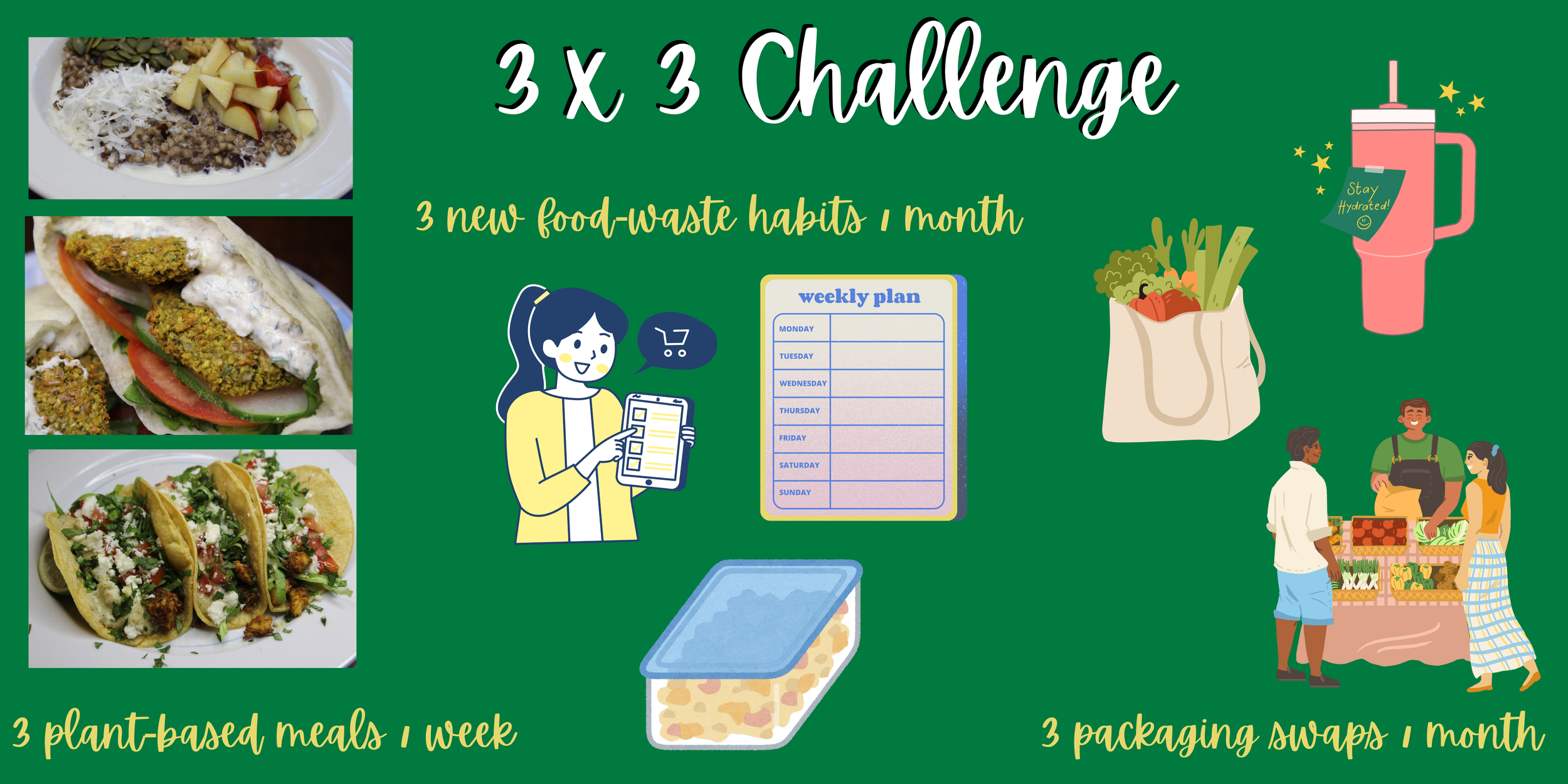
Sustainable and eco-conscious eating isn’t about perfection, purity, or pressure. At its core, it’s about understanding the broader context of our food choices—how they affect our bodies, our communities, and the systems that produce them. For some, this awareness leads to major dietary shifts; for others, it simply changes how they shop, cook, or think about food. Both are valid.
By approaching sustainability with curiosity rather than judgment, you open the door to more informed, thoughtful choices—ones that support both personal wellness and the long-term health of the planet—all at a pace that feels realistic and sustainable.
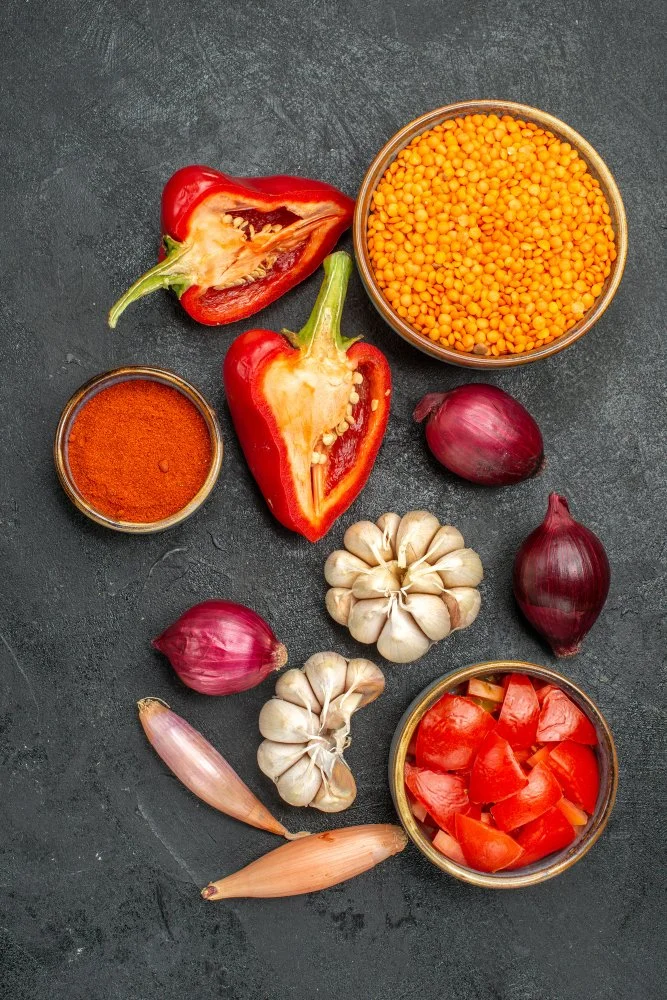
Let’s get cooking!
Cooking at home—using seasonal ingredients, leaning plant-forward, and making thoughtful use of what you already have—is one of the most tangible ways to support both personal wellness and planetary health.
Red Lentil Bolognese
Red Lentil Bolognese is a hearty, plant-forward take on a classic comfort dish. Red lentils simmer down into a naturally thick, velvety sauce that clings beautifully to penne pasta, creating a rich texture without the need for meat. Finely chopped mushrooms add depth and savory umami, while sweet peppers bring subtle sweetness and color that balance the acidity of the tomatoes.
The sauce begins with a traditional sofrito of onion, carrot, and celery, slowly sautéed to build flavor. Tomato paste is cooked briefly to deepen its richness, then deglazed with red wine or broth to capture every bit of flavor from the pan. As the red lentils cook, they absorb the aromatic herbs and tomatoes, breaking down slightly to create a cohesive, satisfying ragu rather than a chunky stew.
Finished with fresh parsley and a sprinkle of Parmesan cheese, this Bolognese feels comforting and familiar while still being lighter and more sustainable than a meat-based version. It’s ideal for weeknight dinners, meal prep, or feeding a crowd, and pairs especially well with penne, which holds the sauce in its ridges and hollow centers.
Simple, nourishing, and deeply satisfying, this dish proves that plant-forward cooking can be just as comforting as the classics.

Red Lentil Bolognese
Ingredients
- 2 tbsp olive oil
- 1 cup onion, finely diced
- ½ cup carrot, finely diced
- ½ cup celery, finely diced
- 8 oz cremini or button mushrooms, finely chopped
- 3–4 cloves garlic, minced
- 2 tsp italian seasoning (or 1 tsp dried oregano and 1 tsp dried basil)
- 1 bay leaf
- ½ tsp smoked paprika
- 1 tbsp tomato paste
- ½ cup dry red wine (optional; or use vegetable broth)
- 1–2 red or yellow sweet peppers, diced
- 1 cup red lentils, rinsed
- 1 (28-oz) can crushed tomatoes
- 3 cups vegetable broth (adjust as needed)
- Salt and freshly ground black pepper, to taste
- 1 lb penne pasta
- Optional garnish: grated Parmesan or Pecorino, fresh basil or parsley
Instructions
- Heat olive oil in a large saucepan or Dutch oven over medium heat.
- Add onion, carrot, and celery; sauté 6–8 minutes until softened.
- Add chopped mushrooms; cook 5 minutes until softened.
- Stir in garlic, italian seasoning, bay leaf, smoked paprika, and tomato paste; cook 3-4 minutes until fragrant and starting to brown in the pan.
- Pour in red wine (if using) and simmer 2–3 minutes, scraping up any browned bits.
- Stir in sweet peppers, red lentils, crushed tomatoes, vegetable broth, salt, and pepper.
- Bring to a gentle boil, then reduce heat to a simmer.
- Simmer 15–20 minutes, stirring occasionally, until lentils are tender and the sauce has thickened. Add more broth if needed.
- Meanwhile, cook penne in well-salted water according to package directions.
- Reserve ½ cup pasta water before draining.
- Remove bay leaf from sauce.
- Toss cooked penne with Bolognese sauce, adding a splash of pasta water if needed to coat evenly.
- Serve hot, garnished with grated cheese and fresh herbs if desired.
Notes
- Extra greens: Feel free to add fresh spinach, kale, or Swiss chard at the end for a pop of color and extra nutrients.
- Creamy finish: Stir in a small splash of plant milk or cream if desired.
- Make-ahead: Sauce can be prepared ahead; add spinach just before serving.
Roasted Winter Squash and Caramelized Onion Quiche
Designed with winter ingredients in mind, Roasted Winter Squash and Caramelized Onion Quiche brings together comfort, balance, and thoughtful flavor. The rice-based crust creates a crisp yet tender foundation, subtly seasoned with rosemary, garlic powder, and black pepper to complement the filling without competing with it. It’s a simple alternative to traditional pastry that still feels substantial and intentional.
Inside, roasted squash lends a soft, velvety texture and gentle sweetness, while slow-cooked onions add savory depth. Goat cheese melts into the custard, providing brightness and creaminess, while sage, nutmeg, and smoked paprika give the quiche warmth and complexity. The result is a well-structured, flavorful dish that feels nourishing without being heavy.
This quiche is versatile enough for everyday meals yet polished enough to serve to guests. It’s a practical example of how seasonal, plant-forward cooking can be both satisfying and refined, using familiar ingredients in a way that feels elevated but still accessible.

Roasted Winter Squash and Caramelized Onion Quiche
Ingredients
- For the Rice Crust
- 1 ½ cups cooked white or brown rice
- ½ cup shredded Parmesan (or nutritional yeast for vegan option)
- 1 egg, lightly beaten (or flax egg for vegan option: 1 tbsp ground flax + 3 tbsp water)
- 1 tsp olive oil
- ½ tsp dried rosemary, crushed
- ¼ tsp garlic powder
- ¼ tsp freshly cracked black pepper
- Salt and pepper, to taste
- For the Filling
- 2 cups cubed winter squash (acorn, butternut, or hubbard)
- 1 tbsp olive oil
- Salt and pepper
- 1 ½ cups onion, thinly sliced
- 1 tsp olive oil (for caramelizing onions)
- 4 large eggs
- 1 cup milk or cream (dairy or plant-based)
- 2 oz goat cheese, crumbled
- ½ tsp dried sage
- ½ tsp smoked paprika
- Pinch of nutmeg
Instructions
- Preheat oven to 375°F (190°C).
- Combine cooked rice, Parmesan, egg, olive oil, rosemary, garlic powder, salt, and pepper in a bowl.
- Press the mixture evenly into a greased 9-inch deep dish tart pan (or pie dish), forming a firm, even layer along the bottom and sides. Wetting your fingers with water helps to press without sticking.
- Bake crust 10–12 minutes until lightly golden. Remove from oven and set aside.
- Toss cubed squash with 1 tbsp olive oil, salt, and pepper.
- Spread on a baking sheet and roast 20–25 minutes until tender and lightly caramelized. Remove and cool slightly.
- Meanwhile, heat 1 tsp olive oil in a skillet over medium-low heat.
- Add sliced onions and cook 15–20 minutes, stirring occasionally, until soft and golden brown. Remove from heat.
- In a bowl, whisk together eggs, milk/cream, sage, smoked paprika, nutmeg, salt, and pepper.
- Layer roasted squash and caramelized onions evenly over the rice crust.
- Pour egg mixture over the vegetables.
- Sprinkle crumbled goat cheese on top.
- Bake at 375°F (190°C) for 30–35 minutes, until the egg is set and the top is lightly golden.
- Let quiche cool 10–15 minutes before slicing.
Notes
Tips for Success
- Rice crust: Press firmly to avoid crumbling; slightly sticky rice works best.
- Vegetable prep: Roasting squash ahead of time improves flavor and shortens final bake time.
- Make-ahead: Quiche can be assembled the night before and baked the next day.
- Serve: warm or at room temperature.
There you have it!
Sustainability isn’t about doing it all—it’s about doing what you can. One thoughtful meal, one small shift, one mindful choice at a time.