
What Your Blood Sugar May Be Telling You
There is a very specific kind of tired that many women over 40 recognize. It’s not just physical tiredness, although that is part of it. It’s the feeling of being a little less steady than you used to be. You may get through the morning fine and then suddenly feel foggy, irritable, shaky, or desperate for something to eat. You may notice that coffee helps for a short while, but then the crash comes back. You may feel like your body is asking questions you do not quite know how to answer.
That is often where blood sugar comes in.
Blood sugar matters because it is one of the body’s main sources of usable energy. When it is steady, the body tends to feel more even. When it swings up and down too much, the whole system can start to feel a little less predictable. That can affect energy, mood, appetite, sleep, and even how clearly you think. In midlife, those swings can become more noticeable because the body is already dealing with hormonal changes, stress, and often a different pace of recovery than it had in younger years.

This is not a post about fear or control. It is about understanding your body well enough to support it in a practical, sustainable way. When you know why something is happening, it becomes much easier to respond with confidence instead of frustration.
What Blood Sugar Balance Means
Blood sugar is the glucose circulating in your bloodstream. Glucose is simply a form of fuel. Your body breaks down the food you eat into glucose, then uses it to power everything from brain function to movement to basic cell repair. You do not need to think about it consciously for the system to work, but your body is using it constantly.
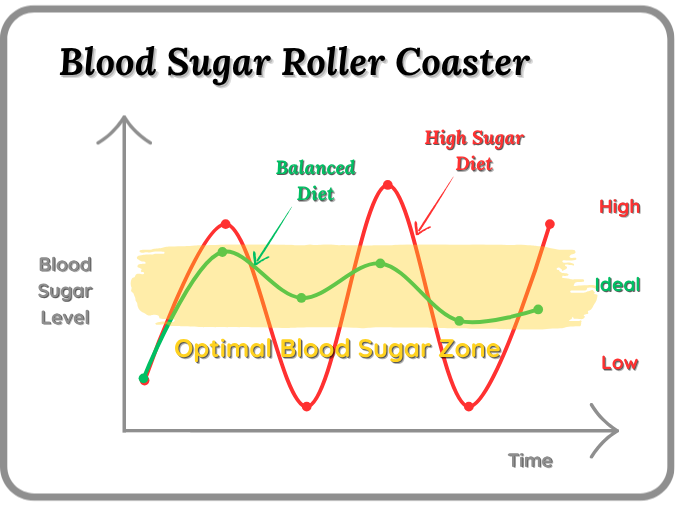
Blood sugar balance means that this fuel stays in a range that helps you function well without too many spikes or crashes. After you eat, blood sugar naturally rises because food is being converted into energy. Then insulin, a hormone made by the pancreas, helps move that glucose into the cells so it can be used. That is a normal and healthy process. The issue comes when the rise is too sharp or the drop is too fast.
When blood sugar spikes too quickly, the body often responds by releasing more insulin. If that happens repeatedly, some people start feeling a quick burst of energy followed by a drop that leaves them tired, hungry, or cranky again. That does not mean something is broken. It means the body is working hard to regulate a pattern that may be more volatile than ideal.
Think of balance less like a perfect line and more like a smoother road. You still go up and down a little, because that is normal. But the ride is less jerky, and your body can stay more comfortable along the way. That steadiness matters because it supports energy, appetite, mood, and the ability to get through the day without constantly reacting to a lack of fuel.
Signs Your Blood Sugar May Be Out of Balance
Blood sugar imbalance often shows up in ways that are easy to minimize, especially if you are used to pushing through.
One of the most common signs is the afternoon crash. This happens because the body has burned through the fuel from earlier meals and may not have had enough steady support to carry energy forward. If your breakfast or lunch was mostly quick-digesting carbohydrate without enough protein, fat, or fiber, you may feel fine at first and then suddenly hit a wall a few hours later.
Cravings between meals are another clue. When blood sugar drops, the brain notices that energy is running low. In response, it sends stronger signals for food, especially quick sources of energy like sugar or refined carbs. That is part biology and part survival. Your body is not being dramatic; it is trying to correct the drop as fast as possible. The trouble is that if the next thing you eat is only a temporary fix, the cycle can repeat again soon after.
Irritability, shakiness, and that vague sense of feeling “off” are also common. Blood sugar affects the nervous system. When it dips, stress hormones like adrenaline may rise to help bring it back up. That can create jitteriness, tension, or emotional reactivity. If you have ever felt oddly sensitive or snappish and then realized you were overdue for food, you have probably felt this pattern in action.
Brain fog is another important sign. The brain uses glucose as a major energy source, so when fuel is unstable, focus and mental clarity can suffer. That can look like forgetfulness, trouble concentrating, or feeling mentally slow. It is easy to blame age or exhaustion, and those may absolutely be part of the picture, but unstable blood sugar can make it worse.
Sleep disruption can also be connected. Some women wake in the middle of the night hungry or unsettled because blood sugar dipped too far while they were sleeping. Others wake up feeling unrested because their body has been working harder overnight than it should. Since sleep and blood sugar affect each other, a poor night can set up a more difficult next day, and a difficult day can make sleep harder that night.
Why Women Over 40 Are More Likely to Notice Changes
This is the season when a lot of women start saying, “I do not feel like I used to.” That is often because several things are changing at once.
Hormonal shifts are one reason. In perimenopause and menopause, estrogen and progesterone levels fluctuate and eventually decline. These hormones affect more than reproduction. They also influence how the body handles stress, hunger, sleep, and insulin sensitivity. When those hormones shift, blood sugar regulation can feel less stable. That may show up as stronger cravings, more fatigue, or greater sensitivity to missed meals.
Stress is another major factor. Many women in midlife are carrying a lot mentally and emotionally. Stress hormones like cortisol are designed to help the body respond to short-term challenges, but when stress is constant, cortisol can stay elevated longer than is helpful. Elevated cortisol can influence blood sugar by encouraging the release of glucose into the bloodstream. That can be useful in an emergency, but over time it can make the body feel more wired, hungry, or depleted.
Sleep changes matter too. Sleep is one of the body’s main repair systems. When sleep is short or broken, hunger-regulating hormones can shift. Ghrelin, which increases appetite, may rise. Leptin, which helps signal fullness, may fall. That can make you feel hungrier, less satisfied, and more likely to reach for quick energy the next day. Poor sleep also affects insulin sensitivity, which means the body may not handle glucose as smoothly as it otherwise would.
Muscle changes are another piece of the puzzle. Muscle is one of the biggest places the body stores and uses glucose. As muscle mass naturally declines with age, the body may have less buffering capacity for sugar fluctuations unless movement and strength work help maintain it. That is one reason muscle support becomes so important in midlife. It helps the body use fuel more effectively and gives blood sugar more stability to work with.

Common Causes of Blood Sugar Spikes
A lot of women assume blood sugar swings happen because they ate something “bad,” but that is usually not the real issue. More often, the problem is the pattern around the food.
One common cause is going too long without eating. When meals are delayed, the body has less steady fuel coming in, so hunger builds. By the time you finally eat, your body may push you toward faster, more urgent eating. That can lead to bigger portions, less mindful choices, and a greater chance of feeling shaky or unsatisfied afterward. Long gaps do not just create hunger; they can intensify the body’s whole response to food.
Another cause is meals that are too light on protein, fat, and fiber. Carbohydrates digest faster than protein or fat, so if a meal is mostly toast, cereal, pastry, or crackers without much else, blood sugar may rise quickly and fall more quickly too. Protein slows digestion. Fat helps with satiety. Fiber slows the absorption of glucose and helps the meal last longer in the body. Together, they create a smoother rise instead of a sharp spike.
Sugary drinks can also create rapid swings because liquid sugar is absorbed quickly and does not provide much staying power. The body gets a quick hit of glucose, but because there is little to slow it down, the drop often follows soon after. That is why a sweet drink can leave you tired or craving more not long after finishing it.
Stress and lack of sleep can make all of this more noticeable. A body that is under strain often becomes more reactive. It may crave quick food more intensely, feel less satisfied after eating, or feel like it is always trying to catch up. That is why food alone does not tell the whole story. Blood sugar is shaped by how you live, not just by what you eat.
How Blood Sugar Affects How You Feel
Energy is probably the easiest place to notice blood sugar, but it is far from the only one. When blood sugar swings, your energy can feel unreliable. You may feel fine right after eating, then suddenly heavy or sleepy not long after. Or you may feel like you need constant snacks to stay functional. That happens because the brain and muscles are not getting a smooth, steady supply of fuel.
Mood is closely tied to blood sugar too. When glucose drops, the body often releases stress hormones to compensate. That can make you feel anxious, impatient, edgy, or emotionally raw. People often think they are just being moody, but sometimes the body is simply under-fueled. Once blood sugar steadies, the emotional intensity often softens too.
Appetite and cravings are another clear sign. If meals do not hold you, the body will keep asking for more. Cravings are often strongest when the body wants fast energy, because sugar is the quickest way to bring glucose back up. That does not mean the craving is a moral issue. It means your body is doing exactly what it was designed to do: signal a need.
Weight and body composition can also be influenced by unstable blood sugar. When eating patterns swing between under-eating and over-correcting, the body may store more energy, feel hungrier more often, or become less predictable around appetite. This is one reason so many women feel frustrated when the way they eat does not seem to “work” the same way it used to. It is not just about willpower. It is about regulation.
Mental clarity is another major one. The brain needs fuel to stay focused, but it also functions better when that fuel is not arriving in sharp waves. A steadier blood sugar pattern often supports clearer thinking, better concentration, and less of that fuzzy, scattered feeling that makes everything seem harder than it should.

Habits That Support Better Balance
The most helpful habits are often the ones that feel almost too simple, because simple is what can be repeated.
Eating more regularly helps the body avoid extremes. When meals are spaced so far apart that you are constantly running on empty, your body has to work harder to catch up. Regular meals provide a steadier supply of fuel, which keeps you from getting too hungry and eating reactively.
Pairing carbohydrates with protein, fat, and fiber is one of the most practical ways to smooth out blood sugar. Carbohydrates are not the problem; they are a normal and useful source of energy. The issue is eating them in a way that makes them digest too quickly. Protein and fat slow down digestion, while fiber slows glucose absorption. That means the meal gives you energy over a longer period instead of all at once.
Movement helps because muscles use glucose. A short walk after a meal can help the body move glucose into the cells more efficiently. Strength training supports even more of this over time by maintaining or building muscle tissue, which gives the body a better place to store and use glucose. This is one reason movement is about more than fitness. It is part of metabolic support.
Sleep and stress support are also essential because the body cannot regulate well when it is constantly under pressure. Cortisol, hunger hormones, inflammation, and blood sugar all interact. Better rest, more breathing room, and more recovery time give the whole system a chance to settle.
And then there is the emotional side: consistency matters more than perfection because the body responds to patterns, not one moment. One unbalanced meal is not the issue. A pattern of under-fueling, rushing, and recovering later is what usually causes trouble. Small, steady shifts are what create lasting change.
When to Pay Closer Attention
It is worth paying closer attention if you notice that the same issues keep showing up. Afternoon crashes that happen almost every day. Strong cravings that feel hard to ignore. Waking up hungry or shaky. Feeling irritable or foggy regularly rather than occasionally. Those patterns are your body asking to be understood more carefully.
If you have a family history of diabetes or prediabetes, it makes sense to take those signs seriously and keep an eye on your habits and symptoms. That does not mean living in fear. It means being informed enough to act early rather than waiting for things to become more difficult.
Perimenopause is also a time when it can be useful to track patterns a little more closely. If you have the sense that something changed and you cannot quite name it, your eating rhythm, stress level, sleep quality, and movement habits are all worth looking at together.
And if symptoms are frequent or concerning, getting professional support is important. You do not need to sort everything out by guesswork. Sometimes a healthcare provider can help connect the dots in ways that make the whole picture much clearer.
A Real-Life Example
Imagine a woman in her forties or fifties who is moving through a very ordinary day. She skips breakfast because she is not hungry yet or because she is trying to get out the door. By late morning, she is focused but starting to feel a little flat. Lunch is quick and not especially filling. By afternoon, she feels grumpy, tired, and desperate for something sweet. She tells herself she just needs willpower. But what she really needed was a more stable fuel pattern earlier in the day.
Now imagine that same woman starts having a breakfast with protein and fiber, eats lunch that actually holds her, and takes a few minutes to walk after eating. Her day may still be full. It may still include stress. But her energy may feel less jagged. Her cravings may be calmer. Her mood may feel more even.
That is what blood sugar balance often looks like in practice. Not a perfect life. Just a body that feels more supported in the life you already have.

A Few Practical Food Examples
Part two will go deeper into food, but this is where the explanation starts to become useful in real life.
A breakfast of coffee and toast may give you quick fuel, but it often does not give enough staying power because it is mostly fast-digesting carbohydrate. If you add eggs, yogurt, nut butter, or another source of protein and fat, the meal usually lasts longer in the body. That is because digestion slows down, glucose enters the bloodstream more gradually, and hunger stays quieter for longer.
A lunch that is mostly salad greens without enough protein may look healthy but leave you hungry an hour later. Add chicken, salmon, beans, tofu, eggs, avocado, or nuts, and the meal becomes much more complete. That combination gives the body a fuller range of nutrients and reduces the quick dip that often follows a too-light meal.
Dinner can be simple and steady: salmon, roasted vegetables, and quinoa; lentil soup with bread and a salad; chicken stir-fry with rice and vegetables. These meals work not because they are complicated, but because they combine slower-burning fuel with enough protein and fiber to help the body feel more settled afterward.
Here is one example that makes the why easy to see:
Simple Salmon Bowl
Cook salmon with olive oil, salt, and lemon. Serve it over brown rice or quinoa and add roasted broccoli, greens, or whatever vegetables you have. The salmon provides protein and healthy fat. The grain gives you carbohydrate for energy. The vegetables add fiber, which helps slow digestion and support steadier blood sugar. That combination is what makes the meal feel grounding.
Another example:
Breakfast That Holds You
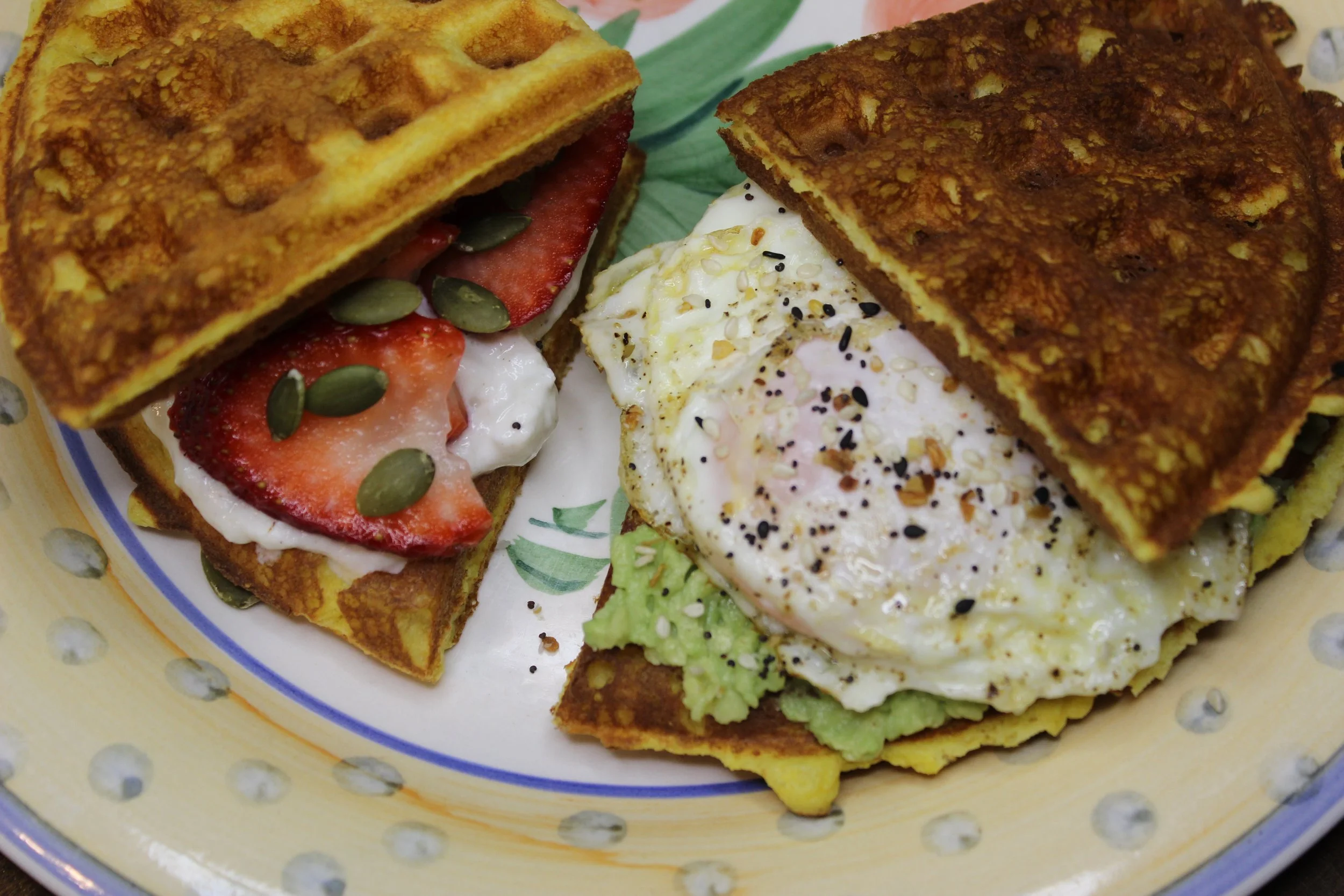
Scramble eggs with spinach, add avocado, and serve with berries and a small piece of toast if you want it. The eggs supply protein, the avocado adds fat, the berries provide fiber and natural sweetness, and the toast gives you some carbohydrate without letting it dominate the meal. The result is usually more stable than a carb-only breakfast.
These are not fancy wellness meals. They are practical examples of what balance can look like.
Closing Thoughts
Blood sugar balance matters because your body is asking for steadier support, especially in midlife when so many things are changing at once. When the body is not getting enough fuel at the right rhythm, it will let you know through energy dips, cravings, mood changes, fogginess, and that general feeling of being off.
The good news is that these patterns are not a sign that you are broken or doing everything wrong. They are information. And once you understand the reason behind the signals, you can start making changes that feel more supportive and less confusing.
In part two, we’ll talk about the foods that support blood sugar balance in a much more practical way, so you can take this understanding and bring it straight into everyday meals.
Let’s get cooking!

Now that we have the bigger picture, let’s bring it down to something real and doable. You do not need to change everything at once or turn your kitchen into a project; you just need to begin somewhere simple. One calm meal, one small shift, one easier choice can be enough to start.
Make Your Own Buddha Bowl
If you’ve ever wondered how to turn simple ingredients into a healthy, satisfying lunch, Make Your Own Buddha Bowl is a great place to start. A Buddha bowl is a one-bowl meal typically made with vegetables, grains, protein, healthy fats, and a flavorful dressing layered together for a colorful and nourishing meal.
This recipe acts as a guide rather than a strict formula, making it easy to customize based on the season, your preferences, or what you already have in the refrigerator. Roasted sweet potatoes, quinoa, greens, salmon, chickpeas, avocado, crunchy seeds, and fresh vegetables all work beautifully together. The beauty of a Buddha bowl is that there are no strict rules — you can use seasonal produce, leftovers, or whatever ingredients you already have on hand.
Finished with a creamy tahini lemon honey dill dressing, these bowls are hearty, fresh, and meal-prep friendly.

Make Your Own Buddha Bowl
Ingredients
- Choose Your Base (Pick 1–2)
- 2 cups mixed greens, spinach, kale, or arugula
- 2 cups cooked quinoa, brown rice or wild rice blend
- 2 cups roasted sweet potatoes
- 1 can chickpeas or black beans, drained and rinsed
- Choose Your Vegetables (Pick 3–5)
- Roasted broccoli, cauliflower, or Brussels sprouts
- Cucumbers, cherry tomatoes, or bell peppers
- Shredded carrots, red cabbage, or zucchini
- Sliced mushrooms, radishes, or onions
- Choose Your Protein (Pick 1)Aim for about 4–6 ounces per serving.
- Grilled chicken, salmon, or tuna
- Hard-boiled eggs or edamame
- Tofu or tempeh
- Choose Your Healthy Fat (Pick 1–2)
- Avocado or olives
- Pumpkin, sunflower, or hemp seeds
- Almonds, walnuts, or pecans
- Flavor Boosters (Optional)
- Fresh herbs or everything bagel seasoning
- Pickled onions, sauerkraut, or kimchi
- Feta cheese
- Lemon wedges
- ¼ cup tahini
- ¼ cup fresh lemon juice (from 1 large lemon)
- 1–2 tsp honey
- 1 tbsp olive oil
- 1/8 tsp garlic powder
- 2 tbsp fresh dill, chopped
- 2–4 tbsp warm water
- Pinch of sea salt
- Fresh cracked black pepper
Instructions
- Prepare your grain, protein, and roasted vegetables if using cooked ingredients.
- Divide greens or grains among four bowls.
- Arrange vegetables, protein, and healthy fats on top.
- Drizzle with dressing and add optional toppings.
- Serve immediately or refrigerate components separately for meal prep throughout the week.
- Add tahini, lemon juice, honey, olive oil, garlic, dill, salt, and pepper to a bowl or jar.
- Whisk until combined.
- Slowly add warm water until the dressing becomes smooth and pourable.
- Taste and adjust lemon, honey, or salt as needed.
Notes
Easy Bowl Combinations
- Mediterranean Bowl: Quinoa + chicken + cucumbers + tomatoes + olives + feta + lemon herb dressing
- Roasted Veggie Bowl: Brown rice + salmon + broccoli + sweet potatoes + pumpkin seeds + tahini dressing
- Asian-Inspired Bowl: Cabbage + edamame + carrots + brown rice + tofu + sesame ginger dressing
- Plant-Based Protein Bowl: Greens + lentils + roasted cauliflower + avocado + hemp seeds + lemon tahini dressing
Savory Asparagus Cottage Cheese Breakfast Muffins
Savory Asparagus Cottage Cheese Breakfast Muffins are a flour-free twist on traditional savory muffins, packed with wholesome ingredients and bold flavor. Cottage cheese, eggs, quinoa, asparagus, sun-dried tomatoes, chives, lemon zest, and creamy Boursin cheese come together to create tender, satisfying muffins that work beautifully for breakfast, brunch, or meal prep.
Because these muffins skip refined flour, they have a lighter yet hearty texture that feels nourishing and substantial. The quinoa adds gentle texture and staying power, while the vegetables and herbs keep the flavor fresh and vibrant.
These muffins are especially helpful for busy mornings because they can be made ahead and reheated in minutes.
Savory Asparagus Cottage Cheese Breakfast Muffins
Ingredients
- 1 1/3 cup cottage cheese
- 5 large eggs
- 1 tbsp Dijon mustard
- 1 tbsp lemon zest (1 lemon)
- 4 ounces Boursin cheese
- ½ tsp sea salt
- ¼ tsp black pepper
- 1 cup cooked quinoa (cooled)
- 1 cup asparagus, finely chopped (lightly sautéed or blanched)
- 1/4 cup sun-dried tomatoes, chopped (oil-packed, drained)
- 3 tbsp fresh chives, chopped
- Optional toppings:
- Extra chives
- Parmesan sprinkle
- Pumpkin or hemp seeds
Instructions
- Preheat oven to 375°F and lightly grease a 12-cup muffin tin or use silicone liners.
- Sauté or blanch asparagus for 2–3 minutes until just tender, then cool slightly. This helps reduce excess moisture in the muffins.
- Blend together eggs, cottage cheese, Dijon mustard, lemon zest, Boursin cheese, salt, and pepper until smooth.
- Pour into a bowl and stir in quinoa, asparagus, sun-dried tomatoes, and chives.
- Divide mixture evenly into muffin cups.
- Top with extra toppings if desired.
- Bake for 25–30 minutes, or until the centers are set and lightly golden.
- Cool for at least 10 minutes before removing from the pan.
Notes
Storage
- Refrigerate up to 4 days
- Freeze up to 2 months
- Reheat in toaster oven or microwave until warmed through
There you have it!
Remember, the most lasting care is often the kind that feels almost ordinary, the kind you can return to again and again without strain. Over time, those quiet choices become part of how you live, not just something you try to do for a while.