
Eating for Steady Energy, Not Perfection
If you read part 1 of this series, What Your Blood Sugar May Be Telling You, you already know that blood sugar balance affects much more than a number on a lab test. It can shape how you feel in your body from morning to night — your energy, cravings, focus, mood, and even how steady or unsettled the day feels. If that post helped you understand the “why”, this one focuses on the “how”.
The good news is that supporting healthy blood sugar doesn't require a complicated diet, expensive supplements, or perfectly planned meals. In fact, one of the most powerful tools you have is something you already do every day: eat.
This does not have to turn into a strict diet with a long list of food rules that you have to follow perfectly or never having dessert again. It is really about learning how to eat in a way that helps your body feel a little more steady, satisfied, and supported. A blood sugar-friendly way of eating can be simple, flexible, and still very nourishing. Small choices can add up in a big way, especially when they become part of your normal routine.

What Blood Sugar-Friendly Eating Means
At its simplest, blood sugar-friendly eating means choosing foods and meal combinations that help keep your blood sugar from rising too high and crashing too low. When blood sugar swings up and down like that throughout the day, you may notice energy dips, hunger that seems to come out of nowhere, irritability, brain fog, or cravings for quick sources of sugar. On the other hand, when meals are balanced, many people find that they feel fuller longer, think more clearly, and have steadier energy throughout the day.
That usually looks like meals that keep you full longer, help you avoid that shaky or drained feeling a few hours later, and make cravings a little less intense. It is not about cutting out carbs or trying to eat “perfectly.” It is more about how you put your meals together so your body gets a steadier supply of fuel.
A blood sugar-friendly meal usually includes protein, fiber, healthy fats, and a reasonable carb source in a way that feels balanced. When those pieces are there, meals tend to feel more satisfying and less likely to leave you reaching for snacks an hour later.
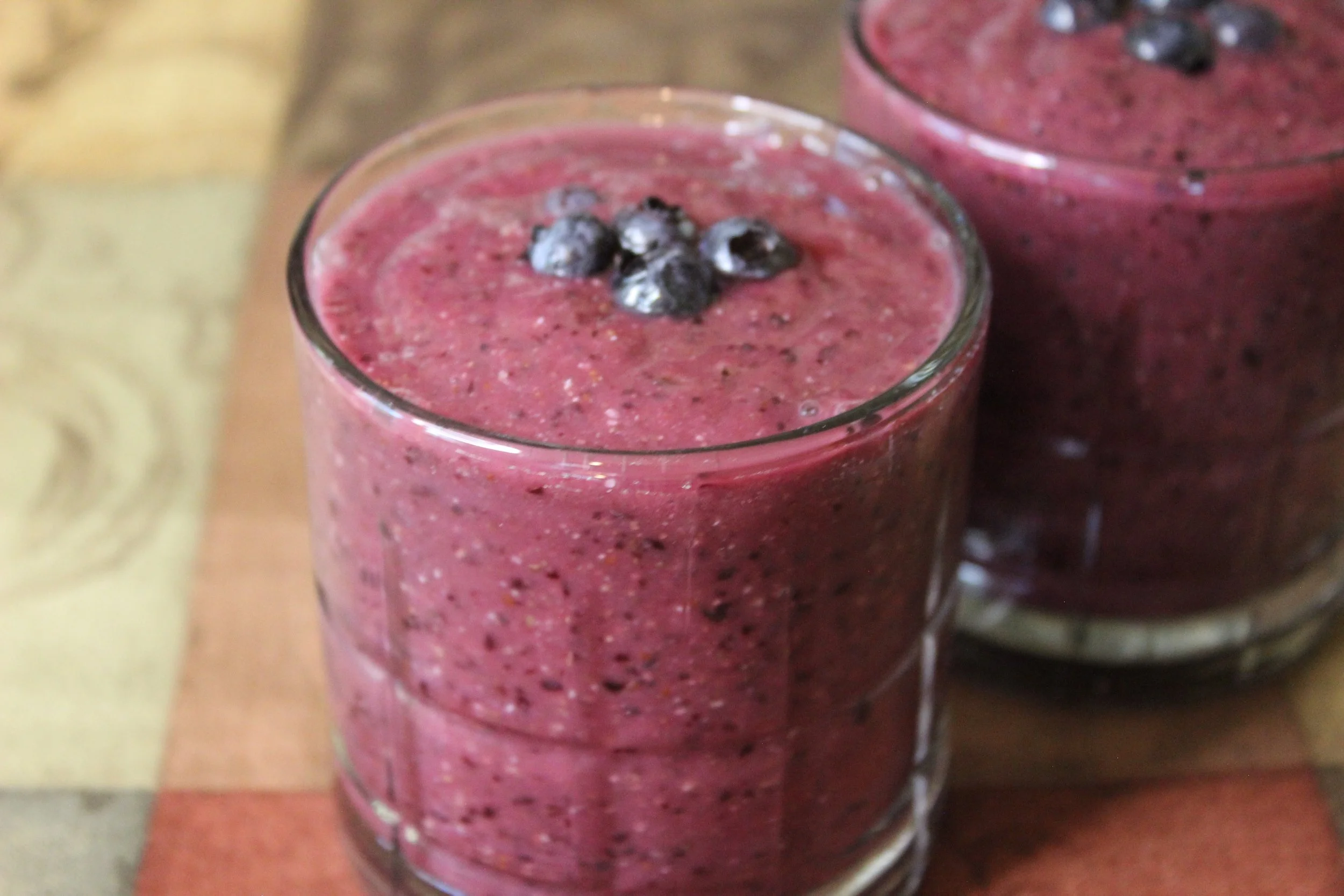
Why Blood Sugar Balance Matters
It is easy to think of blood sugar as something that only matters if you are dealing with diabetes or prediabetes, but it affects much more than that. When blood sugar stays steadier, it can support more even energy, clearer thinking, a better mood in the short term, fewer cravings, and better appetite regulation.
But the benefits extend beyond how you feel today. Over time, it also helps protect several major systems in the body, which is why this topic matters even if your main goal is simply to feel better day to day. Research has shown that long-term blood sugar management supports:
Heart Health
Your heart and blood vessels are one of the biggest reasons blood sugar balance matters. When blood glucose stays high too often, it can gradually damage blood vessels and increase the risk of cardiovascular disease. Research has shown that better glucose control can improve some cardiovascular outcomes, especially in people who have had elevated blood sugar for a long time.
That does not mean blood sugar is the only thing that matters for heart health. Blood pressure, cholesterol, movement, stress, sleep, and many other thingsall play a role too. But blood sugar is part of the picture, and keeping it steadier helps reduce strain on the cardiovascular system over time.
Kidney Health
The kidneys are another area where blood sugar balance really matters because they work hard to filter waste from the bloodstream. When blood glucose stays high for long periods, the kidneys have to work harder to filter blood, and that extra strain can contribute to kidney damage. The ADVANCE trial study published in Kidney Internationalfound that intensive glucose control improved kidney outcomes in people with type 2 diabetes, including lower risk of progression toward more serious kidney disease.
That is one of the reasons long-term blood sugar control is taken so seriously in diabetes care. Even though day-to-day meals are not the whole story, the pattern over time matters a lot. Supporting steadier blood sugar can help reduce the wear and tear that builds up when glucose stays elevated too often.
Nerve and Eye Health
Blood sugar balance also matters for the nerves and eyes, which are especially sensitive to long-term high glucose. Nerve damage and vision problems are some of the more well-known complications of diabetes, and they do not usually happen suddenly. They often build over time as blood sugar stays elevated and blood vessels and nerve tissue are repeatedly affected.
Research has also linked insulin resistance with retinopathy, even outside of diagnosed diabetes, which shows how closely metabolic health and eye health can be connected. This is one of those reminders that blood sugar is not just about energy in the moment — it can affect small, delicate systems throughout the body too.
Metabolic Balance and Insulin Resistance
Blood sugar balance is also closely tied to insulin resistance, which is often one of the early steps on the path toward type 2 diabetes. When the body becomes less responsive to insulin, it takes more effort to move glucose out of the bloodstream and into the cells where it is needed for energy. Over time, that can lead to higher blood sugar and more strain on the pancreas.
This is why blood sugar balance is really a metabolic issue, not just a diabetes issue. The body may start showing signs that it is having a harder time keeping glucose steady long before someone is diagnosed with diabetes. Supporting balance early may help reduce that strain and make it easier for the body to stay in a healthier rhythm.
That bigger picture is also why food choices matter so much. The encouraging part is that you do not need a perfect plan to make a difference. A few simple food habits can go a long way.
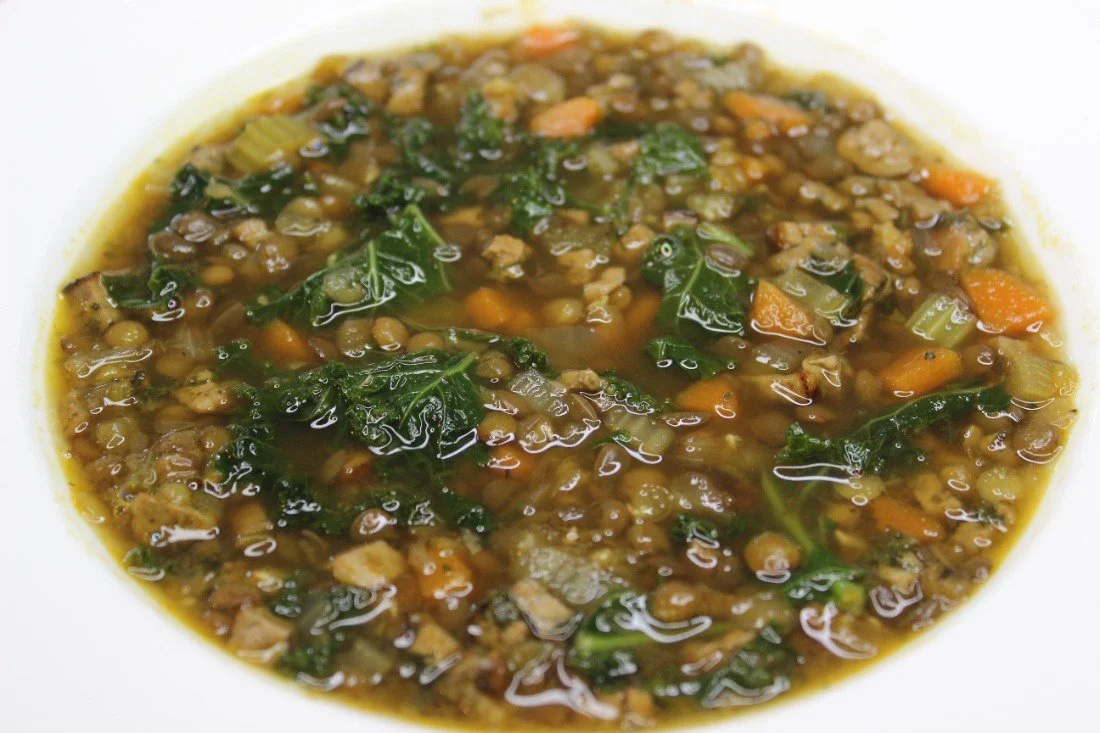
The Foods That Help Most
When it comes to blood sugar balance, you don’t need a list of “superfoods”. The most useful meals are usually the ones that slow digestion and help you feel satisfied for longer. Focus on building meals around three key categories: protein, fiber-rich carbohydrates, and healthy fats.
Together, they help create meals that are satisfying, nourishing, and supportive of steady energy.
Protein
Protein is one of the best foundations for a blood sugar-friendly meal. It helps slow the rise in blood glucose after eating, supports fullness, and can make a meal feel much more complete. It also matters for muscle maintenance, which becomes even more important as we get older.
Good sources include eggs, Greek yogurt, chicken, fish, tofu, cottage cheese, beans, and lentils. You do not need a huge serving at every meal, but having some protein on your plate can make a real difference in how you feel a few hours later.
Many people find that simply increasing protein at breakfast makes a noticeable difference in their energy and hunger levels. For example, toast with jam will usually not keep you full for long. Toast with eggs and avocado is a different story. Same general idea, but a very different effect on blood sugar and satiety.
Fiber-Rich Carbs
Carbohydrates are not the enemy, and I think it matters to say that clearly. Many carb foods are deeply nourishing, especially when they come with fiber. Fiber helps slow digestion and absorption of sugar into the bloodstream, leading to more gradual changes in blood sugar after meals.
Some excellent fiber-rich carbs are oats, berries, lentils, beans, vegetables, quinoa, and sweet potatoes. Research on dietary fiber has consistently shown benefits for glycemic control, and fiber-rich eating patterns are associated with better blood sugar regulation over time.
These foods also bring along vitamins, minerals, and antioxidants, which means they are doing more than just keeping blood sugar steadier. They are supporting your body in a much broader way too.
Healthy Fats
Healthy fats also help meals feel more satisfying and can support more stable blood sugar when they are part of a balanced plate. Research shows that fat and protein can both reduce the glycemic response when they are included with carbohydrate foods.
That is where foods like avocado, olive oil, nuts, seeds, nut butters, and fatty fish come in. Adding a little healthy fat can often make the difference between feeling satisfied for hours and feeling hungry again shortly after eating. It is not about adding fat to everything. It is more about using it thoughtfully so meals feel complete.
Foods That Can Spike Blood Sugar More Easily
This part is not about being afraid of food. It is more about understanding which foods tend to move quickly through the body and may leave you hungry again sooner, especially when eaten by themselves.
Sugary drinks are one of the clearest examples because they are absorbed very quickly and do not usually bring much fiber, protein, or fat along with them. Refined baked goods, candy, desserts on an empty stomach, white bread, crackers, chips, and many packaged snack foods can also lead to a quicker rise and fall in blood sugar.
That does not mean these foods are “bad” or that you can never enjoy them. It means they are usually not the most helpful foundation for a meal. A slice of cake after dinner is different from cake as lunch. Context matters.
A more helpful way to think about these foods is that they work best when they are not doing all the work on their own. Pairing them with protein, fiber, or healthy fat can soften the blood sugar response and make them more satisfying.
For example, instead of eating crackers alone, you might pair them with cheese or hummus. If you're enjoying dessert, having it after a balanced meal often creates a different response than eating it on an empty stomach.
Balance is usually more sustainable than restriction.
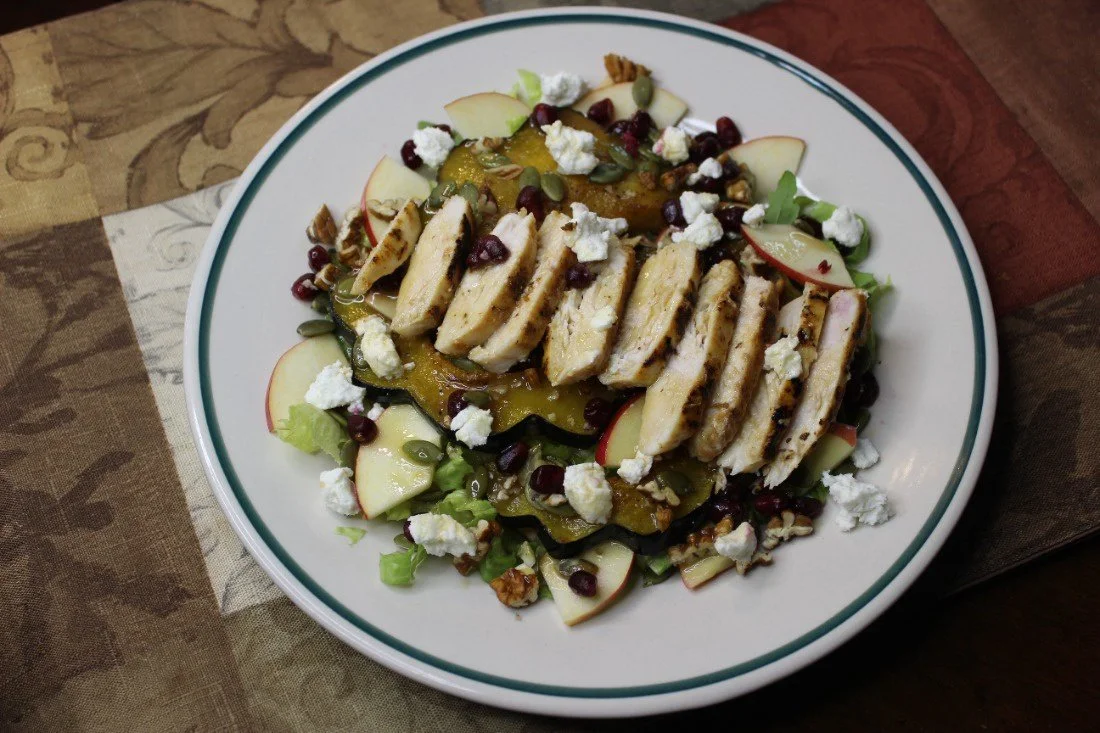
How to Build a Balanced Plate
If you want one simple habit to start with, this is probably it: build your plate with balance in mind.
When you’re planning a meal, think:
Start with protein.
Add non-starchy vegetables or other fiber-rich foods.
Include a smart carb.
Add a source of healthy fat.
That’s it!
This simple approach helps meals feel more satisfying and gives your body a slower, steadier release of energy. It also makes food feel a lot less random, which can be helpful if you are trying to figure out why some meals leave you calm and satisfied while others leave you crashing an hour later.
Here are a few easy examples:
Eggs + sautéed veggies + berries.
Salmon + quinoa + roasted broccoli.
Chicken salad + beans + avocado.
You can use this formula almost anywhere — breakfast, lunch, dinner, and even snacks. It does not need to be fancy. It just needs to be doable.
A Few Simple Examples
One reason people struggle with blood sugar is that their meals are too light, too rushed, or too carb-heavy without enough staying power. Breakfast is especially important because it often sets the tone for the rest of the day. Lunch and dinner can follow the same idea. Balanced grain bowls are easy because they naturally let you combine protein, vegetables, and a smart carb in one bowl. Salad meals can be just as satisfying if they include enough protein and a little fat. Soup paired with protein, stir-fries with vegetables and a moderate carb, and sheet-pan meals are all great options for busy weeks.
The goal is not to eat “clean” all the time. It is to eat in a way that keeps you feeling human, nourished, and less likely to swing between starving and overfull. Sometimes it helps to see what this actually looks like in real life.
One of the easiest ways to put these ideas into practice is to think about meals ahead of time.
Breakfast
Breakfast often sets the tone for the rest of the day. Starting with protein and fiber may help reduce mid-morning hunger and energy crashes.
Try:
Veggie omelet with fruit
Greek yogurt with nuts and berries
Protein smoothie with spinach and seeds
Cottage cheese with berries and cinnamon
Lunch and Dinner
For busy weekdays, simplicity often wins.
Some easy options include:
Grain bowls with vegetables, protein, and healthy fats
Large salads topped with chicken, fish, tofu, or beans
Homemade soups with a protein source on the side
Stir-fries with vegetables, protein, and a moderate serving of rice or quinoa
Simple sheet-pan meals with protein and vegetables
Snacks
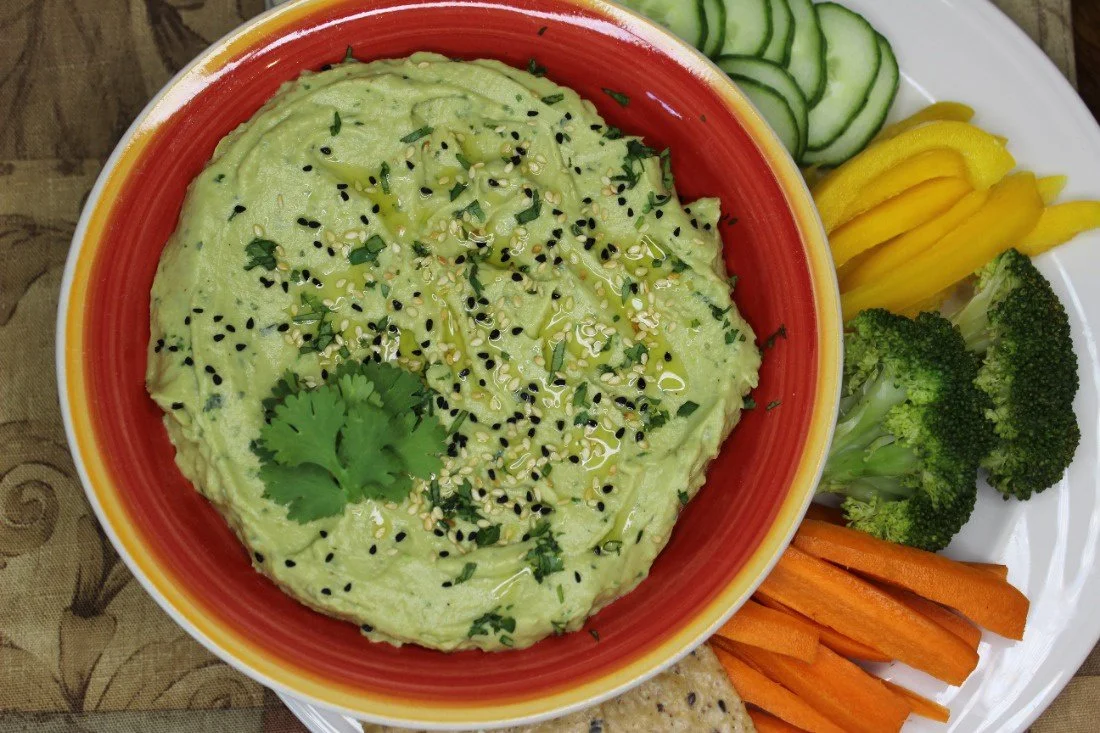
Hummus paired with fresh vegetables
Whole-grain toast with natural peanut butter or avocado
Chia seed pudding
Tuna salad lettuce wraps
Desserts
Greek yogurt bark
Berry “nice” cream
Black bean brownies
Apple crisp
You don't need a different recipe every night or measure everything perfectly. Repeating simple meals you enjoy can make healthy eating much easier. Just aiming for balance on most days can go a long way.
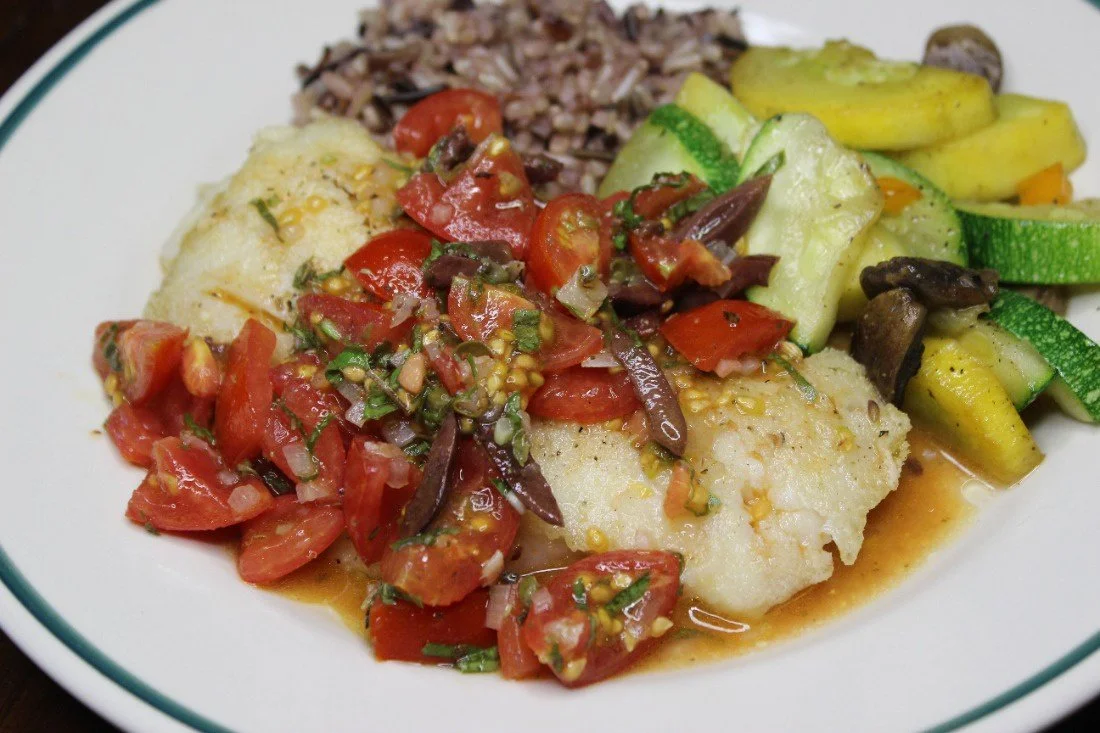
Easy Habits That Make Food Work Better
Food matters, but how you eat matters too.
One of the most helpful habits is simply eating regularly when possible. When you go too long without eating, your body tends to get more reactive. By the time you sit down for a meal, you are often much hungrier, and that can lead to faster eating and more intense cravings afterward.
Another useful habit is not letting yourself get overly hungry too often. This is especially important if you tend to forget to eat and then end up ravenous later. When hunger becomes extreme, it’s easy to reach for whatever is quickest. A little planning can help with that, especially if you know you need a balanced snack between meals.
Pairing carbs with protein is another simple but powerful strategy. A piece of fruit is fine on its own, but fruit with peanut butter or yogurt will usually keep you fuller longer. The same goes for crackers with cheese or hummus, or toast with eggs instead of toast by itself.
Walking after meals can also help the body use glucose more efficiently. You do not need a long workout for this to matter — even a short ten minute walk can help. Research and clinical guidance both suggest that post-meal movement can improve blood sugar response, and even a brief walk after eating may be beneficial.
Staying hydrated and eating a little more slowly are two more small habits that can quietly make a difference. Sometimes fatigue, cravings, and sluggishness are made worse by not drinking enough fluids throughout the day. Eating a little more slowly gives your body time to register fullness and can make meals feel more satisfying.
These habits aren’t complicated nor do they need to be done perfectly. They are just tools that help your meals work a little better for your body. Together they can make a meaningful difference.
What To Do When Cravings Hit
Everyone experiences cravings. They are often a sign that something needs attention. Instead of immediately assuming you’ve done something wrong, get curious.
Before you judge yourself, pause and ask a few simple questions:
Have I eaten enough today?
Did I skip a meal?
Was my last meal balanced?
Do I need something more nourishing, not just something sweet?
Am I actually hungry?
Sometimes cravings are simply the body's way of asking for more nourishment.
One of the most common patterns is under-eating earlier in the day and then feeling intense cravings later in the afternoon or evening.
If that sounds familiar, the solution often isn't more willpower. It may be a more balanced breakfast, a satisfying lunch, or simply eating enough overall.
It's also important not to fall into the cycle of "making up for" cravings by restricting later. That approach often leads to more cravings, not fewer.
The goal is balanced satisfaction, not guilt.
Often, cravings settle down when meals become more regular and more satisfying. That does not mean you have to eliminate every treat. It means your body usually responds better when it feels well fed and supported.
Final Thoughts
Blood sugar-friendly eating is not about being perfect or living by a strict list of food rules. It is about making meals that help you feel better in your body and support your health over time.
When you eat in a way that includes protein, fiber, healthy fats, and thoughtful carbs, you are doing more than managing hunger. You are supporting steadier energy, better focus, a more even mood, and a healthier metabolic foundation for the long run.
And that is really the heart of this whole approach. Small, repeatable choices matter. A better breakfast. A more balanced lunch. A snack that actually holds you. A little more awareness around what helps and what leaves you drained. None of it has to be perfect to matter.
If you are working on blood sugar balance, remember that progress tends to come from consistency, not perfection. That mindset alone can make the whole process feel a lot more sustainable.
Let’s get cooking!

Think of the recipes found in this blog or on this website as a starting point, not a set of rules. Choose one that sounds appealing, make it your own, and enjoy the process of discovering how good it feels to prepare meals that leave you feeling nourished, satisfied, and energized.
Chai Spiced Dark Chocolate Bark
Dark Chocolate Bark takes on a luxurious twist with the warm, aromatic flavors of chai spices. Each bite combines the velvety richness of dark chocolate with subtle hints of cinnamon, cardamom, and ginger for a perfectly spiced balance. A medley of crunchy nuts, nutrient-packed seeds, and tangy dried fruit tops it off, adding texture and bursts of flavor.
Whether savored as an indulgent snack or shared as an elegant gift, this chai-spiced chocolate bark is a treat that delights the senses.

Dark Chocolate Bark
Ingredients
- 1/2 cup assorted toppings: nuts, dried fruit, seeds
- 4 oz. dark chocolate bar
- 1 tsp avocado oil
- 1/4 tsp chai spice
- 1/2 tsp vanilla extract
Instructions
- Line an 8" x 8" baking dish with parchment paper so the edges go over the side of the pan.
- Sprinkle about 1/3 of the topping mixture into the baking dish and set aside.
- Break the chocolate bar into smaller pieces into a small bowl and add the avocado oil. Place the bowl over a small saucepot filled with an inch of water.
- Put the saucepot and bowl on the stove burner and bring the water to a boil. Gently melt the chocolate, stirring occasionally with a rubber spatula. This will only take a few minutes.
- Stir in the chai spice and vanilla extract.
- Pour the chocolate mixture into the baking pan and spread it out into an even layer using a rubber spatula.
- Sprinkle the remaining topping ingredients over the bark.
- Place into the freezer to set.
- Break into pieces to serve. Enjoy!
Notes
- Chai spice is a fragrant combination of aromatic spices traditionally used in Indian chai tea. It can be often be found premade at the grocery store although it is easy to make at home. Here is my recipe.
Nutrition Facts
Calories
194Fat
13 gSat. Fat
7 gCarbs
16 gFiber
4 gNet carbs
13 gSugar
9 gProtein
2 gSodium
6 mgCholesterol
1 mgChorizo, Cabbage, and White Bean Stew
Chorizo, Cabbage, and White Bean Stew, is a rich and satisfying dish infused with the bold, smoky heat of harissa seasoning. This North African spice mix, made from a blend of paprika, caraway, red chili pepper, coriander, and cumin, adds a deep and aromatic spice that elevates the dish to new heights. Tender cabbage pairs beautifully with the hearty beans, while the chorizo brings a savory, smoky kick. Serve it with warm, crusty bread to soak up every last drop of this flavorful, comforting stew.

Cabbage, Chorizo, and White Bean Stew
Ingredients
- 1 tbsp avocado or olive oil
- 12 oz cooked chorizo sausage links, cut into thin slices
- 8 cups chopped cabbage (about 1 pound)
- 1 cup sliced onion (1 medium)
- 3 garlic cloves, thinly sliced
- 1-1/2 to 2 tsp harissa seasoning blend
- 1/4 tsp dried thyme
- 1 tsp caraway seeds
- 1 tsp salt
- 4 cups chicken stock
- 1 (12 oz) jar roasted red peppers, drained and pureed
- 1 (14 oz) can cannellini beans, drained and rinsed
- 1 tbsp red wine vinegar
- 2 tbsp chopped fresh parsley
Instructions
- Heat the oil in a large soup pot over medium high heat. Add the chorizo sausage and onions and cook for about 10 minutes until the chorizo and onions are lightly browned.
- Pour off any excess fat if desired.
- Add the remaining ingredients, except for the cannellini beans, vinegar, and chopped parsley.
- Bring to a boil, cover, reduce heat and simmer for 30 minutes until the cabbage is tender.
- Add the cannellini beans, vinegar, and chopped parsley. Heat through. Season to taste with salt and pepper.
Notes
- Adjust the amount of harissa to your taste. I've included a link to the brand that I use.
There you have it!
Take what feels helpful, leave what doesn't, and build from there. The goal isn't to follow a perfect plan—it's to create a way of eating that supports your health while still fitting comfortably into your life.