
Eating Well Doesn't Have to Be Expensive, Part 1: Rethinking Protein on a Budget
Let’s face it. Grocery shopping is expensive, and somewhere along the way the picture of “healthy eating” became an expensive one too: fresh wild salmon, organic berries and vegetables, boneless free-range chicken breasts, quinoa, and a collection of specialty foods that seem to promise better health. There’s nothing wrong with any of those foods, but when they become the image of what eating well is supposed to look like, a nourishing grocery cart can start to feel out of reach.
When the grocery budget gets tight, it’s easy to assume there are only two choices: spend more to keep eating well or spend less and settle for foods that aren’t quite as nourishing. Fortunately, there is quite a bit of room between those two choices. Some remarkably nourishing foods are also among the most ordinary foods in the grocery store—beans, lentils, oats, eggs, dairy, canned fish, whole grains, frozen vegetables, and less expensive cuts of meat and poultry.
The real opportunity may be less about finding bargain versions of expensive foods and more about looking at what the foods in your cart allow you to make. A package of meat doesn’t have to become one large serving for each person. A can of beans can be more than a side dish. Eggs can turn leftover vegetables into dinner, and canned or frozen fish can put seafood on the table without a trip to the fresh fish counter.
Protein is a particularly useful place to start because it is often one of the more expensive parts of the meal. In many American meals, meat has traditionally been the centerpiece, with vegetables, grains, or other foods arranged around it. But across many food cultures, meals have been built differently, with beans, grains, vegetables, eggs, dairy, nuts, seeds, meat, and seafood working together and each contributing something different.
A smaller amount of meat can provide protein, iron, zinc, vitamin B12, and plenty of flavor while beans contribute protein and fiber, whole grains bring texture and staying power, and vegetables add color, volume, and a wide range of nutrients. Rather than asking one ingredient to carry the whole meal, several foods share the work.
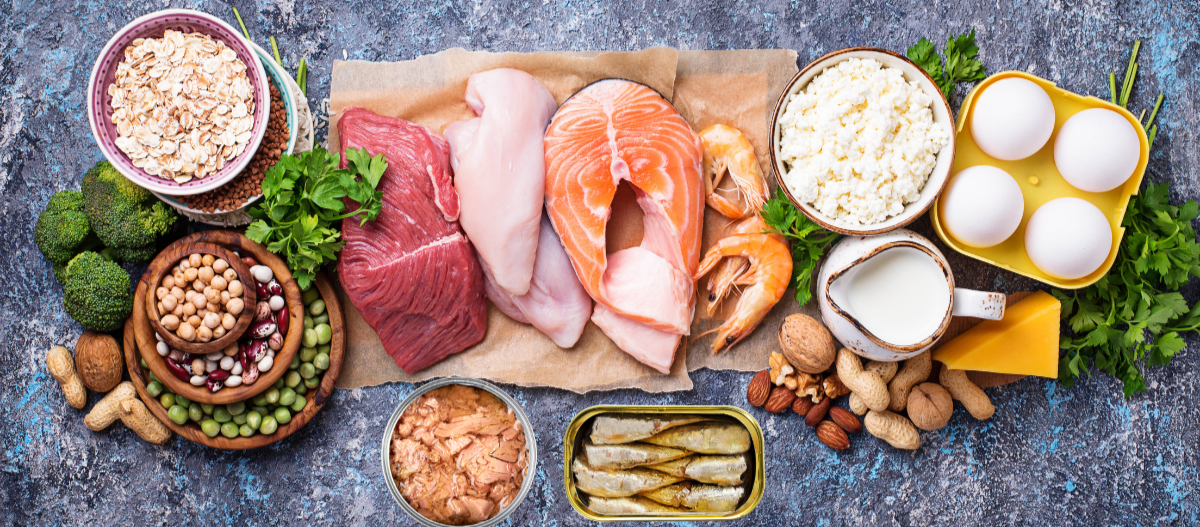
This isn’t about giving up meat or adopting a particular label for the way you eat. It’s about widening the possibilities so the grocery budget has a little more room to move. In this first part of the series, we’ll look at five ways to rethink protein—considering not just what a food costs, but why it is nourishing, how far it can stretch, and what you can actually make with it.
Let Meat Share the Plate
Many of us grew up thinking of dinner as a piece of meat with something served alongside it: steak with potatoes, chicken with vegetables, or a pork chop with applesauce. Meat was the centerpiece, and everything else filled in around it. There’s nothing inherently wrong with that kind of meal, but it gets expensive when meat is expected to provide most of the substance every time.
Another approach is to let meat become one part of a larger meal. Think about fried rice, Pad Thai, paella, soups, stews, pasta dishes, and grain bowls. In meals like these, smaller amounts of meat or seafood are combined with grains, vegetables, beans, eggs, nuts, seeds, or other ingredients. The meat is still important, but it isn’t doing all the work.
There can be a nutritional advantage to building meals this way as well. Meat provides complete protein along with nutrients such as iron, zinc, vitamin B12, and selenium, while the foods surrounding it can add fiber and a much wider range of plant compounds, vitamins, and minerals. Instead of simply reducing the amount of meat on the plate, you are replacing some of that space with foods that contribute something different.
It can be a useful shift in thinking when planning dinner. Rather than starting with “What meat are we having?” start with the whole meal. A pot of beans and greens may need only a little sausage to give it richness and flavor. Ground beef can share a filling with barley, lentils, or mushrooms. Pork can be combined with vegetables and fruit, and a few ounces of chicken can be part of a bowl filled with rice, beans, vegetables, and a flavorful sauce.
This isn’t about eating less protein. It’s about allowing protein to come from more than one place. From a budget standpoint, that means the more expensive ingredient can make an impact without requiring such a large portion. From a cooking standpoint, it often makes the meal more interesting too.
Let Meat Share the Plate: Easy Recipes to Try
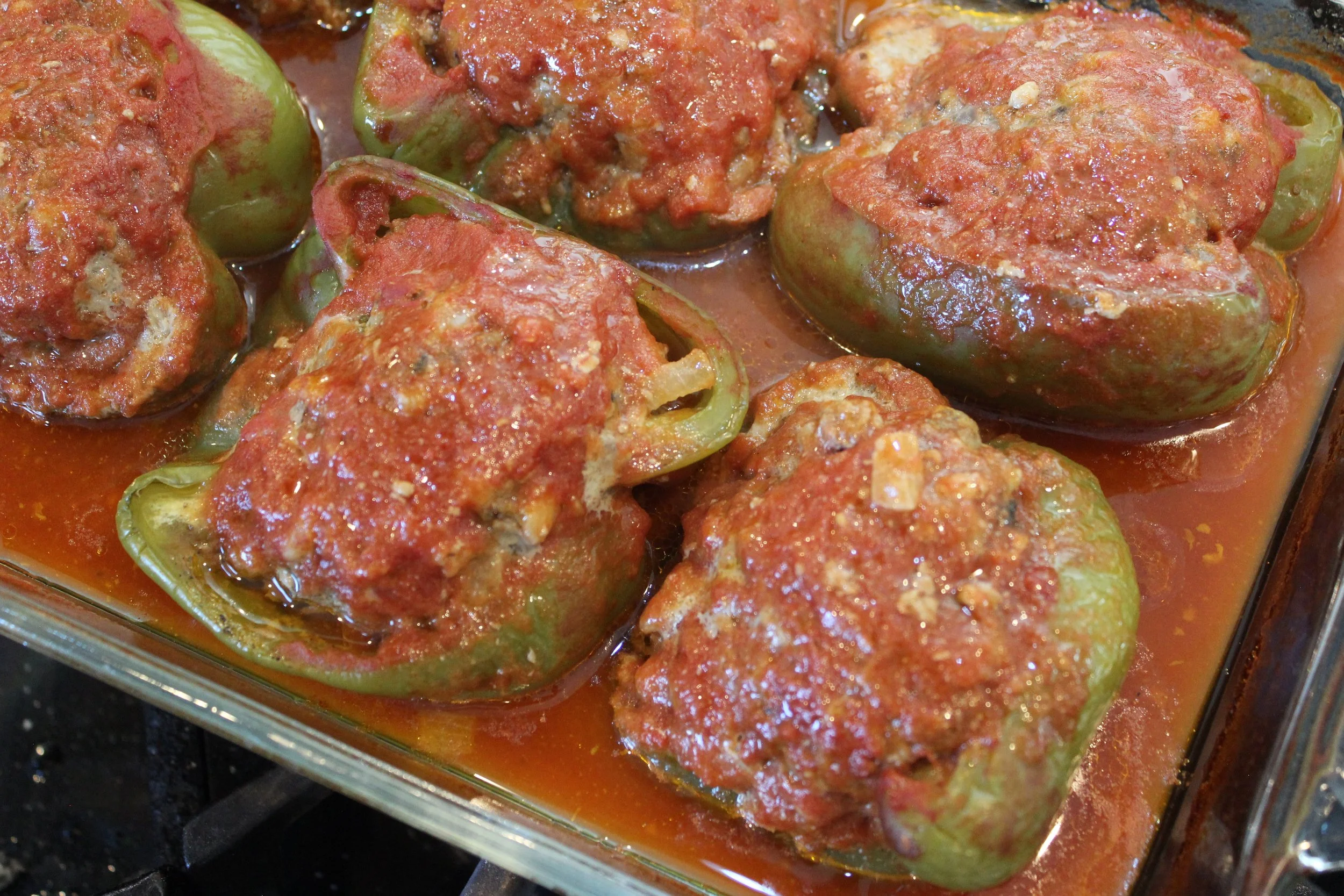
Meat can still provide plenty of protein, iron, zinc, and flavor without taking up most of the plate. Pairing it with grains, beans, and vegetables stretches the more expensive ingredient while adding fiber, variety, and more plant foods to the meal.
The Beef and Barley Stuffed Peppers combine beef with barley, mushrooms, onions, and peppers, while the Jerk Pork Kabobs with Mango Mint Chutney pair pork with fruit and vegetables and leave plenty of room for a grain or another plant food to round out the plate.

Give Beans and Lentils a Bigger Role
Beans and lentils are often described as inexpensive substitutes for meat, but that doesn’t quite do them justice. They are valuable foods in their own right, providing plant protein along with fiber, folate, iron, potassium, magnesium, and a variety of plant compounds. Their fermentable fibers also help feed the microbes living in the gut, adding another dimension to their nutritional value.
One of their biggest advantages is that protein and fiber arrive together. Fiber supports digestive health, helps meals feel satisfying, and can contribute to healthier blood sugar and cholesterol levels. That combination of protein, complex carbohydrates, and fiber gives beans and lentils a kind of staying power that makes them particularly useful when more of the meal is shifting toward plants.
They don’t have to provide all of the protein in the meal either. Beans and lentils can work alongside grains, nuts, seeds, dairy, eggs, or smaller portions of meat. That makes them especially useful for stretching meals without simply making the portions smaller.
They are also remarkably easy to work into foods that are already familiar. Lentils can be stirred into tomato sauce, added to soup, or used as the base of a grain bowl. White beans fit naturally into pasta dishes, vegetable soups, and casseroles. Black beans work well in tacos and burrito bowls, while chickpeas can become hummus, a salad topping, or the foundation of a simple meal with roasted vegetables and spices.
There is room for convenience here too. Dried beans will generally give you the most food for the money, but canned beans are still relatively inexpensive and can turn a few pantry ingredients into dinner in minutes. Lentils are especially practical because most varieties cook fairly quickly and don’t require soaking. When time is part of the equation, paying a little more for a can of beans may still be a much better value than abandoning the dinner plan and ordering takeout.
The goal isn’t to replace every animal food with beans and lentils. It is simply to give these foods a more regular place at the table and let them do more of the nutritional and budget work.
Build Meals Around Beans & Lentils: Easy Recipes to Try
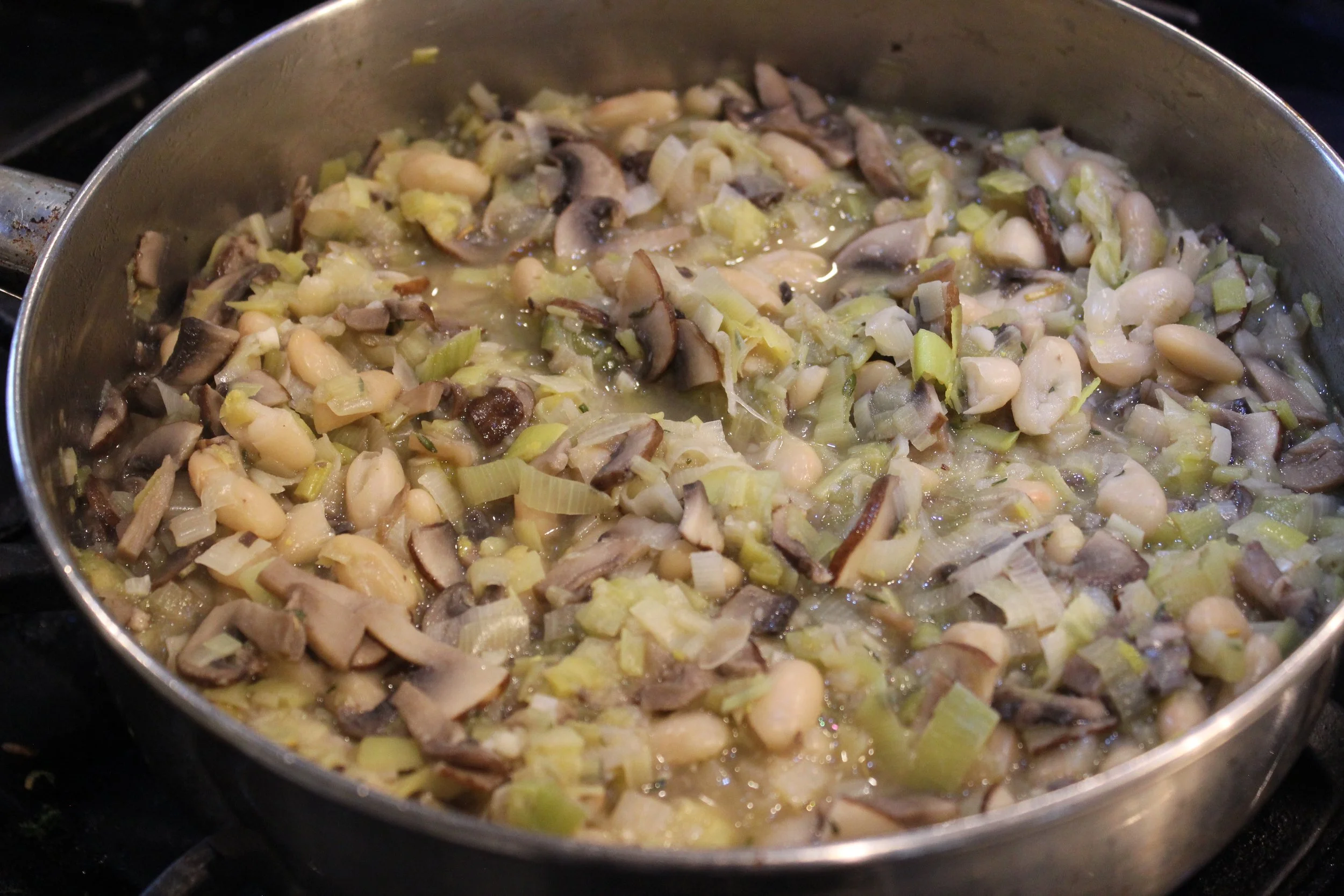
Beans and lentils bring protein and fiber together in one inexpensive food, along with folate, iron, potassium, magnesium, and fermentable fibers that support the gut microbiome. They can take a more central role in the meal or work alongside smaller amounts of animal protein.
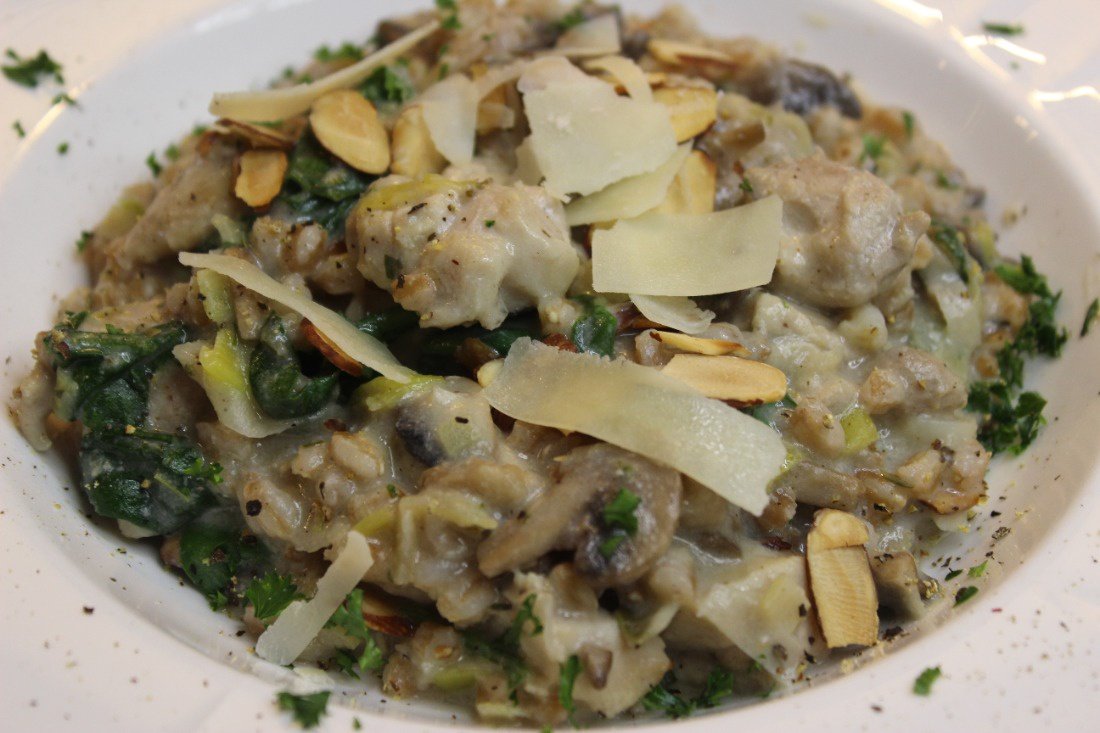
The Leek, Mushroom and White Bean Ragout turns white beans into part of a hearty main dish, while the Lentil-Walnut Burgers let lentils take the lead with walnuts adding richness, texture, and another layer of plant-based nutrition.

Buy the Chicken That Makes Sense for How You Cook
Chicken is often one of the more affordable animal proteins, but the price can vary considerably depending on the cut and how much of the preparation has already been done for you. Boneless, skinless breasts are convenient, but that convenience usually comes at a higher price. Whole chickens, bone-in thighs, drumsticks, and larger packages can often cost less per pound.
That doesn’t automatically make them the better buy.
A whole chicken can be an excellent value if you are going to use it. Roast it once and the meat might become dinner the first night, sandwiches or grain bowls the next day, and soup later in the week. The bones and scraps can even become broth. One purchase has now contributed to several meals.
But if cutting up a chicken feels like one more job you don’t want, or if the wings, skin, bones, or leftover meat are likely to end up in the trash, a package of boneless chicken may actually make more sense. When comparing prices, consider how much of the food is edible, how many meals it can become, and whether you will actually use all of it. The lowest price per pound and the best value are not always the same thing.
Nutritionally, chicken provides complete protein along with B vitamins and minerals that support normal energy metabolism and overall health. Both white and dark meat can fit comfortably into a nourishing diet. Dark meat contains somewhat more fat, but it also stays moist and flavorful during longer cooking, making thighs and drumsticks particularly useful for soups, stews, braises, casseroles, and sheet-pan meals.
Chicken also stretches much further when it is worked into the meal instead of served as a large standalone portion. A few ounces distributed through fried rice, soup, a casserole, or a grain bowl can contribute protein and flavor while the vegetables, grains, beans, or other ingredients provide the rest of the meal.
The best chicken bargain, then, is not necessarily a particular cut. It is the one that fits the way you cook, gets eaten, and allows you to turn one purchase into meals you actually want to make.
Make Chicken Go Further: Easy Recipes to Try
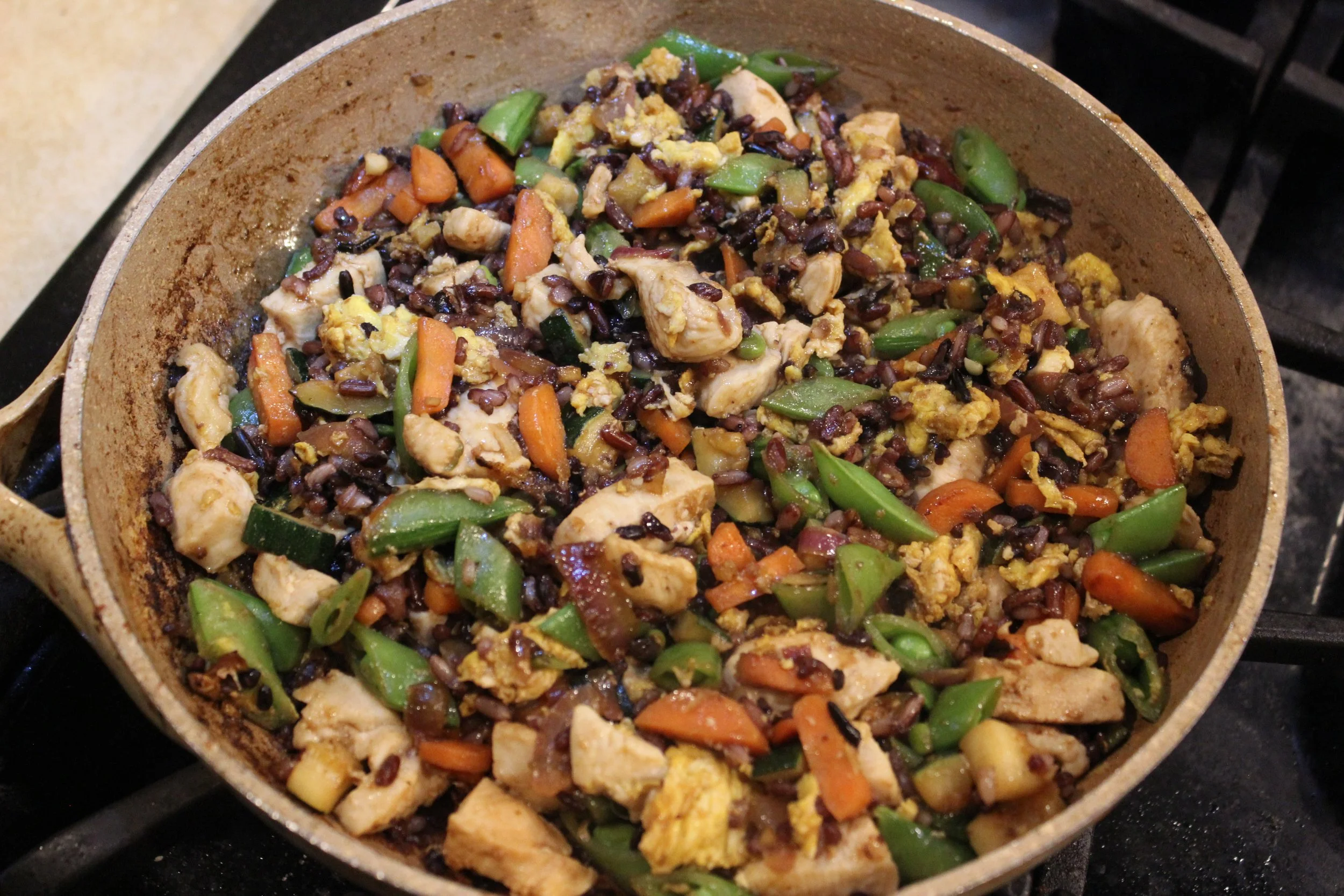
The best-value chicken is not always the cheapest cut; it is the one you will use fully and turn into satisfying meals. Chicken stretches further when it is combined with grains and vegetables instead of being served as a large stand-alone portion.
The Sugar Snap Pea and Chicken Fried Rice spreads chicken throughout a dish built around rice and vegetables, while the Chicken Farro Alfredo Casserole combines it with farro and vegetables for a meal that brings protein, whole grains, and plant foods together.
Think Beyond the Fresh Fish Counter
Fish can be one of the more expensive items in the grocery cart, especially if the picture that comes to mind is a beautiful fresh salmon fillet from the seafood counter. Fresh fish is wonderful, but it is only one way to put seafood on the table, and it is not always the most practical or affordable one.
Seafood brings high-quality protein along with nutrients such as selenium, iodine, and vitamin B12. Some varieties also provide vitamin D, while fatty fish such as salmon, sardines, trout, herring, and mackerel are particularly valuable sources of omega-3 fats associated with heart and brain health. Leaner white fish contain less omega-3 but still contribute protein and useful minerals.
The freezer case can make those benefits easier to fit into the budget. Frozen fish is not a second-rate nutritional choice simply because it isn’t sitting on ice at the seafood counter. It also allows you to take out only what you need and leave the rest frozen for another meal, which can make a big difference if fresh fish has a habit of becoming a race against the expiration date.
Frozen salmon, cod, pollock, tilapia, shrimp, and other seafood can be paired with vegetables, grains, potatoes, or beans to make a complete meal. Canned seafood adds another inexpensive and convenient option. Tuna, salmon, sardines, and other canned fish are shelf-stable, easy to keep on hand, and useful in salads, sandwiches, pasta, grain bowls, fish cakes, and dishes built around beans and vegetables.
Here again, it helps not to compare price alone. A can of salmon may look very different from a fresh fillet, but it can become several salmon cakes mixed with other ingredients. A can of tuna can provide the protein for a large salad filled out with beans, eggs, greens, and vegetables. The important question is not simply, “Which fish costs less?” but “What meal can I make from it?”
Fresh fish can certainly still have a place, especially when it is on sale or when it is something you particularly enjoy. Being flexible about frozen and canned options simply makes it easier to include seafood without allowing one ingredient to take over the grocery budget.
Think Beyond Fresh Fish: Easy Recipes to Try
Frozen and canned seafood can provide high-quality protein and important nutrients without the cost or perishability of fresh fish. They also make it easier to portion what you need and build seafood into broader meals with beans, grains, vegetables, and eggs.
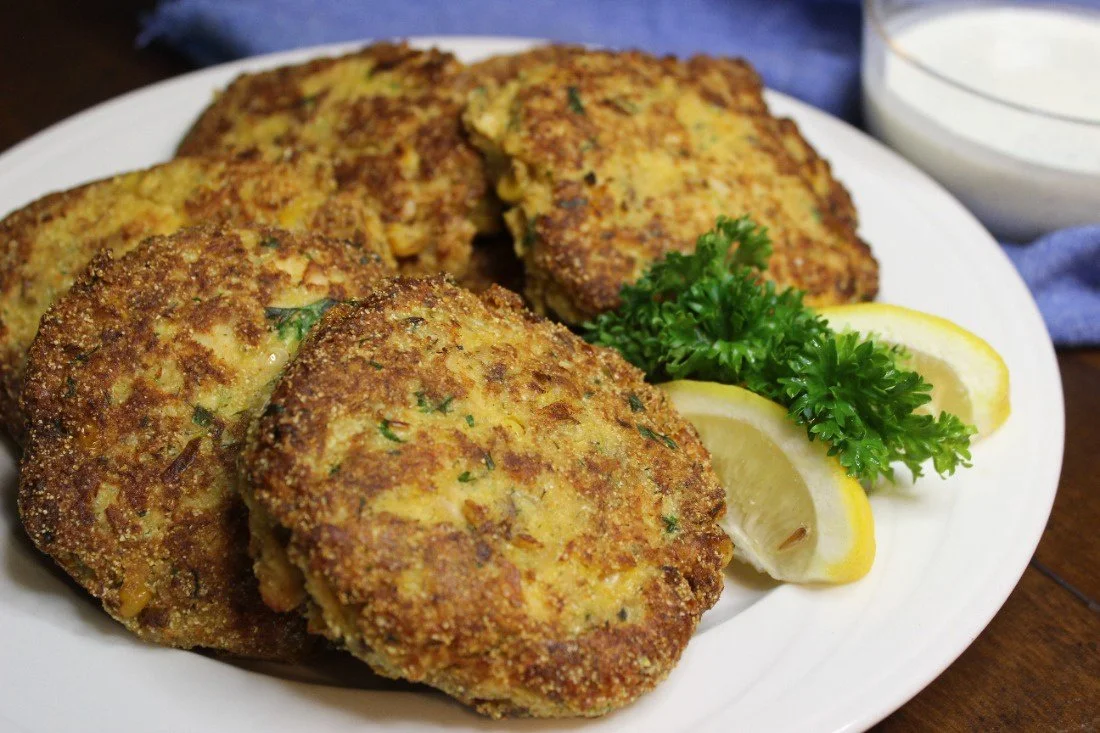
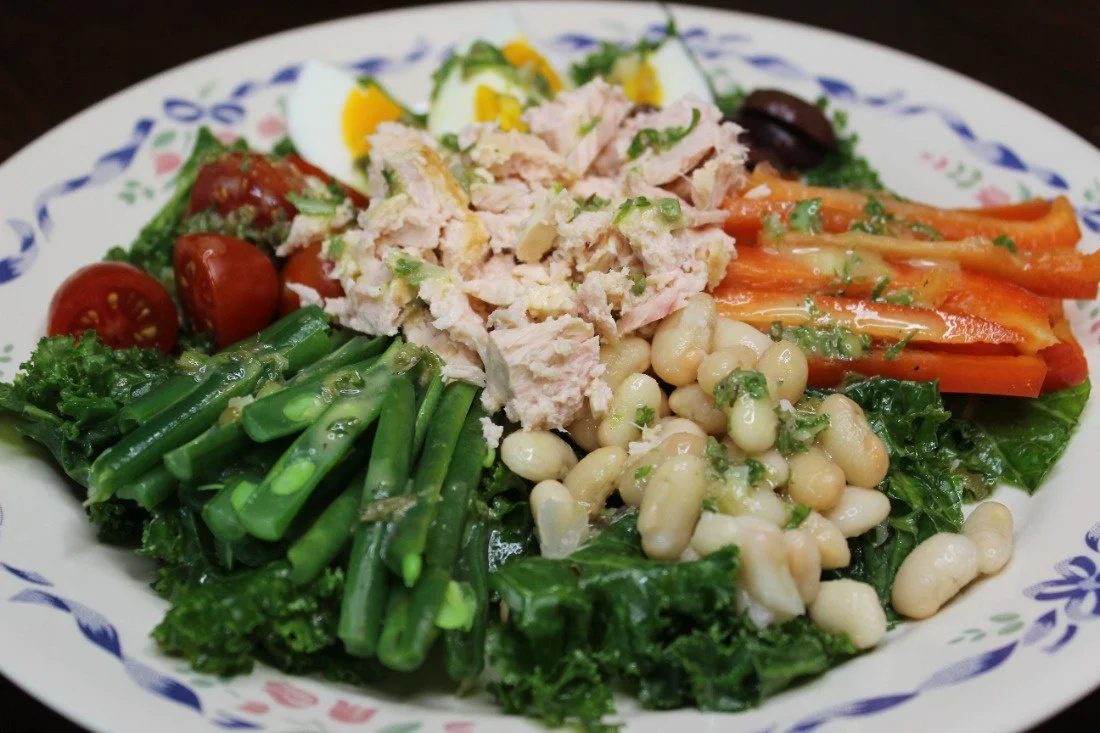
The Spicy Salmon Corn Cakes with Lemon-Herb Yogurt Sauce turn canned salmon into a flavorful main dish, while the Kale and Tuna Niçoise-Style Salad pairs canned tuna with white beans, egg, greens, and vegetables so the seafood becomes one nourishing part of a much broader meal.
Remember Eggs and Dairy
When thinking about protein, it is easy to jump from meat and poultry directly to beans and lentils and overlook two familiar foods sitting between them: eggs and dairy. Both can make it easier to build satisfying meals without relying on meat every time, and their flexibility in the kitchen is part of what makes them useful when watching the grocery budget.
Eggs provide complete protein along with choline, vitamin B12, selenium, and other nutrients. But one of their greatest budget advantages may simply be what they allow you to do with the food you already have. A few eggs can turn leftover vegetables into a frittata, top beans and greens for dinner, become fried rice, or join potatoes and vegetables in a simple skillet meal. They work just as comfortably at lunch or dinner as they do at breakfast.
Dairy gives you another range of possibilities. Milk, yogurt, kefir, cottage cheese, and cheese can contribute protein and calcium along with vitamin B12, phosphorus, and, when fortified, vitamin D. Yogurt and kefir also bring fermented foods into the diet and, when they contain live cultures, can provide beneficial microbes.
Not every dairy food provides the same amount of protein, so it helps to think about what role it is playing in the meal. Greek yogurt and cottage cheese can provide a substantial amount, while a smaller amount of a strongly flavored cheese such as Parmesan, feta, or goat cheese can be used less for protein and more for the flavor it brings to vegetables, grains, eggs, or pasta. A little can go a surprisingly long way.
These foods also move easily between meals. Kefir or yogurt can be paired with fruit, oats, nuts, and seeds. Cottage cheese can accompany vegetables, fruit, or whole-grain toast. Eggs can become the foundation of a vegetable-rich dinner, and cheese can add richness and flavor without needing to dominate the dish.
Egg and dairy prices fluctuate, so they will not always be the least expensive protein choice. Their value lies partly in giving you more options. When the price of one protein rises, being comfortable building meals around several different choices makes the grocery budget much easier to adjust.
Let Eggs & Dairy Carry the Meal: Easy Recipes to Try
Eggs and dairy add flexible protein options that can reduce how often a meal depends on meat. They also contribute nutrients such as calcium, choline, vitamin B12, and, in some cases, vitamin D, while helping turn everyday ingredients into complete meals.
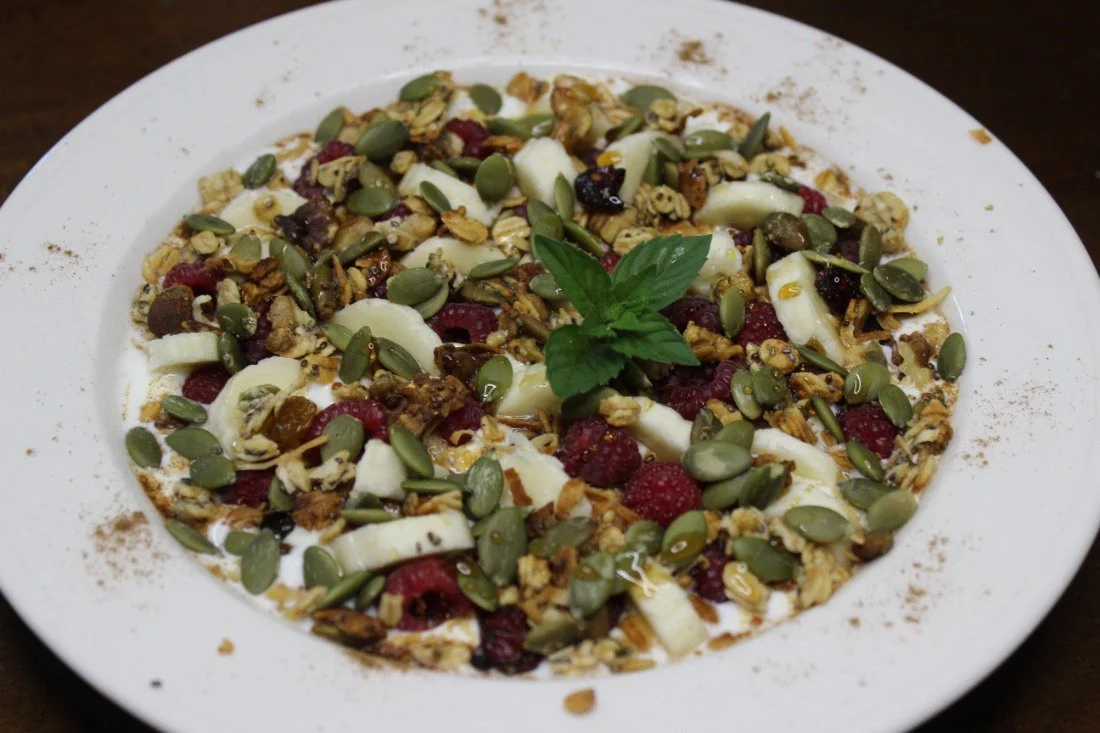
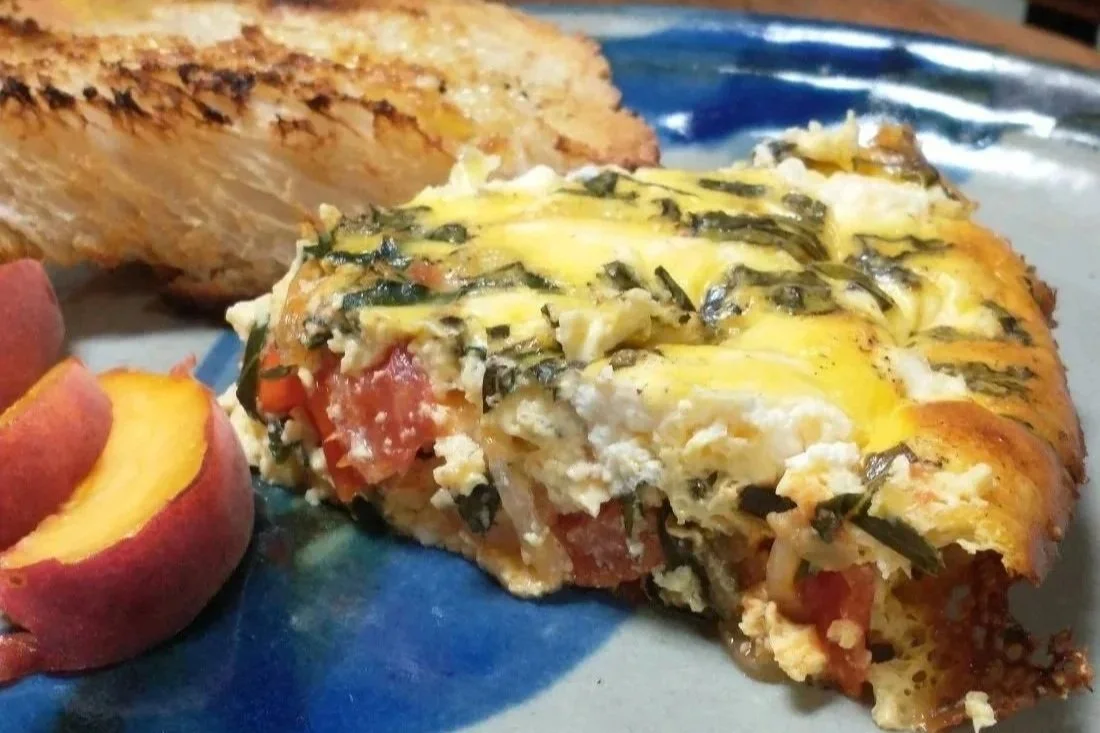
The Kefir Breakfast Bowl combines fermented dairy with fruit, seeds, and whole grains, while the Caramelized Tomato, Kale & Goat Cheese Quiche uses eggs and cheese with vegetables to create a satisfying savory meal that doesn’t depend on meat at all.
A Different Way to Think About Eating Well
Reducing the grocery bill while continuing to eat well doesn’t have to mean searching for the cheapest foods in every aisle. A better question may be: What does this food allow me to make?
A package of ground beef can become more meals when it shares the dish with barley, mushrooms, or lentils. A can of beans can add protein, fiber, and substance to dinner for relatively little money. A whole chicken can be an excellent bargain when every part of it gets used, while boneless chicken may be the smarter purchase when convenience is what gets dinner made. Frozen fish, eggs, yogurt, and canned seafood all create different possibilities.
Looking at food this way changes the conversation from simply spending less to getting more from what you spend. More nourishment. More meals. More variety. And, ideally, less food ending up forgotten in the back of the refrigerator.
The next time you shop, try choosing just one protein you normally buy and think about what else could share the meal with it. Maybe lentils join the ground beef, beans accompany the chicken, or eggs take the place of meat for one dinner. These don’t have to be dramatic changes. Small shifts in how a meal is built can begin to stretch the grocery budget without making the food—or the portions—feel smaller.
Protein, however, is only one part of the grocery cart. Next week in Part 2, we’ll take the same approach to fruits and vegetables, grains, convenience foods, and organic choices. We’ll look at fresh versus frozen and canned foods, where paying for convenience makes sense, and why spending more doesn’t necessarily mean bringing home something more nourishing.
The goal in both parts is the same: not to build the cheapest grocery cart, but to build one that gives you the most nourishment, flexibility, and good food for the money you have to spend.
Let’s get cooking!
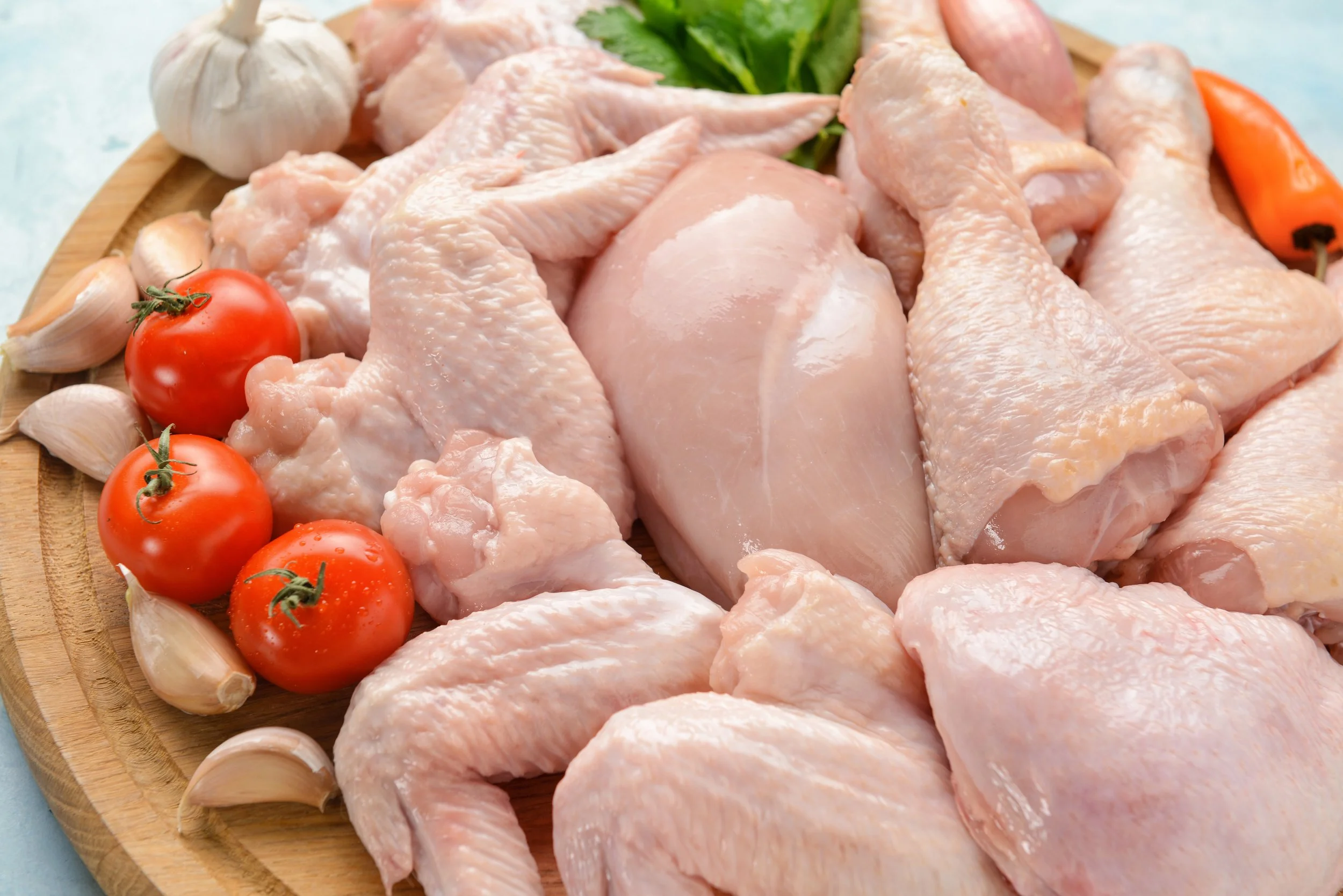
The two recipes that follow are built around one simple idea: use one whole chicken to make two satisfying meals. The first pairs roasted chicken with barley and vegetables, while the second turns the remaining meat into cheesy black bean and corn enchiladas. It’s the kind of planning that helps stretch the grocery budget while still keeping dinner varied, nourishing, and worth looking forward to.
Baked Chicken with Barley and Roasted Vegetable Pilaf
Baked Chicken with Barley and Roasted Vegetable Pilaf is built around a simple idea: cook once and let one whole chicken carry you into a second meal. Spatchcocking helps the chicken bake evenly until the skin is crisp while the mushrooms, onions, sweet peppers, and garlic are roasted and deeply flavored by the pan juices.
Half the chicken is served over a hearty pilaf made with chewy barley, greens, fresh herbs, and the roasted vegetables. The result is a satisfying dinner that balances complete protein with whole grains, vegetables, and fiber-rich plant foods.
The remaining meat is reserved for another use, making this recipe especially useful for anyone looking to get more meals, more nourishment, and more value from the food already in the grocery cart.

Baked Chicken with Barley and Roasted Vegetable Pilaf
Ingredients
- 1 whole chicken, about 4½–5 pounds
- 8 ounces cremini mushrooms, quartered
- 1 large yellow onion, cut into thick wedges
- 1 large red or yellow sweet pepper, cut into 1-inch pieces
- 4-5 whole peeled garlic cloves
- 2 tbsp olive oil, divided
- 1½ tsp kosher salt, divided
- 1 tsp smoked paprika
- 1 tsp garlic powder
- ½ tsp freshly ground black pepper
- ½ tsp dried oregano
- 1 cup pearl barley
- 2 cups low-sodium chicken or vegetable broth
- 2 cups baby spinach or chopped kale
- 2 tbsp chopped fresh parsley
- 1 tbsp fresh lemon juice
- Salt and freshly ground black pepper, to taste
Instructions
- Heat the oven to 425°F.
- Place the chicken breast-side down on a cutting board. Using sturdy kitchen shears, cut along both sides of the backbone and remove it. Turn the chicken breast-side up and press firmly on the center of the breastbone until the chicken lies relatively flat.
- Pat the chicken dry. Rub both sides with the remaining tablespoon of olive oil. Combine the remaining 1 teaspoon salt with the smoked paprika, garlic powder, black pepper, and oregano, then season the chicken evenly.
- Place the chicken skin-side up on a large rimmed baking sheet.
- Place the mushrooms, onion, sweet pepper, and garlic cloves in a large bowl and toss with 1 tablespoon of the olive oil and ½ teaspoon of the salt, then spread the vegetables into an even layer around the chicken.
- Roast for 45–55 minutes, or until the skin is browned and crisp and the thickest part of the breast reaches 165°F. Stir the vegetables half way through.
- Transfer the chicken to a cutting board and let rest for 10–15 minutes.
- While the chicken roasts, prepare the barley. Combine the barley and broth in a medium saucepan and bring to a boil. Reduce the heat, cover, and simmer until the barley is tender but still pleasantly chewy, about 20–25 minutes. Drain any excess liquid if necessary.
- Roughly chop the roasted vegetables and stir them into the barley along with any flavorful juices from the roasting pan. Add the spinach or kale and allow the heat of the barley to wilt the greens. Stir in the parsley and lemon juice and season to taste with salt and pepper.
- Cut the chicken in half. Serve one half, cut into smaller pieces, with the warm barley and roasted vegetable pilaf. Set the other half aside to cool.
- Once the remaining half is cool enough to handle, remove the meat from the bones and refrigerate it in a covered container for another meal. Use it within 3–4 days, or freeze for later. It makes the perfect start for the Cheesy Chicken, Black Bean & Corn Enchiladas.
Cheesy Chicken, Black Bean & Corn Enchiladas
Cheesy Chicken, Black Bean & Corn Enchiladas are designed as the second meal from one whole roasted chicken. The reserved meat is mixed with black beans, corn, cheese, and seasonings, then wrapped in tortillas and topped with a homemade fire-roasted tomato enchilada sauce.
The recipe is hearty without being meat-heavy, with beans and corn helping provide additional substance, fiber, and flavor. It is an easy way to turn planned leftovers into something completely new while getting more value from the original chicken.
The result is satisfying, colorful, and practical—a good example of how thoughtful cooking can stretch your grocery budget by utilizing one expensive ingredient across more than one dinner while keeping the meals varied and nourishing.

Cheese Chicken, Black Bean & Corn Enchiladas
Ingredients
- 1 tbsp olive oil
- ½ small yellow onion, chopped
- 2 cloves garlic, minced
- 1 tbsp chili powder
- 1 tsp ground cumin
- ½ tsp dried oregano
- ¼ tsp smoked paprika
- 1 can (14½ ounces) fire-roasted diced tomatoes
- 1 cup low-sodium chicken broth
- ½ tsp kosher salt, or to taste
- 1 tsp fresh lime juice
- Meat from ½ of a roasted chicken, skin and bones removed, shredded or chopped
- 1 can (15 ounces) black beans, rinsed and drained
- 1 cup frozen corn, thawed
- 2 cups shredded Monterey Jack, cheddar, or a combination, divided
- 2 tbsp chopped fresh cilantro
- 1 tsp ground cumin
- 12 (5") corn or flour tortillas
- Fire-Roasted Tomato Enchilada Sauce
- Optional for serving: avocado, plain Greek yogurt, cilantro, sliced scallions, and lime wedges
Instructions
- Heat the olive oil in a small saucepan over medium heat. Add the onion and cook for about 4 minutes, until softened.
- Add the garlic, chili powder, cumin, oregano, and smoked paprika and cook for about 30 seconds, until fragrant.
- Stir in the fire-roasted tomatoes, chicken broth, and salt. Bring to a gentle simmer and cook for 10–12 minutes.
- Blend until smooth using an immersion blender, or carefully transfer the sauce to a countertop blender. Stir in the lime juice and adjust the seasoning to taste.
- Heat the oven to 375°F.
- Spread about ½ cup of the enchilada sauce over the bottom of a 9-by-13-inch baking dish.
- In a large bowl, combine the chicken, black beans, corn, 1 cup of the cheese, cilantro, and cumin. Stir in about ½ cup of the enchilada sauce to lightly moisten the filling.
- Warm the tortillas until pliable. Divide the chicken mixture evenly among the tortillas, roll them up, and place them seam-side down in the prepared baking dish.
- Pour the remaining enchilada sauce over the tortillas and sprinkle with the remaining 1 cup cheese.
- Bake uncovered for 20–25 minutes, until the enchiladas are heated through and the cheese is melted and bubbling.
- Serve with avocado, Greek yogurt, cilantro, scallions, or lime wedges, as desired.
There you have it!
Healthy eating doesn’t depend on premium ingredients, and stretching the grocery budget doesn’t have to mean settling for less. Using familiar foods in more flexible ways can bring more variety to the table, reduce waste, and help every ingredient do a little more.
Next week, we’ll take the same approach to the rest of the grocery cart—looking at produce, grains, convenience foods, and other places where smart choices can help you eat well without spending more than you need to.