
Eating well on a budget is often presented as a matter of finding the cheapest foods in the store. But that misses a much more useful way to think about value.
The price of a food matters, of course, but so does what that food contributes nutritionally, how many meals it can help create, how likely you are to use it before it spoils, and whether it makes cooking easier enough that dinner actually gets made. A higher-priced food is not automatically more nourishing, just as the least expensive choice is not always the best value.
That is especially important because healthy eating is often pictured as a cart filled with fresh produce, specialty grains, and foods prepared from scratch. Those can certainly be part of a nourishing diet, but they are not the only way to eat well.
A healthy way of eating can also be built from very ordinary foods—frozen fruits and vegetables, canned produce, oats, rice, barley and other grains, beans, and meals you prepare ahead and keep ready for another day. These choices can provide fiber, vitamins, minerals, plant compounds, and plenty of variety while also helping reduce waste, save time, and make the grocery budget stretch further.
The useful question, then, is not simply, “Which one costs less?” It is also, “What does this food allow me to make?”
A bag of frozen berries may last long enough to become several breakfasts and a can of tomatoes can become soup, sauce, or part of a casserole. An inexpensive grain can help turn vegetables and a smaller amount of protein into a satisfying meal while a homemade meal tucked into the freezer can become your own version of convenience food on a night when cooking feels like too much.
That is the larger idea behind this two-part series: getting more nourishment, more flexibility, and more meals from the money you are already spending.
In Part 1: Rethinking Protein on a Budget, we looked specifically at how more expensive proteins such as meat, poultry, and fresh fish can stretch further when they share the meal with beans, grains, vegetables, eggs, and dairy. This time, we’re looking at the rest of the grocery cart—when frozen or canned produce may make more sense than fresh, how everyday grains can add more to a meal, and how creating your own convenience foods can make eating well easier on both busy days and the grocery budget.
The goal is the same whether we are talking about chicken or blueberries: not to build the cheapest grocery cart possible, but to build one that gives you good nutrition, food you enjoy, less waste, and better value from what you spend.
Use Frozen Produce for Flexibility
Fresh produce gets most of the attention when we talk about healthy eating, and when it is local, in season, and harvested close to peak ripeness, there is good reason for that. This is often when fruits and vegetables are at their best—not only in flavor and texture, but in nutritional quality as well. A summer tomato picked ripe from a nearby farm or berries eaten during their natural season are hard to improve upon.
But that is not always the fresh produce sitting in the grocery store. Fruits and vegetables that need to travel long distances may be harvested before they are fully ripe so they can withstand shipping and arrive in good condition. They may continue to ripen afterward, but flavor can suffer, and some nutrients and plant compounds can change during ripening, transportation, and storage. Fresh produce also continues to lose certain nutrients after harvest, particularly when it spends days or weeks moving through the supply chain and then more time in the refrigerator.
Frozen produce offers a different advantage. Fruits and vegetables destined for freezing are generally harvested near maturity and processed relatively quickly. Freezing does not preserve every nutrient perfectly, but research comparing fresh and frozen produce has found that nutrient levels are often similar and, depending on the food and nutrient, sometimes higher in frozen produce after storage.
That means the choice does not have to be “fresh is best, frozen is second best.” A better approach is to use each where it has the most to offer.
Fresh berries in season may give you wonderful flavor for eating out of hand. In January, frozen berries may taste better in oatmeal, yogurt, smoothies, or muffins than fresh berries that have traveled a long distance and cost considerably more. Fresh spinach is ideal for a salad, while frozen spinach is convenient for soups, pasta dishes, casseroles, egg dishes, curries, and grain bowls.
Frozen broccoli, peas, corn, cauliflower, and mixed vegetables can play the same role. They are already cleaned and prepared, you can take out only what you need, and the rest stays safely in the freezer until another meal.
From a budget standpoint, that flexibility matters. The best value is not always the produce with the lowest price per pound. It is also the produce that tastes good, contributes useful nutrition, works in the meals you actually make, and gets eaten before it spoils.
Food that gets eaten is almost always a better value than food that gets thrown away.
Use Frozen Produce for Flexibility: Easy Recipes to Try
Frozen produce makes it easier to keep fruits and vegetables in regular rotation without the pressure to use everything right away. It can also save washing and chopping time, making it especially useful when you want a nourishing meal without a lot of prep.
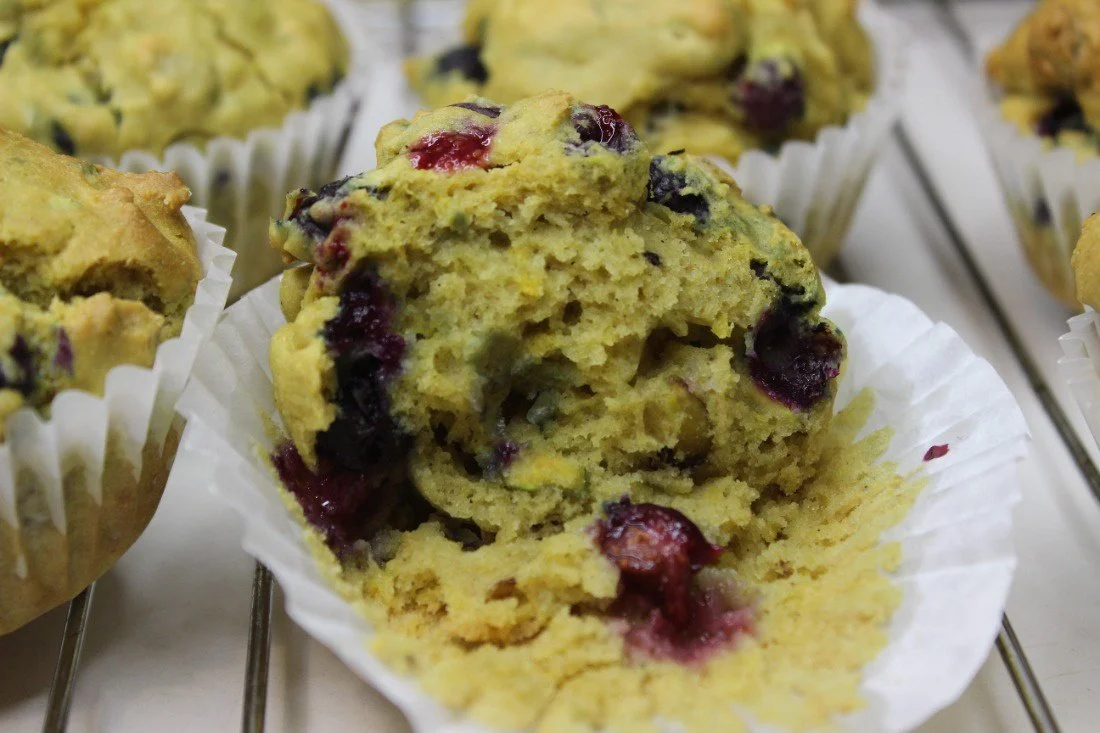
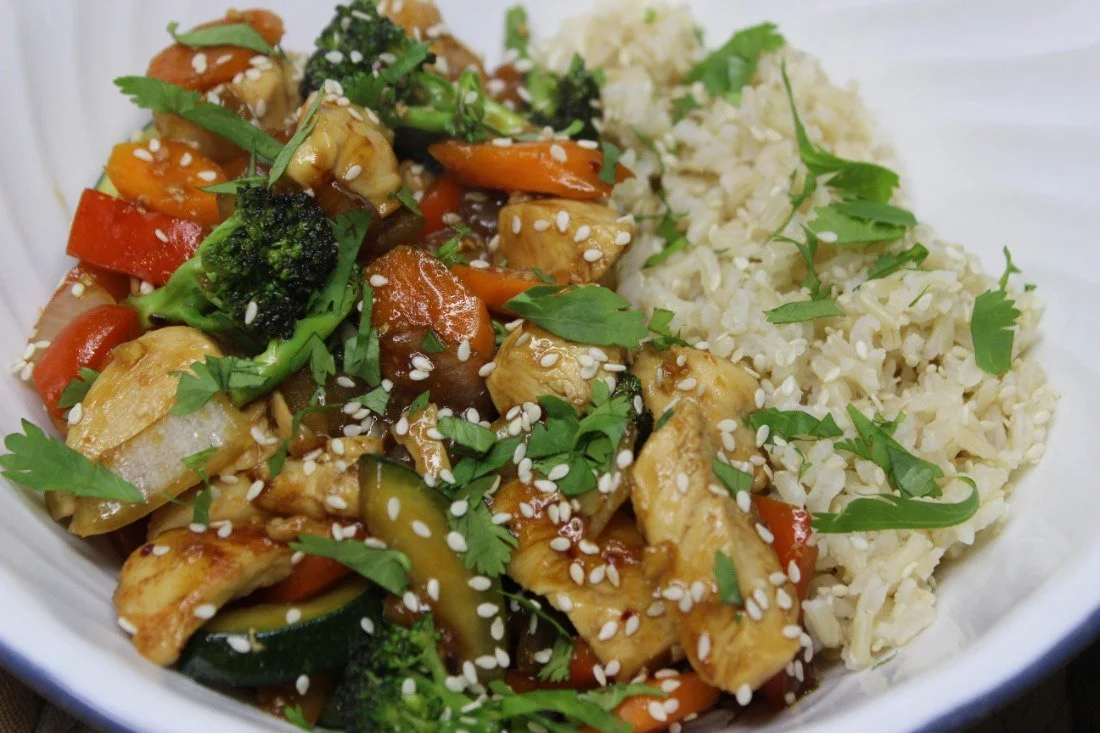
The Blueberry Tofu Muffins can be made with frozen blueberries, making them an easy option when fresh berries are expensive or out of season. The Teriyaki Chicken and Veggie Bowl can be made with either fresh vegetables or a frozen stir-fry blend, giving you the flexibility to choose what is flavorful, affordable, and convenient at the time.
Make Canned Vegetables Work Harder
Canned vegetables tend to get even less credit than frozen ones, but they can be some of the most useful foods in the kitchen. They are inexpensive, shelf-stable, and already prepared, which means they can move from the pantry into dinner with almost no work.
They are not exactly the same as fresh or frozen vegetables, and they don’t need to be. Canning changes both texture and flavor. Vegetables become softer during processing, and some develop a more cooked or concentrated flavor. That makes canned green beans very different from crisp fresh ones, for example, but it also makes foods such as tomatoes, pumpkin, corn, beets, and artichokes especially useful in dishes where softness or a deeper cooked flavor works to your advantage.
Canned tomatoes may be one of the best examples. They can become the base of soup, pasta sauce, chili, curry, braises, and casseroles without any washing, chopping, peeling, or simmering down of fresh tomatoes first. Canned pumpkin is ready to stir into soup, oatmeal, sauces, or baked goods. Beets can go straight into a salad or grain bowl, and corn can be added to tacos, soups, casseroles, or salads in minutes.
That time savings is part of their value too. When dinner needs to come together quickly, having foods that are already washed, trimmed, cooked, and ready to use can make the difference between preparing something at home and reaching for a much more expensive takeout meal.
Canned vegetables can still contribute fiber, vitamins, minerals, and plant compounds. Sodium may be higher in some products, so lower-sodium versions can be useful, and draining or rinsing can help when appropriate. But the fact that a vegetable comes in a can does not automatically make it a poor nutritional choice.
Their shelf life also gives them a budget advantage that is easy to overlook. There is no rush to use them, no trimming waste, and very little chance that they will quietly deteriorate in the back of the refrigerator. A vegetable that waits in the pantry until you need it may be a much better value than a fresh one that ends up in the compost.
This is also where a well-stocked pantry begins to earn its keep. Keeping a small collection of versatile foods such as tomatoes, beans, pumpkin, corn, and beets on hand means there is almost always something available to help turn a few other ingredients into a meal.
Make Canned Vegetables Work Harder: Easy Recipes to Try
Canned vegetables are at their best when their softer texture, cooked flavor, and convenience work with the recipe rather than against it.
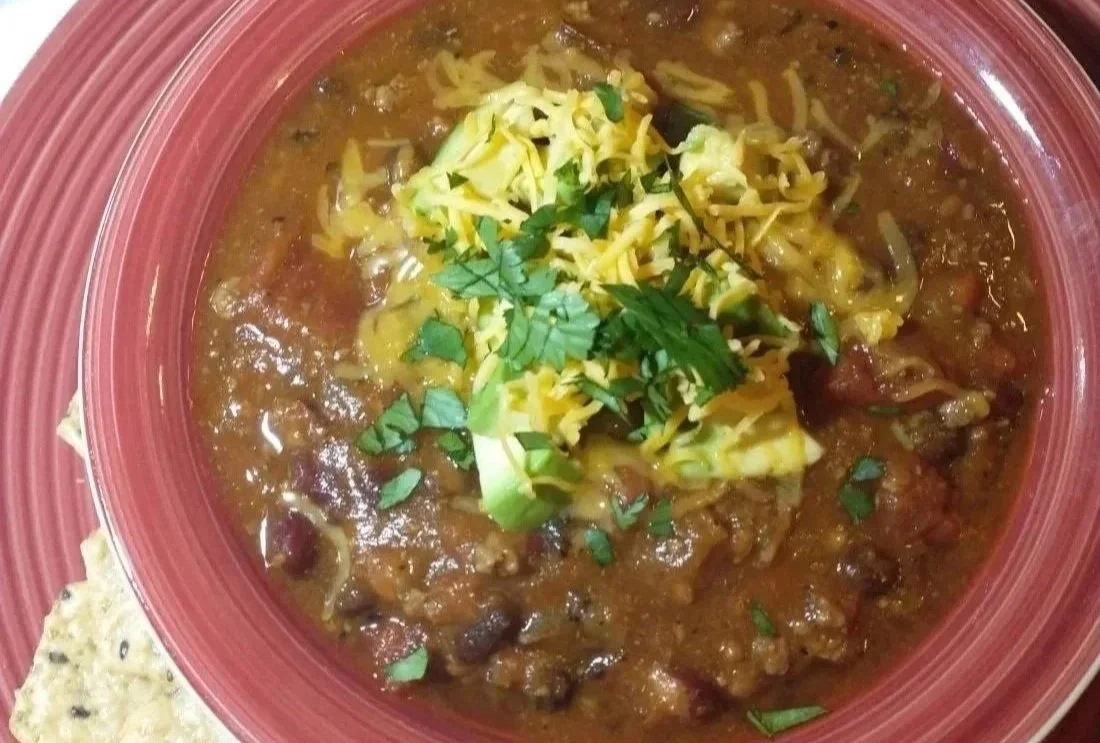
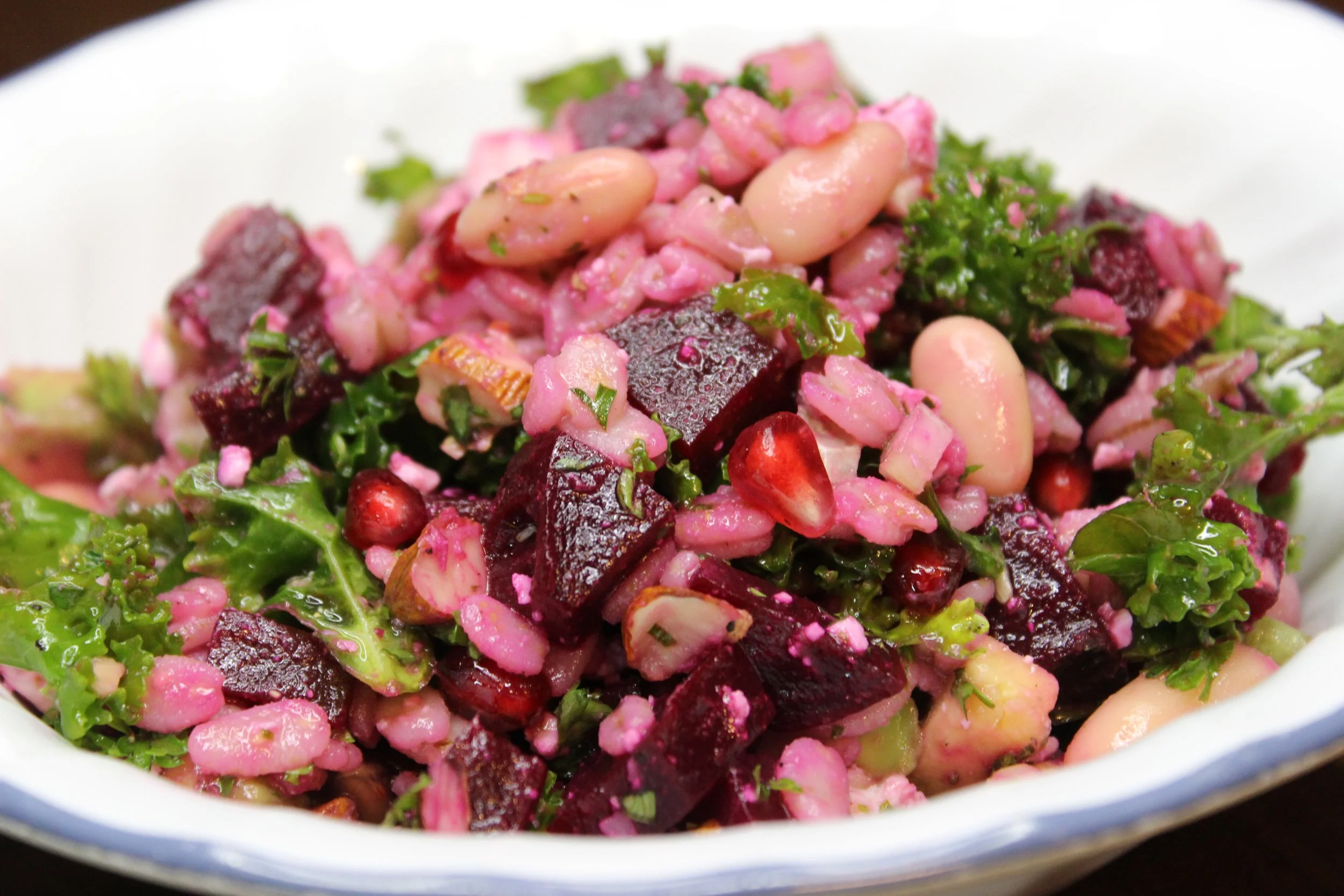
The Pumpkin Chili uses pantry staples such as fire-roasted tomatoes, beans, and pumpkin to create a hearty meal with very little preparation. The Barley, Beet & White Bean Salad takes canned beets and beans in a completely different direction, showing how shelf-stable foods can just as easily become part of a fresh, colorful meal.
Let Everyday Grains Round Out the Meal
Quinoa has earned a strong reputation as a healthy grain, and it is certainly nutritious. But it is only one option, and often one of the more expensive ones. There are plenty of other grains that can bring fiber, B vitamins, minerals, texture, and staying power to a meal without carrying the same premium price.
If some of these grains are unfamiliar, it helps to think about them less as “health foods” and more as ingredients with their own personalities.
Brown rice has a mild, nutty flavor and a slightly chewy texture. It works almost anywhere white rice does, from grain bowls and stir-fries to casseroles and side dishes. White rice is still useful too—milder, softer, quicker to cook, and often less expensive. A healthy diet does not require every grain choice to be whole grain all the time.
Barley has a pleasantly chewy texture and a mild, earthy flavor. Whole hulled barley keeps more of the grain intact but takes longer to cook. Pearled barley, which has had some of the outer layers removed, cooks more quickly and is also the type you are most likely to find in a typical grocery store. It is especially good in soups, pilafs, and hearty salads because it holds its shape and absorbs the flavors around it.
Farro is an ancient form of wheat with a nutty flavor and firm, chewy texture. It works especially well with roasted vegetables, greens, beans, herbs, and vinaigrettes. Like barley, it can turn a collection of vegetables or a smaller amount of protein into a much more substantial meal.
Bulgur is wheat that has been parboiled, dried, and cracked, which is why it cooks much faster than many whole grains. It has a light, nutty flavor and a tender texture and works well in pilafs, grain salads, or as a base for vegetables and beans. It is also the grain traditionally used in tabbouleh.
Oats come in several forms, and each is useful in a slightly different way. Steel-cut oats are chopped whole oat groats and have a firmer, chewier texture, making them especially good for a hearty bowl of oatmeal. Old-fashioned rolled oats are steamed and flattened, so they cook more quickly and work well in oatmeal, granola, muffins, baked oatmeal, and other baked goods. Quick oats are rolled thinner and cut smaller, which allows them to cook very quickly and makes them useful when time matters. The nutrition is similar across the different forms; the main differences are texture and cooking time.
Couscous looks like a grain, but it is actually tiny pasta made from semolina wheat. It has a mild flavor and cooks in just a few minutes, making it one of the easiest options for a fast side dish. It readily absorbs broth, herbs, spices, lemon, and cooking juices, so it pairs well with vegetables, beans, chicken, fish, and stews.
And pasta deserves a place in this conversation too. Regular pasta, whole-wheat pasta, and other pasta varieties can all help round out a meal. Pairing pasta with vegetables, beans, lentils, seafood, or a smaller amount of meat can make it part of a balanced meal rather than treating it as something that needs to be avoided.
What makes all of these grains and grain-based foods especially useful from a budget standpoint is how much food they create once cooked. A relatively small amount of dry rice, barley, bulgur, oats, couscous, or pasta can become several servings, helping more expensive ingredients stretch further.
A little chicken or fish can go further when it shares the plate with a grain. Beans become more satisfying when paired with rice or bulgur. Roasted vegetables can become a more substantial meal when folded into barley or farro. Couscous can turn a few vegetables and chickpeas into dinner in minutes.
The grain does not have to be the star of the plate. Often its best role is to quietly make the meal more complete—adding texture, fiber, energy, and substance while helping the more expensive ingredients go further.
Let Everyday Grains Round Out the Meal: Easy Recipes to Try
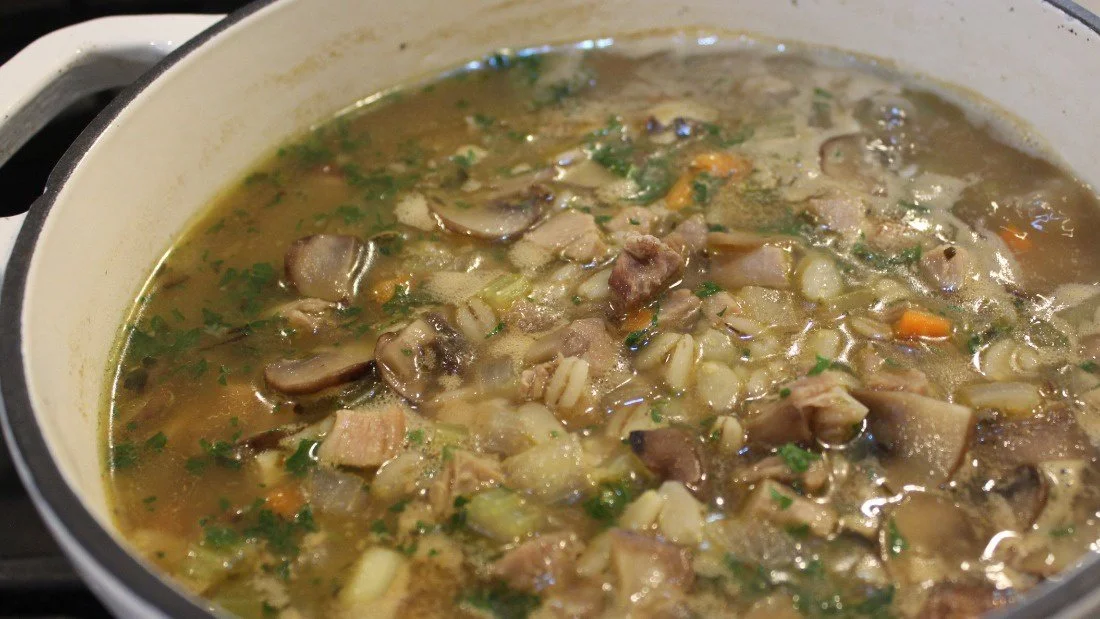
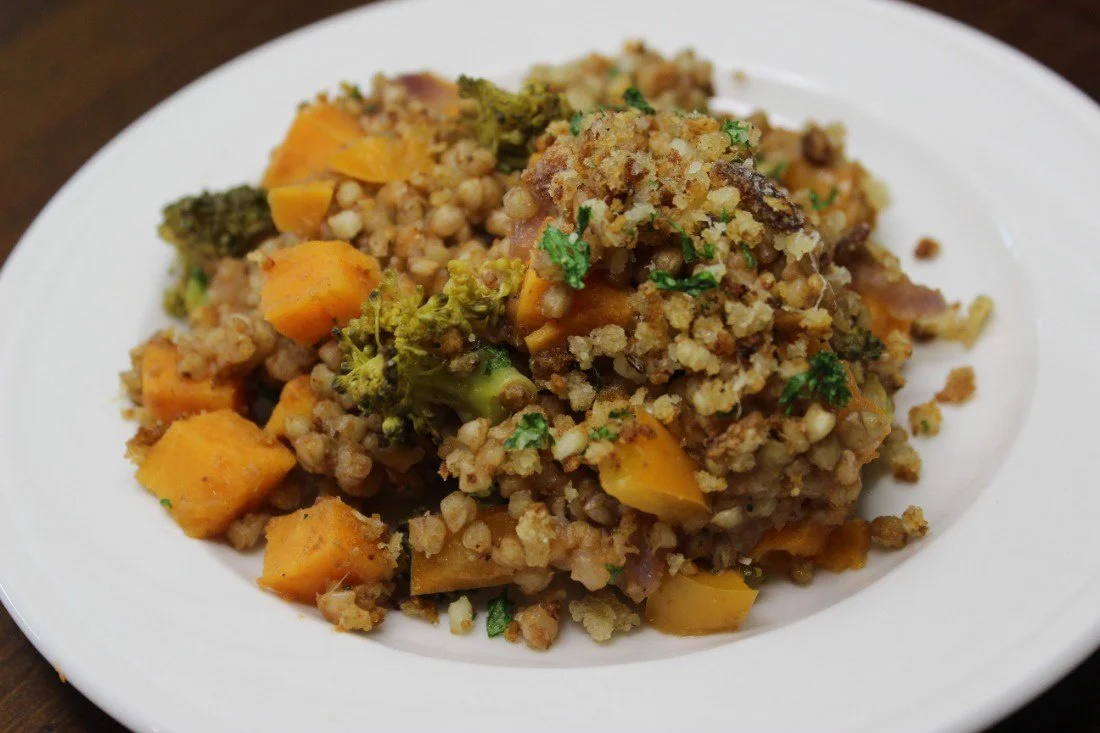
If rice and pasta are the grains you reach for most often, these recipes offer an easy way to explore something different. The Turkey Mushroom Barley Soup shows how pearled barley can add chew and substance with relatively little extra cooking time, while the Buckwheat Casserole with Broccoli & Sweet Potato offers another way to bring a less familiar grain-like food into a hearty, vegetable-rich meal.
Make Your Own Convenience Foods
Convenience foods are useful for a reason. There are days when having something ready to heat and eat can make the difference between a nourishing meal and whatever is quickest on the way home. But convenience does not always have to come from a box, a freezer case, or a takeout container.
One of the easiest ways to create your own convenience is to use the freezer more intentionally. This does not require a full day of meal prep or a perfectly organized system. It can be as simple as making a little more of something you are already cooking and putting some away for later.
Soups are an easy place to start. If you are making a pot of soup, chili, or stew, freeze one or two portions before the leftovers disappear. Casseroles and baked pasta dishes can be portioned into individual containers so they are ready to reheat for lunch or dinner. Cooked grains such as rice, barley, farro, or couscous can be frozen in meal-size portions and added later to bowls, soups, or side dishes.
Side dishes can go into the freezer too. Roasted vegetables, cooked beans, lentils, mashed sweet potatoes, and some grain pilafs can all be portioned and saved for another meal. Having one or two prepared sides on hand can make a simple piece of chicken, fish, or a couple of eggs feel like a complete dinner without starting from scratch.
Breakfasts and snacks are another easy opportunity. Muffins, quick breads, pancakes, waffles, and breakfast sandwiches can be frozen individually and reheated as needed. Even something as simple as freezing half a batch of muffins means there is something ready on a morning when there is no time to cook.
And perhaps the easiest habit of all is to freeze leftovers on purpose. If there is only one serving of dinner left and you know it is unlikely to be eaten the next day, put it in the freezer instead of letting it sit in the refrigerator until it gets thrown away. Over time, those single portions can become a small collection of ready-made meals.
A few simple freezer habits can make this much easier. Cool cooked food before freezing, portion it in amounts you are likely to use, label it with the name and date, and keep the oldest foods toward the front so they do not disappear into the back of the freezer. You do not need a large freezer or dozens of containers to make this work. Even keeping two or three prepared meals or components on hand can take pressure off a busy week.
There is still a place for purchased convenience foods. Frozen vegetables, canned beans, bagged slaw, jarred sauces, and other shortcuts can make cooking easier too. The goal is not to make everything yourself. It is to create enough of your own convenience that you have nourishing options ready when time and energy are limited.
Make Your Own Convenience Foods: Easy Recipes to Try
The most useful homemade convenience foods are complete meals you can make ahead, portion, and reheat when you need them. Having one or two dishes like this in the freezer can take the pressure off a busy evening and make it much easier to eat at home.
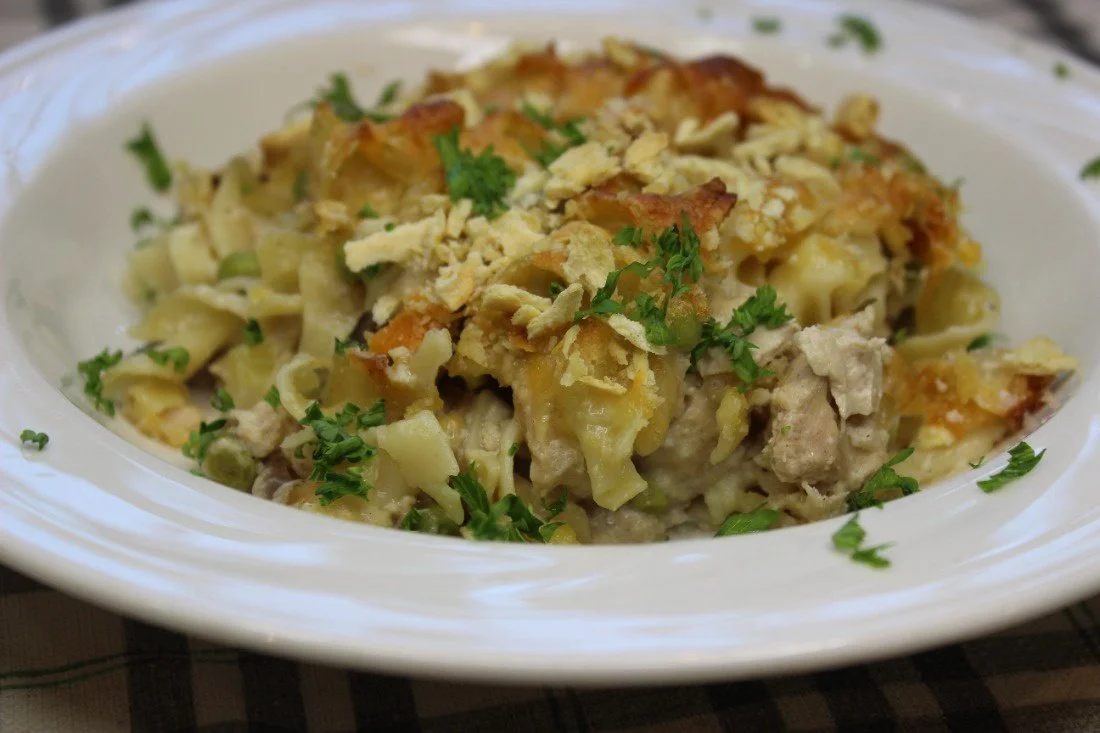
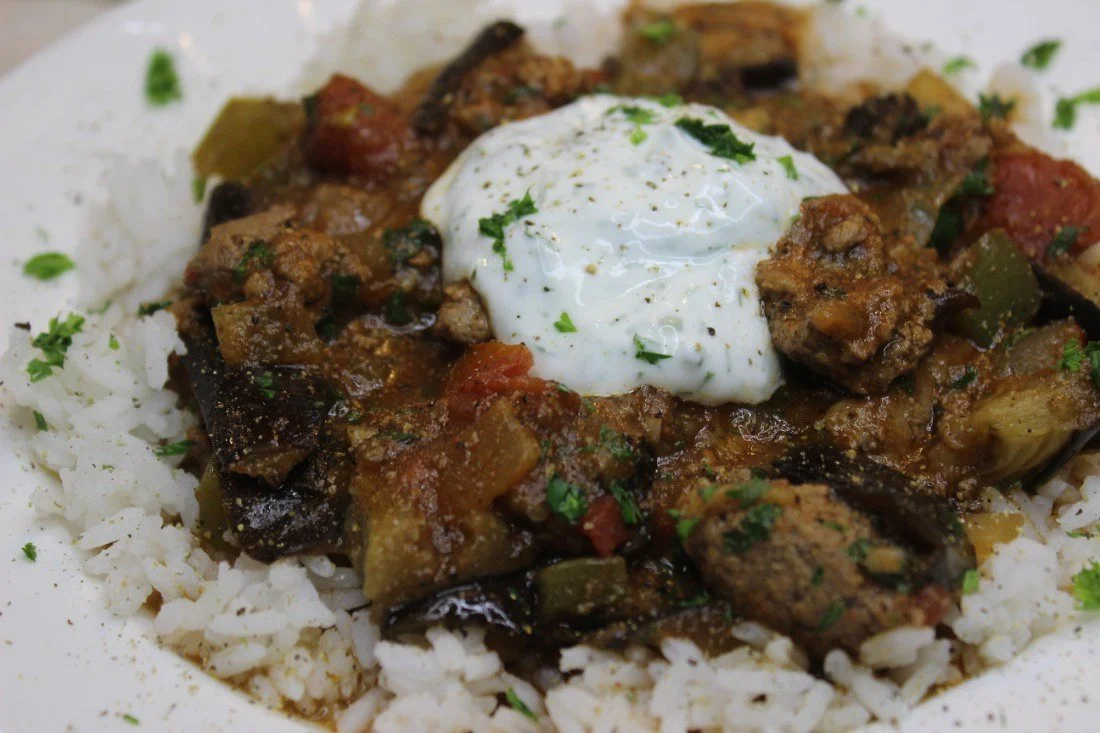
The Easy Tuna Noodle Casserole is a complete meal that can be prepared ahead, portioned, and reheated when you need something ready to eat. The Turkish Lamb Moussaka offers another freezer-friendly option—a hearty, fully prepared meal that can be divided into individual servings for future lunches or dinners.
A Better Grocery Cart is Not Necessarily a More Expensive One
Eating well on a budget does not mean buying the cheapest food in every aisle. It means looking a little more closely at what the food you buy gives you in return.
Fresh produce may be wonderful when it is local, seasonal, and full of flavor, while frozen fruits and vegetables can offer year-round convenience, good nutrition, and much less waste. Canned vegetables can save time and give you useful ingredients that are ready whenever you need them. Everyday grains can add fiber, texture, and substance to meals without requiring a premium price tag, and a few homemade foods tucked into the freezer can make eating well easier on the days when there simply isn’t much time or energy to cook.
None of these choices has to replace the others. A practical grocery cart can include fresh, frozen, canned, homemade, and purchased foods. The value comes from knowing when each one makes sense and using them in ways that help you get more from what you spend.
That may be the biggest takeaway from both parts of this series: price tells you what a food costs, but use tells you what it is worth.
When the foods in your cart are nourishing, flexible, enjoyable, and likely to be eaten rather than wasted, eating well starts to feel a little less expensive—and a lot more doable.
Let’s get cooking!
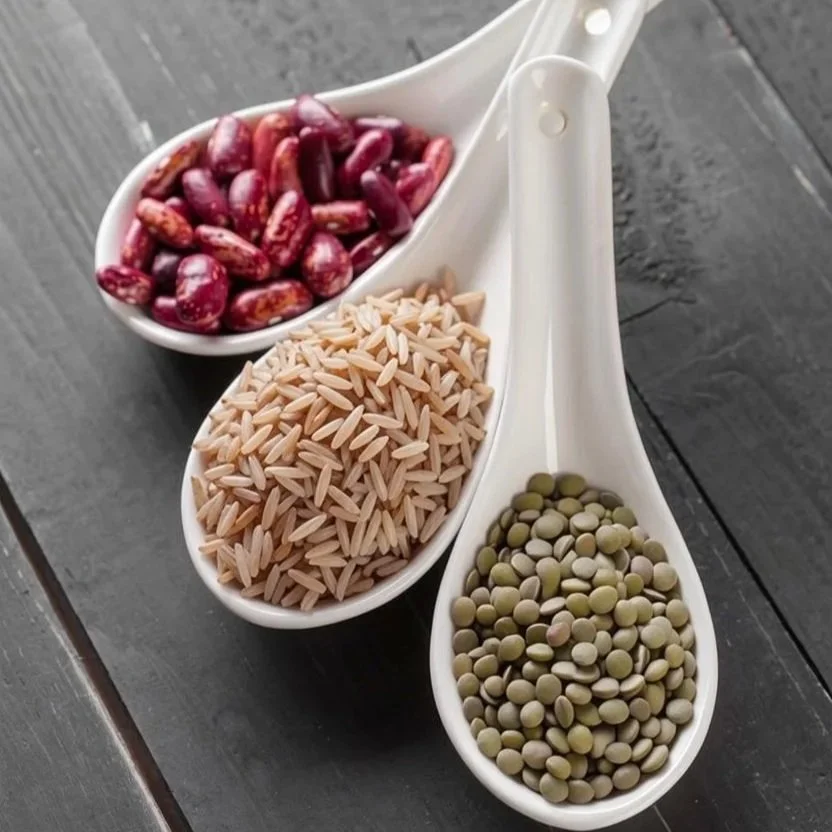
These recipes put this week’s ideas into practice in different ways. The Beef & Kidney Bean Meatloaf Muffins are designed to be portioned, frozen, and reheated for an easy future meal, while the Brown Rice, Lentil & Herb Pilaf shows how an everyday grain can add fiber, plant protein, and staying power to the plate without adding much to the grocery bill.
Beef & Kidney Bean Meatloaf Muffins
Beef & Kidney Bean Meatloaf Muffins take a familiar comfort food and quietly build in a little more nutrition. Ground beef stays at the center, while finely chopped kidney beans, spinach, carrot, onion, garlic, and ground flaxseed add fiber, plant nutrients, and moisture without turning the recipe into something that no longer feels like meatloaf.
Baking the mixture in a muffin tin gives you individual portions with plenty of glazed surface area and makes the recipe especially practical for busy weeks. Serve them with vegetables, a grain, or a simple salad for dinner, then refrigerate or freeze the extras for an easy heat-and-eat meal later.

Beef & Kidney Bean Meatloaf Muffins
Ingredients
- 1 pound lean ground beef
- ½ cup kidney beans, rinsed and well drained
- ½ cup chopped onion
- ½ cup chopped carrot
- ½ cup frozen chopped spinach, thawed and squeezed dry
- 2 cloves garlic
- 1 tablespoon olive oil
- 1 large egg
- 3 tablespoons ground flaxseed
- 1 teaspoon smoked paprika
- 1 teaspoon dried thyme
- 1 teaspoon kosher salt
- ½ teaspoon freshly ground black pepper
- ¼ cup ketchup
- 1 tablespoon Dijon mustard
- 1 teaspoon Worcestershire sauce
Instructions
- Heat the oven to 375°F. Lightly grease a standard 12-cup muffin tin.
- Place the onion, carrot, spinach, and garlic in a food processor. Pulse until very finely chopped, stopping before the mixture becomes a purée.
- Heat the olive oil in a large skillet over medium heat. Add the processed vegetables and cook for 5–7 minutes, stirring occasionally, until softened and most of the excess moisture has cooked away.
- Meanwhile, place the kidney beans in the food processor and pulse until finely chopped but not completely smooth.
- Add the chopped beans to the skillet with the vegetables. Cook for another 2–3 minutes, stirring often, until the mixture is fairly dry and well combined. Remove from the heat and let cool for several minutes.
- In a large bowl, combine the ground beef, cooled vegetable-bean mixture, egg, ground flaxseed, smoked paprika, thyme, salt, and black pepper. Mix gently just until evenly combined.
- Let the mixture rest for about 5 minutes so the flaxseed can absorb any remaining moisture.
- Divide the mixture evenly among the 12 muffin cups, filling each cup and shaping the tops lightly without packing the mixture too firmly.
- In a small bowl, stir together the ketchup, Dijon mustard, and Worcestershire sauce. Spoon a little glaze over the top of each meatloaf muffin.
- Bake for 25–30 minutes, or until the centers reach 160°F.
- Let the meatloaf muffins rest in the pan for about 5 minutes before removing.
Notes
- Cool completely before refrigerating or freezing.
- Store in an airtight container in the refrigerator for up to 4 days.
- To freeze, arrange the cooled meatloaf muffins on a baking sheet and freeze until firm, then transfer them to a freezer-safe container or bag. Freeze for up to 3 months.
- Reheat individual portions as needed for an easy heat-and-eat lunch or dinner.
Brown Rice, Black-Eyed Pea & Herb Pilaf
Brown Rice, Black-Eyed Pea & Herb Pilaf is a simple, flavorful side dish built from everyday ingredients that bring both nourishment and substance to the plate. Nutty brown rice pairs with tender black-eyed peas, bright lemon, fresh herbs, and a touch of sweetness from dried cranberries, creating a combination that is colorful, satisfying, and easy to serve with a wide variety of meals.
The brown rice contributes whole-grain fiber and a pleasantly chewy texture, while the black-eyed peas add plant protein, more fiber, and minerals. Fresh herbs and lemon keep the dish lively, and the cranberries add just enough contrast to balance the savory flavors.
Pair it with a smaller portion of chicken, fish, or another protein and you still end up with a meal that feels complete, colorful, and satisfying. It is a practical example of how everyday grains and legumes can fill out the plate, add nutritional value, and help you get more from the foods you are already buying.

Brown Rice, Black-Eyed Pea & Herb Pilaf
Ingredients
- 1 tbsp olive oil
- 1/3 cup finely chopped onion
- 2 cloves garlic, minced
- 1 cup long-grain brown rice
- 2½ cups low-sodium vegetable or chicken broth
- ½ tsp kosher salt, or to taste
- ¼ tsp freshly ground black pepper
- ½ tsp dried thyme
- 1 can (15 ounces) black-eyed peas, rinsed and well drained
- ¼ cup dried cranberries, chopped
- 2 tbsp chopped fresh parsley
- 1 tbsp chopped fresh dill or chives
- 1 tbsp fresh lemon juice
- 1 tsp finely grated lemon zest
- ¼ cup toasted walnuts or pumpkin seeds, optional
Instructions
- Heat the olive oil in a medium saucepan over medium heat. Add the onion and cook for 4–5 minutes, stirring occasionally, until softened.
- Stir in the garlic, brown rice, thyme, salt, and black pepper. Cook for 1–2 minutes, stirring, to lightly toast the rice and coat it with the oil and seasonings.
- Add the broth and bring to a boil. Reduce the heat to low, cover, and simmer for about 25–30 minutes.
- Stir in the black-eyed peas and dried cranberries. Cover again and continue cooking for another 10 minutes, or until the rice is tender and most of the liquid has been absorbed.
- Remove from the heat and let stand, covered, for 5–10 minutes.
- Fluff gently with a fork, then stir in the parsley, dill or chives, lemon juice, and lemon zest. Taste and adjust the seasoning as needed.
- Sprinkle with toasted walnuts or pumpkin seeds, if using, just before serving.
Notes
- This pilaf keeps well in the refrigerator for up to 4 days and can also be frozen in meal-size portions.
- Cool completely before freezing, then store in airtight containers or freezer-safe bags for up to 3 months. Reheat with a splash of broth or water to restore moisture.
There you have it!
There is no prize for having the “right” grocery cart. What matters is that the food you bring home works for your life, supports your health, and gives you meals you actually look forward to eating.
Let this be an invitation to experiment a little. One different choice, one new ingredient, or one extra meal tucked away for later may be all it takes to make eating well feel a little easier.