
Beyond Probiotics Part 2: Inside the Gut - How Your Microbiome Shapes Your Health
In Part One of this series, Beyond Probiotics: The Science and Tradition of Fermented Foods, we explored fermentation as one of humanity's oldest food traditions. Long before anyone understood microbes, people were fermenting vegetables, milk, grains, tea, and countless other foods to preserve harvests, reduce waste, and transform simple ingredients into foods with remarkable flavors and textures. But what our ancestors could not have known was that the same microscopic world responsible for transforming food also exists within us.
For much of modern history, we thought of the digestive system mainly as a place where food was broken down and nutrients were absorbed. We viewed food from a reductionist paradigm: a singular source of macronutrients - proteins, fats, and carbohydrates - and micronutrients - vitamins and minerals - as the way to stay healthy. It was a practical system, important to be sure, but largely separate from the rest of the body's story.
Today, our understanding is changing as researchers are discovering that our gut is not merely a digestive organ. It is home to a vast and complex microbiome composed of a diverse assortment of microbes that communicate with the immune system, influence metabolism, and even participate in conversations with the brain. While scientists are still unraveling the details, it has become increasingly clear that the gut plays a far more dynamic role in health than previously imagined.
This second article is an exploration of that hidden world. We'll step inside the digestive system to better understand the remarkable community of microbes that lives there and examine what current research is revealing about the many conversations taking place between the gut and the rest of the body.
Then, in the final article of this series, we'll return to the kitchen, where this story began.
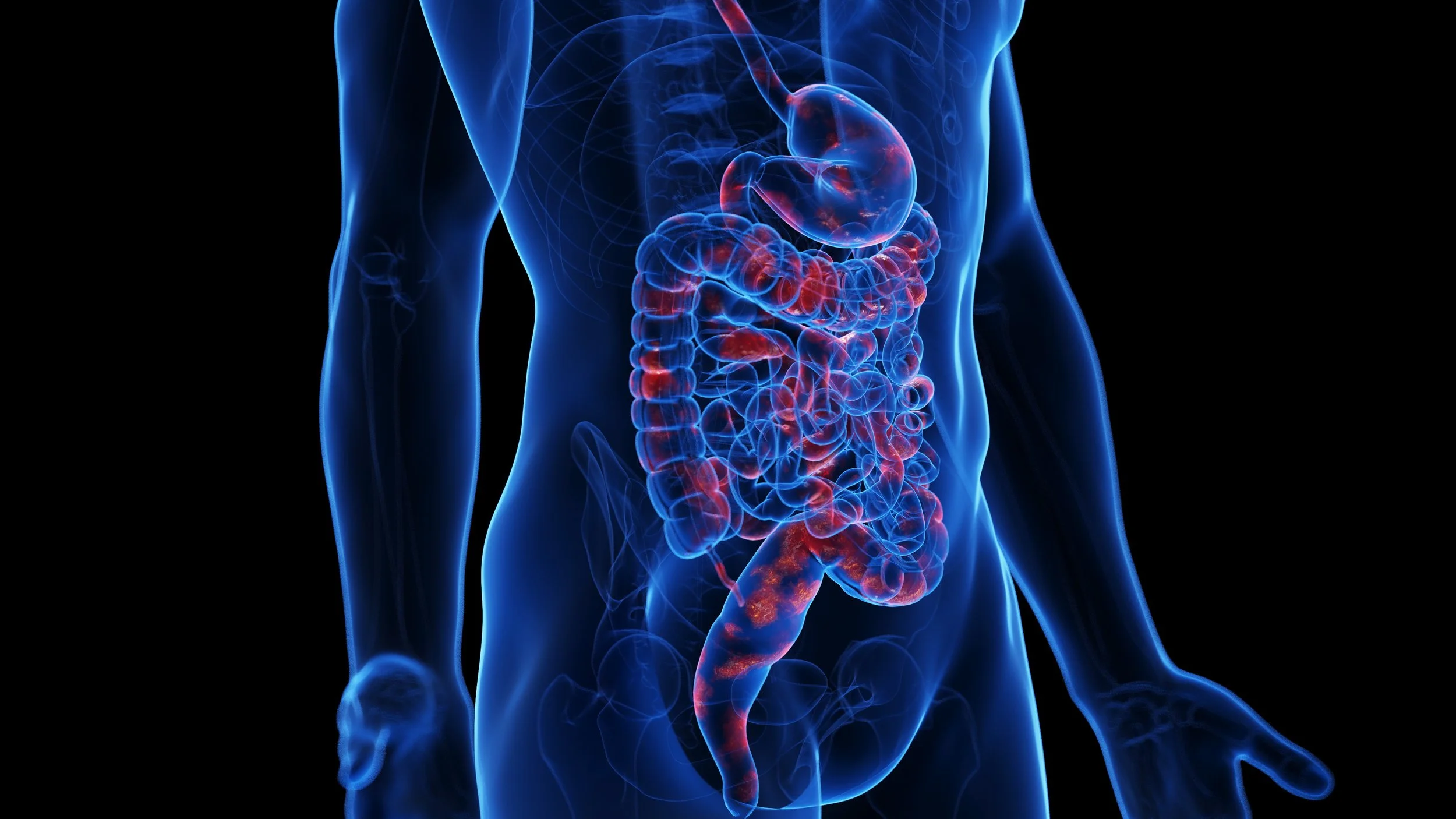
Meet Your Microbiome
The word microbiome is popping up more and more frequently in legitimate health conversations, yet it can sometimes feel abstract. Unfortunately, it has become a marketing buzzword used to sell anything from supplements, to skincare products, to fermented foods while stretching the science and overpromising miraculous results. Consequently, it has become detached from its actual meaning and is often misunderstood.
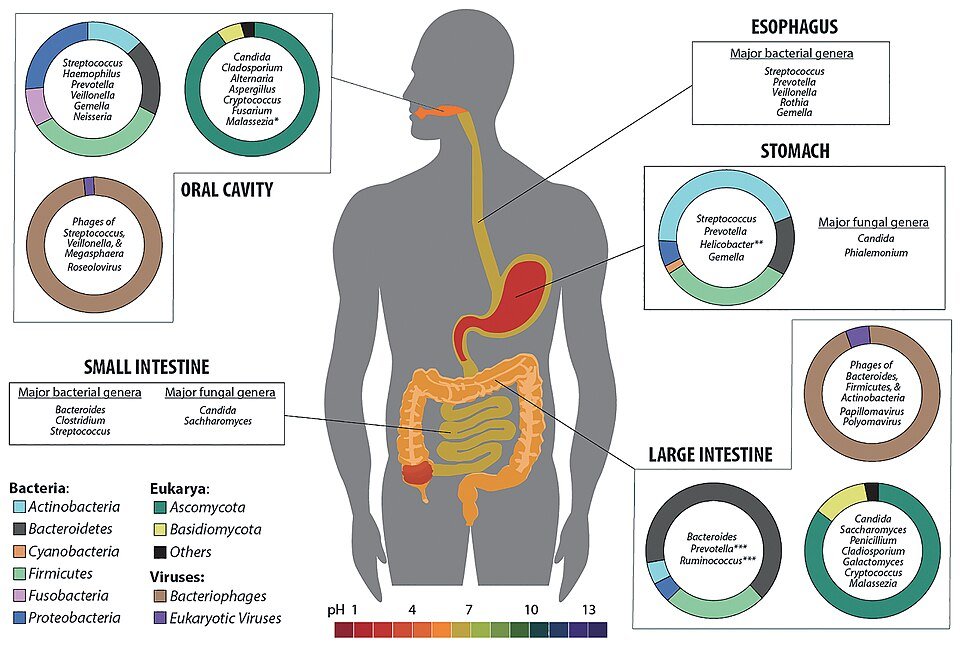
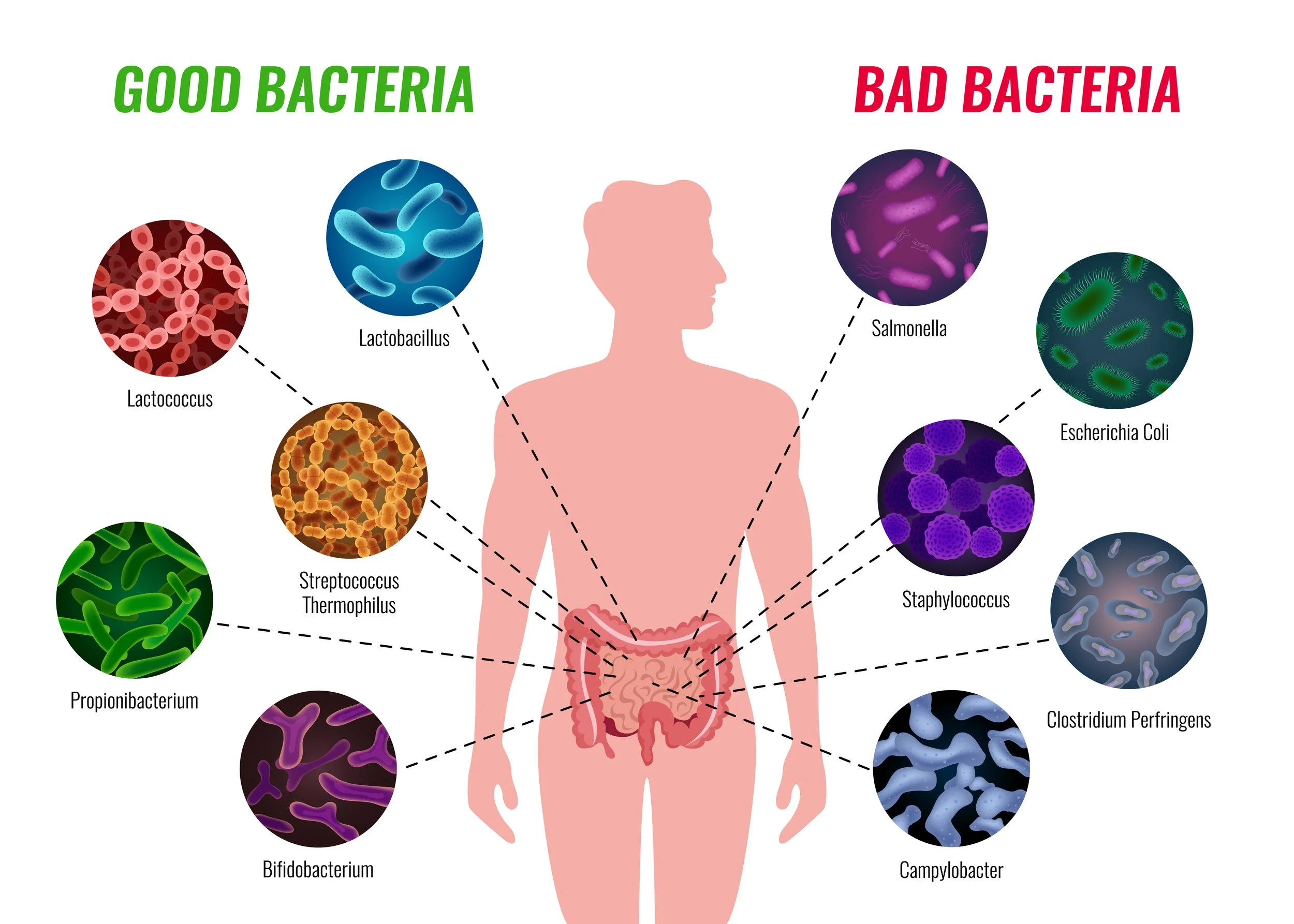
There are five major microbiomes of the human body: the oral (mouth) microbiome, the skin microbiome, the respiratory (nose, throat, and lungs) microbiome, the urogenital (urinary tract and vagina) microbiome, and the gut microbiome. All together these microbiomes host an estimated 39 trillion microbial cells including bacteria, viruses, and fungi. While that number is huge, these organisms comprise only 1-3% of the body’s total mass. Each microbiome has a different mix of microorganisms because of the environmental conditions of each site: moisture, darkness, pH, and oxygen all play a role. Most of our microbiome is given to us at birth during the passage through the birth canal or breastfeeding, but as we go through life our physical environment, who we live with, and our pets (to name a few influences) all contribute to our microbiome. Our native beneficial microbes battle with invading harmful microbes to prevent their taking over and affecting our health and our gut microbiome plays a big part in this picture.
At its simplest, the gut microbiome refers to the community of microorganisms that live primarily in the intestines. Your community is unique to you and includes bacteria, yeasts, fungi, and other microscopic organisms that coexist in a symbiotic relationship with you. This means that we both benefit from the relationship - we provide food and shelter and they provide important services for our bodies.
A garden offers a useful comparison. A healthy garden is not defined by the presence of a single plant - its strength comes from diversity. Different plants occupy different roles: some enrich the soil, some attract pollinators, and some provide structure and protection for others. The health of the whole depends on countless interactions taking place beneath the surface. When the soil is healthy then the garden is healthy. But if the soil is poor and weeds overtake the useful plants, the garden suffers. The microbiome appears to function in a similar way.
Researchers increasingly believe that diversity matters so, rather than focusing on a single "good" bacterium, scientists are learning to appreciate the importance of a balanced and varied microbial community. Like any ecosystem, resilience often comes from diversity.
Many health messages encourage us to support this diversity with the perfect food, the perfect supplement, or the perfect habit but the microbiome is shaped by patterns rather than isolated choices, by what we do consistently rather than what we do occasionally. The food we eat is one of the main ways that our microbial communities are shaped.
More Than Digestion
For many years, scientists focused primarily on the microbiome's role in digestion which makes sense. After all, these microorganisms live in the digestive tract and interact directly with the food we eat. They help break down certain fibers that our own digestive enzymes cannot process and in doing so, they create compounds that may support the health of the intestinal lining and contribute to overall gut function. However, this is just one part of the story.
Researchers are now exploring how the microbiome communicates with other systems throughout the body. Signals originating in the gut may influence immune responses, metabolic processes, and even aspects of brain function. This does not mean the microbiome controls everything though as health is always multifaceted. Genetics, environment, sleep, movement, stress, social connection, and countless other factors contribute to how we feel and function.
Yet the growing recognition of the gut's role offers an important reminder: the body rarely operates in isolated compartments. Systems that appear separate often interact in ways that are only beginning to be understood.
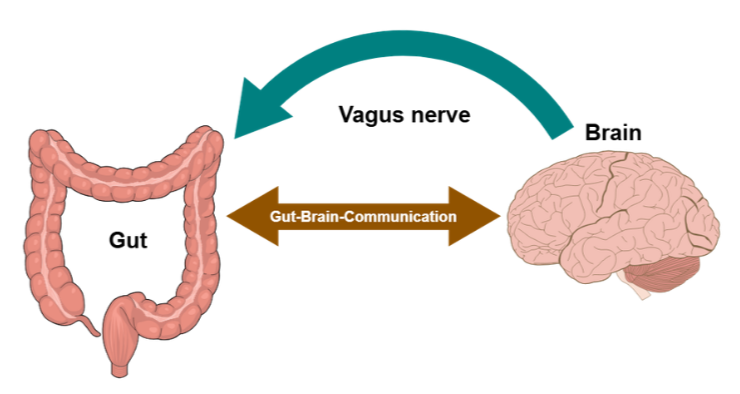
The Gut-Brain Axis: A Conversation Happening Every Day
One of the most intriguing discoveries in recent years is the existence of what researchers call the gut-brain axis. It sounds technical but the idea itself is surprisingly relatable.
Have you ever felt butterflies in your stomach before speaking in front of a group? Lost your appetite during a stressful week? Or experienced digestive discomfort during a particularly emotional time? If so, you’re not alone as most of us have felt something like this at one time or another. If you think about it, you’ll see that emotions and digestion seem connected. Our language reflects this: we speak of trusting a "gut feeling," describe anxiety as a “knot in the stomach,” and refer to situations that are difficult to "stomach." These expressions persist because they articulate experiences many people recognize.
Scientists now understand that communication between the gut and the brain occurs through several pathways. Nerves, hormones, immune signals, and compounds produced by microbes all appear to participate in this ongoing dialogue. The vagus nerve in particular is often described as a communication highway between the gut and the brain but it is only one part of a larger network of communication that encompasses every organ involved in digestion, including the liver, gall bladder, and pancreas.
What makes this conversation especially compelling is that it is not one-directional. It’s a two way street with messages travelling in both directions. Messages reflecting emotional stress sent from the brain to the gut can influence digestion, appetite, and gastrointestinal comfort which you’ve likely experienced at one time or another. Now, researchers are exploring the possibility that signals moving in the opposite direction, from the gut to the brain, may also influence mood, cognition, and emotional well-being. They think the gut-brain axis may play a role in conditions like IBS, anxiety, depression, and possibly some neurodegenerative diseases. This area of science remains relatively young, and many questions remain unanswered.
Still, there is something meaningful about recognizing that the gut and brain are not separate entities operating independently. They are part of an ongoing relationship that appears to continue throughout our lives. And understanding that relationship can be just as valuable as understanding any single symptom or condition.
Why This Matters as We Age
As we move through midlife and beyond, many of us become more aware of changes in the way we think and feel. Maybe names don't come quite as quickly as they once did. Perhaps a poor night's sleep leaves us foggy for the entire next day, or a particularly stressful season seems to affect both our mood and our digestion. Hormonal changes, shifting family roles, caregiving, retirement, and the natural process of aging all ask our bodies to adapt in new ways.
It's easy to think of each of these experiences as separate. Memory belongs to the brain. Digestion belongs to the gut. Stress is something we feel emotionally.
The gut-brain axis suggests the body doesn't divide these experiences quite so neatly.
Instead, researchers are finding that the brain and the gut are in constant communication. The brain responds to what's happening in the digestive system, and the digestive system responds to what's happening in the brain. That may help explain why prolonged stress can influence appetite or digestion, why poor sleep often changes the way we eat the next day, or why emotional experiences sometimes seem to settle in our stomach before we've even had time to process them.
That doesn't mean every digestive problem begins in the brain or that every mood change starts in the gut. The body is far more complex than that. But it does remind us that our health is built on relationships between systems rather than the health of any one organ alone.
As we age, that's an encouraging way to think about caring for ourselves. Instead of looking for one solution to one problem, we can begin asking a broader question: What creates the conditions for the whole system to function well? Nourishing food, restorative sleep, regular movement, meaningful relationships, stress management, and caring for the microbiome all become part of the same conversation because, inside the body, they are.

The Gut-Immune Connection: A Constant Conversation
Most of us think about the immune system, if we think of it at all, only when something goes wrong. We notice it when we catch a cold, recover from an illness, or hear reports about the latest virus making its way through the community. In this way the immune system feels like a defense force that springs into action when needed and then quietly retreats from view. The reality is much more dynamic.
The immune system is constantly working, constantly assessing, and constantly making decisions. Every day it encounters substances that are potentially harmful, substances that are completely harmless, and substances that are beneficial. One of its biggest challenges is figuring out which is which. This is where the gut enters the story.
The digestive tract is one of the body's primary points of contact with the outside world because every meal, snack, and beverage introduces new compounds into the body. Along with these nutrients come bacteria, plant compounds, environmental exposures, and countless other substances that the immune system must evaluate. Rather than serving as a simple barrier to keep all these substances out, the gut communicates back and forth with the immune system helping to teach it which ones are genuine threats and which ones are harmless visitors. When the microbiome is more diverse the immune system is more regulated and less inflammatory.
Researchers estimate that 70% to 80% of the body's immune activity is associated with the gastrointestinal tract making it one of the body’s largest immune organs. This doesn't mean the immune system lives exclusively in the gut, but it does show how closely these systems interact. Just as children learn through experience, the immune system develops its understanding through ongoing exposure to the world around it. Scientists are increasingly interested in the role the microbiome may play in this educational process. While they’re still uncovering the details, there is growing evidence that the relationship between microbes and immunity is far more collaborative than previously imagined.
Aging is a natural part of life and researchers have observed that immune function changes over time too with some responses becoming less efficient while others become more active than necessary. They continue to explore how lifestyle factors, including nutrition and the gut microbiome, may influence these age-related changes. Understanding the connection between the gut and the immune system offers another piece of that larger picture.
We used to think bacteria were the enemies but science is telling us otherwise. Some microorganisms are certainly harmful, but many appear to play beneficial roles in our bodies. Now, instead of viewing health as a constant battle against microbes, we can begin to appreciate that some of our most important biological partnerships involve organisms too small to see.
Why This Matters as We Age
If the gut-brain axis teaches us that different parts of the body are constantly communicating, the gut-immune connection shows us why those conversations matter.
For many years, the immune system was viewed primarily as the body's defense against illness. Today we know it's doing much more than fighting infections. It's continuously deciding how to respond to the world around us—what to welcome, what to ignore, and what requires action. Researchers are increasingly discovering that the microbiome is one of the influences helping shape those decisions.
That changes the way we think about health.
The goal isn't to create an immune system that reacts more strongly. It's to support one that responds appropriately. Inflammation, for example, isn't the enemy. It's an essential part of healing. The challenge is that the immune system must constantly decide when inflammation is helpful and when it's no longer serving us.
As we get older, resilience often becomes more important than perfection. Most of us aren't trying to avoid every illness or every stressful season. We want to recover well, maintain our energy, and continue participating in the people and activities that bring meaning to our lives.
That's where the bigger picture begins to emerge. The foods we eat, the diversity of our diet, regular movement, sleep, stress, and the health of the microbiome aren't isolated lifestyle factors. Together, they create the environment in which the immune system does its work. Healthy aging isn't about strengthening one system at a time. It's about supporting the communication between all of them.

The Gut-Metabolism Connection
Traditionally, metabolism has been viewed through a fairly narrow lens that’s focused on calories, weight, and energy expenditure. In reality, it’s far more complex than that. At its core, metabolism encompasses the countless chemical processes that allow the body to create energy, build and repair tissues, regulate hormones, and maintain normal function. It is, quite literally, life in motion.
Researchers are increasingly discovering that the microbiome and metabolism are deeply intertwined. Certain microbes help break down dietary fibers and produce the compounds acetate, propionate, and butyrate - known as short-chain fatty acids - that are, among other things, bioactive substances in energy metabolism. Other microbes may influence how nutrients are processed and utilized, and some others even synthesize the C, K, and B-complex vitamins. Scientists are also investigating connections between the microbiome and blood sugar regulation, appetite signaling, and metabolic health, including obesity, insulin resistance, and metabolic syndrome, though the exact cause-and-effect relationships are still being worked out.
Blood Sugar and the Individual Experience of Food
Have you ever wondered why one person can eat the same meal as someone else and seem totally fine, while the other gets a blood sugar spike, an energy crash, or feels sluggish afterward? A big part of the answer may be the gut microbiome. Different microbes produce different compounds, interact with the gut lining, and influence hormones, inflammation, and even how quickly nutrients are absorbed. That means the same food will be processed differently depending on which microbes are present and how active they are.
For example, some gut microbes are especially good at breaking down fiber and producing short-chain fatty acids, which can support better blood sugar control and help regulate metabolism. Other microbial patterns may be linked with less efficient glucose handling or more inflammation, which can change how the body responds after a meal. So even if two people eat the same slice of bread or bowl of oatmeal, their microbiomes may help send those nutrients down very different metabolic paths.
The microbiome also works alongside other factors like insulin sensitivity, sleep, stress, movement, and meal timing. If someone already has a less balanced microbiome or more inflammation in the gut, they may respond differently to the same food than someone with a more diverse, resilient microbial community. It helps explain why one person may feel energized after a meal while another feels tired or notices a bigger blood sugar rise. The microbes living in your gut help decide how that food is broken down, absorbed, and turned into energy — and that’s one reason people can have such different experiences with the same meal.
Why This Matters as We Age
Many women notice changes in their metabolism during midlife discovering that foods they've eaten for years are affecting them differently. Energy can become less predictable, blood sugar may become more of a concern, and maintaining a healthy weight often feels more challenging than it once did. It’s understandable to wonder why and frustrating to realize the answer is rarely as simple as eating less or exercising more.
Metabolism is influenced by hormones, sleep, stress, muscle mass, physical activity, genetics, and, as researchers are now discovering, the microbiome. These systems don't work independently, and neither do we. That's one reason there are so few simple answers when it comes to nutrition and health.
The emerging science of the microbiome reminds us that metabolism is about much more than weight. It's about how the body creates, stores, and uses energy. Researchers are exploring how microbes help produce compounds from dietary fiber, communicate with hormones involved in hunger and fullness, and may even influence how different people respond to the very same foods.
That doesn't mean the microbiome determines our metabolism, but it does remind us that metabolism isn't happening in isolation.
As we age, this perspective can be surprisingly freeing. Rather than asking what's wrong with our bodies, we can begin asking how the many systems that support metabolism are working together. Good sleep, nourishing meals, regular movement, stress management, muscle health, and a diverse microbiome all contribute to the body's ability to adapt.
Healthy aging isn't about chasing the metabolism we had at thirty. It's about understanding the body we have today and creating the conditions that allow it to function as well as it can.
The Gut-Heart Health Connection
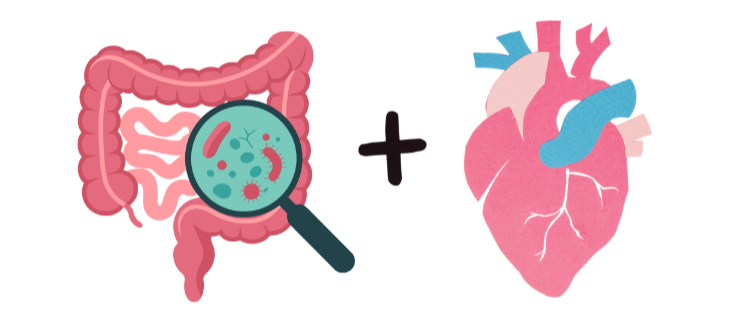
For much of modern medicine, the heart and the digestive tract occupied separate conversations with heart health focused on cholesterol, blood pressure, circulation, and exercise and digestive health focused on digestion. Researchers are now discovering that the relationship may be more interconnected than once believed and that a healthy microbiome acts like a support system for the heart.
One of the best-known examples in this area is TMAO, a compound made when certain gut bacteria break down nutrients found in foods like red meat, eggs, and some dairy products. The liver then converts that compound into TMAO. Higher TMAO levels have been linked in some studies with a greater risk of cardiovascular problems, which is why this molecule gets so much attention.
But that is only one part of the story.
A healthy microbiome can also produce beneficial compounds, especially short-chain fatty acids, when it breaks down fiber from plant foods. These compounds may help reduce inflammation, support healthy blood pressure, improve blood vessel function, and influence how the body handles cholesterol and blood sugar. In other words, the microbiome is not just about risk — it also helps create some of the conditions that support heart health.
The gut lining matters too. When the microbiome is balanced, it can help maintain a stronger intestinal barrier, which may keep inflammatory compounds from entering the bloodstream. Less inflammation can be good news for the heart, since chronic inflammation is one of the factors that can strain the cardiovascular system over time.
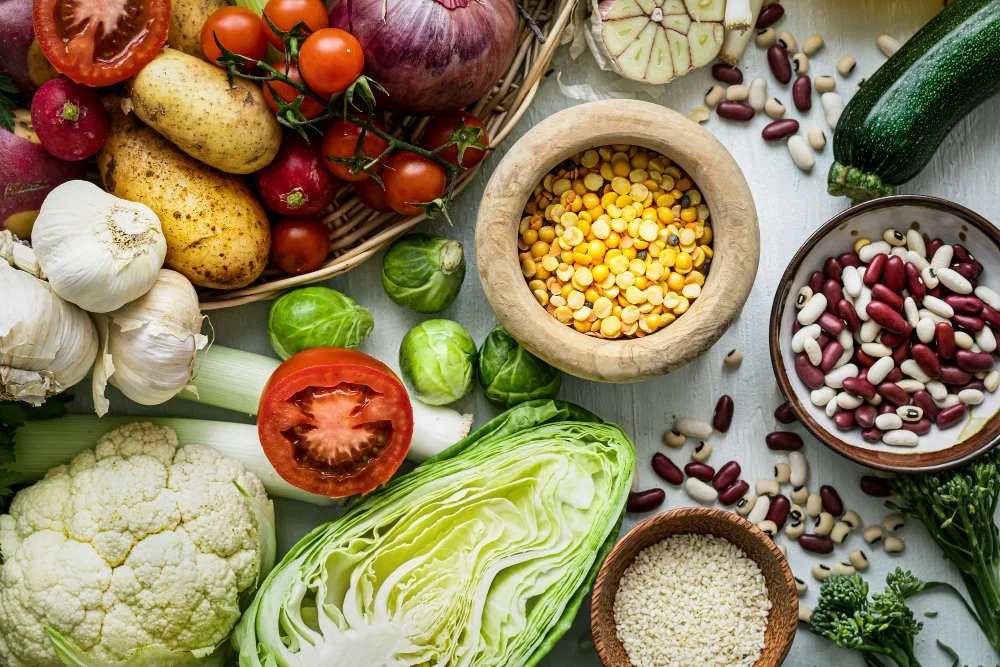
This is why diet matters so much. A fiber-rich, plant-forward eating pattern tends to support microbes that produce more helpful compounds, while also encouraging a more diverse and resilient microbiome overall. That doesn’t mean one food makes or breaks heart health, but it does show that the gut can influence the chemical environment the heart lives in.
Why This Matters as We Age
By now, a pattern has probably begun to emerge. The gut communicates with the brain, helps educate the immune system, participates in metabolism, and has connections to cardiovascular health. While each of these discoveries is fascinating on its own, together they point toward something much bigger. That is, the body doesn't organize itself the way medical textbooks do.
We divide textbooks into chapters because it's easier to study that way. The heart has its chapter. The digestive system has another. The brain has another still. But inside the body, those boundaries don't exist. The heart depends on healthy blood vessels, which are influenced by metabolism. Metabolism is shaped, in part, by inflammation and hormones. The immune system helps regulate inflammation, and the microbiome is constantly communicating with all of them. None of these systems work alone.
For those of us interested in healthy aging, that's an encouraging perspective because it reminds us that caring for one part of the body often benefits many others. The meals we prepare, the variety of plants we eat, the sleep we prioritize, the ways we move, our relationships, and even how we manage stress all ripple through multiple systems at once.
Perhaps that's one of the most important messages emerging from microbiome research. Health isn't built one organ at a time. It's built through the countless conversations taking place throughout the body every day. When we support those conversations with consistent, nourishing habits, we're not simply caring for our gut or our heart or our brain—we're caring for the beautifully interconnected whole.
Conclusion: Seeing the Bigger Picture
The more scientists learn about the microbiome, the more they uncover something that has probably always been true: the body functions as an integrated whole.
The gut doesn't communicate only with the digestive system. It exchanges signals with the brain. It helps educate the immune system. It participates in metabolism and appears to influence pathways connected to heart health. While researchers are still discovering exactly how these conversations work, one thing is becoming increasingly clear—they are happening all the time. The emerging science of the microbiome reminds us that these systems are constantly influencing one another. What affects one part of the body often ripples through many others.
That naturally brings us back to where this series began—with food. If the microbiome is such an important part of the story, how do fermented foods interact with it? Is the answer simply eating more probiotics, or is there something more happening beneath the surface?
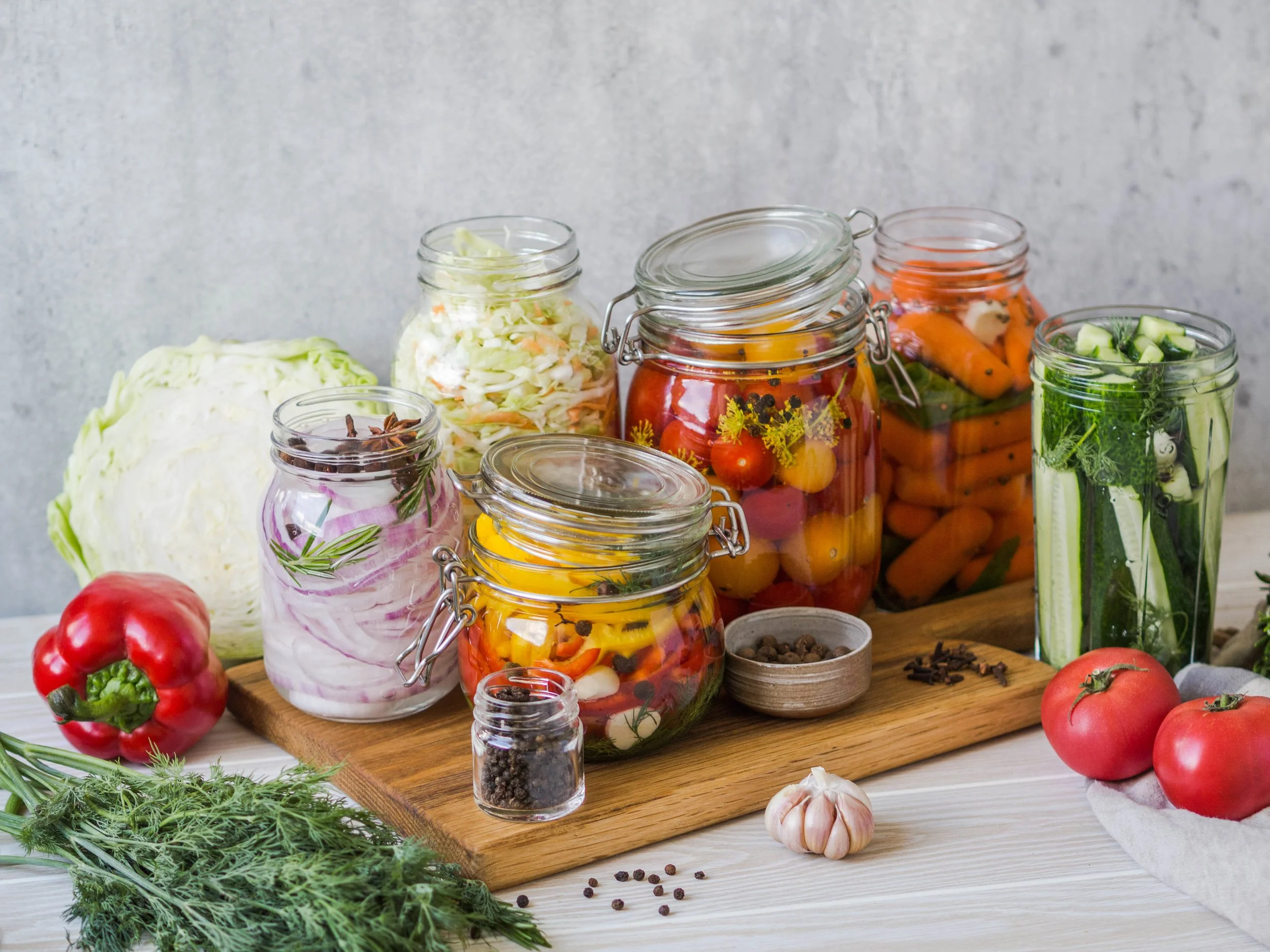
In the final article of this series, we'll explore those questions together. We'll look beyond probiotics to discover the roles of prebiotics, postbiotics, and even inactive microbes. We'll revisit familiar foods like yogurt, sourdough, and cheese, and see that fermentation is about far more than live cultures. It's a story of transformation—of food, of microbes, and of the remarkable relationship they've shared with us for thousands of years.
Let’s get cooking!
Knowledge becomes meaningful when it finds its way into daily life. The recipes below offer a simple place to begin, inviting you to explore the flavors, traditions, and possibilities of fermentation while creating foods that can be enjoyed around your own table.
Guacamole
Fresh, vibrant, and naturally creamy, Guacamole is a classic recipe that highlights the rich flavor of ripe avocados. Lemon juice brightens every bite while garlic, cilantro, cumin, and chili powder add depth and complexity.
The star ingredient, avocado, provides healthy fats that create the smooth texture and satisfying richness guacamole is known for. These fats help turn a simple dip into something that can make snacks and meals feel more filling and enjoyable.
Serve it with sliced vegetables, spread it on sandwiches, add it to wraps, or use it as a topping for tacos and grain bowls. This easy guacamole recipe brings fresh flavor and wholesome ingredients together in one delicious dish.

Guacamole
Ingredients
- 2 ripe avocado
- juice of 1 lime
- 1 clove garlic, grated
- 1 tbsp chopped fresh cilantro
- 1/8 tsp ground cumin
- 1/8 tsp chili powder
- hot sauce to taste (optional)
- salt and pepper to taste
- optional garnish: black cumin seeds, chopped cilantro, sprinkle chili powder
Instructions
- Mash the avocados in a bowl using a fork.
- Add the remaining ingredients and stir to blend well.
- Garnish as desired. Serve with fresh veggies and tortilla chips.
Summer Squash Salad with Lemon & Herbs
This refreshing chilled Summer Squash Salad with Lemon & Herb Dressing is a vibrant, no-fuss side dish that captures everything I love about simple summer eating. With an abundance of squash and cukes coming out of the garden, it’s a great way to get beyond the usual stuffed squash and zucchini bread.
With no stove or oven required, it’s perfect for hot days when the last thing you want to do is cook. Thinly sliced yellow squash, zucchini, and cucumber come together with crisp red onion in a bright lemony dressing laced with Dijon, garlic, and fresh herbs. The result is light, tangy, and incredibly easy to make — just toss, chill, and serve.
It pairs beautifully with pasta, grilled mains, or picnic fare, and is a lovely way to showcase peak-season squash without turning on the heat. A sprinkle of toasted nuts or crumbled feta takes it over the top, but it’s just as delicious on its own.

Summer Squash Salad with Lemon & Herbs
Ingredients
- 2 cups yellow summer squash, thinly sliced
- 2 cups zucchini, thinly sliced
- ⅓ cup red onion, very thinly sliced or shaved
- 2 cups cucumber, halved and thinly sliced
- ½ tsp sea salt
- 2 tbsp lemon juice (freshly squeezed)
- 1 tsp lemon zest
- 2 tbsp extra virgin olive oil
- 1 tbsp white wine vinegar or champagne vinegar
- 1 tsp Dijon mustard
- 1 clove garlic, minced or grated
- 1 tbsp fresh dill, chopped (or 1 tsp dried)
- 1 tbsp fresh parsley, chopped
- Freshly ground black pepper, to taste
- Optional: 1 tbsp toasted pine nuts or slivered almonds for crunch
- Optional: Crumbled feta (if not keeping it vegan)
Instructions
- Thinly slice the squash, zucchini, cucumber, and red onion using a sharp knife or mandoline for paper-thin texture. Place in a large bowl and sprinkle with sea salt. Let sit for 20 minutes to soften slightly and draw out excess moisture. Drain any liquid.
- In a small jar or bowl, whisk together lemon juice, zest, vinegar, mustard, olive oil, and garlic until emulsified. Taste and adjust acidity or seasoning if needed.
- Pour the dressing over the vegetables and toss gently to coat. Add the dill, parsley, and black pepper. Mix well. Taste and adjust the seasoning as needed.
- Let salad rest in the fridge for 15–30 minutes before serving to allow flavors to mingle. Just before serving, sprinkle with optional nuts or feta.
Notes
- Leftovers hold well for 1-2 days.
There you have it!
As always, I hope this encourages you to see your body with a little more curiosity and a little more grace. Every day offers another opportunity to nourish the remarkable relationship between the food we eat and the life we want to live.