
Protein After 55: What You Really Need to Know
Protein is having a moment. It shows up on food labels, in headlines, in conversations about aging well. And somewhere along the way, it’s started to feel like one more thing to figure out.
How much do you need?
Are you getting enough?
Should you be adding shakes, bars, powders?
It can quickly become another layer of noise. But when you step back, protein isn’t complicated. In fact, this is one of those areas where a few steady shifts can make a real difference—not just on paper, but in how you feel moving through your day.
Protein isn't only about building muscle; it's about staying strong for the things that matter: gardening, traveling, hugging your loved ones without worry. It also contributes to immune health as well as helping you feel satisfied after meals. For adults over 55, getting enough protein consistently can make a real difference in how strong, capable, and energized you feel. Let's break it down so you can start feeling that difference today.
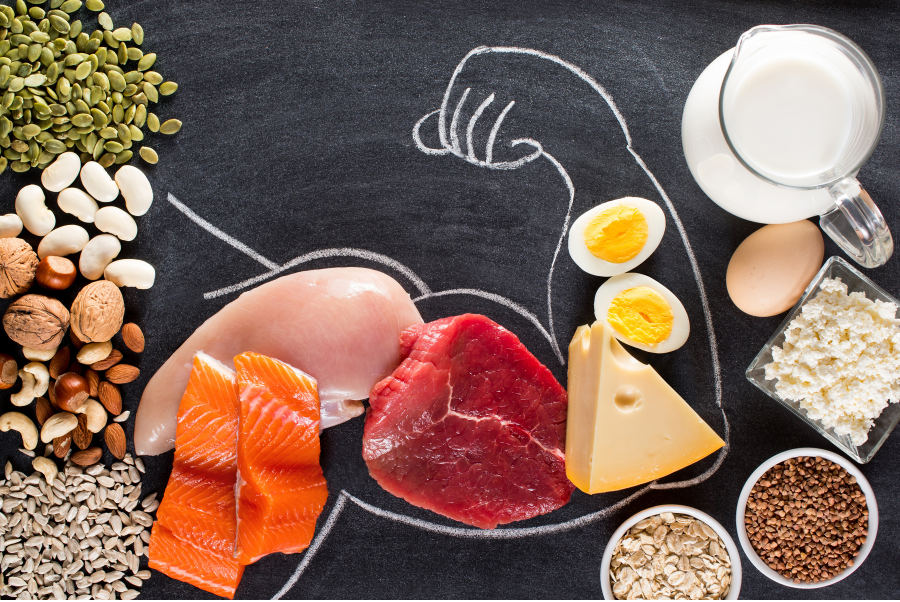
Why Protein Is Your Secret Weapon After 55
After 55, protein moves from "nice to have" to essential. It builds and repairs muscle, which naturally starts fading—a process called sarcopenia that kicks in around 30 but speeds up later. Losing muscle doesn't just change how you look; it affects balance, bone health, immunity, and even your mood through better blood sugar control.
During coaching, clients light up when they realize protein also curbs hunger. That full, satisfied feeling after a meal? It helps with those age-related appetite dips. The result: more energy for walks, hobbies, or spontaneous adventures. Studies back this—older adults who prioritize protein stay independent longer, tackling stairs and daily tasks with ease.
Protein 101
Let's get the basics straight, because understanding this makes everything click. Protein is chains of smaller units called amino acids. Think of amino acids as the individual beads that make up a necklace. Your body uses these beads as building blocks to build muscles, enzymes, hormones, skin, hair, nails, and many more structures.
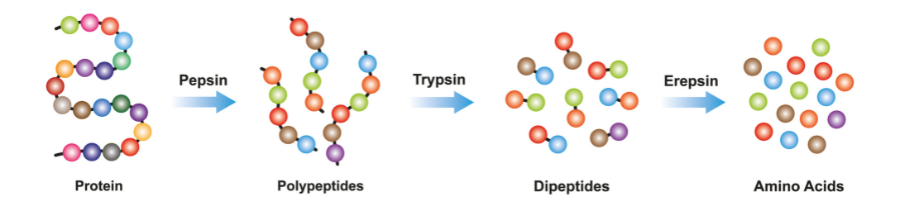
There are 20 amino acids in total, and 9 are considered essential because the body cannot make them on its own. That means they must come from food. When you eat protein, your digestive system breaks it down into amino acids, which are then reused to build what your body needs.This is one reason food quality is important. Different protein sources provide different amino acid patterns, and that becomes important when comparing animal and plant foods.
Animal proteins — such as eggs, dairy, fish, poultry, and meat — are usually considered more straightforward sources of complete protein because they contain all nine essential amino acids in adequate amounts. They are often easier for people to use when protein needs are high or appetite is lower.
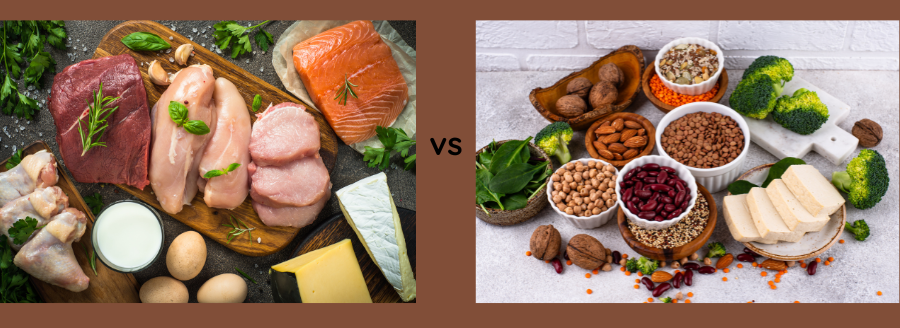
Plant proteins such as beans, lentils, tofu, tempeh, nuts, seeds, and whole grains — are incredibly valuable too although many are incomplete proteins alone—lower in one or two essentials, like beans missing methionine or grains lacking lysine. No big deal: Eat a variety daily (beans at lunch, quinoa at dinner), and your body pools them. Soy (tofu, tempeh), quinoa, and hemp seeds are complete plant proteins.
In real life, many healthy diets include both. What matters most is the overall pattern of eating, not whether every single meal is built from animal or plant foods.
The Science: Research on Protein and Healthy Aging
Decades of research confirm protein's pivotal role in healthy aging beyond just muscle preservation giving us many reasons to increase our protein intake. Higher intake—especially when paired with resistance training—helps older adults maintain strength, mobility, and overall function, countering sarcopenia and supporting independence.
Muscle and Mobility Studies, including those from the PROT-AGE Study Group, show that 1.0–1.2 g/kg/day preserves lean mass and improves physical performance in adults over 65. This translates to better balance, reduced fall risk, and easier daily tasks like stair-climbing or carrying groceries.
Heart Health Adequate protein supports cardiovascular health by aiding blood pressure regulation and arterial flexibility. Research in the American Journal of Clinical Nutrition links higher protein intake (from lean sources like fish, poultry, and legumes) to lower risks of heart disease in older adults, as it helps maintain healthy body composition and reduces inflammation markers.
Immune Health Protein supplies amino acids essential for antibody production and immune cell function. During illness or recovery, needs rise; studies in Nutrients indicate that older adults with sufficient intake (1.2+ g/kg) experience fewer infections and faster recovery, bolstering resilience against colds, flu, and age-related immune decline.
Bone Health Protein works synergistically with calcium and vitamin D to strengthen bones. Contrary to old myths, research from the Journal of Nutrition shows higher protein (especially from dairy and alkaline plant sources) increases bone mineral density and reduces fracture risk in postmenopausal women and older men by stimulating collagen production and osteoblast activity.
Satiety Research also suggests that protein intake may support satiety and help preserve function during illness, weight loss, or periods of reduced appetite. In some cases, especially when someone is recovering from surgery or trying to regain lost muscle, protein needs may be even higher than usual.
At the same time, the research also reminds us that more is not automatically better. Protein works best as part of an overall healthy pattern that includes exercise, adequate calories, fiber-rich foods, sleep, and hydration.
Overall, protein thrives within a balanced diet including fiber, fluids, and exercise. Emerging 2026 reviews emphasize personalized needs—factoring in activity, health conditions, and medications—for optimal outcomes.
How Much Protein Do You Really Need After 55?
This is where things often get confusing. The general guideline for adults has traditionally been around 0.8 grams of protein per kilogram of body weight. But for adults over 55, many experts suggest a higher range—closer to 1.0 to 1.2 grams per kilogram of body weight per day or 1.2–1.6g if active or rebuilding muscle.
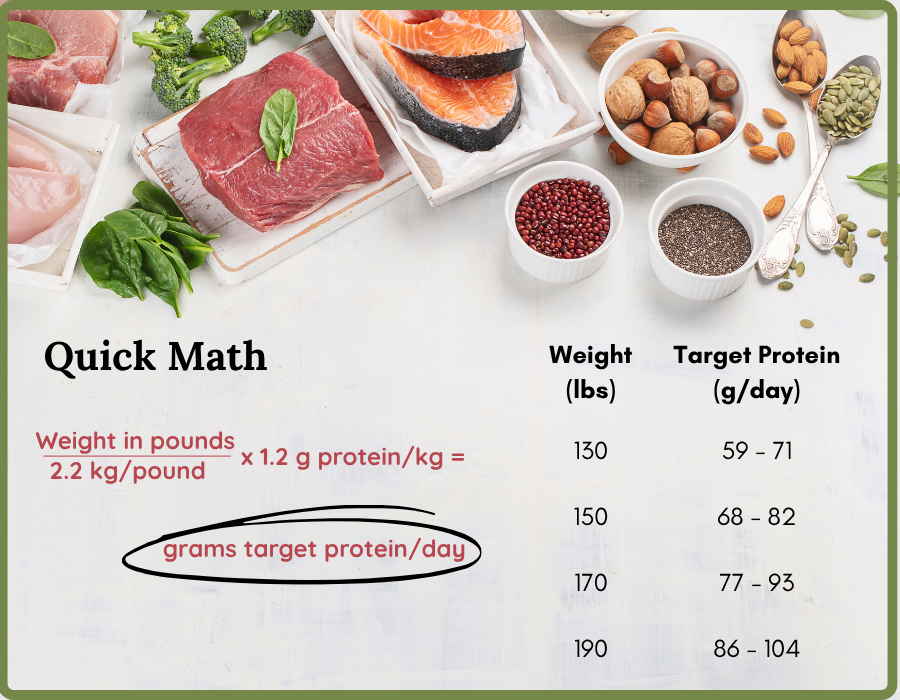
That said, numbers are only helpful if they feel usable. For many people it’s easier to think in terms of meals: 20 - 30 grams of protein per meal is a helpful general target. Most people do better when they include protein at breakfast, lunch, and dinner rather than saving it all for one later meal at night. That gives the body a steadier supply of amino acids throughout the day because, unlike fat or carbs, it doesn’t store protein.
You don’t need to hit it perfectly. But it gives you a sense of what “enough” might look like in a practical way. A simple shift might look like adding protein to breakfast, making lunch more substantial, and keeping dinner balanced rather than overloaded. This alone can change how your energy and hunger feel during the day.
What Does 20-30 Grams of Protein Actually Look Like?
This is where clarity really helps. Here are some common portions:
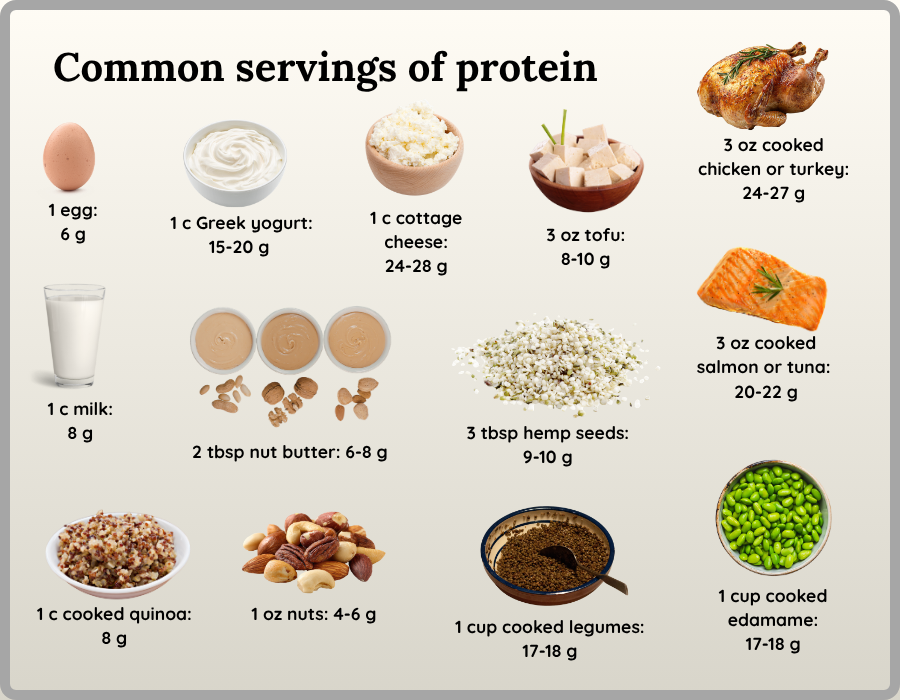
Here’s what that could look like:
Breakfast:
2 eggs + Greek yogurt → ~20–25g
Greek yogurt with nuts/seeds → ~20g
Cottage cheese with fruit → ~20–25g
Lunch:
Lentil soup (1.5 cups) → ~18g (add seeds or yogurt to increase)
Salad with chicken or salmon → ~25–30g
Grain bowl with beans + tahini → ~20–25g
Dinner:
3–4 oz fish or chicken → ~25–30g
Tofu or tempeh stir-fry → ~20–25g
Beans + whole grains + vegetables → ~20g
It doesn’t have to be exact. But it helps to see how meals come together.
Building Meals That Actually Work
This is where protein becomes less about numbers and more about structure.
A simple way to think about meals:
👉 Protein + plants + something satisfying
For example:
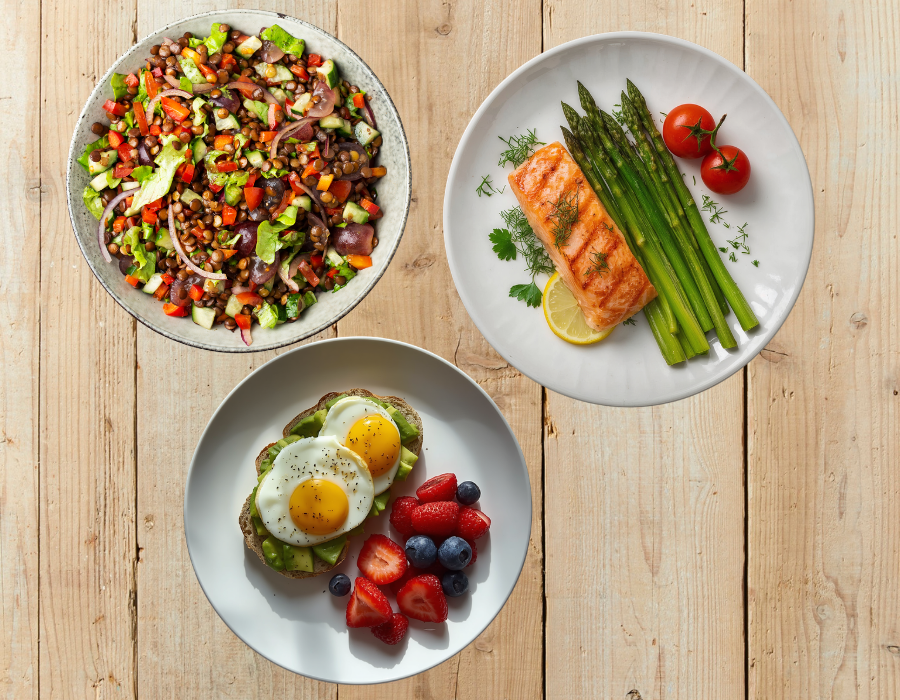
grilled fish + roasted vegetables + olive oil
lentils + greens + a grain
eggs + fresh fruit + avocado toast
When protein is part of the foundation, meals tend to feel more complete, keep you satisfied longer, and reduce the need for constant snacking.
And that creates a kind of ease that’s hard to overstate.
5 High-Protein Breakfasts You’ll Love
Breakfast is one of the easiest meals to improve. Many people eat too little protein early in the day, which can lead to low energy and over-hunger later on.
Greek Yogurt Parfait (29 grams) Layer 1 cup plain Greek yogurt with ½ cup berries, 1 tablespoon chia seeds, ¼ cup chopped walnuts, or granola. This is quick, easy to digest, and rich in protein, calcium, and fiber. As an added bonus it gives you a probiotic boost!
Vegetable Egg Scramble (30 grams) Scramble 2 eggs with 1 cup fresh spinach, ½ cup mushrooms, tomatoes, or onions, and 1 oz feta cheese. Serve with 2 links of turkey breakfast sausage and ½ an avocado. This is especially useful for people who want a savory breakfast that feels substantial.
Cottage Cheese Bowl (29 grams) Top 1 cup cottage cheese with sliced fruit, cinnamon, 1 tablespoon ground flaxseed, or chopped nuts. Or go a less savory route with tomato, cucumber radishes, and sunflower seeds. It is a high-protein option that requires no cooking at all.
Protein Oatmeal (24 grams) Cook ½ cup oats with 1 cup milk, then stir in 2 tablespoon nut butter, 1 tablespoon pumpkin seeds, 1 tablespoon hemp seeds, and some raisins. This creates a comforting breakfast with staying power.
Tofu and Bean Scramble (20 grams) Crumble 4 oz firm or extra firm tofu and sauté it with turmeric, ½ cup sweet peppers, 1 cup kale, 2 tablespoon nutrition yeast, ⅓ cup cooked beans, and herbs. This plant-based option can be seasoned to taste and works well for anyone avoiding eggs.
Plant-Based Protein Swaps Made Simple
If you eat mostly plant-based or fully vegetarian, protein is still absolutely manageable. The key is to be intentional about variety and total intake. It’s less about adding something new and more about being a bit more intentional with what’s already there. It often comes down to building meals that include a clear protein source—lentils, beans, tofu, tempeh, or even a combination of grains and legumes—rather than letting those foods play a supporting role. When meals are centered this way, whether it’s a lentil stew, a chickpea and vegetable bowl, or a tofu stir-fry, they tend to feel more complete and sustaining.
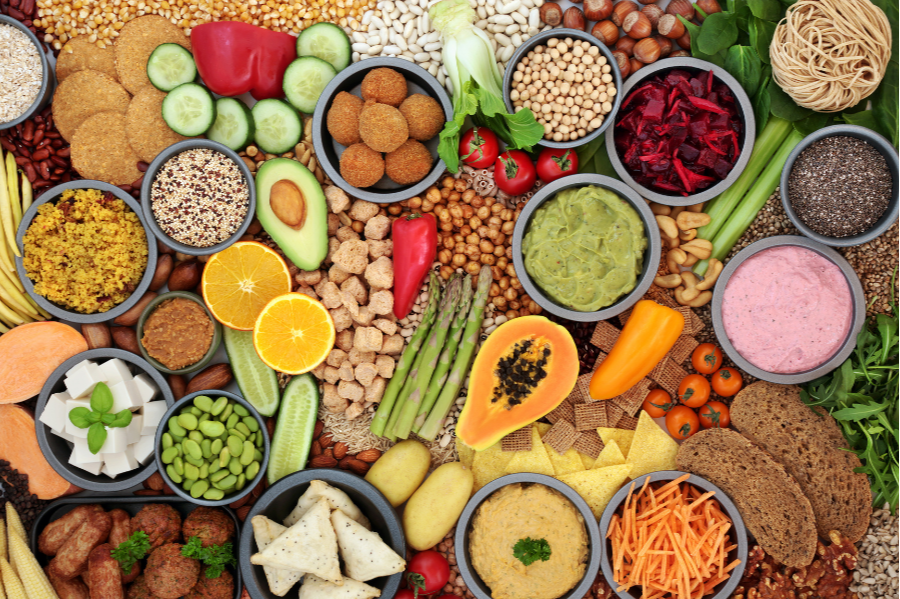
It can also help to include protein-rich foods at each meal, so your intake is spread naturally throughout the day instead of concentrated in one place. There’s no need to track every gram, but simply noticing whether your meals feel satisfying, steady, and substantial can be a helpful guide.
The most important habit is not obsessing over a single "perfect" food. Instead focus on building meals that contain enough protein overall and include a mix of legumes, soy, grains, nuts, and seeds. With a bit of attention to variety and balance, a plant-based way of eating can easily meet your needs while still feeling flexible, flavorful, and grounded in everyday cooking.
Signs You Need More Protein
Some signs of low protein intake can be subtle. You may want to pay attention if you notice:
Muscles feeling weaker than usual.
More difficulty getting up from chairs or climbing stairs.
Slower recovery after workouts or physical activity.
Frequent fatigue or low stamina.
Thinning hair or brittle nails.
Increased hunger soon after meals.
Unintentional weight loss.
Getting sick often or healing slowly.
These signs do not automatically mean you are protein deficient, but they can be clues that your overall intake needs attention. A simple food log for a few days can reveal whether your meals are protein-light. If you are consistently eating mostly toast, cereal, salads without much protein, or small meals with little staying power, it may be time to make a change.
Can You Get Too Much Protein?
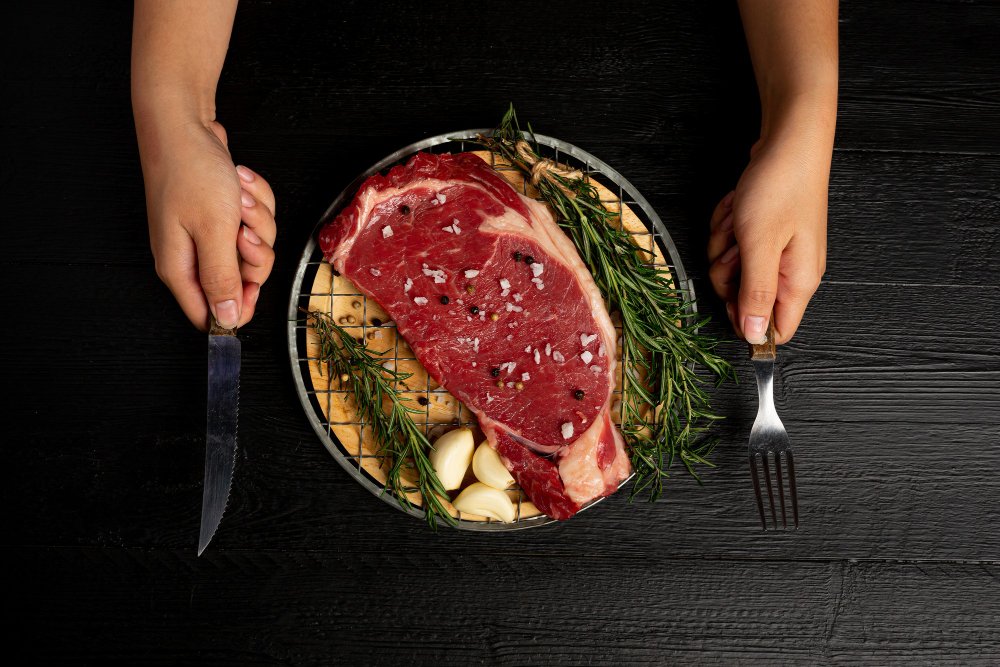
Yes, it is possible to eat more protein than your body needs. For most healthy adults, moderate-to-high protein intake is not dangerous, but extremely high intakes may crowd out other important foods like fruits, vegetables, beans, and whole grains. That can lead to low fiber intake, poorer digestion, and less dietary variety. There are also a few situations where caution matters more. People with kidney disease, certain liver conditions, or other medical concerns may need protein limits or medical guidance. If someone is using a lot of protein powders, shakes, and bars while also eating large portions of meat at every meal, they may end up with more protein than necessary.
The biggest concern with a high-protein diet is usually not protein itself, but imbalance. If protein crowds out fiber, fluids, and plant foods, the diet may become less supportive overall. Some people also experience bloating or constipation when they increase protein without enough water and vegetables.
What Are the Dangers of a High-Protein Diet?
For healthy adults, a higher-protein diet is often safe, but there are real downsides if it becomes excessive or poorly balanced. Possible concerns include:
Lower fiber intake if plant foods are displaced.
Constipation or digestive discomfort.
Dehydration if fluid intake is too low.
Over-reliance on powders, bars, or processed meats.
Nutrient imbalance if the diet becomes too narrow.
Medical concerns for people with kidney or liver disease.
A thoughtful high-protein diet should still include vegetables, fruit, legumes, healthy fats, and enough fluids. Protein should support the diet, not dominate it.
FAQ
Does collagen count?
Yes, collagen does count as protein, but it is not a complete protein. It does not provide all the essential amino acids in the same balanced way that eggs, dairy, soy, meat, fish, and some other foods do. Collagen can be a useful supplement for skin, joints, or connective tissue goals, but it should not be your main protein source.What about protein powders?
Protein powders can be useful, especially for people with low appetite, busy schedules, or difficulty chewing. They are best used as a convenience tool, not a replacement for real food. Choose a powder with minimal added sugar and use it to support meals, smoothies, or post-exercise recovery.Do I need to eat animal protein?
No. You do not need animal protein to meet your protein needs. A well-planned vegetarian or vegan diet can provide enough protein through beans, lentils, soy foods, nuts, seeds, whole grains, and protein-fortified foods. The key is variety and consistency.Do I have to track amino acids if I'm vegetarian or vegan?
Usually, no. Most people do not need to track amino acids separately. If your diet includes a wide range of plant proteins across the day, your body can use them effectively. You may benefit more from focusing on total protein intake and meal balance than on exact amino acid counts.Can I get too much protein?
Yes, especially if you rely heavily on powders, bars, or very large servings at every meal. Most healthy adults do well with a moderate-to-high intake, but more is not always better. If you have kidney disease or another medical condition, talk with a healthcare professional before significantly increasing protein.
A Practical Way to Start
If you want to improve your protein intake without overcomplicating your meals, start with one change per day. Add protein to breakfast. Include a clear protein source at lunch and dinner. Keep a few reliable snacks on hand, like yogurt, eggs, cottage cheese, edamame, or hummus with seeds.The goal is not perfection. The goal is consistency. For adults over 55, protein is one of the simplest and most powerful ways to support strength, stamina, recovery, and healthy aging for the long term.
Let’s get cooking!
Bringing more protein into your cooking does not require special skills or complicated recipes. It just asks for a little attention, a few good ingredients, and the willingness to make meals that truly support you.
Kale and Tuna Niçoise-Style Salad
Kale and Tuna Niçoise-Style Salad is the kind of meal that shows just how naturally protein can come together when you build a dish with real, thoughtful ingredients. Inspired by the classic Niçoise, it layers tuna, eggs, and white beans in a way that feels both satisfying and balanced—delivering about 32 grams of protein without relying on anything processed or complicated.
Each element plays a role. The tuna offers a clean, substantial base, the eggs add richness and depth, and the white beans round things out with a softer texture and steady staying power. Together, they create a meal that doesn’t just look complete—it feels complete, carrying you through the afternoon without that familiar dip in energy.
Around that foundation, you have tender kale, crisp green beans, sweet bell pepper, and juicy tomatoes bringing freshness and contrast, while olives and capers add a briny note that makes everything a little more interesting. The dressing ties it all together with Dijon, vinegar, garlic, and fresh herbs, adding brightness without overpowering the simplicity of the ingredients.
What’s especially nice about a salad like this is that it doesn’t feel like you’re trying to “get enough protein.” It’s simply built in. The balance is there from the start, making it a meal you can return to again and again—reliable, flavorful, and quietly supportive in all the ways that matter.

Kale and Tuna Niçoise-Style Salad
Ingredients
- For the Dressing:
- 1 tbsp olive oil
- 2 tbsp apple cider or red wine vinegar
- 2 tsp Dijon mustard
- 2 tsp capers, rinsed and chopped
- 1 small garlic clove, minced
- 2 tsp minced chives or green onion
- 3 tsp fresh chopped parsley
- ½ tsp fresh chopped tarragon (or ¼ tsp dried)
- Salt and freshly ground black pepper, to taste
- For the Salad:
- 3 cups kale, stems removed and chopped
- 1 (5–6 oz) can wild tuna, drained and flaked
- ½ cup white beans (e.g., cannellini or Great Northern), drained and rinsed
- 8–10 green beans, steamed or blanched until tender-crisp
- ½ sweet bell pepper, sliced
- 2 hard-boiled eggs, quartered
- ½ cup cherry tomatoes, halved
- ¼ cup Niçoise or Kalamata olives, quartered
Instructions
- Make the salad dressing by combining the dressing ingredients in a small bowl or jar. Whisk or shake until blended.
- Add the kale and about ⅓ of the dressing to a large bowl. Massage with your hands for 1–2 minutes until soft and deep green. This makes it easier to digest.
- Arrange the kale in bowls. Top with the remaining ingredients and drizzle with the rest of the dressing. Enjoy!
Silken Tofu Chocolate Pudding
Silken Tofu Chocolate Pudding tends to surprise people—in the best way. Smooth, rich, and deeply chocolatey, it feels like a treat, but it also offers a quiet, steady way to round out your day with a little extra nourishment.
Made with silken tofu, this pudding has a naturally creamy texture without the need for heavy ingredients. The cacao brings depth, the maple syrup and dates add just enough sweetness, and a touch of vanilla softens everything into something that feels both simple and satisfying.
What makes this especially useful in the context of a day of eating is how easily it contributes to your overall protein intake. With about 9 grams of protein per serving, it’s not meant to carry the whole load—but it does offer a gentle finishing touch, helping to round things out in a way that feels effortless.
It’s the kind of recipe that fits into real life. Something you can make ahead, keep in the refrigerator, and reach for when you want something a little sweet that still supports how you want to feel. It doesn’t ask much of you, but it adds just enough to make a difference—both in satisfaction and in balance.

Silken Tofu Chocolate Pudding
Ingredients
- 1 (16 oz) package silken tofu, drained
- ⅓ cup cacao powder
- 3 tbsp pure maple syrup
- 2 Medjool dates, pitted
- 1 tsp vanilla extract
- 3 tbsp milk (dairy or non-dairy)
- 1 tbs date soaking liquid
- Pinch of salt (optional, but recommended)
Instructions
- Place pitted dates in a small bowl and cover with hot (not boiling) water. Let soak 5–10 minutes to soften. Drain, reserving 1 tablespoon of the soaking liquid. If your dates are very fresh and soft, you can skip soaking.
- Add tofu, cacao powder, maple syrup, softened dates, vanilla, milk, reserved soaking liquid, and salt to a blender or food processor.
- Blend 45–60 seconds, scraping down sides as needed, until completely smooth and creamy.
- Taste and adjust the flavor by adding another teaspoon of maple syrup for sweetness or 1–2 tablespoons milk if it feels too thick.
- Pour into 4 individual serving containers if desired and refrigerate at least 30 minutes to set and deepen flavor.
Notes
Flavor Variations & Add-Ins
- Chocolate Orange: add zest of ½ orange and ¼ teaspoon orange extract (optional)
- Mocha: add 1–2 teaspoons instant espresso powder
- Chocolate Spice: add a pinch cinnamon with a tiny pinch cayenne or ancho chili powder
- Coconut Chocolate: use coconut milk and add 1–2 tablespoons unsweetened shredded coconut
- Nutty Chocolate: add 1–2 tablespoons almond, peanut, or hazelnut butter
- Cherry Chocolate: add ¼ cup pitted cherries with an optional splash almond extract
- Mint Chocolate: add ⅛–¼ teaspoon peppermint extract (a little goes a long way)
There you have it!
Protein does not need to be dramatic to be meaningful. Sometimes the most helpful things are the ones that quietly do their job every day. Protein is like that — steady, practical, and worth keeping in mind.