
When Wellness Goes Viral: Rethinking Social Media Diets
As the New Year approaches, the conversations around health and wellness are getting louder—and more intense. Your social media feeds are filling up with bold promises, shiny “before and after” photos, and confident declarations that this diet, this reset, or this routine is the one that will finally make everything fall into place.
It’s no coincidence. January is peak resolution season, and when motivation is high and patience is low, quick fixes can feel especially tempting. But the pressure to start the year “right” often pushes people toward extreme or unverified wellness trends—many of them born and amplified on social media. And while not all trends are harmful, the speed at which these ideas spread—and the certainty with which they’re often presented—has many nutrition and wellness professionals urging caution.
As a culinary health and wellness coach, I see this every year: well-intentioned people wanting to feel better, eat better, and take care of themselves—yet feeling overwhelmed by hype, conflicting advice, and the fear of choosing the “wrong” approach.

Before you commit to a viral diet or wellness challenge this New Year, let’s slow things down and talk about how to separate marketing noise from guidance that actually supports long-term well-being.
What Are “Social Media Diets”?
“Social media diets” are eating patterns or “health hacks” that explode in popularity on platforms like TikTok, Instagram, and YouTube. They are usually driven by quick videos, dramatic before‑and‑after photos, and compelling personal testimonials rather than solid science. Hashtags related to weight loss, body transformation, and “what I eat in a day” content have generated billions of views, turning social platforms into a primary nutrition source for many people. The challenge is that most of this content is not created by nutrition professionals and often reduces health to aesthetics, pushing quick fixes instead of long-term wellbeing.
While these posts can be entertaining or even inspiring, they rarely show the full story: what happens when the camera is off, the trend fades, or the plan becomes impossible to maintain.

Using social feeds as a primary nutrition source can be both empowering and risky. On one hand, there is more health education out there than ever; on the other, the loudest voices are not necessarily the most accurate.
Major professional organizations in dietetics and public health have repeatedly warned that social platforms are a major source of nutrition misinformation, especially around weight loss, detoxes, and supplements.
Why Social Media Diets Spread So Fast
Social media wasn’t designed for nuance—it was designed for attention. Short-form videos, dramatic headlines, and bold claims tend to outperform balanced, evidence-based conversations. What’s happening online now may feel new, but the strategy behind it isn’t.
Traditional media has long relied on the same tactics to sell diets and wellness ideals: eye-catching visuals, simplified messages, emotional stories, and the promise that this approach will finally be the answer. Social media hasn’t invented the wellness fad—it’s just removed the gatekeepers and dramatically increased the speed and reach.
A few reasons these diets and wellness fads gain traction so quickly:
They’re visually compelling. Clean plates, aesthetic smoothies, perfectly organized meal prep—it all looks aspirational.
They promise simplicity. One rule, one food, one system to “fix everything.”
They rely on personal stories. Influencers often share real experiences, which can feel more convincing than research—even when results aren’t typical or sustainable.
They tap into urgency and fear. Messaging often implies that not following the trend means you’re missing out or harming your health.
None of this means people are foolish for trying these approaches. It means they’re human—and responding to messaging that’s been carefully designed to capture attention and create certainty in an uncertain space.

The Problem Isn’t Curiosity—It’s Unquestioned Trust
Exploring new ideas around food and wellness isn’t inherently bad. The issue arises when trends are followed blindly without context, personalization, or credible support.
Some common concerns with social-media-driven diets include:
Overly Restrictive Rules Many viral diets eliminate entire food groups or require rigid adherence. While this may work short-term for some, it often leads to frustration, social isolation, or a cycle of restriction and rebound.
Lack of Individual Consideration What works for one person’s body, schedule, culture, and budget may be completely unrealistic—or even harmful—for someone else.
Misinformation Framed as Certainty Confident delivery doesn’t equal accuracy. Many influencers are well-meaning but not qualified to offer broad nutrition advice.
Unsustainable Expectations Rapid transformations make for compelling content, but they rarely reflect real life. When progress doesn’t match the promise, people often blame themselves rather than the approach.
How to Recognize a Wellness Fad
The specific names of trends change quickly, but their underlying patterns are very similar. Once you can spot those patterns, you can decode almost any new “miracle” approach that pops up in your feed. Extension publications from universities and hospital systems, as well as consumer health reviews, consistently highlight the same red flags for fad diets:
Big promises in very little time Anything like “lose 10 pounds in a week” or “reset your body in 3 days” is almost certainly relying on water loss, glycogen depletion, or extreme restriction—not sustainable fat loss or metabolic health. Clinical guidelines for safe weight loss typically recommend modest, gradual loss rather than rapid drops because extreme approaches are associated with weight regain and health risks.
Cutting entire food groups without a medical reason Plans that ban all carbs, all fats, or whole categories like grains or fruit (without a specific medical condition such as celiac disease) often lead to nutrient gaps. Position papers from dietetic associations emphasize dietary patterns rich in a variety of whole plant foods and adequate protein rather than blanket bans on major food groups.
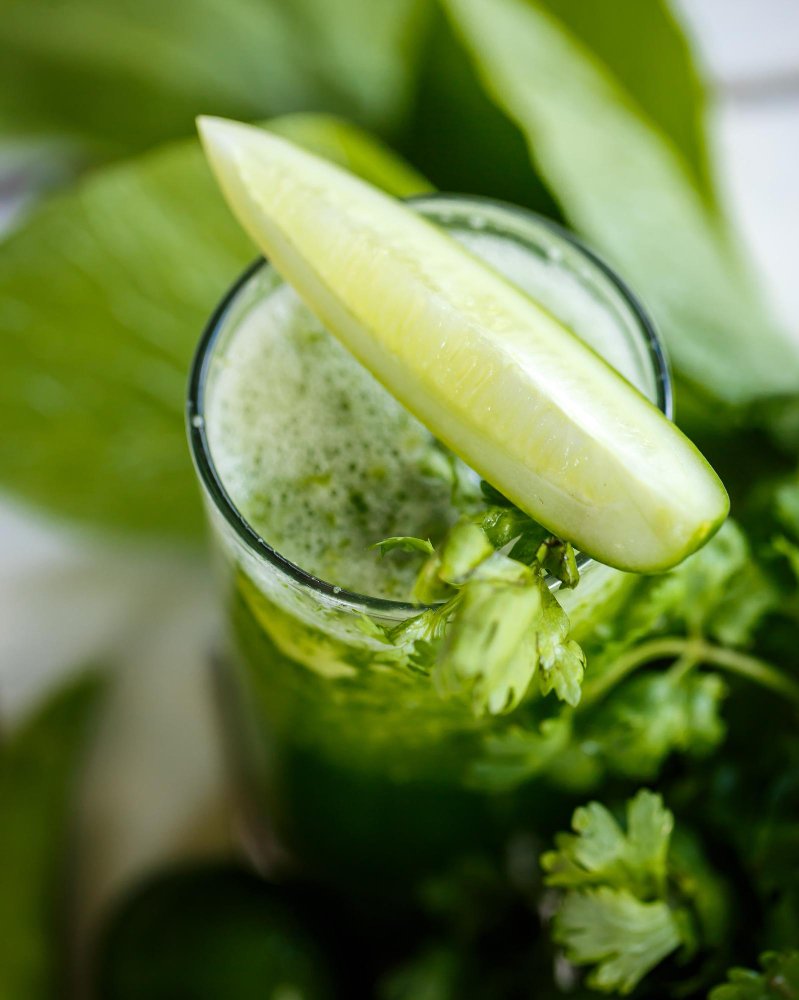
Severe calorie restriction and “cleanses” Juice cleanses, “liquid only” days, or extremely low‑calorie regimens are a hallmark of fad dieting.
Educational materials from universities and hospital systems point out that these can cause fatigue, dizziness, nutrient deficiencies, and muscle loss, and they do not meaningfully “detox” the body—the liver and kidneys already do that job when you are properly nourished and hydrated.
Magic-bullet ingredients or supplements Any plan that revolves around a single tea, powder, fat‑burning supplement, or “metabolism drink” is oversimplifying a complex system. Systematic reviews rarely support dramatic claims for single ingredients; when benefits exist, they are usually modest and only matter in the context of an overall healthy pattern of eating and lifestyle.
One-size-fits-all rules When a trend insists that everyone should eat the same way—ignoring age, sex, health conditions, culture, activity level, and personal preference—it conflicts with the individualized approach recommended in evidence‑based guidelines and medical nutrition therapy.
These patterns contribute to the familiar yo‑yo dieting cycle: initial strict compliance and weight loss followed by frustration, cravings, overeating, weight regain, and guilt. Longitudinal research has linked repeated weight cycling to increased cardiometabolic risk and poorer psychological wellbeing, even if weight goes down in the short term.
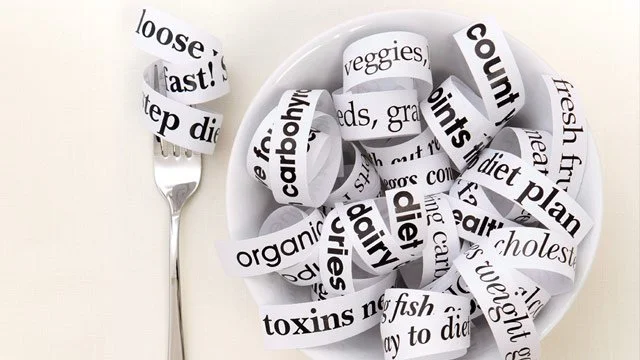
Fad diets can have serious physical consequences, especially when followed repeatedly over months or years. Let’s talk about why this matters so much for your whole health—not just the number on the scale.
The Real Risks: Physical
Research and clinical guidance from universities, hospital systems, and government nutrition agencies point to several common consequences of restrictive fad diets:
Nutrient deficiencies When entire food groups or large amounts of calories are removed, it becomes hard to meet needs for fiber, essential fatty acids, iron, calcium, B vitamins, and others. Over time this can affect energy, immune function, bone health, and hormonal balance.
Loss of muscle and metabolic slowdown Very low‑calorie diets and “crash” approaches often cause the body to break down muscle tissue to meet energy needs. Studies on severe energy restriction show reductions in resting metabolic rate and lean mass, making it harder to maintain weight loss later.
Impact on hormones and menstrual cycles In women and people who menstruate, chronic under‑eating and low body fat can disrupt reproductive hormones, leading to irregular or absent cycles and impaired bone health—a pattern described in the literature on relative energy deficiency.
Digestive and blood sugar issues Plans low in fiber can worsen constipation and destabilize the gut microbiota, while extreme swings in intake (feast–famine patterns) can impair blood sugar regulation and contribute to fatigue and cravings.
The Real Risks: Psychological and Emotional
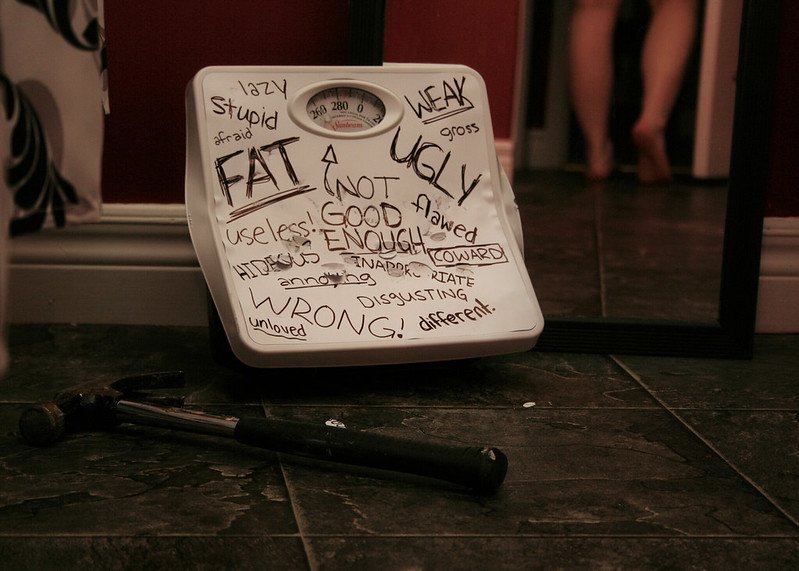
There are also powerful psychological and emotional costs. Studies examining exposure to weight‑focused, appearance‑driven video content on social media show links with:
Increased body dissatisfaction and internalization of unrealistic thin or “fit” ideals
Higher risk for disordered eating behaviors and more rigid, anxious attitudes around food
Lower self‑esteem and more self‑criticism when “rules” are broken
Essentially, the more time you spend around extreme, perfectionist diet content, the harder it can be to feel at peace with your own body and your everyday eating. Over time, this can erode trust in your hunger, fullness, and satisfaction cues.
Where Social Media Gets Something Right
Despite all of this, there are kernels of insight inside many trends, and dismissing everything as “bad” is neither accurate nor helpful. In fact, many trends are rooted in genuine needs and desires. Themes that social media has helped spotlight show that people are actively looking for ways to feel better in their daily lives:
Interest in simpler, quicker meals that feel realistic on busy days
Curiosity about gut health, fermented foods, and fiber
A desire to reduce ultra‑processed foods and added sugars
More attention to plant‑forward eating and sustainability
For example, some versions of the “girl dinner” trend highlight snack-style meals built from fruits, vegetables, nuts, cheeses, and whole-grain crackers, reflecting a desire for ease, variety, and less cooking pressure on busy nights. Other trends encourage home cooking, creative salads, fermented foods, or walking for joy, which can all be part of a nourishing lifestyle when approached with flexibility and balance.
The goal is not to blindly follow or reject trends, but to filter them:
Does this encourage you to eat more whole, nutrient‑dense foods in a way that feels workable?
Is it flexible enough to live with, not just survive for 10 days?
Does it respect your mental health and your body’s signals?
If the answer is no, then it is a fad, even if it is wrapped in “wellness” language.
What Evidence-Based Nutrition Really Looks Like
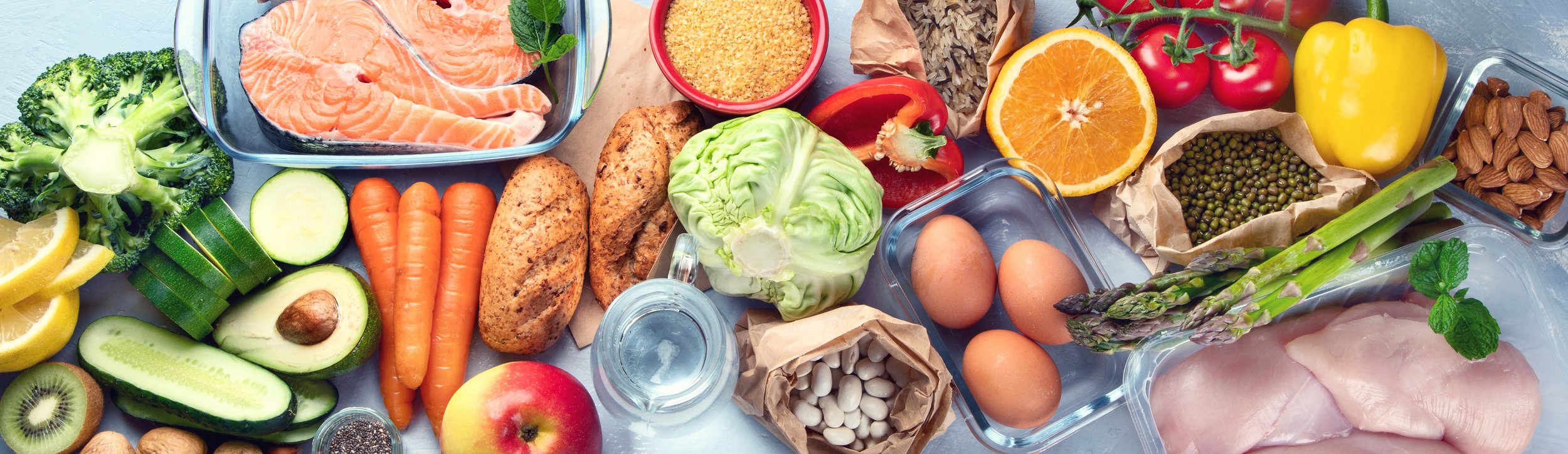
Evidence‑based nutrition rarely goes viral because it does not offer dramatic promises—but it does offer you something trends cannot: consistency and long‑term benefits. Major public health bodies and professional dietetics organizations around the world converge on a few core principles:
Focus on overall patterns, not single foods Eating patterns rich in vegetables, fruits, whole grains, legumes, nuts, seeds, and high‑quality proteins are strongly associated with lower risk of cardiovascular disease, type 2 diabetes, and several cancers across large cohort studies.
Emphasize minimally processed foods most of the time Research on ultra‑processed foods has linked high intake to increased risk of chronic disease, but also shows that some processing (like freezing, canning, and fermentation) can be beneficial and practical. The aim is not perfection but shifting the balance toward foods closer to their whole form.
Adequate protein and healthy fats Protein needs rise slightly with age and with activity; including protein at meals helps with satiety, muscle maintenance, and metabolic health. Unsaturated fats from foods like olive oil, nuts, seeds, and fatty fish are consistently associated with better heart health compared to patterns high in trans fats and certain saturated fats.
Mindful portions, hunger, and fullness Instead of rigid calorie quotas, an increasing body of work supports approaches that integrate internal cues—hunger, fullness, satisfaction—with gentle structure (for example, regular meals and balanced macronutrients). These approaches are associated with better psychological outcomes and more sustainable behaviors than strict dieting.
Evidence‑based guidelines are designed to be adapted—to your culture, preferences, health conditions, and lifestyle—not imposed as a fixed set of rules. That adaptability is part of why they work over time.
My Approach: Food-First, Skills-First, and Body-Respectful
Here is how I want to support you as your culinary health and wellness coach in the middle of all this noisy, sometimes overwhelming landscape.
From restriction to nourishment
Instead of asking, “What do I have to cut out now?” I invite you to ask, “What can I add that moves me toward the health and energy I want?” That might mean:
Adding more colorful vegetables and fruits for fiber, antioxidants, and phytochemicals
Including a good protein source at each meal to support strength and satiety
Making sure you get some healthy fats for hormone health and brain function
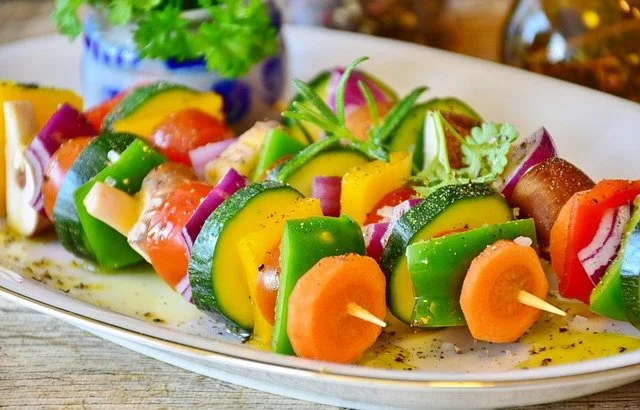
This “add, don’t only subtract” mindset matches what we see in the research: dietary patterns rich in diverse plant foods and adequate protein and healthy fats are protective, even if they are not perfect.
From rules to skills
Fads give you rules; long‑term health depends on skills. Focus on skills like:
Planning simple, realistic meals for your actual schedule, not an idealized one
Batch-cooking or prepping a few basics—grains, proteins, vegetables—to mix and match
Building a satisfying plate (for example: protein + fiber‑rich carbs + healthy fat + color)
Flavor-building with herbs, spices, acids, and textures so healthy food is genuinely enjoyable

Cooking and planning skills are strongly associated with higher diet quality and more home‑cooked meals in observational studies. When you know how to put together a quick, nourishing meal from pantry and fridge staples, you are much less vulnerable to every new trend.
From aesthetics to wellbeing
Social media tends to reduce health to a look—often a very narrow one. In contrast, I invite you to define success by how you feel and function:
Physically through your strength, stamina, and ability to do the activities you love
Energetically shown in your digestion, sleep, and energy across the day
Emotionally reflected in your mood, focus, and resilience to stress

Clinical and public health literature supports a “health at every size” and weight‑inclusive perspective: behaviors like eating more whole foods, moving regularly, managing stress, and sleeping well are beneficial regardless of whether your body matches a particular aesthetic ideal.
From all-or-nothing to flexible consistency
Real life includes travel, holidays, stress, and days when you simply do not have it in you to cook. Strict, all‑or‑nothing plans tend to fail at these moments. A flexible, evidence‑informed approach might look like:
Having a “bare minimum” meal strategy for tough days (for example, a frozen vegetable, a quick protein, and a whole‑grain option you can assemble in minutes)
Allowing space for social eating, celebrations, and favorite treats without labeling them as failures
Looking at patterns over weeks and months rather than obsessing over individual days
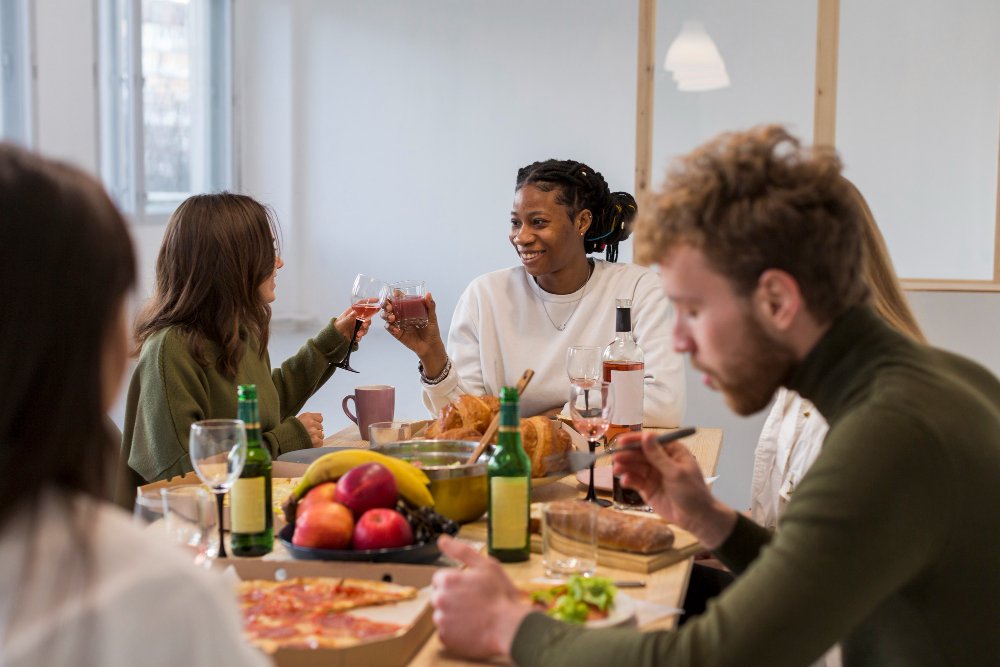
Behavioral research consistently shows that flexible restraint—structure with room for variation—is associated with better long‑term outcomes and less risk of disordered eating than rigid restraint.
How to Evaluate the Next Trend You See
When the next big wellness trend lands in your feed, here are a few questions you can ask, drawn from critical health literacy tools used in patient education and media literacy:
Who is promoting this, and what might they gain? Are they selling a product, program, or supplement? Do they have relevant training or credentials?
Is there any reference to research or professional guidelines? Vague phrases like “science says” without citing actual studies, organizations, or reviews are a red flag.
Could you reasonably follow this for months or years without harming your body or your relationship with food? If it is only realistic for a week or a month, it is not a lifestyle—it is a short‑term intervention with potential costs.
Does it encourage shame or fear, or does it empower you with skills and knowledge? Approaches that rely on fear, guilt, or moralizing food (“good” vs. “bad”) are linked with more disordered eating attitudes, not healthier ones.
If you are unsure, that is exactly the moment to bring it into our work together. We can unpack the claims, compare them with current scientific understanding, and decide whether there is anything worth adapting—or whether it is best left to the algorithm.

Where I Come In
If you’ve ever felt pulled in ten different directions by wellness advice—one trend telling you to cut something out, another telling you to add something in—you’re not alone. And you’re not doing anything wrong.
This is exactly why I do the work I do.

As a culinary health and wellness coach and Culinary Institute of America trained chef, my focus isn’t on handing you another rigid plan or telling you to follow the latest trend.
Instead, I help people slow down, cut through the noise, and build a way of eating that actually fits their life—one that’s realistic, enjoyable, and sustainable well beyond January.
In my Cooking to Nourish, Energize, and Thrive coaching program, we focus on:
Making sense of nutrition information without overwhelm
Developing practical cooking skills that make healthy eating feel natural
Creating routines that support consistency, not perfection
Learning how to trust your own judgment instead of outsourcing it to social media
There’s no one-size-fits-all approach here. Your goals, preferences, schedule, and relationship with food all matter—and they deserve to be part of the conversation.
If this New Year you’re less interested in chasing another diet and more interested in building something that lasts, coaching may be the support you didn’t realize you were missing. Sometimes the most powerful resolution isn’t a strict rule—it’s having a thoughtful, experienced guide in your corner as you create real change.
Final Thoughts: You Don’t Need the Latest Trend
Wellness doesn’t need to be extreme to be effective. It doesn’t need a hashtag, a countdown, or a dramatic reveal.
What it does need is curiosity, discernment, and a willingness to slow down long enough to ask:
“Does this actually support the life I want to live?”
Social media will continue to churn out new diets and wellness hacks. You don’t have to reject them all—but you also don’t have to chase every one.
Sometimes the most radical thing you can do for your health is choose consistency, nourishment, and common sense over hype.
Let’s get cooking!
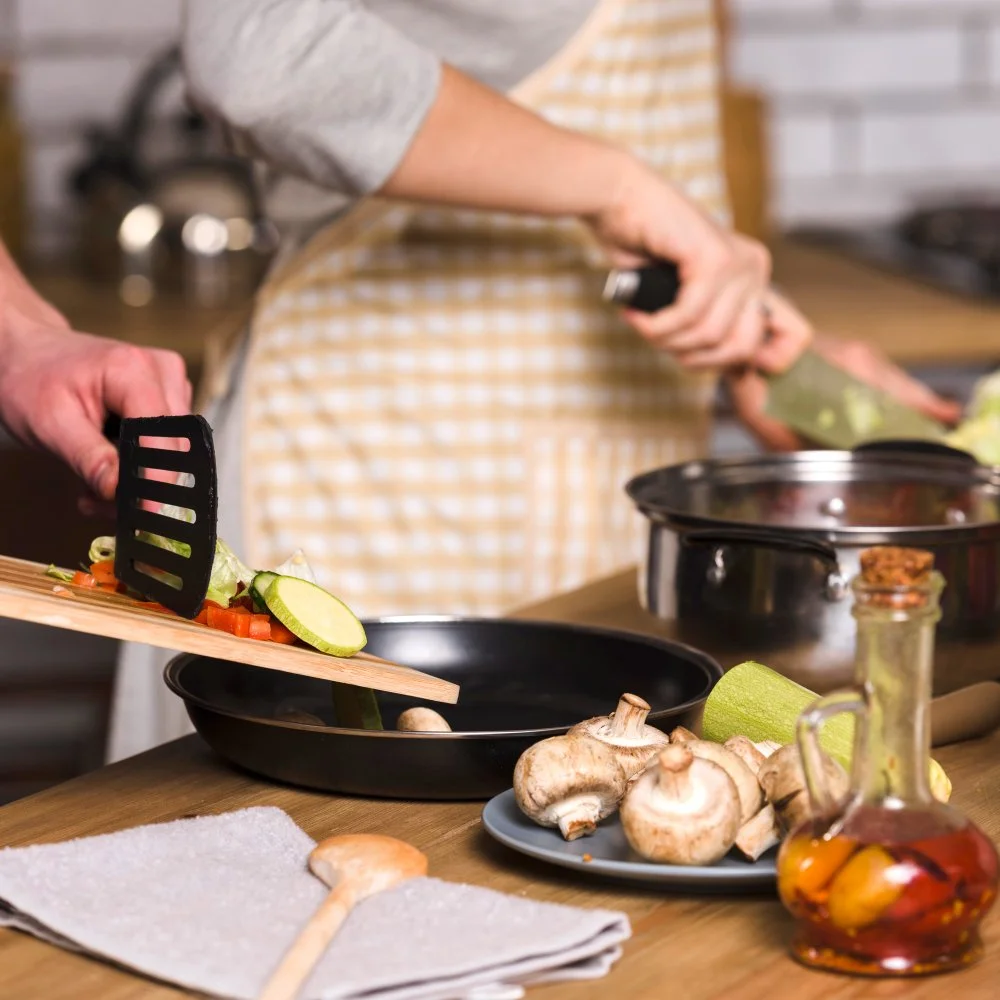
One of the most effective ways to step off the diet roller coaster is to reconnect with the kitchen. Cooking doesn’t have to be complicated or perfect—it just needs to be doable and enjoyable. When you build simple cooking skills and confidence around real food, healthy eating becomes less about rules and more about nourishment, flexibility, and trust in your own choices.
Roasted Vegetable Chicken Tortilla Soup
This Roasted Vegetable Chicken Tortilla Soup is a healthy, budget-friendly twist on a classic. Sweet potatoes, peppers, onions, jalapeños, corn, and garlic are oven-roasted for natural sweetness and smoky flavor, while cooked chicken adds protein. Spinach brightens the soup, and warm spices give cozy, layered flavor.
Finished with lime, crispy tortilla strips, and crumbled queso fresco, it’s a satisfying, nourishing one-pot meal that’s easy to make, full of flavor, and perfect for weeknight cooking without breaking the bank.
Roasted Vegetable Chicken Tortilla Soup
Ingredients
- Roasted Vegetables
- 1 medium sweet potato, peeled + diced (½–¾ inch cubes)
- 1 medium onion, cut into wedges
- 1 bell pepper, sliced
- 1 jalapeño, halved and seeded (or leave seeds for heat)
- 4 cloves garlic, whole and unpeeled
- 1 cup corn kernels (fresh or frozen; if frozen, no need to thaw)
- 1–2 tbsp olive oil
- Crispy Tortilla Strips
- 4 small corn tortillas, cut into thin strips
- 1 tsp olive oil
- Pinch of salt
- Soup Base
- 1 tbsp olive oil
- 1–2 tsp chili powder
- 1 tsp ground cumin
- ½ tsp smoked paprika
- ¼ tsp oregano
- 1 (14.5 oz) can fire-roasted diced tomatoes
- 4 cups low-sodium chicken broth (or bone broth)
- 1 (14 oz) can black beans, drained and rinsed
- 2–3 cups cooked chicken, shredded
- 2–3 cups baby spinach, cut into wide ribbons
- Juice of 1 lime
- ¼ cup chopped cilantro
- Toppings
- Crumbled queso fresco
- Avocado
- Lime wedges
- Crispy tortilla strips
- Cilantro
- Greek yogurt
Instructions
- Preheat oven to 425°F. Line a baking sheet with parchment.
- Add the sweet potato, onion, red pepper, jalapeño, garlic cloves (still in their skins), and corn.
- Drizzle with olive oil, season with salt + pepper, and toss.
- Spread into a single layer.
- Roast 25–30 minutes, stirring halfway, until the sweet potatoes are golden and edges of the veggies are lightly charred.
- When cool enough to handle, squeeze roasted garlic out of their skins, mash, and set aside. Chop the vegetables into bite sized pieces.
- While the veggies are roasting make the crispy tortilla strips by tossing the tortilla strips with the olive oil and salt. Bake for 8-10 minutes, stirring once, until crisp.
- In a large pot, heat 1 tablespoon olive oil over medium heat.
- Add chili powder, cumin, smoked paprika, and oregano. Stir 30 seconds to “bloom” the spices.
- Add the roasted vegetables (including the roasted garlic), tomatoes, and broth.
- Stir in black beans and shredded chicken.
- Simmer 10–12 minutes to blend flavors.
- Stir in spinach at the very end so it just wilts.
- Add lime juice + cilantro; taste and adjust with salt + pepper.
- Ladle the soup into bowls and top with crumbled queso fresco, avocado slices, extra cilantro, a lime wedge, a dollop of Greek yogurt, and crispy tortilla strips as desired.
Notes
- Swap corn tortillas for cassava tortillas if you want grain-free.
- Add extra vegetables: zucchini, spinach, or carrots work beautifully.
- Use bone broth for added richness and protein.
- Reduce sodium by using no-salt-added tomatoes + broth.
Herb & Seed Millet Bread
A yeast-raised gluten-free millet bread, Herb & Seed Millet Bread is hearty, savory, and easy to make, with a sturdy yet tender crumb that slices cleanly. Millet flour provides a mild, slightly nutty flavor, while tapioca flour adds lightness and elasticity. Psyllium husk gives the loaf structure and moisture without heaviness, allowing the dough to rise directly in the pan for a simple, dependable bake. A mix of herbs and seeds adds depth and texture, making this loaf well suited for toast, open-faced sandwiches, or serving alongside soups and salads.
Herb & Seed Millet Bread
Ingredients
- 2¼ tsp active dry yeast (1 packet)
- 1 Tbsp pure maple syrup or raw honey
- 1¼ cups warm water (105–110°F)
- 200 g millet flour (1½ cups)
- 130 g tapioca flour (1 cup)
- 2 Tbsp psyllium husk powder
- 1½ tsp sea salt
- 1½ tsp dried herbs (rosemary, thyme, or Italian blend)
- ¼ cup sunflower seeds
- 2 Tbsp pumpkin seeds
- 1 Tbsp poppy seeds
- 1 tbsp ground flax seed
- 1½ tsp sesame seeds for topping
- 2 large eggs, room temperature
- ¼ cup olive oil or avocado oil
- 1 Tbsp apple cider vinegar
Instructions
- In a small bowl, combine the warm water, maple syrup, and yeast.
- Let stand 5–8 minutes, until foamy.
- In a large bowl, whisk together millet flour, tapioca flour, psyllium husk powder, salt, dried herbs, and seeds (except for sesame seeds).
- In a separate bowl, whisk together eggs, oil, and apple cider vinegar.
- Add the yeast mixture and wet ingredients to the dry ingredients.
- Mix thoroughly until a thick, sticky dough forms. (Texture will be closer to a batter than traditional bread dough.)
- Scrape the fresh dough directly into a greased or parchment-lined loaf pan.
- Smooth the top with wet hands or a spatula.
- Sprinkle with sesame seeds.
- Cover loosely and let rise in a warm spot for 45–60 minutes, until visibly puffed and slightly domed. The dough should rise close to the top edge of the pan.
- Preheat oven to 375°F.
- Bake immediately after rising for 50–55 minutes, until golden and firm. Internal temperature should reach about 205°F.
- Cool in the pan for 10 minutes, then transfer to a wire rack.
- Allow to cool fully before slicing to set the crumb
Notes
- Keeps 2 days at room temperature, 5 days refrigerated
- Slice and freeze for easy toast-ready portions
There you have it!
May this year be less about following trends and more about listening to, and doing, what actually works for you. 🎉