
Longevity Is Social: Why Eating Together Matters
There’s a quiet moment many of us recognize, even if we don’t talk about it much. As life enters the empty-nest years, the rhythm of home begins to shift. The calendar is less crowded. Evenings feel calmer. And the dinner table—once the center of daily activity—can suddenly feel very quiet. Without really noticing, it becomes easy to eat in front of the television, grab a few bites over the kitchen sink, or heat up something quick at different times of day. Meals get shorter, simpler, and more solitary.
It doesn’t feel wrong. It feels efficient. Practical. Normal.
But somewhere along the way, food becomes something we fit in rather than something we gather around. And in that subtle shift, we lose more than conversation. We lose a powerful form of nourishment—one that supports emotional wellbeing, physical health, and even longevity in ways we’re only beginning to fully understand.
This stage of life can be rich, meaningful, and deeply healthy—but it rarely happens by accident. When children move out and daily schedules loosen, there’s less pressure to cook and less reason to sit down together. “It’s just me,” or “It’s just the two of us—why bother?” becomes an easy refrain. Convenience replaces intention, and the table that once held the rhythm of family life slowly fades into the background.

At the same time, social circles often shrink during mid- to later life. Retirement, relocation, and changing health can mean fewer natural opportunities to connect. That matters more than we tend to realize. Research continues to show that weak social ties and loneliness are linked to higher risks of heart disease, depression, cognitive decline, and earlier mortality. Connection isn’t a luxury—it’s part of how we stay well.
This isn’t a call to recreate the past or host elaborate dinner parties. It’s an invitation to see shared meals differently—not as something that belongs to a busy family stage, but as a form of “social medicine” that becomes even more important now. You don’t need gourmet recipes or a house full of people to begin. You can start exactly where you are, with what you have, and with a renewed understanding of how food can help shape this next season of life.
Why Connection Belongs in the Wellness Conversation
Nutrition is usually talked about in terms of nutrients—protein, fiber, vitamins, minerals. But nourishment doesn’t come only from what’s on the plate. It also comes from who we share the meal with.
When we sit down with others, something different happens. Conversation slows us down. Eye contact pulls us into the moment. A shared meal creates a small but meaningful ritual that meets our need for connection and belonging as surely as food meets our physical needs.
This matters more than we once realized. Longevity conversations have long focused on diet, movement, and stress management.

But increasingly, researchers are recognizing that the quality of our relationships-and how often we experience meaningful connection-plays an equally important role in long-term health. Not because being social is a bonus, but because chronic isolation affects nearly every system in the body, from digestion and sleep to stress response and immune function.
Food sits at the center of this for a reason. Long before nutrition labels and meal plans, meals were how people connected, communicated, and cared for one another. Eating together gave structure to the day and reinforced a sense of belonging—something that becomes especially important when life grows quieter.
Today’s research reflects that history. People who share meals more often tend to eat more home-cooked foods, rely less on highly processed options, and follow more regular eating patterns. Just as important, they report greater happiness, less loneliness, and a stronger sense of overall wellbeing.
In simple terms, sitting down to eat with others—even in small, ordinary ways—supports health on multiple levels. Not through rules or perfection, but through connection.
The Rhythm of Eating Together
If you look at cultures where people routinely live into their 90s and beyond—with relatively low rates of chronic disease—you’ll notice something consistent: meals are rarely rushed or solitary.
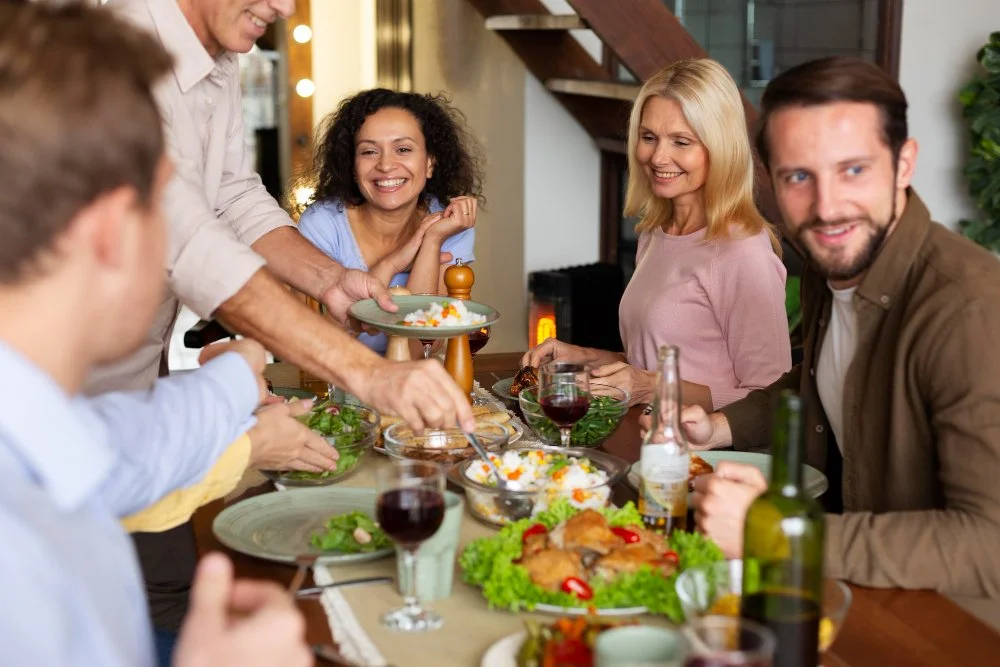
Across Mediterranean regions and other well-studied longevity cultures, eating is a shared, repeated part of daily life. People gather around familiar foods—vegetables, beans, whole grains, olive oil, modest amounts of meat or fish, sometimes a glass of wine—not because they’re chasing variety or novelty, but because the meal itself is a ritual.
Food becomes a pause in the day. A reason to sit. A reason to talk.
Just as important as what’s on the table is what happens around it. Meals stretch unhurriedly. Conversation flows. People joke, disagree, reconnect, and celebrate ordinary moments. Multi-generational tables keep older adults woven into daily life rather than pushed to the margins. Presence—not perfection—is what shapes the experience.
These traditions offer an important reminder: longevity isn’t built on exotic superfoods or constant optimization. It grows out of consistency, simplicity, and connection.
The Quiet Power of Shared Meals
When we talk about longevity, it’s easy to focus on what’s on the plate. But the way we eat matters just as much.
Shared meals tend to be more relaxed. They unfold at a slower pace. Conversation, laughter, and storytelling give the nervous system a chance to settle, which can lower stress hormones like cortisol. Over time, that calmer state supports heart health, reduces chronic inflammation, and contributes to better sleep, mood, and blood pressure—foundations of healthy aging.
Eating together also changes how we eat in subtle but meaningful ways. We slow down. We notice flavors. We pause between bites. Satisfaction arrives sooner, not because we’re trying to eat less, but because food is no longer the only focus. Conversation creates natural breaks. Distraction fades. Even simple meals feel more complete when they’re shared—a pot of soup ladled into two bowls feels different than one eaten alone.
Beyond the meal itself, shared eating strengthens something equally important: ongoing connection. Strong, consistent social ties are linked with longer life expectancy, and meals are one of the most practical ways to maintain them. A weekly dinner with a friend, a neighbor, or family member becomes an anchor in the week—something steady you can count on.
Over time, these repeated moments create a quiet safety net. People who notice when you’re not yourself. People who check in. People who give you reasons to show up, to look forward, to stay engaged with life. Longevity isn’t built only through big interventions; it grows out of small, ordinary rituals practiced again and again.
Reimagining the Table After the Kids Are Grown
When the house grows quieter, mealtimes can feel different. The easy rhythm of family dinners may be gone, replaced by smaller portions, fewer voices, and long stretches of eating alone. Along with the quiet can come uncertainty—about what meals are supposed to look like now, or whether inviting others in will feel natural. It’s common to hesitate, to wonder if your home or your cooking will be judged, or if it’s simply easier not to try.
These feelings are a normal part of transition. And they also mark an opening.
This stage of life offers the chance to reshape the table in a way that reflects who you are now. Rather than holding on to what used to be, you can begin to imagine what’s possible.
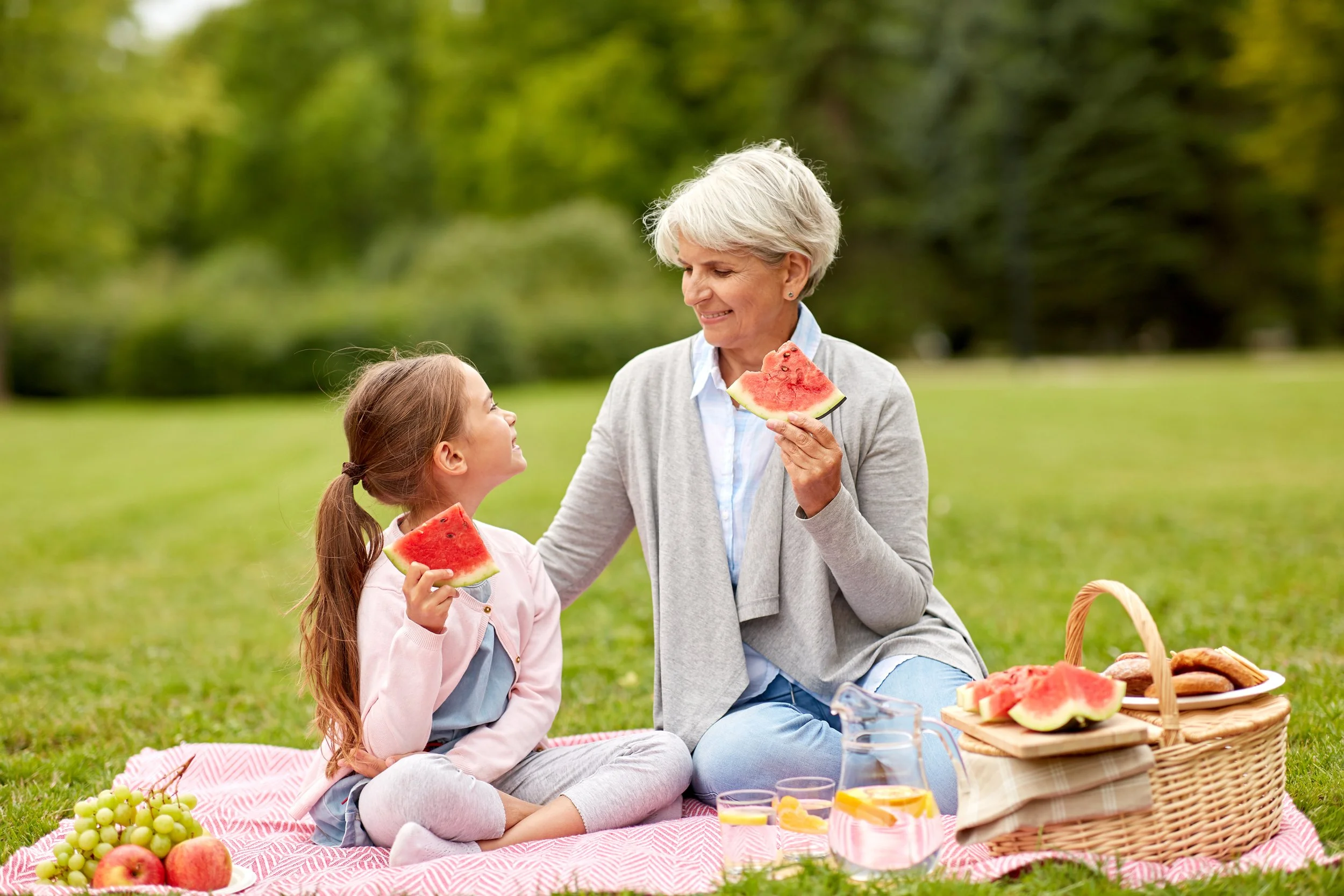
A shared meal doesn’t have to recreate the past to be meaningful. It can take new forms—sometimes with adult children or grandchildren, but just as often with friends, neighbors, former colleagues, or members of your community.
What matters most isn’t who once filled the chairs, but who you’re willing to invite today. A table becomes alive again not through perfection or tradition, but through openness. When you make space for connection, the table finds its purpose—again and again, in new ways.

When You Cook for Others, You’re Nourishing Yourself Too
Cooking for others taps into something deeply human. Long before food was optimized or tracked, it was prepared as an act of care. And that act doesn’t just nourish the people at the table—it quietly nourishes the cook as well.
When you cook with someone else in mind, the experience changes. The meal no longer feels like a task to get through, but a gesture to offer. That shift—from obligation to contribution—matters. Having a reason to cook, a person to cook for, creates a sense of purpose that supports emotional wellbeing and resilience over time.
It doesn’t need to be elaborate. A pot of soup shared on a cold afternoon. Extra portions packed up and sent home. Leftovers prepared with intention instead of haste. These small acts of generosity invite connection, and connection, as we’ve seen, is one of the quiet foundations of long-term health.
Cooking for others also softens the pressure for perfection. Food meant to be shared doesn’t need to impress. It doesn’t have to perform. It simply needs to be enough. And in that letting go—of judgment, of expectations—the cook often finds more ease, more satisfaction, and a renewed relationship with the kitchen itself.
In this way, cooking becomes more than nourishment on a plate. It becomes a practice of belonging, usefulness, and care—one that feeds the body, steadies the nervous system, and reminds us that we still have something meaningful to offer.
When Shared Meals Feel Hard
For some of us, food and connection can feel complicated. Grief, family dynamics, dietary differences, or social anxiety can make eating with others feel overwhelming—or even impossible. Sometimes, eating alone feels safer—and that’s okay.
Social connection isn’t about forcing yourself into gatherings that feel uncomfortable. It’s about creating opportunities where connection is possible, in ways that feel manageable and authentic. One person instead of many. Once a month instead of every week. A quiet cup of tea shared with a neighbor. A simple meal delivered to a friend.
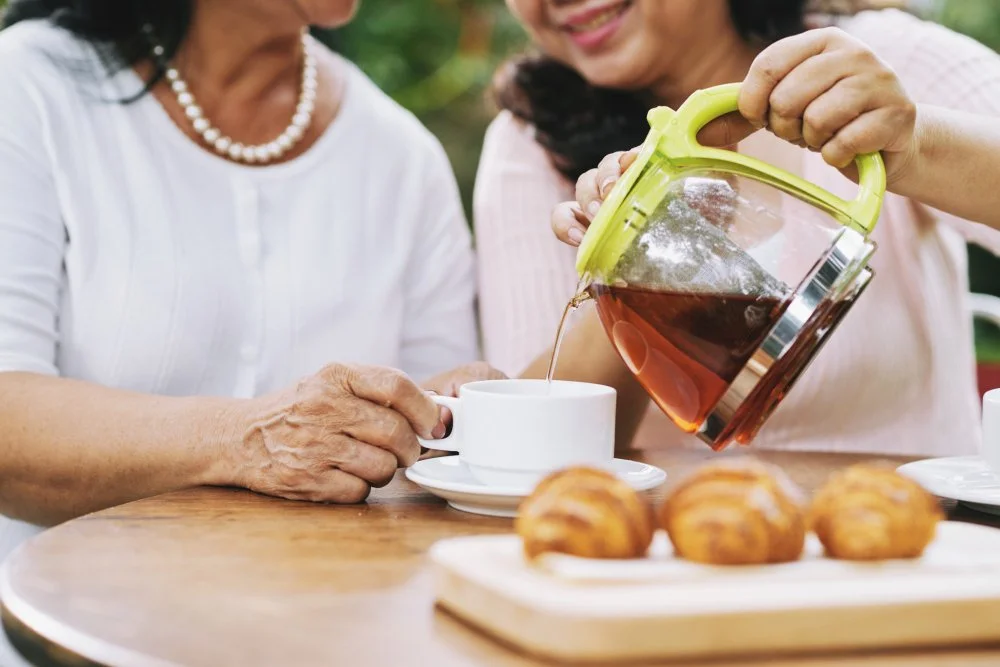
Longevity—and wellbeing—aren’t built through pressure or perfection. They’re built through gentleness, presence, and consistency. Small, repeated moments of connection, chosen on your own terms, quietly support health and belonging over time.
In other words, the table doesn’t have to look a certain way. What matters is that you keep showing up—at your own pace, in ways that feel right for you.
Practical Ideas You Can Start This Week
You don’t need to overhaul your life to benefit from shared meals. Small, intentional changes can make a meaningful difference—whether you live with a partner, alone, or have an extended or “chosen” family.
For couples:
Choose two or three nights a week as “proper dinner” nights. Set the table, turn off the television, put phones away, and sit down together—even if the meal is very simple.
Once a week, try cooking something new together: a soup you’ve never made, a different grain, or a recipe from a place you’d like to visit. The novelty keeps your minds engaged and makes the meal feel like an event.
For single folks:
Pick one evening and invite another solo friend or neighbor to share a regular meal—perhaps the first Thursday or Sunday of each month. Knowing it’s on the calendar gives your week structure.
Look for existing community meals at faith communities, senior centers, clubs, or local organizations. Attending even one regular group meal can greatly reduce feelings of isolation.
For extended families and “chosen family”:
Host a monthly multi-generational meal where everyone brings a dish—and, if possible, a short story about the recipe, a family memory, or something that happened that week.
If family members live far away, choose a recipe to cook “together apart” over a video call. You may be in separate kitchens, but the shared experience still creates connection.
You may recognize yourself in one or more of these scenarios and think, “Yes, that is possible. I could do that.” That thought is the first step.
Meals That Naturally Invite Connection
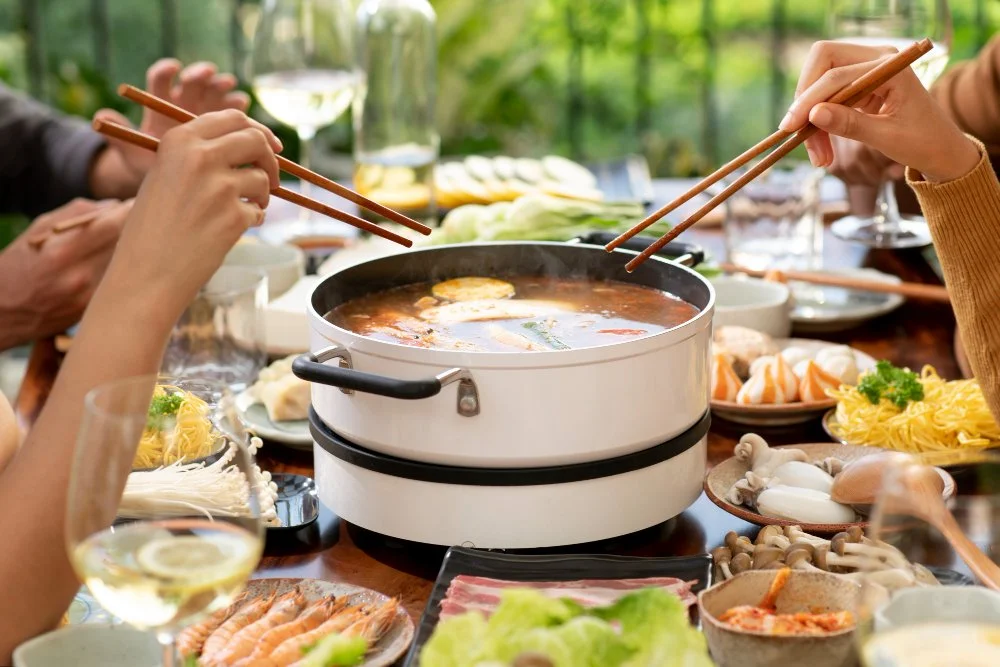
Certain types of meals make togetherness effortless:
Big-pot soups and stews that improve with time and welcome seconds
Roasted vegetables and sheet-pan meals meant for passing and sharing
Family-style pastas and grain dishes that feel abundant without excess
Build-your-own bowls that accommodate preferences without stress
These meals don’t demand attention. They create space for conversation.
Presence Over Perfection
Rituals around food don’t have to be elaborate to matter. You don’t need a perfectly set table or professional-level cooking to experience the benefits of shared meals. What matters is intention, presence, and consistency—moments that transform eating from a task into a rhythm that nourishes both body and spirit.
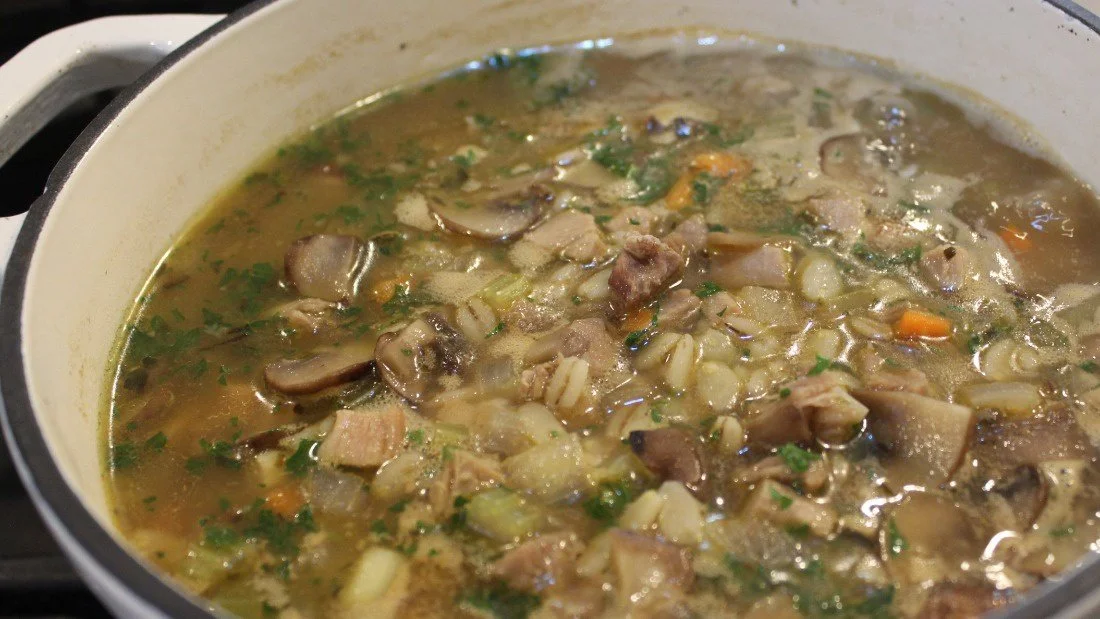
Focusing on simple, mostly home-cooked meals creates a natural foundation. Vegetables, whole grains, beans or lentils, and modest portions of animal protein—think soups, roasted vegetables with chicken, or beans with rice and salad—offer sustenance while keeping preparation manageable. The goal isn’t perfection or novelty, but rather meals that are easy to repeat and easy to share.
Practical approaches can help these rituals stick without pressure. Preparing a larger batch of a favorite stew or chili provides multiple meals while freeing up time later. Keeping frozen vegetables, pre-washed greens, or canned beans on hand makes it possible to assemble a nourishing meal in minutes. The details matter less than the act itself: sitting down, even with a simple dish, and sharing the experience.
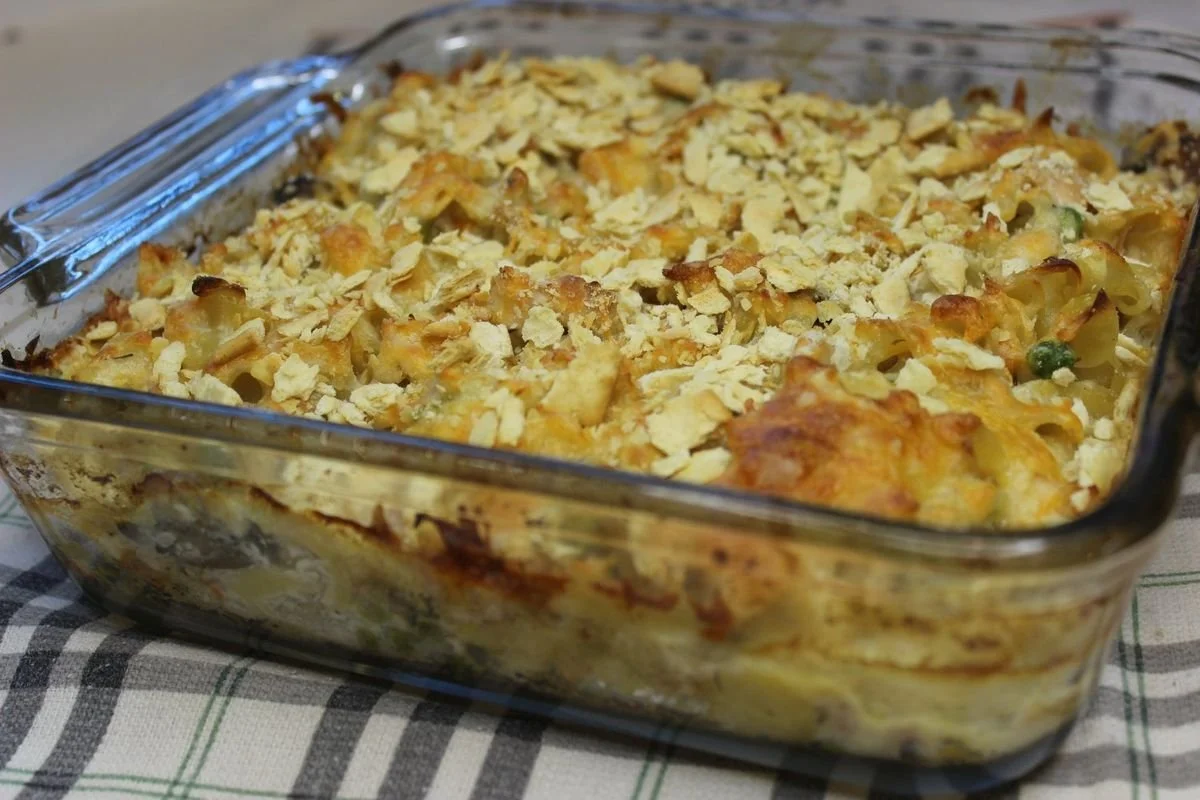
Small, repeated rituals anchor the week and create a sense of continuity our bodies and minds crave. A weekly soup night. Sunday breakfast without phones. A shared meal after a walk. Over time, these moments become more than meals—they become signals that connection, care, and attention are built into your everyday life. Even modest meals, when shared and mindful, carry a quiet but profound effect on wellbeing.
Small Practices, Deep Connection
Shared meals become more meaningful when they include small, repeatable rituals. These don’t need to be elaborate or formal—just intentional. A candle lit at the table, a moment of gratitude expressed aloud or silently, or a simple check-in where each person shares one “high” and one “low” from the week can transform an ordinary meal into something that nourishes both body and spirit.
If conversation tends to stay on the surface, a gentle framework can help. A simple “conversation menu” might include:
Gratitude: “What is something you are grateful for this week?”
Memory: “What is a meal you remember from childhood?”
Future: “What is something you are looking forward to?”

These small practices do more than fill time. They create moments where everyone feels seen and heard, fostering mental wellbeing and resilience. Especially in retirement or after children have moved out, when days can blur together, these rituals anchor time and create rhythm. Over weeks and months, you may find that the conversation—and the shared pause it brings—becomes as anticipated and cherished as the food itself.
Making Shared Meals Work for You
It’s easy to find reasons not to invite others to the table: limited budget, health concerns, mobility challenges, or social anxiety. Yet most of these obstacles can be softened with small adjustments, and the rewards—connection, rhythm, and wellbeing—often far outweigh the effort.
One common misconception is that social meals are expensive. In fact, sharing meals often costs less. Big-batch cooking stretches ingredients across multiple meals, shared grocery trips reduce waste, and potlucks distribute both cost and effort. Even the simplest, most budget-friendly foods—beans, grains, root vegetables, and whole chickens—work beautifully for shared meals.
If hosting feels daunting, start small. Invite one or two people instead of a crowd. Consider lunch instead of dinner if mobility or energy is a concern. Potlucks or soup swaps turn a single cooking session into several meals and make the gathering a shared project rather than a burden.
Feeling “out of practice” socially is normal, especially after major life transitions. You don’t need to hide nervousness—simply saying, “It’s been a while since I hosted, but I’d love to share a meal. Would you come?” can open the door. Many people feel relief that someone else has taken the first step.
And remember: social eating doesn’t always require hosting a formal meal. Sometimes it’s as simple as cooking a little extra and asking, “Do you want some?” Connection can be gentle, flexible, and meaningful, even in small doses.

A Table That Nourishes With More Than Food
Longevity isn’t built solely on what’s on your plate—it’s also shaped by who sits nearby, or who could be there if you made a little room. Shared meals remind us that nourishment extends beyond nutrients. It’s presence. Care. Belonging.
You don’t need to change everything at once. Start small. One shared meal. One invitation. One pot of something simple. Sometimes the most nourishing thing we can cook isn’t the food itself—it’s the space we create for ourselves and for others.
Picture two evenings a few months from now. In one, you stand at the counter, eating quickly while scrolling on a screen. The night passes quietly, but it leaves little behind.
In the other, the same kitchen holds a small group around the table—perhaps a friend, a neighbor, a partner, or a grandchild. The food is simple. The conversation is imperfect but real. A sense of warmth lingers long after the dishes are cleared.

The difference between those two evenings isn’t luck. It’s one choice—a choice you are fully capable of making. You can begin with a single step: invite one person, set one table, share one meal. Over time, these small, repeated acts create a rhythm of connection, care, and meaning that enriches both your life and the lives of those around you.
In this season of life, the table can be more than a place to eat. It can be a place to feel alive, to be seen, and to stay deeply connected—one shared meal at a time.

Let’s get cooking!
It’s time to bring connection to the table. Start with simple, nourishing dishes you enjoy—soups, casseroles, roasted vegetables, grains, or pasta work beautifully. Cook with intention, share generously, and let the act of preparing food become part of the ritual. Even a modest meal can spark conversation, laughter, and a sense of togetherness.
Beef Pot Roast with Root Vegetables
The classic Beef Pot Roast with Root Vegetables is the ultimate comfort meal, perfect for a cozy dinner or feeding a crowd. A well-marbled cut of beef is slowly braised on the stovetop until tender, allowing the rich flavors to develop naturally. Aromatic vegetables—carrots, rutabagas, and potatoes—are added partway through cooking to maintain their texture and sweetness.
Cooking the roast on the stovetop allows you to gently monitor the simmering liquid, ensuring the meat remains moist and flavorful while the vegetables soak up the savory juices. The result is melt-in-your-mouth beef and perfectly tender vegetables in a hearty, flavor-packed sauce.
Perfect for weeknight dinners or casual gatherings, this pot roast pairs beautifully with rustic bread or creamy mashed potatoes, allowing every bite to absorb the rich, comforting flavors. Simple seasonings enhance the natural taste of the meat and vegetables, making it a timeless recipe that delights every time.

Beef Pot Roast with Root Vegetables
Ingredients
- 2–2½ lbs beef chuck roast or shoulder, whole
- 2 tbsp avocado or olive oil
- 2 cups thinly sliced onion (1 large)
- 3 cloves garlic, smashed and roughly chopped
- 2 tbsp tomato paste
- ½ cup dry red wine (optional, or extra stock)
- 1 bay leaf
- ½ tsp dried thyme
- ½ tsp dried rosemary
- 2 cups beef stock
- baby carrots
- rutabaga or turnip, peeled and cut into chunks
- lb small potatoes or sweet potatoes, cut into chunks
- Salt and freshly ground black pepper
- Optional: chopped fresh parsley for serving
Instructions
- Pat the beef dry and season generously with salt and pepper. Heat oil in a Dutch oven over medium-high heat. Sear the beef well on all sides until dark brown and crusty, about 3-4 minutes per side. Remove beef and set aside.
- Lower the heat to medium-low and add the onions and a pinch of salt. Cook until golden brown and caramelized 12-15 minutes. Add garlic and tomato paste; cook 1-2 minutes until fragrant.
- Pour in the wine (if using) or alternate stock, scraping up the browned bits on the bottom of the pan. Let it reduce until nearly dry.
- Add the remaining stock, bay leaf, thyme, rosemary, and reserved beef.
- Bring to a low simmer, cover, and cook for 2–2½ hours until a fork inserted in the beef comes out easily.
- When the beef is nearly done, add the vegetables and continue cooking until the vegetables are soft and the beef is tender.
- Taste and adjust seasoning. Remove meat and vegetables to a serving platter, discarding the bay leaf.
- If desired, thicken the juices before serving. Use about ½ tsp cornstarch mixed with just enough water to make a slurry. Whisk into the juices and simmer for 1-2 minutes until thick.
- Sprinkle the platter with chopped parsley and served the pan juices on the side.
Notes
- Feel free to use any root vegetables you like. Turnips, rutabagas, carrots, any type of potatoes, parsnips, beets, and even radishes work well.
- For a more vegetable forward dish add 8 oz of mushrooms.
- Add chopped kale or other greens in at the end for a pop of color and nutrition.
Smothered Cabbage and Potatoes
Discover the simple yet irresistible charm of boiled potatoes and cabbage with a caraway twist. This humble Smothered Cabbage and Potatoes dish combines tender potatoes and cabbage, cooked to perfection and infused with the warm, slightly nutty aroma of caraway seeds. The seeds add a subtle, savory depth that transforms these everyday ingredients into a comforting side or light main dish. Finish with crispy bacon and a sprinkle of fresh parsley for a wholesome, satisfying dish that’s as easy to make as it is to enjoy.

Smothered Cabbage and Potatoes
Ingredients
- 6 slices bacon, diced
- 1 cup diced onion
- 3 - 4 cloves garlic, minced
- 1 1/2 tsp caraway seed
- 1/2 tsp dried thyme
- 1 tsp paprika
- 8 cups chopped cabbage (about 1 pound)
- 4 medium potatoes, peeled, chunked (about 1 1/4 pounds)
- 3 cups chicken or vegetable stock
- salt and pepper to taste
- 1 tbsp chopped fresh parsley
Instructions
- Cook the bacon in a large pot over medium high heat until crispy.
- Remove the bacon and set aside.
- Discard all but 1 tablespoon of the bacon fat.
- Add the onions and cook for about 2 minutes until soft.
- Add the garlic and spices and cook for an additional minute.
- Add the remaining ingredients and bring to a boil.
- Cover and simmer until tender, about 25 - 30 minutes.
- Remove the lid and continue cooking until nearly all the liquid has evaporated.
- Season to taste with the salt and pepper.
- To serve, top with the reserved crispy bacon and fresh chopped parsley.
There you have it!
Food nourishes the body, but shared meals nourish the soul. In this season of life, let your table be a place of warmth, laughter, and belonging—one meal at a time.