
Beets Deserve a Second Look (and a Better Recipe)
If you ask someone if they like beets, you'll probably get either an emphatic yes! or no! They're one of those veggies that people seem to have strong opinions about. The lovers rhapsodize about their earthy sweetness and rich, beautiful color, while the others recall Grandma's pickled beets on the dinner table and aren't in a rush to try them again. Then there are those who've only opened a can of beets and have no clue what to do with the fresh ones. No matter where you find yourself on the beet continuum, there's a lot more to discover. Beets can be sweet and tender, crisp and refreshing, or rich and savory depending on the preparation method. They pair beautifully with everything from citrus and fresh herbs to earthy lentils, creamy cheeses, and warm spices.
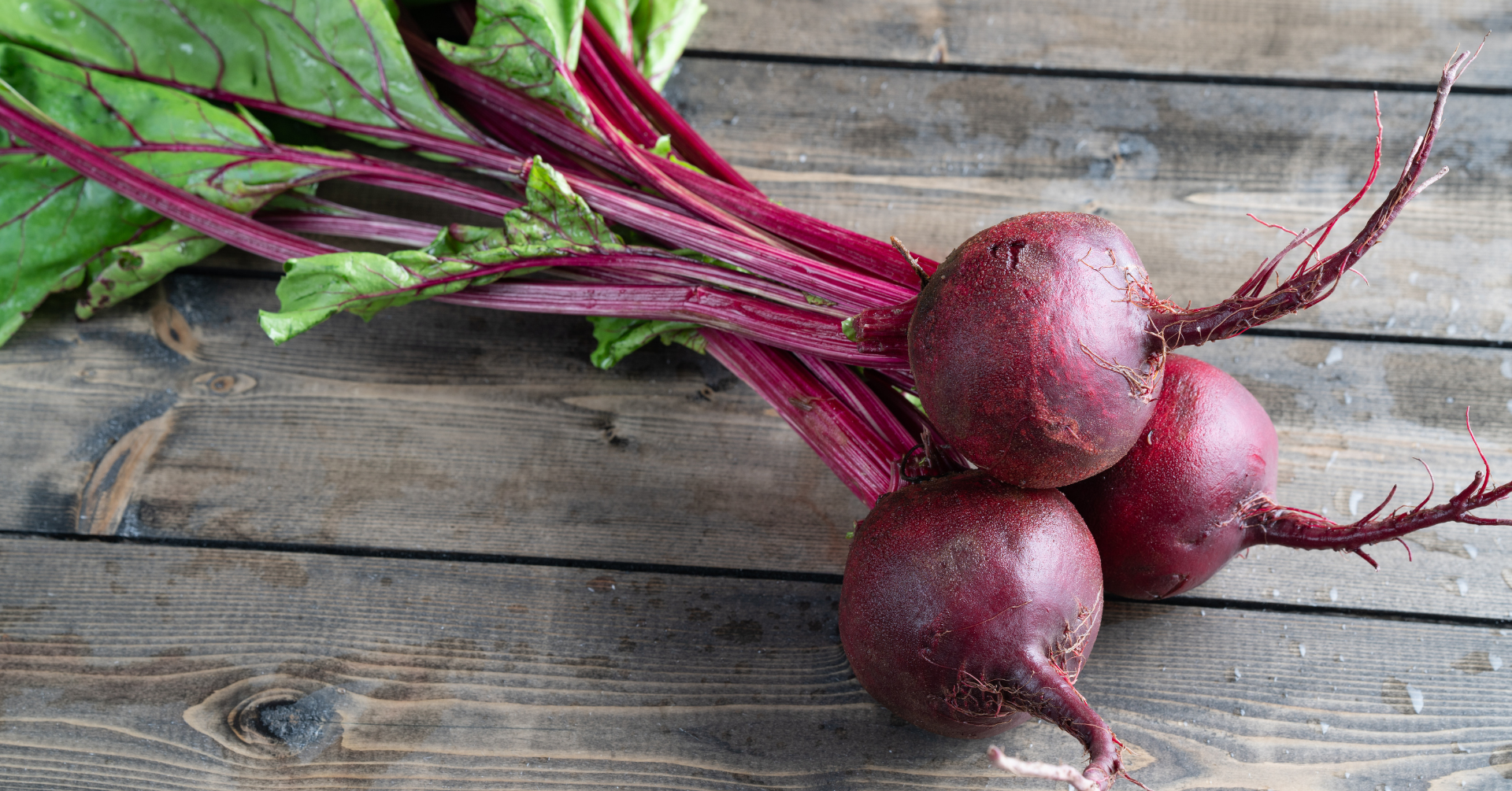
Beets are also one of the more interesting vegetables to work with in the kitchen. They come in an assortment of beautiful colors, have a long culinary history, and offer an impressive range of cooking possibilities. Although they’re available in the grocery store year-round, fall is a particularly good time to visit your local farmers’ market, where you might find a variety of freshly harvested roots.
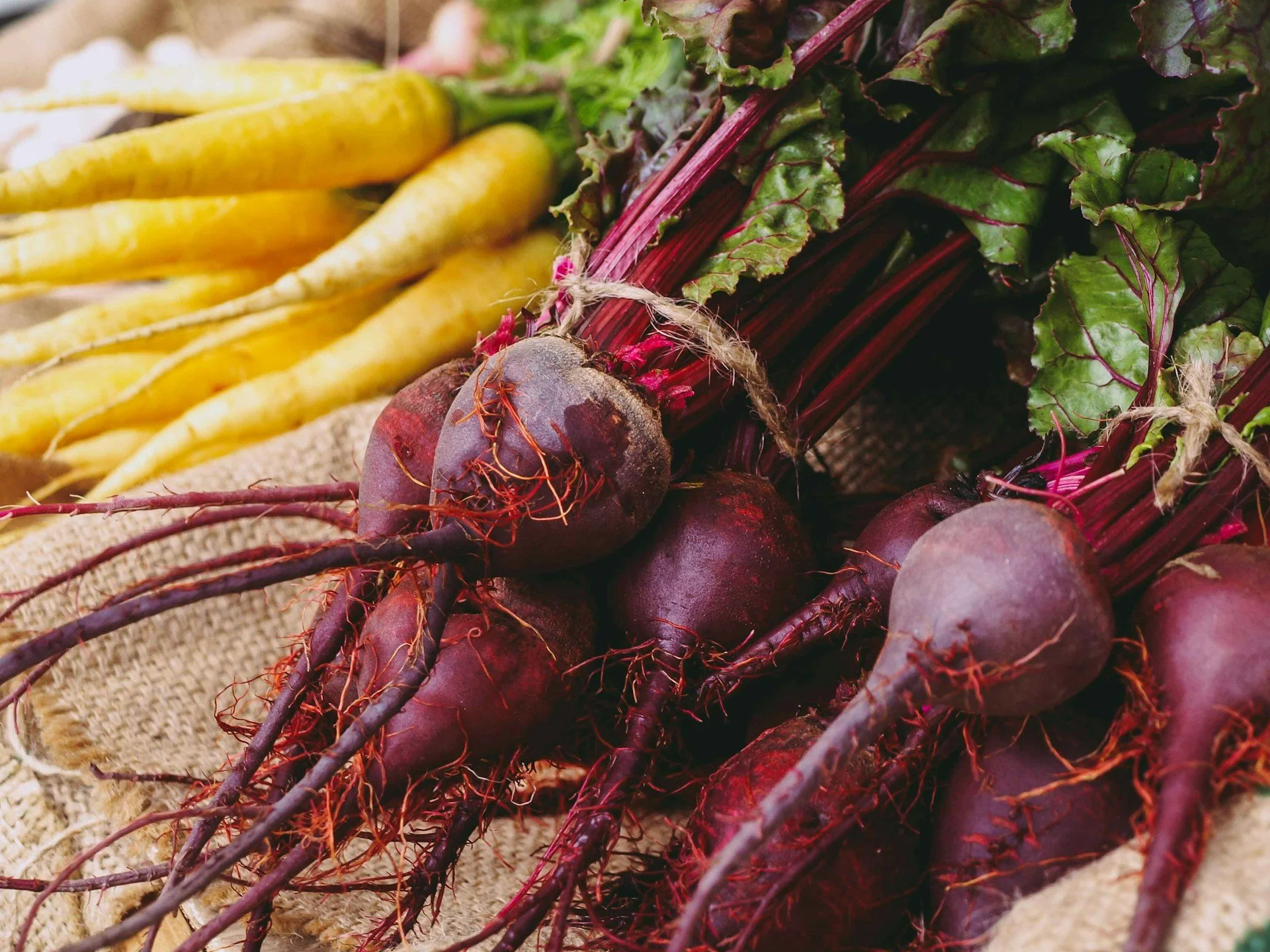
Beets Have a Few Surprises
Although beets are typically known as a root vegetable, the entire plant is edible. They're closely related to Swiss chard, belonging to the same species, and their dark green leaves and colorful stems are just as delicious as the roots. In fact, beets were originally cultivated for their leaves while their roots received much less attention. Over centuries of cultivation, growers selected plants with larger, fleshier roots, eventually producing the familiar round beets we know today.
Then there are those remarkable colors—the deep reds, brilliant purples, and golden yellows. These come from pigments called betalains that are so effective at coloring things that beetroot extract is used as a natural food coloring and can even be used to dye natural fibers. And of course, if you’ve ever peeled or sliced a fresh red beet, you know those pigments don't limit themselves to food. They're just as happy to color your hands, your cutting board, and your kitchen towels! Echoes of the turmeric conundrum all over again. I heard a story of a man who went to the doctor because he was peeing red. Turns out he’d recently had beets for dinner. This phenomenon is called beeturia, and although it can be disconcerting, it’s generally harmless. It's just those pesky pigments giving urine that distinctive pinkish or reddish color. They can change the color of your stool, too. No worries, provided the color change really is from the beets. (Unexplained or persistent red urine or stool should always be checked by a healthcare professional.)

Chef tip: to remove beet stains from your hands mix baking soda with a few drops of water to create a thick paste. Rub it thoroughly into your skin, let it sit for about 30 to 60 seconds, then rinse clean with warm water and soap.
Some people find that beets taste more like the earth they grow in than the pleasantly sweet vegetable others describe. Hence the phrase “they taste like dirt.” If this is you, it may be because you’re particularly sensitive to geosmin, a naturally occurring compound responsible for their distinctive earthy flavor. It’s also associated with that familiar smell of soil after a rainstorm because microbes in the soil produce geosmin too. Odd how what one person dislikes about beets may be the very thing someone else enjoys.
There are two other beet relatives worth mentioning: mangel-wurzels, also called fodder beets, and sugar beets. Fodder beets are huge, come in a variety of colors, and can often weigh several kilograms. If you want to be unique this Halloween, try carving a mangel-wurzel instead of a pumpkin. Before pumpkins became the traditional jack-o'-lantern, people in parts of Britain and Ireland carved lanterns from root vegetables, including turnips and mangel-wurzels. Sugar beets, on the other hand, are bred specifically for their high sugar content and are used commercially to produce table sugar. They're quite different from the tender, flavorful table beets we buy for cooking, but they're another example of how versatile this family of vegetables has become.
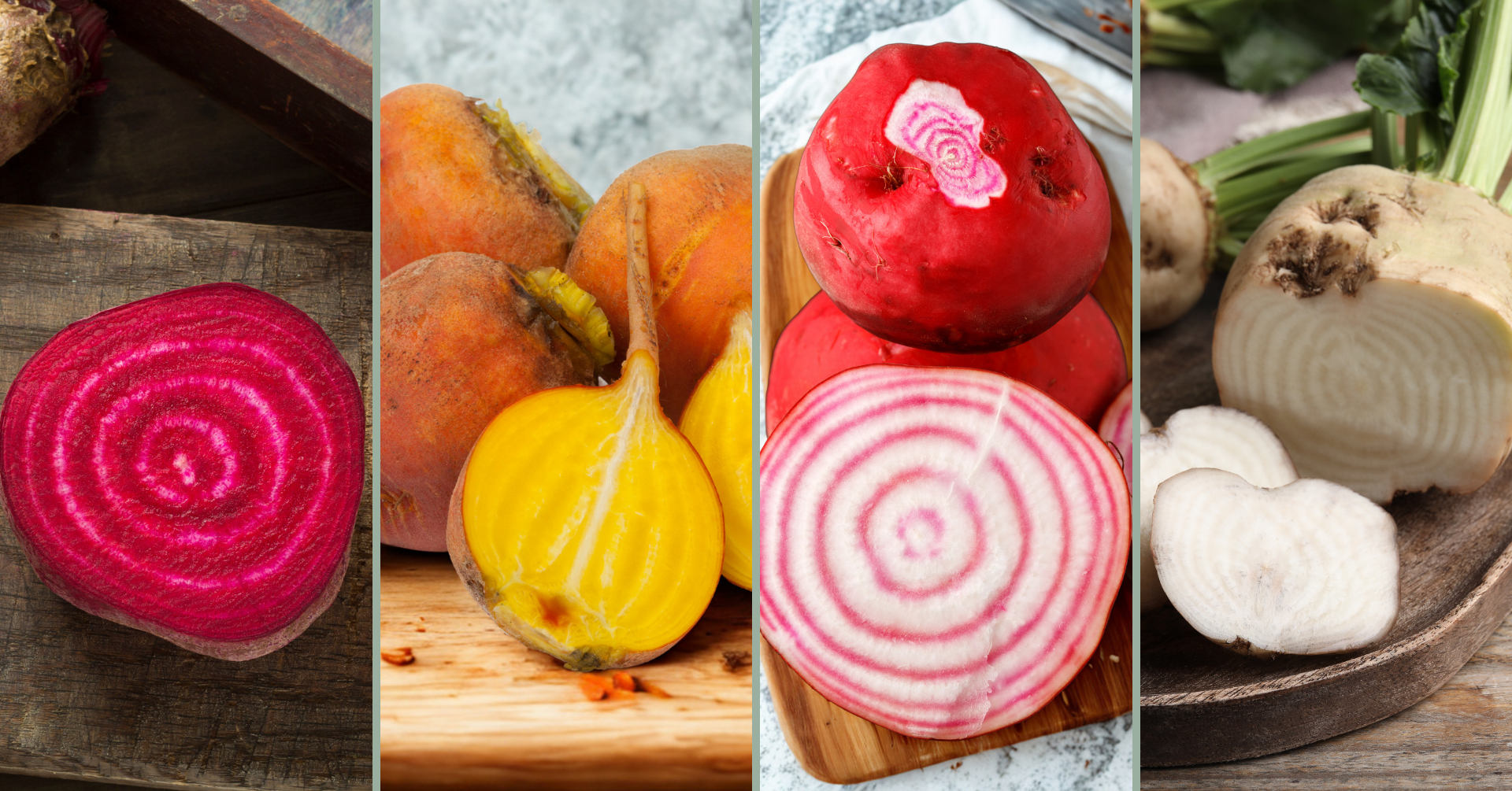
A Beet Isn't Always Red
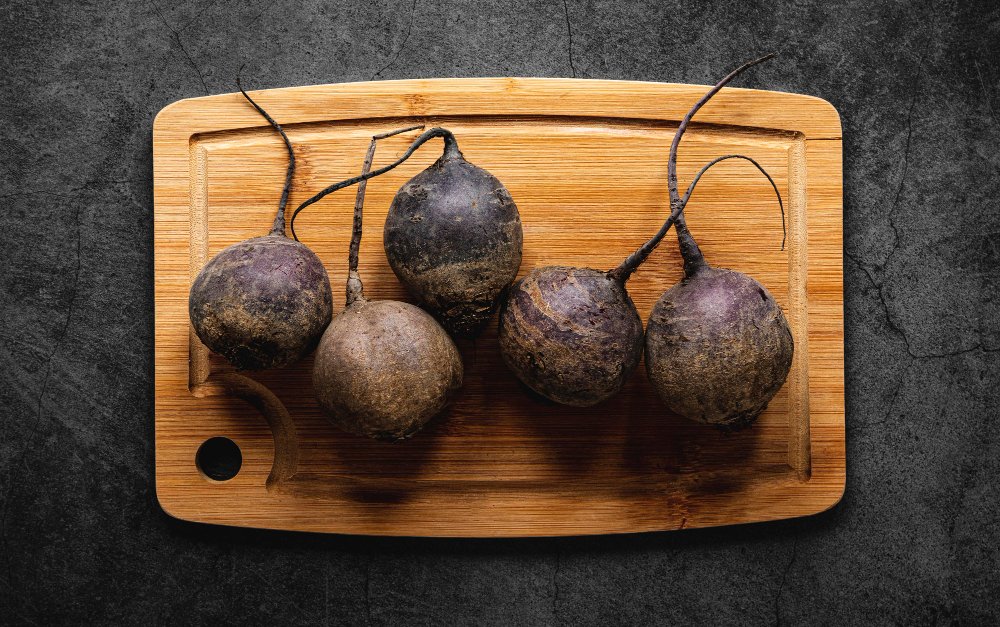
The usual fresh beet found at the grocery store is the round, deep-red root that has a rich, earthy flavor. It’s well worth your time to explore your local farmers’ market, where you may find several varieties and discover their differences go beyond color.
Red beets, with their deep ruby flesh, have a characteristic earthy sweetness that becomes more pronounced when roasted. They're delicious roasted or pickled, and work beautifully in soups and salads, although their intense color tends to spread to anything they're cooked with. Golden beets have beautiful yellow-orange flesh and are often a little milder and sweeter tasting than red beets. They're especially nice roasted or served in salads, and because their pigments are less likely to stain other ingredients, they're easier to combine with foods when you want to preserve their individual colors.
Chioggia beets, sometimes called candy-striped beets, are particularly beautiful when sliced crosswise. Their concentric rings of pink or red and white resemble a peppermint candy. They're generally mild and sweet, making them especially attractive shaved thinly into salads. Cooking can cause their distinctive stripes to fade, so raw preparations are a wonderful way to show them off. White beets are less common but have a pleasantly sweet, mild flavor. They offer beet flavor without turning everything around them pink or yellow, which can be useful in certain dishes.
You may also come across Cylindra beets, which are elongated rather than round. Their shape makes them especially convenient when you want evenly sized slices for roasting, layering, canning, or pickling. Of course, you don't need to track down an unusual variety to enjoy cooking with beets. If your grocery store carries only red ones, don't let that discourage you. They're wonderfully versatile, and nearly everything we're going to discuss can be made with them.
Bringing Out the Best in Beets
One of the amazing aspects of cooking vegetables is how much a simple technique can change an ingredient. Beets are a perfect example. Their flavor and texture can be surprisingly different depending on whether they're roasted, steamed, simmered, pickled, or served raw. Understanding what each method brings to the table makes it easier to choose a preparation that suits both the dish you're making and the flavors you enjoy.
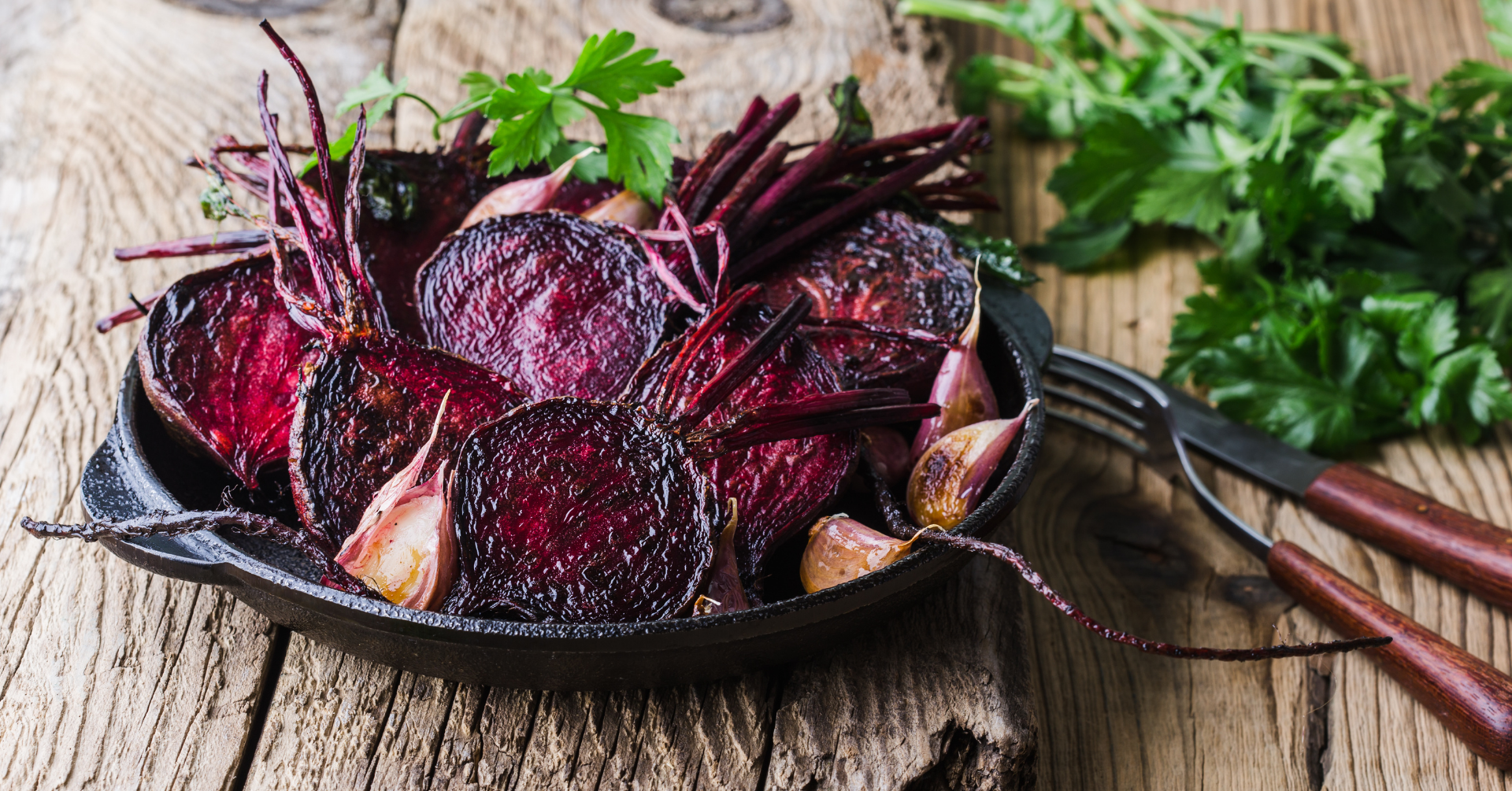
Roasting Brings Out Their Sweetness
Roasting is one of my favorite ways to prepare beets, not only because it's easy, but because it brings out their natural sweetness. How you roast them makes a difference, though. You can roast them whole or cut into wedges or cubes, and each method produces a slightly different result. A 400°F oven works well for either method, although cooking time will vary considerably depending on the size of the beets and whether they're whole or cut. For whole beets, scrub them well, remove and reserve the leaves while leaving a little stem attached, and wrap them in foil or place them in a covered baking dish. Roast until they're tender enough for a knife to slide easily into the center. Once they're cool enough to handle, the skins will usually rub off quite easily. If the skins don’t come away easily, the beets may need a little more cooking time. Because they're enclosed during cooking, whole beets retain more of their moisture, giving them a tender, almost silky texture.
Cut beets roast a little differently. Toss peeled wedges or cubes with olive oil and seasonings, spread them on a baking sheet, and roast uncovered until tender. Their exposed surfaces lose moisture and develop some browning around the edges, giving them a slightly caramelized exterior and a more concentrated flavor than whole roasted beets. Both methods are delicious, and which one you choose really depends on how you plan to use the beets. Whole roasted beets are lovely sliced for salads or served with a creamy dressing, while cut beets work beautifully as a side dish. They're delicious on their own, but a few finishing ingredients can make them even better. Try a splash of balsamic vinegar, a squeeze of orange juice, or a scattering of fresh thyme. Toasted walnuts, pistachios, or a little crumbled feta cheese provide a nice contrast to their soft texture and sweetness.
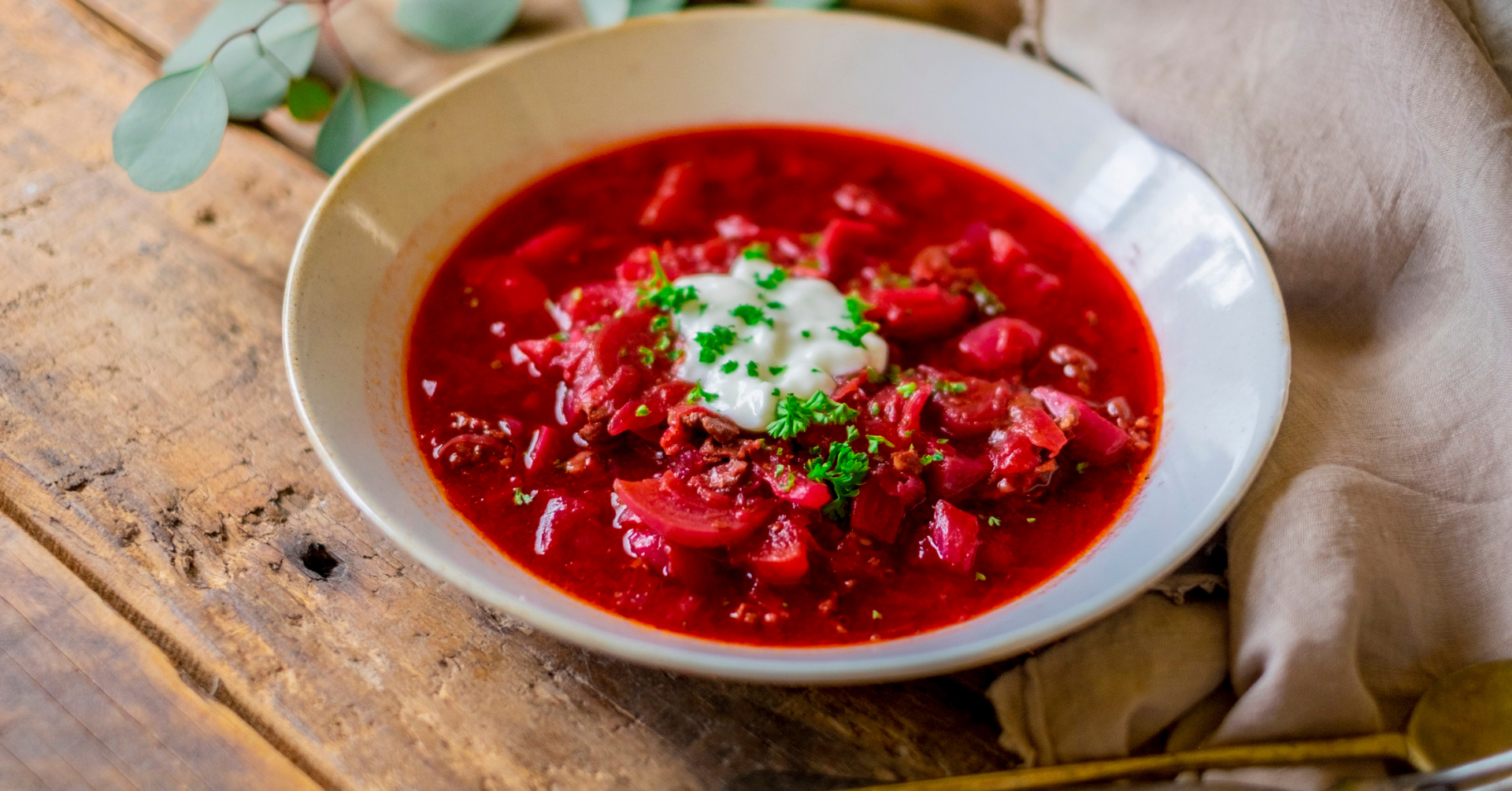
Steaming and Boiling Keep Things Simple
Steaming and boiling are good choices when you want tender beets without the more concentrated flavor of roasting. These methods are particularly useful when you're making soups, purées, pickled beets, or dishes where the beets will be combined with other ingredients. You can steam or boil beets whole with their skins on and peel them afterward, or peel and cut them into smaller pieces to shorten the cooking time. Steaming has the advantage of keeping the beets out of the cooking water, helping retain more of their flavor and water-soluble nutrients. Boiling works just fine, too, especially when the cooking liquid will become part of the finished dish, as it does in some soups.
And don't overlook the convenience of beets that are already peeled and cooked. You can buy them canned or vacuum-packed, whole, sliced, or diced, and they're ready to use in all sorts of dishes. They're especially handy for quick salads, spreads, and glazed vegetable sides. Just be sure you're buying plain beets rather than pickled ones unless that's the flavor you're looking for. There's nothing wrong with taking advantage of a convenient ingredient, especially when it makes the difference between trying something new and deciding it's too much trouble.
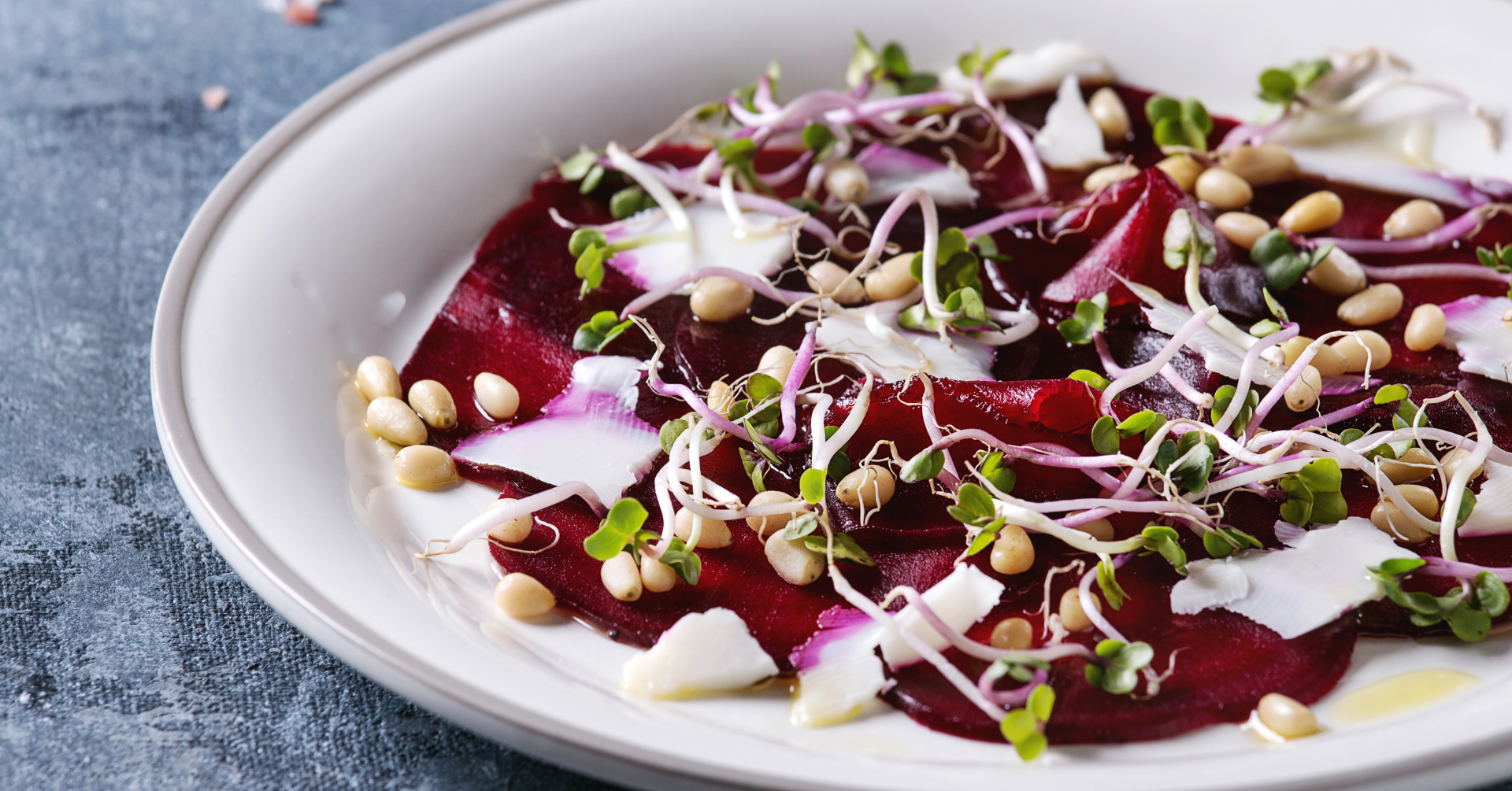
Raw Beets Offer Something Completely Different
If you've only eaten cooked beets, you might be surprised by how enjoyable they are raw. They have a firm, crisp texture similar to a carrot, and their fresh sweetness provides an interesting contrast to the softer, richer flavor of cooked beets. Grated raw beets work beautifully in slaws with apples, carrots, or cabbage. Thinly shaved slices can be tossed with citrus juice, olive oil, and fresh herbs, while matchsticks or spiralized beets add color and crunch to grain bowls and salads. The trick is to cut them thinly enough that they're pleasant to eat. A box grater, sharp knife, or mandoline makes the job easier. Just be careful because raw beets are firm and can be awkward to slice safely. This is definitely one of those times when the mandoline's hand guard earns its keep! Since raw beets can have a pronounced earthy flavor, pairing them with something sweet or acidic helps create a more balanced dish. If you're a little uncertain about eating raw beets, try adding a small amount to a familiar slaw rather than making them the main ingredient.
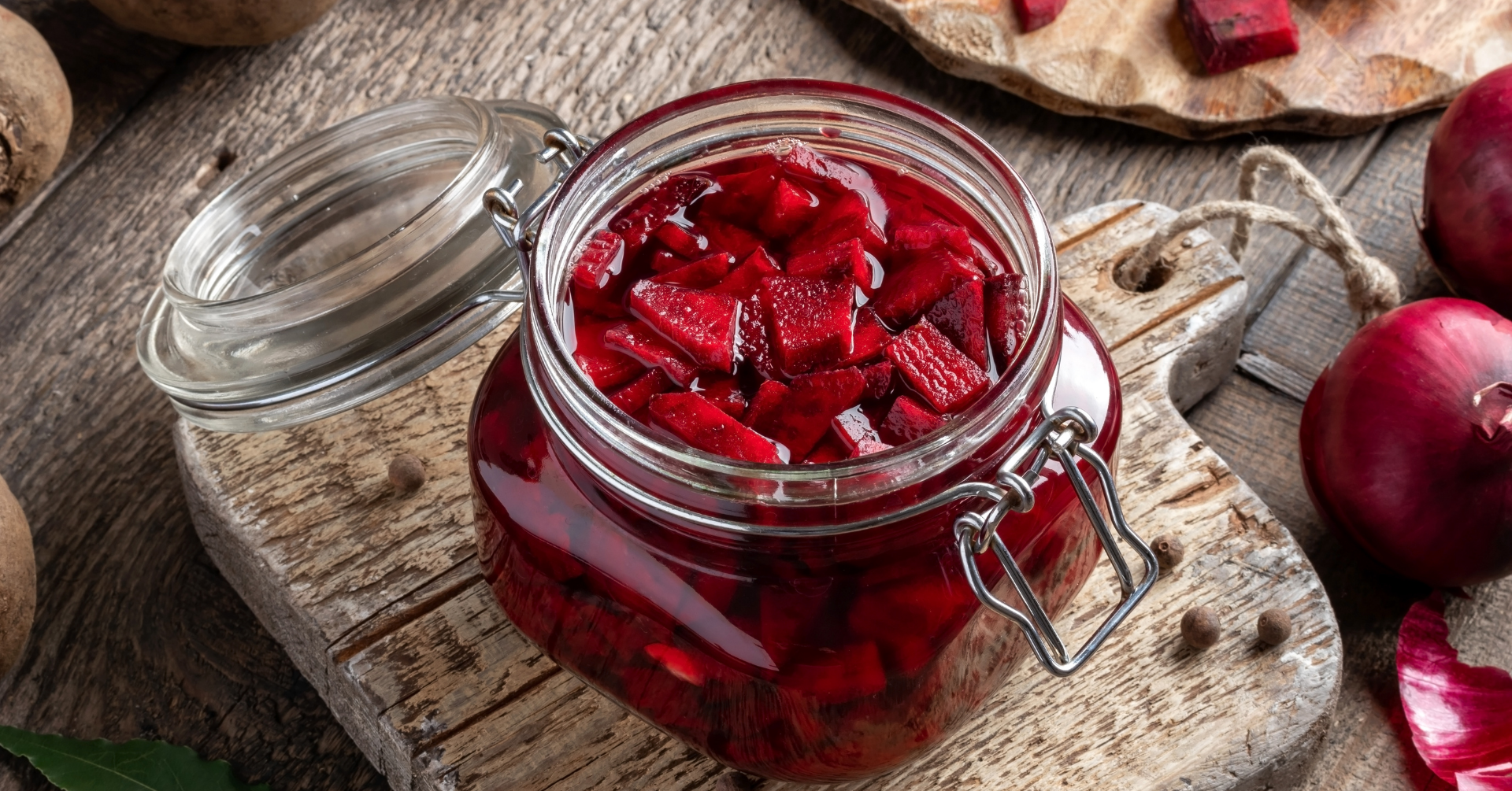
Pickling Gives Beets a Different Personality
Pickled beets may be the preparation most familiar to us, and there's a good reason they've remained popular. The acidity of vinegar balances their natural sweetness and earthy flavor, giving them a bright, tangy taste that's quite different from plain cooked beets. Traditional pickled beets often include sugar and warming spices such as cloves or cinnamon, but there's plenty of room to experiment. Ginger, mustard seeds, peppercorns, and even fresh herbs can introduce different flavors without losing the familiar sweet-and-sour character. Quick refrigerator pickles are particularly easy to make because you're simply covering cooked beet slices with a vinegar-based brine and refrigerating them long enough to absorb the flavors. Unlike beets processed using a tested canning recipe, refrigerator pickles aren't shelf-stable and must be kept refrigerated.
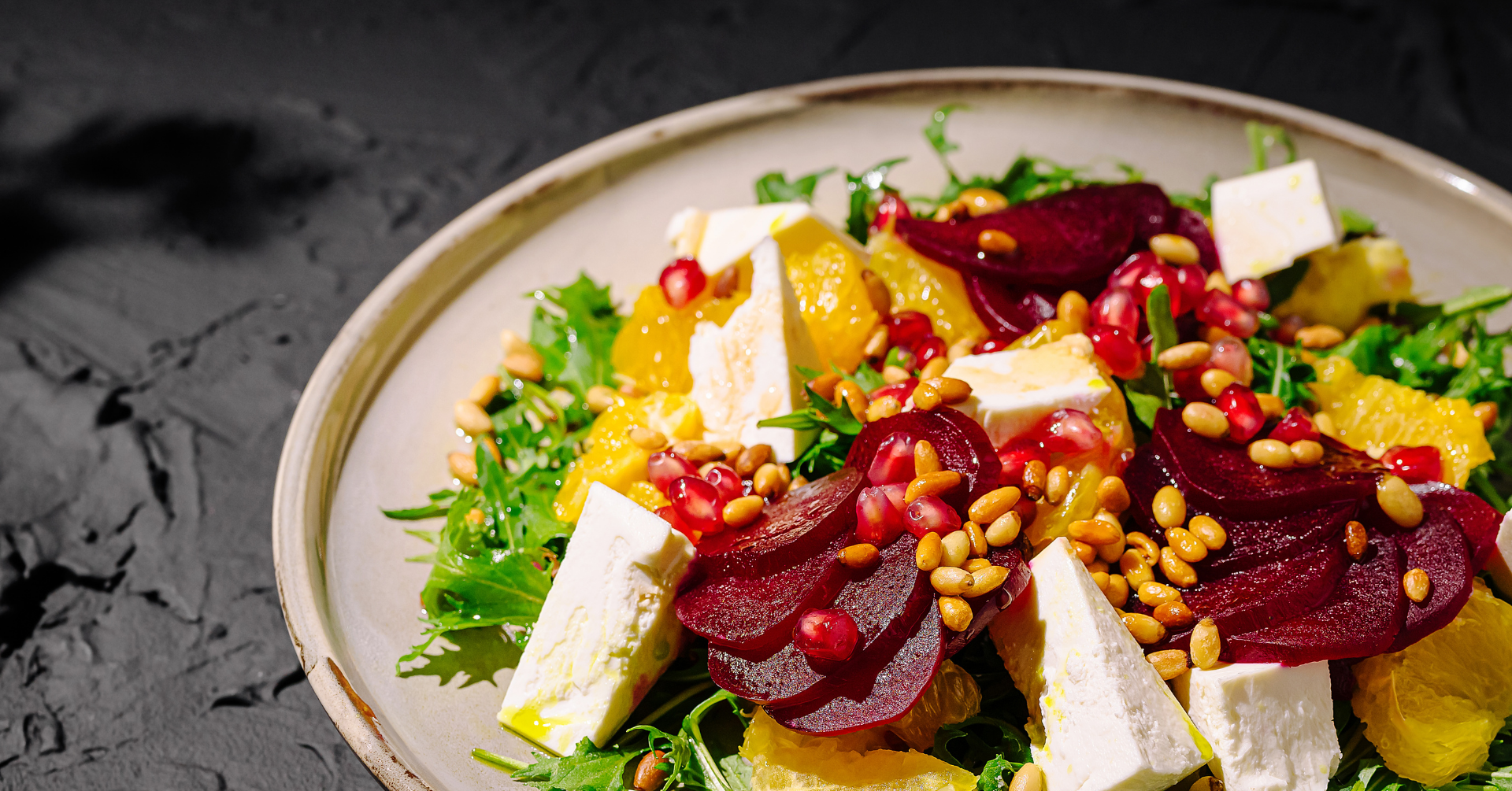
The Secret Is Often What You Pair with Them
Beets have a strong personality, but that doesn't mean they need strong seasonings. Sometimes the best approach is to balance their earthy sweetness with ingredients that offer something different. A little acidity, something creamy, or a bit of crunch can completely change the eating experience. Citrus juice and vinegar brighten their flavor, while creamy ingredients like goat cheese, feta, and yogurt provide a pleasant tang that softens their earthiness. Fresh herbs such as dill, parsley, and mint bring freshness, and toasted nuts or seeds add a welcome contrast to their tender texture. Warm spices such as cumin and coriander bring another dimension to beets, while ginger and the sharp heat of horseradish can take their flavor in entirely different directions.
When you're putting together a beet dish, think about the flavor and texture you're starting with and what's needed to create balance. If the beets taste too earthy, try a little lemon juice or vinegar. If the dish is very soft, toasted walnuts or crisp vegetables might be just what's missing. And if their sweetness seems overpowering, a salty or tangy ingredient can bring everything together. That's often the difference between a bowl of plain cooked beets and a dish you find yourself wanting to make again.
A Few Beet Tricks Worth Knowing
Beets aren't difficult to prepare, but there are a few tips worth knowing that can make working with them a whole lot easier. When shopping for fresh beets, look for roots that feel firm and heavy for their size, without soft spots or shriveling. Smaller beets are often tender, but larger ones can be excellent, too. If the greens are still attached, look for leaves that are fresh and vibrant rather than badly wilted. Once you get them home, remove the greens, leaving about an inch of stem attached to the roots. Store the roots in the refrigerator, where they'll keep considerably longer than the greens. The leaves are much more perishable, so plan to use them within a few days.
One of the easiest ways to peel cooked beets is to leave their skins on while roasting or steaming them. Once they're tender and cool enough to handle, the skins will often slip right off with a gentle rub. A paper towel can help remove stubborn bits while keeping some of that red pigment off your hands. If you're peeling raw beets, a regular vegetable peeler works just fine. Of course, those colorful pigments can make a mess, so use a washable cutting board and rinse your utensils promptly. You can also wear food-safe gloves if you don't want pink fingers.
And don't throw away those greens! Wash them thoroughly, especially around the stems where soil tends to collect. The tender leaves can be sautéed much like spinach or Swiss chard, while the firmer stems benefit from a few extra minutes of cooking. A little olive oil, garlic, and lemon juice are often all they need. If you've never cooked beet greens before, try them alongside a familiar vegetable or stir them into a soup. It's an easy way to make use of something that might otherwise end up in the compost pile.
Around the World with Beets
When we think of beet dishes, pickled beets and roasted beet salads probably come to mind first. But beets have been part of many traditional cuisines around the world for generations, and some of the ways they're prepared might surprise you—from hearty soups to creamy side dishes and savory spreads. There's plenty of inspiration to be found in other cultures, where beets are combined with familiar ingredients and seasonings to create dishes that can taste remarkably different from one another.
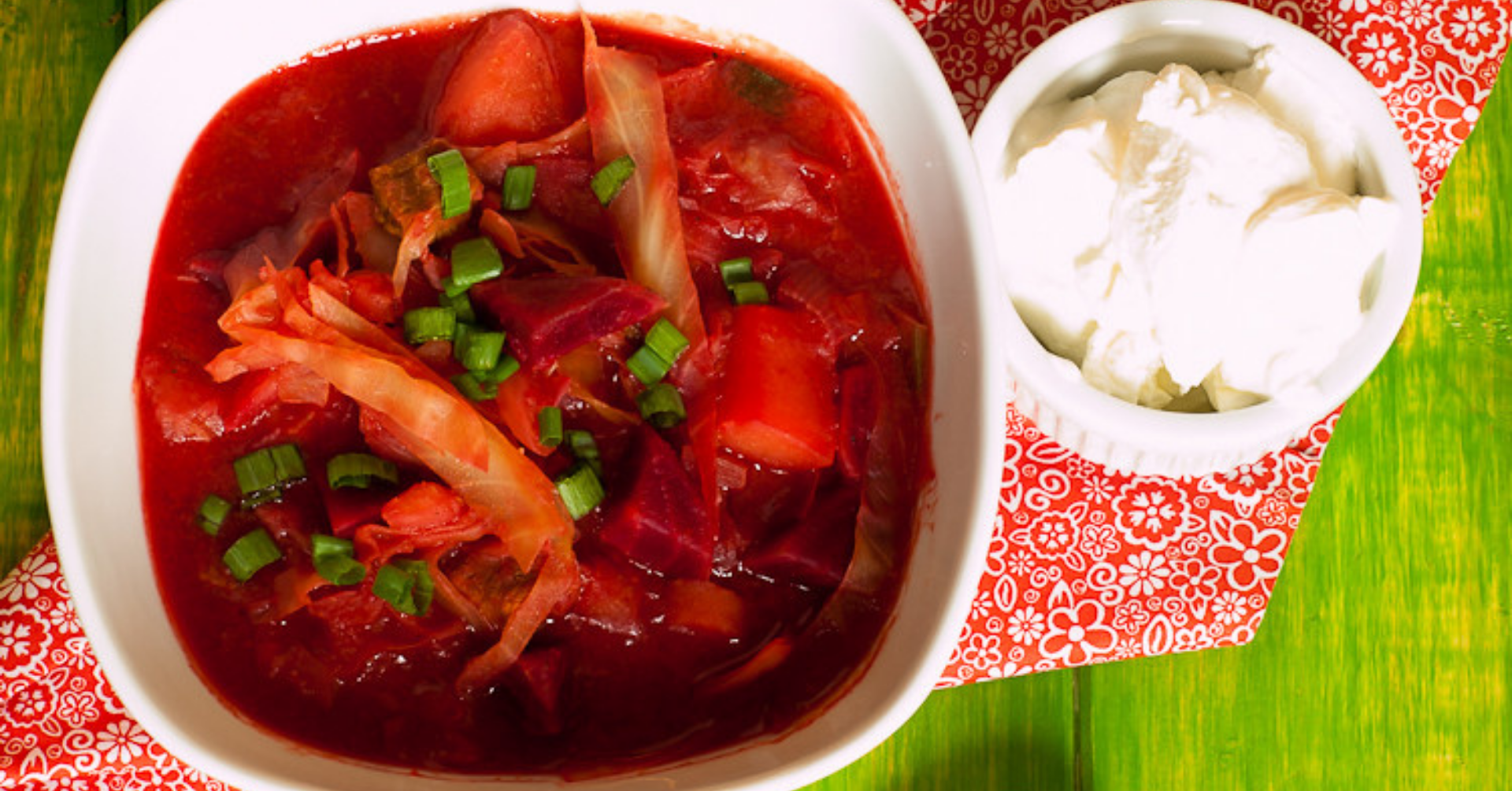
Ukraine — Borscht
Probably the best-known beet dish is borscht, the deeply colored soup associated with Ukrainian and other Eastern European cuisines. Ukrainian borscht commonly combines beets with cabbage, carrots, potatoes, onions, and broth, sometimes with the addition of meat. A little acidity helps balance the sweetness of the vegetables, and the finished soup is often served with sour cream and fresh dill. There are countless family and regional variations, and borscht holds a particularly important place in Ukrainian food culture. In fact, the tradition of Ukrainian borscht cooking was recognized by UNESCO in 2022 as intangible cultural heritage in need of urgent safeguarding. It's a wonderful example of how an everyday ingredient can become an important part of a country's culinary identity.
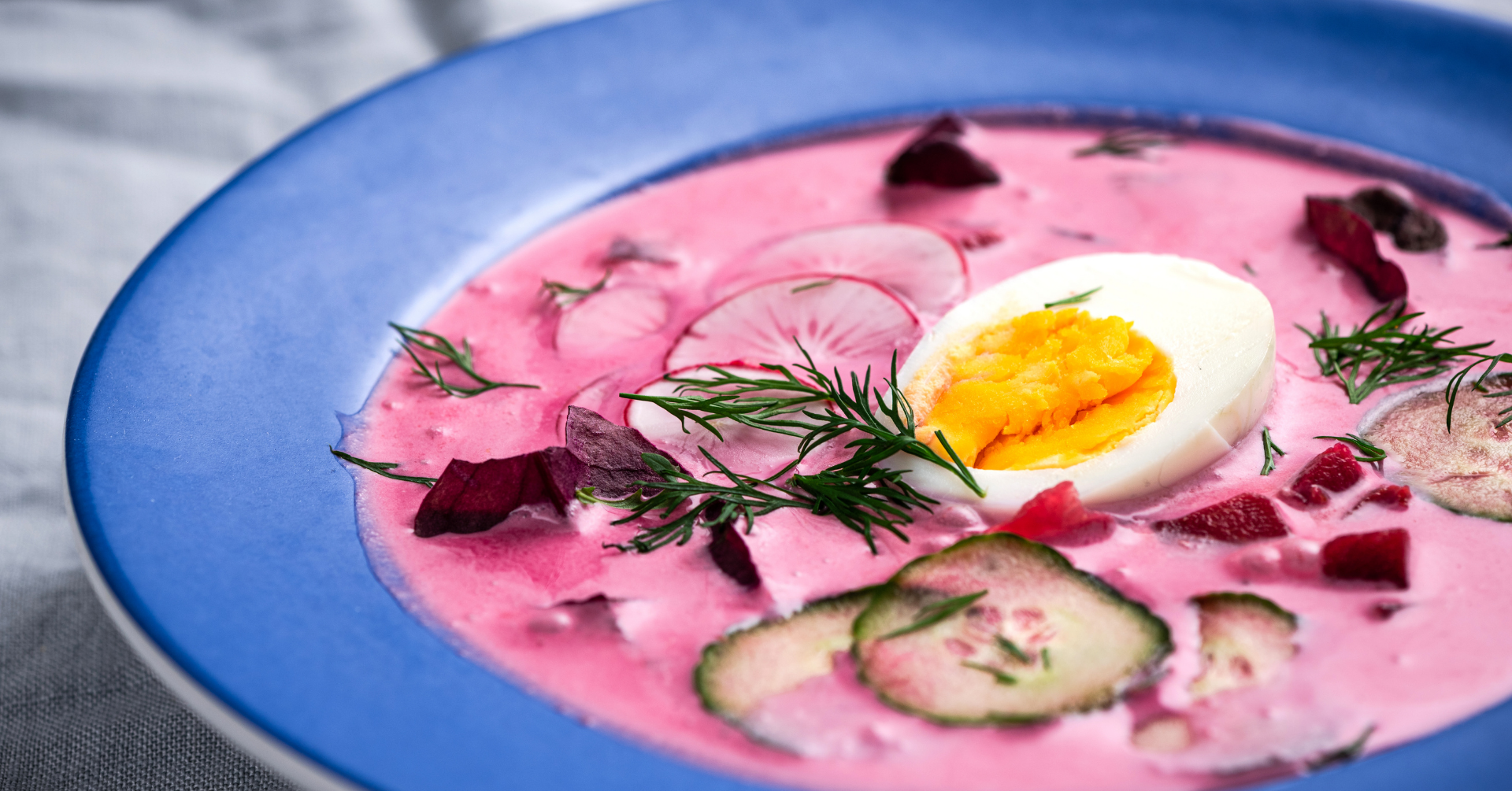
Poland — Chłodnik
If you're accustomed to eating beets in warm dishes, Polish chłodnik offers a completely different experience. This chilled soup is made with young beets, sometimes including their greens, along with cultured dairy such as kefir or yogurt, cucumbers, radishes, and plenty of fresh herbs. The result is a beautiful pink soup that's cool, tangy, and refreshing, especially on a warm summer day. It's an interesting contrast to the hearty bowls of borscht we usually picture when thinking about beet soups, and a good reminder that the same vegetable can take on a very different character depending on how it's prepared.
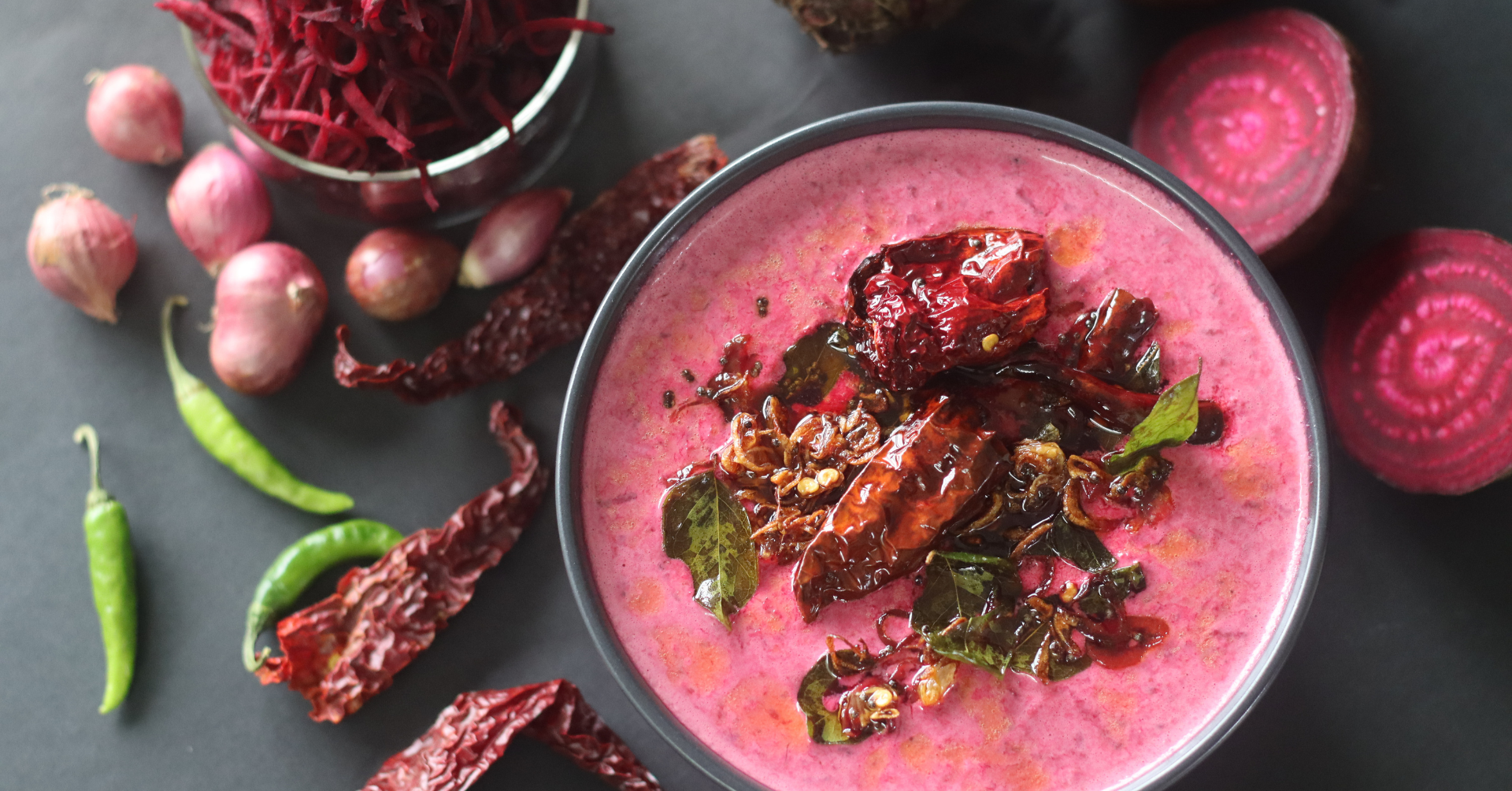
India — Beetroot Pachadi
In Kerala, a region of southern India, beetroot pachadi brings together cooked beets, coconut, yogurt, and aromatic seasonings. Mustard seeds, curry leaves, and other spices create a wonderful balance between the sweetness of the beets and the tanginess of the yogurt. It's a colorful, flavorful side dish that shows just how well beets work with spices we might not ordinarily associate with them. If you've always paired beets with vinegar or citrus, the combination of coconut and warm spices offers an entirely different direction to explore.
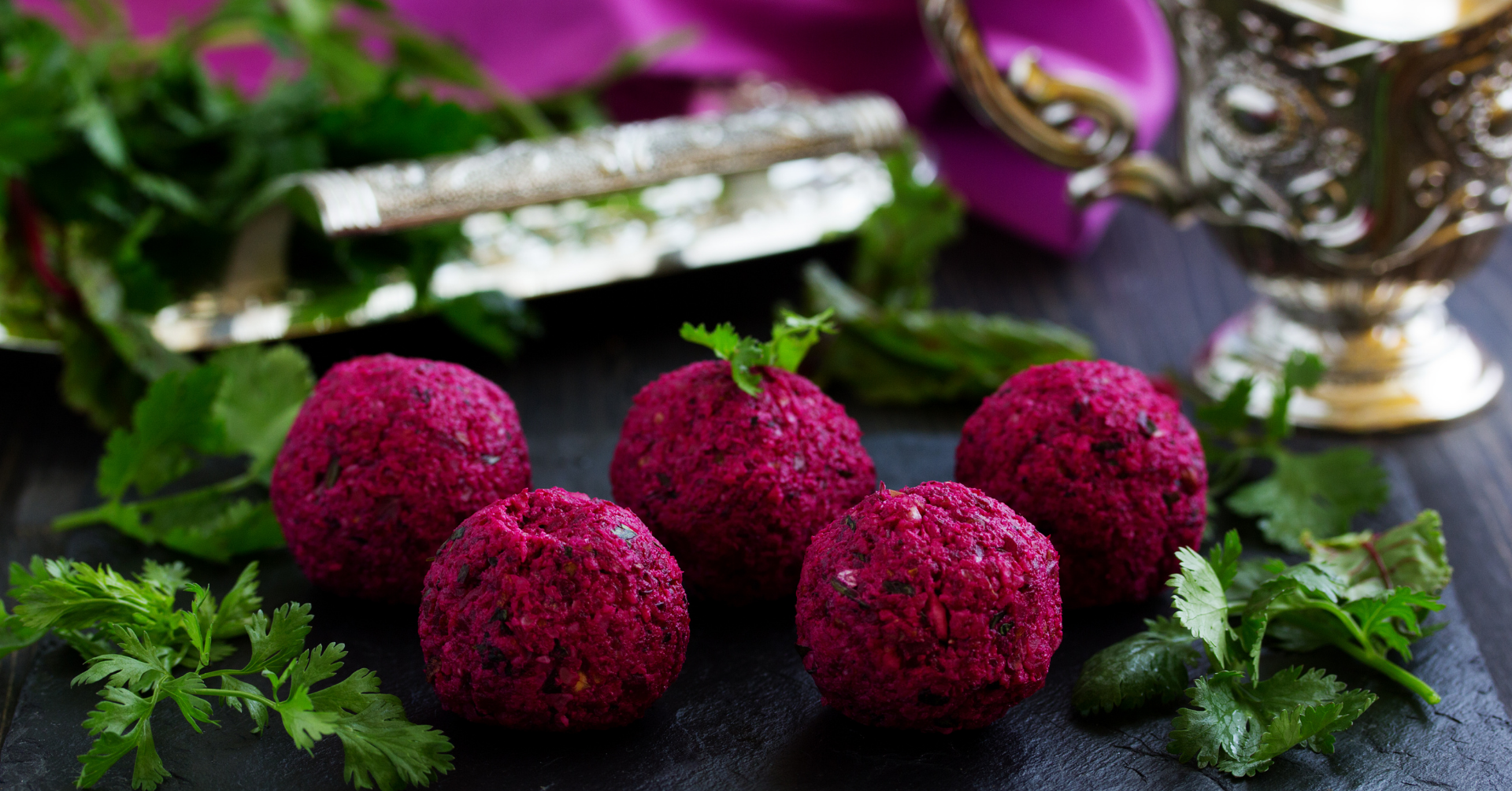
Georgia — Beet Pkhali
In Georgian cuisine, pkhali refers to a family of vegetable dishes made with ground walnuts, garlic, fresh herbs, and seasonings. Beets are one of the vegetables commonly used, creating a rich, colorful mixture that's often served as an appetizer. The cooked beets are finely chopped or processed and combined with walnuts, garlic, herbs, and vinegar. The mixture may be shaped into small portions or served as a spread, often finished with a scattering of pomegranate seeds. The walnuts give the dish body and richness, while the herbs and vinegar balance the sweetness of the beets. It's a very different approach from simply roasting or pickling them, and one that makes good use of ingredients found in most grocery stores.
What Can You Make with Beets?
Beets have found their way into kitchens around the world, but there's no shortage of ways to enjoy them closer to home, either. You don't need to tackle a traditional recipe or learn a complicated technique to put them to good use. Sometimes it's as simple as adding a few slices of roasted beet to a dish you're already making or using canned beets in something that takes only a few minutes to put together. Here are some ideas that might inspire you to try them in a different way.
Roasted Beet & Caramelized Onion Flatbread: Spread a little ricotta or goat cheese over flatbread, then top with roasted beet slices, caramelized onions, and fresh thyme. Bake until the crust is crisp, then finish with fresh arugula and a drizzle of balsamic glaze. It makes a lovely light lunch or an appetizer to share.
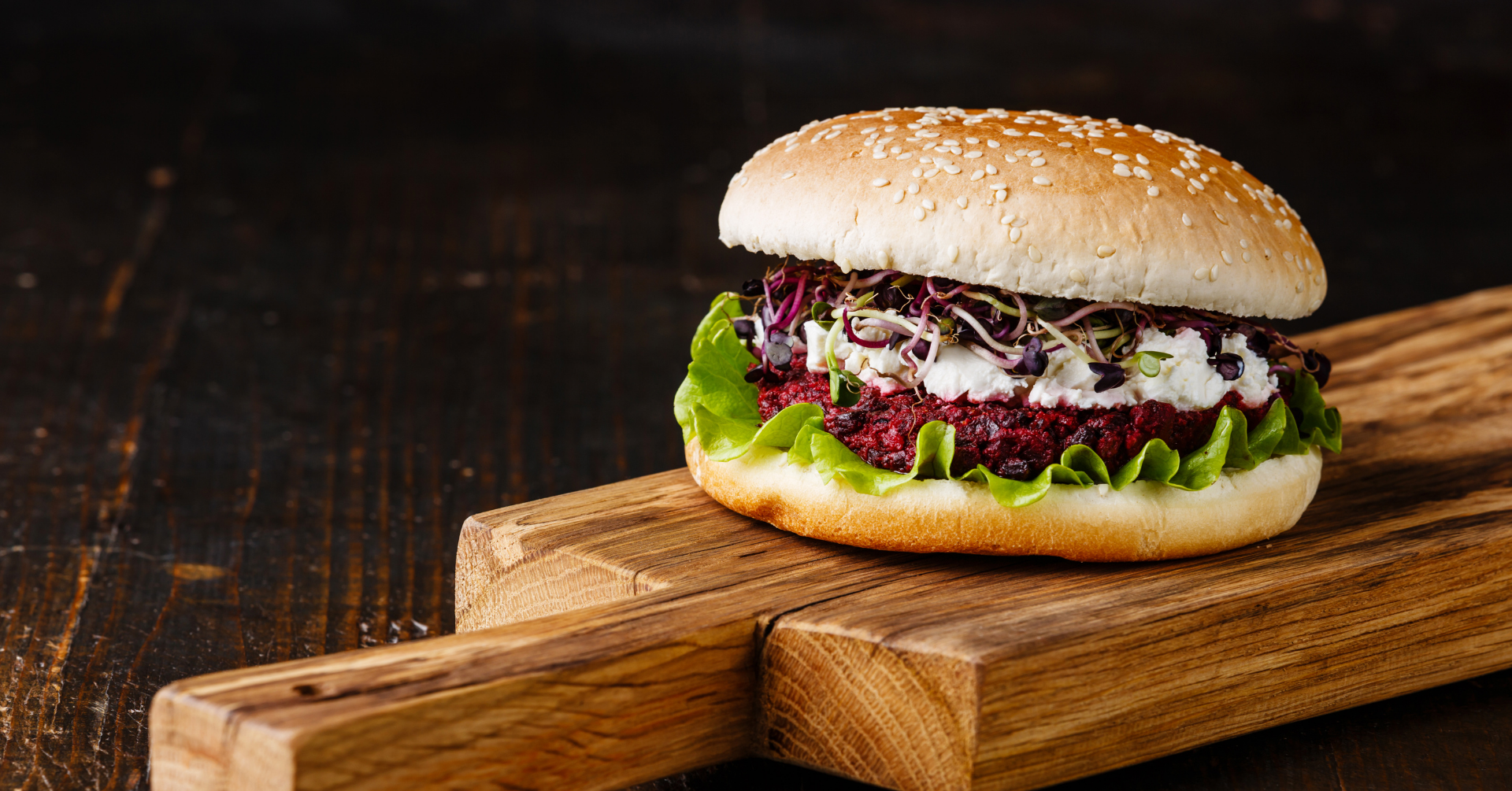
Beet & Mushroom Burgers: Combine finely chopped cooked beets with sautéed mushrooms, cooked lentils, oats, and savory seasonings. Shape into patties and pan-sear until browned. The mushrooms contribute a deep, savory flavor while the beets help keep the burgers moist.
Crunchy Beet & Apple Slaw: Combine grated raw beets with crisp apples, shredded carrots, and a little cabbage. Toss with a lemon-honey dressing and add toasted sunflower seeds or walnuts for crunch. It's colorful, refreshing, and a nice alternative to traditional coleslaw.
Beet & White Bean Hummus: Blend cooked beets with white beans, tahini, garlic, lemon juice, and olive oil until smooth and creamy. You'll have a beautifully colored spread that's delicious with fresh vegetables, whole-grain crackers, or toasted bread.
Maple-Mustard Beets & Brussels Sprouts: Toss beet wedges with olive oil and begin roasting them before adding halved Brussels sprouts. Once both vegetables are tender and lightly browned, finish with a little maple syrup, Dijon mustard, and toasted pecans. Roasting the beets first gives them time to soften without overcooking the Brussels sprouts.
And if you'd like a little more direction, there are already several beet recipes in our recipe collection that are worth exploring. The Black Lentil Salad with Roasted Beets & Carrots brings together earthy lentils and sweet roasted vegetables with fresh ingredients and a tangy dressing. It's hearty enough to serve as a light meal and is a good example of how well beets pair with legumes. The Barley, Beet & White Bean Salad combines chewy barley, tender beets, creamy beans, and vegetables with a lemon-Dijon dressing. It's another satisfying dish that can be made ahead for lunches or served alongside dinner.
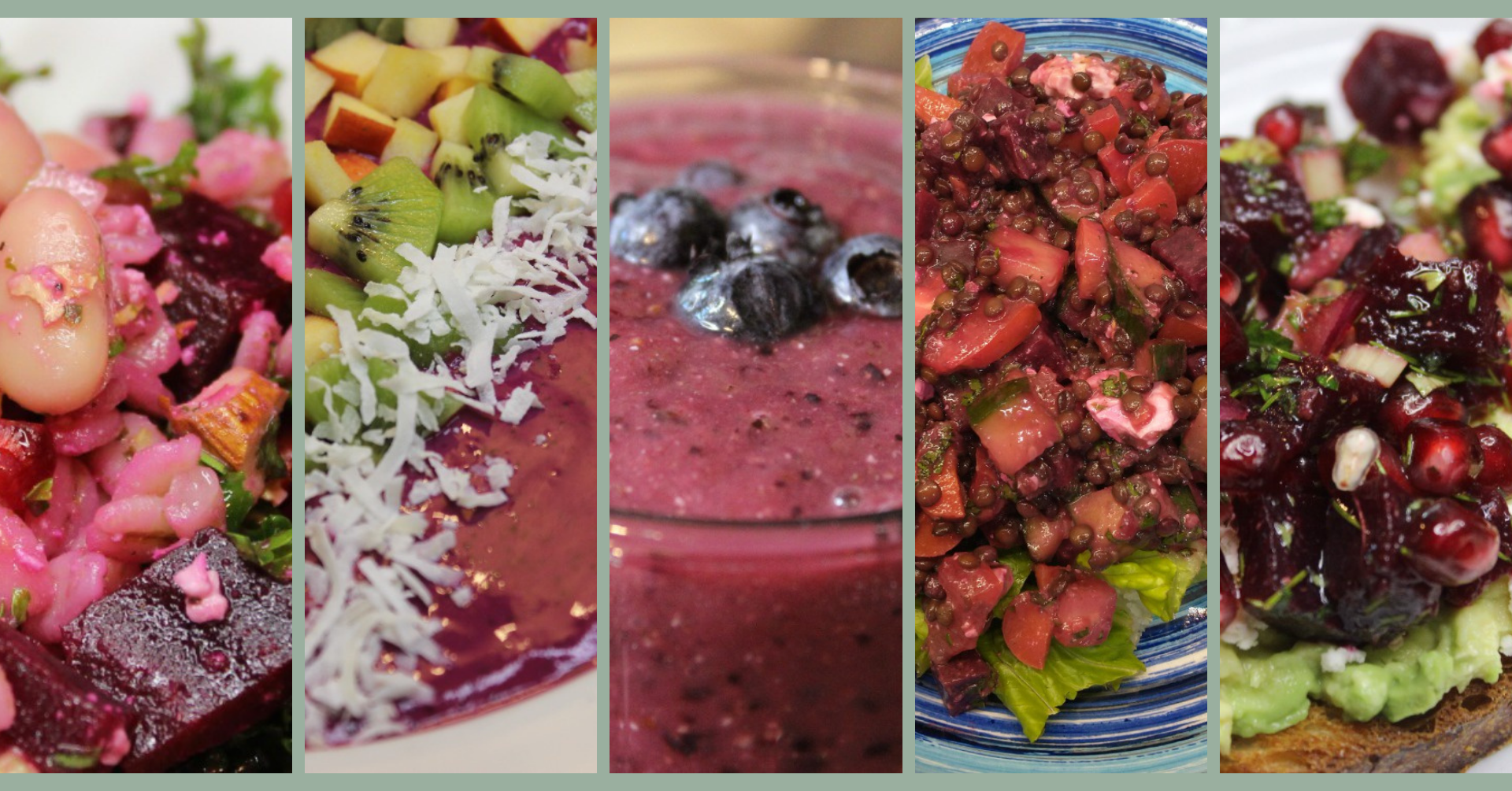
For something a little different, Pomegranate & Roasted Beet Salsa combines the sweetness of roasted beets with the juicy tartness of pomegranate seeds. It's a colorful alternative to more familiar salsa combinations. Beets also work surprisingly well with fruit, particularly berries. The Beet & Blueberry Smoothie combines beets with blueberries, cucumber, ginger, lime, and tarragon for a refreshing drink, while the Roasted Beet & Blueberry Smoothie Bowl offers another way to enjoy that combination, this time with the added texture and toppings that make smoothie bowls so much fun.
What Beets Bring to the Table — A Little Nutrition
Between their beautiful colors, distinctive flavors, and versatility in the kitchen, beets have plenty going for them. But there's another reason they're worth getting to know. Like other vegetables, they contribute a variety of nutrients that help support good health. Beets provide fiber, which supports digestive health, along with folate and potassium. Folate is important for normal cell growth and the production of healthy cells, while potassium contributes to normal muscle and nerve function and helps maintain healthy blood pressure. They're also relatively low in calories, making them an easy vegetable to incorporate into a variety of meals.
Those brilliant pigments we talked about earlier have attracted quite a bit of scientific interest as well. Betalains have antioxidant properties, and researchers are investigating how these compounds may contribute to health. Another well-explored feature of beets is their naturally occurring dietary nitrates. Through a series of processes in the body, some of these nitrates are converted into nitric oxide, a compound that helps blood vessels relax and supports normal circulation. Studies using beet juice and concentrated beet preparations have investigated possible effects on blood pressure and exercise performance, with varying results. Of course, eating a serving of cooked beets isn't necessarily going to produce the same effects as the concentrated preparations used in research.
And don't forget about those beet greens either. They're nutritious in their own right, providing vitamins A and K, along with minerals and fiber. Using both the roots and the greens adds more variety to your meals while making good use of the entire vegetable.
Maybe It's Time to Give Beets Another Look
Many people have childhood memories of overcooked, bland, or heavily pickled beets that haven't left them particularly eager to try them again. If you're one of them, consider giving beets another chance. You don't have to become a beet enthusiast or start putting them in everything you cook, but trying something simple, like a crunchy slaw or lightly seasoned roasted wedges, might change your mind. Perhaps you'll find a new use for the greens you've always discarded, or discover a traditional dish from another part of the world that you'd like to try. Sometimes all it takes is a different cooking method, an unexpected combination of flavors, or a willingness to try something again to see a familiar food in a whole new way. And those little discoveries are part of what makes cooking so enjoyable.
Let’s get cooking!
One of the pleasures of cooking is discovering how a few thoughtful choices can transform an ordinary ingredient. Beets give you plenty of opportunities to explore that, from the technique you choose to the flavors and textures you bring together. There's no single right way to prepare them, so have some fun experimenting and see what appeals to you.
Orange-Ginger Glazed Beets
If you grew up eating Harvard beets, these Orange-Ginger Glazed Beets might bring back some familiar memories, but with a slightly different flavor. Instead of relying on a heavy sugar-and-vinegar glaze, this version uses orange juice, fresh ginger, a touch of honey, and apple cider vinegar to create a lighter, brighter sweet-and-sour sauce that complements the natural sweetness of the beets.
One of the nicest things about this recipe is how easy it is to prepare. Plain canned beets work beautifully, so there's no need to peel, roast, or boil fresh beets before getting started. A few minutes on the stovetop is all it takes to turn them into a colorful side dish that pairs nicely with roasted chicken, pork, or a simple weeknight dinner. And if you prefer using freshly cooked beets, they'll work just as well.
Orange-Ginger Glazed Beets
Ingredients
- 2 cans (15 ounces each) plain sliced beets, drained
- ½ cup orange juice, preferably freshly squeezed
- 1 tsp finely grated orange zest
- 1 tbsp apple cider vinegar
- 1 tbsp honey
- 1 tsp freshly grated ginger (or ¼ tsp ground ginger)
- 1 tsp cornstarch
- 1 tbsp cold water
- 1 tsp unsalted butter (optional, for finishing)
- Pinch of salt
Instructions
- Drain the canned beets well and set aside. If using freshly cooked beets, peel and slice them into approximately ¼-inch-thick rounds.
- In a medium skillet or saucepan, combine the orange juice, orange zest, apple cider vinegar, honey, ginger, and salt. Bring to a gentle simmer over medium heat and cook for 3–4 minutes to allow the flavors to blend.
- Stir the cornstarch and cold water together until smooth. Whisk the mixture into the simmering orange sauce and cook for about 30–60 seconds, stirring, until it begins to thicken and turns glossy.
- Gently fold the drained beets into the glaze, taking care not to break the slices. Reduce the heat to medium-low and cook for 3–5 minutes, stirring occasionally, until the beets are heated through and evenly coated.
- Remove from the heat and stir in the butter, if using, for a slightly richer, silkier finish. Taste and adjust with a little additional vinegar or honey if needed. Serve warm.
Notes
- Using fresh beets: Roast or steam approximately 1½ pounds of fresh beets until tender, then peel and slice. You can also use vacuum-packed cooked beets. Make sure they're plain rather than pickled.
- Adjusting the sweet-and-sour balance: Orange juice varies considerably in sweetness and acidity, so taste the glaze before adding the beets. If it's too tart, add a little more honey. If it's overly sweet, a small splash of vinegar will brighten it.
- Fresh ginger makes a difference: Freshly grated ginger gives the glaze a gentle warmth without overpowering the beets. Start with the suggested amount, especially if you're cooking for someone who isn't accustomed to ginger.
- Make-ahead option: The beets can be prepared in advance and gently reheated. Add a splash of water or orange juice if the glaze thickens too much during refrigeration.
Roasted Beet & Whipped Feta Dip with Pistachios
Roasted Beet & Whipped Feta Dip with Pistachios is a colorful appetizer that brings together some wonderful contrasts in flavor and texture. Sweet, earthy roasted beets are coarsely grated and layered over a creamy whipped feta dip flavored with mellow roasted garlic and black pepper. A bright lemon dressing balances the richness of the feta, while toasted pistachios and fresh herbs add crunch and freshness.
Although it looks impressive on a serving platter, this appetizer is surprisingly easy to prepare, and most of the work can be done ahead of time. Serve it with toasted baguette slices, warm flatbread, or whole-grain crackers so everyone can scoop up a little of everything in each bite. It's a lovely choice for entertaining, but there's no reason you couldn't enjoy it as part of a casual lunch or light supper.
Roasted Beet & Whipped Feta Dip with Pistachios
Ingredients
- 1½ pounds fresh red beets (about 4–5 medium)
- 2–3 medium garlic cloves, unpeeled
- ½ tsp extra-virgin olive oil, for roasting the garlic
- 8 ounces feta cheese, preferably a block packed in brine, drained
- ½ cup plain Greek yogurt
- 2 roasted garlic cloves, or to taste
- 1 tbsp extra-virgin olive oil
- ¼ tsp freshly ground black pepper
- 1–2 tbsp reserved beet juice, or whatever the beets release if less
- 1 tbsp fresh lemon juice
- ½ tsp finely grated lemon zest
- 1 tbsp extra-virgin olive oil
- Freshly ground black pepper, to taste
- ⅓ cup shelled, unsalted pistachios, lightly toasted and roughly chopped
- 2 tbsp chopped fresh dill
- 1 tbsp chopped fresh mint (optional)
- Extra-virgin olive oil, for drizzling (optional)
- Toasted baguette slices, whole-grain crackers, or warm flatbread, for serving
Instructions
- Preheat the oven to 400°F. Scrub the beets thoroughly and trim the greens, leaving about an inch of stem attached. Place the beets in a covered baking dish or wrap them individually in aluminum foil. Roast for approximately 45–60 minutes, depending on their size, until a knife slides easily into the center.
- While the beets are cooking, place the unpeeled garlic cloves on a small piece of foil, drizzle with ½ teaspoon olive oil, and fold into a packet. Add the packet to the oven for the last 20–30 minutes of roasting, until the cloves are soft and lightly golden. Allow them to cool, then squeeze the garlic from its skins.
- Once the beets are cool enough to handle, rub off their skins using your fingers or a paper towel. Refrigerate until thoroughly chilled, about 1 hour, so they're firm enough to grate without becoming mushy.
- Using the large holes of a box grater, coarsely grate the chilled beets. Transfer them to a fine-mesh strainer set over a bowl and allow them to drain for 15–20 minutes. Gently press with the back of a spoon if necessary, but don't squeeze them dry. Reserve whatever juice collects for the dressing.
- Place the feta, Greek yogurt, 2 roasted garlic cloves, olive oil, and black pepper in a food processor. Process until smooth and creamy, scraping down the sides as needed. If the mixture is too thick to spread easily, add another tablespoon or two of yogurt. Taste and add a little more roasted garlic if desired. Refrigerate until ready to assemble.
- In a small bowl, whisk together the reserved beet juice, lemon juice, lemon zest, olive oil, and black pepper. Taste and adjust the lemon juice if needed. If the beets haven't released much juice, use whatever is available; the lemon and olive oil will still make a flavorful dressing.
- Transfer the grated beets to a bowl and toss gently with approximately half the dressing, just enough to lightly coat and season them.
- Spread the whipped feta across the bottom of a shallow serving bowl or platter, creating gentle swirls with the back of a spoon. Spoon the grated beets loosely over the feta, leaving some of the creamy white mixture visible around the edges.
- Scatter the toasted pistachios, fresh dill, and mint over the top. Drizzle with a little of the remaining beet-lemon dressing, taking care not to saturate the feta. Serve with toasted baguette slices, crackers, or warm flatbread.
Notes
- Getting the best texture: Chill the roasted beets before grating so they hold their shape. Use the coarse side of a box grater rather than a fine grater, which can turn tender cooked beets into a purée. If the beets are particularly soft, finely chopping them is a good alternative.
- About the beet juice: The amount of juice released will vary depending on the beets and how they've been roasted. Whole beets cooked in a covered dish tend to retain more moisture, but don't be concerned if you collect less than the suggested amount. The dressing should be light and bright, not watery.
- Making the whipped feta: Block feta packed in brine generally produces a smoother whipped mixture than pre-crumbled feta. Its saltiness varies by brand, so taste before adding any additional seasoning. The roasted garlic should complement the feta without overwhelming it.
- Make-ahead preparation: The beets and whipped feta can be prepared a day ahead and stored separately in the refrigerator. Prepare the dressing and toast the pistachios in advance, too, but wait until shortly before serving to assemble the dip. This preserves the contrast between the white feta and ruby-red beets and keeps the pistachios crunchy.
- A quicker alternative: Plain vacuum-packed cooked beets can be substituted for freshly roasted beets. Drain them thoroughly before grating. You'll lose a little of the roasted flavor, but the finished dip will still be delicious.
There you have it!
I'd love to know where you stand on the beet continuum now. Still firmly in the no-thank-you camp, or perhaps a little more willing to give them another try? Either way, I hope you've enjoyed discovering a few things about this colorful, sometimes misunderstood vegetable.