
Eating for the Body You Have Now: A Practical Guide to Midlife Nutrition
There comes a point when you may find yourself looking at the way you eat and wondering why it no longer seems to work quite the way it once did. You may be eating many of the same foods, making many of the same meals, and following habits that served you well for years, yet somehow your energy feels different, your weight settles differently, or it takes more effort to maintain strength and muscle. Maybe a poor night’s sleep now seems to affect everything the next day, from your appetite to your motivation to cook, and somewhere in the middle of all that you find yourself thinking, What changed?
For many of us, part of the answer is perimenopause and menopause. Hormones such as estrogen and progesterone begin to fluctuate and eventually decline, and those shifts can influence much more than menstrual cycles. They can affect sleep, body composition, bone health, fat distribution, and the way the body maintains muscle. Life itself may be changing too. Stress can be higher, sleep less reliable, movement patterns different, and recovery not quite as forgiving as it once was. It’s not necessarily that the old way of eating was wrong—it’s that the body it was feeding has changed.

That doesn’t mean you need a special menopause diet or a complicated new food plan. It does mean that protein, muscle, fiber, plant variety, bone health, and the overall quality of what you eat begin to deserve a little more attention. Rather than adjusting to midlife by asking what has to be cut out, a much more useful approach is learning how to make the food you already eat better support the body you have now.
The reasons behind this new approach go far beyond weight. The things you’re supporting now are the things you’ll want to keep later: strength, balance, energy, mobility, bone health, independence, and the ability to keep doing the ordinary things that make life feel like yours. Carrying groceries, working in the garden, getting down on the floor and back up again, traveling, cooking your own meals, walking comfortably, and feeling steady and capable in your own body all belong in that picture.
What Deserves More Attention Now?
This new approach isn’t nearly as complicated as the nutrition world sometimes makes it sound. Most of what matters can be built into the ordinary meals that you’re already eating without counting grams and calories or reorganizing your kitchen around a new set of rules. The idea is simply to become a little more intentional about choosing foods that better support your body now that your needs have begun to shift. In practice, this means paying a little more attention to a few familiar parts of the way you already eat.
Let Protein Show Up Throughout the Day
Protein is a good place to begin because maintaining muscle becomes increasingly important as we age. Many women also have a very lopsided protein intake, with relatively little at breakfast and lunch and most of it arriving at dinner. A breakfast of toast or cereal and a light salad at lunch may not contribute much protein, while leaving the evening meal to do most of the heavy lifting.
Rather than asking dinner to do so much of the work, look for simple ways to enjoy protein throughout the day, perhaps by adding a little at breakfast, eating a more substantial lunch, or including a protein-rich snack when you need one. There are plenty of foods to choose from across both plant-based and omnivorous eating patterns, so the goal isn’t to follow a specific formula. Choose from the foods you already enjoy, whether that’s dairy, eggs, beans and lentils, soy foods, nuts and seeds, fish, poultry, or meat, and give protein a more regular place in the way you already eat.
There’s no need to make protein the centerpiece of every meal, and certainly no requirement to add protein powder to everything that’ll stand still. The goal is simply to make sure protein shows up often enough to help support muscle, recovery, and satisfaction.
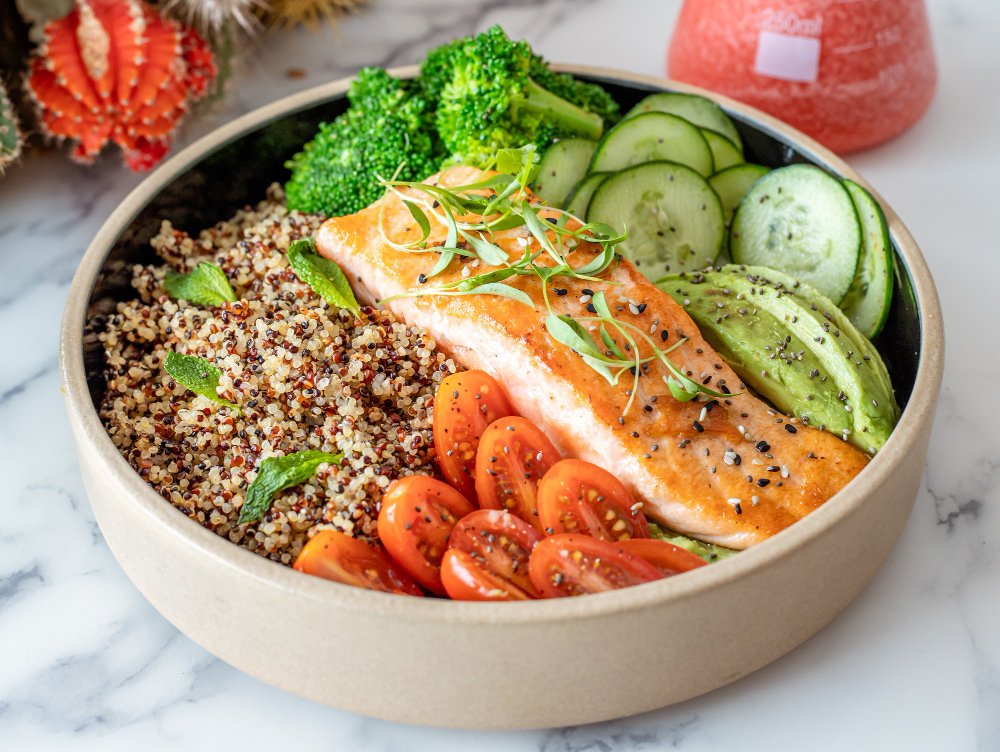
Look at Carbohydrates Through a Wider Lens
Carbohydrates have taken quite a beating over the years, especially in conversations about weight and midlife. But when you hear the word “carbs,” it helps to remember that fruits, vegetables, beans, lentils, and whole grains all belong in that category too. These foods are not just sources of carbohydrates either. They also bring fiber, vitamins, minerals, plant compounds, and, in the case of beans and lentils, some protein as well.
That’s why variety matters so much. Fruits, vegetables, beans, and grains each contribute their own mix of nutrients, fiber, colors, textures, and plant compounds, while also helping support a more diverse gut microbiome. Eating a broader range of plant foods gives you more nutritional variety without requiring you to chase individual vitamins or worry about whether every meal is perfectly balanced.
Doing this can be as simple as reaching for a fruit you don’t usually buy, trying a new vegetable, adding beans or lentils to a familiar meal, or swapping in a grain such as barley, farro, bulgur, oats, or quinoa. Exploring more variety also keeps food interesting. New colors, textures, and flavors can make meals feel less routine and may even help you discover more foods you genuinely look forward to eating. The goal isn’t to make carbohydrates something to fear or count, but to enjoy a broader range of plant foods that bring both nourishment and pleasure to the table.
Make Room for Healthy Fats
Some of the hardest nutrition messages to shake are about fat. For years, “no-fat” and “low-fat” were almost synonymous with healthy eating, so it’s understandable that many women still look at olive oil, nuts, avocado, or a spoonful of peanut butter and immediately think about the calories.
But fat isn’t something the body is better off without or something to be afraid of. It’s essential for cell membranes, hormone production, absorption of fat-soluble vitamins, and many other normal functions. Foods rich in unsaturated fats, such as olive oil, nuts, seeds, avocado, and fish, are especially valuable, but that doesn’t mean foods containing saturated fat are automatically “bad.” Butter, cheese, full-fat dairy, lean cuts of meat, coconut, dark chocolate, and other foods that contain saturated fat can still have a place in a balanced eating pattern. The bigger picture matters more than judging a food by one type of fat alone.
It’s also important to understand that eating fat doesn’t automatically mean gaining body fat. Body weight is influenced by the overall balance of food intake, activity, metabolism, sleep, hormones, and many other factors over time, not by the presence of olive oil or walnuts in a meal. Fat is energy-dense, so portions still matter, but that’s very different from needing to avoid it.
There’s also a more pleasurable reason to make room for healthy fats: they add richness, flavor, and satisfaction to a meal. A little olive oil on roasted vegetables, some nuts or seeds stirred into oatmeal, or a creamy tahini dressing can add richness and flavor without making the meal complicated. When food is both nourishing and enjoyable, it’s much easier for healthy eating to become something you want to keep doing rather than something you feel you have to manage.
Give Bone Health a Seat at the Table
Bone health often stays quietly in the background until a bone-density scan brings it front and center, but the years around menopause are an important time to pay attention. As estrogen declines, bone loss can accelerate, which makes calcium, vitamins D and K, protein, and other bone-supportive nutrients an important part of the midlife approach to eating.
That doesn’t mean calculating the calcium content of every meal. It means regularly including foods that help support bone, such as dairy or fortified plant milks and yogurts, calcium-set tofu, leafy greens, beans, nuts and seeds, eggs, and canned salmon or sardines with bones. The exact foods may look different from one kitchen to another, but the goal is to make bone-supportive foods part of the regular pattern rather than something you only think about after the bone-density scan.
Food is only one part of the picture, of course. Strength training and weight-bearing movement matter too, which is another reason the way you eat and the way you move become increasingly connected in midlife.
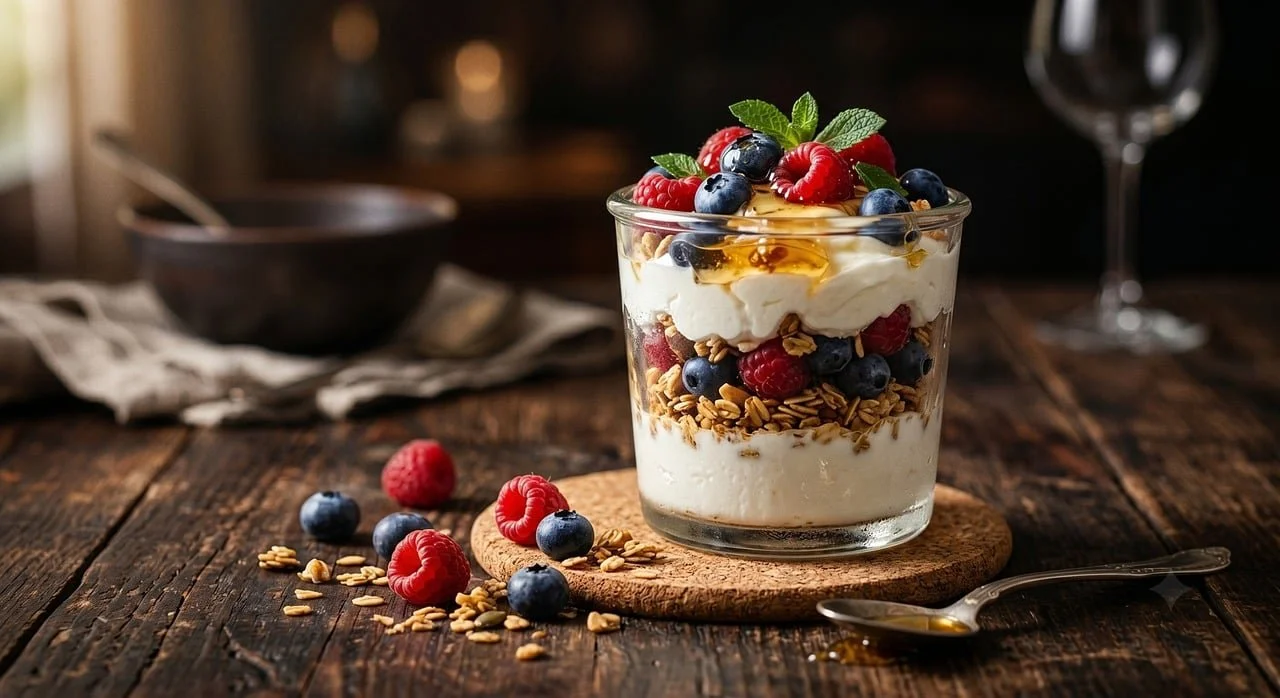
Support Your Gut
Gut health gets a lot of attention today, as it should, but the basics are fairly simple. The microbes living in your digestive tract are influenced by what you eat, and a varied diet rich in plant foods helps support that community over time. Certain types of fiber are fermented by gut bacteria, which then produce short-chain fatty acids and other compounds that help nourish the cells lining the colon, support the gut barrier, and play an important role in immune and metabolic health.
Again, as with plant foods in general, variety is key. Beans, lentils, whole grains, vegetables, fruit, nuts, seeds, herbs, and fermented foods all contribute in different ways, so gut health doesn’t depend on finding one “perfect” food or taking a probiotic every day. It’s more about providing a smorgasbord of fermentable fibers and other plant compounds that gives a diverse group of microbes plenty to work with and helps that community flourish.
What Does This Way of Eating Look Like?
Beyond all the discussion about the components of a healthy midlife diet, our essential question remains the same: what does the plate actually look like when you sit down to eat?
One simple way to build a supportive meal is to make sure a few key elements are present. Include a source of protein, add vegetables and/or fruit, bring in a fiber-rich carbohydrate such as beans, whole grains, potatoes, or other starchy vegetables, and include healthy fat and flavor so the meal feels satisfying. Dairy foods or fortified plant alternatives can fit naturally here too, whether they’re contributing protein, calcium, or both.
Your exact proportions will look different from meal to meal and even day to day. Today, breakfast may be eggs, lunch might be a sandwich, and dinner could be pasta, while tomorrow’s fare shows up as a breakfast bowl with yogurt, fruit, and nuts, a hearty salad for lunch, and tacos with the family for dinner. The point isn’t to make every meal the same every day—it’s to make sure the foods you eat most often are doing enough of the nutritional work your body now needs.
This might sound almost too simple, but that’s the point. You’re looking for a way of eating that naturally brings together the things your midlife body needs more of without making every meal feel like a nutrition exercise. Over time, that means enough protein to help support muscle, plenty of plant foods for fiber and gut health, foods that support bone, and enough carbohydrate and healthy fat to make meals satisfying and complete. Often, getting there is less about changing the whole meal and more about making a few small adjustments to what you already enjoy. What matters more is what tends to happen over time, not whether every meal checks every box.
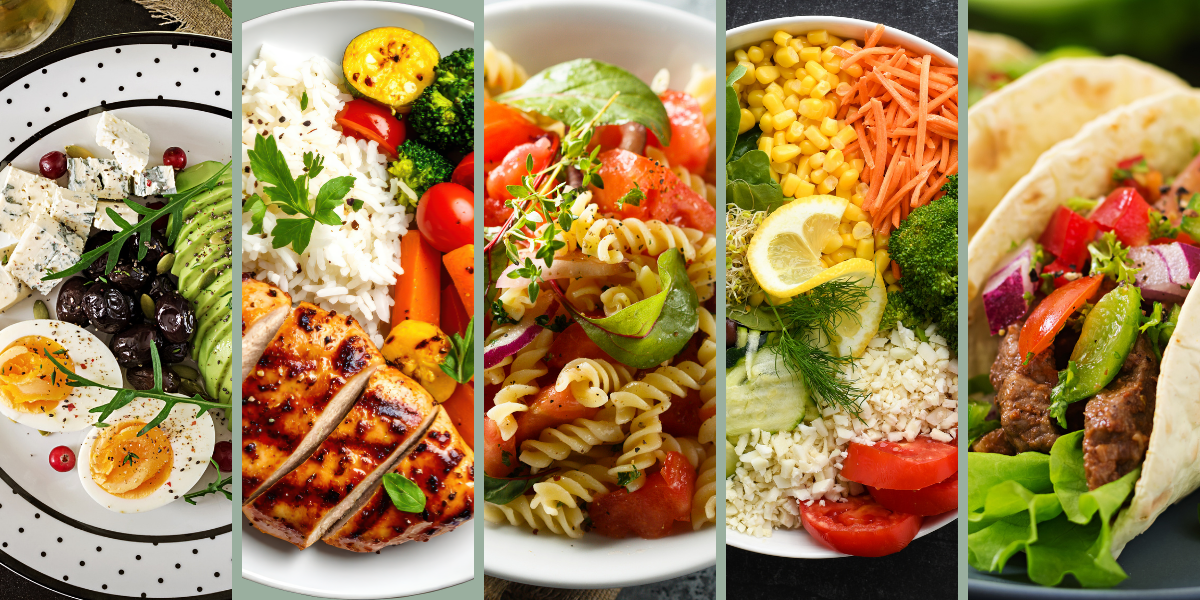
Plenty of meals won’t fit neatly into a plate diagram, and they don’t need to. Soup, stew, pasta, casseroles, tacos, grain bowls, sandwiches, and mixed dishes can all work. The question is whether the same basic pieces are there somewhere: a meaningful source of protein, plenty of plant foods, a fiber-rich carbohydrate, and some healthy fat and flavor.
The nice thing about this way of eating is that it still leaves room for convenience, pleasure, and real life. Frozen vegetables, canned beans, canned fish, tofu, edamame, rotisserie chicken, pre-cooked grains, bagged greens, and meals tucked away in the freezer can all make it easier to eat well when time or enthusiasm for cooking is in short supply. Healthy eating isn’t healthier just because it takes longer to prepare.
The main takeaway from all of this is to create enough of a rhythm that eating well becomes easier, not something you have to rethink at every meal. When the basics are there most of the time, there’s still plenty of room for favorite foods, meals out, busy days, and the simple pleasure of eating something because you enjoy it.
Where This Way of Eating Can Get Off Track
Most of us already have a pretty good idea of what healthy food looks like. The part that changes everything is what happens in the middle of a real day and a real week. You get busy, meals get delayed, energy runs low, and suddenly the plan that sounded so reasonable in the morning feels much harder to carry out by dinner.
One useful place to look is how well the earlier part of the day is supporting you. If breakfast is very light and lunch is something you grab on the run, it makes sense that dinner may feel urgent by the time it arrives. Rather than trying to “be good” at dinner, it may be easier to give yourself a little more nourishment earlier in the day so you’re not asking that one meal to make up for everything that came before it.
The same is true when healthy eating starts to feel too restrictive. If meals keep getting smaller, leaner, lower in fat and carbohydrate, they may look very healthy on paper but still leave you unsatisfied. That’s useful information, not a failure of willpower. It may simply mean the meal needs a little more substance, flavor, or balance so it actually holds you.

And then there are the days when the big obstacle is simply time or motivation. You may have every intention of cooking, but by Wednesday night the idea of chopping vegetables and dirtying three pans has lost some of its charm. That’s where convenience can work in your favor. Keeping a few foods around that are easy to assemble, using leftovers in a new way, or having a meal in the freezer lets you stay close to the way you want to eat without requiring your best effort every single night.
It’s also important to keep the bigger picture in view. One takeout dinner, one dessert, one restaurant meal, or one day without many vegetables doesn’t define how you eat, and the same is true in the other direction: one especially nutritious meal can’t carry the whole week. What matters more is what you tend to come back to most often.
A quick check-in can bring focus when things start to feel off. Instead of analyzing everything you ate, try making one useful adjustment: eat a little more earlier in the day, add something satisfying to a meal that feels too light, keep one or two convenience foods on hand for busy nights, or plan a leftover meal before the week gets hectic. Small course corrections are often enough to bring you back to the way of eating you want without turning it into another project.
Eating Well in Your 60s, 70s, and Beyond
For many people, the challenge later in life isn’t knowing what healthy food looks like—it’s figuring out how to make eating well fit the life you’re living now. If you spent years cooking for a family and now find yourself preparing meals for one or two people, the whole rhythm of the kitchen can change. A recipe that serves six may no longer make sense, grocery shopping can leave you with more food than you can use, and eating the same leftovers for four days straight gets old rather quickly.
Cooking and appetite often shift together too. You may be less interested in making a full meal just for yourself, while at the same time finding that large portions don’t appeal the way they once did. That’s when it can make sense to think smaller and simpler without letting nourishment slip away. A smaller bowl of soup with beans and good bread, yogurt with fruit and nuts, eggs or tofu with toast, or a modest serving of fish, tempeh, or lentils with vegetables can still be a satisfying meal. The goal isn’t to make yourself eat more than you want, but to make what you do eat work harder for you.
That becomes especially important when motivation is low and appetite is smaller, because each bite has a little more work to do. Foods that bring protein, fiber, healthy fats, calcium, vitamins, and minerals become more valuable when you’re eating less overall. This is where nutrient density really matters. Instead of filling up on foods that don’t offer much beyond calories, choose foods that give you more in return. That doesn’t mean every bite has to be perfect, but it does mean letting the foods you eat most often pack a little more punch.

And perhaps most importantly, eating well should still feel worth doing. A smaller household doesn’t mean dinner has to become purely functional or something you eat standing at the counter. Use the good olive oil. Buy the bread you really like. Make the sauce. Set the table, even if it’s just for you. Invite someone over now and then, or make enough of something you enjoy to share. Food still has the power to nourish, comfort, connect, and bring pleasure, and those things matter every bit as much now as they ever did.
Start With the Way You Already Eat
There’s no need to wait until Monday, clean out the pantry, or come up with an entirely new meal plan to get started. The easiest way to begin is with what you’re already eating and making one or two changes that feel useful enough to keep. They don’t have to be dramatic to be worthwhile because the best changes are usually the ones that fit easily enough into your life that you can imagine doing them again and again without having to talk yourself into it.
Over time, those small changes really begin to add up. Meals become more nourishing, eating well feels less complicated, and you develop a way of eating that supports your body without making food feel like another job to manage. That’s really the opportunity in midlife and beyond. You don’t need to start over—you just need to begin where you are, make the next meal a little more supportive, and let the rest grow from there.
Continue the Conversation
If you’d like to look more closely at some of these ideas, the articles and recipes below offer a chance to dig deeper, see how the concepts come together, and bring them into everyday meals.
Related Articles
Protein After 55: What You Really Need to Know
Take a deeper look at why protein becomes increasingly important with age, how much you may need, and practical ways to spread it throughout the day without tracking every gram.Beyond Probiotics Part 2: Inside the Gut
Learn more about the community of microbes living in your gut, how the foods you eat influence them, and why fiber and plant variety matter for a thriving microbiome.Osteoporosis Prevention and Reversal Part Two: Exercise Strategies
Continue the bone-health conversation with a closer look at how strength training and weight-bearing movement work alongside nutrition to help maintain strong bones as you age.
Related Recipes
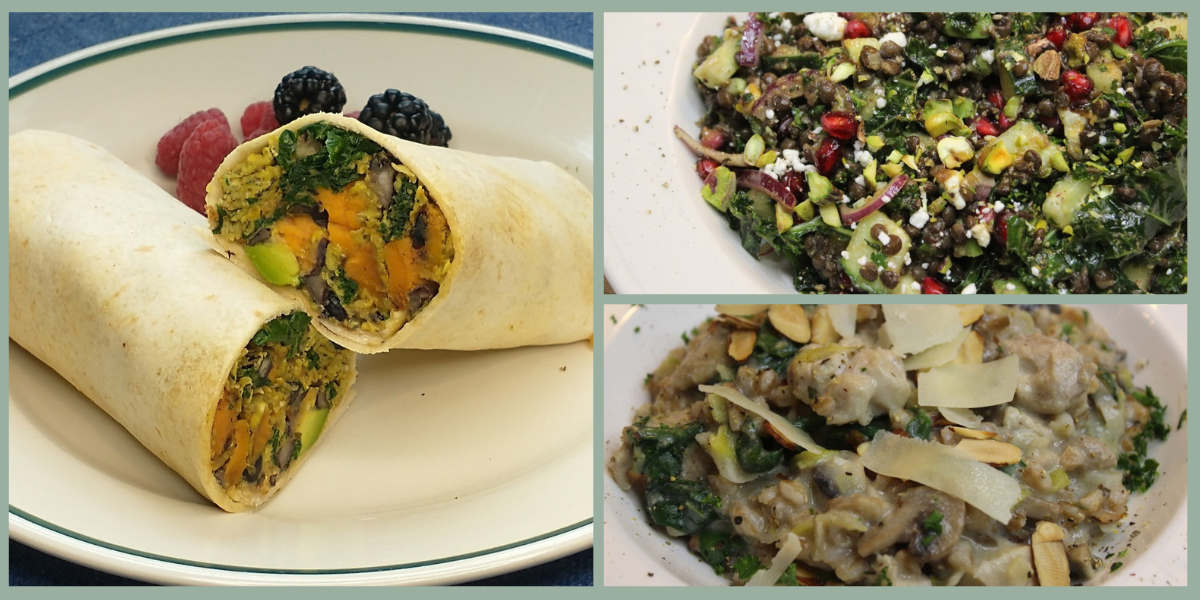
Chicken Farro Alfredo Casserole
Creamy, comforting, and built around more than just the chicken, this casserole brings together protein, hearty farro, mushrooms, leeks, spinach, and almonds in a satisfying everyday meal.Sweet Potato & Black Bean Breakfast Burrito
Eggs, black beans, sweet potato, and kale turn breakfast into a substantial combination of protein, fiber-rich carbohydrates, and vegetables, making it an easy example of bringing more nourishment into the earlier part of the day.Moroccan Kale and Black Lentil Salad
Black lentils and kale form the hearty base of this plant-forward entrée salad, with herbs, dates, avocado, and pomegranate adding layers of color, texture, flavor, and variety.
Explore More: Browse the Blog | Browse Recipes
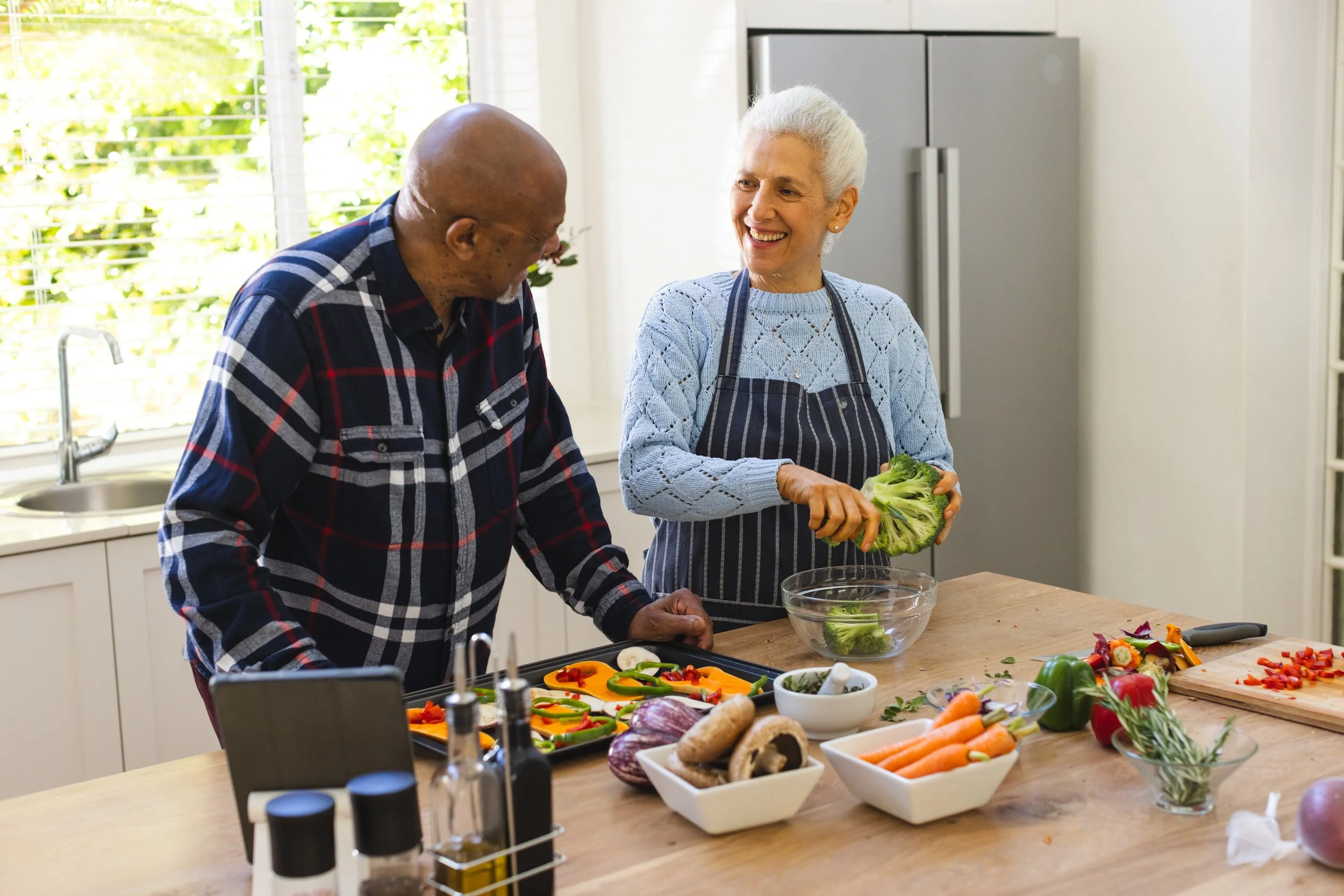
Let’s get cooking!
The kitchen is where all of this becomes real. Start with the foods and meals you already enjoy, then make one simple change that feels nourishing, satisfying, and easy enough to repeat. Keep it small, notice what works for you, and let that success guide the next step.
Spanish Rice
Spanish Rice is a colorful, savory side dish with a slightly nutty texture from brown rice and plenty of flavor from tomatoes, vegetables, broth, and spices. It’s simple enough for an everyday dinner but flavorful enough to hold its own alongside roasted chicken, fish, beans, tacos, or enchiladas.
Cooking the rice in chicken or vegetable broth gives it more depth than water alone, while smoked paprika, cumin, oregano, and bay leaf add warmth without overwhelming the dish. The tomatoes help keep the rice moist and flavorful, and the peas add a little sweetness and color. Fresh parsley stirred in at the end brightens everything and balances the deeper savory flavors.
Using brown rice gives this version a bit more texture and a heartier feel while still keeping the familiar character of Spanish Rice. It’s an easy way to bring whole grains and vegetables together in one versatile side dish.

Spanish Rice
Ingredients
- 1 tbsp olive oil
- 1/3 cup finely diced onion
- 1/2 cup finely diced bell pepper
- 2 cloves garlic, minced
- 1 cup long-grain brown rice
- 1 can (14.5 ounces) petite diced tomatoes
- Chicken or vegetable broth, as needed
- 1/2 tsp smoked paprika
- 1/4 tsp ground cumin
- 1/2 tsp dried oregano
- 1 bay leaf
- 1/2 tsp kosher salt, or to taste
- Freshly ground black pepper
- 1/2 cup frozen peas
- 2 tbsp chopped fresh parsley
Instructions
- Drain the tomatoes over a measuring cup, reserving the liquid. Add enough chicken or vegetable broth to the tomato liquid to equal 2 cups total liquid. Set aside.
- Heat the olive oil in a medium saucepan over medium heat. Add the onion and bell pepper and cook for 4–5 minutes, until they begin to soften. Add the garlic and cook for about 30 seconds.
- Stir in the brown rice and cook for another 1–2 minutes, stirring occasionally, to lightly toast the rice.
- Add the smoked paprika, cumin, and oregano and cook for about 30 seconds, stirring, until fragrant.
- Add the drained tomatoes, broth and tomato liquid mixture, bay leaf, salt, and black pepper. Bring to a boil, then reduce the heat to low, cover, and simmer according to the cooking time for your brown rice, usually about 40–45 minutes.
- When the rice is nearly tender and most of the liquid has been absorbed, scatter the frozen peas over the top. Cover and cook for another 3–5 minutes, until the peas are heated through and the rice is tender.
- Remove from the heat and let stand, covered, for 5–10 minutes. Remove the bay leaf, fluff the rice with a fork, and gently fold in the fresh parsley. Taste and adjust the seasoning before serving.
Notes
- To substitute white rice, used the reserved tomato liquid and broth to make 1 1/2 cups liquid. Reduce the simmering time to 15-18 minutes before adding the peas.
Oven Roasted Cabbage Steaks with Bacon and Onion
Oven Roasted Cabbage Steaks with Bacon and Onion turn an everyday vegetable into a side dish with plenty of texture and flavor. Thick slices of cabbage roast at high heat until the centers are tender and the edges become browned and caramelized.
Roasting the bacon and onion on the same sheet pan adds another layer of savory flavor while keeping the preparation simple. The bacon crisps as it cooks, while the onion softens and caramelizes. Chopping both and spooning them over the finished cabbage gives each slice a rich, flavorful topping without overwhelming the natural sweetness of the roasted cabbage.
This is an easy side dish for roasted or grilled meats, chicken, pork, sausages, or a simple grain-based meal. The basic roasting method also makes it easy to change the flavor, with variations like caraway and onion, smoky harissa, or garlic, oregano, and Parmesan.

Oven Roasted Cabbage Steaks with Bacon and Onion
Ingredients
- 1 medium green cabbage
- 1–2 tbsp olive oil
- 1/2 tsp kosher salt, or to taste
- Freshly ground black pepper
- 4 strips bacon
- 1 small onion, cut into thick wedges or slices
Instructions
- Preheat the oven to 425°F. Line a large rimmed baking sheet with parchment paper or lightly oil the pan.
- Remove any loose or damaged outer leaves from the cabbage. Trim the bottom of the stem only as much as needed, leaving the core intact.
- Set the cabbage upright on the stem end and slice it into 3/4- to 1-inch-thick rounds, cutting through the core. The center slices will contain enough core to hold together as steaks. The end slices may not have as much core and can fall apart slightly; simply roast those pieces alongside the intact slices.
- Arrange the cabbage in a single layer on the prepared baking sheet. Brush or drizzle the tops lightly with olive oil and season with salt and black pepper.
- Scatter the onion around the cabbage and arrange the bacon strips on the sheet pan between the cabbage slices.
- Roast for about 20 minutes, then carefully turn the cabbage slices and stir or turn the onion. Baste the cabbage with the bacon fat. Note: Check the bacon frequently during this time as it will cook quickly. When it's crisp, transfer it to a plate while the cabbage and onion continue roasting.
- Return the pan to the oven and roast for another 15–20 minutes, or until the cabbage is tender and deeply browned around the edges and the onion is soft and caramelized.
- Chop the cooked bacon and roasted onion. Spoon them over the cabbage steaks and serve warm.
Notes
Flavor Variations
- Caraway & Onion For a simpler version without bacon, season the cabbage with 1 teaspoon caraway seeds, 1/2 teaspoon onion powder, 1/4 teaspoon garlic powder, salt, and black pepper before roasting. Finish with chopped fresh parsley, if desired.
- Smoky Harissa Whisk together 1 tablespoon olive oil, 1–2 teaspoons harissa paste, 1/2 teaspoon smoked paprika, and 1/4 teaspoon garlic powder. Brush over the cabbage before roasting and season lightly with salt and black pepper. Start with 1 teaspoon harissa for a milder version.
- Garlic, Oregano & Parmesan Season the cabbage with 1/2 teaspoon garlic powder, 1/2 teaspoon dried oregano, 1/8–1/4 teaspoon red pepper flakes, salt, and black pepper. During the last 5–7 minutes of roasting, sprinkle with 1/3–1/2 cup finely grated Parmesan and continue roasting until the cheese is melted and lightly browned.
There you have it!
There’s no special formula for nourishing your body well in midlife and beyond. Variety itself does much of the work. Enjoy different foods throughout the day and across the week, and let those small choices add up to a broader mix of nutrients that helps your body stay strong and well nourished.