
5 Easy Chef Moves That Make Plant Foods Worth Eating
If you’ve followed my blog for any length of time, you’ve probably figured out that I love to eat! Luckily, I also love to cook, so my life tends to be filled with some pretty delicious meals. 😁
I’ve tried plenty of different ways of eating along the way—keto, low fat, low carb, gluten-free, sugar-free—and I’ve eventually come to the conclusion that variety really is the name of the game. Our bodies need more than protein, fat, and carbohydrates to function well. They also rely on vitamins, minerals, essential fatty acids, fiber, phytochemicals, and all of the other compounds that come along with eating a wide variety of foods. Although there is no one perfect food research consistently points toward eating patterns rich in vegetables, fruits, legumes, nuts, whole grains, and other plant foods as being associated with better long-term health outcomes. That doesn’t mean you need to become vegetarian or vegan. Healthy dietary patterns can still include fish, poultry, meat, eggs, and dairy; the difference is simply that plant foods take on a much larger role.
That’s essentially the way I like to eat. Meat may still be part of the meal, but it doesn’t always get star billing. Sometimes it has more of a supporting role while vegetables, grains, beans, herbs, sauces, and other plant foods fill out the majority of the plate. There are practical benefits to eating this way too—it can be easier on the food budget —but what really keeps me interested is the sheer variety plant foods bring to the kitchen. There are so many flavors and textures to work with, and from a cooking perspective this is where the fun begins! The way an ingredient is prepared can change it so completely that tonight’s crisp, sweet raw carrot feels very different from tomorrow’s deeply caramelized roasted one. Peppery, crunchy cabbage in coleslaw can become soft and sweet when braised, mellow and smoky when roasted as a cabbage steak, or tangy and bright when fermented into sauerkraut. Even something as ordinary as oatmeal is a bit of a chameleon. Steel-cut oats can be dense, chewy, and nutty, while old-fashioned oats cook into a softer, creamy bowl. Turn those same oats into granola and suddenly they’re crisp and crunchy; soak them overnight and they become thick, cool, and almost pudding-like. It really does feel a little like magic.
And then there’s the sheer number of plant foods available to us. Fruits and vegetables may be the first things that come to mind, but they’re only part of the picture. Beans, lentils, whole grains, nuts, seeds, herbs, and spices open up another enormous range of possibilities, especially when you consider how many different foods live within each of those groups. Take beans, for instance. Black beans, pinto beans, kidney beans, chickpeas, and lima beans are easy to find in most grocery stores. Venture into a specialty shop and you may come across adzuki beans, mung beans, and plenty more. And we haven’t even gotten to all of the foods made from plants—pesto, kimchi, tapenade, sriracha, salsa, miso, guacamole, nut butters, tortillas, tofu, and so many others.
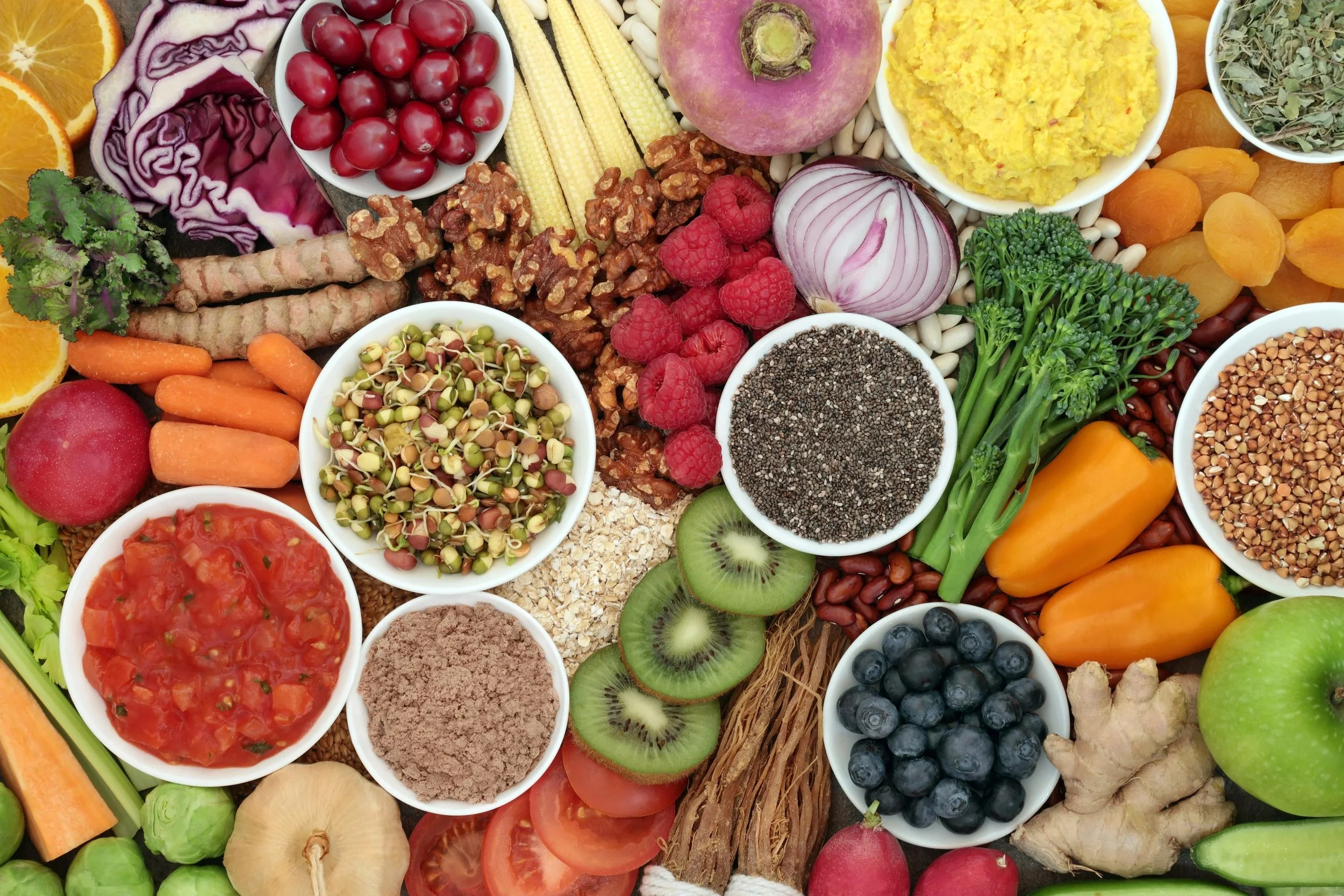
Once you start looking at food this way, something as ordinary as a bowl of pasta—which is a plant food too—can become the beginning of a plant-rich meal. Toss in pesto and diced tomatoes and you’ve already changed the flavor, texture, and variety without turning dinner into a project. You can still enjoy meat, poultry, seafood, eggs, or dairy if those foods are part of the way you like to eat–making a meal more plant-forward may simply mean allowing roasted vegetables, grains, beans, herbs, or a flavorful sauce to share more of the plate. Eating more plant foods then becomes less about following a prescribed regimen and more about experimenting with and expanding on foods you already enjoy.
The next step to eating more plants is knowing how to make those foods taste good enough that you actually want to keep eating them. This is where a few basic culinary moves—five, to be exact—can help. They’re not complicated chef techniques or rules to memorize. They’re simple ways of thinking about food that can help you bring out more flavor and texture, make familiar meals more interesting, and add more plants without feeling as though you have to learn how to cook all over again.
Chef move #1: Build on what you already eat
The first chef move is easy because it asks you to start with the foods you already like and eat. Instead of eliminating foods or revamping your entire plate, simply make room for one or two additional plant foods. As you do, try not to think only about the food itself. Think about what it could bring to the meal in terms of flavor, texture, color, and visual appeal.
Maybe the dish could use something fresh or crunchy, a little sweetness or acidity, or something creamy and satisfying. White beans can add body and creaminess. Greens bring color, freshness, and a slight bitterness. Fruit can add sweetness or brightness. Nuts and seeds bring richness and crunch, while fresh herbs can completely change the aroma and personality of a familiar dish. The idea is to shift your focus from “adding more plants” to adding more enjoyment.
And if you’re not yet familiar with what different plant foods can contribute, that’s fine. Start with what you know, then use the other chef moves in this article to experiment and discover more. Let’s try this chef move with a simple pasta dish.
Follow me: Give pasta a little more to work with
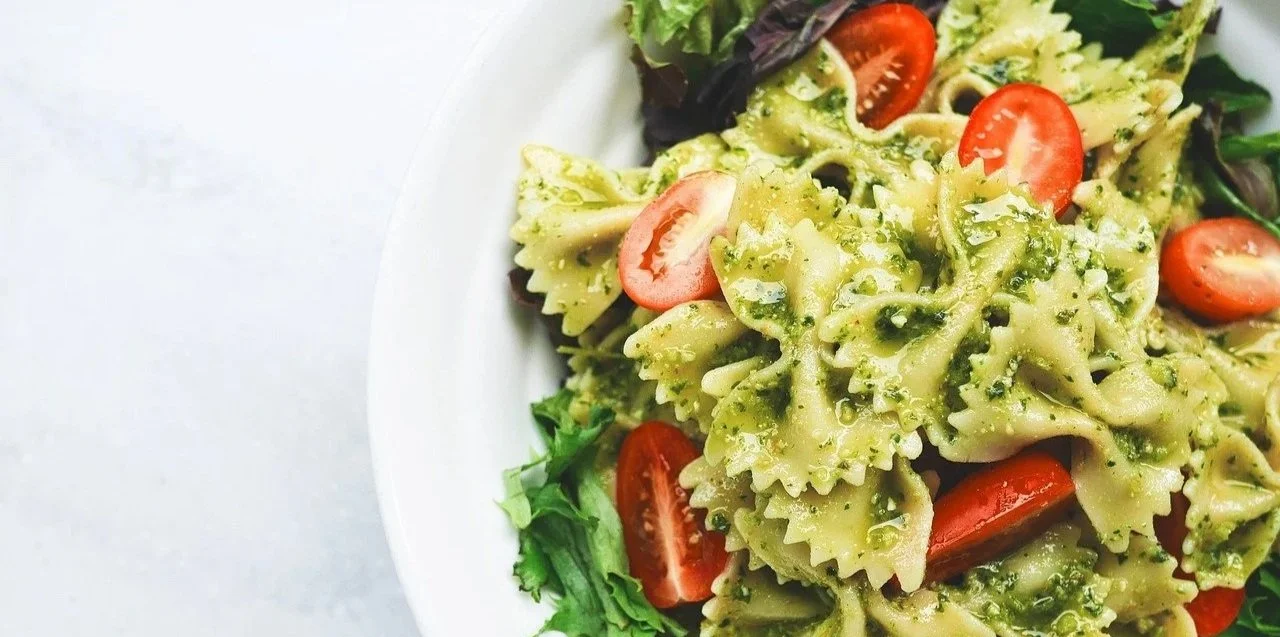
Use the time while the pasta is cooking to build the rest of the dish. Sauté fresh spinach in a little extra-virgin olive oil with some minced garlic. Add drained canned white beans and julienned strips of jarred roasted red pepper, heating them just long enough to warm through. Add the drained hot pasta, drizzle in a little more olive oil if needed, and toss everything together. Season with salt and pepper, finish with a generous amount of Parmesan, and enjoy.
This works because the pasta is still the familiar foundation, but now there is much more happening in the bowl. The spinach brings freshness and color, the beans add body and a creamy quality, and the peppers contribute sweetness along with a subtle roasted flavor. Parmesan ties everything together with its salty, savory umami depth.
Nothing about dinner has been turned upside down. It is still recognizable, only more interesting.
The same move can carry into eggs, soups, tacos, sandwiches, casseroles, and stir-fries. Once you’re comfortable bringing more plants into familiar meals, the next step is making them taste even better. Often, that has less to do with the ingredient itself and more with how it is prepared.
Chef move #2: Change the technique and change the plant
The scary story in vegetable cooking is broccoli that has been boiled to death. One taste of that and it’s no wonder nobody likes broccoli unless it’s drowned in cheese sauce. One of the biggest palate openers in vegetable cooking is simply applying the right technique in the right way.
Preparation influences flavor, texture, moisture, sweetness, and aroma so much that one vegetable cooked several different ways can seem like several different foods. High, dry heat from oven roasting encourages browning and concentrates natural sweetness, while a quick sauté softens the vegetable just enough to bring out some sweetness while still preserving more of its texture. Braising takes the texture change even farther, turning a sturdy vegetable silky and tender. Grilling and charring bring smokiness and a slightly bitter edge, while leaving the vegetable raw preserves its freshness and crunch.
This chef move isn’t limited to vegetables either. Lightly toasting nuts and seeds deepens their flavor and brings out a headier aroma, and the same nutty character can develop in grains when you toast them before adding the cooking liquid. Pan-fry tofu and you get a crisp, browned crust that contrasts with the softer, savory interior. Even fruit can be roasted or grilled, transforming something fresh and familiar into a warm, juicy bite with much deeper flavor.
Learning how to cook one food in a variety of ways gives you more ways to enjoy the foods you already love. Let’s take a look at broccoli.
Follow me: The many sides of broccoli
Broccoli is a perfect example because it changes so much depending on how you treat it. Steamed or lightly boiled until tender-crisp, then dressed simply with butter, salt, and pepper, it can be fresh-tasting and delicate. Stir-fry it in a hot skillet with a little oil and it becomes vibrant green, slightly blistered, and still crisp enough to stand up to a savory sauce, or simply a squeeze of lemon and a sprinkle of Parmesan cheese.
Take it a step further and roast it. Toss the broccoli florets with olive oil, salt, pepper, and your favorite spice blend, spread them out on a sheet pan so they have room to brown, and roast in a hot oven until the edges become crisp and deeply colored while the stems turn tender. The browning deepens the flavor and brings out more sweetness, while the spices add another layer of savory interest. Or skip the heat altogether and use broccoli raw, shredded into a crunchy slaw or separated into bite-size florets for dipping.
Same broccoli, completely different experience.

This is one of the most useful things to remember when you’re committed to eating more plant foods: before deciding you don’t like an ingredient, try changing how you prepare it. Once this technique starts working for you, the next layer is flavor, because even a perfectly cooked vegetable can still taste flat if nothing else is helping it along.
Chef move #3: Build flavor in layers
Good flavor rarely comes from cooking technique alone or from adding salt, pepper, and a single seasoning at the end, although all of these can do wonders. Flavor is usually developed in stages, with different ingredients helping along the way. Aromatics such as onion, garlic, shallot, celery, carrot, peppers, or ginger often create the flavor foundation, while herbs and spices add direction and personality. Fats like butter, olive oil, and cream add richness and help carry flavor. Salty or umami-rich ingredients such as soy sauce, miso, Parmesan cheese, and even tomato paste deepen savory notes, while citrus, vinegar, fermented foods, and pickled ingredients bring acidity and brightness that keep a dish from tasting flat or boring. A creamy, fresh, or crunchy finish can add one last bit of contrast that makes the other flavors stand out.
The idea isn’t to incorporate all of these elements into every dish. It’s to understand what they contribute so that when you taste something and think, It’s good, but it still needs something, you have a better idea of what that something might be.
Plant-forward cooking may sound modern, but this way of building flavor certainly isn’t. Cooks have been doing it for generations, and many cuisines have developed their own versions of the same basic idea. French mirepoix, Italian soffritto, the Cajun and Creole holy trinity, German Suppengrün, Portuguese refogado, and Filipino gisa all use combinations of vegetables and aromatics to begin building flavor. The ingredients vary, but the principle is familiar: plants are often creating the foundation of the dish long before the main ingredient ever goes into the pot.
Rice pilaf is a simple way to see how those layers build on one another without needing a long list of ingredients.
Follow me: Build flavor into a simple rice pilaf
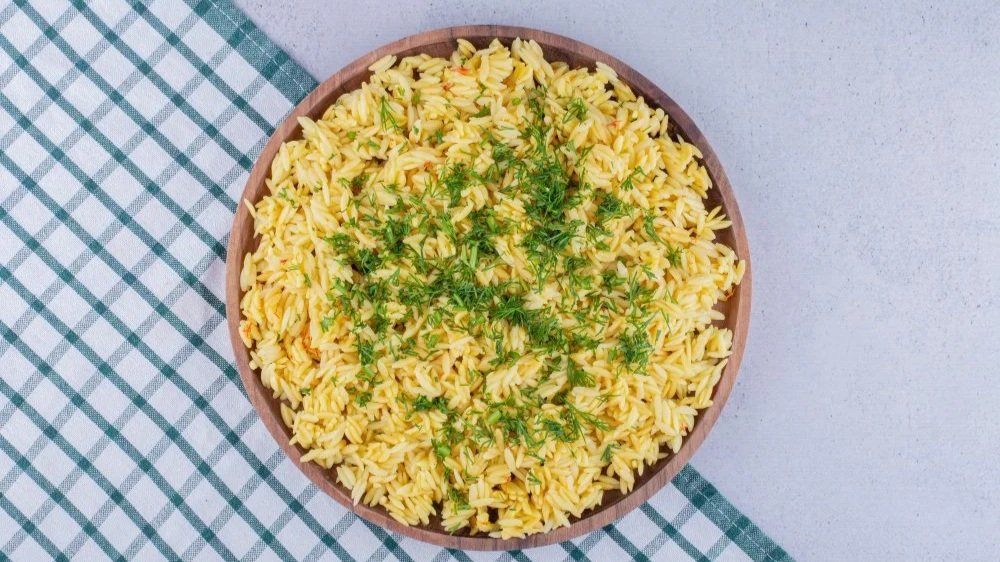
Gently sautéing finely chopped onion in olive oil or butter until it softens and begins to smell sweet. Add the uncooked rice and stir it around in the pan for a few minutes, letting the grains become lightly toasted before adding any liquid. Instead of adding plain water, use a flavorful vegetable or chicken broth and simmer until the rice is tender. Fluff it with a fork and finish with chopped fresh parsley or another herb you enjoy, along with a pinch of herb- or citrus-infused salt.
Nothing here is especially complicated, but notice how the flavor builds. The onion provides the aromatic foundation, toasting changes the character of the rice itself, broth seasons the grains as they cook, and fresh herbs and flavored salt brighten the finished dish. No single ingredient is doing all the work.
The appeal comes from the way those flavors and textures build on one another, and once you begin thinking this way, seasoning becomes less about finding the “right spice” for a food and more about discovering what the dish might need. And you don’t always have to build every one of those layers yourself. Sometimes a jar, can, freezer bag, or fermented food can bring a surprising amount of flavor to the table with very little effort when you just need a simple way to get food on the table.
Chef move #4: Let prepared plants do some of the work
Even for me, there are days when cooking from scratch is just not going to happen. This chef move recognizes that eating more plant foods does not require always starting from scratch when you want a good meal. Sometimes the smartest approach is simply letting a few prepared ingredients do part of the work.
Canned beans are a familiar example. Add a few fresh ingredients and they can quickly become a simple, delicious dish you can call your own. The same idea applies to shelf-stable brown rice, frozen grain blends, or precooked quinoa from either the store or your own freezer. Frozen vegetables can go straight into a stir-fry, soup, or skillet meal, while frozen fruit can become part of oatmeal, smoothies, or a warm fruit topping without having to worry about using it before it spoils.
Then there are pantry ingredients that do even more than save time because they bring their own flavor along with them. Jarred roasted peppers add sweetness and smokiness. Olives bring richness and brininess. Capers give you salt and sharpness, while artichoke hearts add tenderness and tang. Sun-dried tomatoes offer concentrated sweetness and savory depth, and fermented foods such as sauerkraut and kimchi bring acidity, texture, and a complexity that would take much longer to create from scratch.
This move is not about replacing fresh food with prepared food. It is about using both simply and deliciously. A prepared grain can give the meal a base, a handful of fresh herbs or vegetables can make it feel lively, and one or two flavorful pantry ingredients can make the whole dish much more appealing without adding a lot of work. These prepared foods are not second-best ingredients. They are simply different options to have available that make it easier to enjoy more plant foods on a regular basis.
This quick side dish involves very little preparation, but there is plenty happening in your mouth when you eat it.
Follow me: Build a Mediterranean artichoke salad
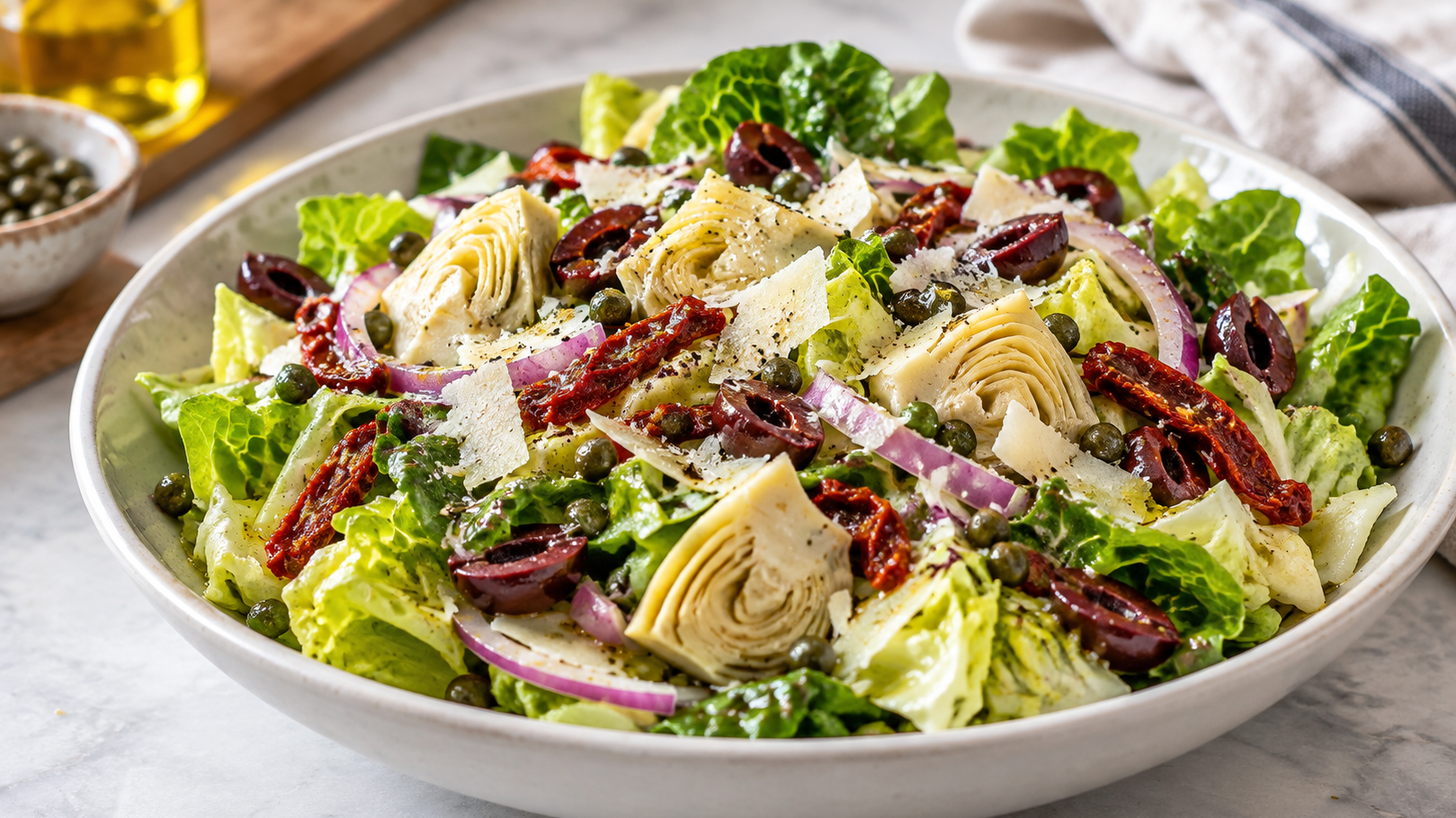
Chop some romaine lettuce into bite-size pieces and place it in a bowl. Add drained, quartered artichoke hearts, strips of sun-dried tomatoes, sliced Kalamata olives, a sprinkle of capers, and some thinly sliced red onion. Drizzle with olive oil and red wine vinegar, add a sprinkle of dried Italian seasoning, salt, and pepper, then toss everything together. Finish with a dusting of Parmesan cheese and you’re good to go.
The lettuce brings freshness and crunch, while the artichokes add tenderness and tang. The sun-dried tomatoes contribute concentrated sweetness and savory depth, the olives bring richness and brininess, and the capers add their own sharp, salty bite. Red wine vinegar and Italian seasoning keep everything bright and lively, while the Parmesan adds one last savory note.
A handful of ingredients from cans and jars has become something that feels thoughtfully composed rather than simply thrown together.
Keeping a few ingredients like these on hand makes it much easier to eat more plants without feeling as though every meal has to begin with a cutting board full of fresh produce and a lot of committed kitchen time.
Prepared ingredients can save time, but this move can be taken one step further by letting a finished sauce or condiment bring several layers of flavor along with it at once.
Chef move #5: Let a finished flavor do some of the heavy lifting
There’s another shortcut ingredient hanging out in your pantry or refrigerator—the ubiquitous condiments and ready-to-go sauces. Not every flavor needs to be built from scratch, and things like pesto, harissa paste, tapenade, salsa, chimichurri, curry paste, and similar sauces can be your ace in the hole on busy nights because several flavor elements have already been combined for you.
Pesto brings basil, garlic, nuts, cheese, and olive oil all at once. Harissa offers chile, spices, aromatics, and heat, while tapenade lends a concentrated briny flavor. And that jar of salsa? It can do a lot more than accompany a bowl of chips. Depending on the style, it can bring acidity, sweetness, heat, herbs, and aromatics to a dish in one easy step.
Thinking about these ingredients as flavor builders rather than simply sauces opens up a whole range of culinary possibilities. Once you become familiar with their flavor profiles, it becomes much easier to see where they might fit—sometimes as the main flavor in a dish and sometimes as the little something that rounds everything out. They can also work beautifully as marinades, which makes adding flavor even easier.
Follow me: Roasted cauliflower and chickpeas with harissa
Place bite-size cauliflower florets and drained canned chickpeas on a sheet pan. Drizzle with a little olive oil and harissa, season with salt and pepper, and toss lightly until everything is evenly coated. Roast in a hot oven until the cauliflower is browned around the edges and the chickpeas have become firm and slightly crisp.
Finish with fresh lemon and a spoonful of yogurt or tahini when serving. The cauliflower develops sweetness and deeper roasted flavor, while the chickpeas bring substance and another texture. Harissa does much of the seasoning work, yogurt or tahini adds richness and helps balance the heat, and lemon brightens the whole dish.
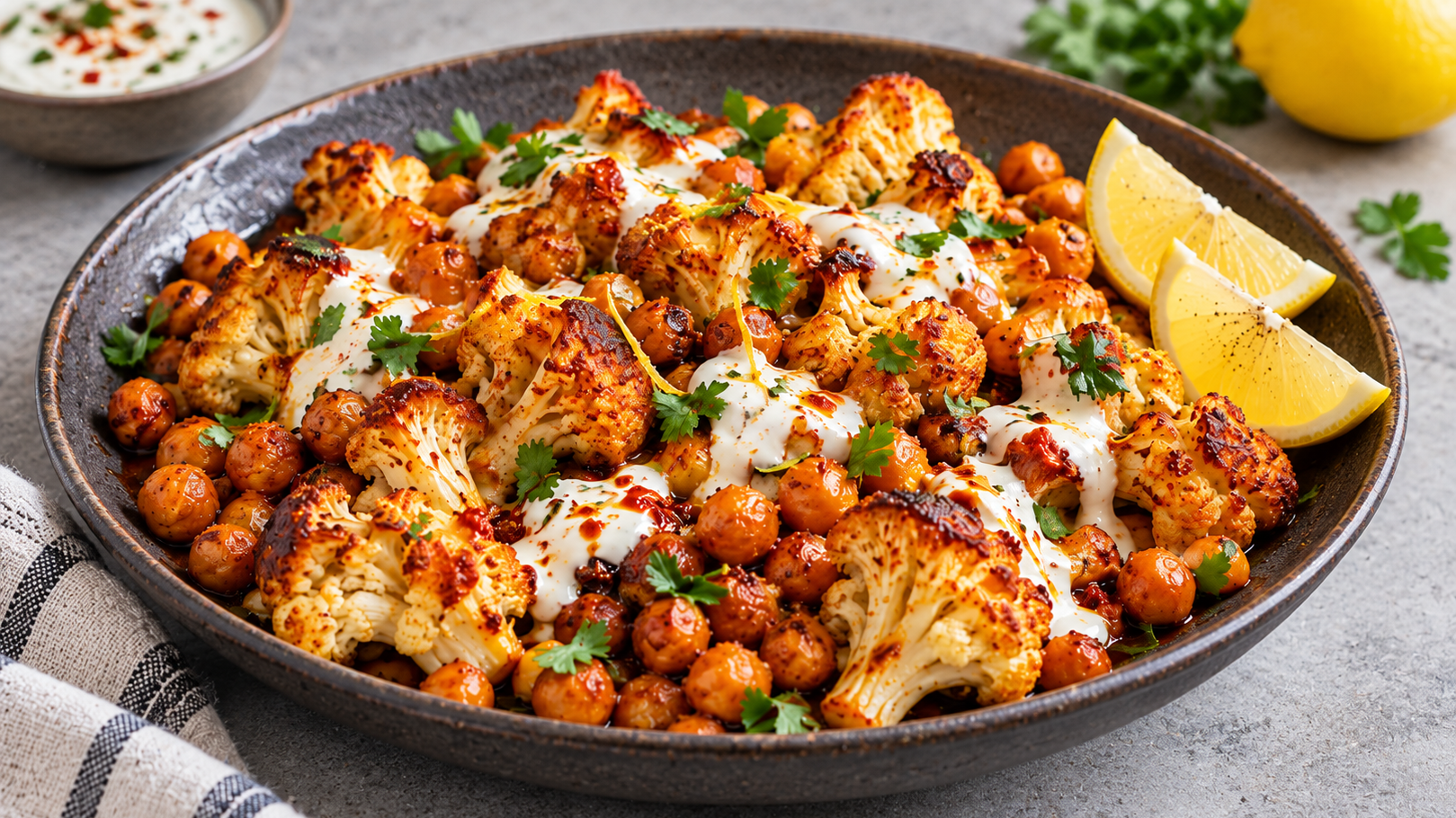
A jar from the pantry has helped transform two very simple ingredients into something much more flavorful and interesting, which is exactly what a good shortcut should do.
Putting the five moves together: Build a meal you actually want to eat
We’ve looked at each of these chef moves separately so you can see what it brings to the table, but this isn’t really how we cook. Once you’re in the kitchen, the moves naturally begin to overlap. You might start with a familiar meal, roast a vegetable to bring out its sweetness, add a grain for another texture, reach for a prepared sauce to make seasoning easy, and finish everything with lemon because it needs a little brightness. Without giving it much thought, you’ve just used several of the five moves at once.
And that’s really where they become useful. You don’t need a complicated formula or a new collection of plant-based recipes. Think about a meal you already enjoy, then begin noticing where another plant food, a different cooking technique, a little more flavor, or a convenient ingredient could make it even better. These four meals show how that might look with the kinds of foods most of us already eat.
Lemon-pesto chicken with farro, broccoli, and carrots
Let’s start with a very familiar dinner: chicken, a grain, and vegetables. There’s no reason plant-forward eating has to mean taking the chicken away. Instead, give the rest of the plate enough attention that the chicken doesn’t have to do all the work.
Roast broccoli and carrots alongside the chicken so they develop browned edges and concentrated sweetness, then cook some farro for a chewy, slightly nutty contrast. Spoon pesto over the chicken and vegetables and finish with a generous squeeze of lemon.
There’s nothing complicated here, but several of the chef moves are working together. Roasting gives the vegetables more character, farro brings another plant food and another texture to the plate, and pesto gives you herbs, garlic, nuts, cheese, and olive oil without having to build a sauce yourself. The lemon provides that final bit of brightness that pulls everything together.
It still looks and feels like a chicken dinner. There’s simply much more to enjoy around the chicken.
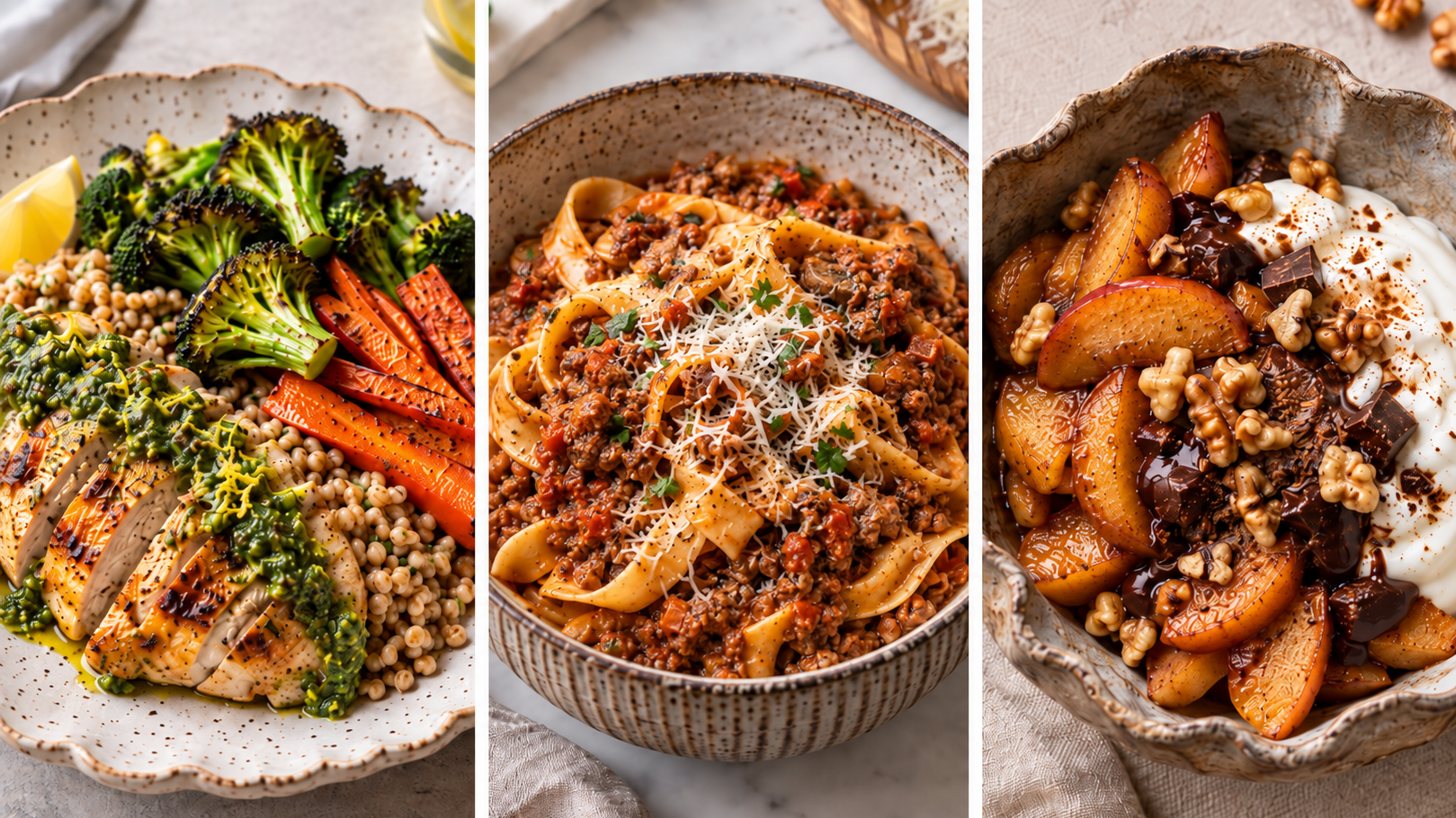
Bolognese-style pasta with mushrooms
Pasta night offers another easy opportunity, especially if you’re feeding people who aren’t particularly interested in the idea of “eating more plants.” Nobody needs to know there’s a strategy involved.
Begin the sauce with finely chopped onion and carrot, adding celery if you like, and let them soften before adding finely chopped mushrooms and whatever ground meat you normally use. The mushrooms fit naturally into a Bolognese-style sauce because their earthy, savory character works so well with the meat. They also add moisture, texture, and volume, so you can use less meat without the sauce feeling as though anything is missing.
Add garlic, tomatoes, and herbs and let the sauce simmer until the flavors have had time to come together, then finish with Parmesan. Serve it over the pasta your family already likes, or mix some zucchini noodles or strands of spaghetti squash in with the pasta if you want to add another plant without asking anyone to give up the spaghetti.
That’s an important part of making these moves work in real life. Adding more plants doesn’t always mean substituting one thing for another. Sometimes the easiest—and tastiest—approach is simply combining them.
Warm cinnamon apples with chocolate, walnuts, and yogurt
And we definitely shouldn’t leave the sweet side of plant foods out of the conversation. Apples are especially wonderful this time of year, and cooking them gives us another chance to see how technique, flavor, and texture can turn a familiar plant food into something completely different.
Cook sliced apples with cinnamon until they’re warm and tender but still have a little bite, then scatter some chopped dark chocolate over them while they’re still hot so it begins to soften and melt. Spoon the apples over plain or vanilla yogurt and finish with toasted walnuts. If you want a little more crunch, some granola or toasted oats would fit right in.
Now you have warm, juicy apples against cool, creamy yogurt; rich chocolate against the slight tartness of the fruit; and toasted walnuts adding crunch and nuttiness. It satisfies that desire for something sweet, but more importantly for our purposes, it shows that the five chef moves aren’t limited to vegetables or dinner. Fruit, nuts, grains, herbs, spices, and all the other plant foods we’ve been talking about can get the same attention.
These meals are only examples, not a new set of rules to follow. Once you understand what each move can do, you can begin using them wherever they make sense in the foods you already cook. That’s when eating more plant foods starts to become much less about following someone else’s recipe and much more about making the food your own.
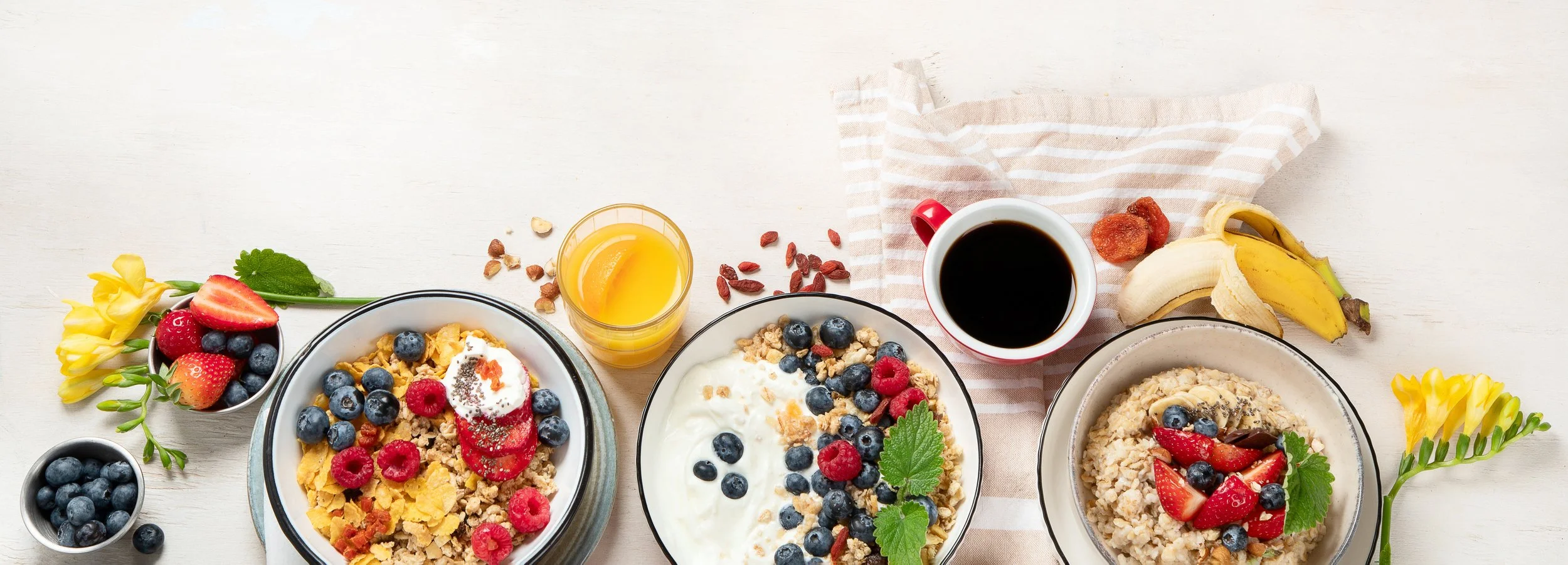
Now Eating Plants Gets Interesting
By now, you’ve done more than collect five cooking ideas. You’ve learned a few ways to look at plant foods differently—how to bring them into meals you already enjoy, how to change their character with technique, how to build flavor in layers, and how to use prepared ingredients and ready-to-go sauces to make the whole process easier.
That gives you a lot more freedom in the kitchen. Broccoli is no longer just broccoli. Beans are not limited to chili. Rice does not have to sit quietly beside dinner, and fruit does not have to stay in the breakfast or dessert lane. Once you understand what roasting, browning, acid, richness, freshness, crunch, and seasoning can do, the same ingredients can head in very different directions depending on what sounds good that day.
And that is really where eating more plant foods gets interesting. You are no longer simply trying to add more of them because someone told you that you should. You are beginning to see how much they can contribute to the meals you already love and how many different ways there are to make them taste good.
That’s also the spirit behind October’s Living Well Challenge. The idea is not to overhaul your way of eating or become a different kind of cook. It’s to take these five moves into your own kitchen, notice what works for you, and let your meals become a little more colorful, flavorful, varied, and enjoyable along the way.
Later this month, we’ll take these ideas a little further and look at how cooks build deeper flavor, create contrast, and give familiar plant foods even more character.
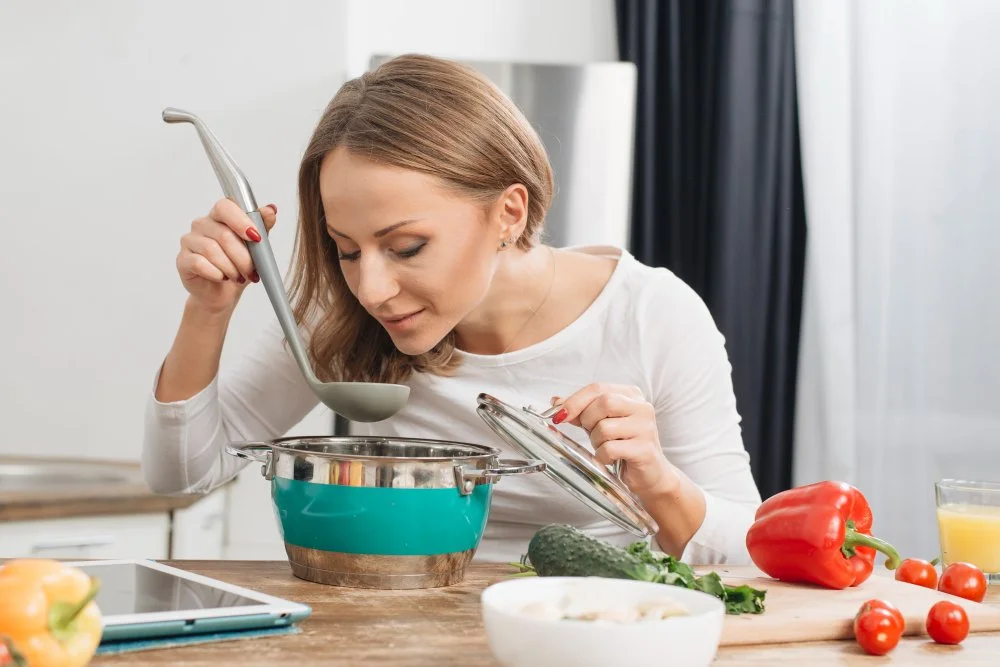
Let’s get cooking!
The more often you cook this way, the more natural it starts to feel—and the more possibilities you begin to notice. Before long, you’re not thinking so much about “adding more plants” as simply seeing more ways to make the food in front of you taste good. That’s where this really starts to become your own.
Maple-Mustard Brussels Sprouts with Pecans
Maple-Mustard Brussels Sprouts with Pecans turns a simple roasted vegetable into a side dish with plenty of flavor and texture. The Brussels sprouts roast at high heat until the edges are deeply browned and the centers are tender, and then they’re tossed with a maple-Dijon glaze. The mustard brings tang, the maple adds just enough sweetness, and a splash of apple cider vinegar keeps the glaze bright rather than heavy.
Toasted pecans finish the dish with richness and crunch, creating a nice contrast with the tender Brussels sprouts. The recipe is easy enough for a weeknight, but the maple-mustard glaze and pecans also make it feel right at home on a holiday table. Serve it with roasted chicken, pork, turkey, salmon, or alongside a hearty grain or vegetarian entrée.
It’s also a simple way to make a familiar vegetable feel a little more interesting without adding a lot of extra work. Most of the cooking happens in the oven, and the glaze comes together in just a few minutes while the Brussels sprouts roast.

Maple-Mustard Brussels Sprouts with Pecans
Ingredients
- 1 pound Brussels sprouts
- 1 tbsp extra-virgin olive oil
- 1/3 tsp kosher salt
- 1/4 tsp freshly ground black pepper
- 1/4 cup chopped pecans
- 1 tbsp Dijon mustard
- 1 tbsp pure maple syrup
- 2 tsp apple cider vinegar
- Pinch of salt
Instructions
- Heat the oven to 425°F.
- Trim the ends from the Brussels sprouts and cut them in half from top to stem. If some are especially large, quarter them.
- Toss the sprouts with olive oil, salt, and pepper. Spread them on a sheet pan, lined with parchment paper for easier cleanup, leaving enough room between them to brown rather than steam.
- Roast for about 20 to 25 minutes, stirring once near the end, until the sprouts are tender inside with deeply browned, crisp edges.
- While the Brussels sprouts roast, toast the pecans in a dry skillet over medium-low heat for a few minutes, stirring frequently, until fragrant. Remove from the pan.
- In a small bowl, whisk together the Dijon mustard, maple syrup, apple cider vinegar, and a small pinch of salt.
- Transfer the hot Brussels sprouts to a serving bowl and toss with the maple-mustard mixture to lightly coat them. Fold in the toasted pecans and serve warm.
Notes
- For another layer of flavor, sprinkle with a little finely grated Parmesan or crumbled goat cheese.
Savory Pumpkin Polenta with Parmesan & Sage
Savory Pumpkin Polenta with Parmesan & Sage gives a familiar comfort-food side a warm seasonal twist. Yellow cornmeal cooks slowly until tender and creamy, then pumpkin puree is stirred in with Parmesan, butter, black pepper, and fresh sage. The pumpkin blends right into the polenta, giving it a beautiful golden color, a little extra body, and just enough natural sweetness to round out the savory flavors without making the dish taste like dessert.
It’s simple enough for a weeknight and uses familiar ingredients, but it still feels a little special when the weather turns cool. Serve it alongside roasted chicken or pork, Italian sausage, sautéed mushrooms, braised greens, or a tray of roasted vegetables. You can also use it as a soft, creamy base for a more substantial meal.

Savory Pumpkin Polenta with Parmesan & Sage
Ingredients
- 2 2/3 cups low-sodium chicken or vegetable broth
- 1/4 tsp garlic powder
- 1/4 tsp freshly ground black pepper
- 2/3 cup yellow polenta or coarse-ground cornmeal
- 1/2 cup pumpkin puree
- 1 1/2 tbsp butter, divided
- 2 tsp finely chopped fresh sage
- 1/3 cup finely grated Parmesan cheese, plus more for serving
- Salt, to taste
Instructions
- Bring the broth, garlic powder, and black pepper to a gentle simmer in a medium saucepan. Slowly whisk in the cornmeal stirring constantly so it does not clump.
- Reduce the heat to low and cook, stirring frequently with a wooden spoon or whisk, for about 25 to 35 minutes, or until the cornmeal is fully tender and creamy. If it becomes too thick before the cornmeal is cooked through, add a little more hot broth or water as needed.
- Note: if using packaged polenta cook according to package directions.
- While the cornmeal cooks, melt about half of the butter in a small skillet over medium heat. Add the sage and cook briefly, just until fragrant and beginning to crisp. Remove from the heat.
- Once the polenta is tender and no longer tastes gritty, stir in the pumpkin puree, remaining butter, Parmesan, garlic powder, black pepper, and the sage butter.
- Continue cooking for another 2 to 3 minutes, stirring, until everything is heated through and the polenta is smooth and creamy. Taste and adjust the salt as needed.
- Spoon into a serving bowl and finish with additional sage and a little extra Parmesan if desired.
Notes
- For a little more contrast, finish with cracked black pepper or a small drizzle of olive oil.
There you have it!
Once you start seeing how much possibility there is in the foods already around you, cooking gets a whole lot more interesting. Pay attention to what tastes good, what surprises you, and what you find yourself wanting to make again. Those are the discoveries worth keeping.