
Strengthen
Build strength, support mobility, and move through life with greater confidence
Strength is not only something we use during exercise. It is what helps us climb stairs, carry groceries, work in the garden, recover our balance, and continue doing the things that make life feel full.
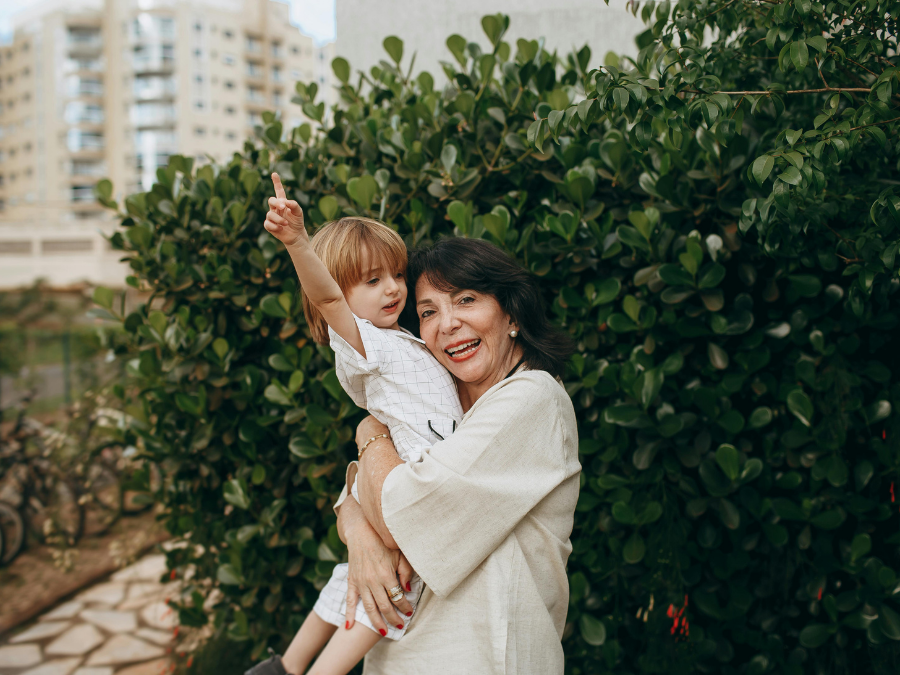
Our bodies remain responsive to movement throughout life. Muscles can become stronger, balance can improve, and movement can feel more comfortable when the body is given an appropriate challenge and enough time to adapt.
That does not mean every activity needs to be strenuous or every week needs to follow a perfect exercise plan. Strength is built through many kinds of movement: lifting something progressively heavier, practicing a balance position, working through a joint’s comfortable range of motion, walking regularly, or getting up from the floor with a little more ease. Each sends a slightly different message to the body, and together they help preserve the physical capacity we rely on every day.
The Foundations of Moving Well
A strong body is not defined by one exercise, one number, or one level of fitness. It is a body with enough strength, stability, mobility, and endurance to meet the demands of daily life.
Muscles respond when they are asked to do more than they are accustomed to doing. Bones respond to weight-bearing activity and resistance. Balance improves when the nervous system repeatedly practices coordinating vision, body position, and movement. Mobility is supported when joints move regularly and the muscles around them are both strong and adaptable.
These abilities are connected. Strong legs can make it easier to regain balance. Mobile hips and ankles can make walking and climbing stairs feel smoother. Regular activity helps preserve stamina, while strength training makes many of those activities easier to perform.
The goal is not to chase intensity for its own sake. It is to create enough challenge for the body to adapt while choosing forms of movement that are safe, sustainable, and relevant to the life you want to keep living. Progress may mean lifting more weight, but it may also mean feeling steadier on uneven ground, moving with less stiffness, or having the energy to remain active throughout the day.
Find Your Place to Begin
You do not need to improve every part of physical fitness at once. Begin with the area that feels most useful to you now, then allow strength, confidence, and capacity to grow from there.
Build Strength
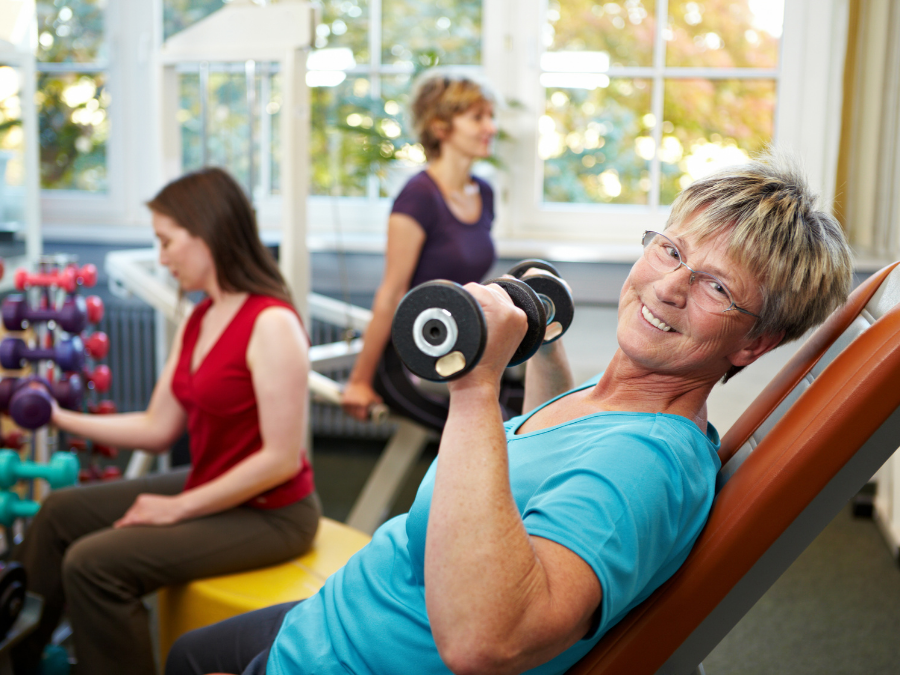
Muscle is active, adaptable tissue that supports far more than physical appearance. It helps stabilize joints, protect bones, regulate blood sugar, maintain posture, and produce the force needed for ordinary tasks.
Strength develops when muscles meet gradually increasing resistance. That resistance might come from dumbbells, machines, resistance bands, body weight, or objects used in daily life. What matters most is that the activity becomes appropriately challenging and progresses as the body becomes more capable.
For women in midlife and beyond, strength training can be especially valuable because age-related muscle and bone loss are not entirely passive or inevitable processes. The body continues to respond to the signals it receives, and regular resistance and weight-bearing activity provide a reason to preserve and build the tissues that support movement.
While diet is essential for healthy bones, how you move matters just as much as what’s on your plate. Explore another piece of the bone strength puzzle - exercise and movement.
Osteoporosis Prevention and Reversal: Exercise Strategies
Learn More

Improve Balance
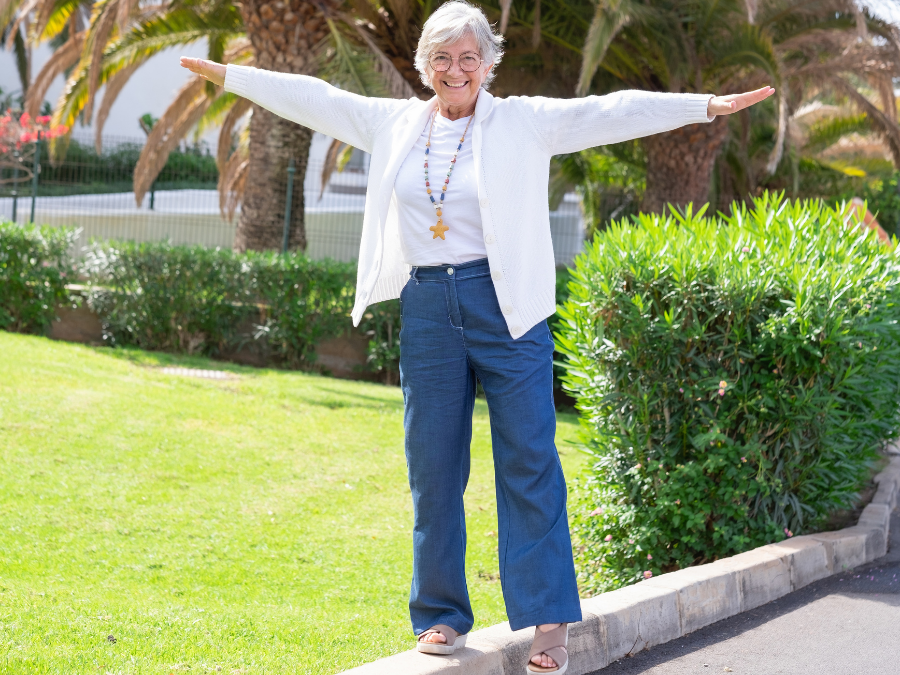
Balance can feel automatic until a slippery surface, uneven trail, or unexpected misstep asks the body to respond quickly. Behind that response is a complex conversation among the eyes, inner ear, muscles, joints, and nervous system.
Like strength, balance improves through practice. Standing on one foot, shifting weight in different directions, walking heel to toe, or moving across varied surfaces gives the nervous system opportunities to refine its response. Strength in the feet, legs, hips, and core provides the physical support needed to act on those signals.
Balance practice does not need to begin with difficult poses or unstable equipment. A kitchen counter, sturdy chair, or clear stretch of hallway can provide enough support while coordination and confidence develop. Over time, small challenges can make everyday movement feel steadier and more secure.
Learn More
Support your spine with simple, everyday practices that improve posture, ease tension, and help your body move more comfortably. Small, consistent changes can lead to lasting results for how you feel each day.
Supporting Your Spine Every Day

Move with Ease

Mobility is sometimes mistaken for flexibility, but the two are not quite the same. Flexibility describes how much a muscle can lengthen. Mobility describes how well a joint can move through its range while the surrounding muscles maintain control.
That distinction matters because comfortable movement depends on more than stretching. A joint may have plenty of range but lack the strength to control it, or strong muscles may feel restricted because the joint rarely moves in certain directions. Gentle mobility work, strength through a comfortable range, posture awareness, and regular changes in position can all help the body move more freely.
Ease of movement is not about achieving extreme ranges or eliminating every trace of stiffness. It is about maintaining enough motion and control to reach, bend, turn, walk, and move through the day without asking one area of the body to compensate for another.
Learn More
Staying active doesn’t require formal workouts—daily movement like walking and household tasks counts. Balanced nutrition provides steady energy, supports muscle function, and prevents lifestyle diseases. Prioritizing smart food choices and consistent movement makes healthy living simple, sustainable, and effective.
Move Well, Eat Well, Be Well
Stay Active
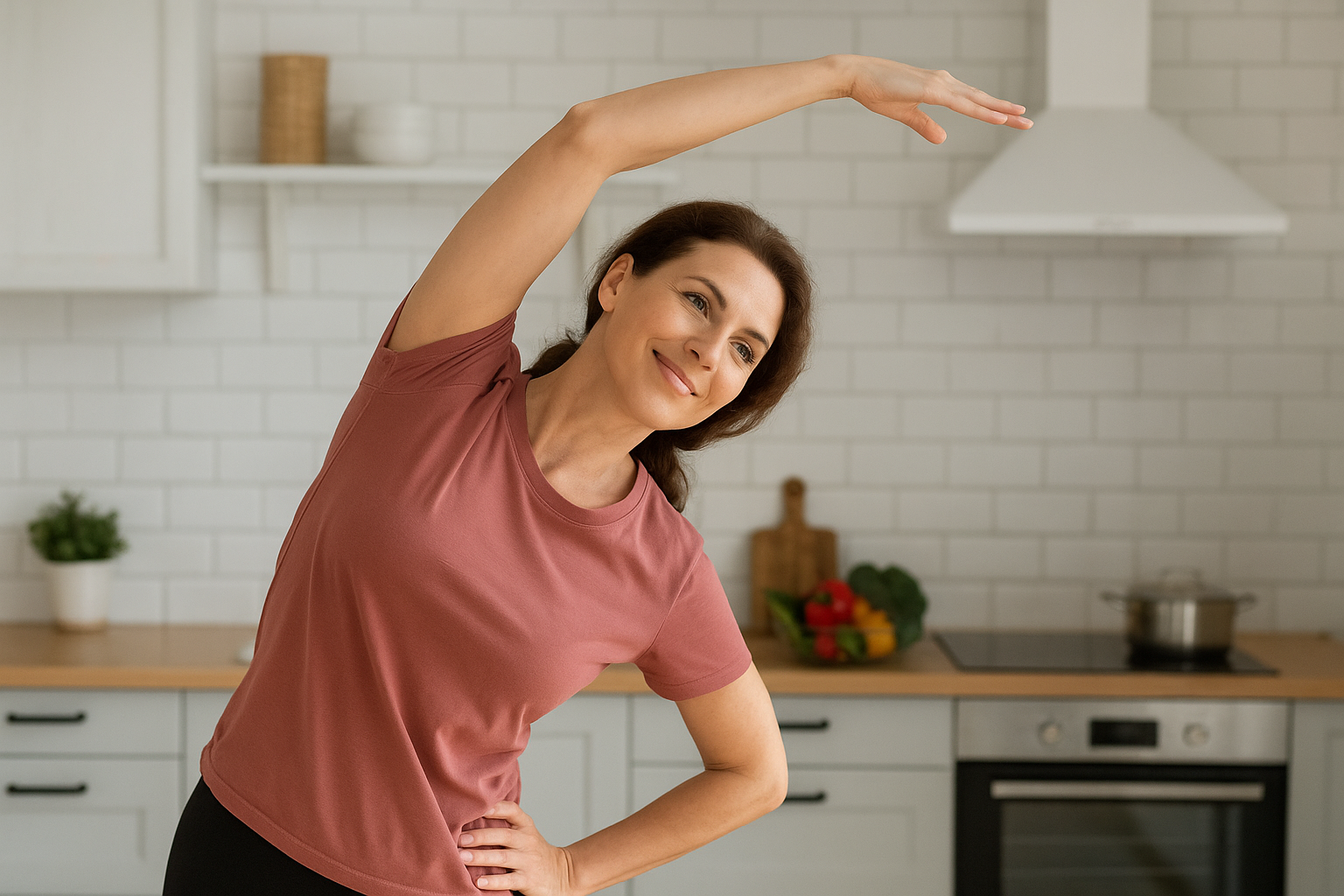
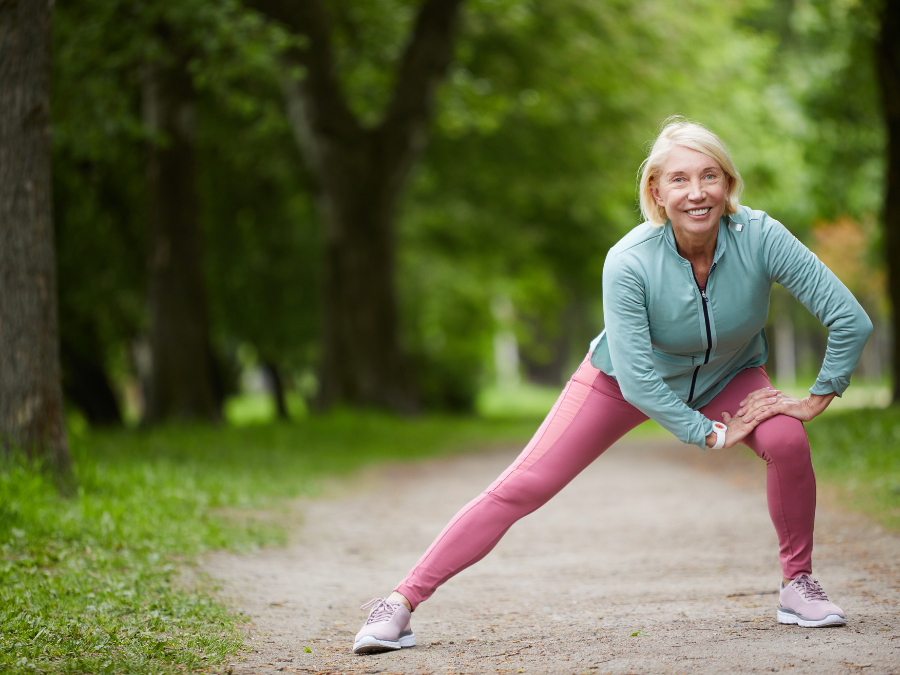
Structured exercise has an important place, but much of an active life is built outside a formal workout. Walking the dog, tending a garden, carrying groceries, climbing stairs, cleaning the house, and getting up regularly during the day all ask the body to move and work.
These activities may not replace the specific benefits of strength, balance, or cardiovascular training, but they create the larger rhythm in which those practices live. They interrupt long periods of sitting, keep joints moving, and make physical activity part of daily life rather than something that happens only during a scheduled session.
The most sustainable activities are often those with a purpose beyond exercise itself. A walk may offer time outdoors, gardening may produce food or beauty, and a class may provide connection as well as movement. When activity belongs naturally in life, consistency becomes less dependent on motivation.
Learn More
Discover how “exercise snacking” — short bursts of movement throughout your day — can boost metabolism, brain health, and longevity. Learn practical ways to weave strength, balance, and flexibility into daily life for lasting vitality.
Small Moves, Big Impact: Exercise Snacking to Boost Longevity and Healthspan

Not Sure Where to Begin?
The Healthy Aging Kitchen Guide offers a practical starting point for nourishing your body, supporting strength, and creating everyday habits that help you feel well for years to come.
Inside, you will find a flexible approach to balanced meals, useful kitchen staples, meal-building templates, and small habits that support healthy aging without requiring you to change everything at once.
Latest Strengthen Articles
Explore the newest articles on strength, balance, mobility, physical activity, and the everyday practices that help your body remain capable and resilient.




Information is Helpful. Support Makes It Personal.
Knowing that strength, movement, food, sleep, and recovery matter is one thing. Understanding how to bring them together in a way that fits your own life can be more difficult.
Through one-to-one coaching, we look at the patterns shaping how you cook, eat, move, and care for yourself. Together, we turn useful information into practical steps, build skills and routines that feel realistic, and create a steadier path toward the way you want to feel and live.
You do not need to arrive with a perfect plan. You only need a willingness to begin where you are.
Keep Exploring
Strength is only part of living well. Explore more practical guidance for nourishing your body, feeling confident in the kitchen, and making room for rest and recovery.

Cook
Build practical skills, explore new flavors, and make cooking feel easier and more enjoyable.

Nourish
Discover how food, nutrition, and everyday eating habits can support your energy, health, and well-being.

Restore
Make room for sleep, rest, stress support, and the everyday practices that help your body recover.
Functional fitness is less about exercise and more about keeping life within reach. Learn how strength, balance, mobility, and endurance support everyday movement, independence, and the activities you want to keep enjoying for years ahead.
This week’s recipes: Honey-Apple Spaghetti Squash & Barley Pudding and Lemony Zucchini & White Beans with Garlic and Herbs.