
Restore
Make space for rest, recovery, and renewal
Restoration is not separate from living well. It is part of how your body repairs, adapts, and prepares for whatever comes next.

Living well is not only about what you do. It is also about creating enough space to pause, recover, and reconnect with yourself.
Rest can take many forms—a full night’s sleep, a quiet pause in the middle of a busy day, time outdoors, gentle movement, or simply recognizing when your body needs less rather than more. These moments may seem small, but together they help support your energy, resilience, emotional balance, and your body’s ability to respond to the demands of everyday life.
The resources here are designed to help you sleep more soundly, manage stress with greater awareness, practice mindfulness, and make recovery a more natural part of how you care for yourself. You might begin with one small change that helps you slow down, feel more restored, or create a little more space in your day.
The Foundations of Restoration
We often think of rest as the time left over after the work is finished. It becomes something we will get to later—after the errands, the appointments, the exercise, the cooking, and everything else asking for our attention. But the body does not experience restoration as an optional reward. It depends on periods of rest to balance periods of effort.
This does not mean avoiding challenge or trying to eliminate every source of stress. Some stress is a natural part of living, learning, exercising, caring for others, and adapting to change. What matters is whether the body has opportunities to return to a more settled state afterward. Sleep provides the longest and deepest period of restoration, but the smaller pauses woven throughout the day matter as well.
A few quiet breaths between tasks, a slower walk outside, an evening routine that signals the day is ending, or a gentler day after strenuous activity can all help create that shift. These practices are not about withdrawing from life. They help restore the energy, steadiness, and capacity needed to participate in it.
Restoration also begins with awareness. The body often tells us when it needs support through changes in sleep, energy, concentration, mood, tension, or recovery. Learning to notice those signals without immediately judging or dismissing them gives us useful information. Rather than following one perfect routine, we can begin to understand what helps our own bodies feel rested, capable, and ready to meet the day.
The goal is not to build a life without demands. It is to create enough rhythm between effort and ease that the body has time to recover from them.
Find Your Place to Begin
Restoration will not look the same every day or in every season of life. Begin with the area that feels most useful now, whether that means protecting your sleep, creating a little breathing room, becoming more present, or allowing your body the recovery it has been asking for.
Sleep Soundly

Sleep is one of the body’s most important restorative rhythms, yet it is not something we can force simply by deciding to go to bed. It emerges from a series of signals that help the brain and body recognize when it is time to be alert and when it is time to settle.
Natural light, daily movement, meal timing, stress, room temperature, and evening habits can all influence that rhythm. Supporting sleep does not require a rigid bedtime routine or a perfectly uninterrupted night. It begins with creating conditions that make rest more likely and paying attention to the patterns that help you feel genuinely restored.
Small changes may be enough to begin: seeking daylight earlier in the day, keeping sleep and waking times reasonably consistent, dimming the evening environment, or allowing a little more time between activity and bed. The aim is not perfect sleep. It is a rhythm your body can recognize and return to.
Learn More
Supporting Your Brain in Everyday Life
Everyday habits shape how the brain ages. This guide explores how food, physical activity, and sleep support cognitive health in practical, sustainable ways.
Manage Stress

Stress is not always loud or dramatic. It can accumulate quietly as unfinished thoughts, constant decisions, overlapping responsibilities, and days spent moving from one task directly into the next. Even when everything appears to be handled, the mind and body may not have received a clear signal that anything is truly finished.
Managing stress does not mean removing every demand from life. More often, it means giving the nervous system regular opportunities to come down from a heightened state. A pause at the end of a task, a few slower breaths, a conversation with someone you trust, or time outside can interrupt the sense of being continually “on.”
These practices do not need to become another set of obligations. Their value comes from helping the body complete the stress response and return to greater steadiness. Sometimes the most restorative change is not doing less overall, but carrying less of one moment into the next.
Lightening the Load, One Pause at a Time
Learn More
Discover why your day can feel finished on paper but still heavy in your body and mind — and how small pauses between tasks can lighten your mental load without changing your schedule. Perfect if you want to feel calmer, clearer, and more present in your daily life.

Be Present

Mindfulness is sometimes presented as a formal practice that requires silence, a particular posture, or a completely calm mind. At its heart, however, it is simply the practice of noticing what is happening while it is happening.
That awareness can be cultivated during ordinary moments: tasting while you cook, feeling the air during a walk, noticing tension in your shoulders, or listening fully during a conversation. These small acts bring attention back from what has already happened or what still needs to be done and into the experience directly in front of you.
Presence does not remove difficulty, nor does it require you to feel peaceful all the time. It creates a little room between an experience and your response to it. Within that room, you may notice more clearly what you are feeling, what your body is communicating, and what the moment asks of you.
Learn More
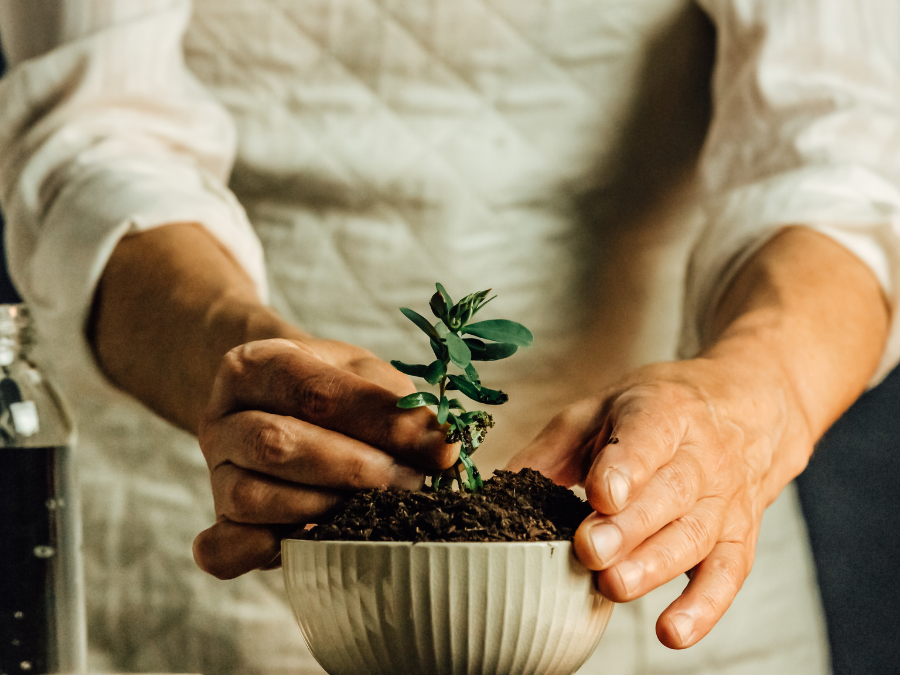
Body Literacy: Reconnecting With Your Body’s Natural Wisdom
From fatigue and cravings to energy and vitality, your body is constantly offering clues. Learn how body literacy can help you better understand those signals and build a stronger relationship with yourself.
Recover Deeply

Recovery is not limited to sleeping or sitting still. It is the broader process through which the body responds to physical effort, mental strain, illness, disrupted routines, and the ordinary wear of a full life. Sometimes recovery calls for complete rest. At other times, it may be supported by gentle movement, nourishing food, daylight, connection, or a change of pace.
This is especially important when activity and productivity are treated as the only signs of progress. The body grows stronger not only through challenge, but through its response to that challenge afterward. Without enough recovery, effort can gradually become depletion rather than adaptation.
Learning to recover deeply means becoming more responsive to context. A demanding workout may be followed by stretching and an easier day. A mentally crowded week may call for time outdoors or fewer evening commitments. Recovery is not about stepping away indefinitely; it is about restoring enough capacity to return with greater energy and steadiness.
Learn More
Nature as Medicine: Restorative Outdoor Rituals
Step outside and let nature recharge you! From sunrise rituals to mindful walks, these simple outdoor practices boost energy, calm the mind, and reconnect you with yourself and the rhythms of the natural world.


Not Sure Where to Begin?
The Healthy Aging Kitchen Guide can help you begin with the everyday rhythms that support both nourishment and restoration. Along with practical guidance for meals and kitchen habits, it includes simple ways to care for your energy, movement, sleep, stress, and overall well-being.
Use it as a starting point, a reference to return to, or a way to notice which area of nourishment may be most useful for you right now.
Latest Restore Articles
Continue exploring with the newest articles on food, nutrition, digestion, and the everyday choices that support your health. Each one offers practical guidance, thoughtful perspective, and a clearer way to understand the food that supports you.



Information is Helpful. Support Makes It Personal.
Knowing what may help is one thing. Finding ways to make it work in your own life is another.
Coaching gives you space to look more closely at the patterns affecting how you eat, sleep, manage stress, move, and care for yourself. Together, we can turn what you are learning into practical changes that fit your needs, your priorities, and the life you are already living.
You do not need to fix everything at once. With thoughtful support, you can begin with what matters most and build from there.
Keep Exploring
Rest and recovery are part of a larger picture. Continue with practical guidance for nourishing your body, becoming more confident in the kitchen, and building the strength that supports everyday life.
Cook

Build practical skills, explore new flavors, and make cooking feel easier and more enjoyable.
Strengthen

Support your muscles, bones, balance, and mobility through movement that helps you stay active and capable.
Nourish

Discover how food, nutrition, and everyday eating habits can support your energy, health, and well-being.
Simple household cleaners can handle more than you might expect. Learn how ingredients like soap, vinegar, baking soda, and Castile soap work, when stronger products make sense, and how to choose cleaners more thoughtfully.
This week’s recipes: Millet Fried Rice and Blueberry Zucchini Protein Muffins.