
Nourish
Understanding the food that supports you
Nourishing yourself well begins with understanding what your body needs and finding practical ways to provide it. The resources here explore four connected areas: building balanced meals, supporting your gut, understanding the food you choose, and making healthy eating work in everyday life.
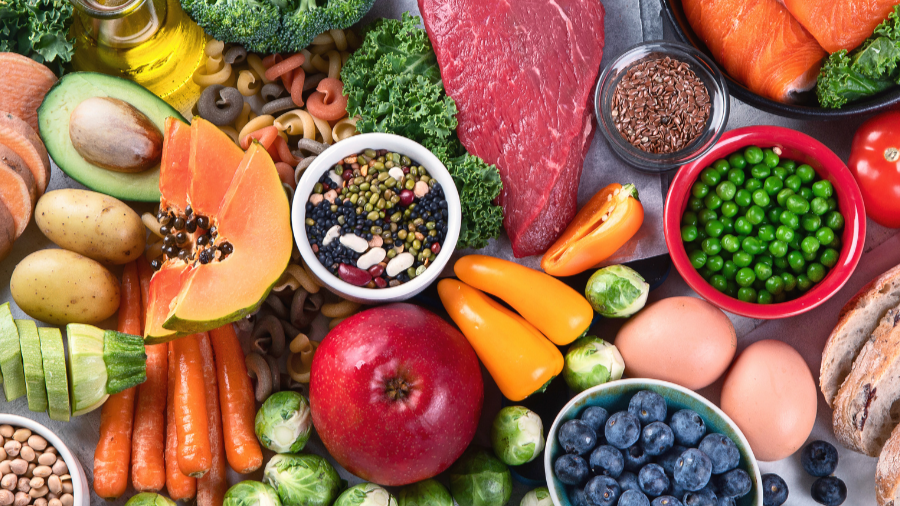
As we move through midlife and beyond, our nutritional needs can shift. Protein becomes increasingly important for maintaining muscle and strength. Fiber supports digestion, blood sugar, heart health, and the microbes living within the gut. Healthy fats, carbohydrates, vitamins, minerals, and colorful plant compounds all have their own roles to play.
No single food can provide everything, and no single way of eating works for everyone. What matters most is the broader pattern: enough variety, balance, pleasure, and flexibility to support your health while still fitting the life you actually live.
The Foundations of Nourishment
Nourishment is not about following a perfect diet, avoiding entire groups of foods, or keeping up with every new nutrition trend. It is about creating an overall way of eating that supports your energy, strength, digestion, and long-term well-being.
That foundation includes balanced meals, a meaningful place for protein, plenty of fiber-rich plants, and thoughtful choices about carbohydrates and fats. It also includes flavor, satisfaction, convenience, culture, and personal preference, because food has to work in real life—not only on paper.
No single meal or imperfect day defines how well you are eating. What matters more is what you return to over time: foods that support you, habits that feel manageable, and choices made with greater understanding rather than fear or rigid rules.
Find Your Place to Begin
You do not need to focus on every part of nourishment at once. Begin with the area that feels most useful today, then build from there in a way that feels practical, supportive, and your own.
Build Your Plate
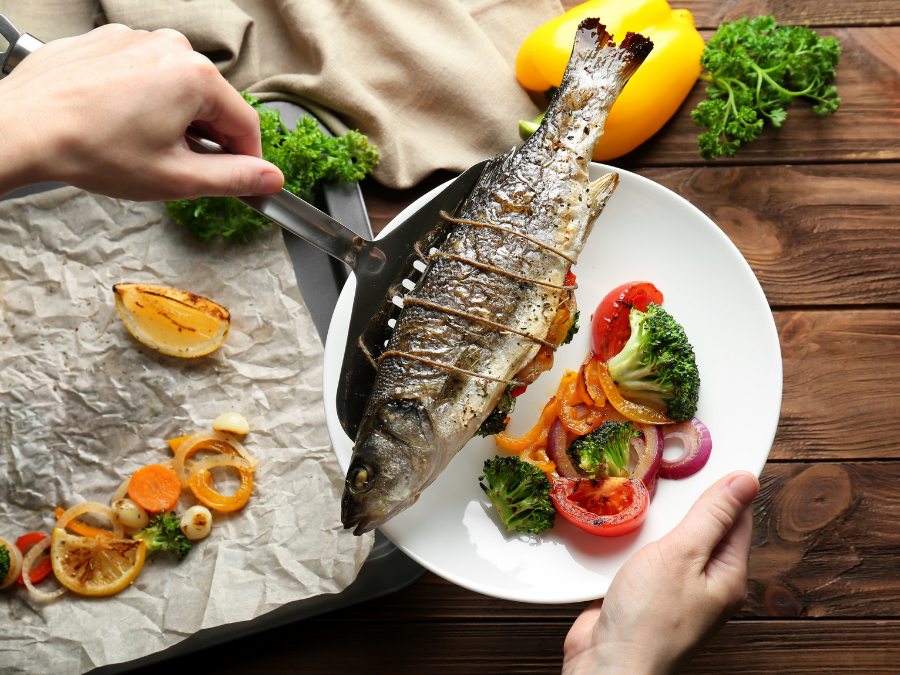
A nourishing meal does not need to follow a rigid formula, but it helps to understand the role different foods can play. Begin with a meaningful source of protein, then add fiber-rich plants, a carbohydrate that provides energy, and enough healthy fat and flavor to make the meal satisfying.
Some foods naturally do more than one job. Beans provide both protein and fiber-rich carbohydrates. Nuts and seeds contribute protein, fiber, and healthy fats. A grain bowl, soup, salad, sandwich, or simple plate of leftovers can all offer balance without looking exactly the same.
Use the plate as a flexible guide rather than a set of rules. Notice what is already present, consider what may be missing, and make small adjustments that suit your appetite, preferences, and the life you are living.
Learn More
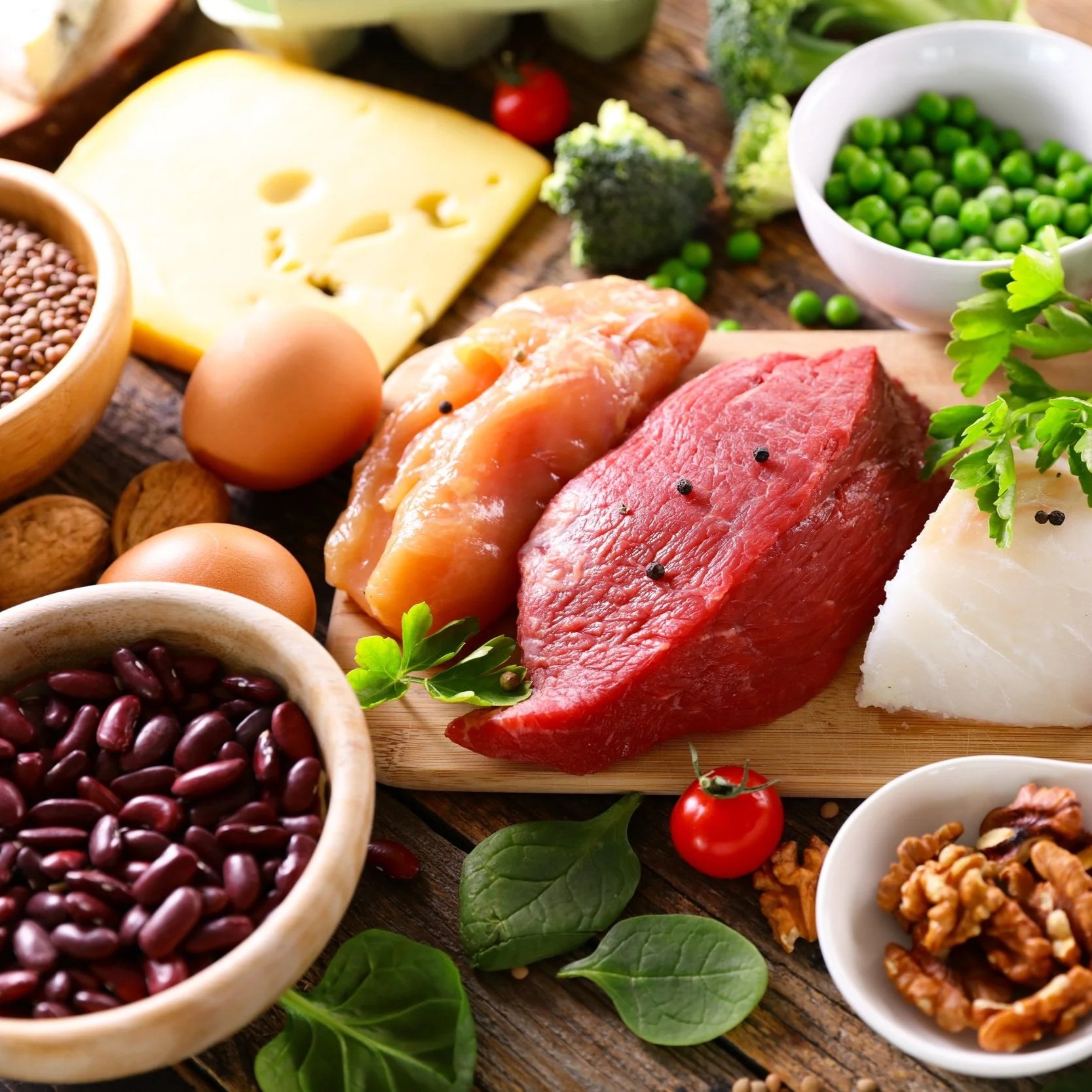
Protein After 55: What Your Really Need to Know
Learn how to build simple, balanced meals that support strength, steady energy, and satisfaction—without tracking, restriction, or relying on powders or processed foods.
Support Your Gut
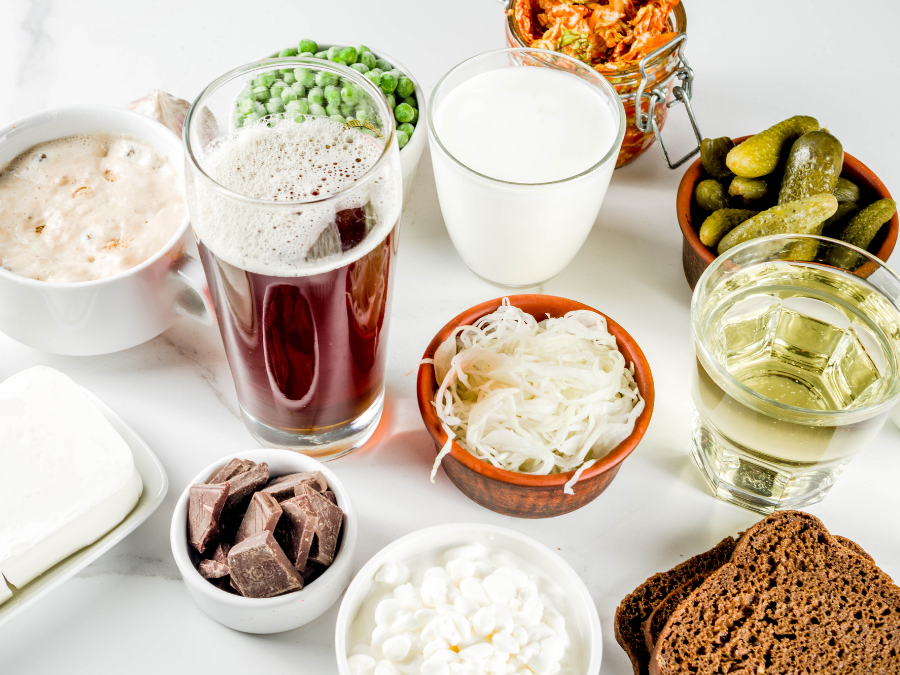
Gut health is shaped by more than any single food or supplement. Fiber-rich plants help nourish the microbes living within the digestive tract, while variety provides a broader range of nutrients and compounds for that community to use.
Fermented foods such as yogurt, kefir, sauerkraut, kimchi, and kombucha can also play a role, but they are only one part of the picture. Hydration, movement, sleep, stress, and the pace at which you introduce more fiber can all influence how comfortably your digestive system responds.
Rather than trying to follow a complicated gut-health plan, begin by adding variety gradually and noticing what works well for you. A healthy digestive system is supported by consistent habits, not by chasing every new probiotic or microbiome trend.
Learn More
Fiber does more than keep you regular—it fuels your gut, balances hormones, boosts mood, and supports longevity. Learn how this underrated nutrient works and how to easily get more of it into your daily meals.
Fiber: The Fourth Macronutrient?

Know Your Food

Understanding food does not mean analyzing every ingredient or turning grocery shopping into a test. It means learning to look beyond the promises on the front of the package and consider what a food contains, how it has been made, and how it fits into the way you eat.
Processing is not automatically a problem. Frozen vegetables, canned beans, yogurt, whole-grain bread, and many other packaged foods can make eating well easier and more practical. The more useful question is whether a food provides nourishment, convenience, satisfaction, or some combination of the three.
Ingredient lists, nutrition labels, and food claims can all offer information, but none tells the whole story on its own. The goal is not to find perfect products. It is to make informed choices with greater confidence, while leaving room for preference, budget, convenience, and real life.
Learn More
The Art of Eating Well in a Packaged World
Learn how to read food labels with clarity and confidence. Discover a practical, balanced approach to clean eating in today’s packaged food environment—without fear, perfectionism, or confusion.

Eat Well Daily
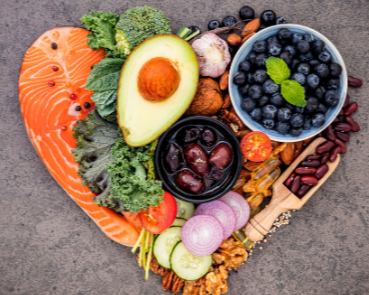
Eating well becomes more sustainable when it works with your life rather than asking you to reorganize everything around food. A nourishing meal might be freshly cooked, assembled from leftovers, pulled together from pantry staples, or chosen for convenience on a busy day.
Simple routines can make those choices easier. Keeping a few versatile foods on hand, relying on familiar meal patterns, and planning just enough to reduce last-minute decisions can help nourishment feel more natural. There is also room for takeout, frozen meals, sandwiches, and other practical options within a broader pattern of eating well.
The goal is not to make every meal impressive or perfectly balanced. It is to create an approach you can return to—one that supports your health while leaving room for appetite, pleasure, time, energy, and the changing rhythms of everyday life.
Learn More
Learn how to eat for blood sugar balance with simple, satisfying meals that support steadier energy, fewer cravings, and better long-term health.
Eat for Steady Energy, Not Perfection

Not Sure Where to Begin?
The Healthy Aging Kitchen Guide brings many of these ideas together in one practical place. Inside, you will find a flexible plate framework, kitchen essentials, simple meal-building ideas, flavor builders, and everyday habits that can help nourishing choices feel easier to put into practice.
Use it as a starting point, a reference to return to, or a way to notice which area of nourishment may be most useful for you right now.
Latest Nourish Articles
Continue exploring with the newest articles on food, nutrition, digestion, and the everyday choices that support your health. Each one offers practical guidance, thoughtful perspective, and a clearer way to understand the food that supports you.






Information is Helpful. Support Makes It Personal.
Understanding what supports your body is a valuable first step. Coaching can help you turn that knowledge into practical habits, meals, and routines that fit your life.
Coaching gives you a place to sort through the information, identify what matters most, and turns good intentions into practical changes that feel realistic and sustainable. Together, we can look at how you eat, cook, move, rest, and care for yourself - and help you create a way of living well that truly fits you
Keep Exploring
Living well is supported by more than food alone. Explore the other areas that can help you build strength, restore your energy, and feel more confident in the kitchen.
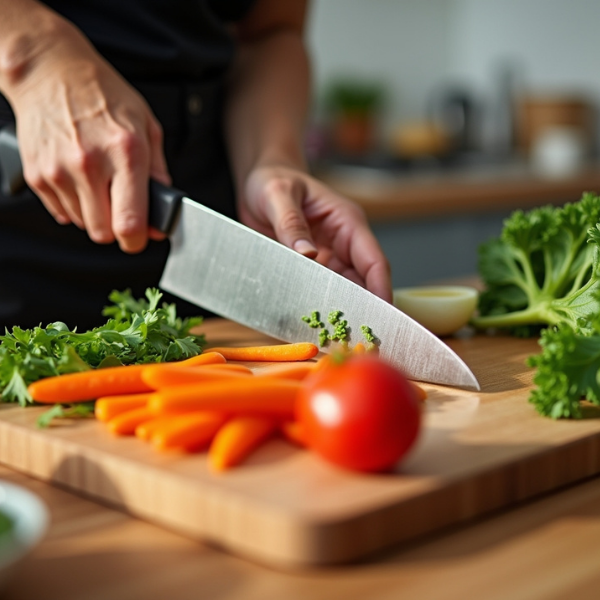
Cook
Build practical skills, explore new flavors, and make cooking feel easier and more enjoyable.

Strengthen
Support your muscles, bones, balance, and mobility through movement that helps you stay active and capable.

Restore
Make room for sleep, rest, stress support, and the everyday practices that help your body recover.
Five simple chef moves can help make plant foods more flavorful, interesting, and satisfying. Discover how familiar ingredients, smart techniques, and everyday shortcuts can bring more variety and enjoyment to the meals you already make.
This week’s recipes: Maple-Mustard Brussels Sprouts with Pecans and Savory Pumpkin Polenta with Sage.