
Originally published March 4, 2025. Updated October 28, 2026.
Mention the word detox around the lunchroom table at work and chances are you'll get a pretty interesting conversation going. Someone might mention a cleanse they've been considering because they're tired of feeling bloated and uncomfortable after meals. Another coworker is frustrated by those afternoon energy slumps and the sugar cravings that seem to go along with them, while someone else wonders whether a few days of healthier eating might help with that stubborn weight around the middle. And there's bound to be someone who rolls their eyes at the whole idea, especially with all the detox teas, powders, and supplements being promoted on social media. With promises ranging from renewed energy and better digestion to melting away belly fat, it's no wonder people have such different opinions about whether a detox is worthwhile.
Behind all that marketing, however, is a perfectly legitimate biological process that our bodies have been carrying out since the day we were born. Our liver, kidneys, digestive system, and other organs work together to process nutrients, handle potentially harmful substances, and eliminate waste products, and they do it every minute of every day without our having to give it a thought. There's something rather reassuring about knowing that our bodies already have these remarkable systems in place. We don't need to activate them with special teas or an occasional cleanse, but we do have an important role in supporting their work through the foods we eat.
And those same food choices can influence some of the very things that make people interested in detoxing in the first place. A varied diet built around nourishing whole foods provides the nutrients our bodies need to produce energy, maintain healthy tissues, and support digestion. When our meals contain adequate protein, fiber, and healthy fats, they're also more likely to keep us comfortably satisfied, which can make managing hunger and cravings a little easier. The foods we choose certainly aren't responsible for everything we experience, but they can make a meaningful contribution to how we feel from day to day.

So perhaps we'd be better off spending less time looking for ways to cleanse our bodies and more time exploring how food can support the systems that are already taking care of us. There's a lot more happening when we eat than simply absorbing vitamins and minerals, and understanding a little about those processes gives us some very good reasons to enjoy a wide variety of whole foods. It also helps explain why spending a few purposeful days eating differently can be a useful way to reconnect with healthy habits and discover what works best for us.
The Science: How Your Body Naturally Detoxifies Itself
First, let's get the science out of the way. I promise not to get too technical, but I think it's worth understanding a little about how our bodies handle detoxification. And if biology isn't your cup of tea, feel free to skip ahead to the whole-food section, where we'll explore what nutrition brings to the picture.
Your liver does much of the chemical processing involved in detoxification, using specialized enzymes to break down or transform certain substances, including medications, alcohol, and waste products created during normal metabolism. Some of these substances are eventually eliminated through the kidneys in urine, while others leave the body through bile and the digestive system. Meanwhile, your kidneys are constantly filtering your blood, removing waste and excess water while carefully maintaining the balance of minerals and fluids your body needs. It's an intricate operation, with each organ carrying out its own responsibilities while contributing to the body's overall ability to maintain a healthy internal environment.
One example of this cooperation occurs whenever our bodies break down protein. During that process, ammonia is produced as a waste product, and because excessive amounts of ammonia can be harmful, our liver converts it into a less harmful substance called urea. The urea then travels through the bloodstream to the kidneys, where it's filtered out and eliminated in urine. That's detoxification taking place as part of ordinary metabolism, and it's happening continuously without our ever having to think about it. Our lungs contribute to waste elimination by removing carbon dioxide every time we exhale, while the digestive system provides another route for substances that leave the body in stool.

Image by macrovector on Freepik
Of course, all this work requires a steady supply of nutrients and water. Our bodies use amino acids from protein to build enzymes and other compounds involved in chemical reactions, while vitamins and minerals contribute to numerous metabolic processes. Water helps transport nutrients and waste products, and the foods we eat influence the health and function of our digestive system. Some plant foods even contain naturally occurring compounds that interact with the enzymes involved in cellular protection and the processing of certain substances.
That's where nutrition becomes such an important part of the picture. Our bodies know how to carry out these processes, but the foods we eat help provide what they need to do their work. And when we make choices that support our natural detoxification systems, we're also providing nourishment for countless other functions that contribute to feeling healthy and well.
The Whole-Food Approach: How Food Supports Detoxification and How We Feel
Plant Foods Offer More Than Vitamins and Minerals
We all know that vegetables and fruits are good for us, but the more scientists learn about the naturally occurring compounds found in plants, the more remarkable these familiar foods become. Beyond their vitamins, minerals, and fiber, plant foods contain thousands of compounds called phytonutrients. Many of these substances help plants protect themselves from environmental stresses, insects, and disease, and researchers have discovered that some can also influence biological processes in the human body. It's a fascinating area of nutrition research because it helps explain why the benefits of eating vegetables and fruits extend well beyond the nutrients listed on a food label.
Consider broccoli, cabbage, cauliflower, and Brussels sprouts. These vegetables belong to the cruciferous family and contain compounds called glucosinolates, which can be converted into other biologically active substances when the vegetables are chopped, chewed, or digested. One of these substances, sulforaphane, has attracted considerable research interest because of its influence on enzymes involved in cellular protection and the processing of certain potentially harmful chemicals. This doesn't mean broccoli is somehow cleansing our liver, but it does offer a wonderful example of how the natural chemistry of food interacts with our body's own protective systems.

And cruciferous vegetables are only part of the story. The beautiful blue and purple colors of blueberries and blackberries come from pigments called anthocyanins, which belong to a larger family of plant compounds known as polyphenols. Carrots and sweet potatoes provide carotenoids, including beta-carotene, while tomatoes contain lycopene. These compounds have different properties, and scientists continue to explore their roles in cellular health, including how they interact with the processes that help protect our cells from oxidative damage. With so many different compounds found throughout the plant world, it makes sense to enjoy a broad variety rather than concentrating on a handful of foods that happen to be getting attention as superfoods.
Fortunately, eating that variety doesn't require us to remember which vegetable contains which phytonutrient. It simply means making room for different plant foods throughout our meals, something that becomes much more enjoyable when we pay attention to how they're prepared. Broccoli develops a lovely flavor when roasted until its edges begin to brown, cabbage becomes tender and sweet when braised with apples and onions, and Brussels sprouts take on an entirely different character when caramelized in the oven. Add berries to breakfast, enjoy a bowl of tomato-rich soup, or include some dark leafy greens with dinner, and you're naturally bringing a wide assortment of these plant compounds into your diet.
What is appealing about this approach is that the same variety that gives us a broader range of nutrients also makes our food more interesting. Different colors often bring different flavors and textures, giving us all sorts of opportunities to create meals that are both nourishing and delicious.
Fiber: Supporting Digestion and Waste Elimination
Fiber is another part of whole-food nutrition that deserves more attention, particularly because its benefits extend well beyond keeping us regular. We often hear about soluble and insoluble fiber, but understanding a little about how they behave in the digestive tract helps explain why eating a variety of fiber-rich foods can contribute to both digestive and metabolic health.
Some types of soluble fiber, found in foods such as oats, barley, beans, and apples, absorb water and form a gel-like substance as they move through the digestive tract. Certain soluble fibers can also bind to bile acids, which are produced by the liver and released into the intestines to help us digest fats. Ordinarily, much of that bile is reabsorbed and returned to the liver, but when fiber binds to some of the bile acids, they leave the body in stool instead. The liver then uses cholesterol to make replacement bile acids, which is one reason certain soluble fibers can help lower blood cholesterol levels.
That's a wonderful example of how the foods we eat can influence the body's normal processes. Fiber isn't acting like a scrub brush, cleaning toxins out of our intestines, but it does help move certain substances through the digestive tract and out of the body. And because bile is also one route through which the liver eliminates some substances, the relationship between fiber, bile, and the digestive system is relevant to our discussion of natural detoxification.
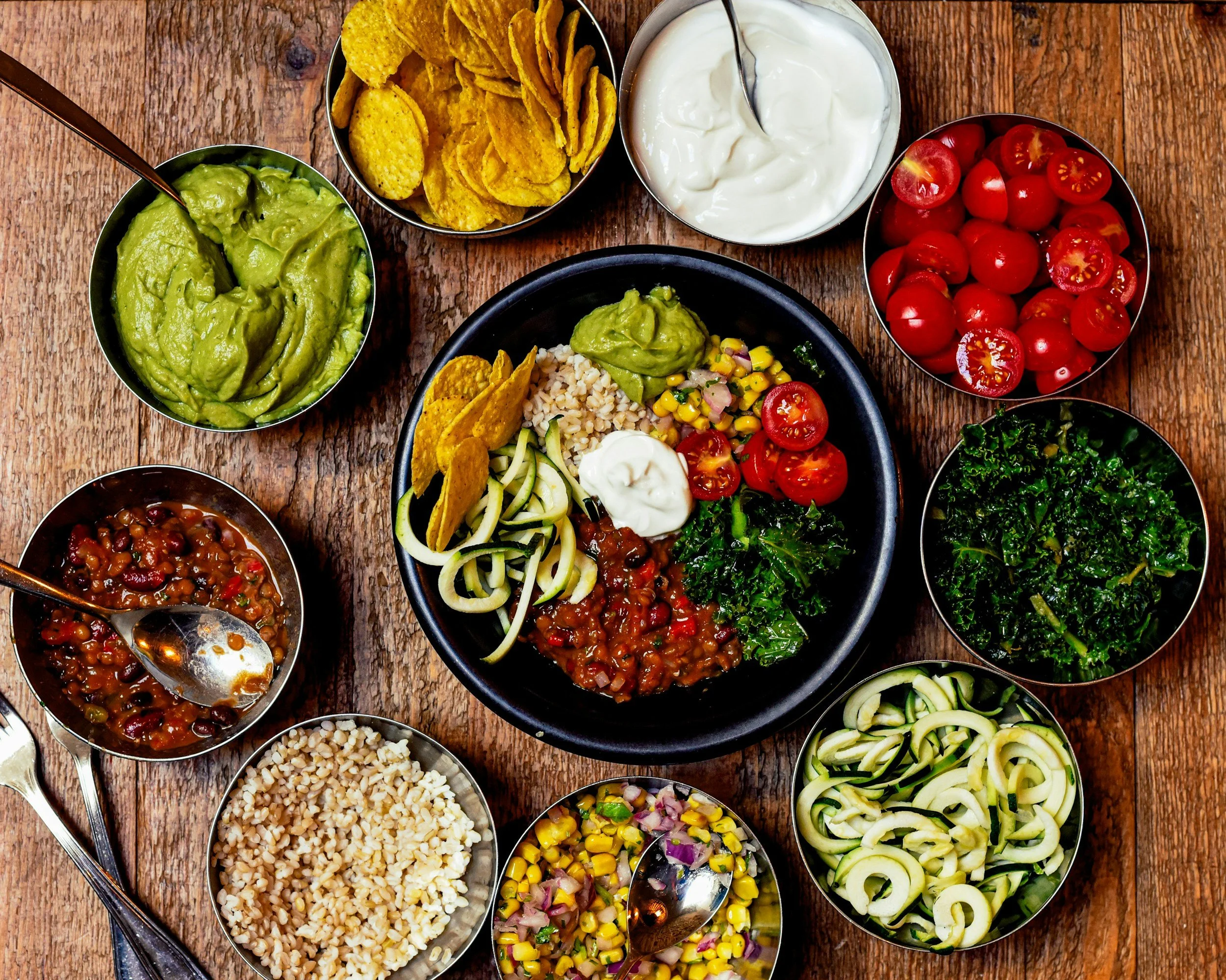
Insoluble fiber, found in whole grains, vegetable skins, nuts, and many vegetables, contributes in a different way by adding bulk to stool and helping waste move through the intestines. Most plant foods actually contain a combination of fibers, which is another good reason to include a variety of them in our meals. There's also the fascinating relationship between fiber and the beneficial bacteria living in our colon. Some fibers pass through our digestive system without being broken down by our own enzymes, but our gut bacteria can ferment them, producing substances called short-chain fatty acids. These compounds help nourish the cells lining our intestines and contribute to a healthy gut environment.
If you've been dealing with constipation or uncomfortable digestion, including more fiber-rich foods and drinking adequate water may help improve bowel regularity. There is one thing worth keeping in mind, though. If your usual diet contains relatively little fiber, suddenly switching to enormous salads and generous servings of beans can leave you feeling more bloated rather than less. Your digestive system often needs time to adjust, so beginning with smaller portions and gradually increasing the amount works better for many people. A hearty vegetable soup or a serving of cooked vegetables may also be a more comfortable place to begin than a large plate of raw vegetables.
And once again, there's plenty of room to make these foods enjoyable. Beans can become part of a flavorful soup or stew, oats make a satisfying breakfast, and whole grains add texture and substance to salads and grain bowls. Rather than thinking about fiber as something we need to add to our diets, it's much more appealing, and delicious, to discover the many wonderful foods that naturally provide it.
Protein, Balanced Meals, and Those Afternoon Cravings
While vegetables and other plant foods tend to receive most of the attention in conversations about detoxification, protein has an important role too. Our bodies use amino acids from protein to build enzymes and other compounds needed for normal metabolic functions, including some of the chemical reactions involved in detoxification. Glutathione, for example, is a substance our bodies produce from amino acids that participates in cellular protection and the processing of certain compounds. Eating adequate protein helps provide the building blocks needed for these functions, while also supporting muscle maintenance and repair, something that becomes increasingly important as we get older.
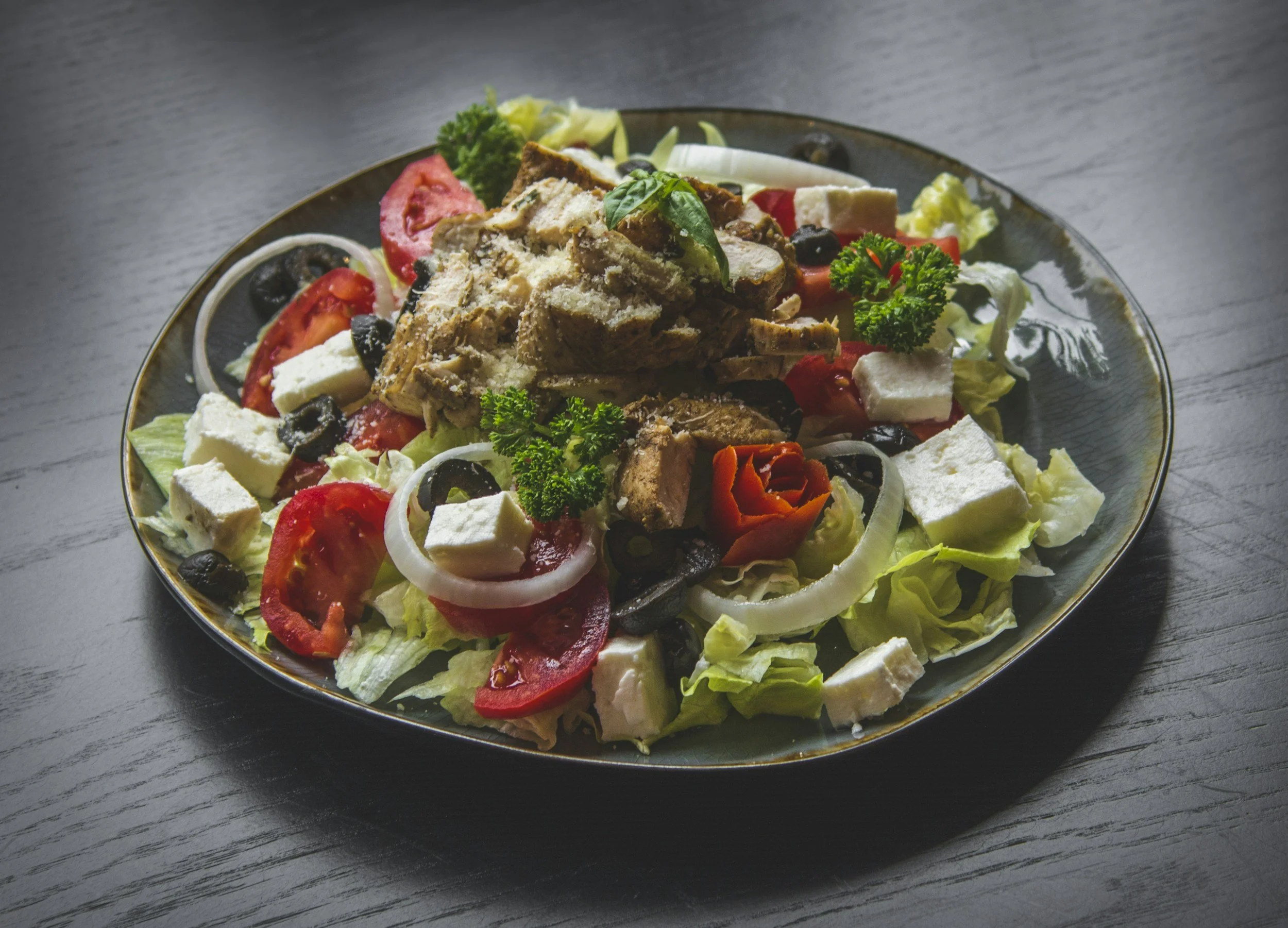
Protein also contributes to how satisfied we feel after eating, which brings us to one of the concerns that often gets people thinking about a detox in the first place. Those afternoon energy slumps and persistent cravings for something sweet can have several causes, but sometimes they're connected to the way our meals are put together. Consider a breakfast of coffee and toast followed by a small lunch consisting mostly of vegetables. Both may seem like reasonable choices, but depending on the portions, they might not provide enough protein or overall nourishment to keep us comfortably satisfied throughout the day. By mid-afternoon, we're hungry, our energy is fading, and something sweet begins to sound especially appealing.
Now imagine adding an egg or some nut butter to breakfast, then turning that small lunch salad into a more substantial meal with chicken, beans, a little brown rice, and a flavorful dressing. These aren't dramatic changes, but they create a very different nutritional balance. Protein, fiber-rich carbohydrates, and healthy fats work together to make meals more satisfying, while the combination can help moderate the rise in blood sugar after eating. For some people, that may mean feeling more comfortably satisfied between meals and experiencing fewer of those moments when they suddenly feel desperate for a snack.
Of course, cravings aren't always about hunger. Stress, fatigue, familiar routines, and the simple pleasure of eating something sweet can all play a part. Sometimes that afternoon chocolate is as much about taking a welcome break as it is about satisfying an appetite. But having meals that provide adequate nourishment gives us a useful foundation, and it becomes easier to recognize those other influences when we're not spending half the day genuinely hungry.
Healthy fats contribute to that satisfaction too. Olive oil, avocados, nuts, and seeds provide essential fatty acids and help us absorb fat-soluble vitamins, but they also bring richness and flavor to our food. A little olive oil on roasted vegetables or a sprinkle of toasted nuts over a grain bowl can make an enormous difference in how enjoyable a meal becomes. And when we're eating food that tastes good and leaves us comfortably satisfied, maintaining nutritious eating habits becomes considerably easier.

Water, Bloating, and That Stubborn Belly Fat
Water may be the simplest part of the nutrition picture, but it's essential for nearly everything our bodies do. It helps transport nutrients, regulate temperature, support circulation, and allow our kidneys to eliminate waste through urine. There's no need to drink excessive amounts in an attempt to flush toxins from our bodies, but staying adequately hydrated helps keep these systems functioning normally. It also works alongside dietary fiber to support regular bowel movements, which can be particularly helpful when constipation contributes to feelings of bloating or abdominal discomfort.
Bloating itself can be a little more complicated because it has several possible causes. Intestinal gas, constipation, food intolerances, changes in digestive motility, and even the speed at which we eat can affect how comfortable we feel after meals. Sometimes changing our food choices makes a noticeable difference, particularly when we're eating more regularly, including adequate fiber, and paying attention to how different foods agree with us. It's also possible to experience temporary bloating when introducing unfamiliar foods or increasing fiber too quickly, which is why a gradual approach often makes more sense than changing everything at once. Persistent or unexplained bloating, however, is worth discussing with a healthcare professional rather than assuming it can be resolved through dietary changes.
Then there's the concern about weight, especially around the middle. As we get older, changes in hormones, muscle mass, and activity can influence how and where our bodies store fat. This can be especially frustrating when we're eating much the way we always have but noticing that our clothes fit differently. A short period of whole-food eating may change how comfortable we feel in our clothes, particularly if bloating or water retention improves, but that's not necessarily the same as losing body fat. Over time, however, nutritious meals that provide adequate protein, fiber, and other nutrients can help us manage hunger and support healthier eating patterns, particularly when combined with regular physical activity and strength training.
It's helpful to look at all these changes together rather than focusing exclusively on what happens on the scale. Feeling comfortably satisfied after meals, enjoying more consistent energy, having better digestive regularity, and finding foods we genuinely enjoy are all meaningful benefits. And they're closely connected to the same whole-food approach that helps provide the nutrients our bodies use in their normal detoxification and maintenance processes.
Putting It Into Practice: What Five Days of Whole-Food Eating Can Offer
Understanding how food supports our health is one thing, but making those foods a regular part of our everyday meals is another. Most of us already know quite a bit about healthy eating, yet our routines don't always reflect that knowledge. Life gets busy, the seasons change, and convenience sometimes takes priority over preparing a nourishing meal. We begin relying more heavily on whatever is quick and familiar, and gradually our meals may look a little different from the way we'd really like to eat.
Spending a few purposeful days focusing on whole foods can be a pleasant way to interrupt those routines and bring some of that variety and nourishment back into our meals. There's no need to eat unfamiliar foods or follow complicated recipes. A breakfast of oatmeal topped with berries and walnuts, served alongside eggs or another source of protein, provides a satisfying combination of fiber, healthy fats, and protein. Lunch might be a hearty vegetable and lentil soup, while dinner could be roasted chicken with sweet potatoes and Brussels sprouts or a piece of fish served with brown rice and sautéed greens. These are ordinary meals made from familiar ingredients, but they offer a wonderful assortment of nutrients and can be adjusted to suit individual tastes and appetites.

Photo by Jimmy Dean on Unsplash
And because we're talking about real food, there's plenty of room to explore flavor and different ways of preparing it. Roasting brings out the natural sweetness in vegetables, fresh herbs and spices add wonderful aromas, and a little citrus can brighten a soup, salad, or grain bowl. You can use the same basic ingredients in several different meals without feeling that you're eating the same thing every day. Leftover roasted vegetables might become part of a lunch bowl, cooked chicken can be added to soup or a salad, and a batch of brown rice can accompany dinner one evening and become the foundation for another meal later in the week.
There's something satisfying about having good food available and knowing how to turn it into a meal without spending a great deal of time figuring out what to cook. When the ingredients are in the refrigerator and a few meals are already planned, it's often much easier to prepare something nourishing than to search for a convenient alternative. And after several days of cooking this way, we may find that we're getting back into a rhythm that had gradually slipped away.
Spending five days eating differently also gives us an opportunity to notice things that can be easy to overlook in our usual routines. Perhaps a more substantial breakfast leaves us feeling satisfied until lunch, or having something prepared for the afternoon makes those trips to the pantry less frequent. We may discover that our digestion responds better to certain foods or that we enjoy vegetables much more when they're prepared differently. And sometimes the most useful discovery is simply that a little advance preparation makes eating well considerably easier.
For someone who's been relying on convenience foods and wants to begin making changes, five days can provide a manageable starting point without the feeling of committing to an entirely new diet. For someone who already enjoys eating well but has gradually drifted away from familiar routines, it can be an opportunity to return to the foods and habits they know work for them. Either way, the real value is in what we learn and what we choose to carry forward once those five days are over.

Image by wirestock on freepik
Why I Enjoy a Seasonal 5-Day Whole Foods Detox
That's one of the reasons I do a 5-Day Whole Foods Detox every season. I've found that as the seasons change, I get caught up in all the activities that come with them, and some of my usual cooking and eating habits begin to slide. A few more chips here and there, a quick restaurant meal chosen more for convenience than nourishment, and before long I'm not eating quite the way I enjoy eating. None of these choices is a particular problem on its own, but I can see how easily they become part of my everyday routine when I'm busy doing other things.
Setting aside five days to concentrate on preparing and enjoying nutritious meals helps me get back into the rhythm of cooking and eating well. I appreciate having the meals planned, trying new recipes, and spending time in the kitchen preparing food that I genuinely enjoy. There's usually a recipe or two that becomes a new favorite, and I often find myself continuing with many of the same kinds of meals long after the five days are over. It's a purposeful return to the habits I value rather than an attempt to make up for anything I've eaten.
That's also the idea behind the 5-Day Whole Foods Detox I offer seasonally. The focus is on enjoying nourishing meals that provide a wide variety of nutrients to support our body's normal functions, including its natural detoxification processes. During the five days, we temporarily leave out added sugar, gluten, and dairy as part of the program's structure, while enjoying vegetables, fruits, lean proteins, legumes, gluten-free whole grains, and healthy fats. These exclusions aren't necessary for detoxification itself, and there's no expectation that everyone should continue avoiding those foods afterward. They simply provide a consistent framework for trying different foods and paying closer attention to our eating habits.
We'll enjoy three satisfying meals each day, with optional snacks when needed, so there's no fasting or surviving on juices. We'll also give some attention to hydration, sleep, gentle movement, and other habits that contribute to feeling well. The idea is to make good nutrition enjoyable and manageable, while giving ourselves an opportunity to discover what we might like to continue doing once the five days are over.
For me, the pleasure comes from spending a little time reconnecting with good food and the routines that make healthy eating easier. And because I return to it every season, there's always another opportunity to try new recipes, make adjustments, and enjoy the foods that come with the changing time of year.
A Fresh Start for the Season Ahead
With Thanksgiving and Christmas approaching, this seems like an especially nice time to have some dependable eating routines in place. The coming weeks will bring busy schedules, family gatherings, and plenty of wonderful seasonal foods, including all those Christmas cookies! I certainly don't think we need to give up our favorite holiday traditions in the name of healthy eating, but I do appreciate knowing that the meals I'm enjoying on ordinary days are providing the nourishment I need. When we have a few satisfying meals and comfortable routines to return to, there's plenty of room to enjoy special occasions without feeling that we've abandoned the way we normally like to eat.
My next 5-Day Whole Foods Detox runs November 2–6, 2026, and you're welcome to join me if the timing works for you. I'll provide the meal plans, recipes, shopping lists, and daily guidance, along with live online sessions and opportunities for support throughout the week. You'll have everything you need to enjoy five days of whole-food eating without having to spend your time figuring out what to prepare.

And if next week isn't convenient, there will be another opportunity when I offer the program next season. In the meantime, you'll find plenty of ideas to help you put what we've discussed into practice in my Resource Center: Practical Wisdom for Living Well. I've organized the resources into four areas—Nourish, Cook, Strengthen, and Restore—where you can explore everything from making nutritious meals more enjoyable to staying active, sleeping well, and finding time for rest. Whether you're looking for a new way to prepare vegetables, ideas for more satisfying meals, or ways to support your health beyond the kitchen, there's plenty to discover.
The holidays are meant to be enjoyed, and so is the food that comes with them. Having a good foundation of nourishing everyday meals gives us plenty of room for both good nutrition and all those wonderful seasonal traditions.
Let’s get cooking!
I know there are a lot of detoxes out there promising to be a miracle cure, but a 5-day whole foods detox is different because it focuses on introducing lots of healthy, nutrient dense foods into your diet rather than restricting you to a few foods and drinks.
Enjoy this recipe that is part of our upcoming Fall 2026 5-Day Detox for Beginners. It’s part of a detailed recipe guide with simple recipes and snack ideas that you’ll get with the program so you don’t even have to think about what to cook all week during the detox.
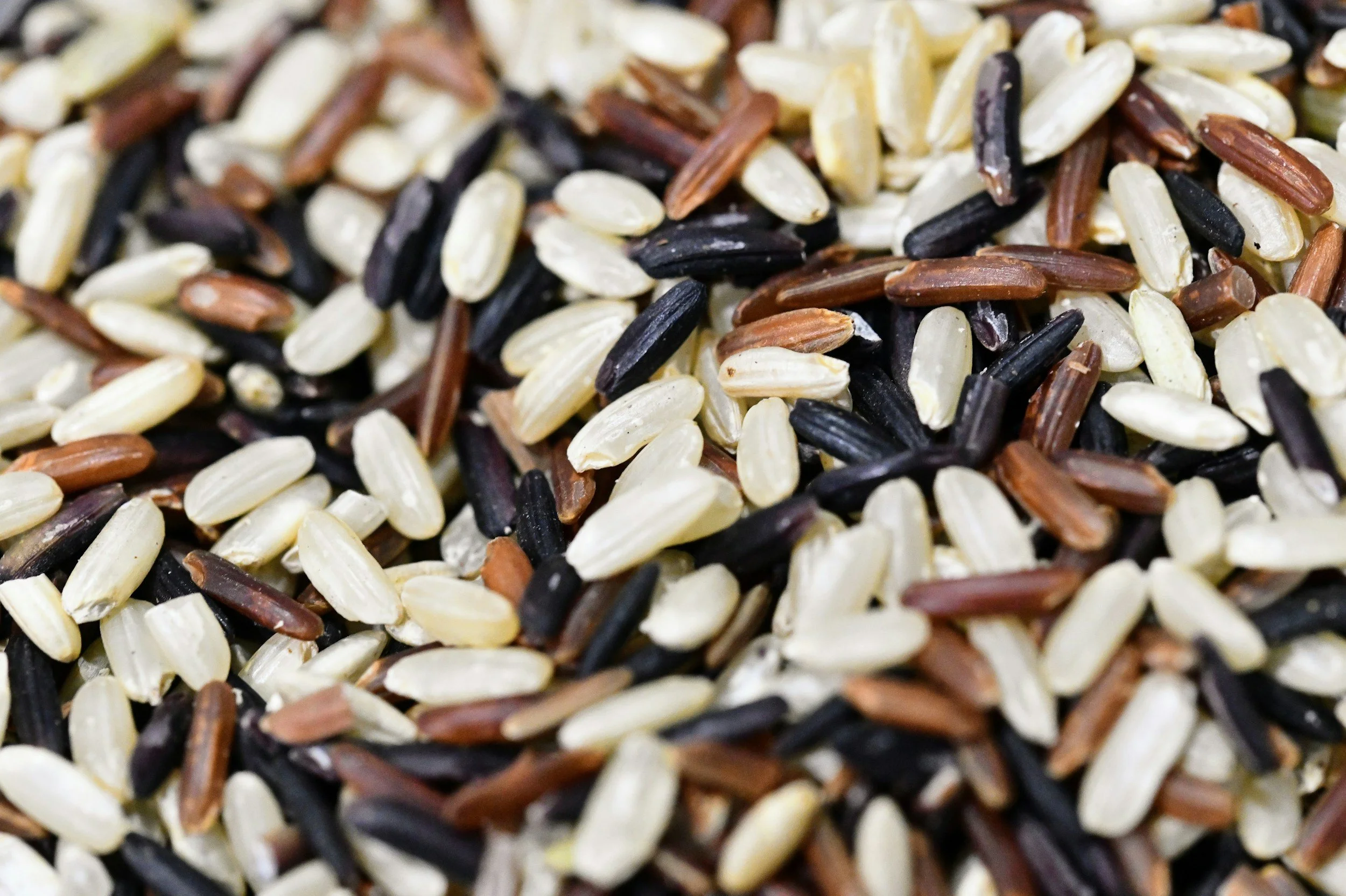
Turkey, Mushroom, Greens Bowl with Wild Rice and Roasted Squash
Get ready to enjoy a delicious and nutritious meal with this Turkey, Mushroom, Greens Bowl with Wild Rice and Roasted Squash! It’s a wonderful example of how nourishing whole foods can come together in a meal that's as satisfying as it is delicious. The roasted squash brings a lovely caramelized sweetness that balances the earthy mushrooms and slightly bitter greens, while rosemary and sage add the warm, savory flavors we associate with fall. Lean ground turkey provides plenty of protein, and the wild rice adds a pleasantly chewy texture that brings everything together.
There's plenty of nutrition in this bowl, too. The colorful vegetables provide fiber and an assortment of phytonutrients that support the body's natural protective processes, while the turkey supplies protein needed for normal cellular functions and maintaining healthy muscles. It's just the kind of meal I enjoy during my 5-Day Whole Foods Detox—full of flavor, packed with nourishing ingredients, and satisfying enough that you'll want to make it long after the five days are over.

Turkey, Mushroom, Greens Bowl with Wild Rice and Roasted Squash
Ingredients
- 3 cups peeled and cubed butternut or delicata squash
- 2 tsp olive oil
- 16 oz. ground turkey, 90% lean
- 1⁄2 cup diced onion
- 2 cloves garlic, minced
- 1 red bell pepper, diced
- 2 cups sliced mushrooms
- 2 tsp chopped fresh rosemary (or 1 tsp dried)
- 1 tsp chopped fresh sage (or 1⁄2 tsp dried)
- 3 cups chopped bitter greens (kale, dandelion, escarole, or Swiss chard)
- Salt and pepper to taste
- 2 cups cooked wild rice blend
Instructions
- Preheat the oven to 400 degrees F.
- Toss the squash cubes with 1 tsp olive oil, salt, and pepper. Spread on a parchment lined baking sheet and roast for 25 - 30 minutes until tender and lightly caramelized.
- While the squash is cooking, heat a large skillet over medium heat with the remaining 1 tsp of olive oil. Add ground turkey and cook, breaking up with a spoon, until mostly cooked, about 5 minutes.
- Add the onion, garlic, red pepper, and mushrooms. Sauté 5 - 6 minutes until vegetables are tender.
- Stir in the rosemary, sage, and bitter greens and cook for 2 - 3 minutes until fragrant and the greens are wilted. Season to taste with salt and pepper.
- Divide the squash, wild rice, and turkey mixture between three bowls and enjoy.
There you have it!
As we wrap up this journey into the world of whole foods detoxing, remember: your body is like a well-oiled machine, and it deserves only the best fuel! By nourishing yourself with wholesome, nutrient-dense foods, you’re giving your detoxification systems the VIP treatment they deserve.