
What Chefs Know About Flavor (and How You Can Use It)
If you've ever spooned cheese sauce over broccoli to persuade a child to eat it, you know how much difference a little sauce can make.😊 You might enjoy it that way yourself. While we sometimes think of it as a trick to get children to eat their vegetables, there's a good culinary reason the combination works. The salt in the cheese can soften broccoli's bitterness, the cheese adds savory flavor, and the creamy sauce brings a different texture to each bite. Together, they make the broccoli more enjoyable. You probably weren't thinking about any of that when you reached for the cheese sauce. You just knew it tasted good.
But what about those times when you're not quite sure what would make something taste better? Maybe you've followed a recipe, tasted the finished dish, and thought it needed something, but you couldn't quite figure out what. You added another pinch of salt or a little more seasoning, hoping to improve the flavor. Sometimes that works, and sometimes you're left wondering why the dish still isn't quite what you expected.
There's more to making delicious food than following a recipe. Understanding why certain flavors work so well together, and what makes a particular combination enjoyable, gives you a whole new way to approach cooking. It's knowledge you can use whether you're preparing a meal from scratch or simply trying to make something you've cooked many times taste a little better.

In "5 Easy Chef Moves That Make Plant Foods Worth Eating," we explored practical ways to bring more plants into familiar meals and make them more appealing. As the October Living Well Challenge heads into its final week, let's take that exploration a little further. This time, we'll look at why familiar flavors work so well together and how understanding those relationships can help you make grains, beans, lentils, fruits, vegetables, nuts, and seeds more enjoyable.
Getting to Know What You're Tasting
Most times, the moment you put a food into your mouth, you know whether you like it or not. You might push something aside on your plate or, if it's particularly delicious, eat it before anything else. But have you ever stopped to consider why those foods taste the way they do? Chefs do. Understanding what makes a meal enjoyable is one of their secrets. Grandma understood it too. That's why her Sunday dinner always tasted so good. That, and you didn't have to cook!
You already know a great deal about your own preferences, even if you haven't put them into words. Maybe you love the tang of vinegar in a salad dressing but have never thought about using it to perk up a pot of soup. Or perhaps you enjoy chai tea but haven't tried adding its familiar spices to roasted squash. Once you begin recognizing the flavors you enjoy and how they work together, it becomes easier to imagine them in other combinations.

The four basic tastes we learned about in elementary school—sweet, sour, salty, and bitter—along with umami, give us a foundation to build upon. A deeper understanding of them can help explain why some flavor combinations are so appealing, why others don't quite work, and what you might add to that dish that just seems to be missing a little something.
A Little Salt Can Change Everything
You might wonder why it's necessary to salt pasta water when you're going to cover the pasta with a well-seasoned sauce anyway. But the pasta is part of the dish too, and it needs its own seasoning. As it cooks, it absorbs some of the salted water, giving the pasta flavor throughout rather than just on the surface. Salting it after cooking won't give you quite the same result. When the pasta itself tastes good, it works with the sauce instead of depending on the sauce for all its flavor. Now, whether you should break the spaghetti in half before cooking—that's another story!
Salt does more than make food taste salty. It helps bring out flavors that might otherwise go unnoticed, and it can soften our perception of bitterness. If you've ever made a raw kale salad, you may have come across instructions to massage the leaves with a little salt and olive oil before adding the other ingredients. As you work the kale with your hands, the tough leaves become softer and more tender. Meanwhile, the salt can mellow your perception of kale's natural bitterness. Together, these changes make a vegetable that some people find difficult to enjoy raw much more appealing.
Salt can also change how we experience sweetness. Have you ever sprinkled a little salt on watermelon? The melon can seem sweeter, even though you haven't added any sugar. A small amount enhances the sweetness already there, while too much can overwhelm it. That's part of the pleasure of combining salty and sweet flavors. Neither has to dominate for the combination to be delicious.
And salt doesn't always have to come from the saltshaker. Ingredients such as olives, capers, cheese, and miso bring saltiness along with their own distinctive flavors. Miso, a fermented paste traditionally made from soybeans and used in Japanese cooking, is particularly interesting because it also contributes umami, a savory taste we'll explore shortly.
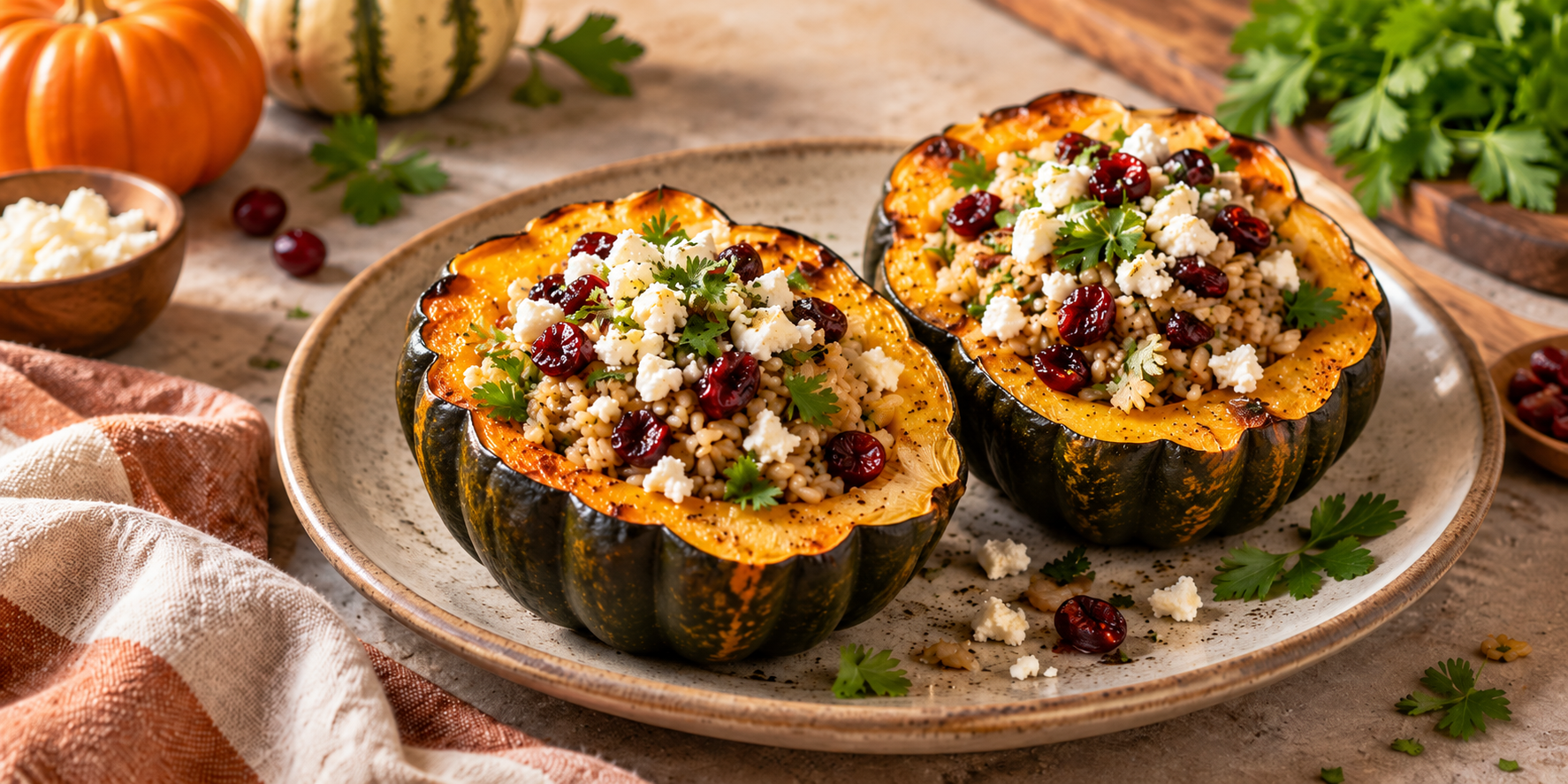
Follow me: Roasted Acorn Squash with Brown Rice, Cranberries, and Feta
Cut an acorn squash in half, scoop out the seeds, and brush the cut surfaces lightly with olive oil. Sprinkle with a little salt, then roast the halves, cut side down, until the flesh is tender and the edges begin to brown. While the squash roasts, cook some brown rice or warm up leftover rice. Toss the rice with a small handful of dried cranberries, a little olive oil, and some chopped fresh parsley. Spoon the mixture into the roasted squash halves and finish with crumbled feta cheese.
Take a bite that includes a little of everything. The squash has a gentle, natural sweetness that becomes more pronounced with roasting, while the cranberries contribute little bursts of sweet-tart flavor. The feta provides a salty contrast along with its own tangy flavor and creamy texture. The salt used to season the squash and the saltiness of the feta play different roles in the finished dish. The squash is flavorful on its own, but bringing the ingredients together creates a combination you might enjoy even more.
The Surprising Side of Sweetness
Sweetness isn't just for desserts. It plays an important role in savory cooking too, particularly when it's paired with something tart or sour. A little sugar can soften the acidity of tomatoes in spaghetti sauce, while a squeeze of lemon can make the natural sweetness of a roasted carrot more noticeable. Too much of either, though, and the dish loses its appeal. It's all about finding a balance between sweet and tart.
That's part of what makes familiar sweet-and-sour combinations, like sweet-and-sour chicken, so appealing. It's also the principle behind the Orange-Ginger Glazed Beets from last week's article. The orange contributes both sweetness and acidity to a glaze that doesn't disguise the sweet, earthy flavor of the beets. Instead, those qualities complement one another, making the combination an interesting alternative to traditional pickled beets.
Sweetness can also soften bitterness. A salad made with arugula, radicchio, or other bitter greens can have a rather assertive flavor on its own. Add some ripe strawberries and a balsamic vinaigrette, and suddenly the experience changes. The strawberries' sweetness tempers the bitterness, while the vinegar contributes a mellow tartness that keeps the salad from tasting overly sweet. The greens haven't lost their distinctive flavor, but their bitterness has become part of a combination where the different tastes complement one another.
And what about the dessert side of sweet and salty? Imagine savoring a soft, chewy date stuffed with a toasted pecan, drizzled with melted dark chocolate, and sprinkled with flaky sea salt. The date contributes sweetness, the chocolate brings some bitterness, and the salt provides contrast that makes the sweet flavors more interesting. The pecan adds its own flavor and crunch. It's a wonderful example of how several tastes can come together in a single bite, with each making the others more enjoyable.
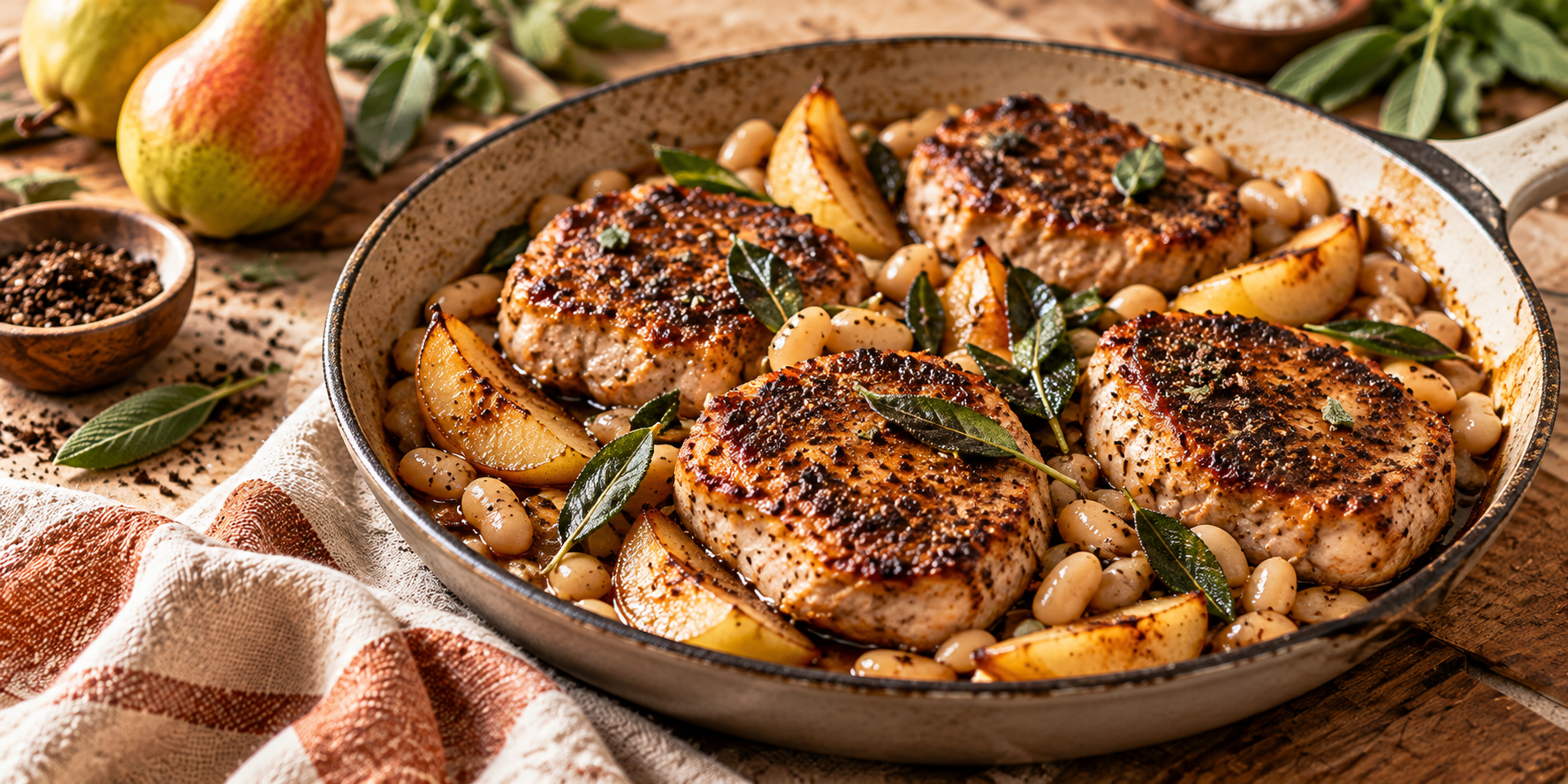
Follow me: Espresso-Rubbed Pork Chops with Pears, White Beans, and Sage
Combine a little finely ground espresso coffee with brown sugar, salt, and black pepper. Rub the mixture over four boneless pork loin chops. Heat a little olive oil in a large skillet and cook the chops until nicely browned on both sides and their centers reach 145°F. Transfer them to a plate and let them rest for at least three minutes.
In the same skillet, add a ripe but firm pear, preferably Bosc or Anjou, cut into wedges. Cook briefly until the pear begins to soften and develop a little color. Stir in a can of drained and rinsed white beans, a little chopped fresh sage, a splash of apple cider vinegar, and enough broth to loosen the browned bits from the bottom of the pan. Let everything warm together for a few minutes, then return the pork chops and any accumulated juices to the skillet.
The espresso gives the pork a slightly bitter, roasted flavor, while the brown sugar softens that bitterness and helps develop a flavorful crust. The pears bring a gentle sweetness that complements the pork, while the vinegar adds tartness to keep the combination from becoming overly sweet. The white beans absorb some of the savory pan juices and provide a creamy contrast to the tender meat and fruit. Sage brings its distinctive aroma, tying the flavors together without taking over the dish.
The Taste You Never Knew You Knew
You may not be familiar with the word umami, but you've certainly tasted it. It's the rich, satisfying quality of a good beef stock, the distinctive savory taste of Parmesan cheese, or the wonderful flavor of mushrooms browned in a skillet. It's sometimes described as meaty, although you don't need meat to experience it. Tomatoes, mushrooms, aged cheeses, seaweed, and fermented foods such as miso are all sources of umami.
Umami is the fifth basic taste, and the word comes from Japanese, where it describes a pleasant savory taste. But what exactly does savory mean? Imagine sipping a warm cup of lightly salted water and then a cup of rich beef stock. Both contain salt, but the stock has a much fuller, more satisfying flavor. There's an intensity and depth to it that the salt water doesn't have, and the taste seems to linger in your mouth. That rich, mouth-filling quality is part of what we're talking about when we describe umami. Of course, beef stock contains many other flavors and aromas as well, but umami contributes to what makes it so satisfying.
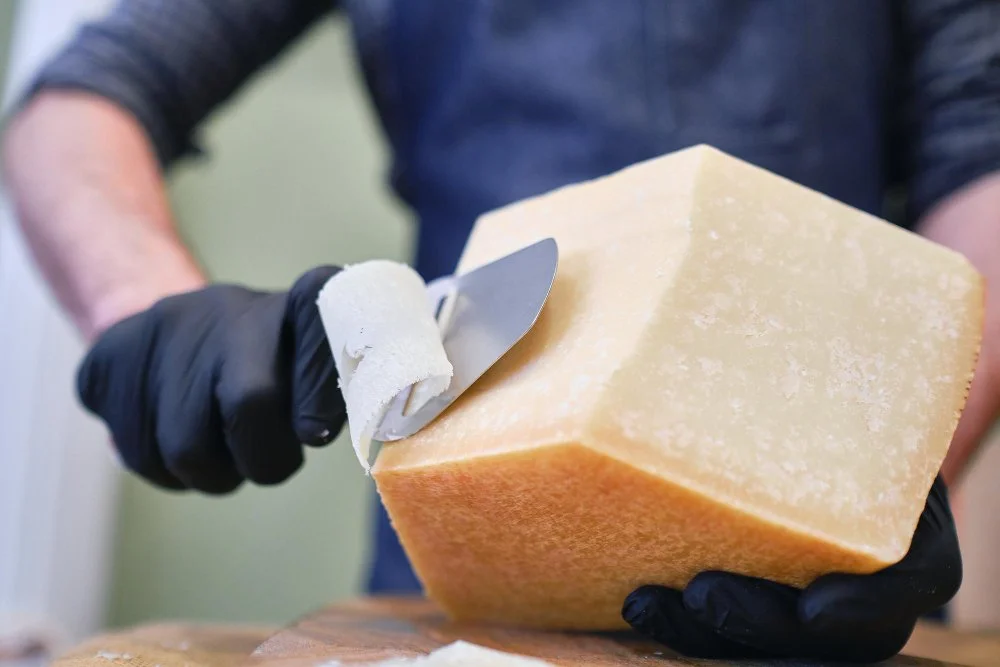
There's some interesting science behind this taste. Our taste receptors respond to naturally occurring compounds, particularly glutamate, which is found in both animal and plant foods. Certain other compounds can strengthen the sensation of umami even further when they're present together. Parmesan cheese is particularly rich in free glutamate, which helps explain its concentrated savory flavor. In fact, it's one of the richest familiar foods in this naturally occurring substance.
Have you ever wondered what gives a Caesar salad its distinctive flavor? There's a lot more happening than garlic and lemon juice. Parmesan contributes a generous amount of umami, while anchovies add both saltiness and savory flavor. Worcestershire sauce, which is made with fermented ingredients and often contains anchovies, can add even more. The lemon juice provides acidity, and the romaine lettuce contributes a little bitterness. It's practically an umami celebration, with the other tastes playing their own important roles.
The same principle helps explain the satisfying flavor of a hearty beef stew filled with potatoes, carrots, onions, and mushrooms. The beef contributes umami, while the vegetables bring sweetness, aroma, and savory qualities of their own. Mushrooms are especially interesting because some of their naturally occurring compounds can intensify the umami sensation when combined with glutamate from other ingredients. A little Worcestershire sauce can add another layer of savory flavor without making the stew taste distinctly of Worcestershire.
You don't have to rely on meat or cheese to enjoy this quality, either. Nutritional yeast, a deactivated yeast often sold in flakes, has a somewhat cheesy, savory flavor. Sprinkle a little over freshly popped popcorn and you'll understand why so many people enjoy it. It contributes something different from salt alone and can bring that same satisfying flavor to roasted vegetables, cooked grains, or a bowl of beans.
Salt and umami aren't interchangeable. Salt helps bring out flavors already present, while umami contributes its own savory taste. Something can be adequately salted and still lack that satisfying fullness. Once you recognize the difference, you have another possibility to explore when something you're cooking seems to be missing a little something.
And that's really what chefs are doing as they taste and adjust a dish. Rather than automatically reaching for more salt or another seasoning, they're paying attention to what's happening with the flavors. Is something too sharp or bitter? Would a little sweetness make it more enjoyable? Is the dish already well seasoned but missing a fuller, more savory quality? Sometimes the answer is obvious, and sometimes it takes a little experimenting. The more familiar you become with how tastes work together, the easier it is to recognize what might make a difference.
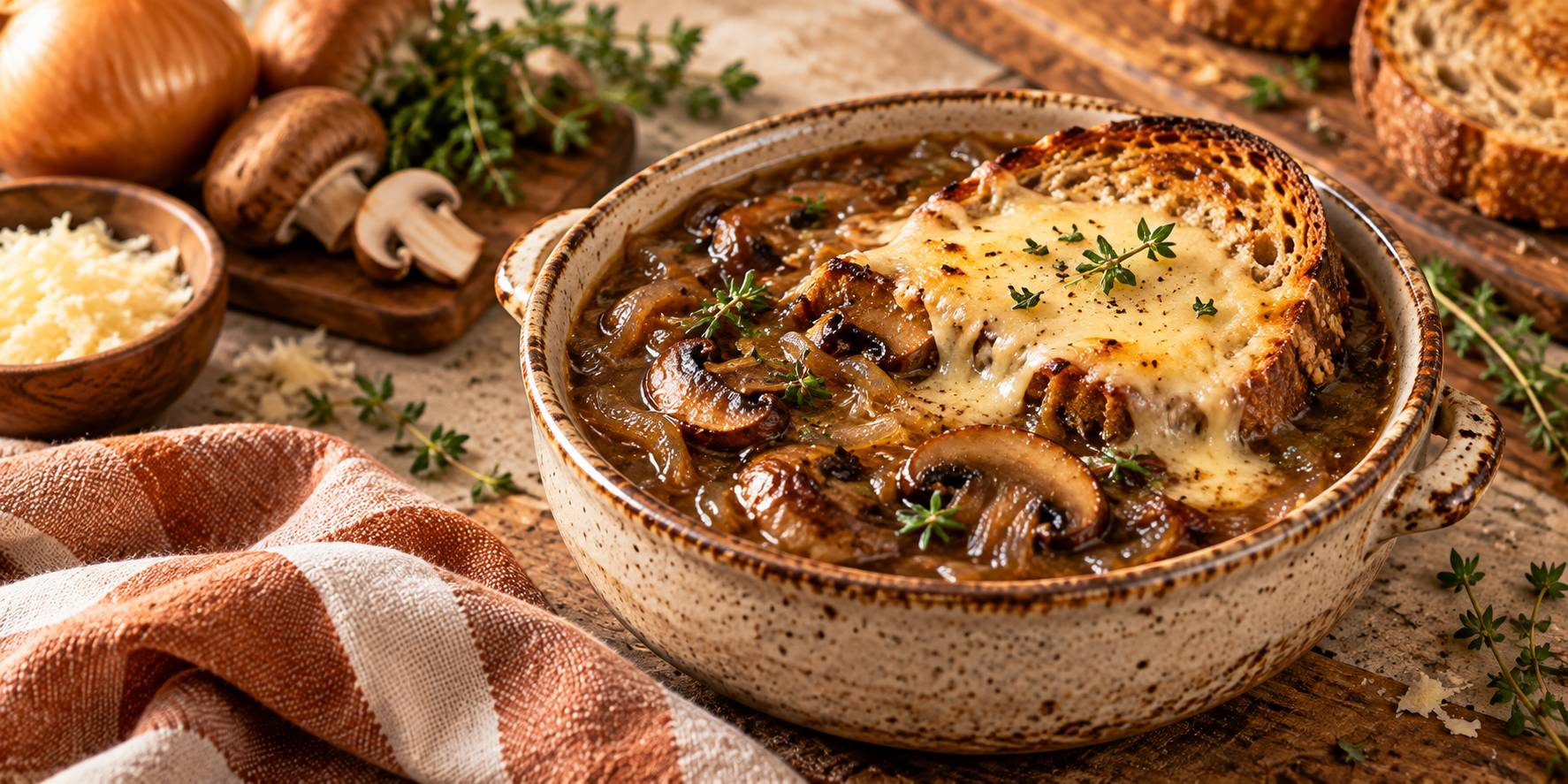
Follow me: French Onion-Style Soup with Mushrooms
Here's a delicious way to bring together natural sweetness and umami in a soup that's rich and satisfying without requiring meat.
Begin by slicing several onions and cooking them slowly in a little olive oil or butter over medium-low heat. Give them plenty of time to soften and gradually turn golden brown. As they cook, their sharpness mellows and their natural sweetness becomes more pronounced. When the onions are nicely caramelized, add sliced cremini mushrooms and continue cooking until they've released their moisture and begun to brown.
Stir in a little minced garlic, followed by vegetable broth and a sprig of fresh thyme. Let everything simmer together so the flavors have time to develop. For an extra savory note, stir in a small amount of miso, first dissolved in a little warm broth, near the end of cooking. Taste before adding more salt, since both the broth and miso may already contribute plenty.
Ladle the soup into bowls and, if you like, top each with a slice of toasted whole-grain bread and a little grated Gruyère or Parmesan.
The onions bring a deep, mellow sweetness that works beautifully with the mushrooms' savory flavor. Browning develops additional roasted aromas, while the mushrooms and miso contribute umami. A little cheese adds even more savory flavor and saltiness. It's a wonderful illustration of how vegetables can create a deeply satisfying soup when their flavors are allowed to develop and come together.
There's More to Flavor Than Meets the Tongue
Have you ever walked past a bakery and caught the aroma of freshly baked bread drifting out the door? Suddenly, you're imagining a warm slice with a crisp crust and soft center, perhaps with a little butter melting into it. You can almost taste it, even though you haven't taken a bite. You might not have been hungry when you started walking, but now you're seriously considering going inside.
Our sense of smell has a remarkable influence on how we experience food. The five basic tastes give us sweet, sour, salty, bitter, and umami, but much of what makes one food taste different from another comes from its aroma. As we chew, aromatic compounds travel from our mouths to the smell receptors in our noses, and our brains combine those sensations with what we're tasting. It's why food often seems so bland when we have a stuffy nose. We can still detect the basic tastes, but so much of what makes food interesting is missing.
Anyone who loves bacon knows there's more to its appeal than saltiness and umami. The unmistakable aroma that develops as it cooks is part of what makes it so delicious. Add a little bacon to a pot of beans or a pan of Brussels sprouts, and that aroma becomes part of the whole dish. Herbs and spices work much the same way. Cinnamon can transform a bowl of warm apples, while rosemary brings an entirely different character to roasted potatoes. Much of what we're enjoying in those combinations comes from their aromas.

Those aromas can also help us decide what we feel like cooking in the first place. You might be standing in front of your spice cabinet, wondering what to add to a pot of lentils. Open a jar of cumin and take a sniff. Does that sound good today, or would you rather have the familiar scent of oregano and basil? Neither choice is necessarily better. Sometimes we're in the mood for one combination, and the next time we make the same dish, something else appeals to us. Smelling the ingredients gives us a way to imagine the finished food before we begin cooking.
That same curiosity can come in handy when we're shopping, particularly for fruit. The fragrance of a ripe peach or melon can offer clues about its ripeness and flavor, although not every fruit develops a strong aroma. Sometimes something smells so wonderful that you begin imagining what you might make with it before you've even brought it home.
And once you're cooking, there's no reason to stop using your nose. Perhaps you're making a dressing and wondering whether fresh basil or dill would be more appealing. Smelling the herbs and tasting a little of the dressing may help you decide. Other times, you'll simply follow an aroma that appeals to you and discover a combination you hadn't considered before. It's another way your senses can help guide the choices you make in the kitchen.
Don't Be Afraid of Fat
Have you ever wondered why classic French cooking has such a love affair with butter, while olive oil plays such an important role in Italian cuisine? There's more to these traditions than simply choosing a fat to keep food from sticking to the pan. Butter contributes its own rich flavor and a smooth, luxurious quality to sauces, while olive oil brings a different character, sometimes fruity or peppery, depending on the variety. Both change how food feels in your mouth, coating ingredients and creating that satisfying sensation we often describe as richness. Fat also helps dissolve and carry some of the aromatic compounds in herbs and spices, allowing their flavors to become part of the dish.
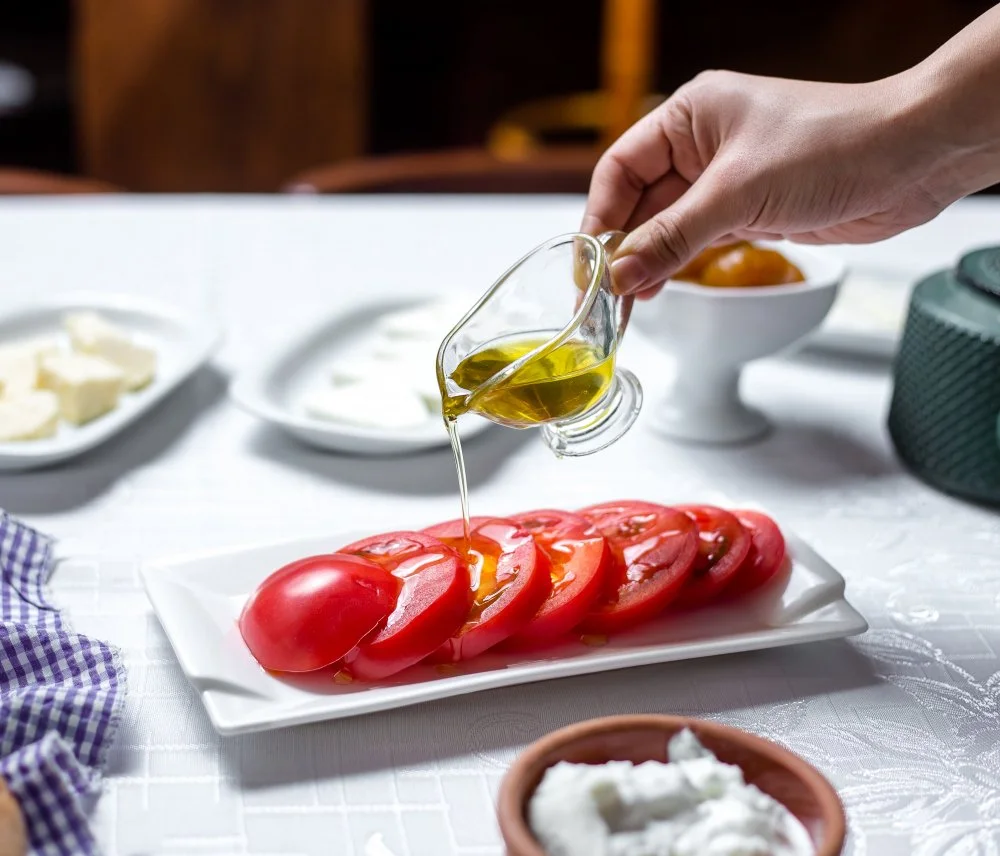
For years, many of us were encouraged to avoid fat whenever possible. Butter gave way to margarine, followed by low-fat and fat-free versions of just about everything. Through all those changing recommendations, it became easy to forget how much fat contributes to the pleasure of eating. A little butter can give cooked vegetables a lovely richness, while a drizzle of good olive oil adds its own distinctive flavor to a bowl of beans or a plate of roasted vegetables. Sometimes it's that finishing touch that makes a dish especially enjoyable.
And plenty of plant foods contain their own fats. A ripe avocado can give a dressing a smooth, creamy texture without adding any oil. Tahini, made from ground sesame seeds, can turn lemon juice and water into a rich, pourable sauce. Peanut or almond butter gives sauces thickness and a familiar nutty flavor, while coconut milk brings its own distinctive richness to curries and braised vegetables. These ingredients aren't simply substitutes for cream or butter. Each contributes flavors and textures that make the finished food enjoyable in its own way.
Of course, more fat doesn't necessarily make something taste better. A lightly dressed salad allows the flavors and textures of the vegetables to come through, while one swimming in oil can feel heavy and lose its freshness. Finding the amount and kind of fat that complements the food is part of understanding how flavors and textures work together.
Texture Makes Every Bite More Interesting
Have you ever eaten something that tasted perfectly good but felt a little monotonous after a few bites? Perhaps everything was soft, or there wasn't much difference between one mouthful and the next. Sometimes what a dish needs isn't another flavor at all. It's a change in texture.
One of the pleasures of cooking with plant foods is how many different textures they can provide. Lentils can hold their shape and remain pleasantly firm in a salad or cook down until they're soft enough to become part of a thick soup. Rice can be tender and separate, while grains such as farro and barley have a satisfying chewiness. Even vegetables that become soft when cooked can develop a wonderfully crisp exterior with the right preparation.
Coarse cornmeal is a good example. Dredge slices of zucchini or eggplant in flour, dip them in beaten egg, and coat them in seasoned coarse cornmeal before air-frying or baking. The coating becomes crisp and slightly crunchy while the vegetable inside remains tender. It's a familiar breading technique, but choosing cornmeal instead of fine breadcrumbs gives the finished food a different texture.
Wild rice offers another interesting possibility. When uncooked wild rice is heated in a little hot oil, the grains can pop open, rather like miniature popcorn. They don't become large and fluffy, but instead split and develop a light, crunchy texture. It's a fun way to turn a familiar grain into a garnish for soups, salads, or roasted vegetables.
And then there's the pleasure of foods that retain a little bite. Pasta cooked al dente has a pleasant firmness, while vegetables cooked just until tender-crisp offer their own satisfying texture. Grains can remain slightly chewy rather than becoming soft and mushy. These differences may seem small, but they influence how much we enjoy each mouthful.
Sometimes the pleasure comes from combining textures that are quite different from one another. A creamy avocado on a crispy BLT offers one kind of contrast, while tender roasted squash with chewy grains, tender apples, and crunchy pecans offers another. Even a bowl of oatmeal becomes more interesting with chewy raisins, crunchy pumpkin seeds, and a dollop of Greek yogurt. Each ingredient brings something of its own, and the changing sensations keep the food interesting from one bite to the next.
Finding More Pleasure in Every Bite
The next time you're preparing a meal, you may find yourself thinking a little differently about the ingredients in front of you. Perhaps you'll recognize that what your dish needs isn't another seasoning but a little acidity, or that something crunchy would make a soft, creamy combination more enjoyable. You might even find yourself reaching for an ingredient you've never thought to use that way before, simply because you recognize a flavor you already love.
That's part of the pleasure of becoming a more confident cook. The same understanding of flavor that guides a chef's choices can guide yours, too. You begin to recognize not only what tastes good to you, but why, and those discoveries give you more freedom to make a dish your own.
There's a wonderful variety of flavors, aromas, and textures to discover in grains, beans, lentils, vegetables, fruits, nuts, and seeds. You don't have to explore them all at once. The next time you're cooking, perhaps you'll notice why a familiar combination tastes so good, or discover something new that makes an ordinary meal more enjoyable. Pay attention to what surprises you and what you find yourself wanting to make again. Those discoveries become part of the way you cook, making the plant foods on your plate something you genuinely look forward to eating.
Let’s get cooking!
Now that you've explored some of the ways flavors and textures work together, here are two recipes that put those ideas into practice. Butternut squash risotto brings together natural sweetness and savory richness, while tiramisu chia rice pudding takes the familiar flavors of coffee and chocolate in a completely different direction. Two very different dishes, both offering something delicious to discover.
Blackened Cod with Butternut Squash Risotto
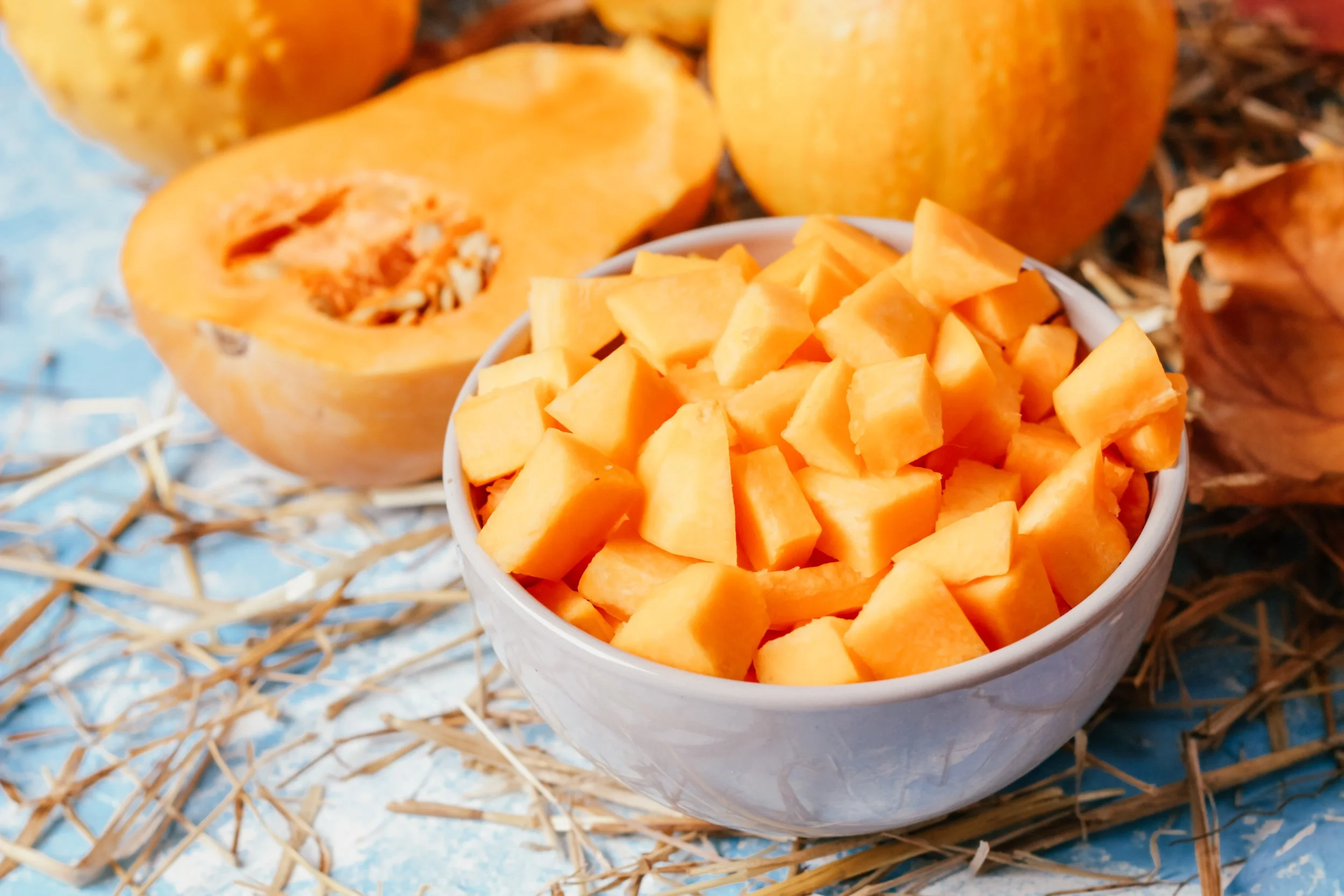
There's a wonderful interplay of flavors and textures in Blackened Cod with Butternut Squash Risotto. The butternut squash brings a mellow, natural sweetness to the creamy risotto, while Asiago cheese and stock contribute the rich, savory flavor we recognize as umami. Garlic, onion, turmeric, and fresh sage add their own aromatic qualities, giving the risotto a depth of flavor that makes every spoonful interesting.
Then there's the blackened cod, with its bold seasoning and lightly crisp crust providing a delicious contrast to the creamy rice. Even the spinach has a role, adding another plant food and a little freshness to the finished dish. It's a lovely example of how sweet, savory, aromatic, and creamy elements can come together, each contributing something different without overwhelming the others.

Blackened Cod Filet with Butternut Squash Risotto
Ingredients
- 1 cup roasted butternut squash puree
- 1-1/4 pounds boneless, skinless cod filet
- blackening seasoning
- 1 tbsp extra virgin olive or avocado oil
- 1/2 cup diced onion
- 2 cloves garlic, minced
- 1 tsp ground turmeric
- 1 cup raw arborio rice
- 1/2 cup dry white wine (optional)
- 4 cups vegetable or chicken stock
- 1/2 cup shredded asiago cheese
- 2 cups shredded fresh spinach
- 1/8 tsp ground black pepper
- salt to taste
- chopped fresh sage leaves
Instructions
- Preheat the oven to 400 degrees F.
- Cut a butternut squash into large pieces and scoop out the seeds.
- Rub the cut side of the squash with a small amount of oil.
- Bake until it is easily pierced with a fork, about 30 minutes.
- Remove and peel off the skin.
- You can mash the squash with a fork in a bowl or puree it in the food processor. Keep it warm as you prepare the rest of the recipe.
- You won't need all of the mashed squash. The remainder can be frozen.
- Note: This can be done ahead of time. You'll need to reheat it prior to finishing the recipe.
- Heat the oven to 400 degrees F.
- Generously coat the top and bottom of the cod filets with the blackening spice.
- Heat a thin layer of oil in a sauté pan over medium high heat. Add the seasoned cod to the pan with the top, rounded side down.
- Cook the filet for 2 - 3 minutes until the seasoning is crispy and lightly browned. Turn it over and cook for an additional 2 minutes. The fish should not be cooked all the way through.
- Transfer the filets to a baking dish and set aside.
- Heat the vegetable/chicken stock in a small pot and keep it warm over a low heat.
- Heat the 1 tablespoon of olive/avocado oil in a large sauce pot over medium heat. Add the diced onion and cook for about 2 minutes until it begins to soften.
- Add the garlic, turmeric, and arborio rice and cook for 3 minutes, letting the rice lightly toast. It will get very dry.
- If using, pour in the wine and let it cook for 1-2 minutes, stirring constantly until most of the liquid has absorbed. Substitute additional stock if not using the wine. Be careful as the liquid will boil vigorously when added.
- Lower the heat to medium low. Begin adding the warm stock, one ladleful at a time. Stir frequently and let the rice absorb the liquid before adding more. The liquid should be gently simmering while the rice is cooking, not boiling.
- Continue this process for about 15 minutes, or until the rice is about half way done - firm but not crunchy.
- At this point finish cooking the cod in the preheated oven. You’ll know its done when it flakes easily. This should take 4 - 5 minutes depending upon the thickness of the filets.
- When the rice is nearly done, add the final amount of stock and the shredded spinach to the risotto. Continue cooking until the rice is creamy and tender and the spinach is wilted.
- Stir in the warm, mashed roasted butternut squash, the grated Asiago cheese, and the black pepper and season to taste with salt.
- Remove the cooked, blackened cod from the oven.
- Spoon the butternut squash risotto into bowls and top with the blackened cod, a fresh grating of Asiago cheese, and a bit of chopped fresh sage.
- Enjoy!
Notes
The butternut squash in this recipe is easily replaced with pumpkin puree or any other squash variety that you enjoy such as acorn, kabocha, or Hubbard.
Traditionally, risotto is prepared with Parmesan cheese so feel free to go this route.
Finally, any fall greens can be substituted for the spinach.
Tiramisu Chia Rice Pudding
Coffee and chocolate have always made a delicious pair, and Tiramisu Chia Rice Pudding gives those familiar flavors a new home. The slight bitterness of espresso and cacao balances the sweetness of honey or maple syrup, while coconut milk adds richness and a smooth, creamy feel. A touch of cinnamon or chai spice brings another layer of aroma, and a spoonful of yogurt on top adds a pleasant contrast to the pudding.
The wild rice blend and chia seeds make the texture especially interesting, with tender, slightly chewy grains nestled in the thick, creamy pudding. It's a wonderful example of how taste, aroma, and mouthfeel come together to create something satisfying. And because you prepare it ahead of time, you can enjoy those familiar tiramisu flavors for breakfast without spending your morning in the kitchen.

Tiramisu Chia Rice Pudding
Ingredients
- 1/2 cup wild rice blend (uncooked)
- 1 cup full-fat coconut milk (from a can)
- 2/3 cup brewed espresso or strong coffee, cooled
- 1/4 cup chia seeds
- 1 tbsp cacao powder
- 1/2 tsp cinnamon or chai spice
- 2–3 tablespoons raw honey or pure maple syrup (to taste)
- 1 teaspoon vanilla extract
- Pinch of salt
- 1/2 cup yogurt or thick plant-based yogurt
- Cacao powder, for dusting
- Optional: dark chocolate shavings or berries
Instructions
- Cook the wild rice blend according to the package directions until the rice is tender and water is absorbed.
- Remove from heat and let cool for a few minutes.
- In a medium bowl, combine the cooked wild rice, coconut milk, cooled espresso or coffee, chia seeds, cacao powder, cinnamon, honey or maple syrup, and vanilla extract.
- Stir well to combine.
- Let the mixture sit for 30 minutes, then stir again to prevent clumping.
- Divide into 3 portions if desired and refrigerate for at least 2 hours, or overnight, until thick and pudding-like.
- To serve, top each with a generous spoonful of yogurt.
- Dust with cocoa powder and garnish with chocolate shavings or berries if desired.
Notes
Tips
- Adjust sweetness to taste, and add more coffee for a stronger tiramisu flavor.
- This pudding keeps well in the fridge for up to 3 days, making it perfect for meal prep.
There you have it!
The fun of cooking is that there's always something new to discover, even in foods you've been preparing for years. Follow your curiosity, trust your taste buds, and enjoy wherever they take you.