
Cook
Build skills, discover flavor, and feel more at home in your kitchen
Cooking is one of the most practical ways to care for yourself, but it can also be creative, satisfying, and deeply personal. With a few useful skills and a better understanding of how food behaves, everyday meals begin to feel less complicated and much more possible.
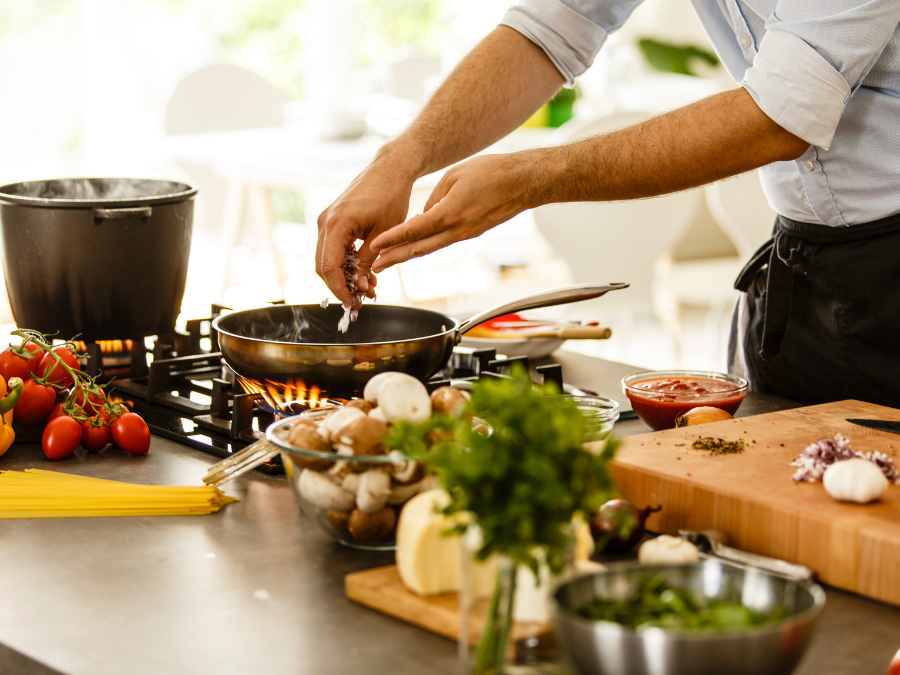
Cooking well is not about mastering elaborate dishes or following every recipe perfectly. It is about learning how to use heat, taste as you go, work with the ingredients you have, and make thoughtful adjustments along the way.
As those skills grow, so does your freedom in the kitchen. You begin to rely less on rigid instructions, trust your senses more, and create food that fits your tastes, schedule, and life.
The Foundations of Confident Cooking
Good cooking begins long before a finished meal reaches the table.
It begins with a few foundational skills: understanding heat, seasoning in layers, preparing ingredients thoughtfully, and recognizing when food is ready. These are not advanced techniques reserved for professional kitchens. They are practical tools that make everyday cooking more reliable and rewarding.
Ingredients matter, too, but not because every meal requires something unusual or expensive. A simple vegetable, grain, bean, egg, or piece of fish can become something memorable when it is cooked with care and paired with flavors that bring it to life.
My approach to cooking is grounded in curiosity rather than perfection. Recipes can offer direction, but they are also invitations to observe, taste, adjust, and learn. Sometimes you follow one closely. Other times you use it as a starting point and make the meal your own.
Cooking also belongs in real life. Some days offer time to linger over a simmering pot. Others call for a quick meal assembled from what is already in the refrigerator, pantry, or freezer. Both are worthwhile. The goal is not to cook beautifully every day, but to build enough knowledge and confidence that feeding yourself well feels more natural.
Find Your Place to Begin
You do not need to learn every technique, understand every ingredient, or cook every meal from scratch.
Begin with the area that feels most useful today. You might strengthen a basic skill, become more familiar with a food you have always wondered about, follow the rhythm of the season, or simply find something delicious to make.
Cooking Skills
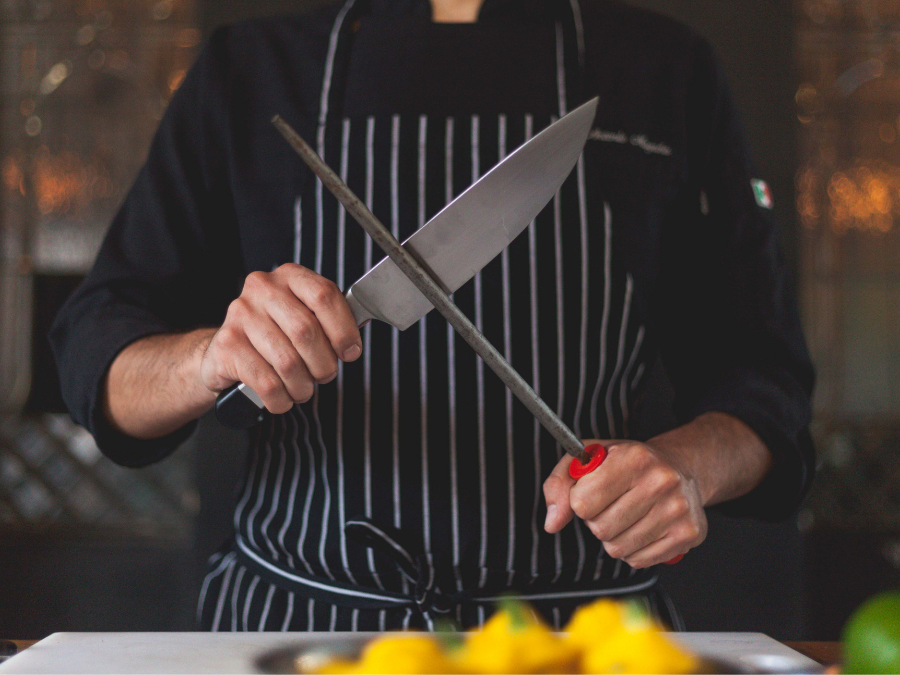
Recipes become much easier to understand when you know what is happening beneath the instructions. Terms such as sauté, simmer, roast, deglaze, or fold are not simply steps to complete. Each describes a particular way of using heat, moisture, movement, and time to shape flavor and texture.
Learning these techniques gives you more than a better result in one recipe. It gives you knowledge you can carry into the next meal. Once you understand how to properly brown vegetables, manage the heat beneath a skillet, or balance a sauce, you can use that skill again and again.
Cooking confidence grows through observation. Listen to the sound of the pan. Notice how an onion changes as it softens. Watch what happens when vegetables are crowded together or given room to brown. These small details gradually become familiar, turning cooking from a series of instructions into a process you understand.
Learn More
Learn how heat truly works in your kitchen. From burner size to pan cues, this guide helps you understand why food burns, steams, or browns—and how to adjust for better, more consistent cooking results every time.
Heat 101: Cooking Food Better Starts with Heat

Ingredients
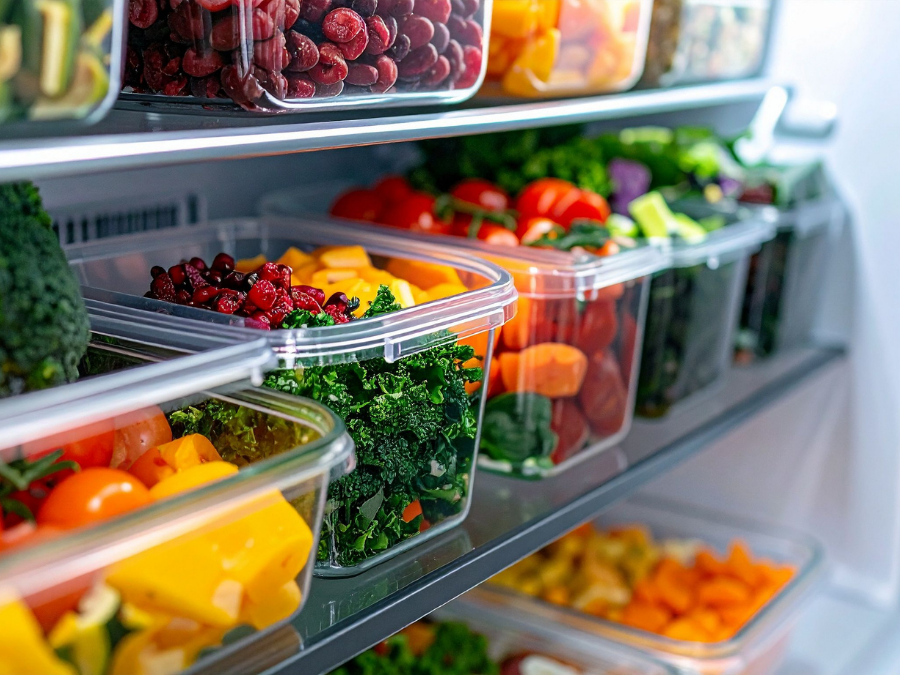
Becoming familiar with an ingredient changes the way you use it. When you understand how it tastes, how it changes with heat, which parts are useful, and what flavors complement it, that food becomes much less intimidating.
Ingredient knowledge also helps reduce waste and open new possibilities. The leafy tops, sturdy stems, peels, fronds, or leftover portions we routinely overlook may be useful in stocks, sauces, salads, pestos, or other meals. Learning what an ingredient can do often reveals more value than we first expected.
You do not need to seek out unusual foods simply for the sake of novelty. Familiar ingredients have plenty to teach us, too. Onions, cabbage, mushrooms, grains, herbs, and seasonal vegetables can behave very differently depending on how they are cut, cooked, seasoned, and combined.
The more foods you come to understand, the easier it becomes to shop with curiosity, adapt recipes, and create meals from what you already have.
Learn More
Before spices bloom and sauces simmer, the onion begins the story. Earthy, sweet, and quietly powerful, it has nourished civilizations and defined flavor in kitchens for thousands of years.
Onions: The Quiet Architects of Flavor
Seasonal Cooking

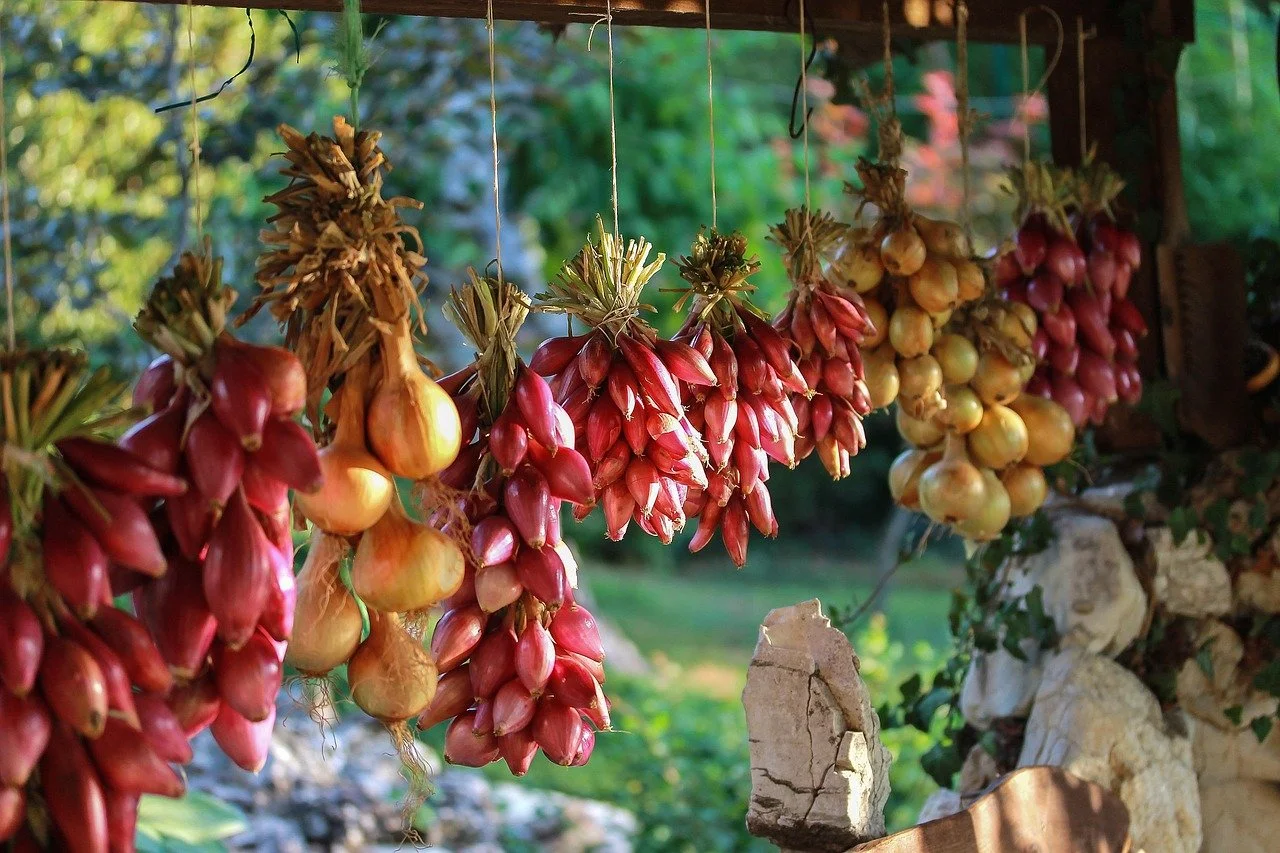
Seasonal cooking does not require rigid rules or a perfectly local kitchen. It simply begins with noticing what is fresh, plentiful, and especially flavorful at a particular time of year.
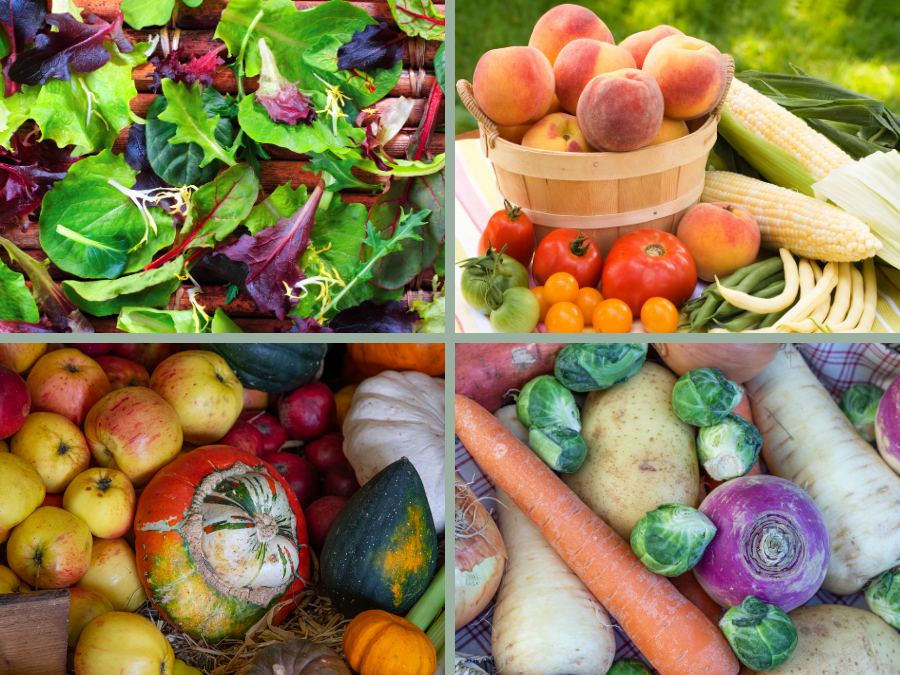
A basket of spring greens, summer squash, ripe tomatoes, crisp autumn apples, or sturdy winter roots can offer the first idea for a meal. Beginning with what is abundant often makes cooking feel more intuitive because the ingredients already bring so much flavor with them.
Seasonal foods also invite variety. They naturally change what appears on the plate throughout the year, introducing different colors, textures, cooking methods, and combinations without the need to reinvent everything at once.
There is pleasure in this rhythm. Certain foods appear briefly, become part of the meals we look forward to, and then make room for whatever comes next. Cooking with the seasons helps the kitchen feel connected to the world beyond it.
Learn More
Celebrate summer’s abundance with vibrant farmers’ market produce. From juicy stone fruits to sun-ripened squash, explore plant-forward dishes capturing the season’s freshest flavors that bring the market to your table.
A Taste of Late Summer: Bringing the Farmers’ Market to Your Table
Recipes

A good recipe offers more than a list of ingredients and instructions. It gives you a dependable place to begin while showing you how flavors, textures, and techniques come together.
The recipes here are created for real kitchens, busy days, and everyday life. Some come together quickly. Others invite you to slow down and enjoy the process. Many include opportunities to substitute what you have, adjust the flavors, or carry a useful technique into another meal.
You will find vegetables, whole grains, beans, fish, meat, fermented foods, baked goods, and plenty of flavor woven throughout the collection. The intention is not to prescribe one perfect way of eating, but to help you prepare varied, satisfying food that supports both pleasure and well-being.
Follow a recipe closely when that feels helpful. Adapt it when you are ready. Either way, every meal you prepare adds something to your experience.
Featured Recipe
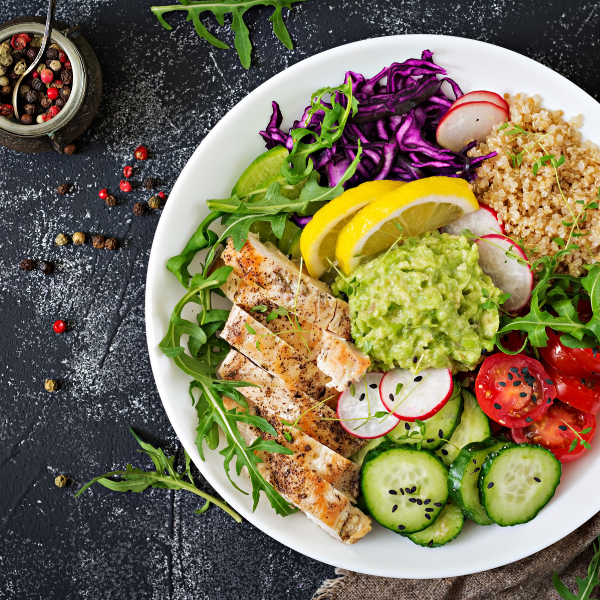
Make Your Own Buddha Bowl is a simple formula for healthy lunches using greens, grains, vegetables, protein, and healthy fats. These colorful bowls are easy to customize, meal-prep friendly, and finished with a creamy lemon tahini dill dressing.
Make Your Own Buddha Bowl

Not Sure Where to Begin?
The Healthy Aging Kitchen Guide offers a practical, encouraging place to start.
Inside, you will find a flexible approach to building balanced meals, kitchen and pantry essentials, simple meal templates, flavor-building ideas, and small habits that make cooking and eating well feel more manageable.
You do not need to change everything at once. Begin with one idea, one meal, or one small step that fits naturally into the life you are already living.
Latest Cook Articles
Find recent kitchen lessons, ingredient guides, seasonal inspiration, and recipes to bring into your own cooking.



Information is Helpful. Support Makes It Personal.
Knowing what to cook is one thing. Finding an approach that fits your tastes, schedule, skills, health goals, and everyday life is another.
Through personalized coaching, we can turn what you are learning into practical steps that help you feel more capable in the kitchen and more consistent in caring for yourself. Together, we can identify what is getting in the way, build on the skills you already have, and find changes that feel realistic enough to last.
Keep Exploring
Cooking is only one part of living well. Continue with practical guidance for nourishing your body, building strength, and making room for rest and recovery.
Nourish
Discover how food, nutrition, and everyday eating habits can support your energy, health, and well-being.

Strengthen
Support your muscles, bones, balance, and mobility through movement that helps you stay active and capable.

Restore
Make room for sleep, rest, stress support, and the everyday practices that help your body recover.
From vine to plate, tomatoes tell a flavorful story. Savor their history, culture, varieties, and recipes while finding inspiration to celebrate tomatoes in your own life.
This week’s recipes: Caramelized Tomato, Kale, & Goat Cheese Quiche and Pan-Seared Cod with Provençale Tomato Basil Relish.