
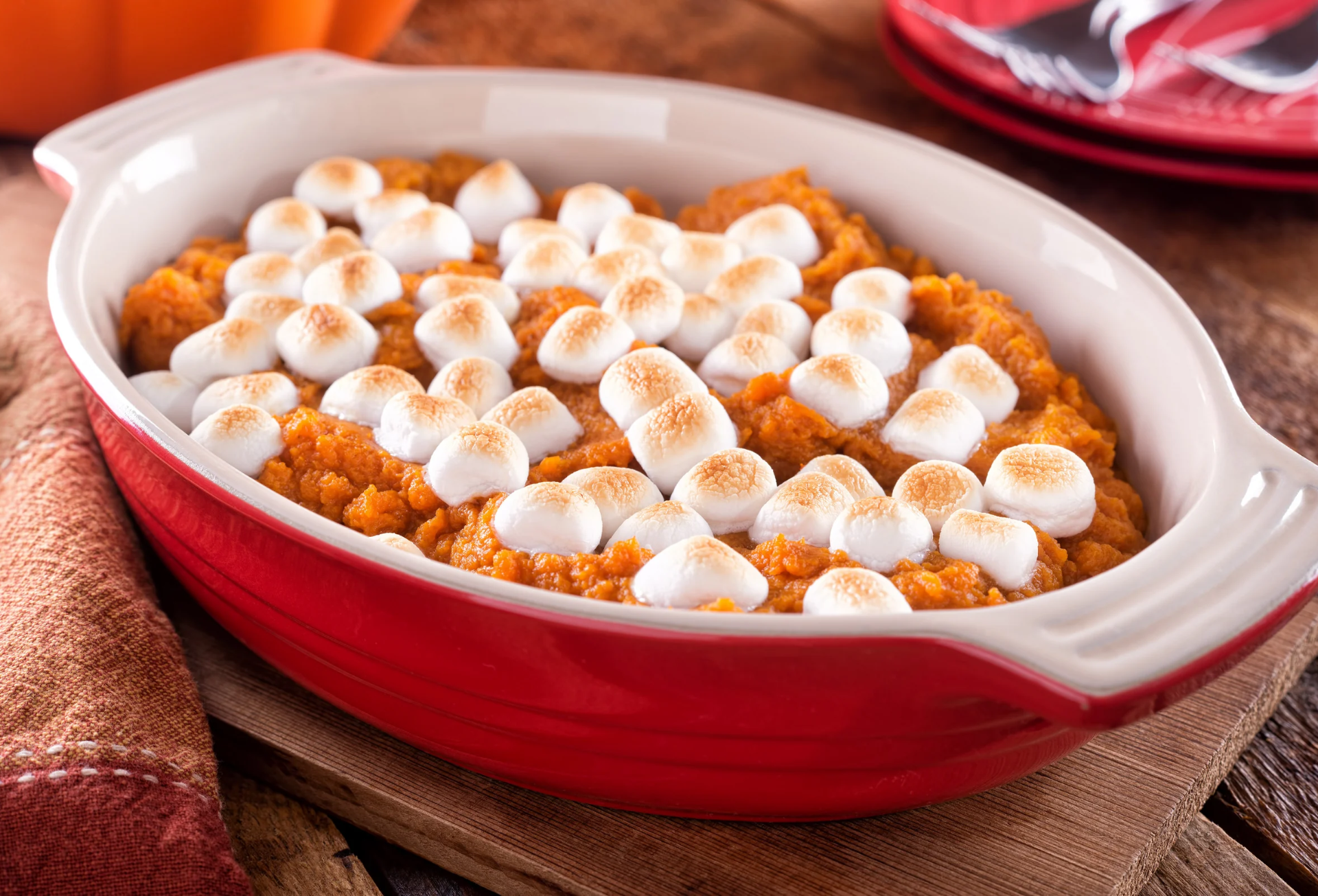
Do a google search for the top 10 foods for Thanksgiving and you’ll find the sweet potato in one way, shape, or form. From the classic candied version to the newfangled balsamic glazed sweet potato and Brussels sprouts medley you’re sure to find something that you’d enjoy. But have you ever wondered how sweet potatoes became part of our Thanksgiving tradition in the first place? It crossed my mind one morning and my curiosity was piqued. Where did it come from? How did it become such a familiar part of American cooking? And why do we call some of them yams when they're actually sweet potatoes? As it turns out, this humble root has traveled quite a distance, both geographically and culturally, and there's a lot more to it than the classic Thanksgiving marshmallow topped sweet potato casserole would have you believe.
From Ancient Americas to Global Cultivation
The sweet potato’s journey started thousands of years ago in tropical America. Indigenous peoples in parts of Central and South America–Yucatán Peninsula coastal regions, highland valleys in Peru, and Ecuadorian lowlands– grew and cultivated different varieties, using them as an important food source. Through seafaring networks and overland trade routes sweet potatoes moved into the Caribbean as well as south into Chile and Argentina. When Christopher Columbus and other explorers and traders arrived in the Caribbean, during the late fifteenth and sixteenth centuries, sweet potatoes were among the foods they encountered and eventually carried back across the Atlantic. They were introduced not only to Spain but to their colonies and trading posts around the world as well, becoming part of food traditions in many different communities.
After reaching Spain they made their way into other European countries, including England, where they were considered something of an exotic delicacy. Here's an interesting bit of history. In 1613, just seven years before the Mayflower sailed, Queen Anne's household purchased 1,200 pounds of sweet potatoes for everyday meals and special entertainments. That seems like an astonishing quantity, especially considering how expensive they were at the time. English cooks were already preparing sweet potatoes in pies, tarts, and other sweetened dishes. Apparently, our fondness for combining sweet potatoes with sugar and spices has a much longer history than we might imagine.
But that doesn't mean sweet potatoes were part of the meal we've come to call the first Thanksgiving. When the Wampanoag people and English colonists gathered for a harvest celebration in Plymouth in 1621, sweet potatoes were probably not on the menu. The surviving accounts mention venison and wildfowl but give few details about the rest of the food. Although sweet potatoes were known in England by then, they weren't part of the everyday English diet, and there's no historical evidence that they were served at the gathering. Just because sweet potatoes were being cultivated elsewhere in the Americas doesn't mean they were familiar to the Wampanoag people of coastal New England or the English colonists who settled there.
So how did they become such a familiar American food?
The African American Influence
True yams have been an important part of West African food cultures for generations. When Africans were forcibly brought to the Americas through the transatlantic slave trade, they brought their knowledge of growing, preparing, and cooking a wide variety of foods. Many were familiar with yams, which are starchy tropical tubers quite different from the sweet potatoes already growing in the Americas. True yams were not commonly available in mainland North America, but sweet potatoes offered some familiar qualities and could be prepared using cooking methods that people already knew. The connections went beyond the kitchen, too. Words resembling nyam, meaning to eat, are found in several West African languages and are part of the history of the English word yam.
In the kitchens and gardens of the American South, enslaved Africans and their descendants helped shape a distinctive food culture, drawing on African culinary knowledge, local ingredients, and the European cooking traditions developing around them. Sweet potatoes became part of that story, prepared in simple ways such as roasting and mashing, as well as in dishes like sweet potato pone, a dense baked preparation that might be sweet or savory. Over generations, African American cooks also developed their own versions of sweet potato pies, puddings, and candied sweet potatoes, combining familiar ingredients and techniques in ways that became part of Southern food traditions. By the nineteenth century, these dishes were appearing in American cookbooks and gradually becoming associated with holiday meals far beyond the communities in which many of them had developed. One particularly surprising addition came in 1917, when the Angelus Marshmallow Company published a recipe for mashed sweet potatoes topped with marshmallows. It was part of a marketing effort to encourage Americans to use marshmallows as an ingredient in everyday cooking. What began as a commercial promotion eventually became a beloved Thanksgiving tradition.
And one last bit of American food history seems worth mentioning. George Washington Carver, best known for his work with peanuts, was also an enthusiastic researcher and promoter of sweet potatoes. Working at Tuskegee Institute in Alabama during the early twentieth century, he explored ways farmers and families could make greater use of this versatile crop. His publications included instructions for preserving sweet potatoes, making sweet potato flour and starch, and preparing a remarkable assortment of dishes. His 1922 bulletin, How the Farmer Can Save His Sweet Potatoes and Ways of Preparing Them for the Table, is a reminder that finding new uses for familiar ingredients is hardly a modern idea. Carver was encouraging people to do exactly that more than a century ago.
This fascinating history is a familiar story that shows how foods develop identities of their own as they move between people and places. For the sweet potato, indigenous agricultural knowledge, European cooking practices, African American culinary traditions, Southern farming, and even twentieth-century food marketing have all played a part in the familiar dishes we enjoy today. Not all of those influences came together under happy circumstances, and that deserves to be acknowledged–but the knowledge, creativity, and traditions that people carried forward are also worth recognizing and appreciating.
So, Are They Sweet Potatoes or Yams?
That question is another little piece of the sweet potato's history, and the answer might surprise you. Most of the orange-fleshed vegetables labeled "yams" in American grocery stores aren't yams at all. They're sweet potatoes (Ipomoea batatas), which belong to the morning glory family. The part we eat is the large root, and thousands of years of cultivation and selection have produced the many varieties we have today. True yams belong to an entirely different plant family, Dioscoreaceae, and are grown in many tropical regions, particularly in Africa, the Caribbean, and Asia. They tend to have rough, sometimes bark-like skins and starchier flesh. Some grow considerably larger than any sweet potato you'd find in the supermarket.
The resemblance between sweet potatoes and familiar African yams, as well as their early cross-cultural cooking in Southern kitchens, helped connect the two names in American cooking. But the widespread commercial use of "yam" for orange-fleshed sweet potatoes developed much later during the twentieth century when Louisiana growers began using the term to distinguish their softer, sweeter varieties from the firmer, paler sweet potatoes already on the market. The term was already familiar in parts of the South, and it was a useful way to market a different kind of sweet potato. The distinction caught on, even though the two plants aren't botanically related. Today, USDA labeling rules require sweet potatoes marketed as yams to also be identified as sweet potatoes. Look closely at that can of holiday yams and you'll probably find the words "sweet potatoes" somewhere on the label.
One Potato, Two Potato, Three Potato…More!
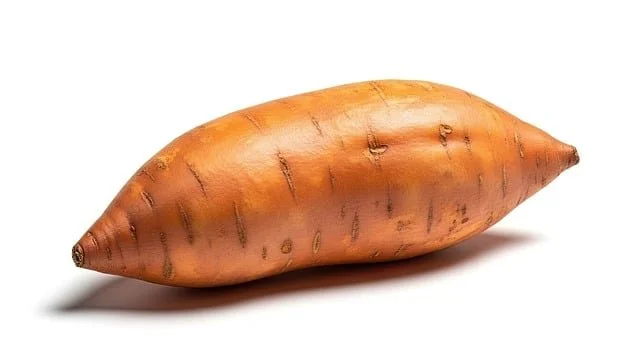
Send someone to the store for sweet potatoes and they’ll probably return with the familiar orange-fleshed kind that’s naturally sweet and wonderfully versatile. The selection has expanded in grocery stores, though, and now you may find sweet potatoes with purple skins, white flesh, and even deep purple interiors. These different varieties can have a surprising array of flavors and textures, from moist and creamy, to firm, dense, or almost fluffy. It’s these differences that can influence how you use them in the kitchen.
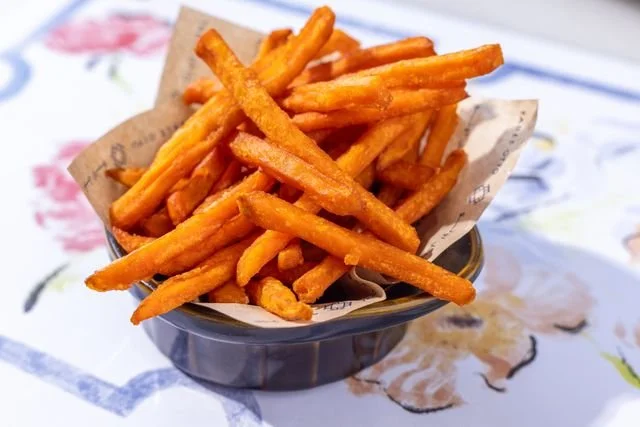
The orange-fleshed sweet potatoes most of us recognize include varieties such as Beauregard, Jewel, and Covington. These are the sweet potatoes that become soft and moist when baked, making them ideal for mashing, puréeing, and adding to soups or baked goods. They're also excellent roasted, especially when you let the cut surfaces develop a little color. Their natural sweetness works beautifully with cinnamon and nutmeg, but don't overlook savory seasonings. Smoked paprika, garlic, cumin, rosemary, and chile all offer interesting contrasts to that sweetness.
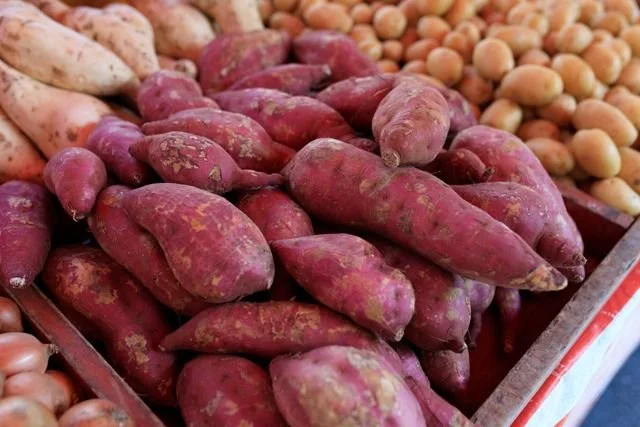
Boniato, sometimes called a Cuban or tropical sweet potato, is quite different. In terms of flavor and color it falls somewhere between a baking potato and a sweet potato. It generally has reddish-purple skin and white or cream-colored flesh that's firmer, drier, and less sweet than the orange varieties. The flavor is mild and pleasantly nutty, sometimes compared to chestnuts. It can be roasted, boiled, mashed, or paired with bright sauces such as garlic-citrus mojo. Because the flesh is naturally drier, a little olive oil or another source of moisture can improve the finished texture.
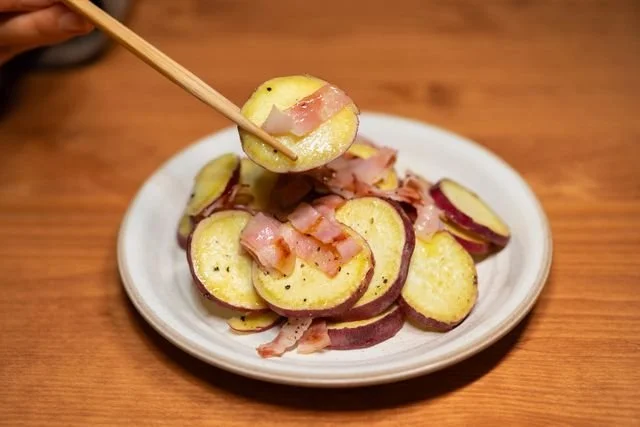
Then there are Japanese-style sweet potatoes, often recognizable by their reddish-purple skins and pale yellow or cream-colored flesh. Murasaki is one variety you may find in American stores, although several different sweet potatoes are grown and enjoyed in Japan. These tend to be dense and somewhat starchy, with a nutty sweetness that becomes especially pronounced when they're baked whole. Rather than becoming soft and almost pudding-like, as an orange sweet potato might, the flesh is often tender and fluffy. They're wonderful eaten straight from the skin, perhaps with just a little butter or salt, although they certainly don't need much embellishment.
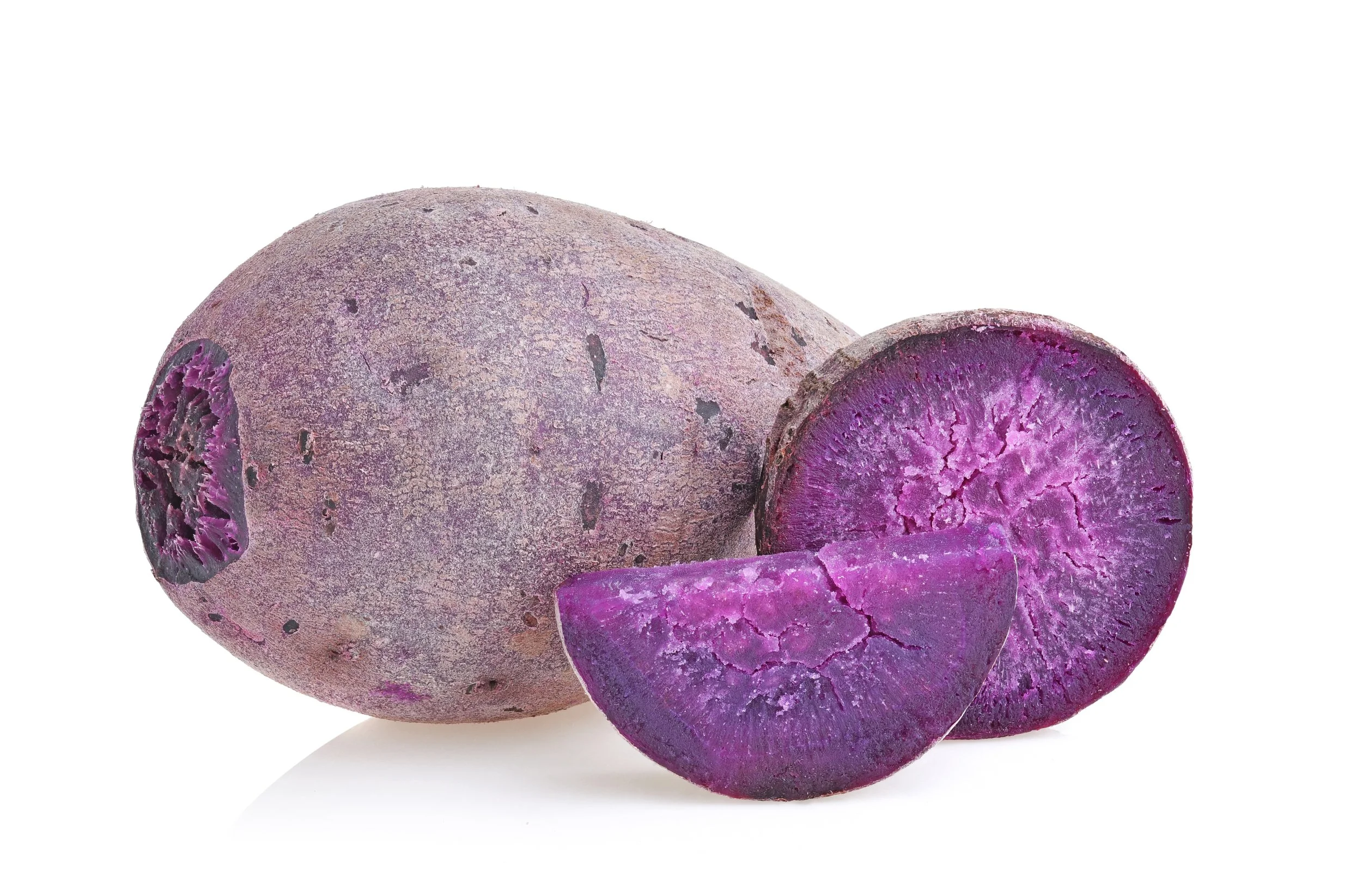
Purple-fleshed sweet potatoes are another interesting discovery. Varieties such as Stokes Purple have richly colored flesh that retains much of its striking color after cooking. Okinawan sweet potatoes are also known for their purple interiors, although they aren't necessarily the same variety. These sweet potatoes tend to have a denser texture and may take longer to cook than their orange counterparts. Their deep color makes them particularly attractive in roasted dishes, purées, and even baked goods, and the flavor can be surprisingly different from what you'd expect by looking at them.
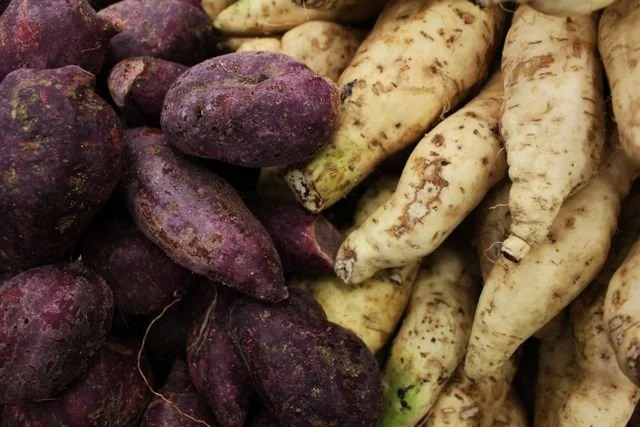
You may also encounter white- or cream-fleshed varieties such as Hannah and O'Henry. These are generally milder in sweetness and often firmer in texture, making them appealing when you want something that behaves more like a regular potato. They're good candidates for savory gratins, roasted wedges, or dishes with strongly flavored sauces.
One thing worth remembering when you're shopping is that skin color doesn't necessarily tell you what's inside. A sweet potato with purple skin might have white, cream, or purple flesh, depending on the variety. If the store identifies them by name, that's usually a better guide than appearance alone. And if you're unfamiliar with a particular variety, buying just one or two to experiment with is a good way to discover what makes it different.
How the Rest of the World Enjoys Sweet Potatoes
Sweet potatoes didn't stop traveling once they reached Europe and North America. They continued to find their way into different cultures, where cooks adapted them to local ingredients and traditions. What is especially interesting is how differently people treat their natural sweetness. In some places, sweet potatoes are a dessert or snack. In others, they're a substantial part of a savory meal. Sometimes they're barely seasoned at all, allowing the flavor of the sweet potato itself to take center stage. Exploring some of these traditions offers a wonderful reminder that there's no single right way to enjoy them.
Japan - Yaki Imo
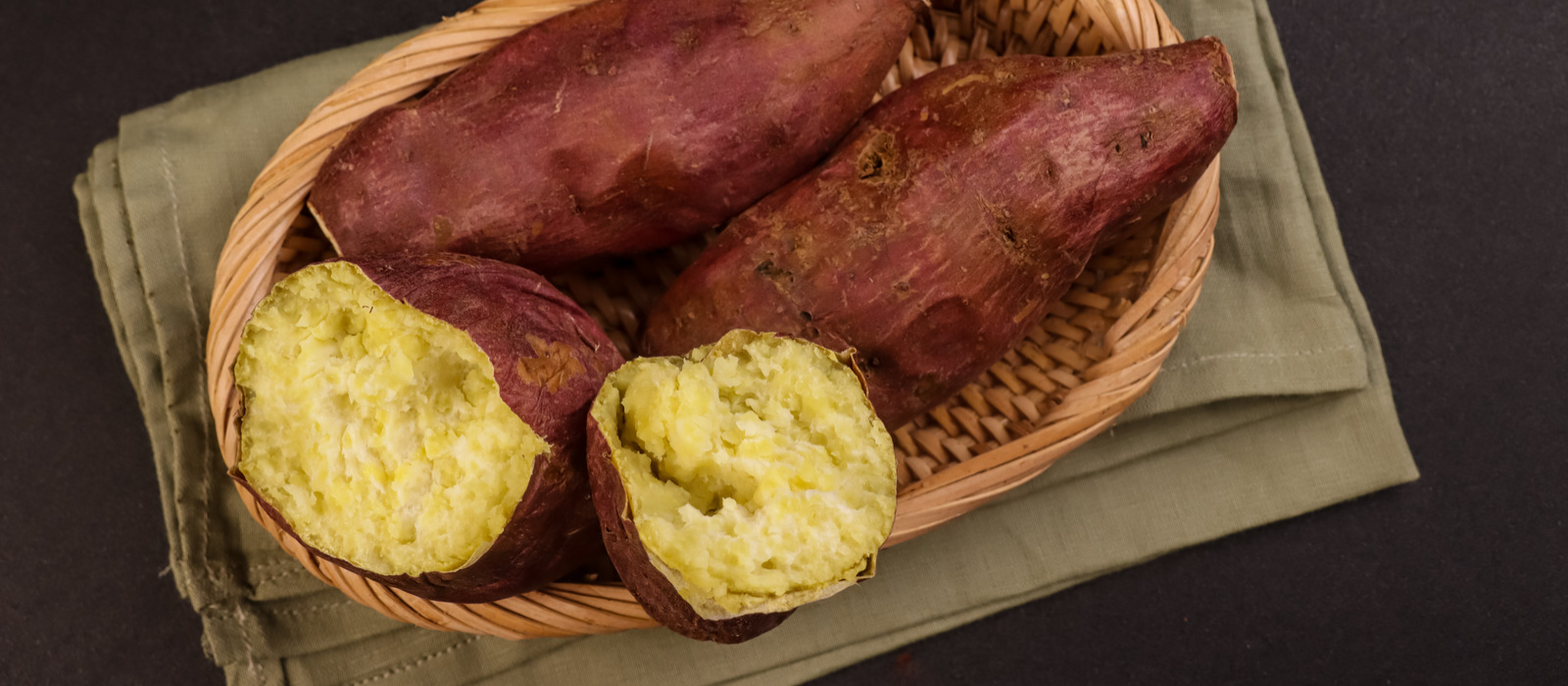
Roasted sweet potatoes, called yaki imo, are a beloved cool-weather food. Traditionally sold by street vendors, they're often cooked slowly until the interior becomes tender, fragrant, and wonderfully sweet. There's no elaborate sauce or seasoning involved, just the sweet potato and the heat that transforms it. Nami at Just One Cookbook shares how to prepare yaki imo at home, including the slow-baking method that helps develop their sweetness.
Korea - Goguma-bap
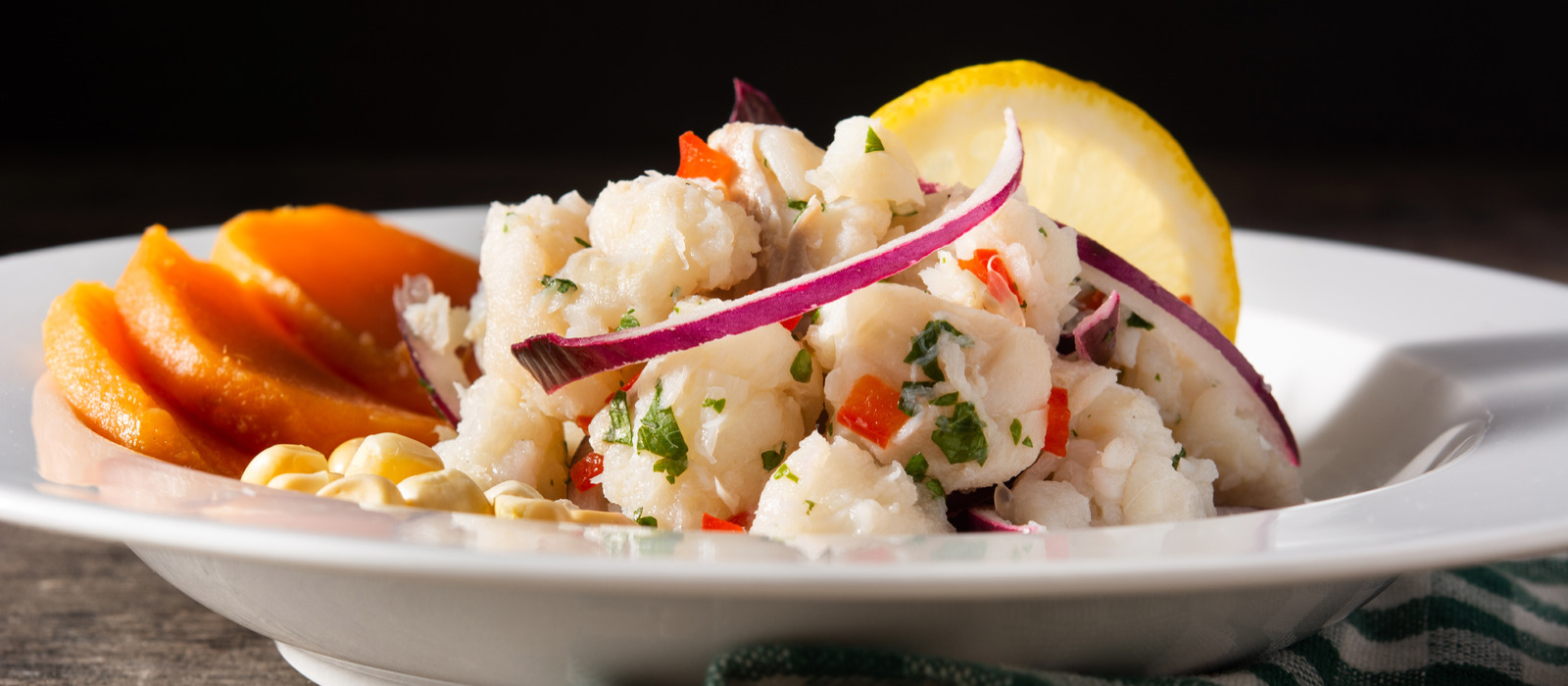
Sweet potatoes, or goguma, are enjoyed roasted, steamed, and in a variety of other preparations. Goguma-bap, is a simple dish with a combination of sweet potatoes and rice cooked together. The sweet potatoes lend their flavor to the rice, creating something that can be enjoyed as part of an everyday meal. Korean cook Maangchi shares her family's version of sweet potato rice, along with childhood memories of watching her grandmother prepare it.
Cuba - Boniato Mash with Mojo
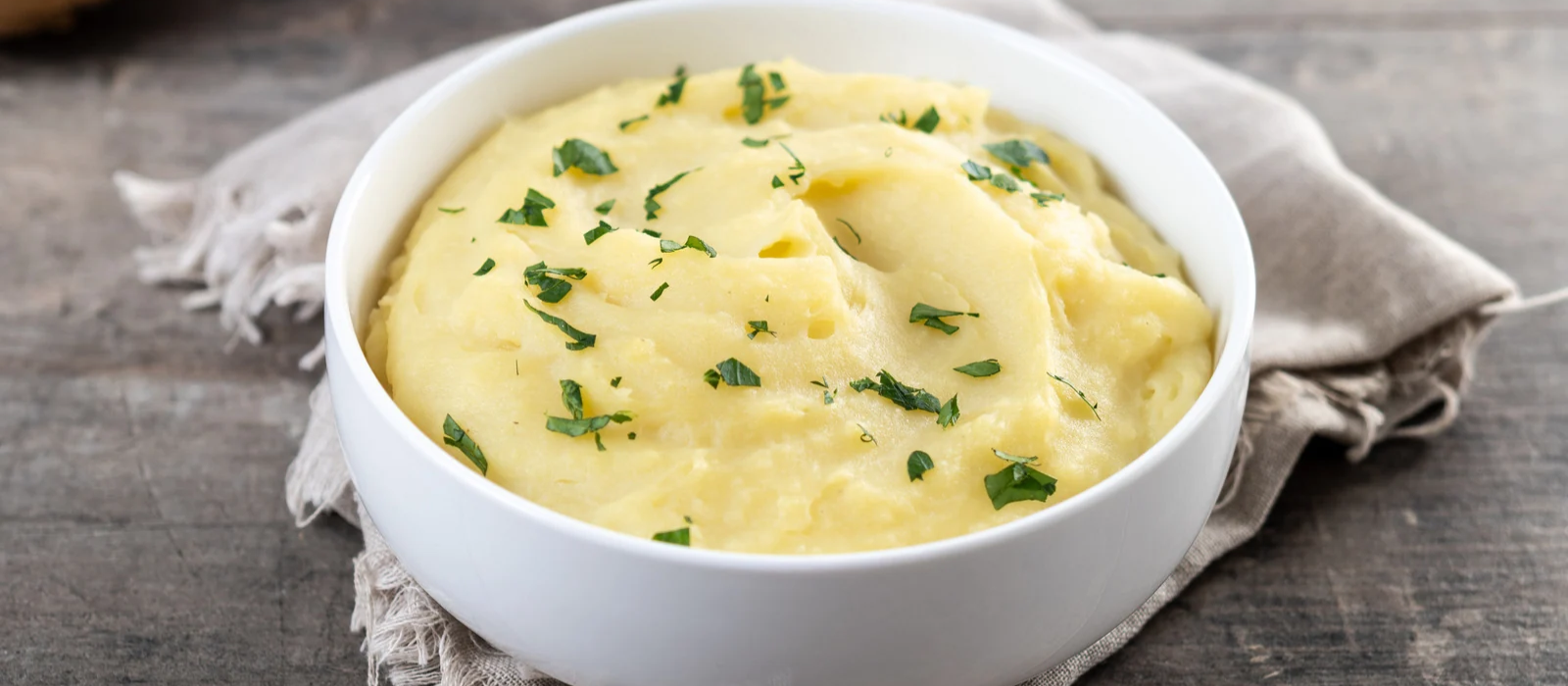
Boniato is a familiar ingredient in savory cooking. Its mild flavor and firm texture make it an excellent partner for mojo, a lively sauce of garlic, citrus, and oil. The combination is a nice change from the cinnamon-and-brown-sugar flavors we often associate with sweet potatoes. Chef Michelle Bernstein's Boniato Mash with Mojo is one example of how this less-sweet variety can be used.
Peru - Camote with Ceviche
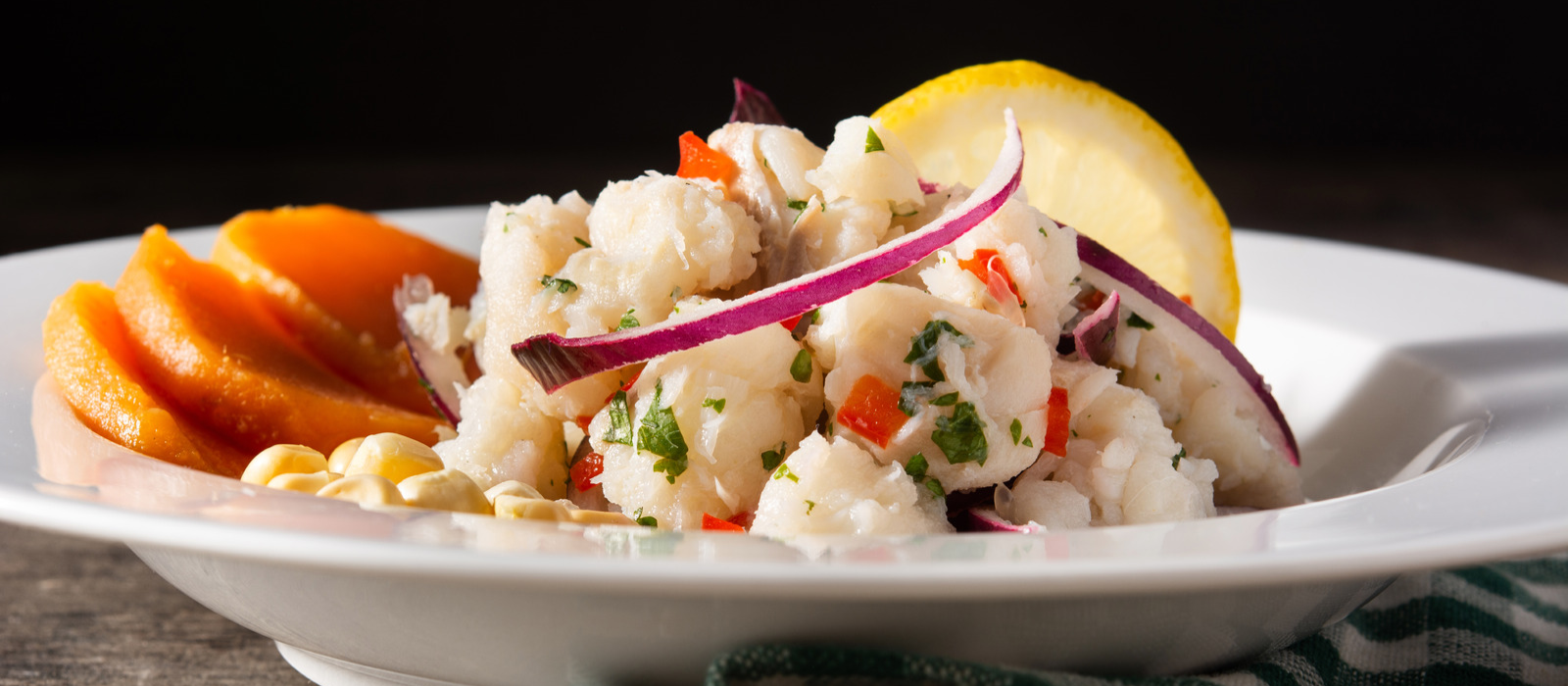
Sweet potatoes, known as camote, frequently accompany ceviche. The sweetness of the cooked sweet potato provides a gentle contrast to the sharp citrus, chile, and salt used to prepare the seafood. It may seem like an unusual pairing if you're accustomed to eating sweet potatoes as a holiday side dish, but the flavors make sense together. You can see how they're used in this traditional Peruvian ceviche recipe.
West Africa - Mafé
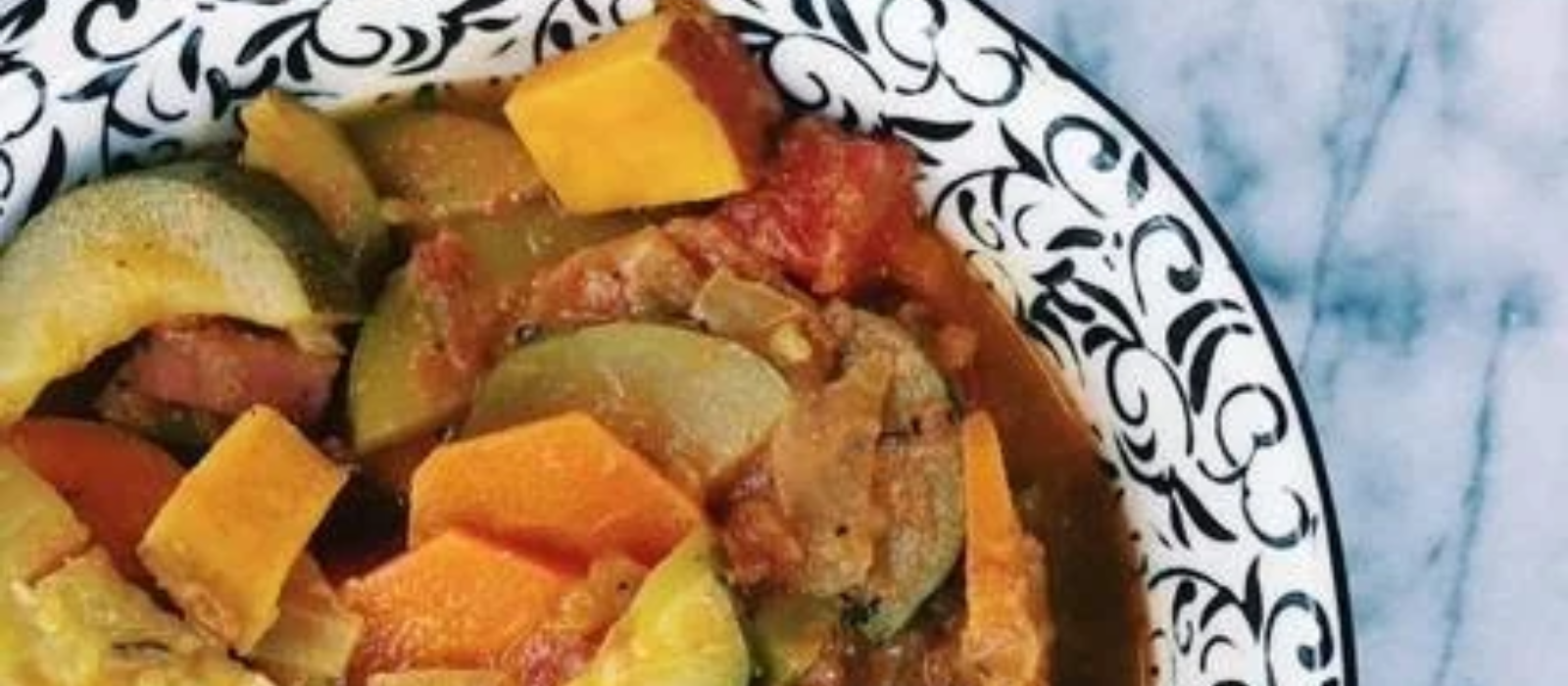
And in parts of West Africa, sweet potatoes can be included in hearty peanut-based stews. Mafé, a dish associated especially with Senegal and neighboring countries, combines a rich peanut sauce with vegetables and sometimes meat or fish. Sweet potatoes are one of several vegetables that can be used, contributing both substance and a little natural sweetness to the savory sauce. Oldways includes a Sweet Potato and Peanut Stew in its African Heritage food program, offering an accessible way to explore this combination.
These are only a handful of the ways sweet potatoes are enjoyed around the world. The recipes themselves are worth exploring, but it’s also interesting to see how the same ingredient takes on a different role depending on the other foods and flavors surrounding it. A sweet potato doesn't have to be the sweet part of the meal. It can be the ingredient that balances something acidic, spicy, salty, or rich.
New Ways to Enjoy Sweet Potatoes
You don't need to follow a recipe from another country to start using sweet potatoes differently. Sometimes all it takes is changing the seasoning, pairing them with an unfamiliar ingredient, or using a different cooking method. Their natural sweetness makes them especially good with bold savory flavors, and their different textures offer possibilities that go well beyond mashing and baking.
Here are a few dishes that might get you thinking about sweet potatoes in a different way.
Sweet Potato and Black Bean Tacos. Roast diced sweet potatoes with cumin, smoked paprika, and chile, then tuck them into warm tortillas with black beans, crunchy cabbage, avocado, and lime crema. The contrast between sweet, smoky, creamy, and tangy flavors makes this especially satisfying.
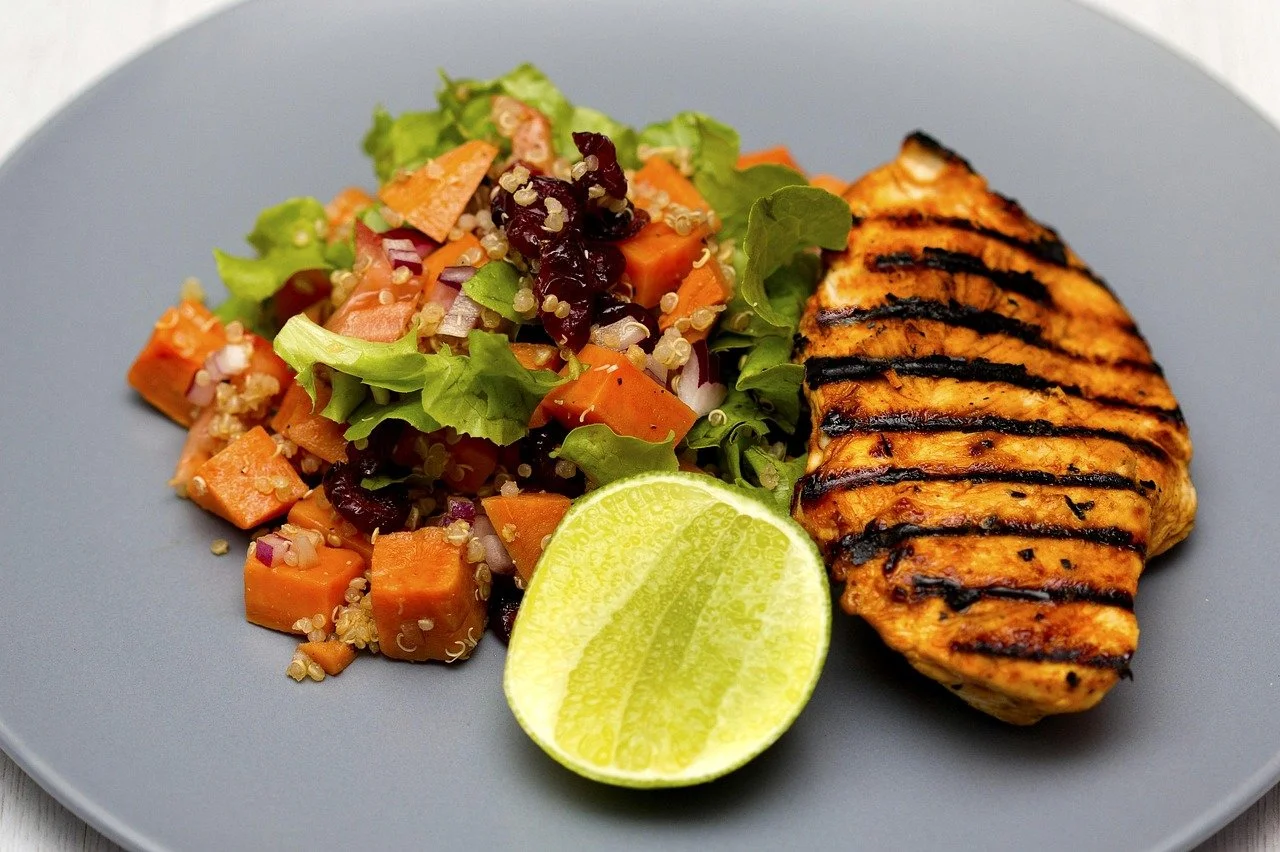
Roasted Sweet Potato, Arugula, and Orange Salad. Toss warm roasted sweet potato cubes with peppery arugula, fresh orange segments, toasted pecans, and a citrus vinaigrette. The combination of warm and cool ingredients, along with the contrasting flavors, makes an interesting lunch or side dish.
Sweet Potato Breakfast Hash. Brown diced sweet potatoes with onions, bell peppers, and a little turkey sausage or leftover roasted chicken. Add herbs and top with an egg for a satisfying breakfast. Leftover roasted sweet potatoes make this especially easy.
Boniato and Roasted Garlic Mash. Cook peeled boniato until tender, then mash with roasted garlic, olive oil, and enough warm milk or broth to achieve a smooth consistency. Its milder sweetness makes it an excellent accompaniment to roasted chicken or fish.
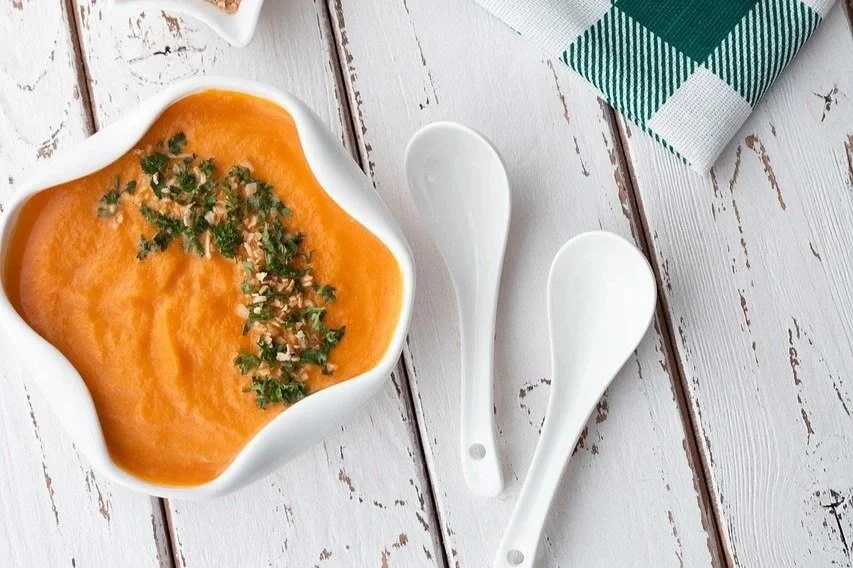
Creamy Sweet Potato, Ginger, and Coconut Soup. Simmer orange sweet potatoes with onion, garlic, ginger, and broth, then purée with coconut milk. Finish with a squeeze of lime and a little chile for a soup that's warming, creamy, and full of flavor.
Sweet Potato Gnocchi with Brown Butter and Sage. Combine cooked sweet potato with flour to make tender little dumplings, then finish them with browned butter and fresh sage. The nutty butter and earthy herbs are a wonderful match for the sweet potato's natural flavor.
You can also substitute sweet potatoes for some of the regular potatoes in a gratin, add roasted cubes to a grain bowl, or stir leftover mashed sweet potatoes into pancake batter. And don't forget that choosing a different variety can change the dish just as much as changing the preparation. A boniato gratin will have a different character from one made with a moist, orange-fleshed sweet potato, even when the other ingredients are exactly the same.
Nutritional Benefits
With all this talk about flavor and cooking, we shouldn't overlook the nutritional benefits of sweet potatoes. They're a good source of carbohydrates for energy, along with fiber, potassium, and a variety of vitamins and other plant compounds. A medium baked sweet potato provides around 100 calories, approximately 24 grams of carbohydrates, and nearly 4 grams of fiber, although the exact amounts depend on its size and variety. And as we've already discovered, the different colors aren't just for show. They also tell us something about the nutrients and plant compounds found inside.
The bright orange color of many sweet potatoes comes from beta-carotene, a plant pigment our bodies can convert into vitamin A. Vitamin A is important for normal vision, immune function, and healthy cell growth. Orange-fleshed sweet potatoes are particularly rich in beta-carotene, making them one of the foods that can contribute substantially to our vitamin A needs. Beta-carotene is fat-soluble, so including a little olive oil, butter, or another source of fat with your sweet potatoes can help your body absorb it.
Purple-fleshed sweet potatoes offer a different benefit. Their rich color comes from anthocyanins, the same family of plant pigments responsible for the deep colors of blueberries, blackberries, and purple cabbage. These compounds have antioxidant properties and are being studied for their potential role in supporting long-term health. White- and cream-fleshed varieties generally contain less beta-carotene than orange sweet potatoes, but they still provide fiber, minerals, and other nutrients. Each variety has something to offer, which is another reason to enjoy the assortment rather than always choosing the same one.
What about the fact that sweet potatoes are naturally sweet? Does that mean they're high in sugar or likely to cause problems with blood glucose? Sweet potatoes are starchy vegetables, so they do contain carbohydrates that our bodies break down into glucose, just as they do with regular potatoes, rice, and other starchy foods. Their effect on blood sugar depends on several factors, including the variety, cooking method, portion size, and what else you're eating. Sweet potatoes aren't automatically a better choice than regular potatoes for blood sugar management, nor are they something we need to avoid simply because they taste sweet. The nutritional value of a food matters, but so does how we use it, what we eat with it, and the pleasure we get from sharing familiar dishes with people we care about.
A Few Sweet Potato Surprises
There's an interesting reason sweet potatoes taste so good when they're baked. They're actually becoming sweeter as they cook. Sweet potatoes contain enzymes that convert some of their starch into maltose, a type of sugar, when heated. The amount of conversion depends on the variety and cooking conditions, but slower baking can give those enzymes more time to work before they're deactivated by higher temperatures. For a sweet treat try these ‘Proper, Proper, Proper Sweet Potatoes from Chef Lucas Sin. He recommends freezing a sweet potato until solid and then roasting at 450 degrees for an hour or so until the caramelized sugar is seeping from the potatoes and trapped steam has separated the skin from the flesh.
Did you know that sweet potato leaves are edible? Unlike the leaves of regular potatoes, which contain potentially harmful compounds, the tender leaves and shoots of sweet potato plants can be cooked and eaten. They're used as greens in several parts of Asia, Africa, and the Pacific, often sautéed with garlic or added to soups. They're not something we commonly see in American grocery stores, but it's another example of how differently the plant is used around the world.
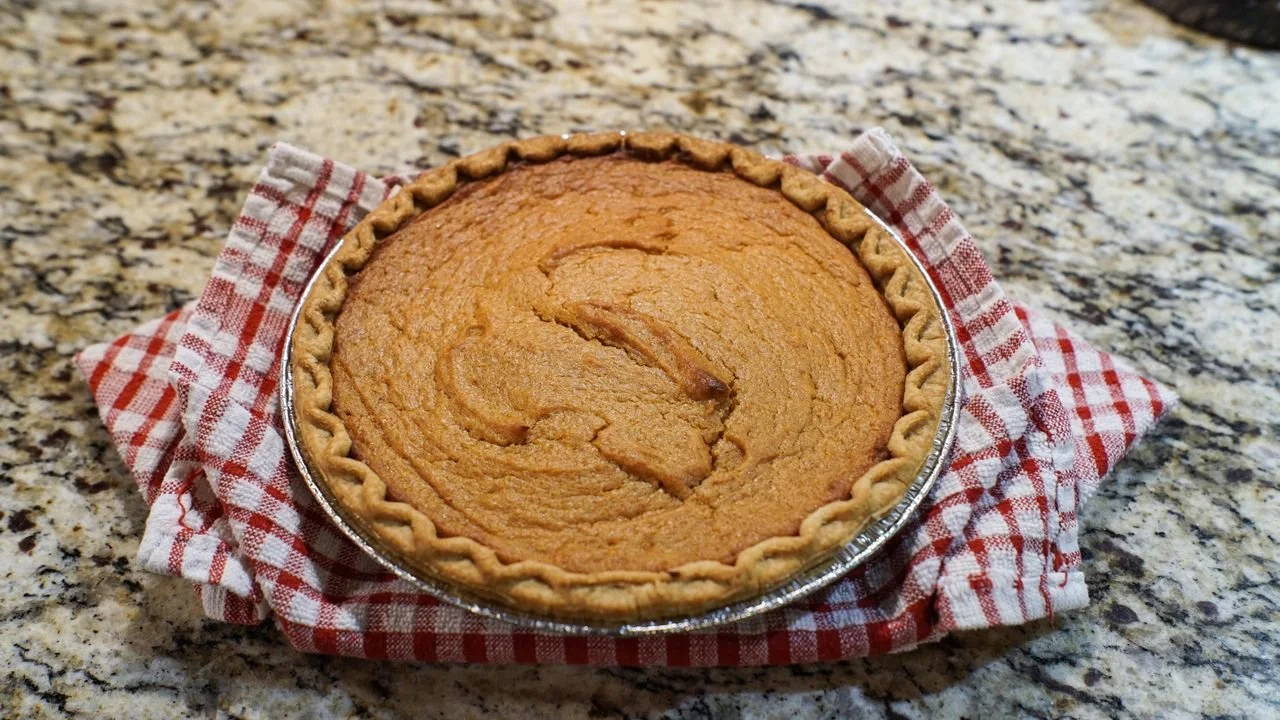
Sweet potato pie has become a traditional favorite in Southern U.S. cuisine. In fact, they are so popular that they're named the state vegetable in Alabama, Louisiana, and North Carolina!
Beyond Thanksgiving
This year’s Thanksgiving sweet potatoes may still be prepared the same way, and that’s certainly something to look forward to. Some dishes are part of what makes the holiday special. But there's a whole year between one Thanksgiving and the next. Plenty of time to try a boniato, roast a Japanese sweet potato until it's wonderfully sweet, or discover what happens when you trade the cinnamon and brown sugar for garlic and chile.
Let’s get cooking!
One of the pleasures of cooking is discovering how a few thoughtful choices can transform an ordinary ingredient. Beets give you plenty of opportunities to explore that, from the technique you choose to the flavors and textures you bring together. There's no single right way to prepare them, so have some fun experimenting and see what appeals to you.
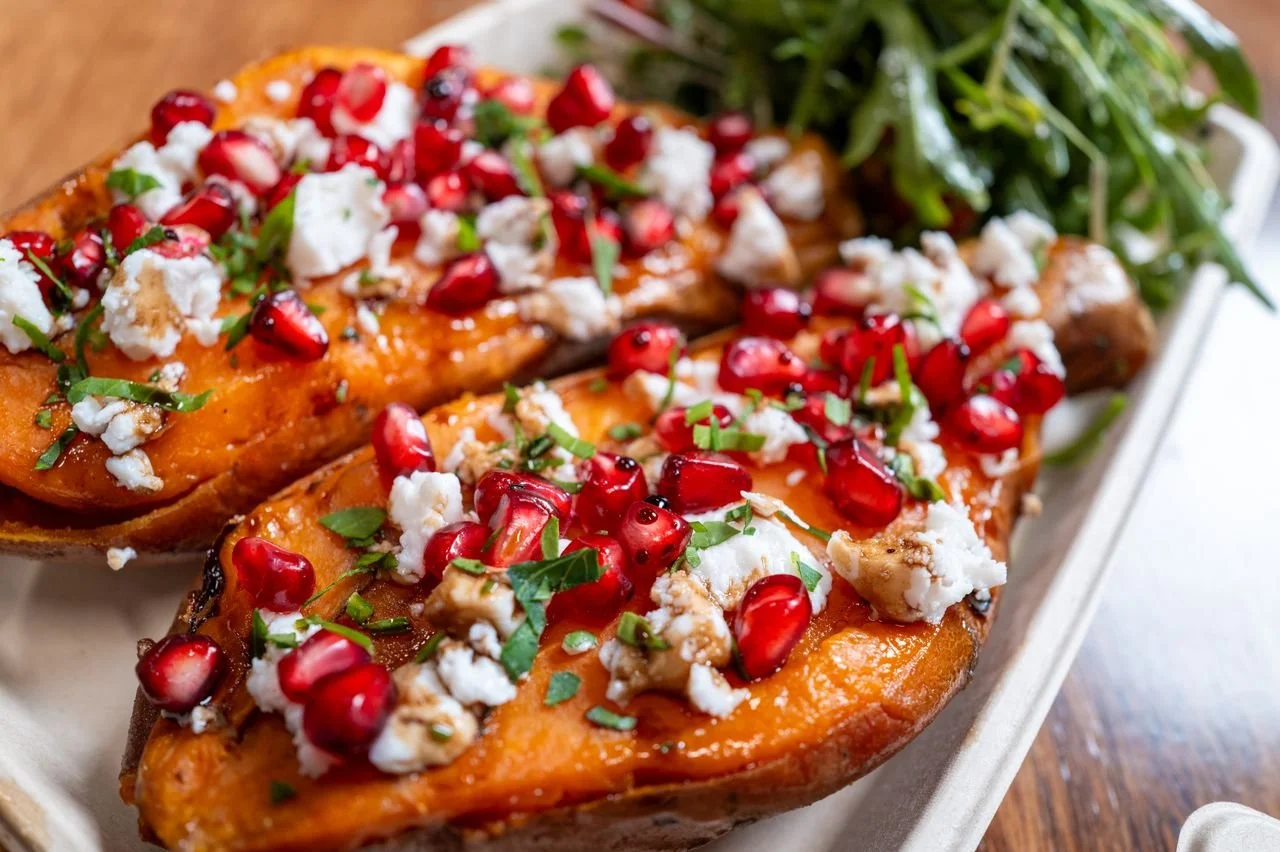
Garlic & Rosemary Hasselback Sweet Potatoes
If you grew up eating Harvard beets, these Orange-Ginger Glazed Beets might bring back some familiar memories, but with a slightly different flavor. Instead of relying on a heavy sugar-and-vinegar glaze, this version uses orange juice, fresh ginger, a touch of honey, and apple cider vinegar to create a lighter, brighter sweet-and-sour sauce that complements the natural sweetness of the beets.
One of the nicest things about this recipe is how easy it is to prepare. Plain canned beets work beautifully, so there's no need to peel, roast, or boil fresh beets before getting started. A few minutes on the stovetop is all it takes to turn them into a colorful side dish that pairs nicely with roasted chicken, pork, or a simple weeknight dinner. And if you prefer using freshly cooked beets, they'll work just as well.

Hasselback Sweet Potatoes
Ingredients
- 4 medium sweet potatoes (about 6–8 ounces each), similar in size
- 2 tbsp olive oil, divided
- ½ tsp kosher salt
- ¼ tsp freshly ground black pepper
- 2 cloves garlic, finely minced
- 1 tsp finely chopped fresh rosemary (or ½ tsp dried)
- 1 tsp freshly grated lemon zest, optional
Instructions
- Preheat the oven to 425°F. Line a baking sheet with parchment paper.
- Scrub the sweet potatoes and dry thoroughly. Place one potato between two chopsticks or the handles of two wooden spoons. Using a sharp knife, make thin cuts across the potato about ⅛ inch apart. The chopsticks act as stops, keeping the knife from cutting completely through. Repeat with the remaining sweet potatoes.
- Place the sweet potatoes on the baking sheet, cut sides up. Brush with 1 tablespoon of the olive oil, making sure to coat the tops and sides. Season with salt and pepper.
- Roast for 30 minutes, until the sweet potatoes begin to soften and the slices start to separate.
- Combine the remaining tablespoon of olive oil with the garlic and rosemary. Remove the sweet potatoes from the oven and gently fan the slices apart with a fork or the tip of a knife. Brush the seasoned oil over the potatoes, letting some work between the slices.
- Return to the oven for another 15–30 minutes, until the centers are completely tender and the edges are lightly browned. If the garlic begins to brown too quickly, loosely cover the potatoes with foil.
- Sprinkle with lemon zest, if using, and serve warm.
Notes
Flavor Variations
- Maple-Dijon & Toasted Pecan Mix 1 tablespoon maple syrup with 2 teaspoons Dijon mustard and the remaining tablespoon of olive oil. Brush onto the potatoes during the last 10–15 minutes of roasting. Sprinkle with 2 tablespoons chopped toasted pecans just before serving.
- Smoky Chile & Lime Combine ¾ teaspoon smoked paprika, ½ teaspoon ground cumin, and a pinch of cayenne with the remaining tablespoon of olive oil. Brush over the potatoes after the first 30 minutes of roasting. Finish with 1 teaspoon freshly grated lime zest, a squeeze of lime juice, and chopped cilantro, if desired.
- Ginger, Sesame & Soy Mix 2 teaspoons reduced-sodium soy sauce, 1 teaspoon honey, 1 teaspoon freshly grated ginger, 1 teaspoon toasted sesame oil, and 2 teaspoons water. Brush over the potatoes during the last 10 minutes of roasting, reducing the salt in the basic recipe to ¼ teaspoon. Finish with toasted sesame seeds and thinly sliced scallions.
Venison and Sweet Potato Shepherd’s Pie
This Venison and Sweet Potato Shepard’s Pie is a twist on the classic shepherd’s pie that’s about to become your new favorite. The rich, slightly sweet flavor of venison pairs perfectly with sauteed onions, mushrooms, garlic, and earthy herbs, while a creamy, cheesy layer of sweet potato mash adds just the right touch of natural sweetness.
But here’s the best part—it’s not just delicious, it’s also great for your mitochondria! Venison is packed with high-quality protein, iron, and B vitamins, all essential for energy production at the cellular level. Sweet potatoes bring in fiber, antioxidants, and complex carbs that help fuel your body without blood sugar crashes. Together, they create a meal that not only satisfies your cravings but also keeps your energy steady and strong.
And did I mention how easy it is to make? Brown the venison, mix in a medley of veggies and seasonings, top with that velvety sweet potato mash, and bake until golden and bubbling. It’s simple, nourishing, and the perfect way to power up on a cozy night.

Venison and Sweet Potato Shepherd's Pie
Ingredients
- 4 cups diced, peeled sweet potatoes
- 4 tsp avocado or olive oil
- 8 oz ground venison (or other ground meat of choice)
- 1 cup diced onions
- 1 cup diced carrot
- 8 ounces mushrooms, finely chopped
- 3 cloves garlic, minced
- 1/2 tsp dried thyme
- 1/2 tsp dried rosemary
- 1/2 tsp dried sage
- 1 tbsp tomato paste
- 2/3 cup white wine
- 2 tbsp flour
- 1 cup beef stock
- 1 cup frozen peas
- 1 cup canned white beans, drained and rinsed (or bean of choice)
- salt and pepper
- 1/2 cup milk
- 2 tbsp butter
- 1/2 cup shredded cheddar cheese
Instructions
- Preheat the oven to 400 degrees F. Butter an 8" x 8" casserole dish. Set it aside.
- Place the sweet potatoes on a baking sheet and drizzle with 1 tsp of the oil. Toss to lightly coat the potatoes in the oil. Put the sheet in the oven to roast the potatoes.
- While the potatoes are roasting, prepare the filling. Heat the remaining oil in a large sauté pan over medium high heat. Add the ground venison, season it with salt and pepper, and sauté until it's cooked through. When it's done, spoon it onto a plate and set aside.
- Add the onions, carrots, and mushrooms to the pan, season with salt and pepper, and cook for 4 - 5 minutes until they're soft and the liquid from the mushrooms is gone. Add the garlic, spices, and tomato paste and cook for an additional 1 - 2 minutes.
- Add the wine and cook until it is nearly all evaporated. Stir occasionally to loosen any stuck bits on the bottom of the pan. Meanwhile, check the potatoes cooking in the oven. Take them out when they're soft.
- Add the flour to the vegetables and cook for 2 minutes stirring constantly to keep it from burning.
- Add the beef stock and stir it to fully incorporate the flour and make a sauce. Add the cooked venison, beans, and peas. Bring to a boil.
- Pour the filling into the prepared casserole dish. Spread it evenly around the dish with a spoon or spatula.
- To finish the sweet potato topping, put them in a bowl with butter and milk and use an electric mixer to whip them until they are light and fluffy. Stir in the cheddar cheese and season with salt and pepper.
- Spread the sweet potatoes in an even layer over the filling.
- Reduce the heat on the oven to 375 degrees F and put the casserole inside.
- Bake for 25 - 30 minutes until the filling is bubbly.
- If you'd like, broil for 2 minutes to crisp up the top.
- Let it cool for 10 - 15 minutes before serving.
There you have it!
There's room at the table for old favorites and new discoveries. Keep the sweet potato dishes your family loves, and have some fun exploring the others. You never know which new preparation might become a tradition of its own.